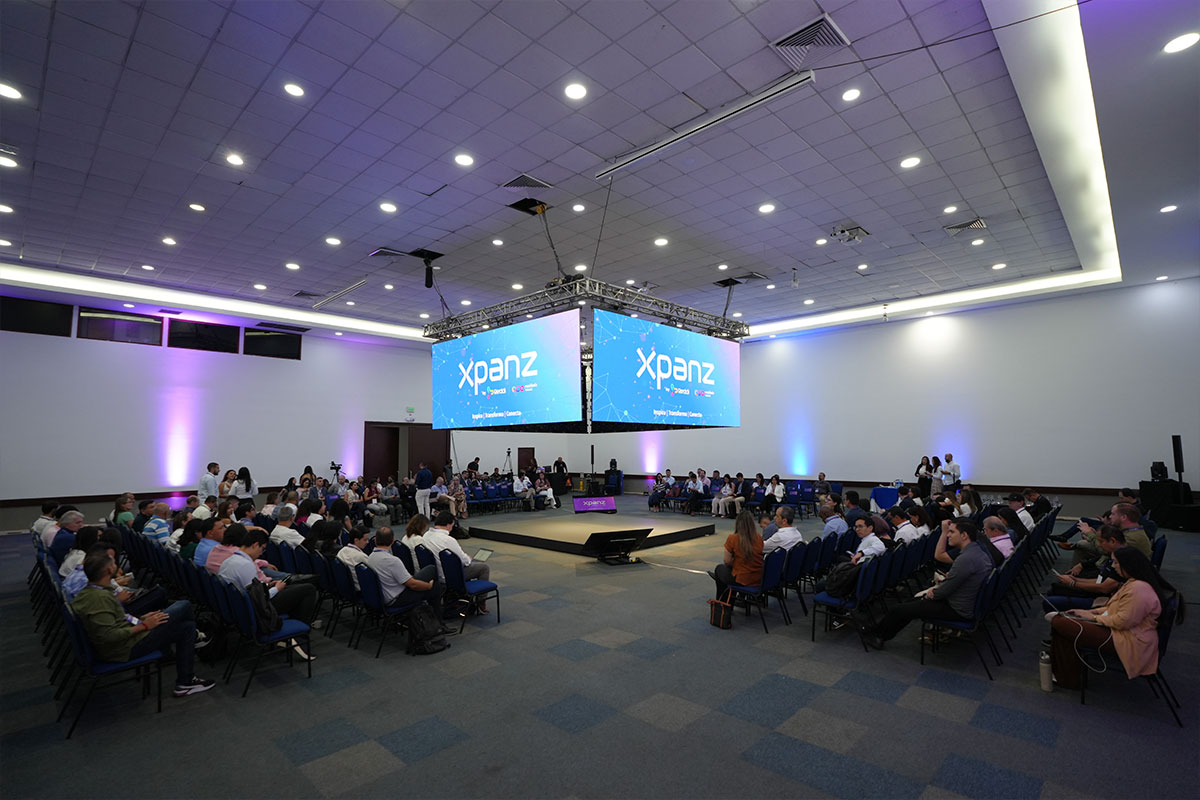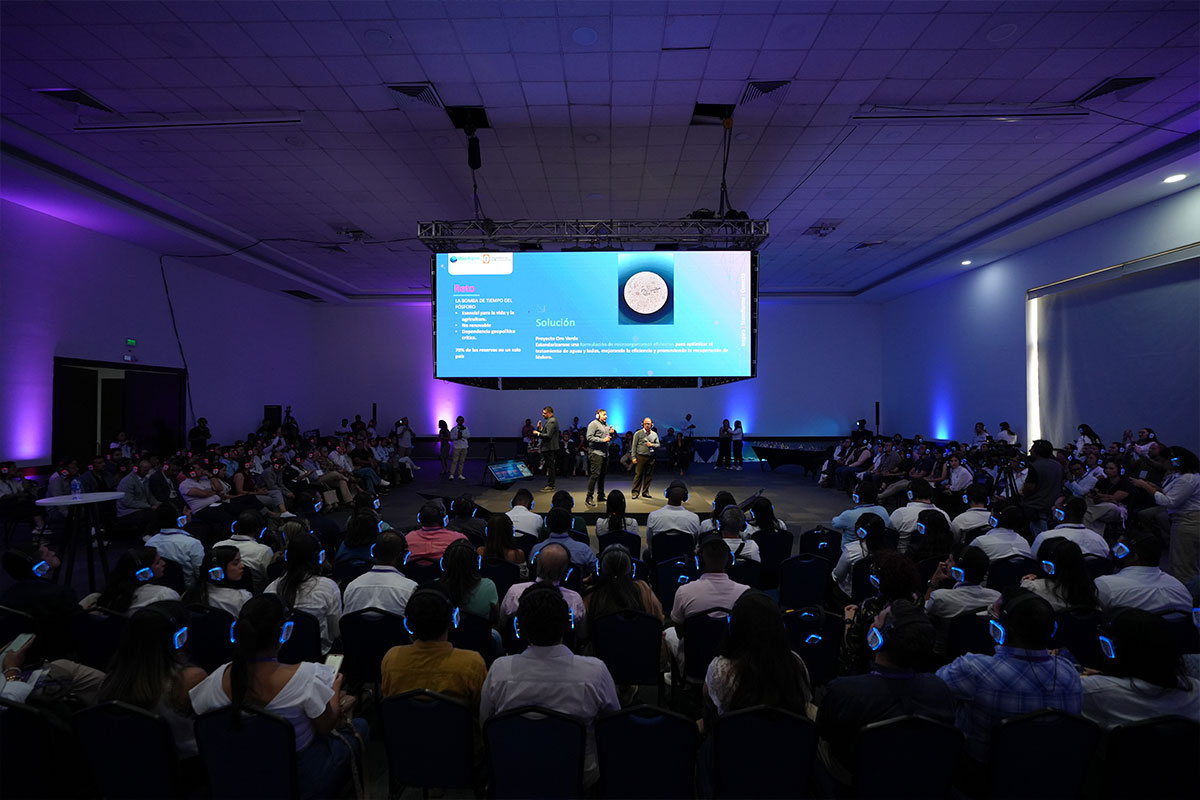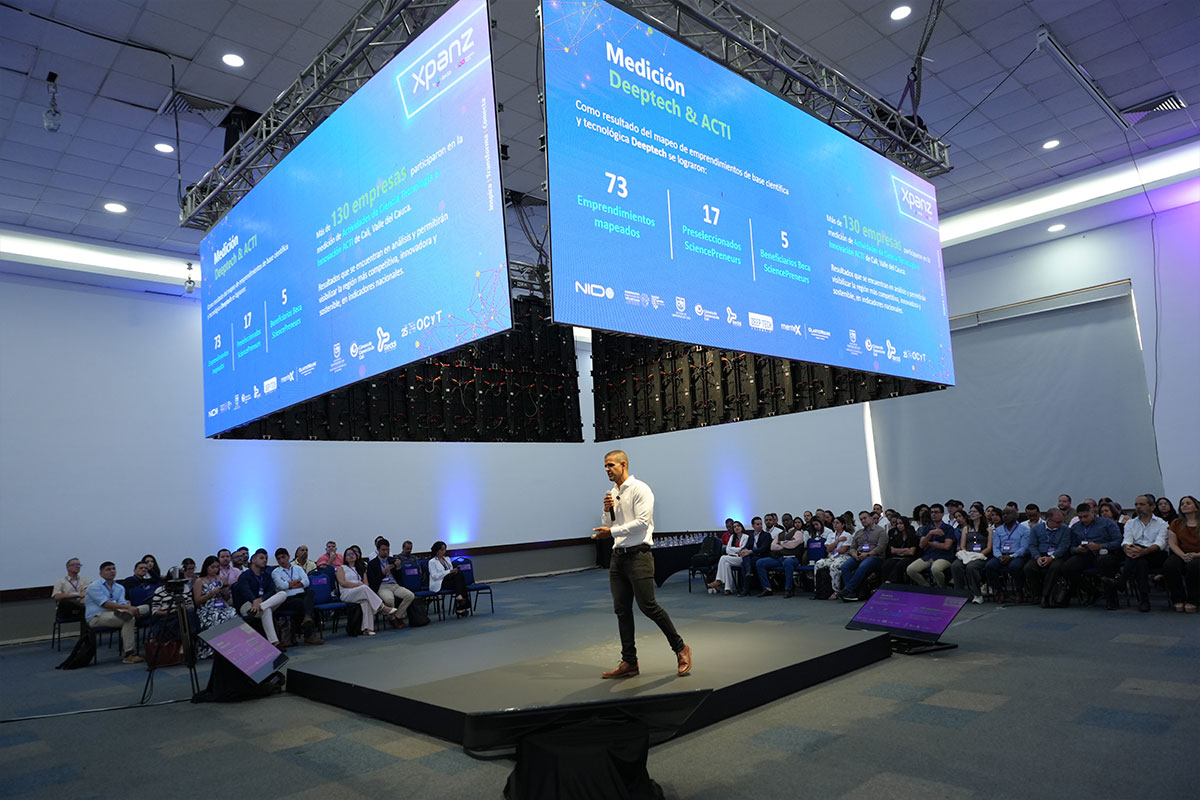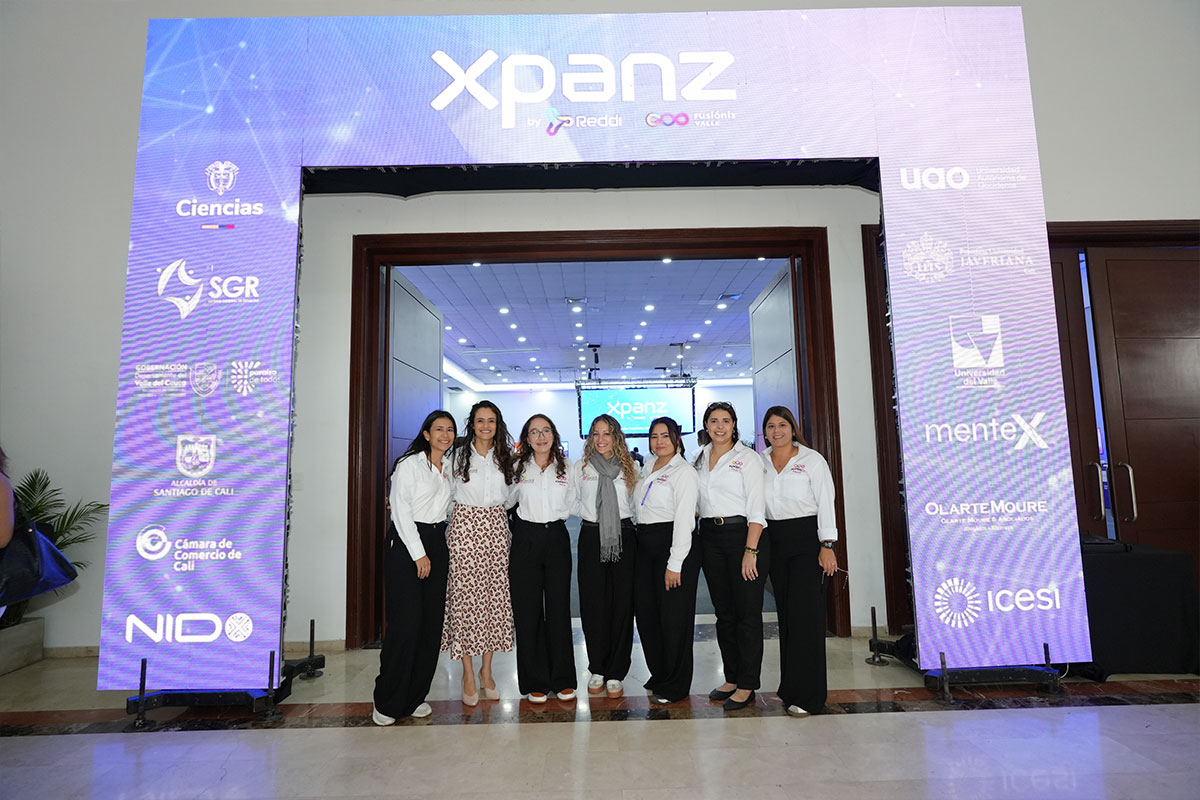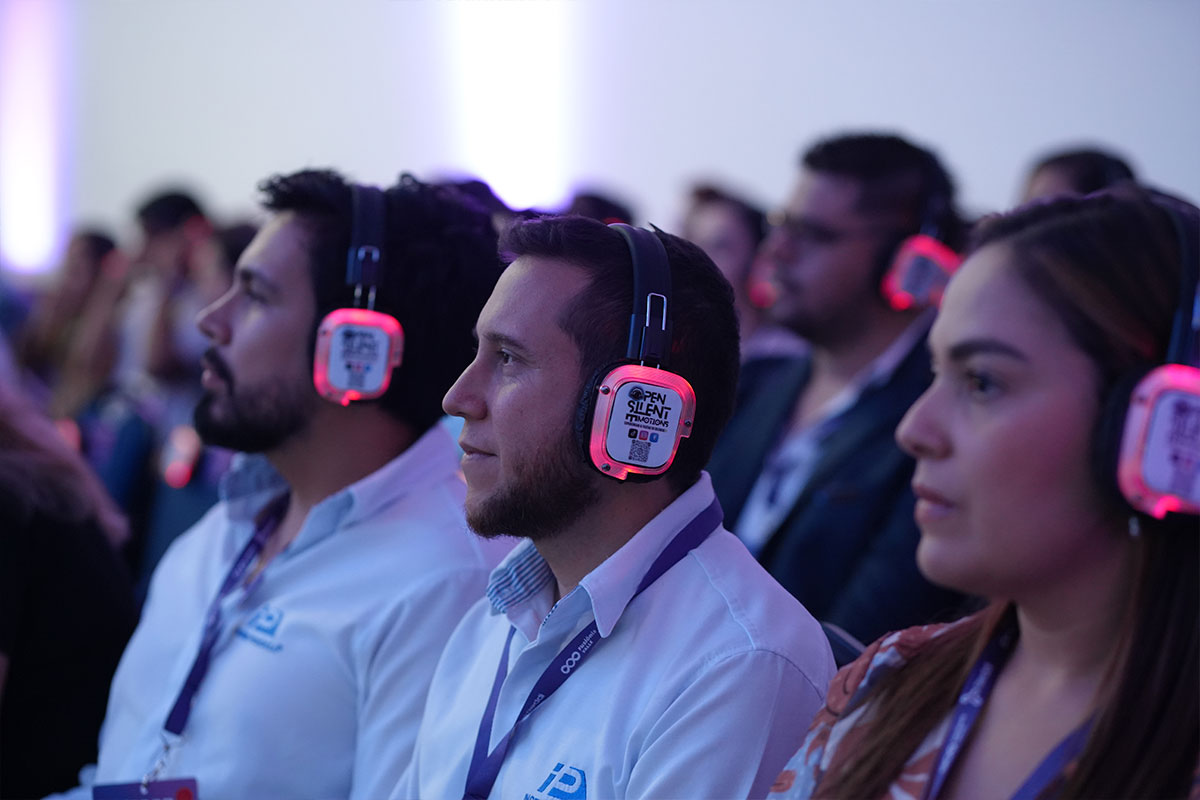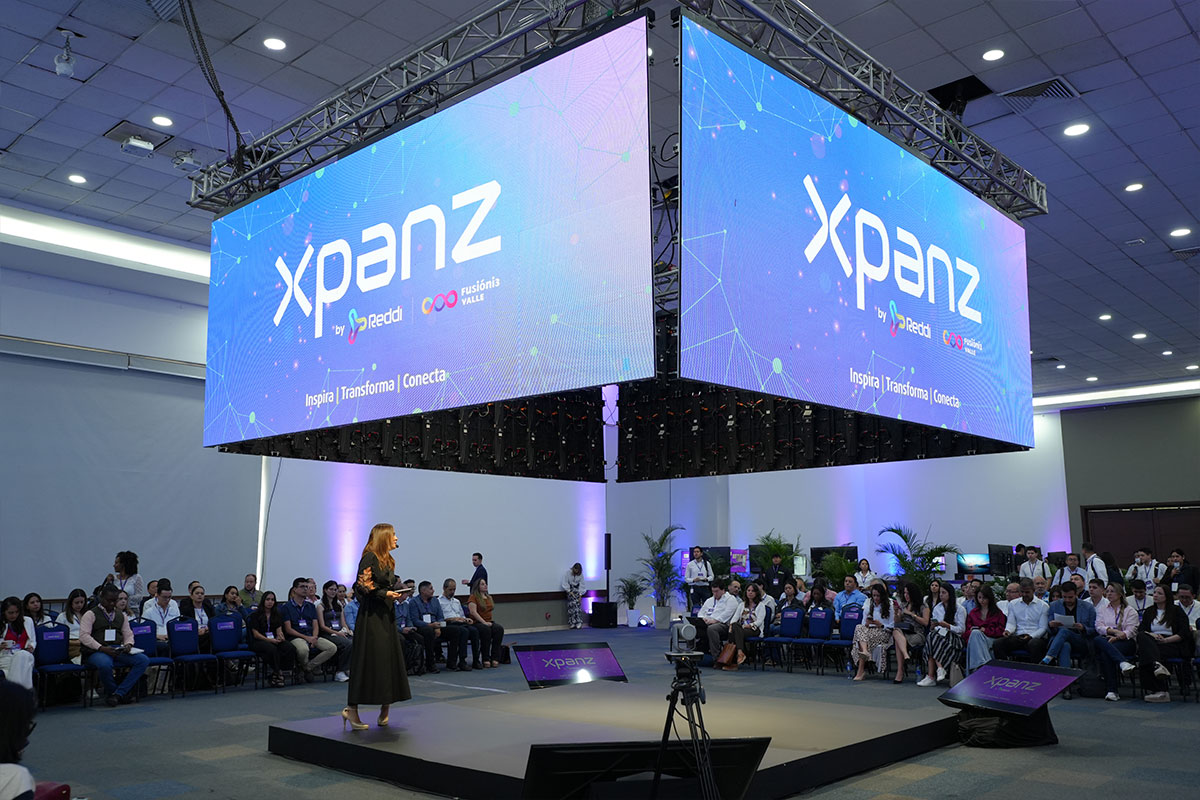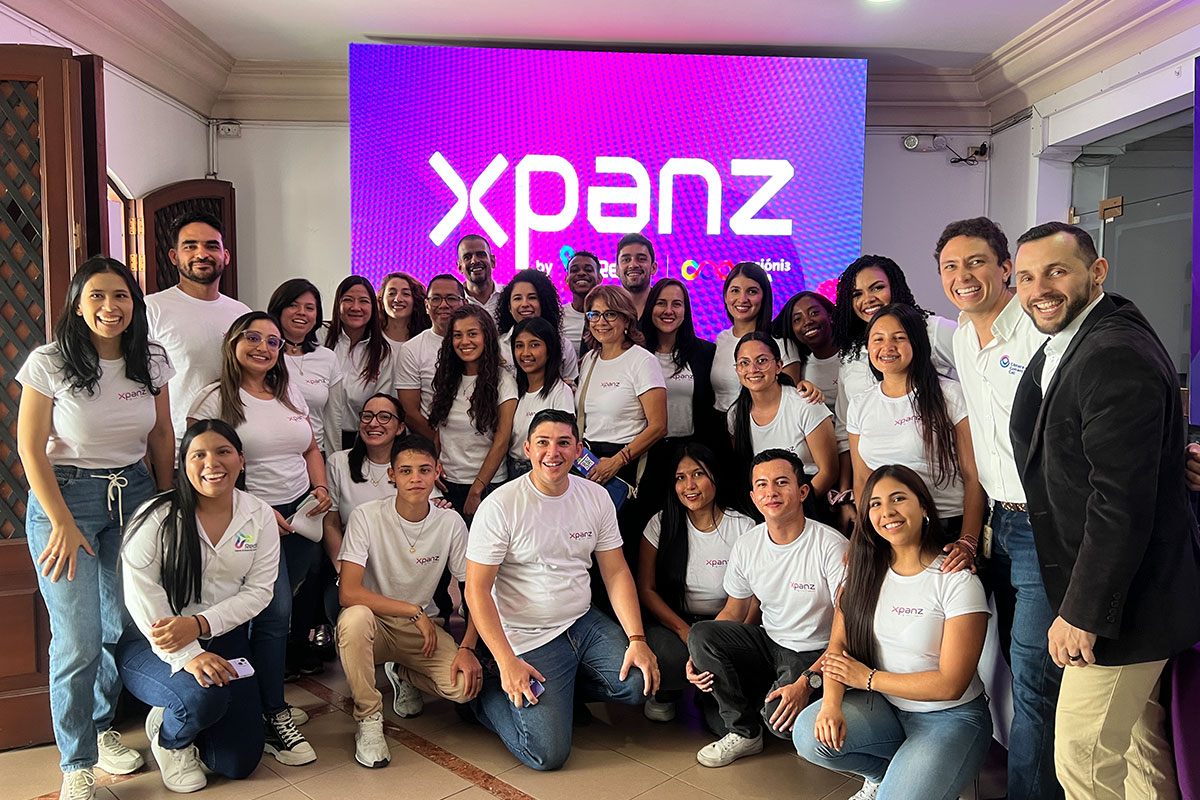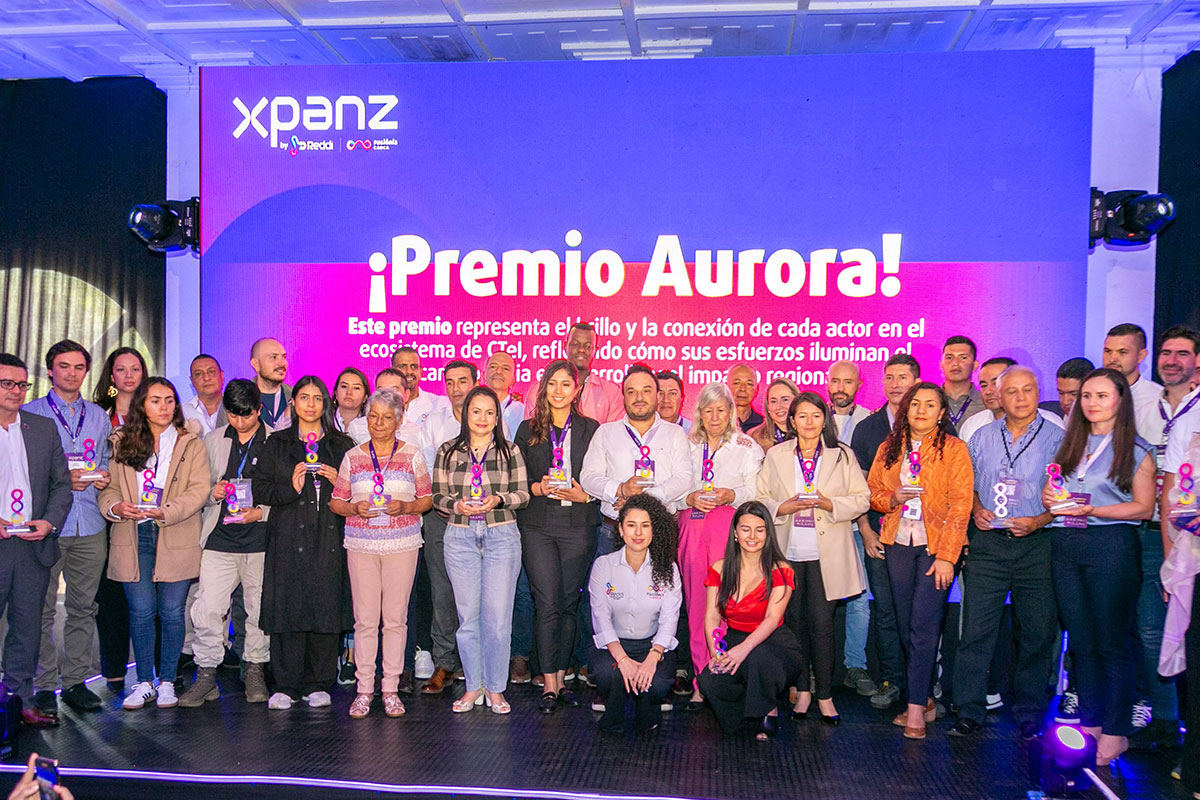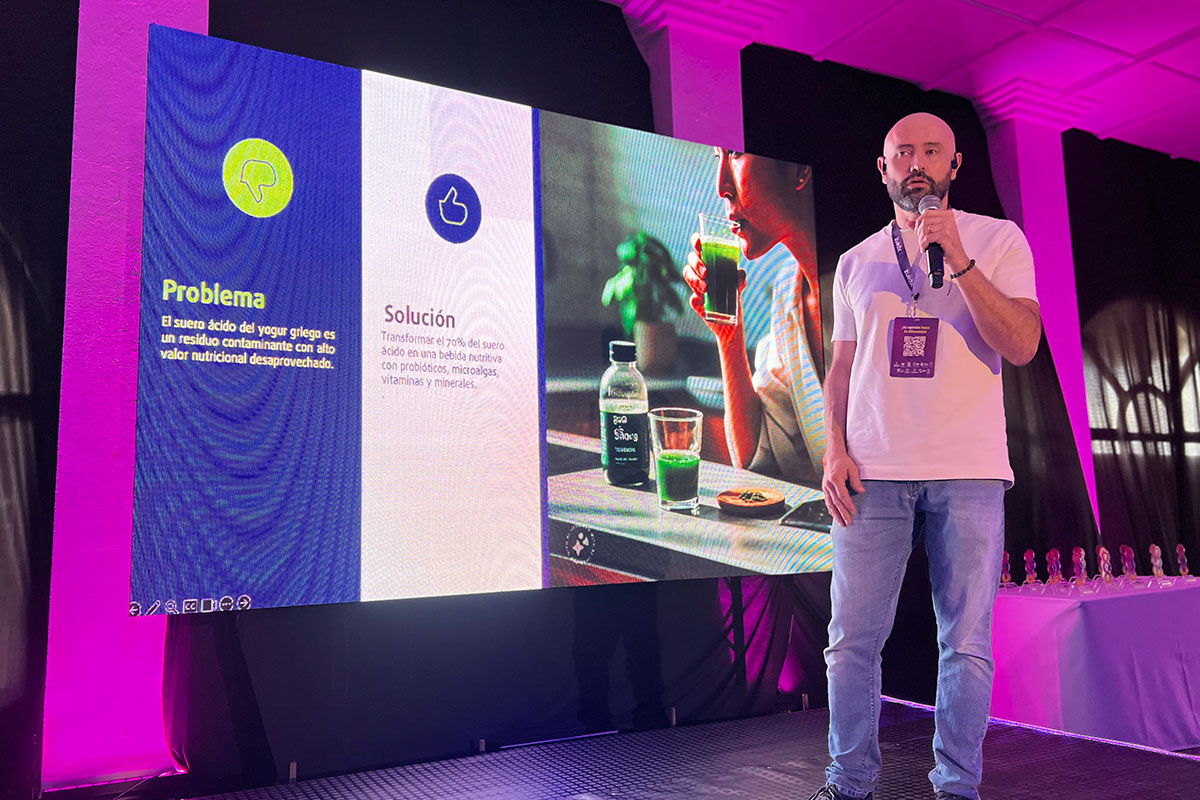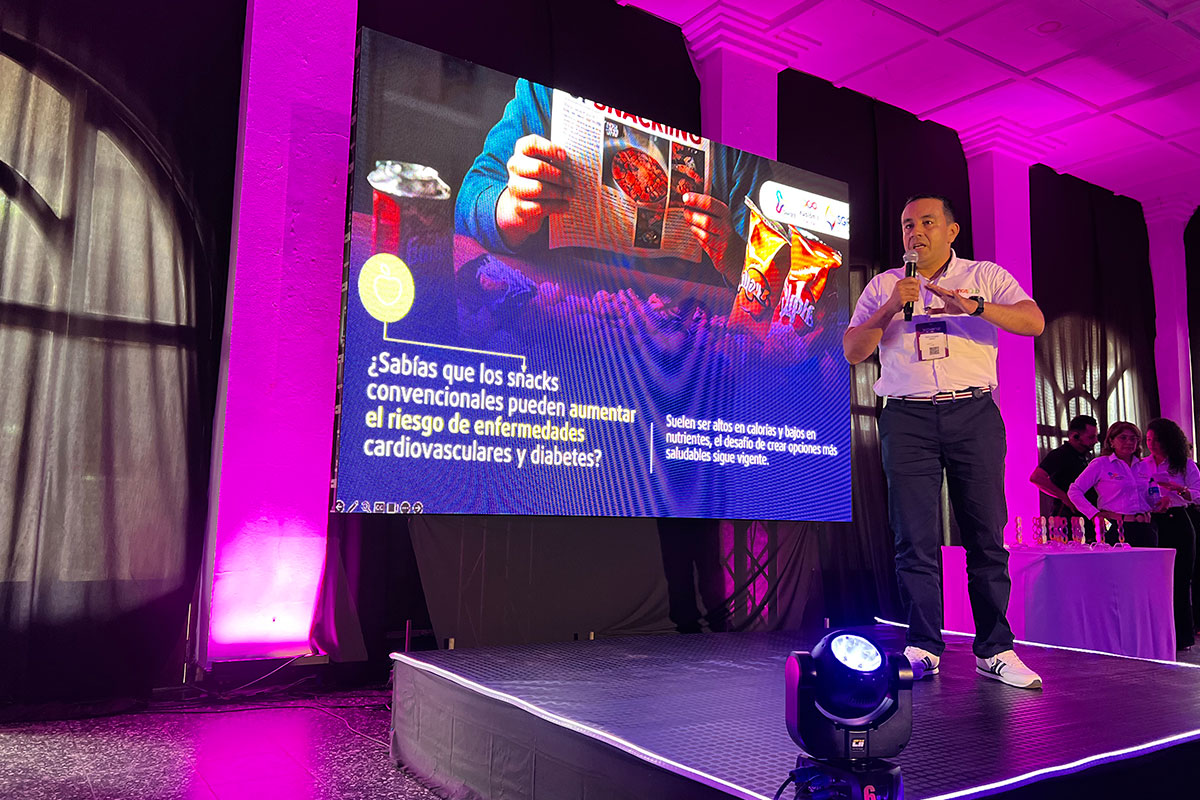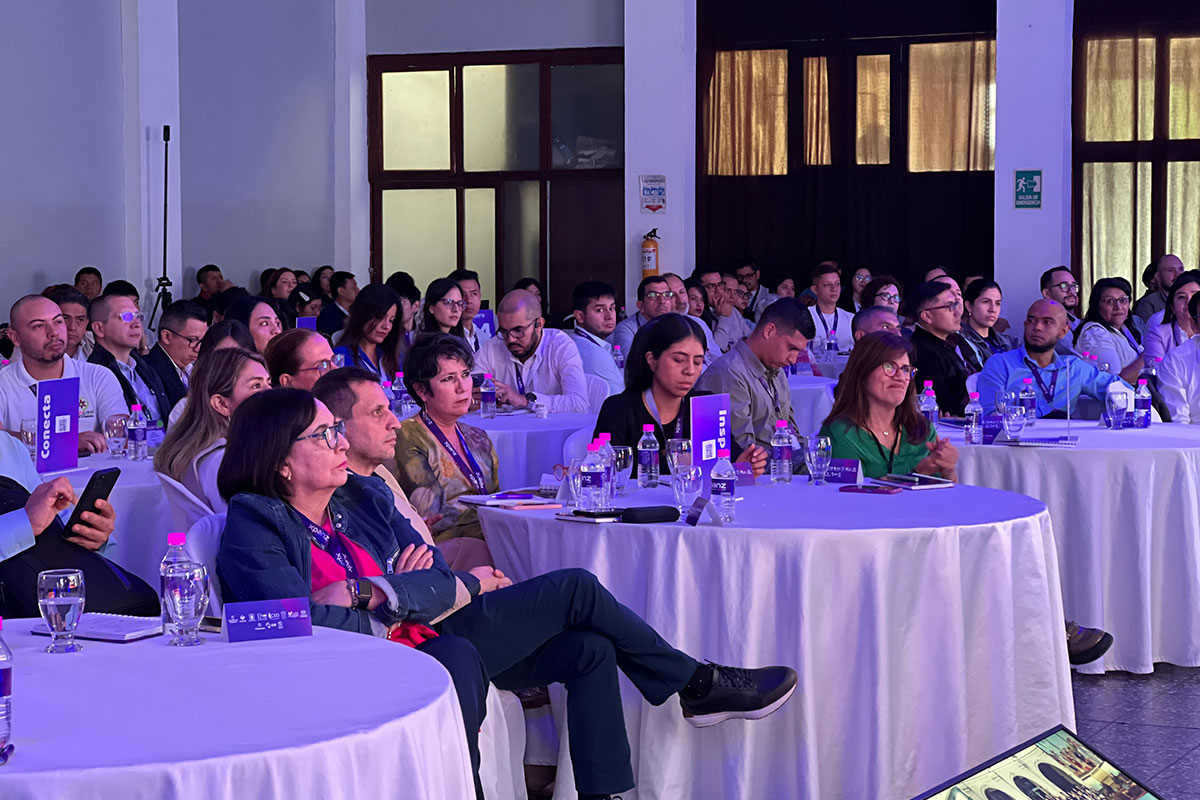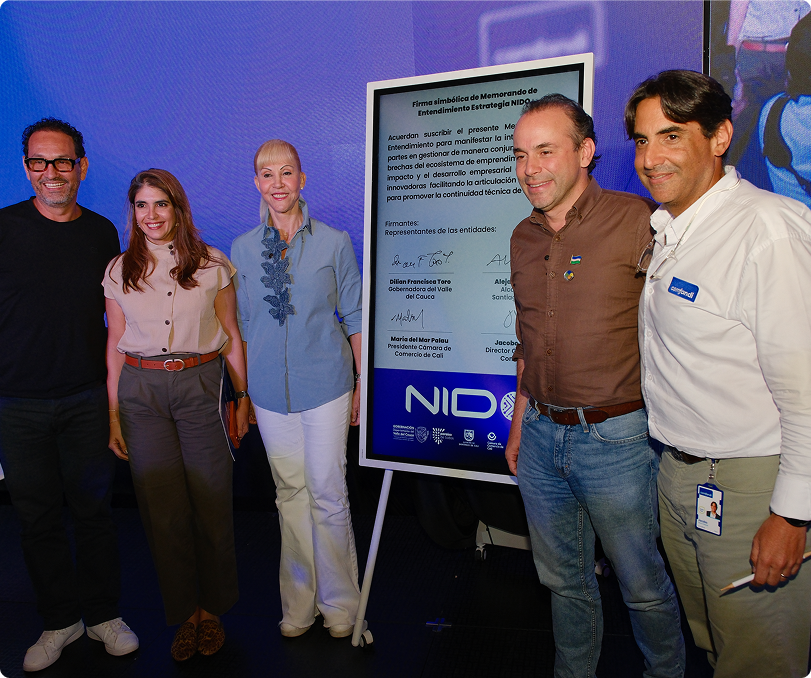
Reddi recognizes and celebrates the evolution of NIDO as a key initiative for strengthening the innovation ecosystem in Valle del Cauca. This new approach expands opportunities for SMEs to connect with innovation and drive their growth in a sustainable way.
With this evolution, NIDO broadens its scope by integrating not only startups but also innovative SMEs and corporations, positioning itself as a comprehensive platform that fosters collaboration among stakeholders and promotes business development in the region. This approach encourages open innovation and collaboration dynamics, which are essential for addressing today’s business challenges.
kewise, the incorporation of Comfandi as a strategic partner represents a significant step forward, as it joins as a facilitator that will strengthen support for companies and help energize the business ecosystem.
We highlight the importance of this type of initiative, which fosters connections among stakeholders, strengthens innovation capabilities, and promotes a more competitive and sustainable ecosystem. We reaffirm our commitment to continue supporting and aligning efforts that generate impact on the region’s business development. Learn more about our partnership with NIDO here.
In an environment where knowledge has become one of organizations’ most valuable assets, the proper management of intellectual property is no longer optional: it is strategic. In this context, the National Planning Department (DNP) presents the “Introductory Guide to Intellectual Property Valuation for Entrepreneurs and SMEs: Redefining its Value ,” a key tool for understanding, managing, and enhancing intangible assets within the Colombian business landscape.
This guide arises as a response to a compelling reality: more and more companies are concentrating their value in intangible assets such as knowledge, brands, patents, and know-how. However, many organizations still fail to fully grasp their impact or leverage them strategically.

The document offers a clear and practical approach to intellectual property, explaining not only what it is, but also how it can become an engine of business growth. Using accessible language, it guides entrepreneurs and SMEs in three key areas:
The guide suggests that intellectual property should be aligned with business objectives, moving from being a legal formality to becoming an asset capable of generating competitive advantages and economic value.
One of its most significant contributions is its focus on access to resources. The guide explains how intellectual property assets can be used as collateral to attract investment or access credit, an aspect that is especially valuable for technology-based companies and growing startups.
It includes checklists and guidelines that facilitate processes such as valuation, expert selection, and the preparation of key information, enabling companies to make informed decisions about their intangible assets.


Valuing to compete: a necessity of the present
Valuing intellectual property not only allows you to estimate its economic value, but also to strengthen processes such as negotiations, licensing, mergers, access to financing, or even accounting and tax management.
In this sense, the guide highlights that understanding the value of these assets is fundamental to actively participating in a knowledge-based economy, where innovation defines competitiveness.
At Reddi, we believe that advancing the valuation of intellectual property is key to strengthening innovation in the country. Tools like this guide are integrated with our financial valuation services for technology commercialization, through which we support companies in estimating the economic value of their intangible assets and preparing them for negotiation, licensing, or investment processes.
We invite you to explore this tool in detail and take the next step in the strategic management of your intangible assets.
Source: National Planning Department (DNP)
On March 20, Reddi held its 2025–2026 General Assembly , a key space to share progress, results and the vision that continues to position the organization as a strategic actor in the articulation of the science, technology and innovation ecosystem in Colombia.
During the event, results were presented demonstrating Reddi’s commitment to transforming knowledge into real solutions for the country. In this period, nine projects were managed , mobilizing resources of $12.679 billion, and 17 networking opportunities were fostered among ecosystem stakeholders, strengthening the exchange of skills and the creation of partnerships.
One of the key achievements was the Fusióni3 Cauca and Fusióni3 Valle project , which supported 50 companies by connecting them with 9 universities. This initiative allowed for the transition from laboratory development to real-world applications, fostering projects such as robotics operating in factories, healthcare prototypes ready for validation, and new products already reaching the market.
Reddi also promoted open innovation initiatives in strategic sectors such as food, agriculture and health, leveraged through maturation funds aimed at scaling solutions with high impact potential.
These advances reflect a clear commitment to energizing valuable conversations and strengthening innovation capabilities in the country, connecting actors, knowledge and opportunities.
At Reddi, we continue to consolidate our position as the leading Colombian platform for transforming knowledge into social, economic, and environmental impact, promoting a more collaborative, competitive ecosystem geared towards sustainable development.

For over a decade, in various roles as an engineer, I’ve had a constant responsibility throughout my career: mobilizing people. People to achieve business goals, to adopt new ideas, and now to transform scientific and technological developments into market-ready solutions.
That need led me to delve deeper into human behavior and pursue a master’s degree in Applied Neurohappiness. I was driven by a big question: what truly motivates people? What drives them to commit, to act, to change?
At that time, I was working at an engagement agency focused on achieving business goals. Time and again, I confirmed that to achieve sustainable results, I first had to understand the people I wanted to engage.
From that academic and professional experience, an idea emerged: to promote positive emotional states to activate chemical and biological changes in the brain that would make us more adaptable, creative, and productive. By lowering cortisol, our executive functions operate more clearly. With that conviction, I developed an app focused on enhancing positive emotions in work environments. It had scientific backing, intention, and purpose. But then the question arose that would change my understanding of innovation:
What real problem does it solve? Who is it truly relevant to? Why would anyone be willing to adopt or pay for it?
That’s when I understood something essential: it’s not enough for a solution to work. It has to connect.
Today, as head of marketing and technology transfer, supporting universities, startups, and corporations in their innovation processes, I’m encountering the same reality. Many initiatives don’t fail due to a lack of technical knowledge; they fail because they can’t connect with their target audience.
Technology can be developed, talent can be recruited, and capital can be raised. But if we can’t explain why it matters, who it matters to, and what impact it has, innovation won’t be adopted and, therefore, won’t have an impact.
Leading innovation involves much more than managing projects. It involves managing egos, expectations, and fears. It involves translating scientific language into business language. It involves building trust among stakeholders who have never worked together before.
I’ve seen extraordinary technologies get stuck in a technical pitch due to a lack of narrative. And I’ve also seen technically simple solutions scale because someone knew how to articulate them clearly and purposefully.
The real challenge for the ecosystem isn’t technical, it’s human. It requires researchers to listen to the market, corporate leaders to recognize that innovation also comes from outside and understand that piloting involves uncertainty, and someone to have the courage to take risks even without absolute certainty.
My greatest lesson on this journey hasn’t been about mobilizing knowledge, but about mobilizing mindsets. Because leading innovation, more than a technological challenge, is a profoundly human act of leadership.
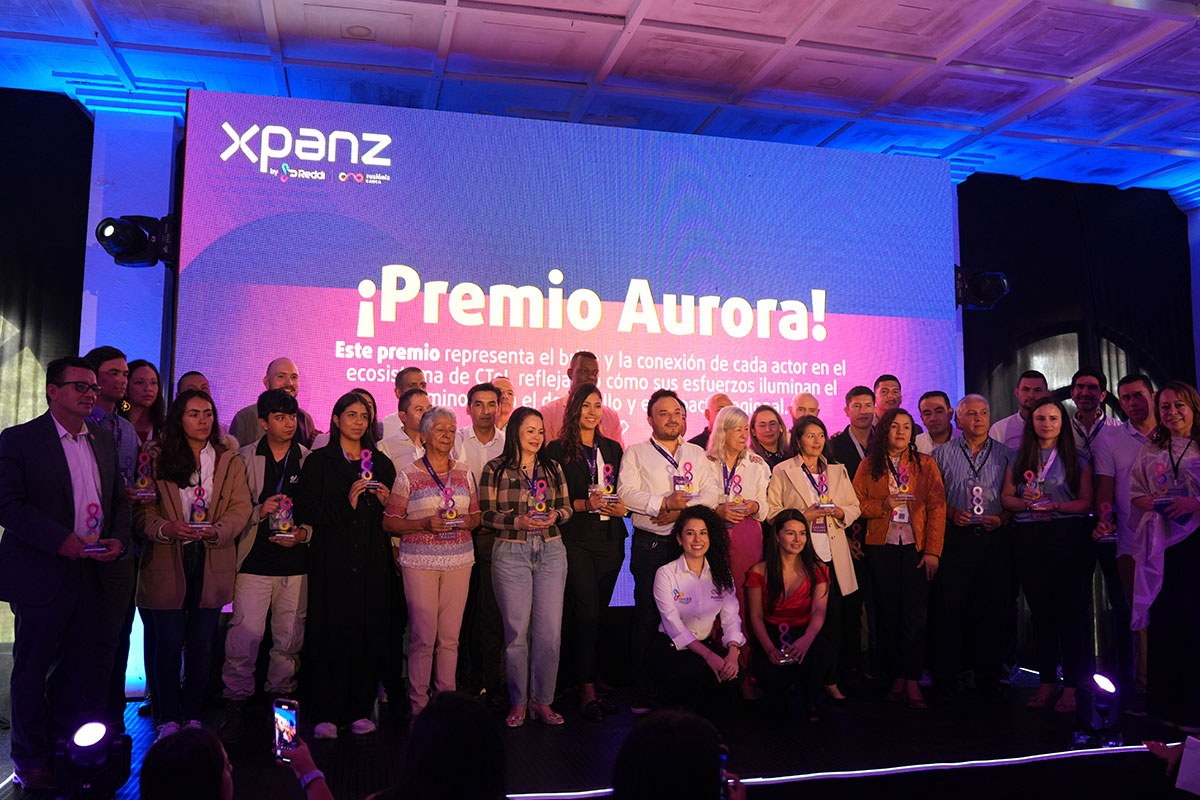
Fusióni3 Valle concludes with significant results. A general objective was achieved by strengthening innovation in 20 companies in the Valle del Cauca region, which, through their connection with universities, consolidated a culture of collaboration to develop products and services hand in hand with science and technology.
To achieve this, the project carried out various objectives and activities led and coordinated by a human team that acted as a bridge between five universities and entrepreneurs who, although they did not know each other previously, shared an interest in working together.
From managing alliances to closely monitoring each process, the team facilitated spaces for interaction, supported the dialogue, and was able to closely observe the evolution of each initiative, which is now a source of pride for the members of Fusióni3 Valle, who were also recognized by participating researchers and entrepreneurs.

This dialogue also extended to other training settings, such as the Autonomous Foundation of the West, Fundautónoma, where the capacities of 50 young people from its School of Entrepreneurship were strengthened, including job skills related to innovation processes.
The young people learned about the projects firsthand by interacting with entrepreneurs, researchers, coordinators, and managers; they toured company and university headquarters and participated in feedback sessions where they put forward their own solutions and proposals. This exercise broadened the project’s scope and generated expectations for new ways of working closely together between academia, business, and the community.
During the project, strategies were developed to leverage the intellectual capital of universities and their relationship with the productive sector, innovation management was strengthened in 20 companies, and ten university-business alliances were consolidated that developed or improved innovative services and products.
This is how the team members highlight their participation.
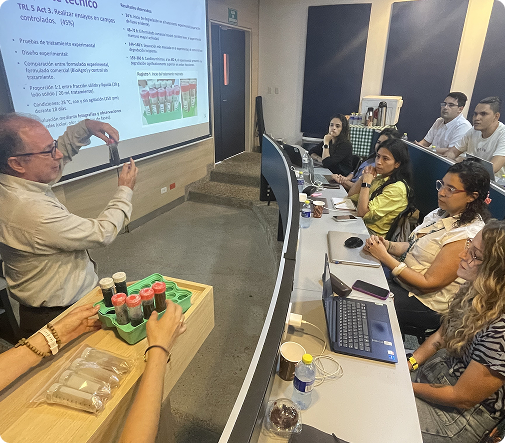
Fusióni3 Valle is seen as an experience of collective leadership and constant articulation between academic and business capabilities.
“The experience of working on this project was very rewarding. I was accompanied by a team that supported, led, and managed the university-business partnerships that developed innovative products and services, and most importantly, began to create a culture of collaborative innovation.”
“I want to highlight the collaboration seen in the execution of the university-business projects, their work to achieve the stated objectives, and how companies recognize universities as allies and service providers that they had not previously identified.”
“One of the most significant lessons learned from the project was the development of a unified voice. Moving from an initially technical foundation to a common language, built jointly between academia and the productive sector.”
The project allowed us to experience innovation firsthand and understand how academic knowledge translates into applicable solutions.
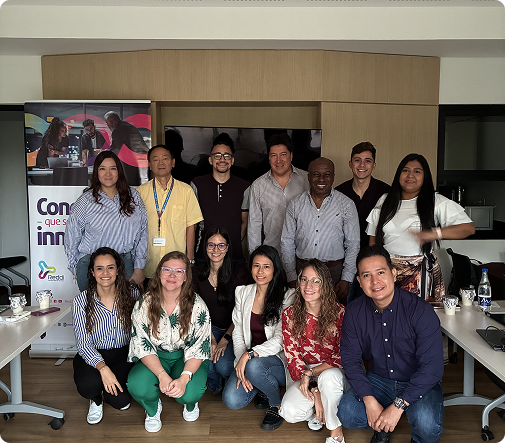
“The experience in the Fusióni3 Valle project was key to understanding how these research results are linked to development and innovation, and how academia responds to real needs of the productive sector.”
“Accompanying both parties in the process of building alliances and finding solutions to their challenges was a very enriching experience. Understanding how both academia and the business sector operate allowed me to provide effective support.”
“There was a clear evolution from initial ideas to more solid solutions, designed to operate in real contexts, the result of constant work of adjustment, learning and continuous improvement.”
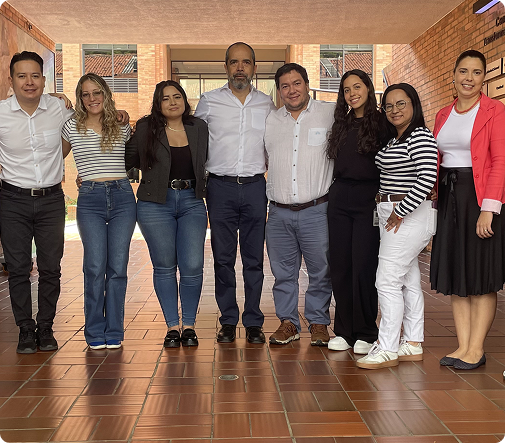
In addition to the technical results, Fusióni3 Valle provided personal learning experiences, connections, and new ways of understanding innovation as a human and collaborative process.
“What I value most about the Fusióni3 Valle experience is having witnessed the real growth of partnerships, not only in technical terms, but also in human terms. We went from speaking ‘different languages’ to building honest and collaborative conversations between business and university.”
“For me, Fusióni3 Valle was, above all, an exercise in reality. In understanding what innovation is like when it stops being just a good intention and faces real decisions and concrete conditions.”
“I greatly value having witnessed firsthand how universities and companies worked together, following their processes and presenting them as a testament to all that can be achieved through collaboration.”
The Fusióni3 Valle Innovation Voucher proved to be a concrete opportunity for the 20 companies benefiting from the project, including those not participating in the Maturation Fund, to advance their initiatives and strengthen their ties with universities. Through this instrument, the companies were able to address previously defined challenges through technical and commercial validations that, for the most part, met initial expectations.
According to Marcela Mora, coordinator of Business Strengthening at Fusióni3 Valle, many of these organizations already had a prior base that facilitated the use of the voucher.
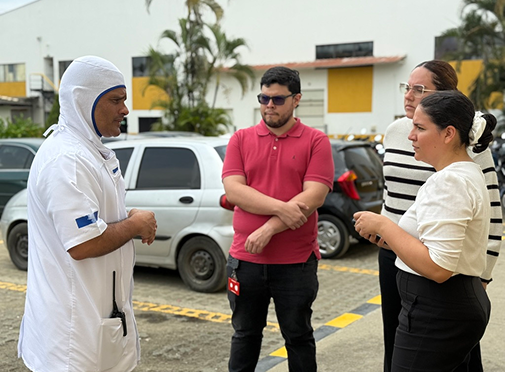
“They had already drafted their project for the Maturation Fund, so they had a preconceived idea that they were able to bring a little closer to reality, thanks to the joint work with the universities,” he explained.
The voucher program had a service-oriented approach, with an average development time of six months. This process was characterized by constant participation from the companies: regular meetings were held to present progress, validate service development, and adjust the scope when necessary.
“The companies were very open, not only in tracking deliveries, but also in contributing and giving ideas,” the coordinator said.
The support provided to companies included access to production facilities, software, and human resources, as well as ongoing mediation between academic terminology and business expectations. In several cases, this process broadened the entrepreneurs’ perspective without straying from the requirements defined in the initial challenge and paved the way for future collaborations with universities.
From a university perspective, the experience also represented significant learning. For the University of San Buenaventura Cali , which developed two innovation vouchers with the companies Grupo North and K-listo , the process allowed them to work on real challenges in the productive sector under specific conditions of time, resources, and objectives. Professor Gustavo Agudelo, director of the Business Administration program, explained it this way:
“For the university and for me, as a consulting project manager, the vouchers were a valuable opportunity to connect industry and academia around real-world challenges. Companies were able to verify that the university has highly skilled human capital and the technical and methodological capabilities to propose viable, measurable solutions aligned with the market and operations.”
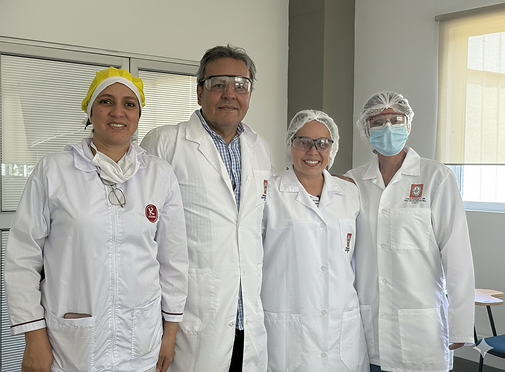
At the same time, universities were challenged to better understand business dynamics and adapt their communication and work methods to the expectations of the productive sector, thus strengthening their ability to respond to specific innovation challenges.
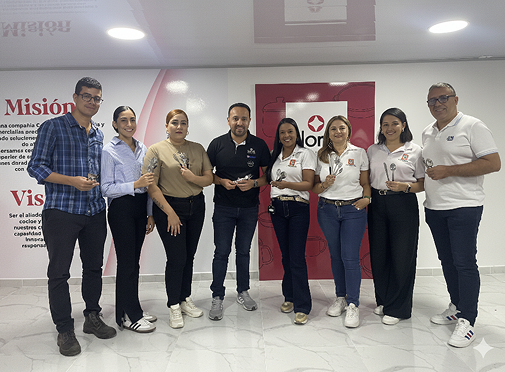
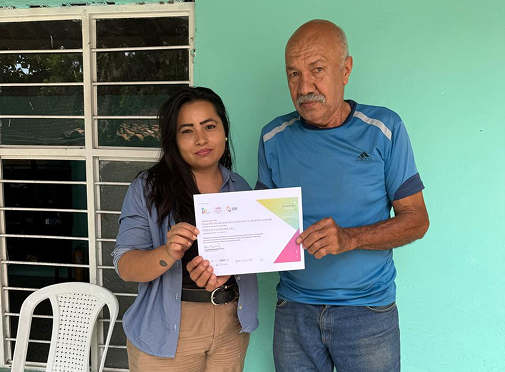
In this way, the Innovation Voucher was consolidated as a space for mutual learning that strengthened capabilities, generated trust and opened new avenues of collaboration between companies and universities within the innovation ecosystem promoted by Fusióni3 Valle.

Conferencia “Innovación con impacto empresarial”
Presidente gremial, mentor y emprendedor serial
EdTech HUB LATAM + 90 Edtechs
Asociación de emprendedores +500 marcas de consumo
Ha logrado:
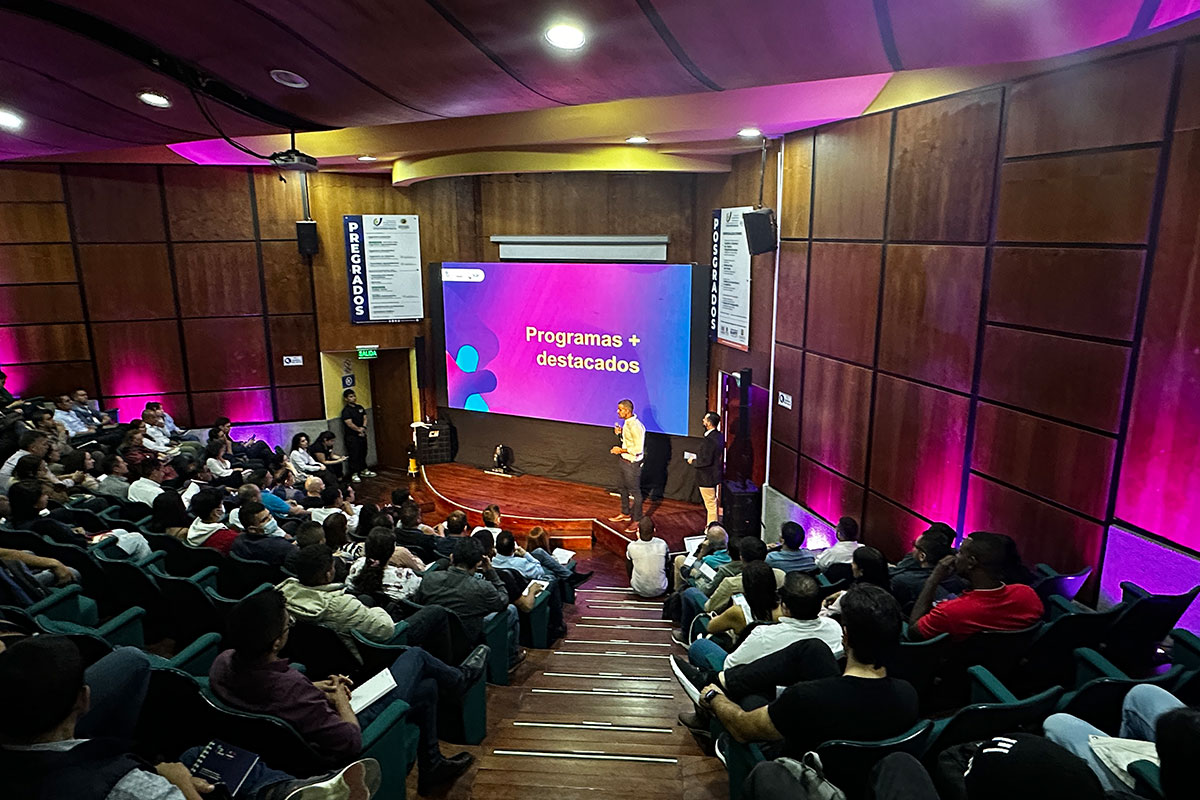
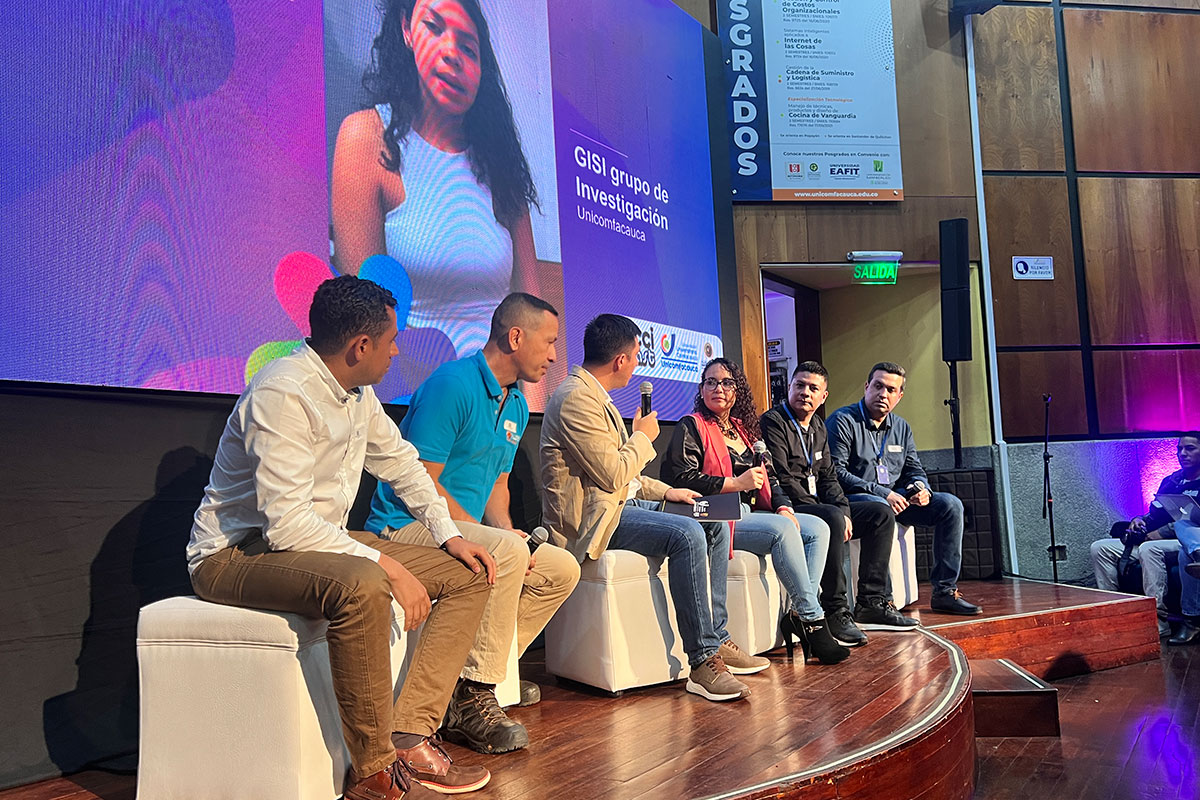
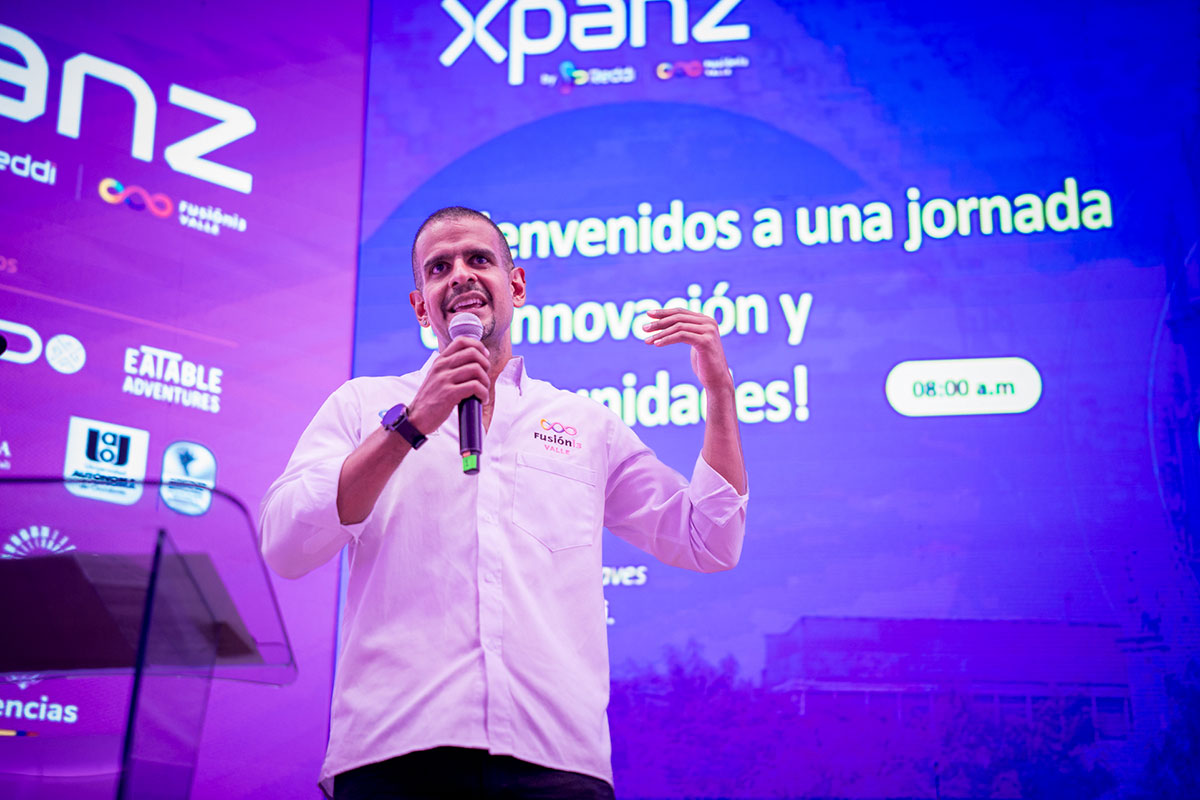
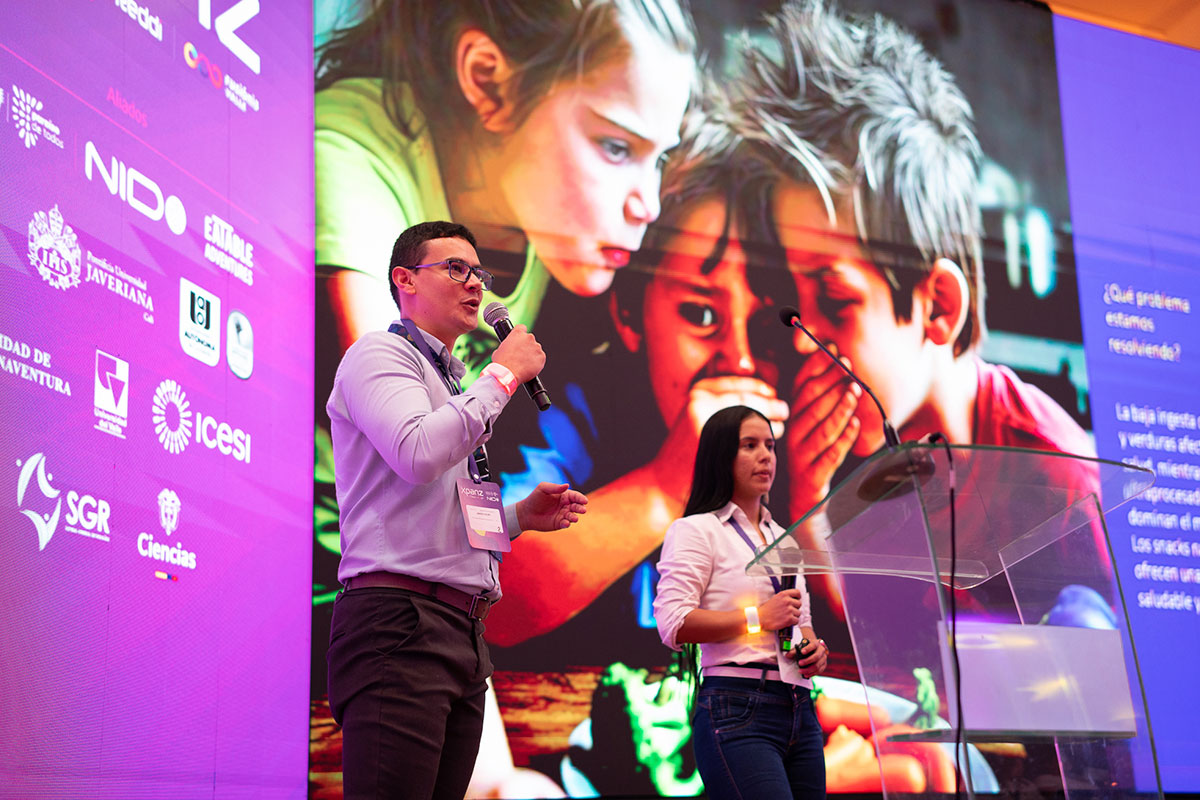
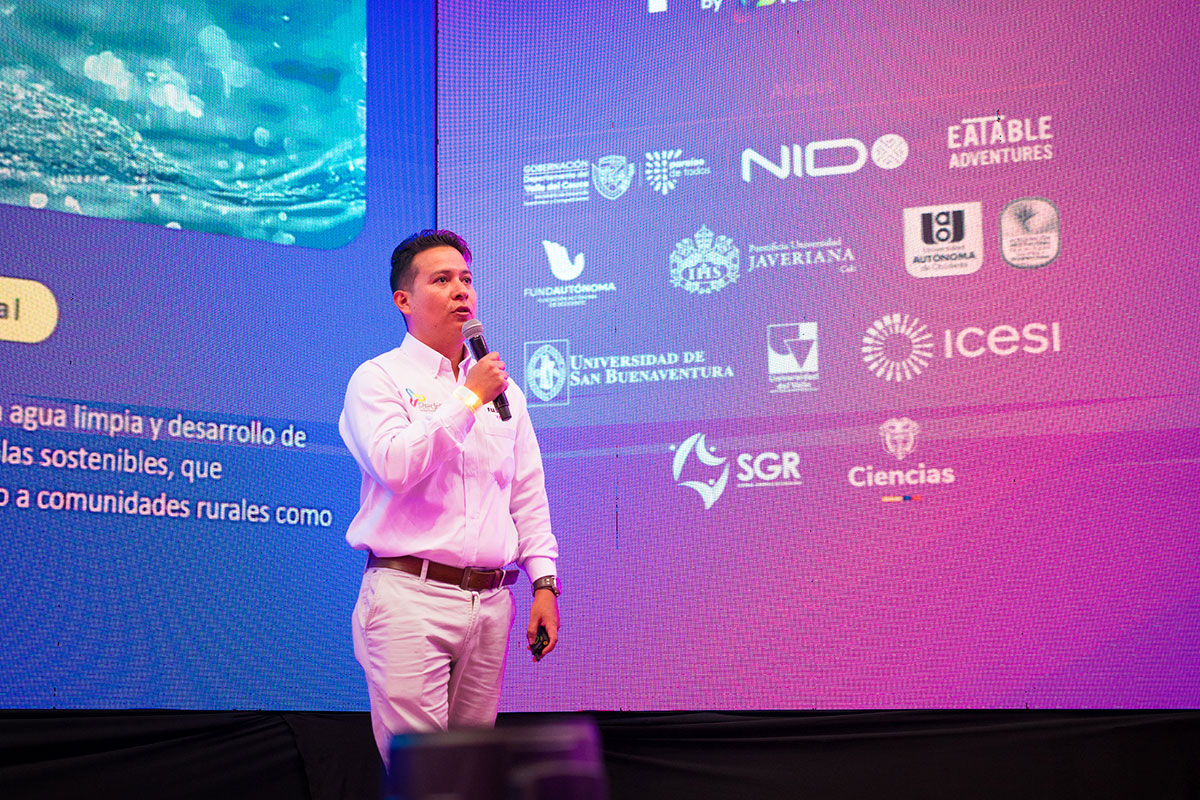
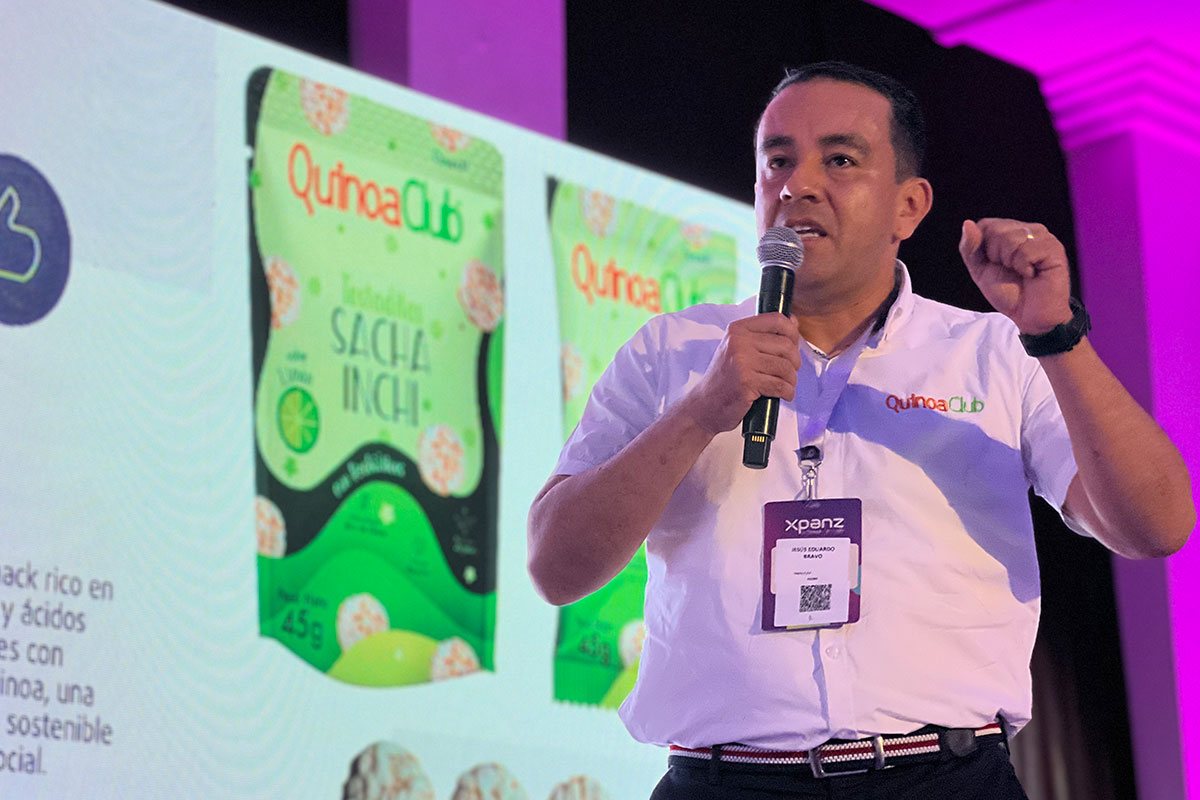
El evento contó con la participación de más de 101 asistentes en la Universidad Javeriana Cali.
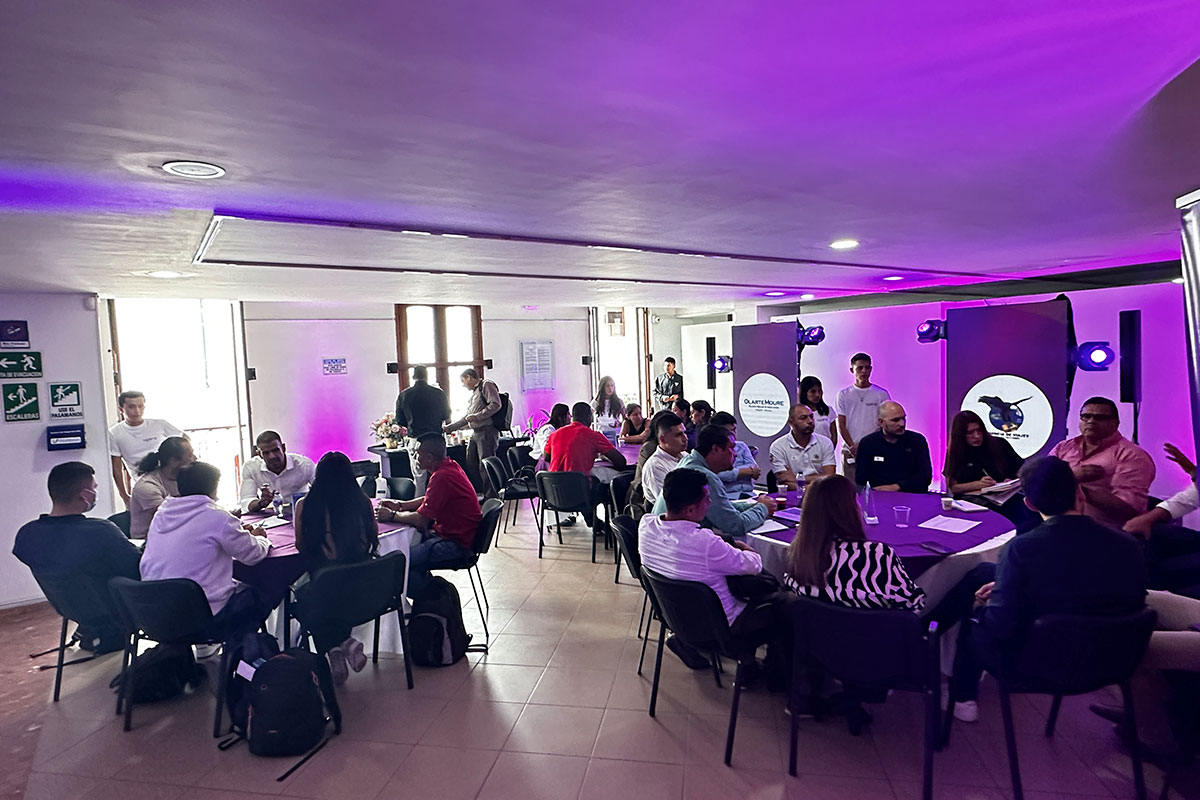
Fue el primer acercamiento entre IES aliadas y MiPyMEs beneficiarias.
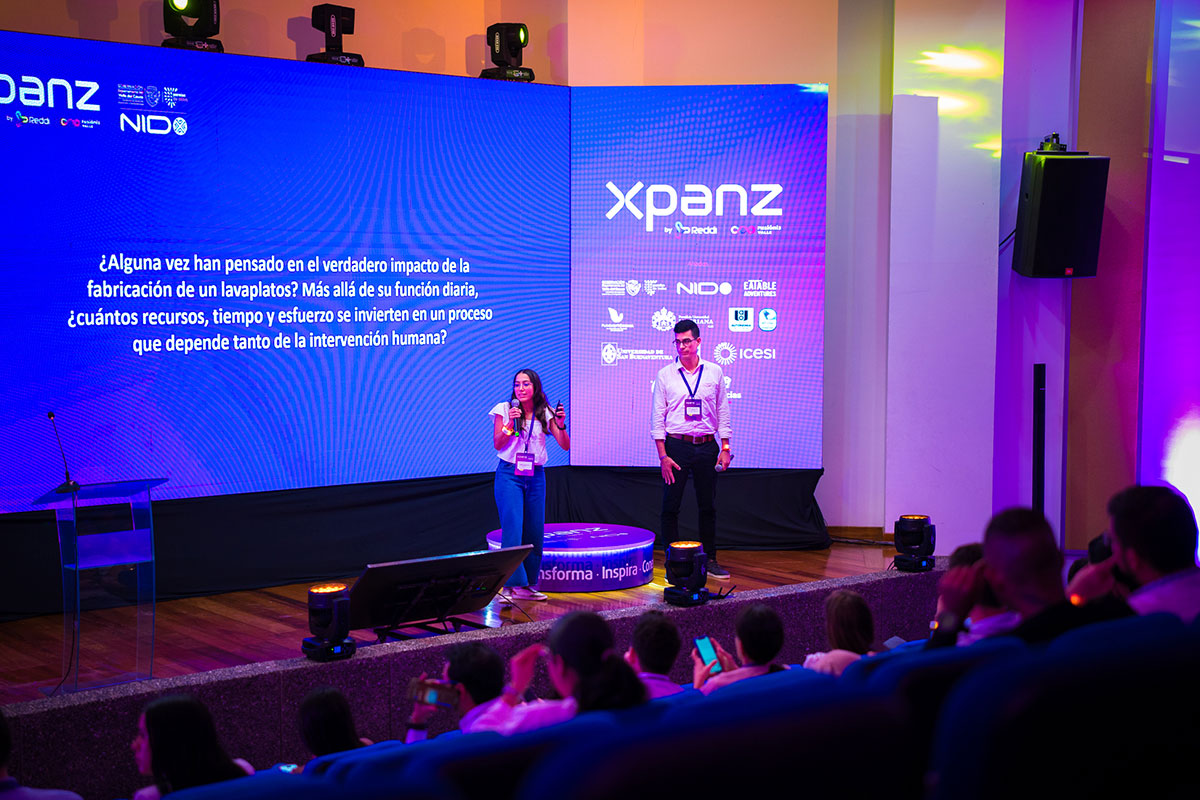
17 de estas MiPyMEs presentaron su Pitch, 11 tecnologías de las IES aliadas fueron presentadas en el Experience Day, las cuales tuvieron 28 validaciones pre-comerciales.
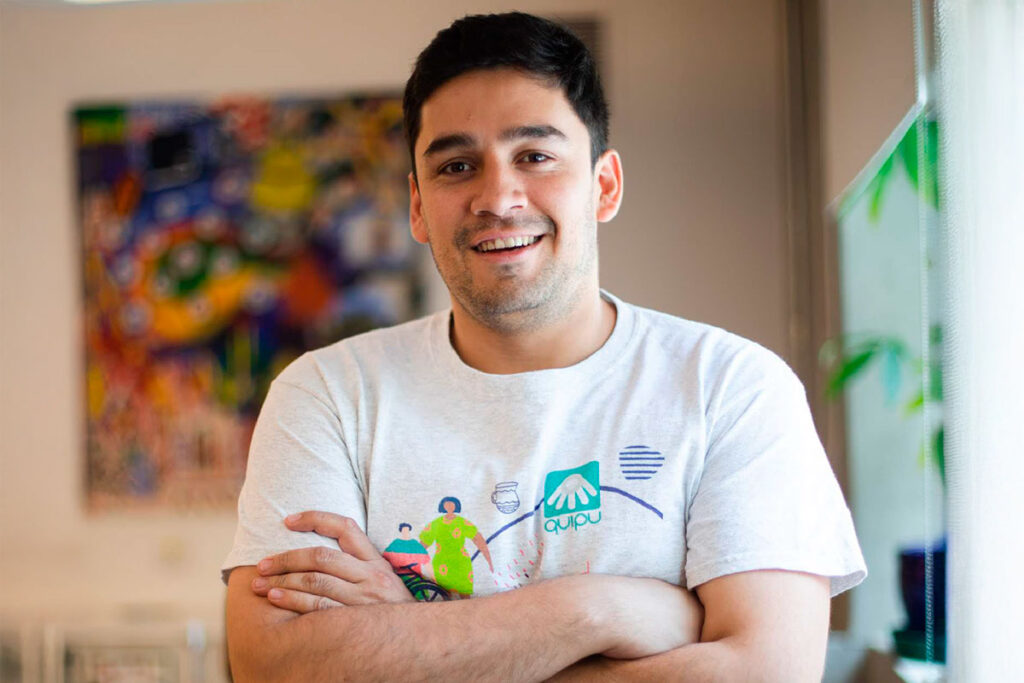
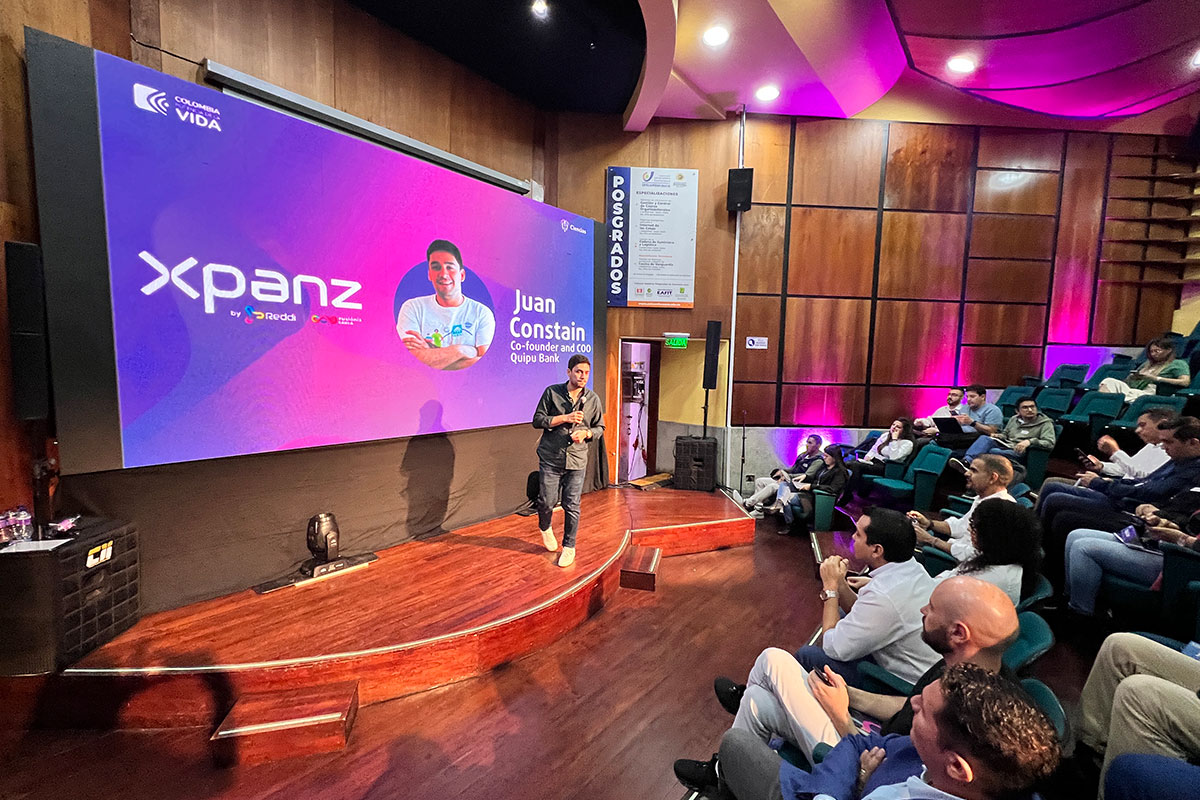
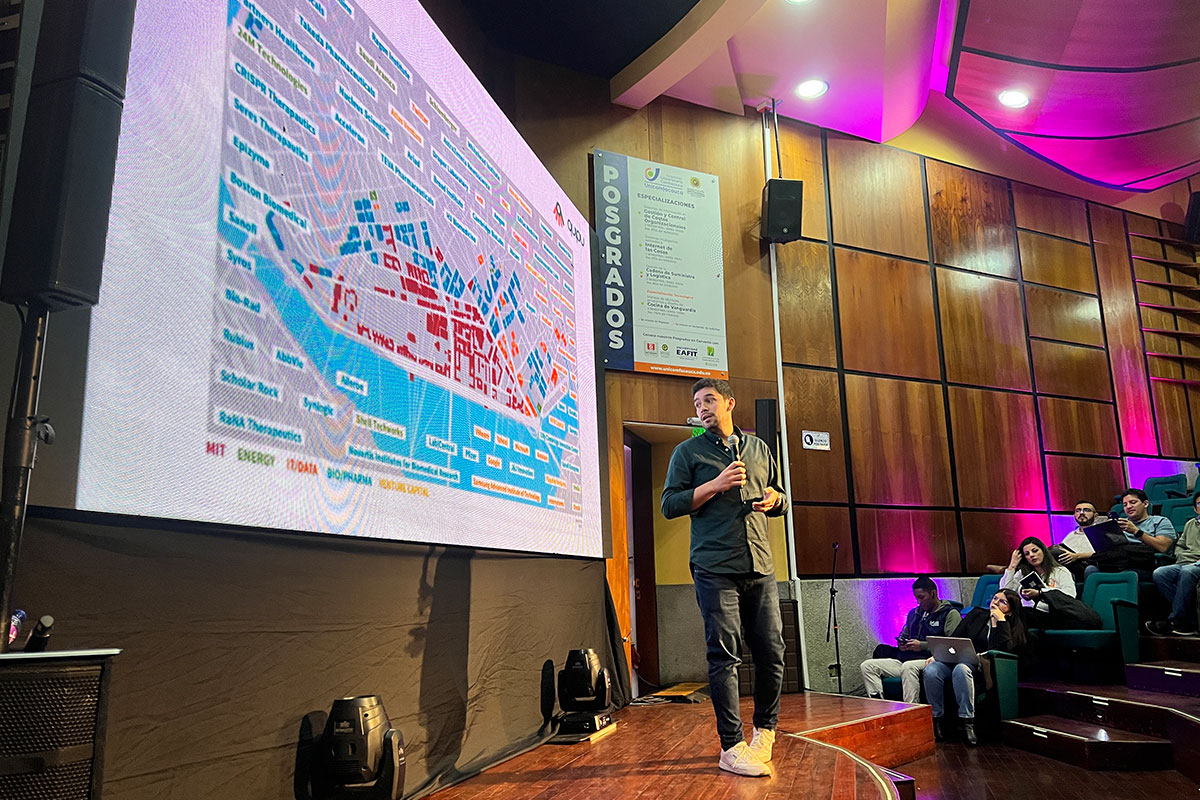
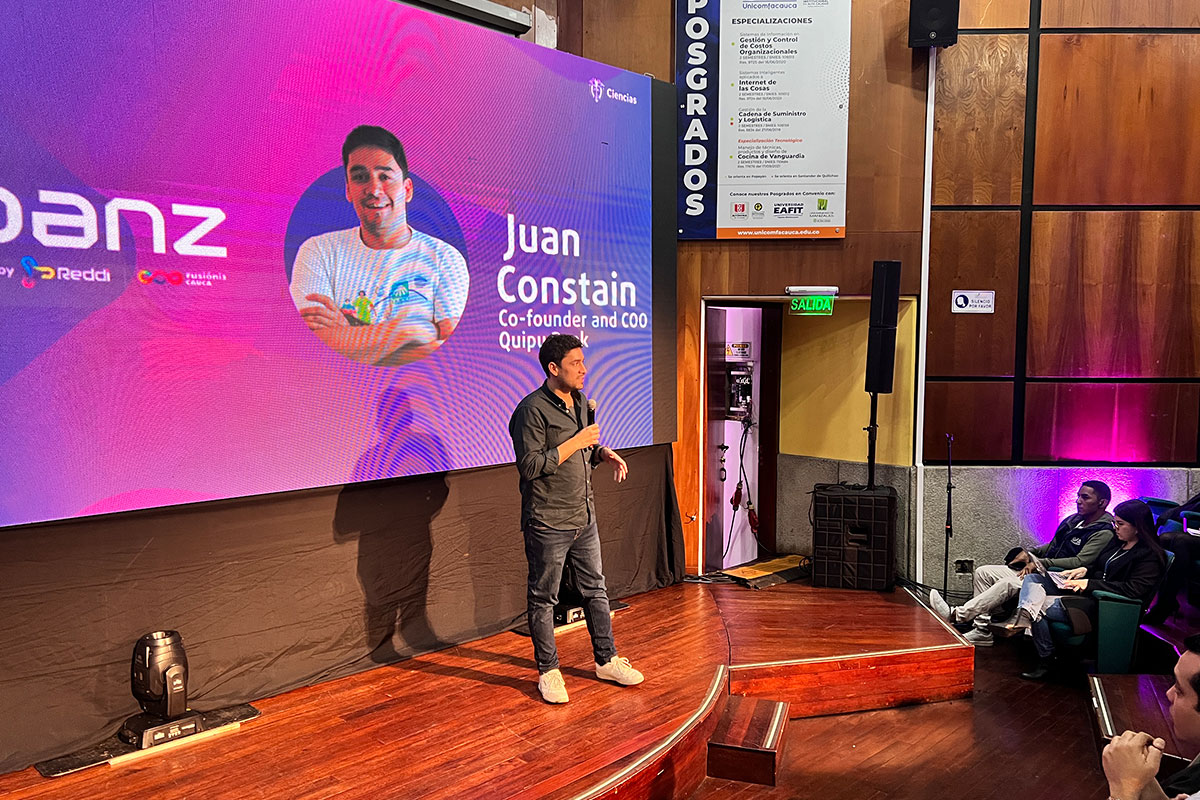
Conferencia: El camino de Quipu: de proyecto de investigación en MIT a fintech de inclusión financiera.
Cofundador y COO de Quipu Bank
Profesional en Gestión y Desarrollo Urbanos de la Universidad del Rosario, especialista en Derecho Urbano, y cuenta con una maestría en Planificación Urbana con énfasis en desarrollo económico del MIT. Como cofundador y COO de Quipu, una fintech de rápido crecimiento en Colombia, fue reconocido como Fellow del programa The Global Good Fund en 2023. Quipu ha recibido importantes reconocimientos de entidades como el Banco Mundial, Google, MIT, Forbes y Fast Company, consolidándose como un referente en inclusión financiera e innovación empresarial.

Director comercial de NotCo Colombia
Responsable de establecer la estrategia de negocio de NotCo en Colombia, en los frentes de Food Service, Retail. Administrador de negocios y especialista en mercadeo, con más de 25 años de experiencia liderando áreas de innovación en la industria de consumo masivo en Latinoamérica.

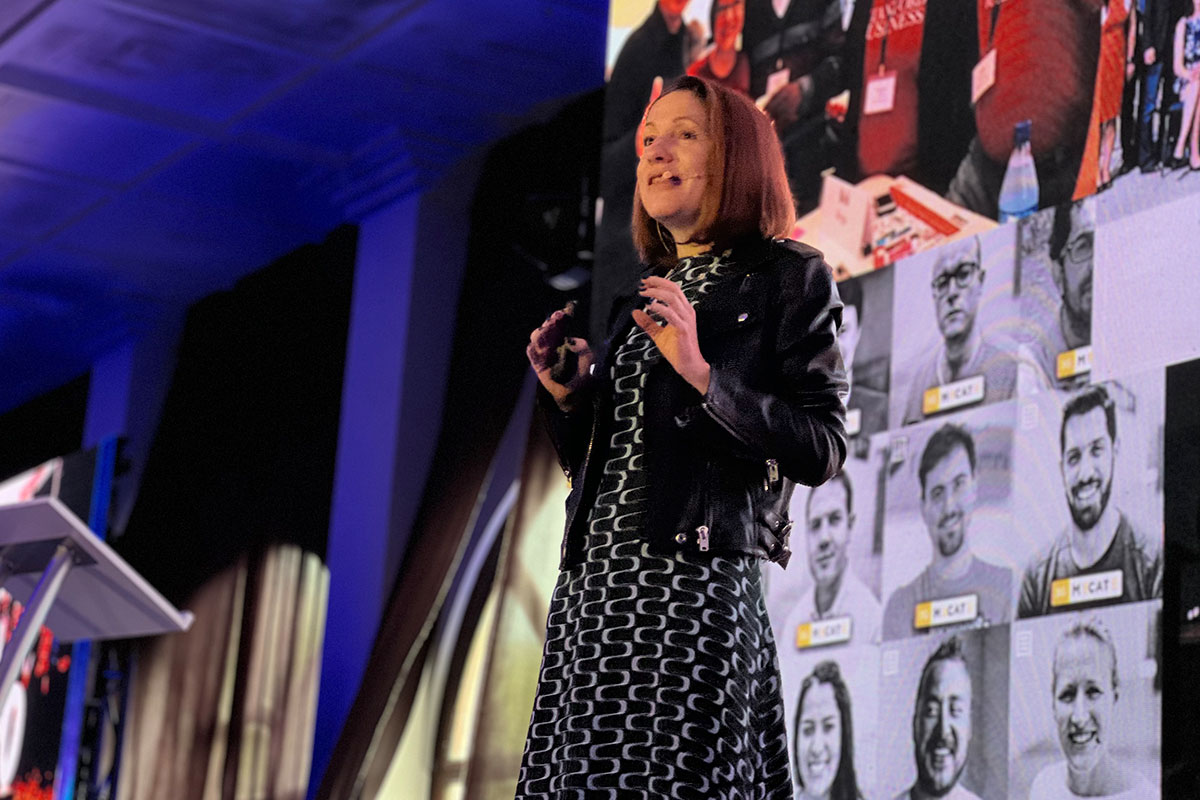
Conferencia: Efectos positivos de red.
CEO de Mentex y experta en innovación, reconocida entre los Top 100 gerentes de Colombia. Descubre cómo maximizar los efectos positivos de red y el impacto de la Alianza DeepTech en el fortalecimiento y escalamiento de startups en la región.