7-04-2026
Every company entering a market faces a competitive and ever-changing environment, forcing it to adapt, be flexible, and even change its processes, products, or services. It seeks to anticipate countless variables that affect the market, constantly evolving and improving its competitive edge to avoid disappearing. This evolution is nothing other than innovation.
As we can see, innovation plays a crucial role in the competitiveness of an economy, where innovative companies are recognized in the market for their ability to grow profitably, sustainably, and generate economic development for society.
But innovation is just the tip of the iceberg. Behind technologies like plasma televisions lies scientific and technical knowledge that enables the creation of these products. At the first stage was science and research, where we generate new knowledge with or without an immediate application. For example, the scientists who began studying plasma weren’t sure what kind of applications it might have. At the second stage, this knowledge is applied to the creation or improvement of services, processes, or products, which is known as technological development. Here, the study of plasma allowed for the development of solutions in different industries—automotive engineering, electronics, medical, and aerospace. Finally, innovation takes these solutions and introduces them to the market. In our example, this results in the development of products we know: plasma televisions, the manufacture of microcircuits through plasma deposition or erosion (multilayer treatments), and plasma-treated fabrics that repel moisture.
In Colombia, universities are strong in research and technological development; nine of the ten institutions that patent the most in the country are universities. In the Pacific region, we have examples across various industries and sectors. Many are likely unaware that the Pontifical Javeriana University in Cali developed a rapid COVID-19 test that is more accurate than traditional tests, or that the Autonomous University of Western Colombia and the University of Cauca each have environmentally friendly solutions to replace plastic. These and other solutions need companies to bring them to market.
Companies, for their part, face challenges that can be addressed through science and technology. This is the case for the companies in the Macrosnacks cluster initiative and the Clinical Excellence initiative of the Cali Chamber of Commerce. The former are seeking solutions to improve the supply of raw materials in the agribusiness sector, while the latter are exploring ways to accelerate the production and pre-validation of medical devices.
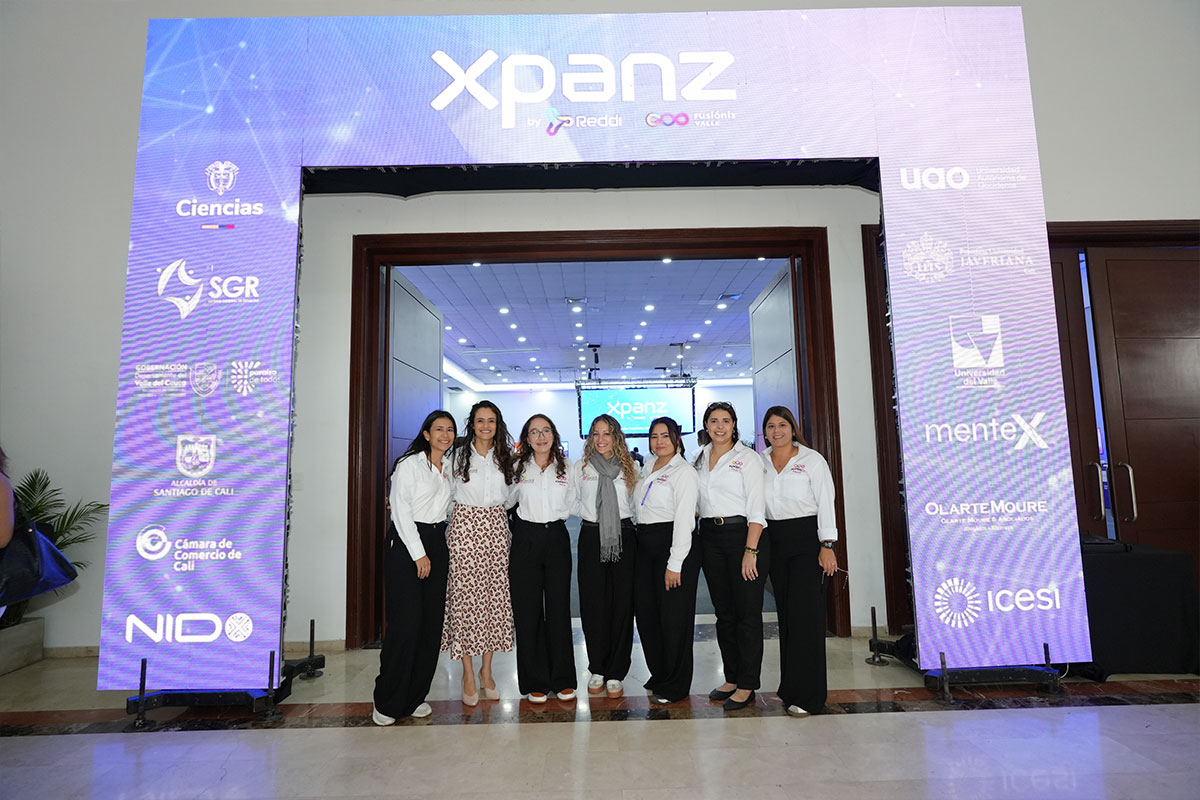
With the goal of connecting academic efforts with the needs of the business sector to develop technological solutions that impact the region’s competitiveness and innovation, Reddi Colombia, the Technological Development Agency, was founded in 2017. It is a joint effort of the Cali Chamber of Commerce and the Icesi, Javeriana, Valle, Autónoma, San Buenaventura, and Cauca Universities. If you or your company are interested in learning about the solutions developed by the universities or the challenges faced by companies in our region, visit us at www.reddicolombia.com or write to us at info@reddicolombia.com .

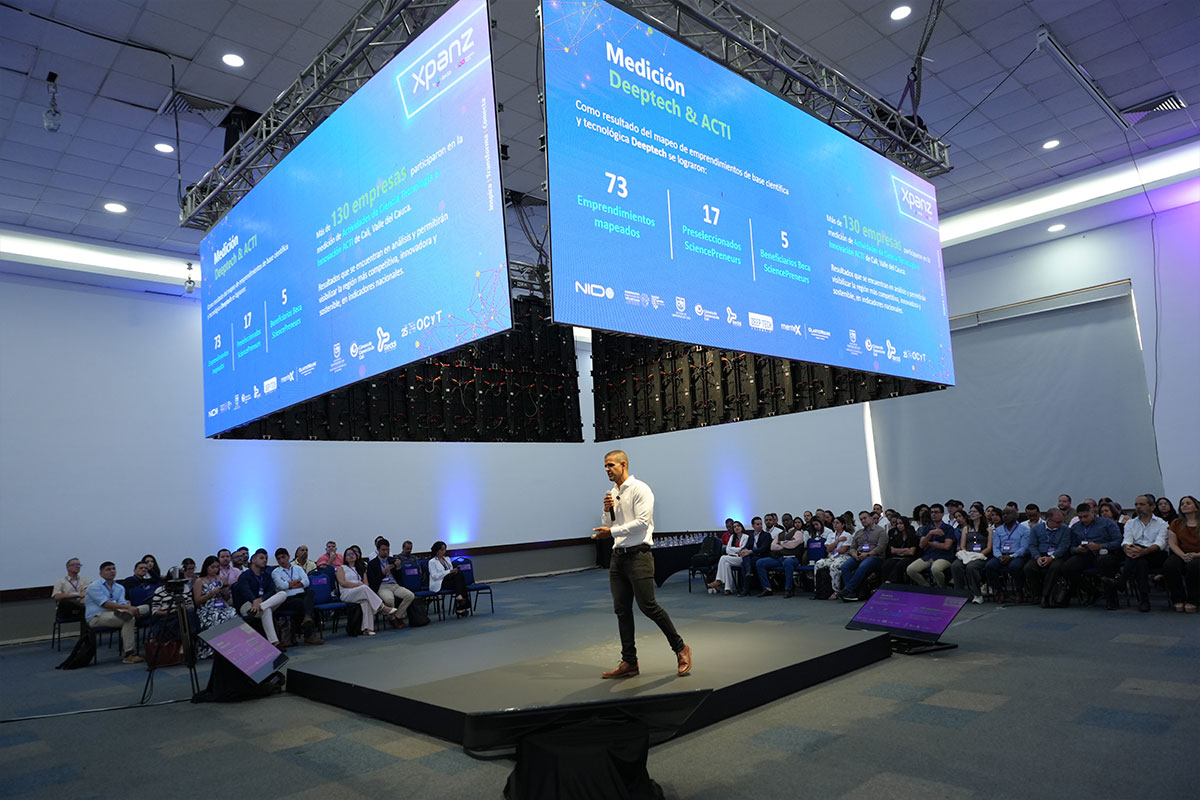
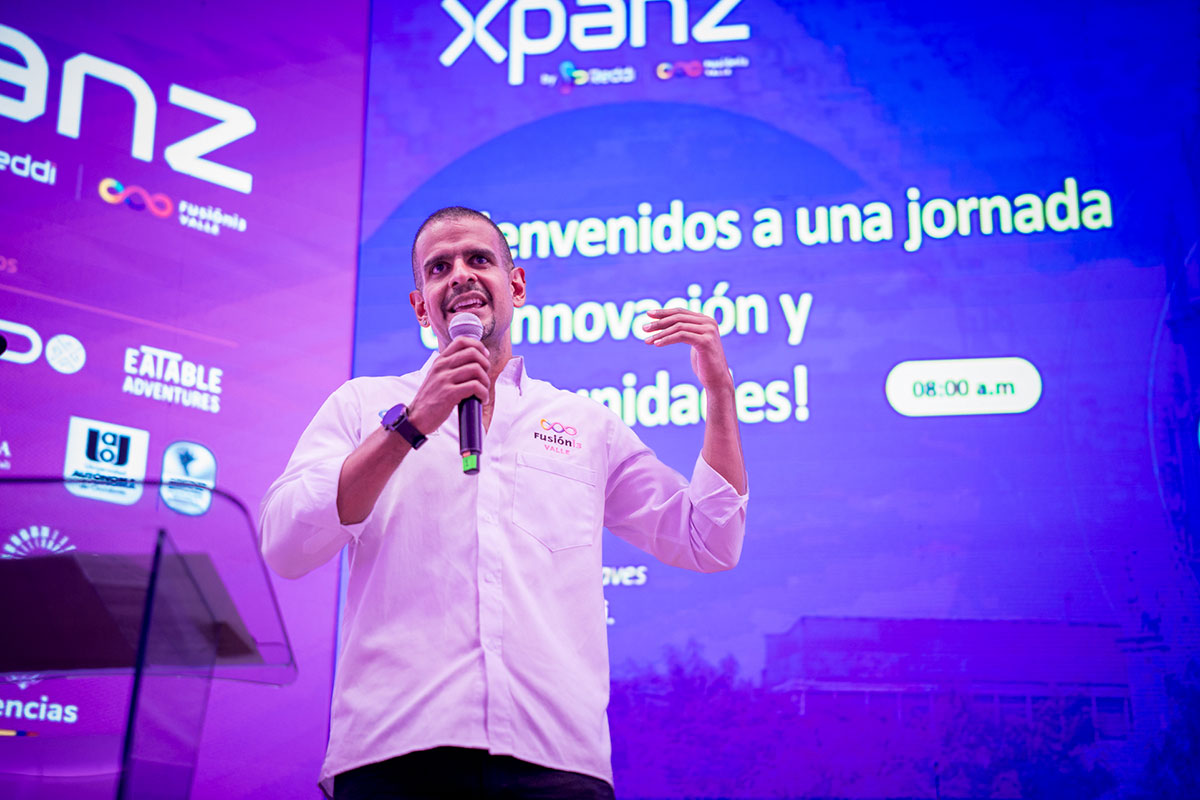
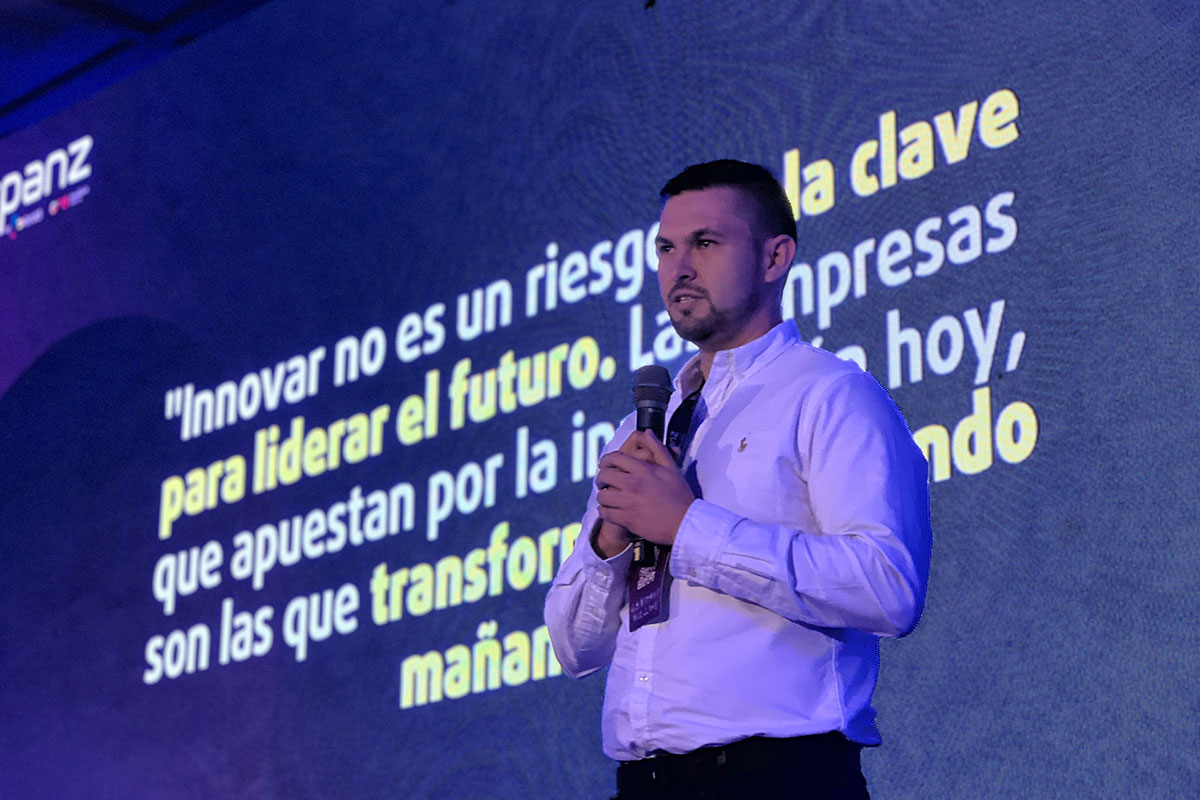
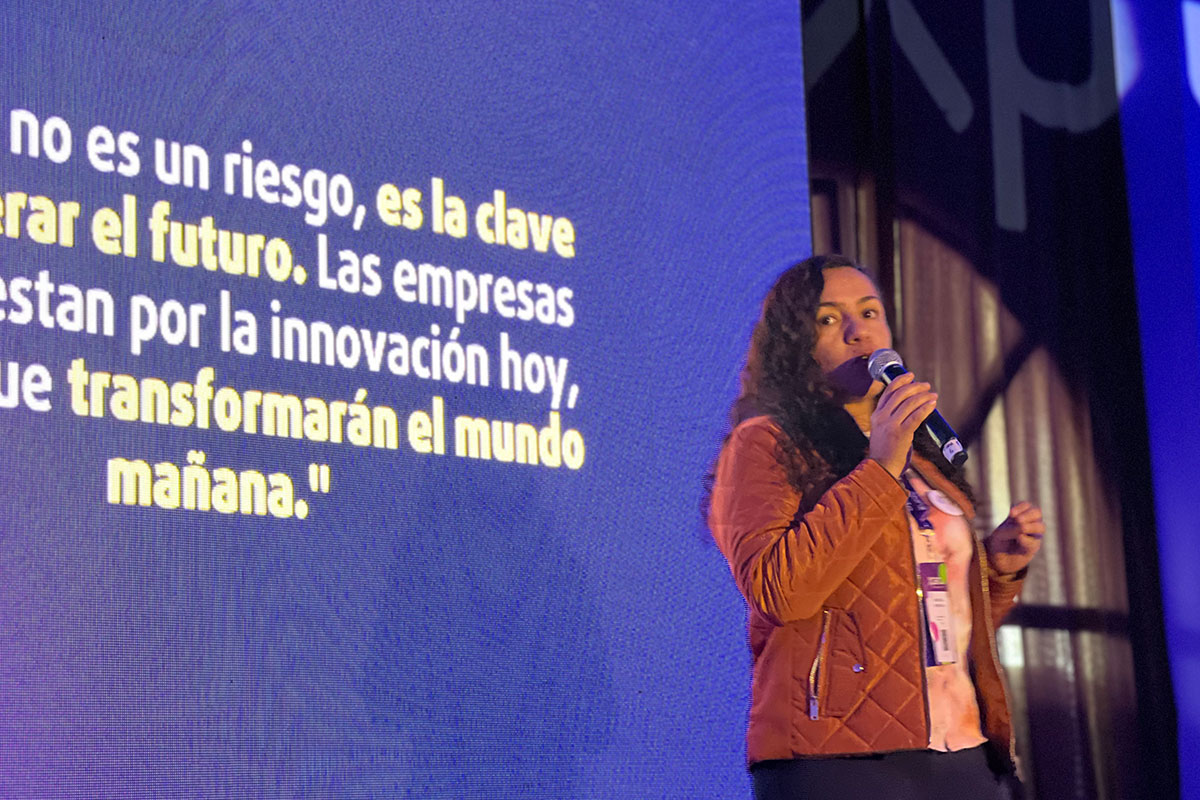
Conferencia “Innovación con impacto empresarial”
Presidente gremial, mentor y emprendedor serial
EdTech HUB LATAM + 90 Edtechs
Asociación de emprendedores +500 marcas de consumo
Ha logrado:
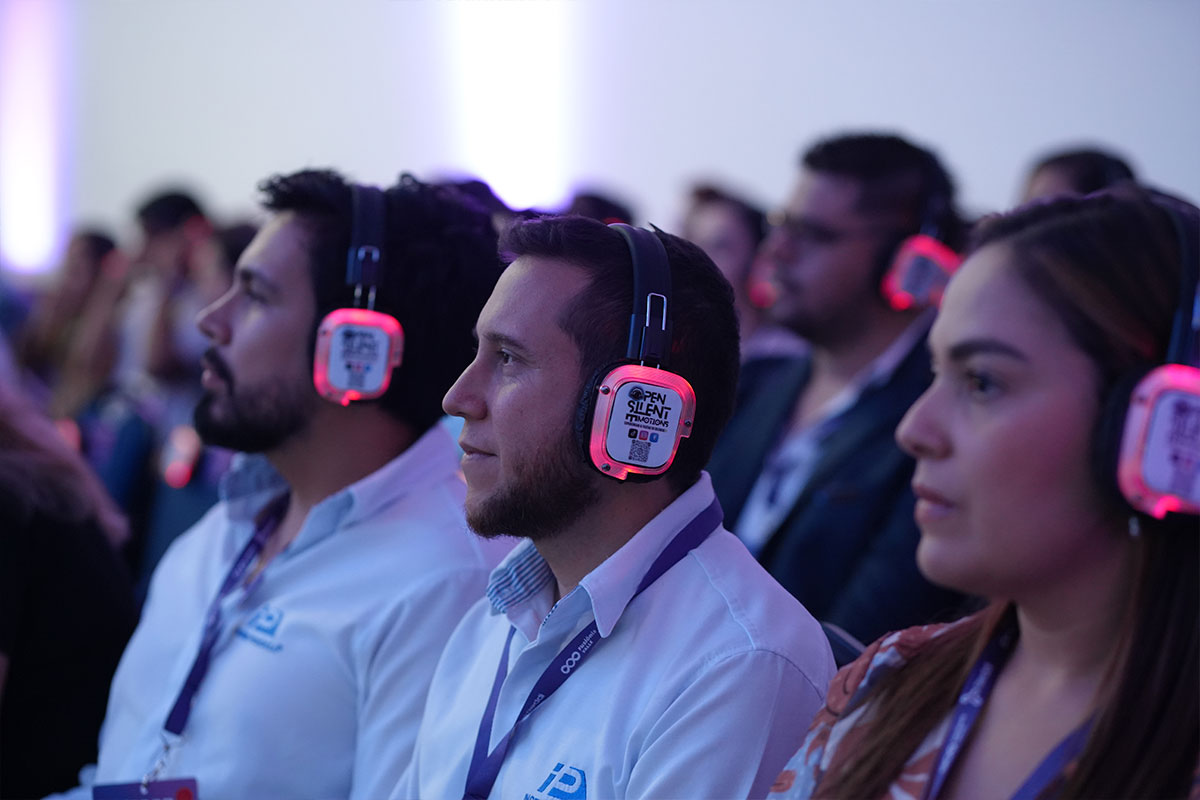
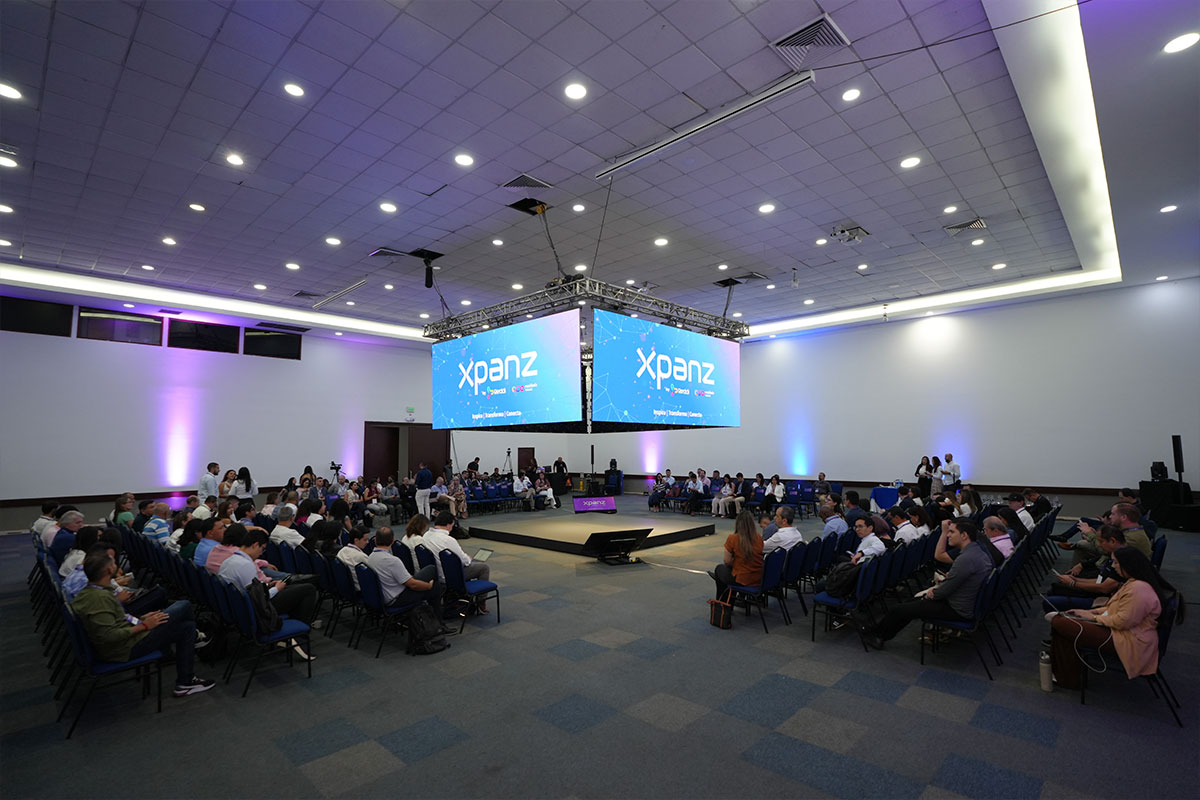
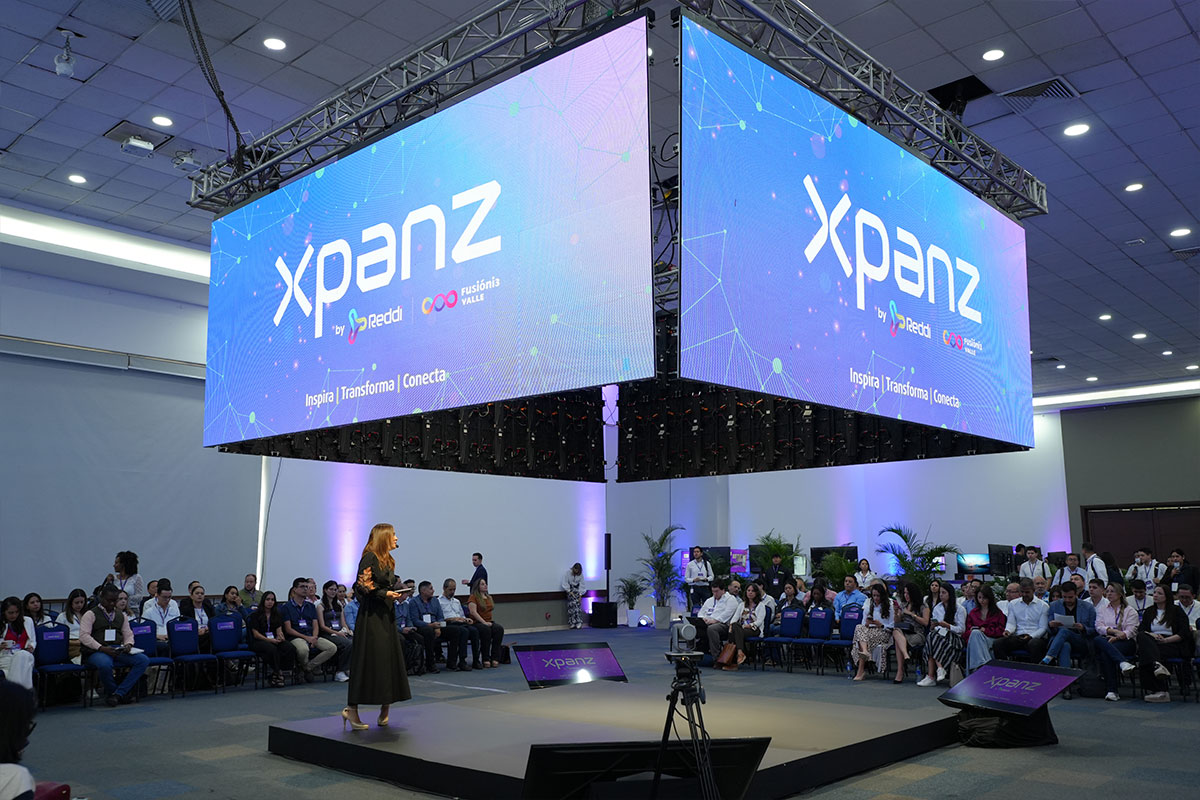
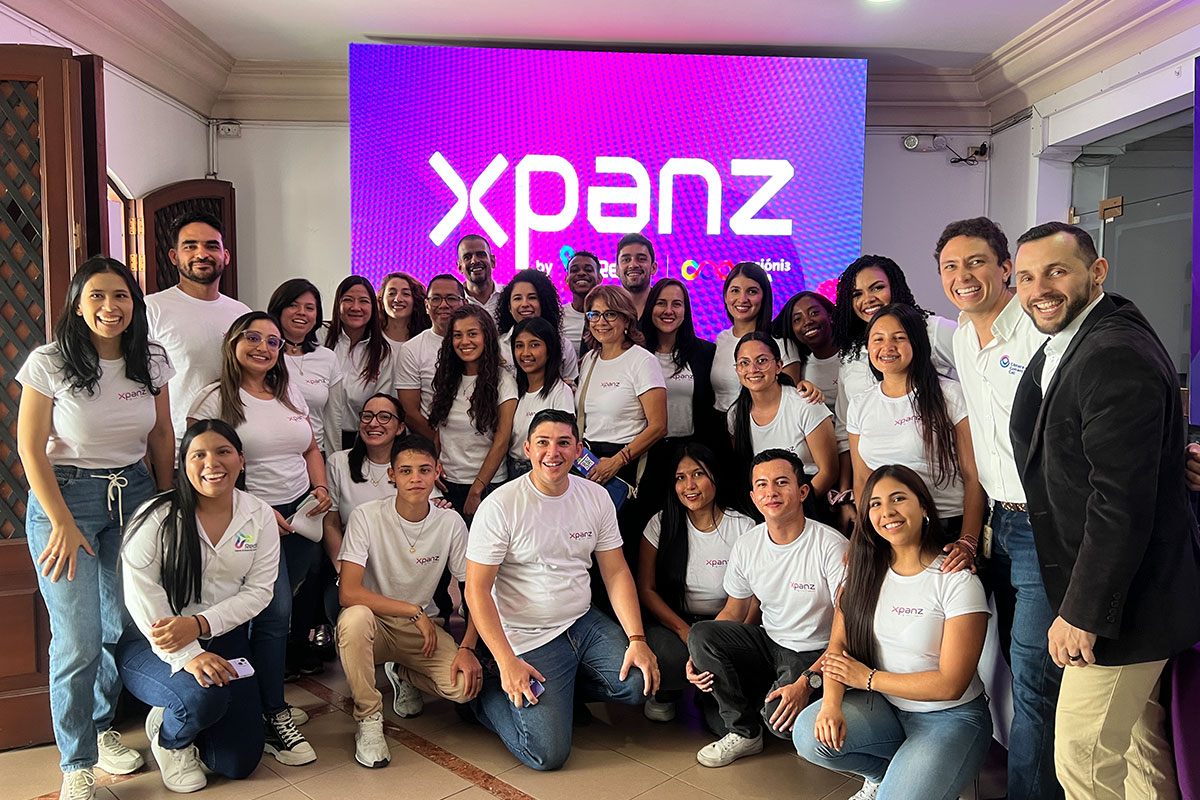
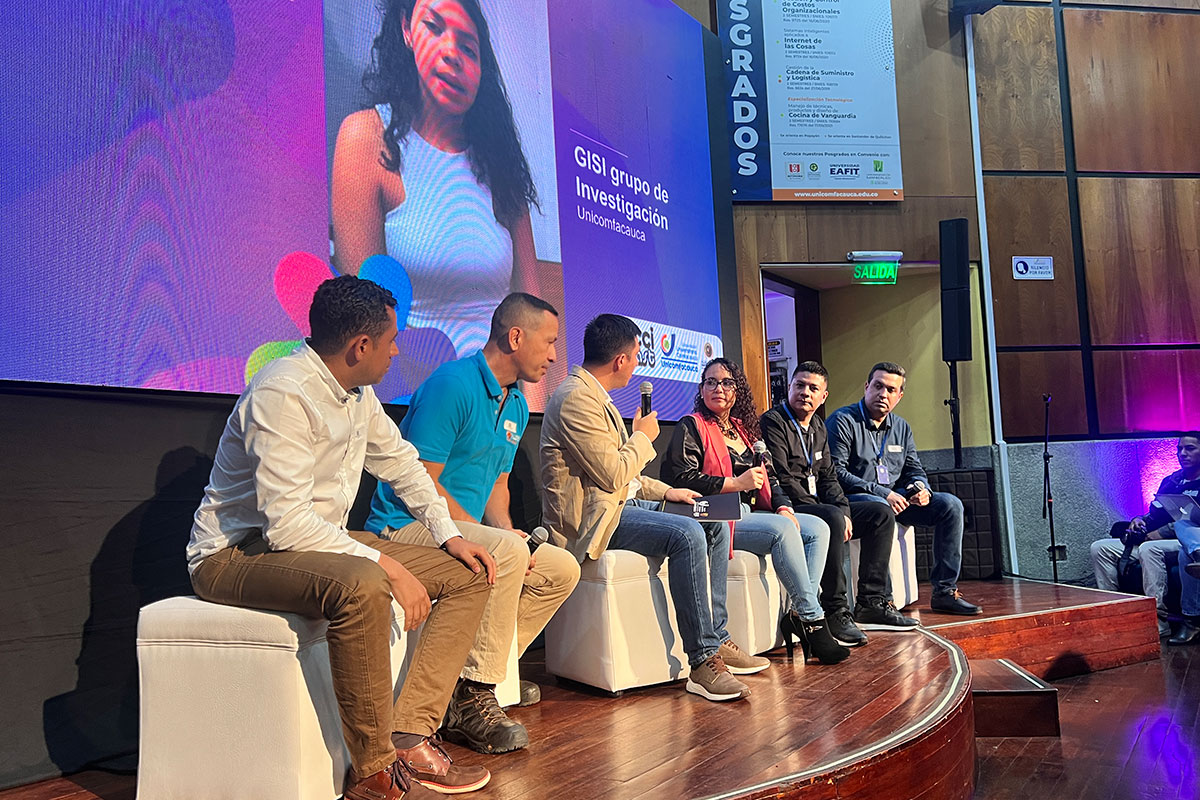
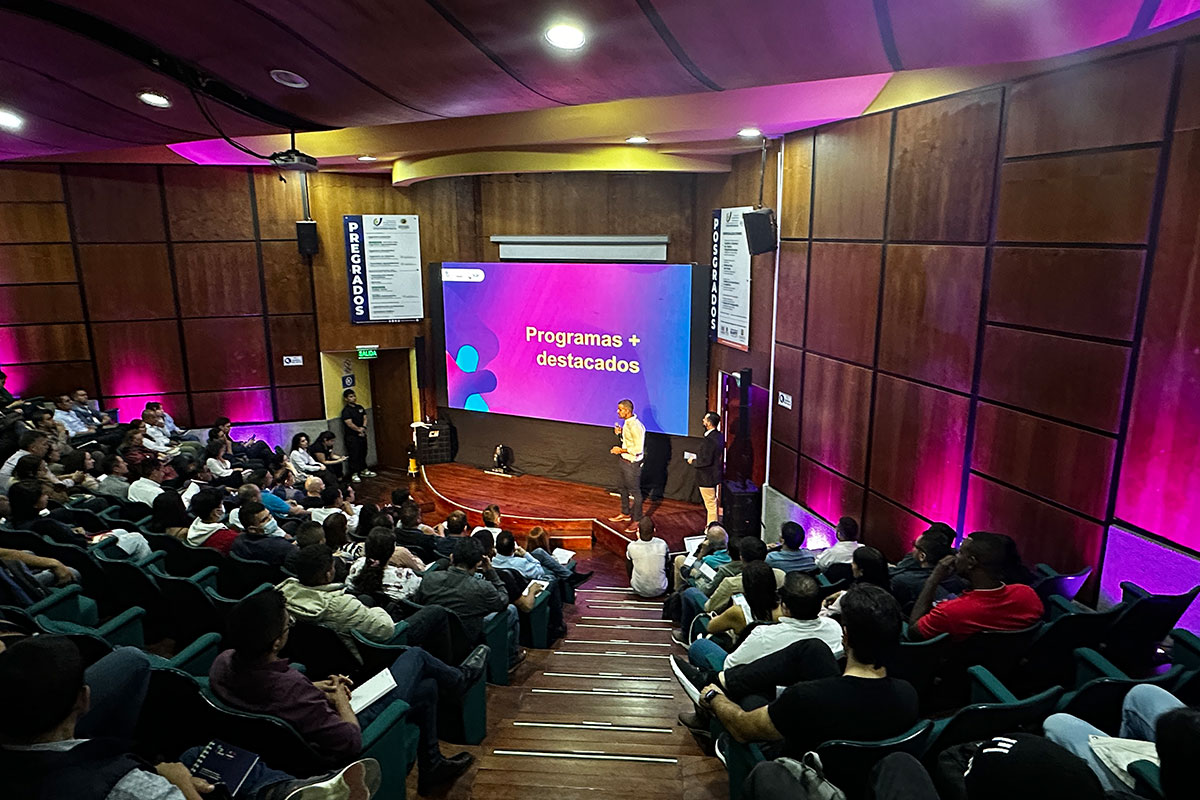
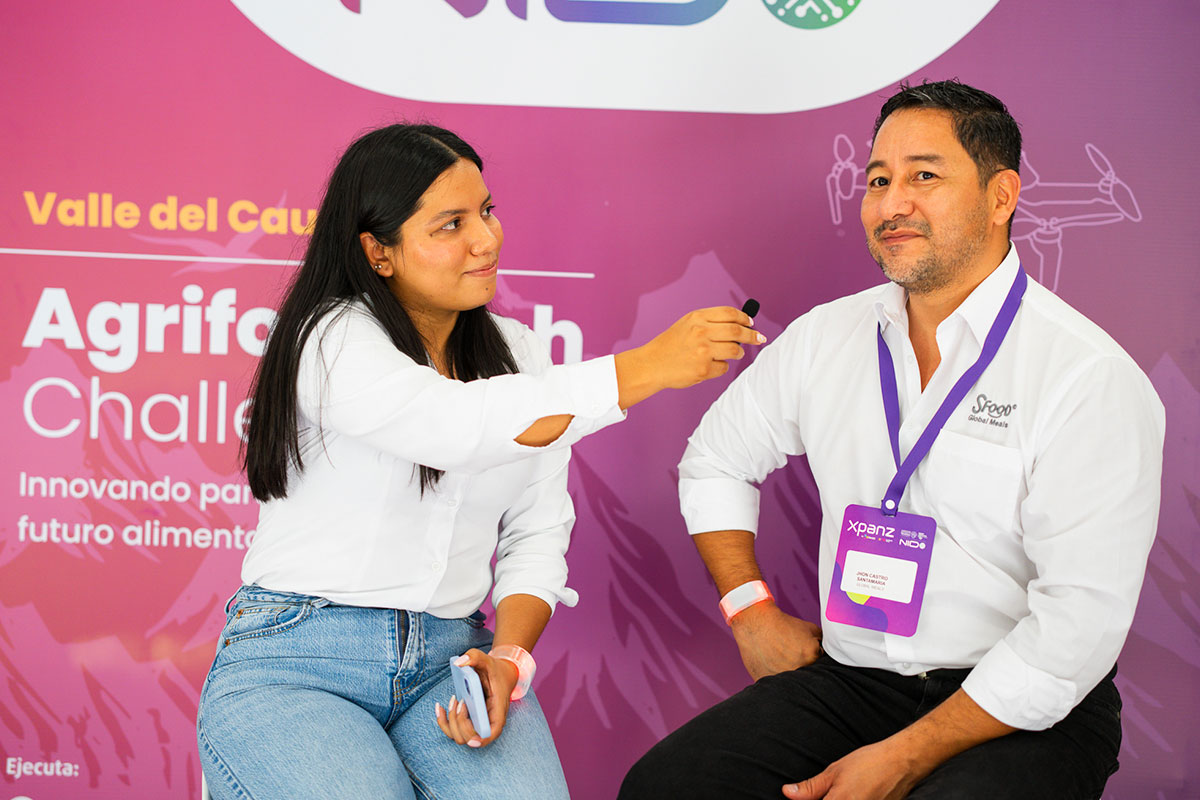
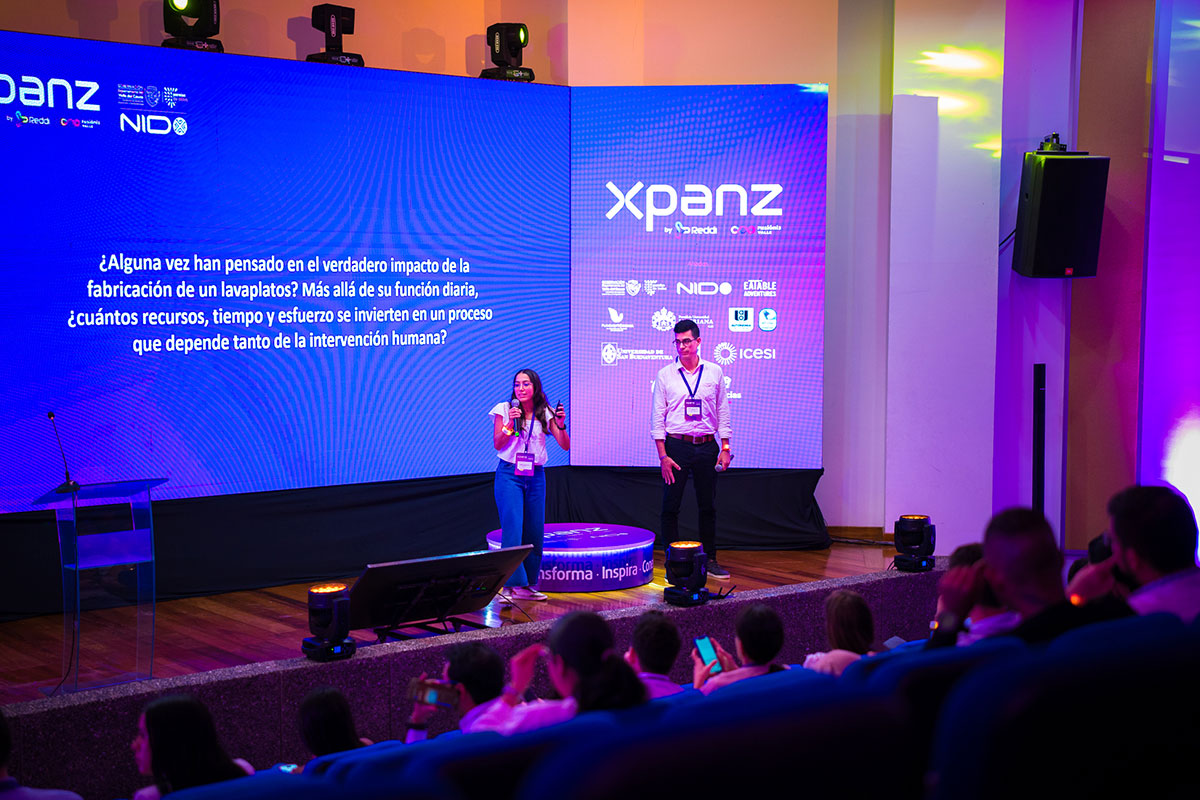
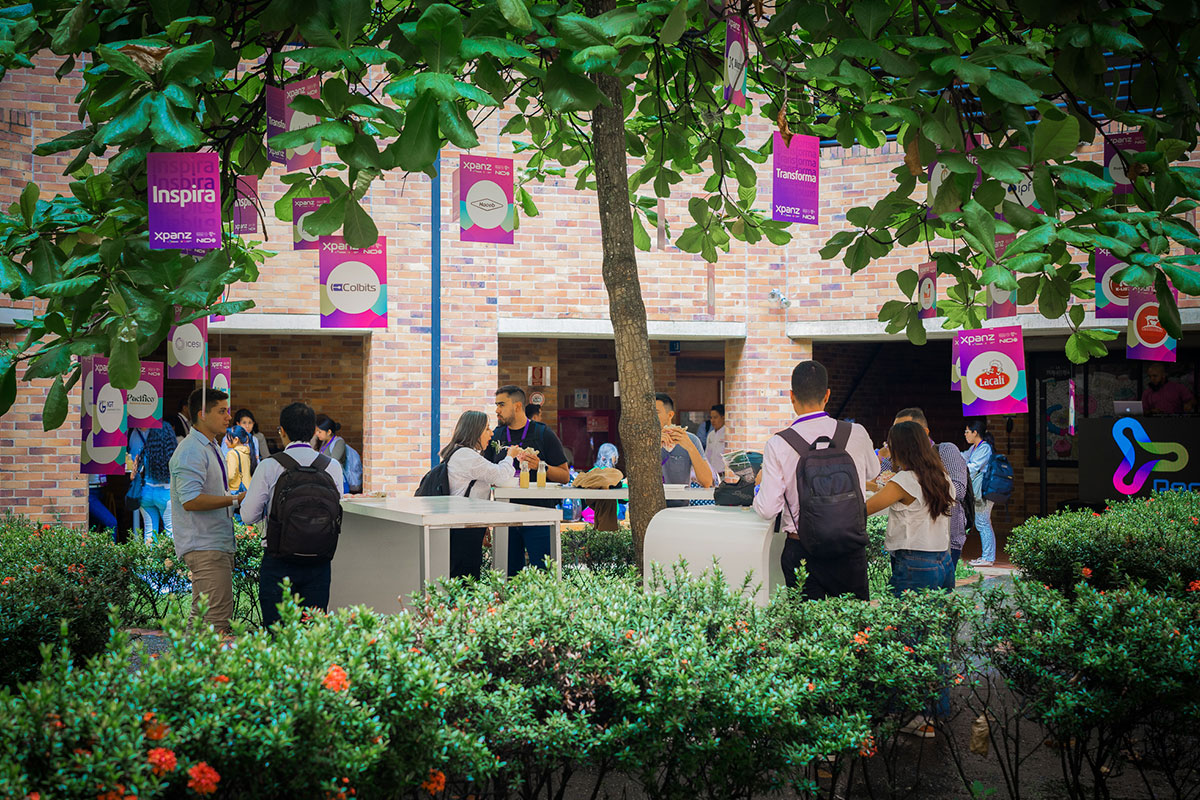
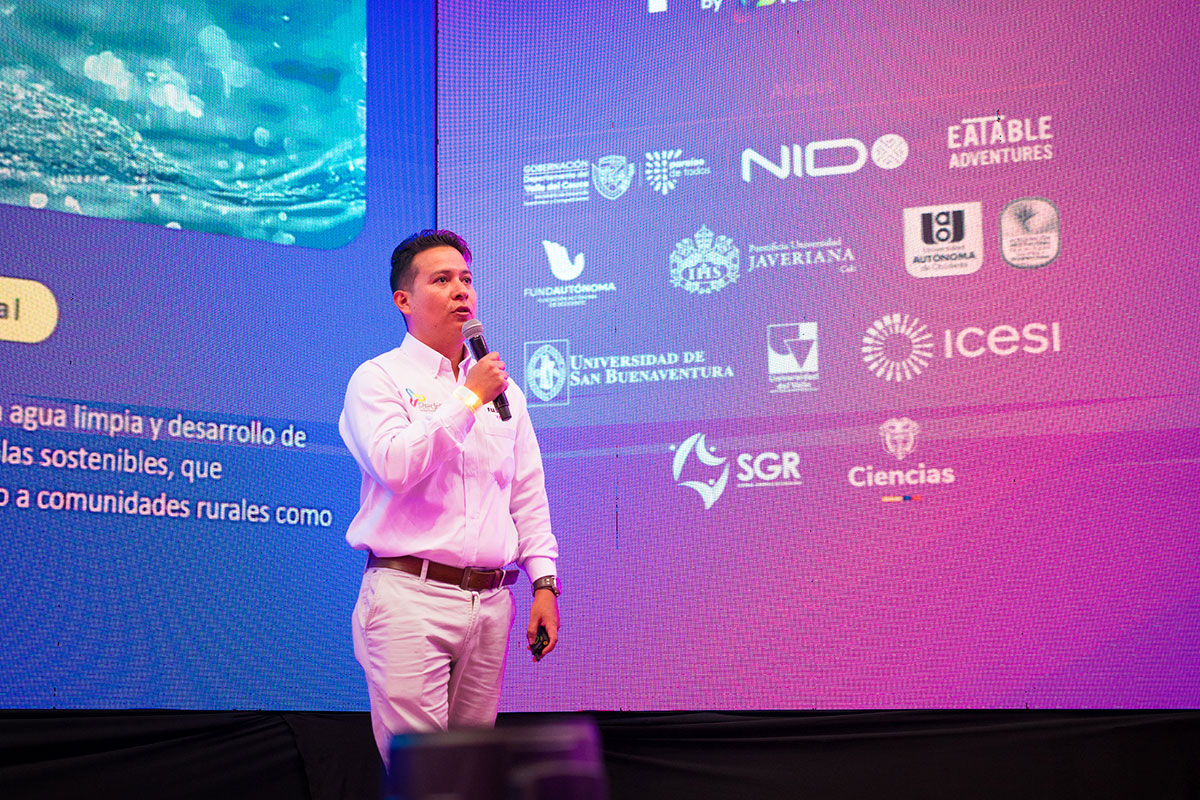
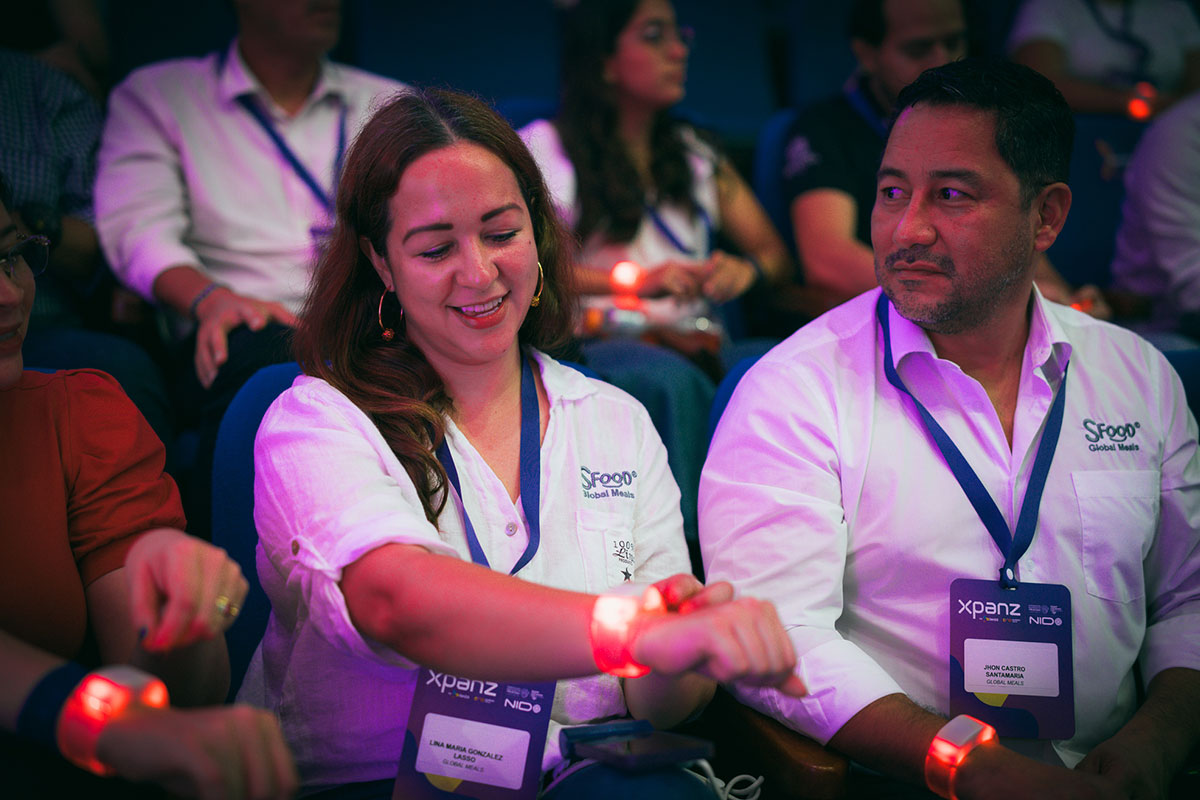
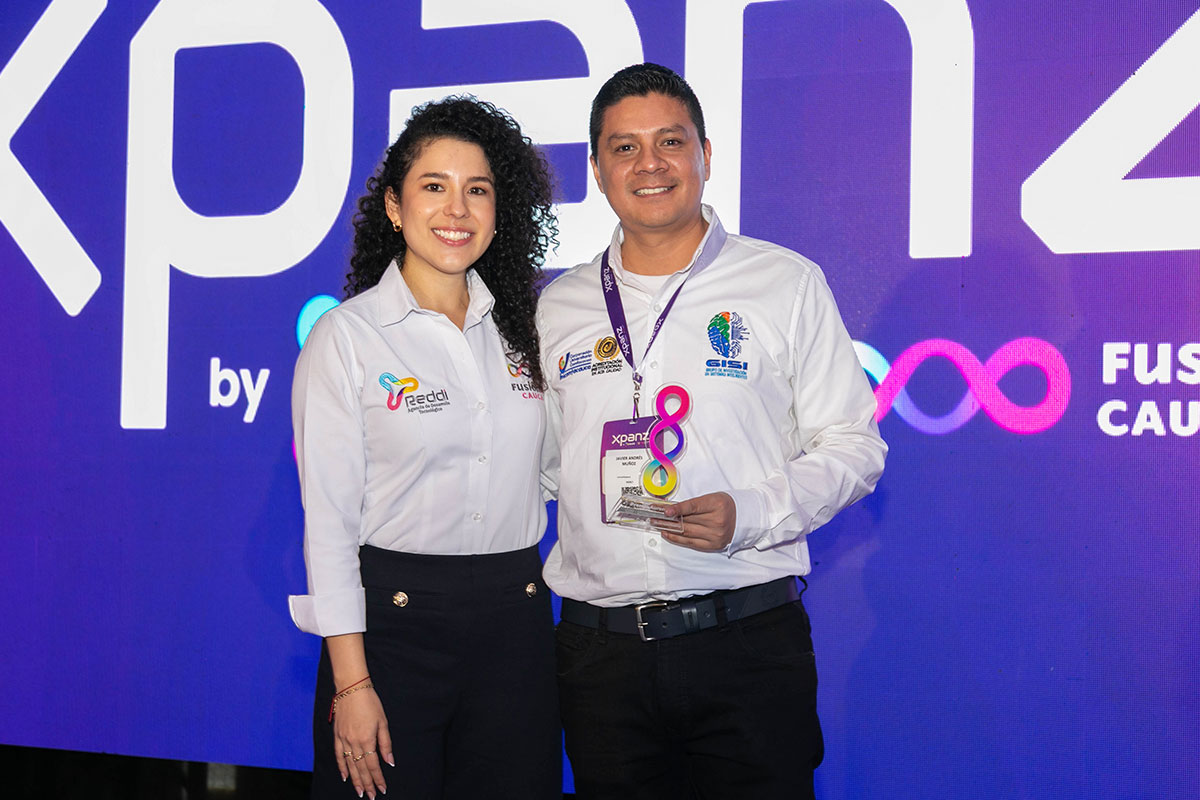
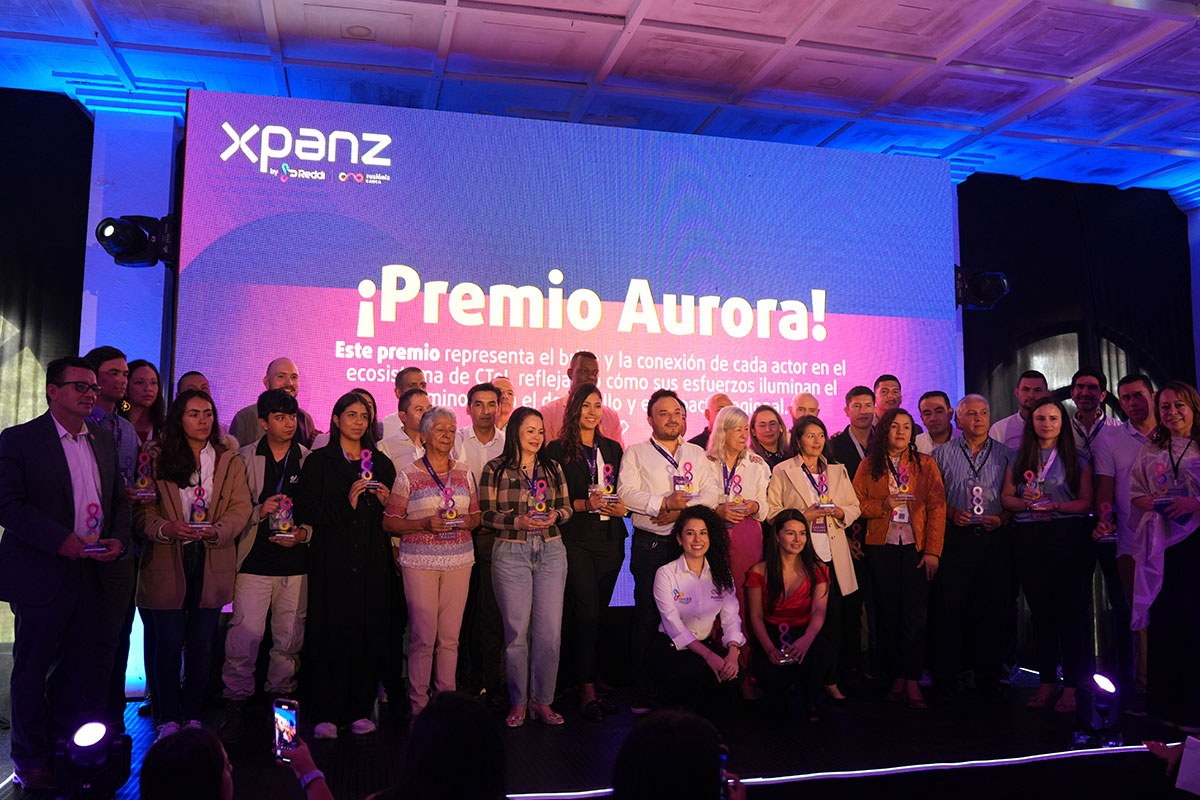
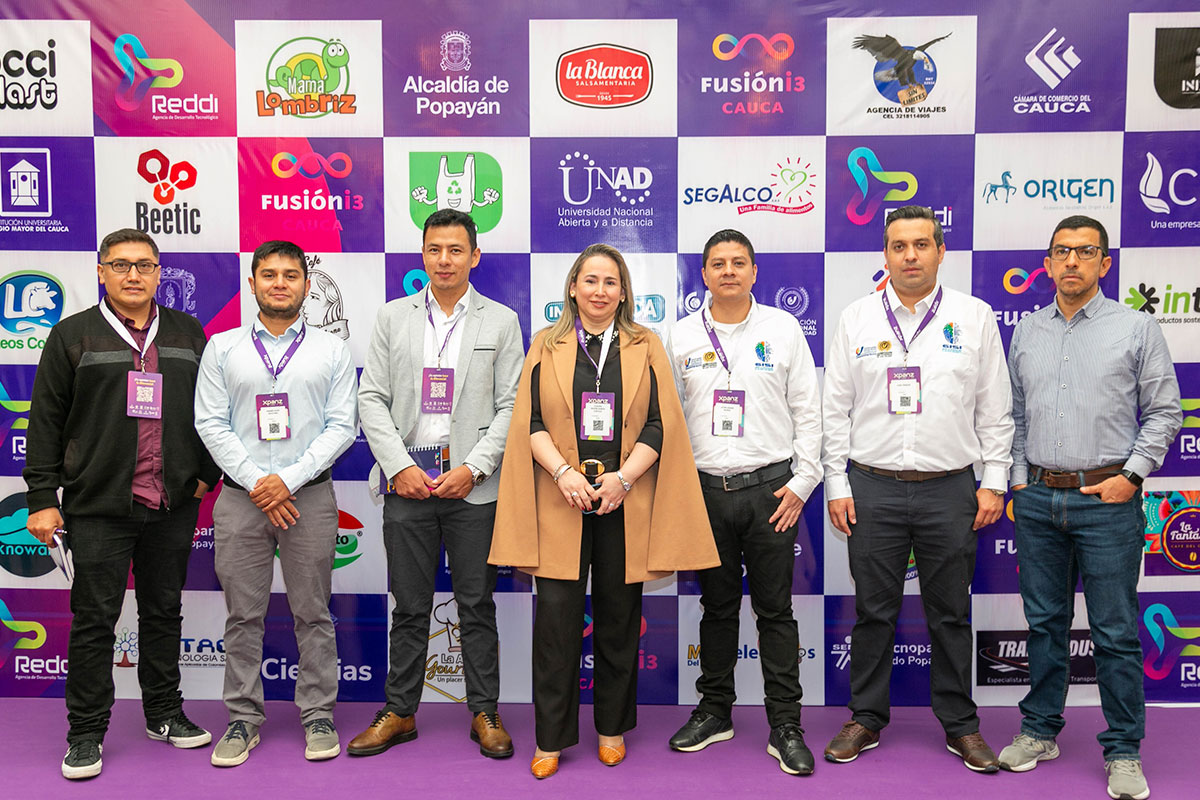
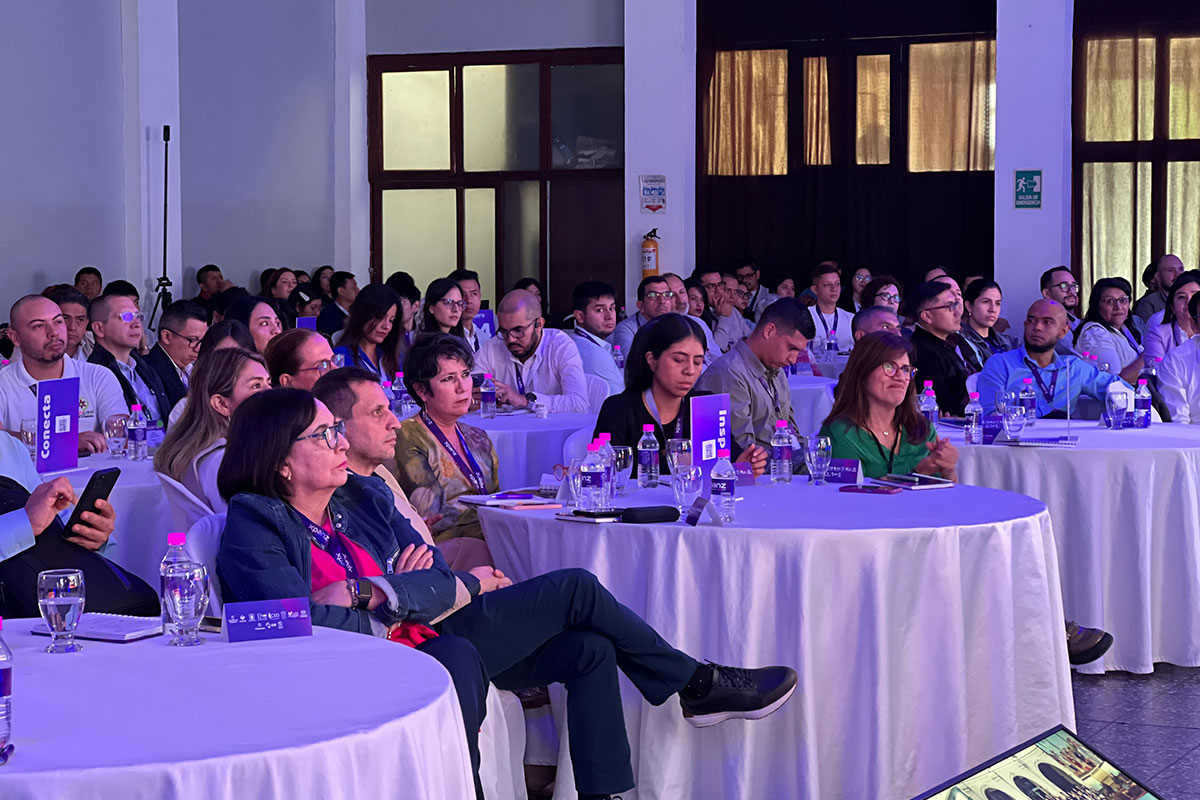
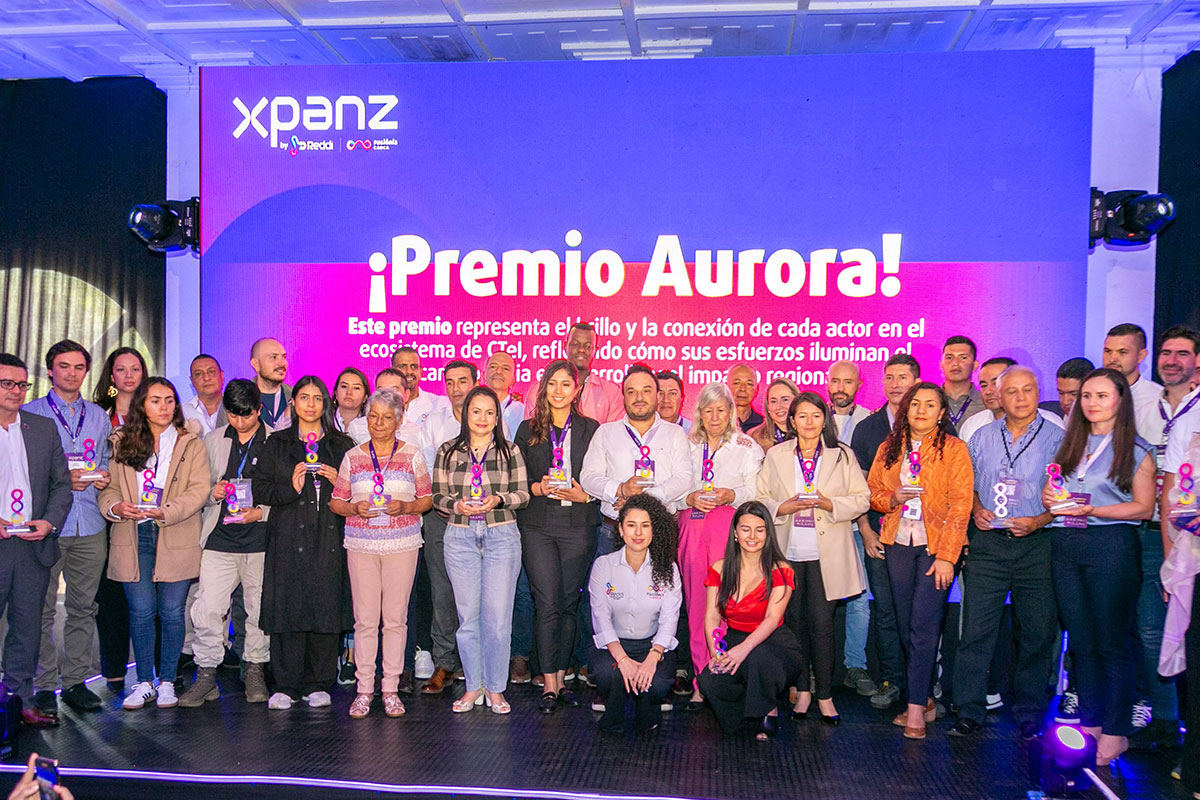
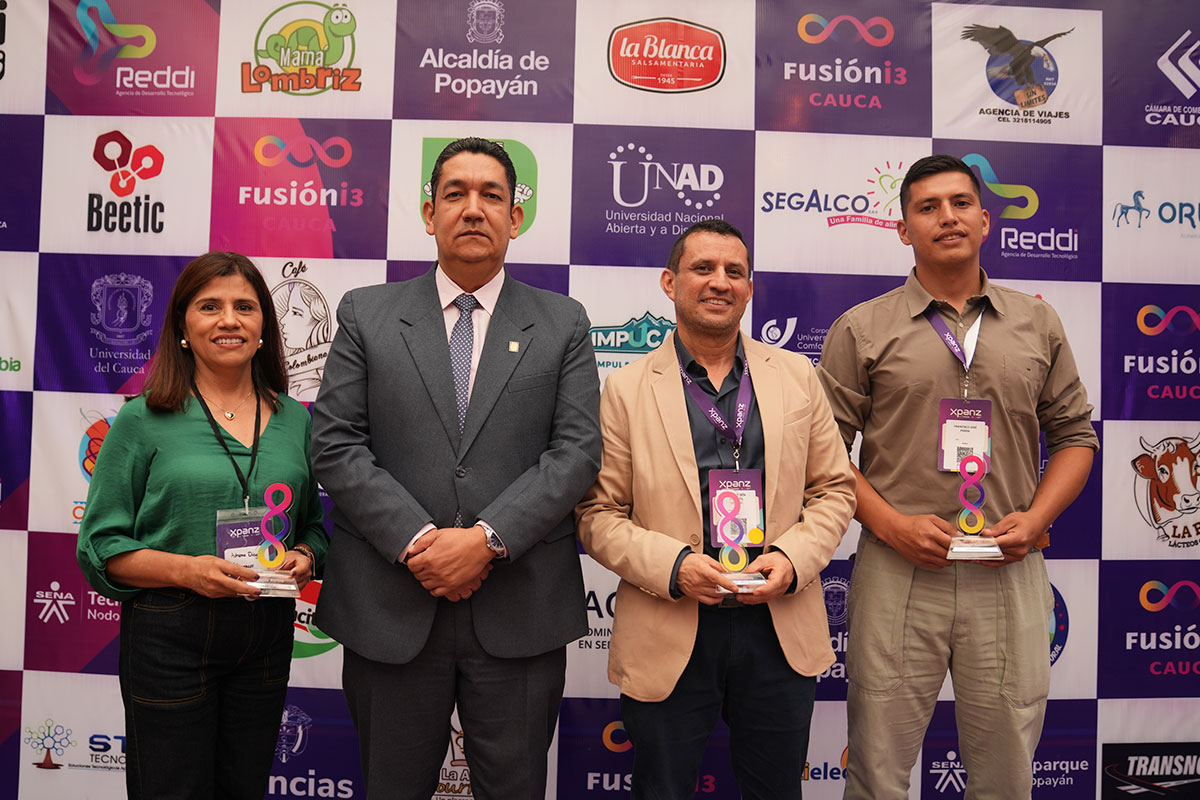
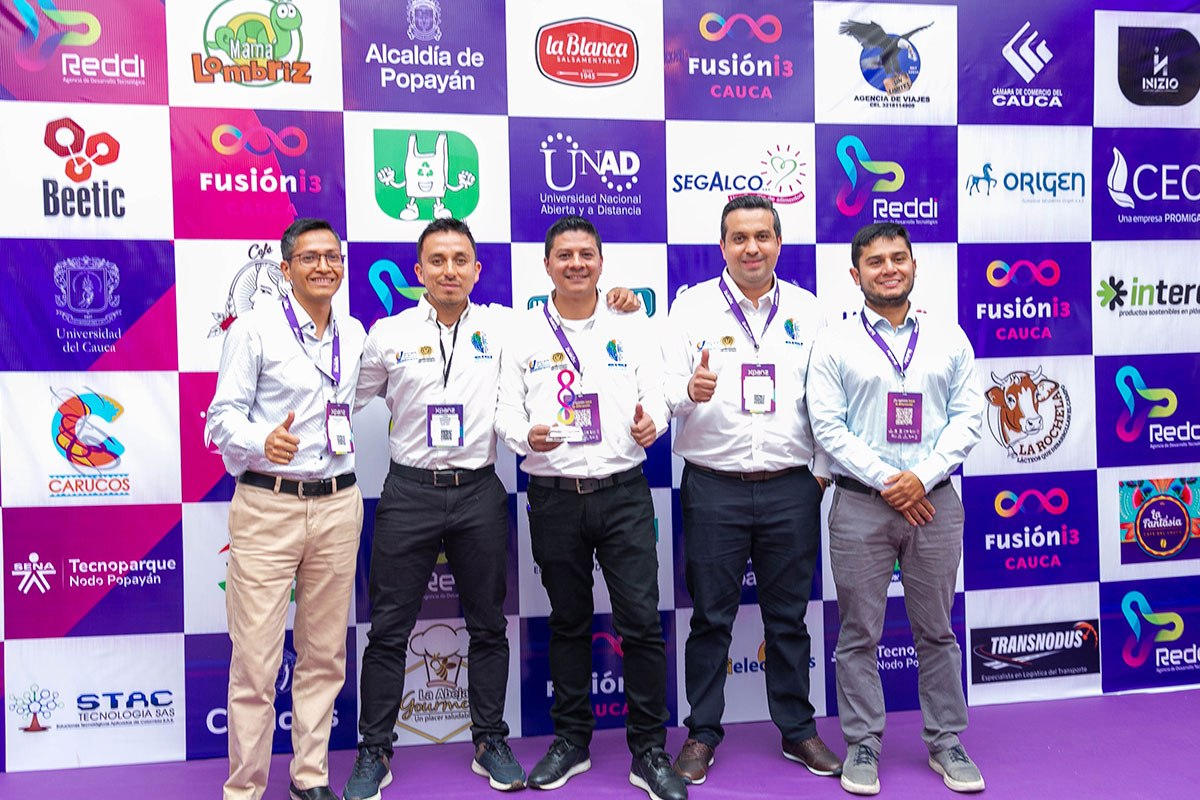
El evento contó con la participación de más de 101 asistentes en la Universidad Javeriana Cali.
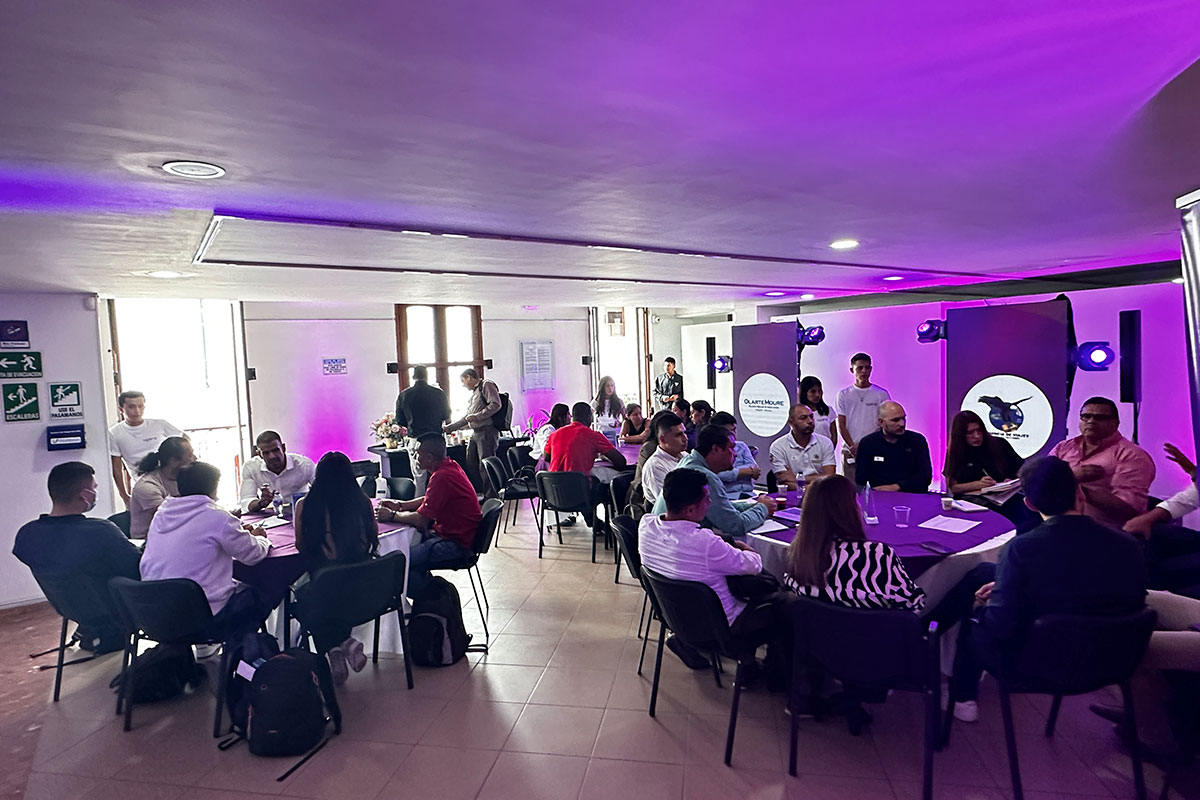
Fue el primer acercamiento entre IES aliadas y MiPyMEs beneficiarias.
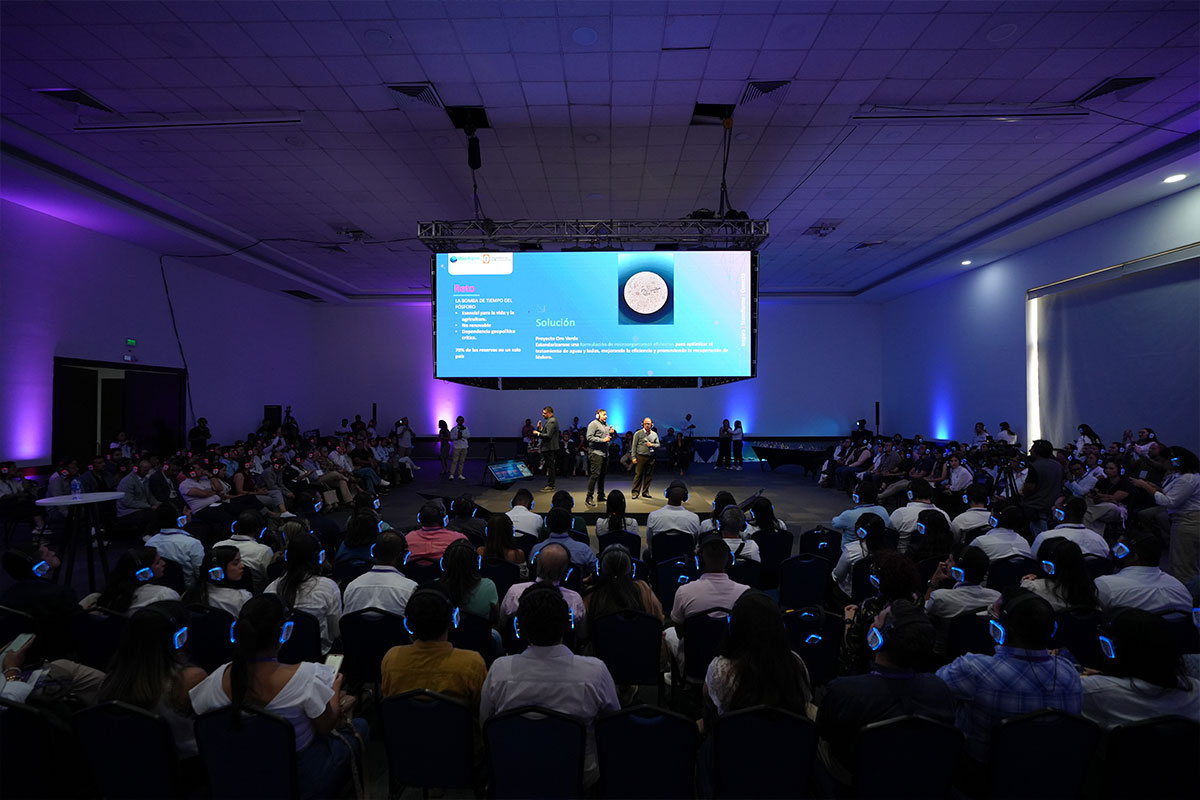
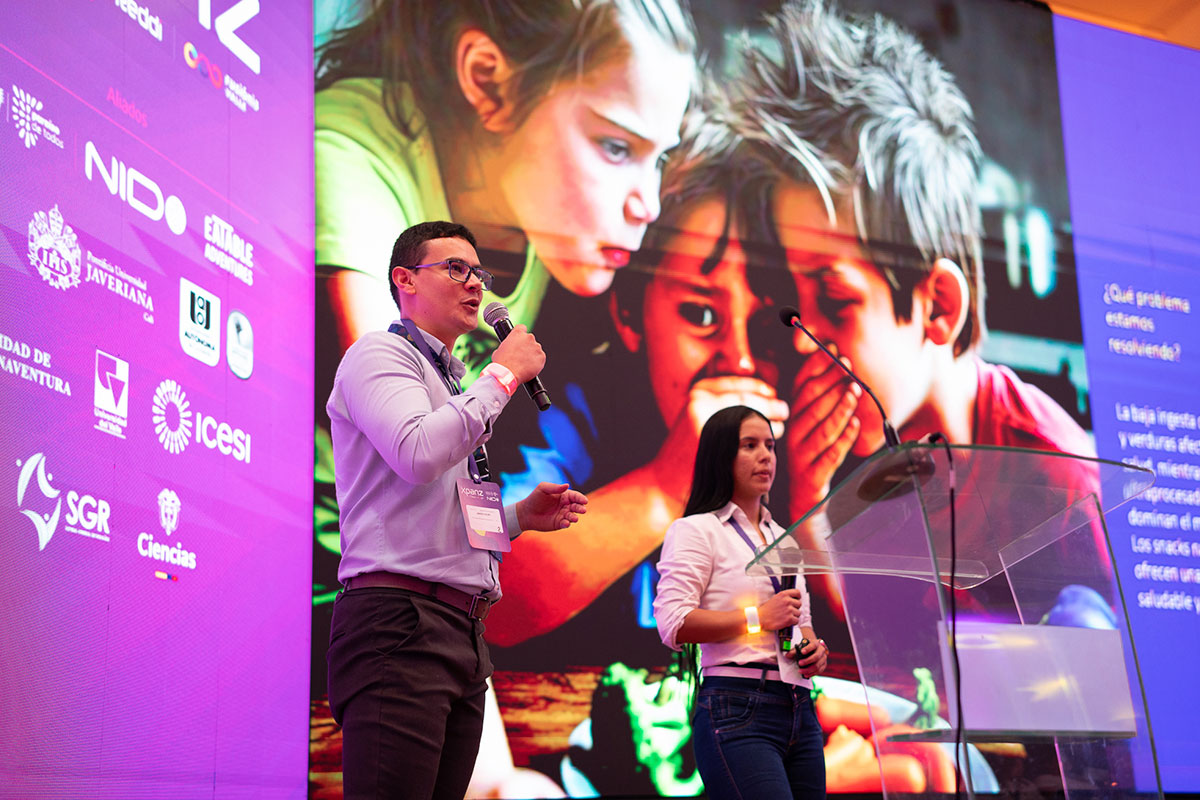
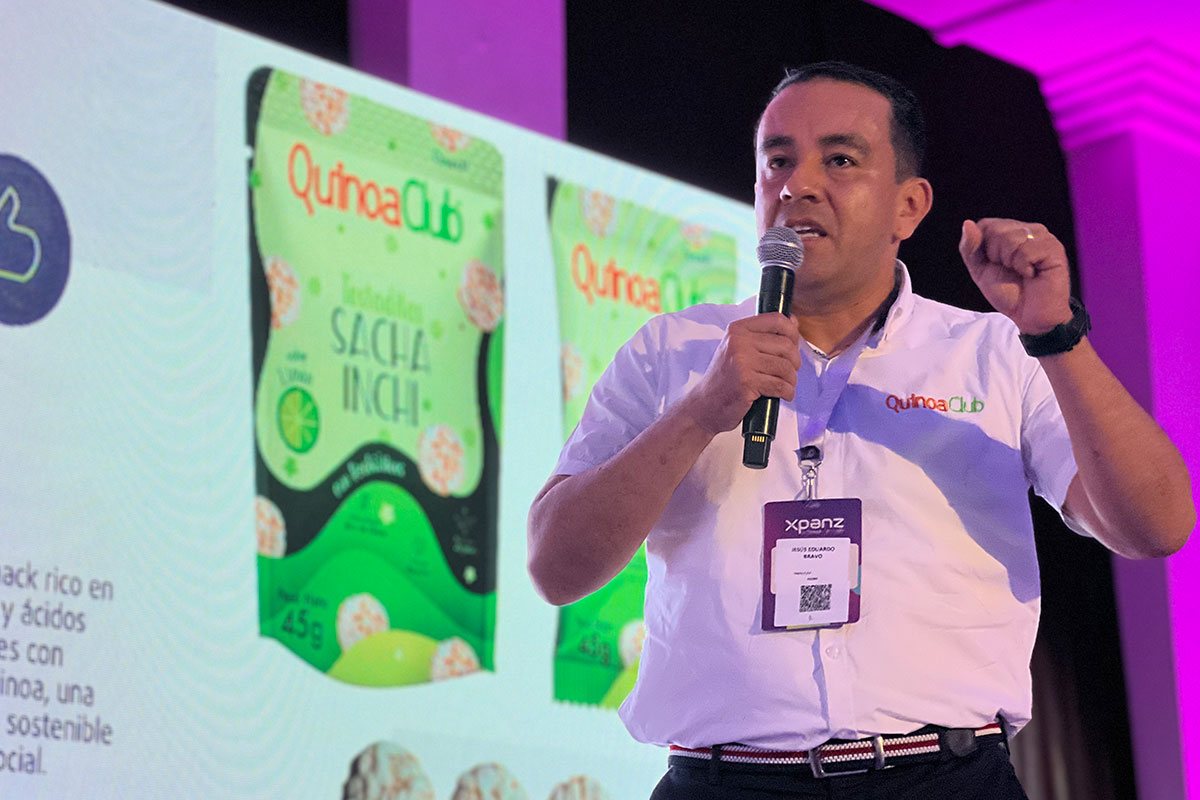
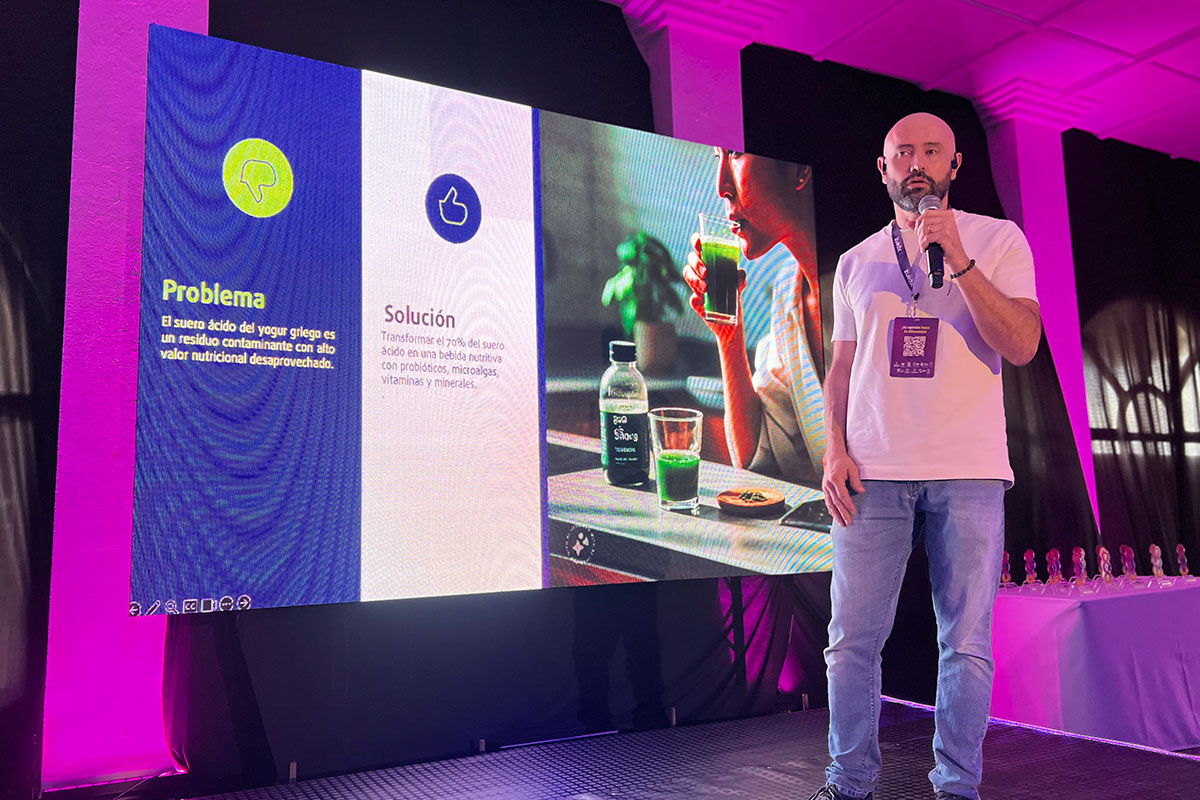
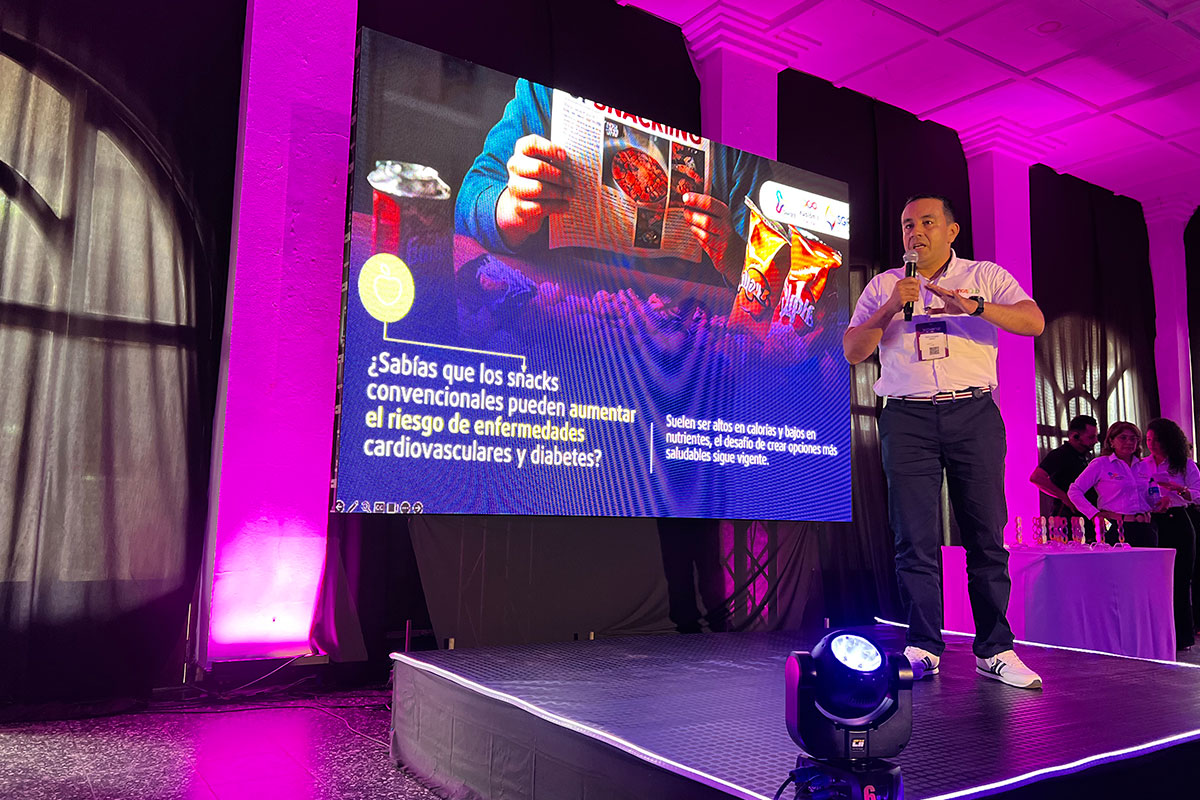
17 de estas MiPyMEs presentaron su Pitch, 11 tecnologías de las IES aliadas fueron presentadas en el Experience Day, las cuales tuvieron 28 validaciones pre-comerciales.
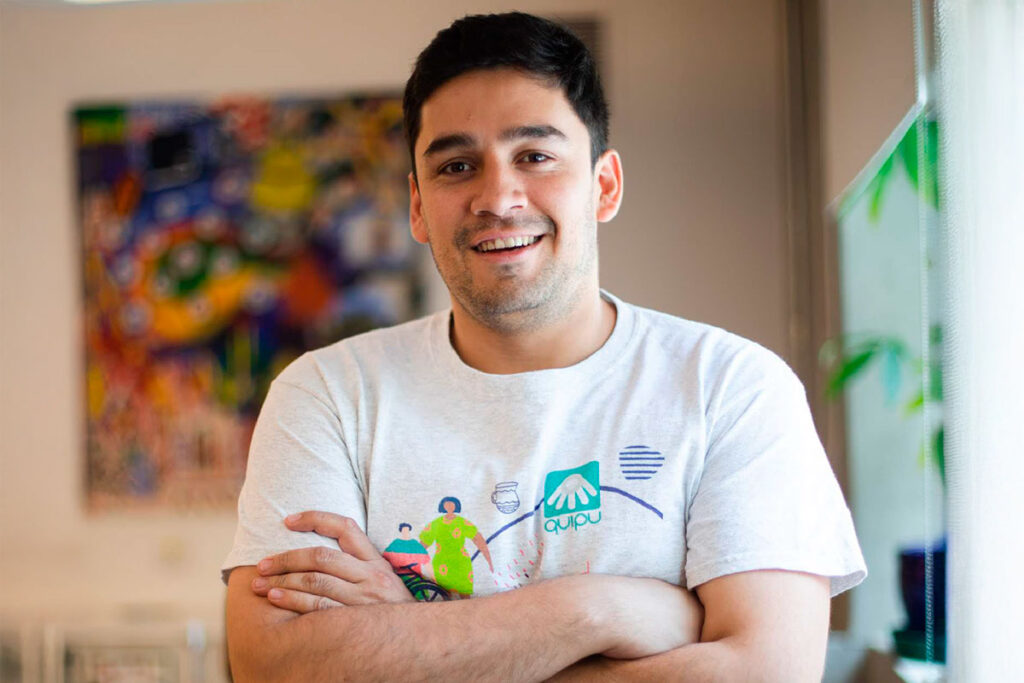
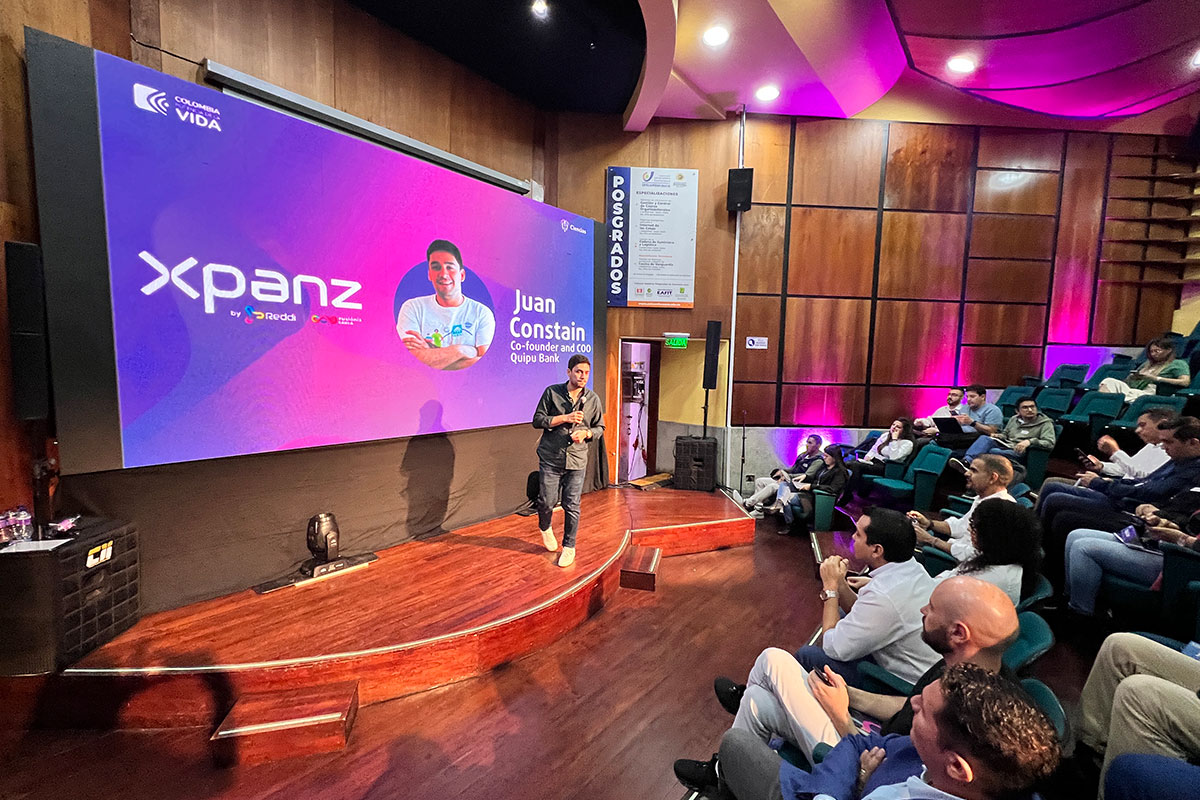
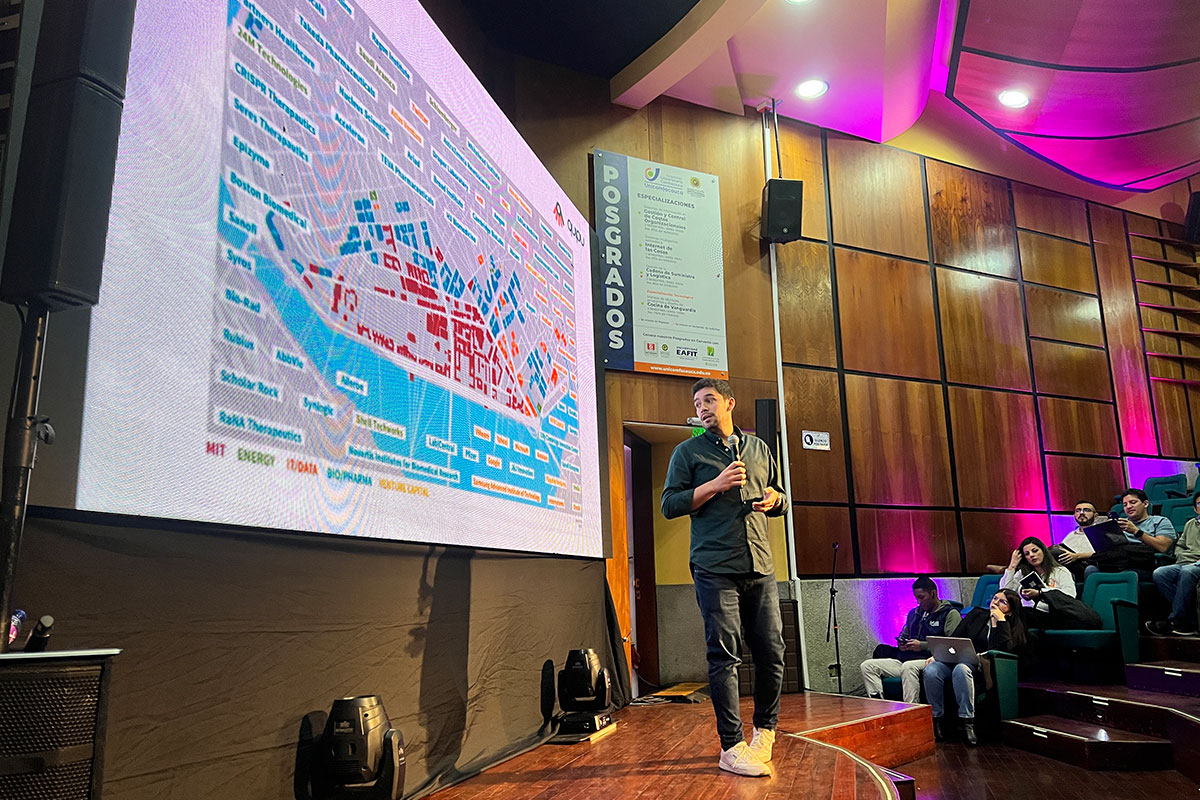
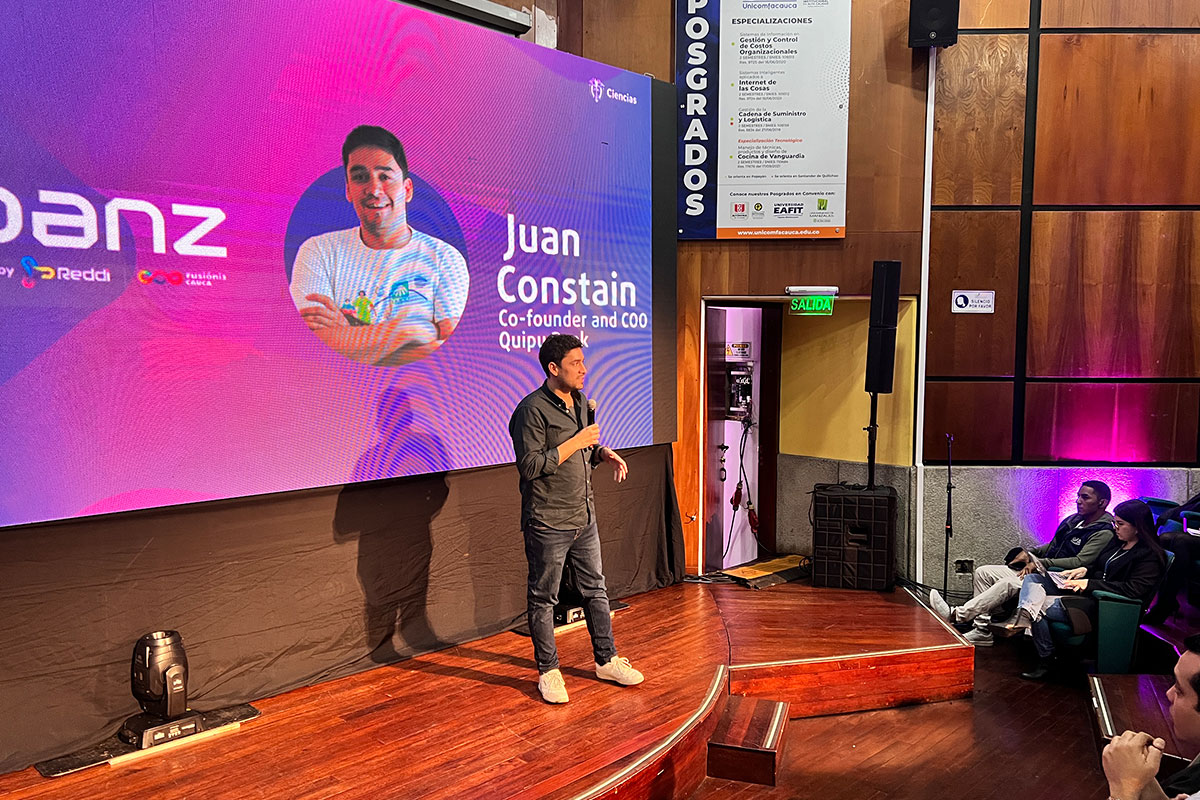
Conferencia: El camino de Quipu: de proyecto de investigación en MIT a fintech de inclusión financiera.
Cofundador y COO de Quipu Bank
Profesional en Gestión y Desarrollo Urbanos de la Universidad del Rosario, especialista en Derecho Urbano, y cuenta con una maestría en Planificación Urbana con énfasis en desarrollo económico del MIT. Como cofundador y COO de Quipu, una fintech de rápido crecimiento en Colombia, fue reconocido como Fellow del programa The Global Good Fund en 2023. Quipu ha recibido importantes reconocimientos de entidades como el Banco Mundial, Google, MIT, Forbes y Fast Company, consolidándose como un referente en inclusión financiera e innovación empresarial.
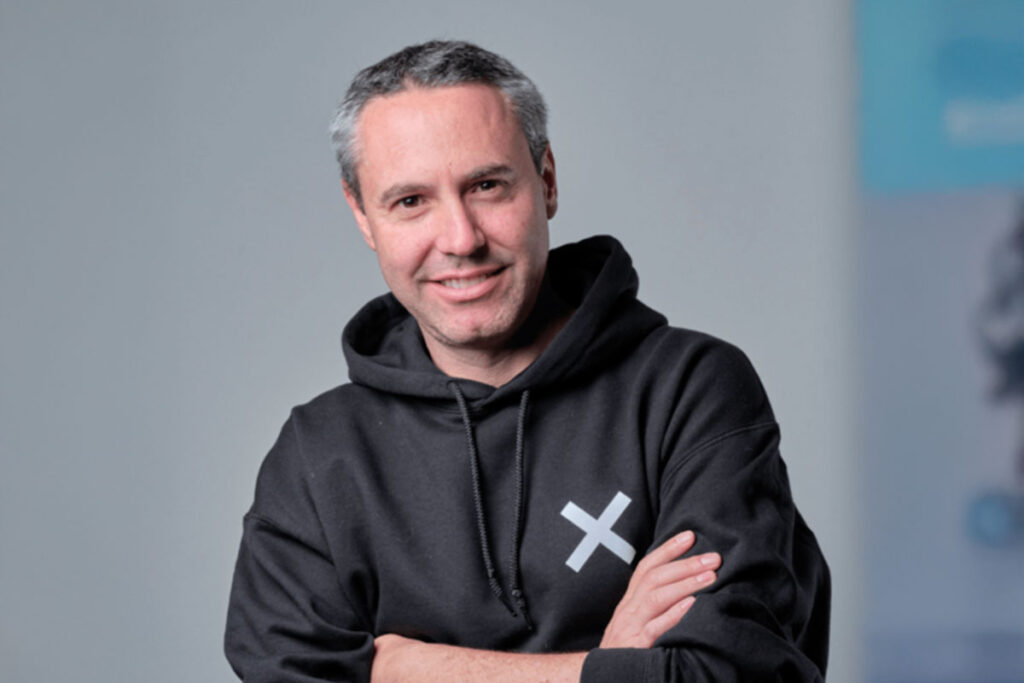
Director comercial de NotCo Colombia
Responsable de establecer la estrategia de negocio de NotCo en Colombia, en los frentes de Food Service, Retail. Administrador de negocios y especialista en mercadeo, con más de 25 años de experiencia liderando áreas de innovación en la industria de consumo masivo en Latinoamérica.

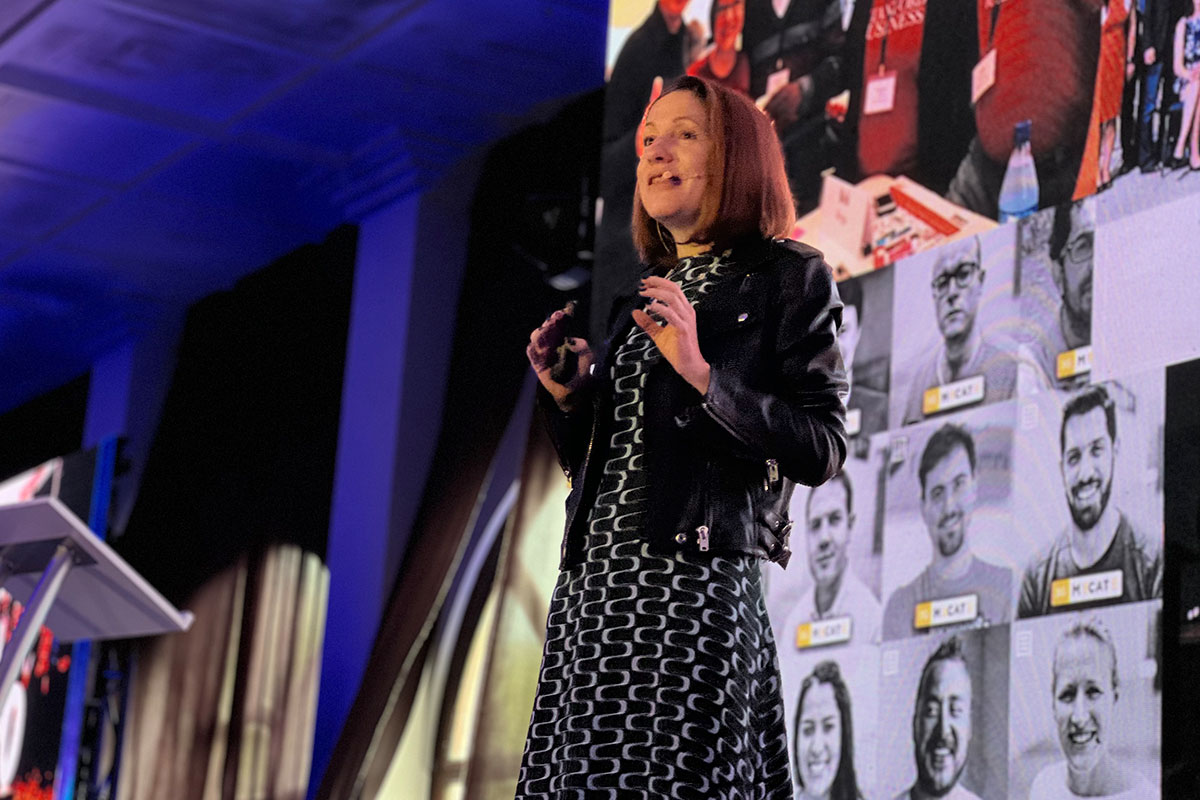
Conferencia: Efectos positivos de red.
CEO de Mentex y experta en innovación, reconocida entre los Top 100 gerentes de Colombia. Descubre cómo maximizar los efectos positivos de red y el impacto de la Alianza DeepTech en el fortalecimiento y escalamiento de startups en la región.