An implant-supported and prosthetically guided histiogenic distraction device, characterized by its control over the direction of distraction, allowing for the reshaping of a bone segment in a predetermined, desired position. This device enables the regeneration of bone tissue lost in the gingiva and maxilla due to trauma or accident. A simple device requiring a straightforward installation process, it is useful in oral and maxillofacial surgery and reconstructive implantology, offering a less invasive approach.

iofilm made from 100% natural fiber, obtained from vegetable waste such as carrots, oranges, and cauliflower. It is a 100% biodegradable material, free of chemical additives, that begins composting after five days. It can be transformed into packaging for dry foods.

Medical device to support physiotherapy through visual stimulation with video game, which is responsible for measuring the inspired airflow and transmits data to the cloud to monitor the patient with quantitative and online information of the patient’s performance in physiotherapy, for the performance of clinical studies and evaluation of the results of pulmonary re-expansion.

SENSUM SARS Cov-2 is a portable, low-cost electrochemical sensor for the non-invasive, rapid and accurate quantification and detection of coronavirus-2 in symptomatic and asymptomatic patients.

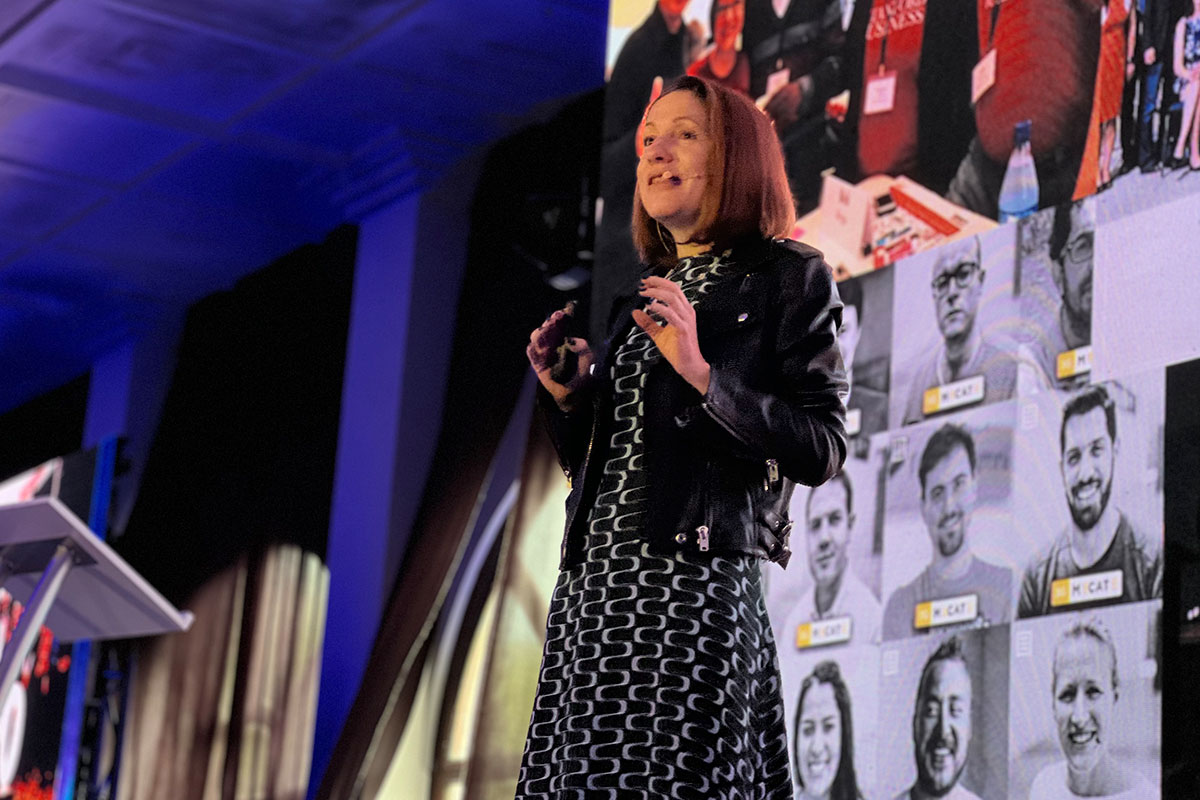
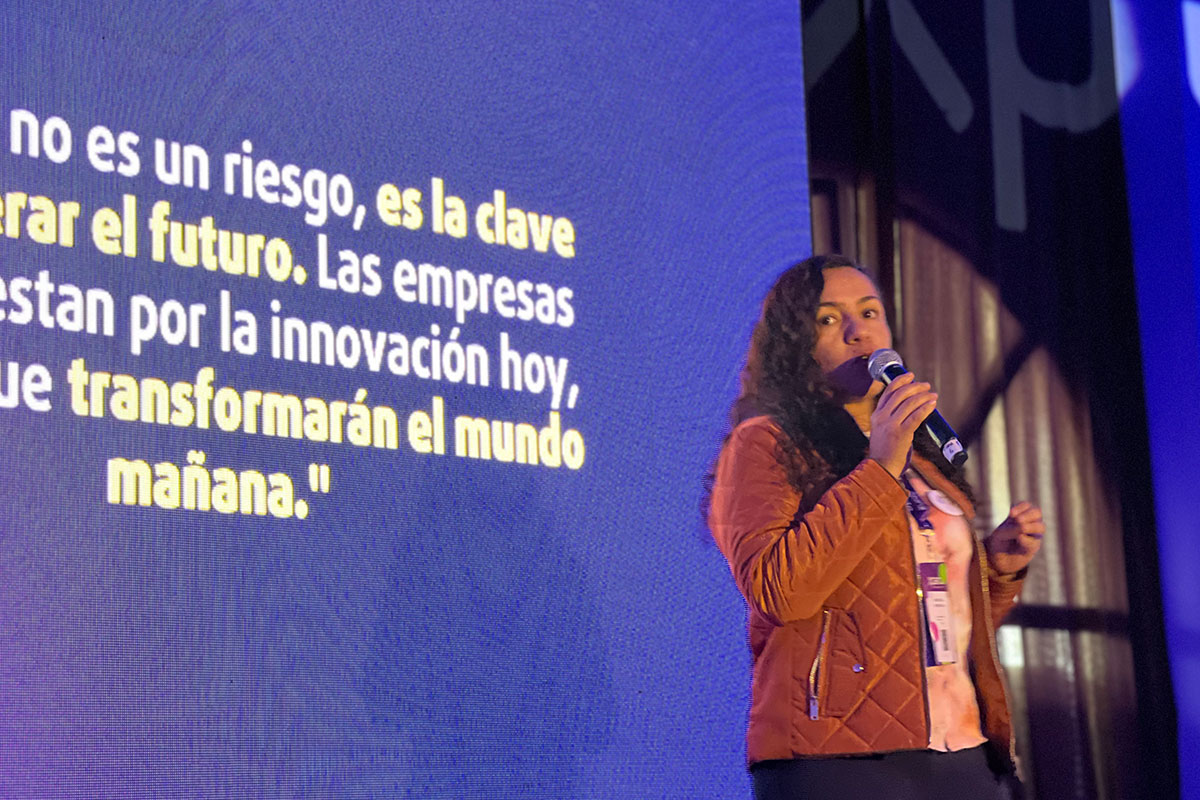
“Most organizations believe that innovation is a technology problem. The reality is that it’s a problem of mindset, narrative, and decisions.” Diana López, Head of Marketing and Technology Transfer at Reddi

For over a decade, in various roles as an engineer, I’ve had a constant responsibility throughout my career: mobilizing people. People to achieve business goals, to adopt new ideas, and now to transform scientific and technological developments into market-ready solutions.

That need led me to delve deeper into human behavior and pursue a master’s degree in Applied Neurohappiness. I was driven by a big question: what truly motivates people? What drives them to commit, to act, to change?

At that time, I was working at an engagement agency focused on achieving business goals. Time and again, I confirmed that to achieve sustainable results, I first had to understand the people I wanted to engage.

From that academic and professional experience, an idea emerged: to promote positive emotional states to activate chemical and biological changes in the brain that would make us more adaptable, creative, and productive. By lowering cortisol, our executive functions operate more clearly. With that conviction, I developed an app focused on enhancing positive emotions in work environments. It had scientific backing, intention, and purpose. But then the question arose that would change my understanding of innovation:

What real problem does it solve? Who is it truly relevant to? Why would anyone be willing to adopt or pay for it?


That’s when I understood something essential: it’s not enough for a solution to work. It has to connect.


Today, as head of marketing and technology transfer, supporting universities, startups, and corporations in their innovation processes, I’m encountering the same reality. Many initiatives don’t fail due to a lack of technical knowledge; they fail because they can’t connect with their target audience.


Technology can be developed, talent can be recruited, and capital can be raised. But if we can’t explain why it matters, who it matters to, and what impact it has, innovation won’t be adopted and, therefore, won’t have an impact.


Leading innovation involves much more than managing projects. It involves managing egos, expectations, and fears. It involves translating scientific language into business language. It involves building trust among stakeholders who have never worked together before.

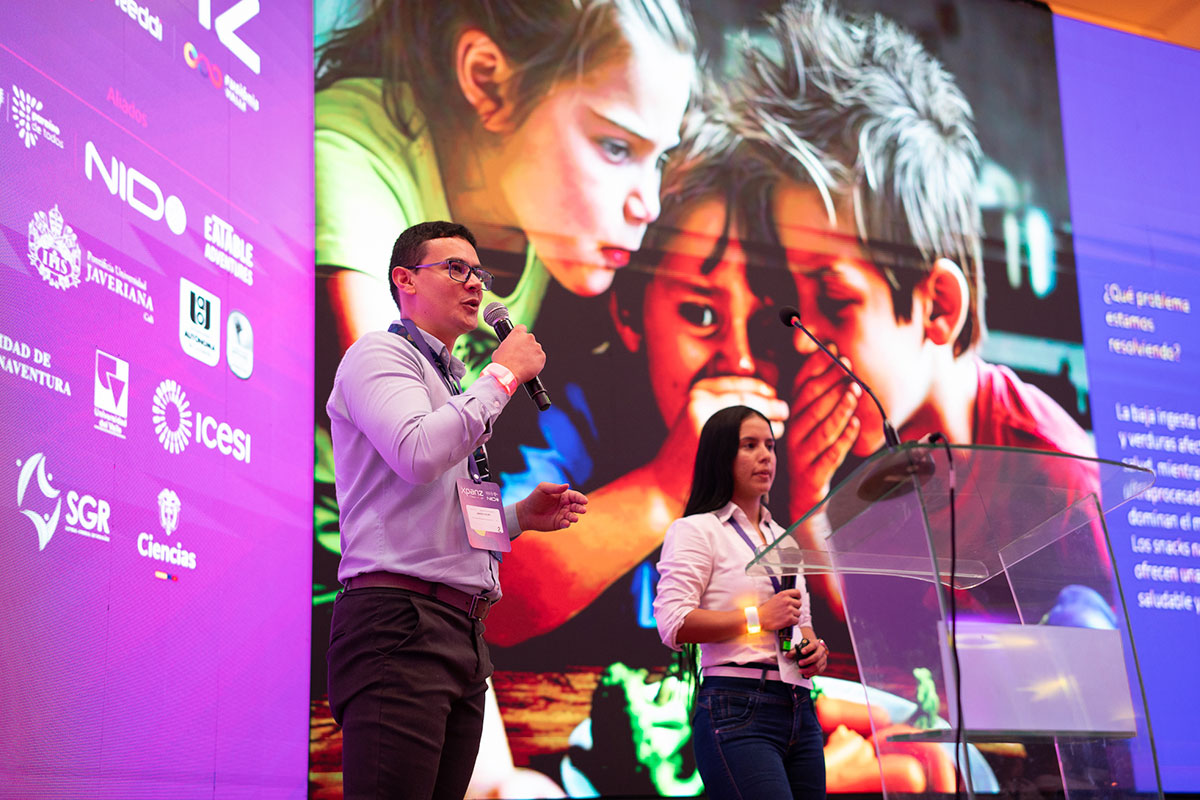
 

I’ve seen extraordinary technologies get stuck in a technical pitch due to a lack of narrative. And I’ve also seen technically simple solutions scale because someone knew how to articulate them clearly and purposefully.


The real challenge for the ecosystem isn’t technical, it’s human. It requires researchers to listen to the market, corporate leaders to recognize that innovation also comes from outside and understand that piloting involves uncertainty, and someone to have the courage to take risks even without absolute certainty.


My greatest lesson on this journey hasn’t been about mobilizing knowledge, but about mobilizing mindsets. Because leading innovation, more than a technological challenge, is a profoundly human act of leadership.

Innovation built with those who accompany

Fusióni3 Valle concludes with significant results. A general objective was achieved by strengthening innovation in 20 companies in the Valle del Cauca region, which, through their connection with universities, consolidated a culture of collaboration to develop products and services hand in hand with science and technology.

To achieve this, the project carried out various objectives and activities led and coordinated by a human team that acted as a bridge between five universities and entrepreneurs who, although they did not know each other previously, shared an interest in working together.

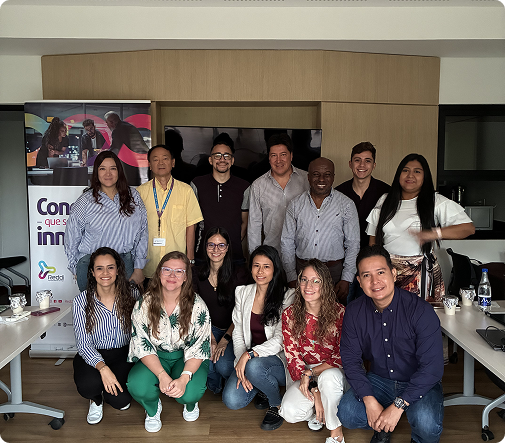
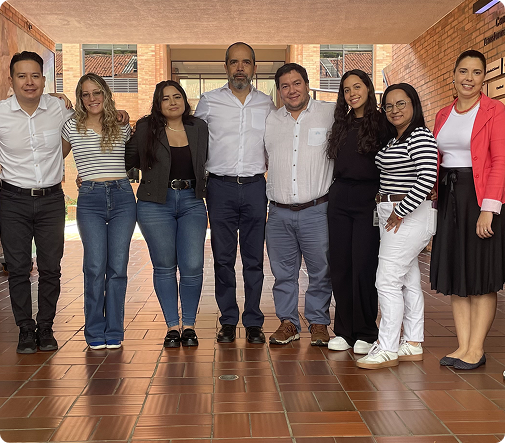
From managing alliances to closely monitoring each process, the team facilitated spaces for interaction, supported the dialogue, and was able to closely observe the evolution of each initiative, which is now a source of pride for the members of Fusióni3 Valle, who were also recognized by participating researchers and entrepreneurs.

This dialogue also extended to other training settings, such as the Autonomous Foundation of the West, Fundautónoma, where the capacities of 50 young people from its School of Entrepreneurship were strengthened, including job skills related to innovation processes.

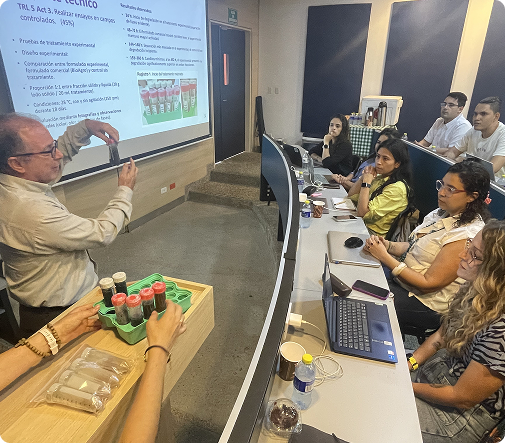
The young people learned about the projects firsthand by interacting with entrepreneurs, researchers, coordinators, and managers; they toured company and university headquarters and participated in feedback sessions where they put forward their own solutions and proposals. This exercise broadened the project’s scope and generated expectations for new ways of working closely together between academia, business, and the community.

During the project, strategies were developed to leverage the intellectual capital of universities and their relationship with the productive sector, innovation management was strengthened in 20 companies, and ten university-business alliances were consolidated that developed or improved innovative services and products.

The team's experience beyond success

This is how the team members highlight their participation.

Leadership and coordination, amidst diversity

Fusióni3 Valle is seen as an experience of collective leadership and constant articulation between academic and business capabilities.

Mónica Dueñas – Director and Principal Investigator

“The experience of working on this project was very rewarding. I was accompanied by a team that supported, led, and managed the university-business partnerships that developed innovative products and services, and most importantly, began to create a culture of collaborative innovation.”

Anny Catalina Parra Perdomo – University-Business Connection Coordinator

“I want to highlight the collaboration seen in the execution of the university-business projects, their work to achieve the stated objectives, and how companies recognize universities as allies and service providers that they had not previously identified.”

Stefania Perez – Administrative Coordinator

“One of the most significant lessons learned from the project was the development of a unified voice. Moving from an initially technical foundation to a common language, built jointly between academia and the productive sector.”

Connecting knowledge with real needs

The project allowed us to experience innovation firsthand and understand how academic knowledge translates into applicable solutions.

Michael Urbano Gaviria – Coordinator of university strengthening

“The experience in the Fusióni3 Valle project was key to understanding how these research results are linked to development and innovation, and how academia responds to real needs of the productive sector.”

Valeria Aponte – Manager

“Accompanying both parties in the process of building alliances and finding solutions to their challenges was a very enriching experience. Understanding how both academia and the business sector operate allowed me to provide effective support.”

Ana María Caicedo – Manager

“There was a clear evolution from initial ideas to more solid solutions, designed to operate in real contexts, the result of constant work of adjustment, learning and continuous improvement.”

Innovation also transforms those who accompany it.

In addition to the technical results, Fusióni3 Valle provided personal learning experiences, connections, and new ways of understanding innovation as a human and collaborative process.

Marcela Mora – Business Strengthening Coordinator

“What I value most about the Fusióni3 Valle experience is having witnessed the real growth of partnerships, not only in technical terms, but also in human terms. We went from speaking ‘different languages’ to building honest and collaborative conversations between business and university.”

Andrea Molina – Manager

“For me, Fusióni3 Valle was, above all, an exercise in reality. In understanding what innovation is like when it stops being just a good intention and faces real decisions and concrete conditions.”

Camila Caicedo – Outreach Coordinator

“I greatly value having witnessed firsthand how universities and companies worked together, following their processes and presenting them as a testament to all that can be achieved through collaboration.”

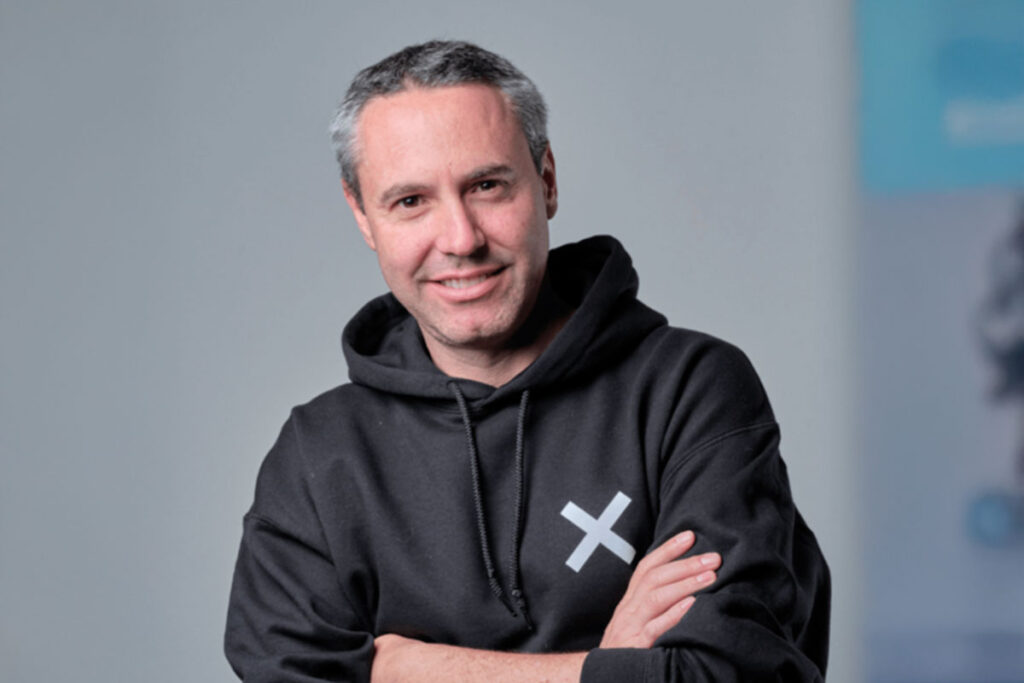
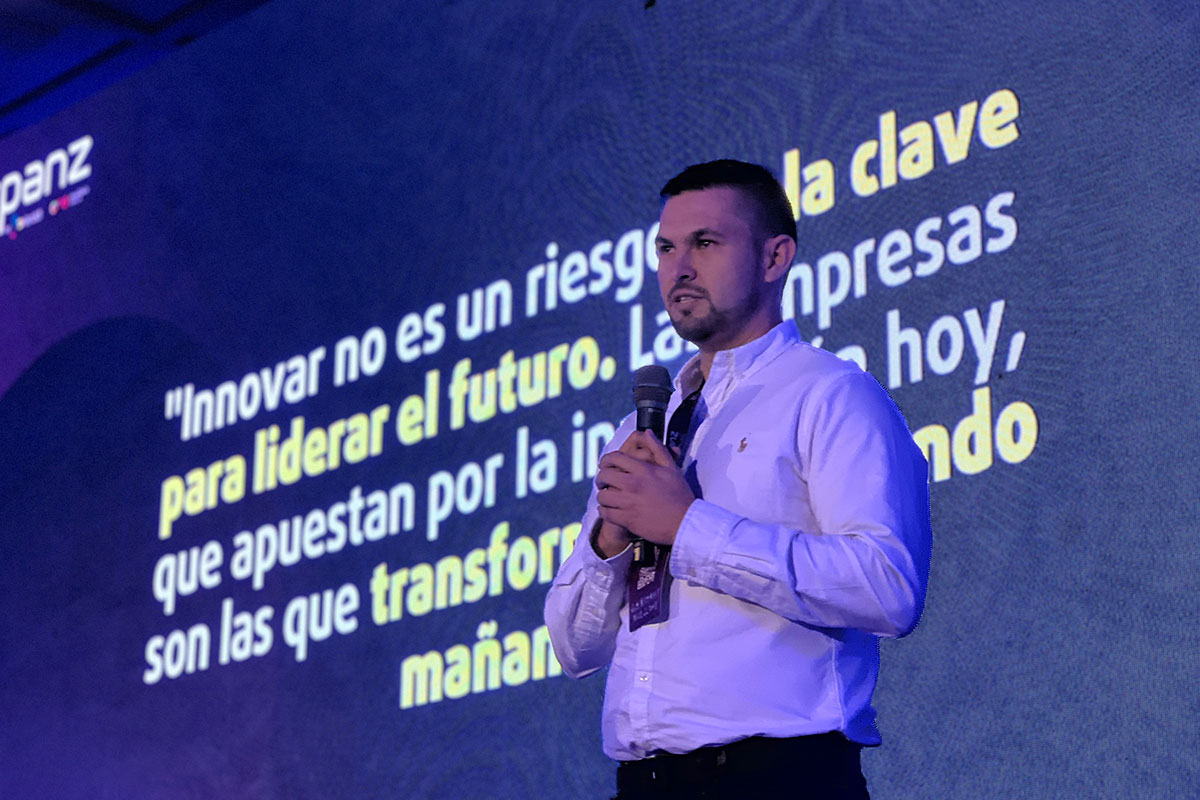
Andrés Méndez

Speaker principal

Conferencia “Innovación con impacto empresarial”

Presidente gremial, mentor y emprendedor serial

EdTech HUB LATAM + 90 Edtechs

Asociación de emprendedores +500 marcas de consumo

Ha logrado:

  • Diseñar estrategias de GTM en 14 países para diferentes proyectos.  
  • Crear, comprar y vender empresas. (Incluyendo grandes y dolorosos fracasos).
  • Ayudar en proyectos con múltiples corporaciones (Gobiernos, Scale ups, Startups, ONGs). 
  • Aprender de los mejores referentes; YCombinator, SOSV, Fuel de Mckinsey, entre otros. 
  • Ser mentoreado por banqueros, ejecutivos, y emprendedores seriales.  
  • Participar en el fondeo de Startups +$5M USD.
  • Actualmente se dedica a re-pensar, conectar y transformar industrias con problemas sistémicos en Colombia (Consumo) y Latino América (Educación con tecnología).

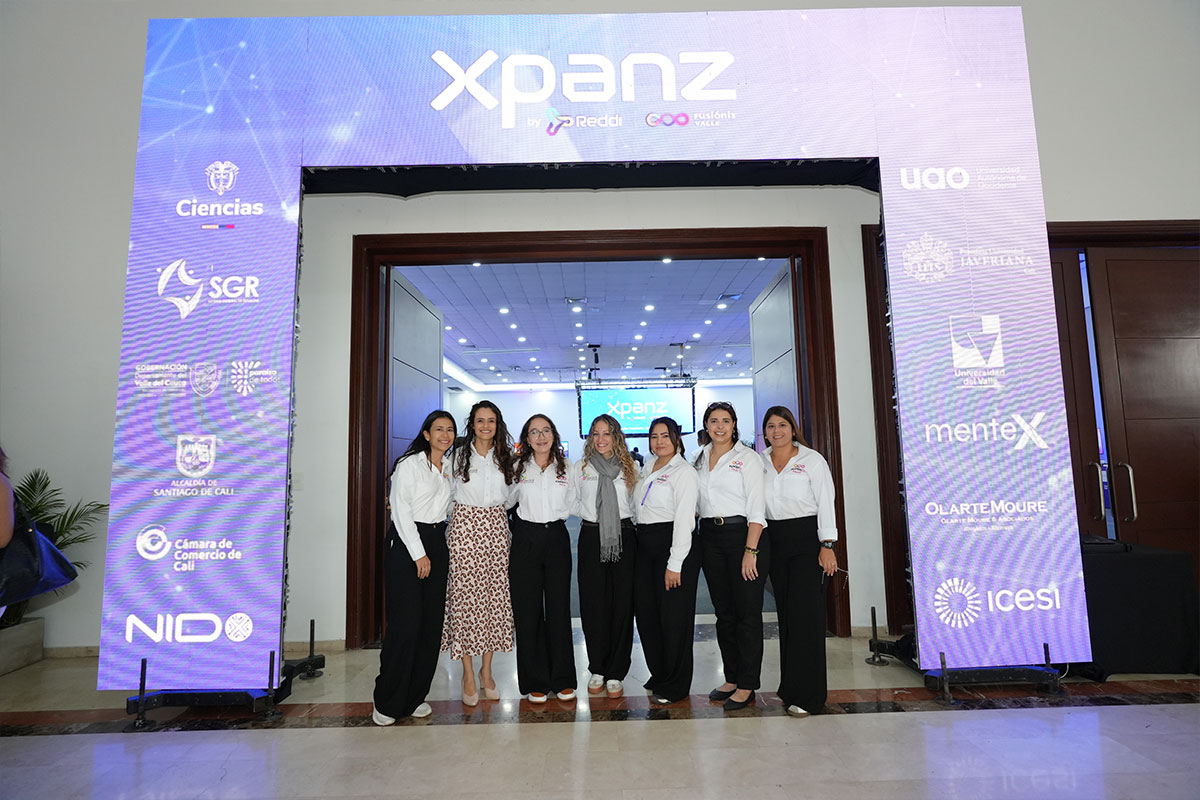
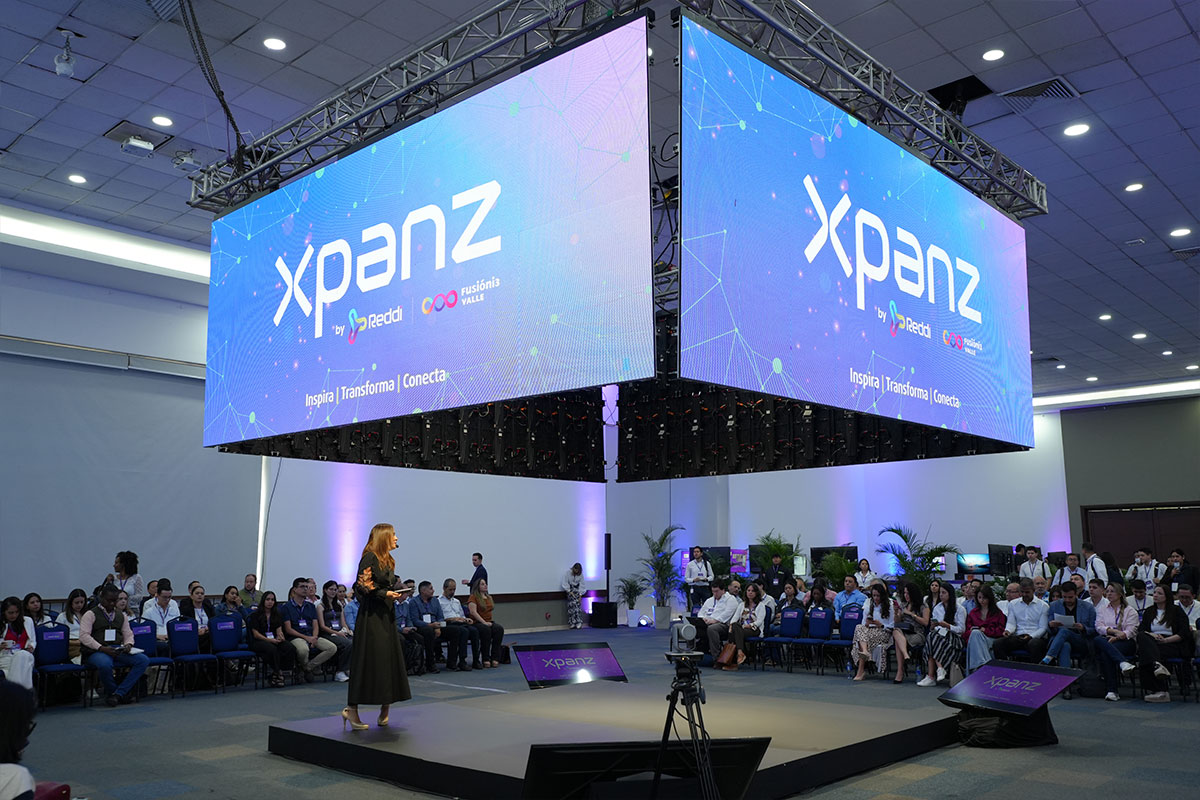
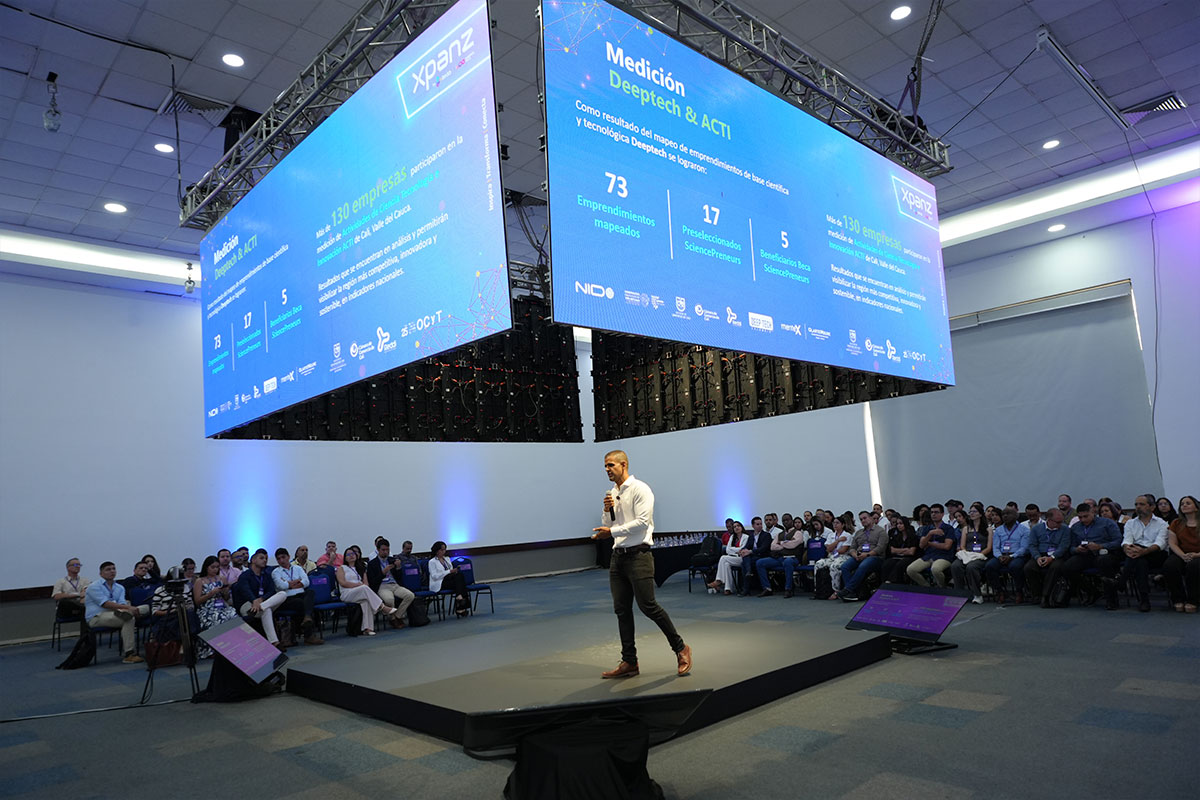
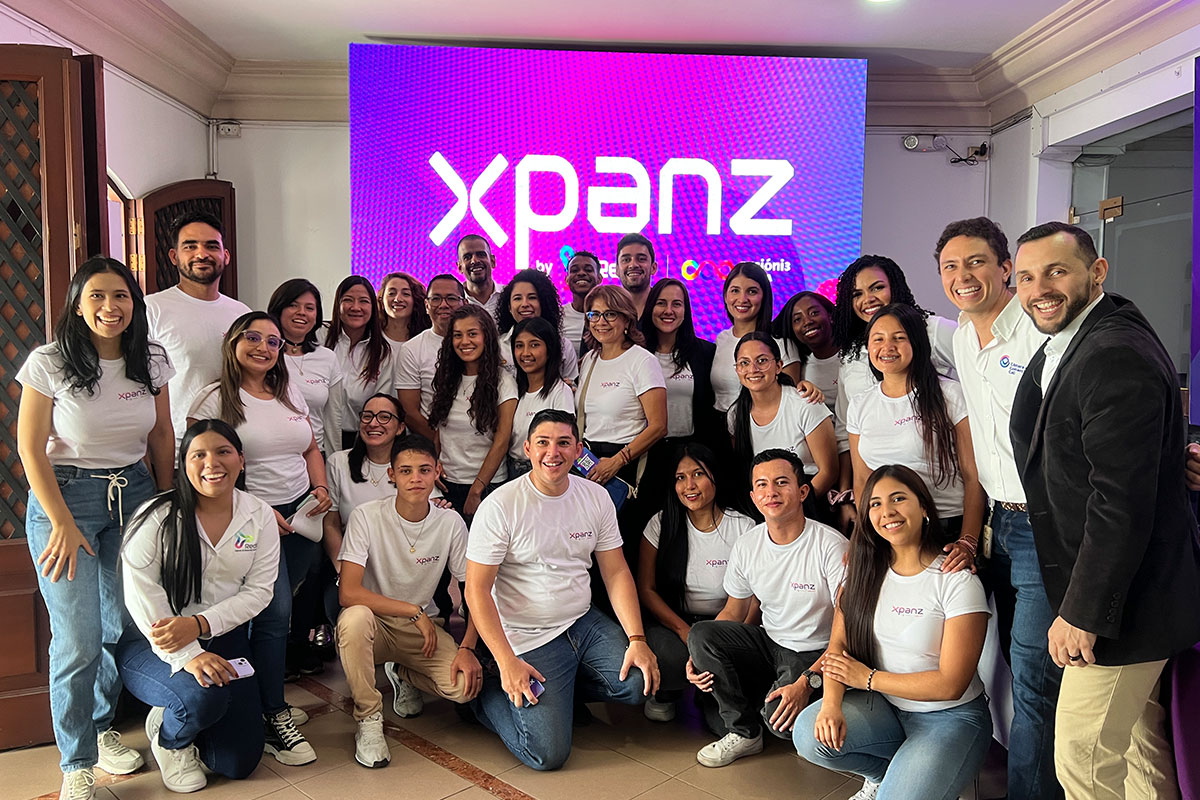
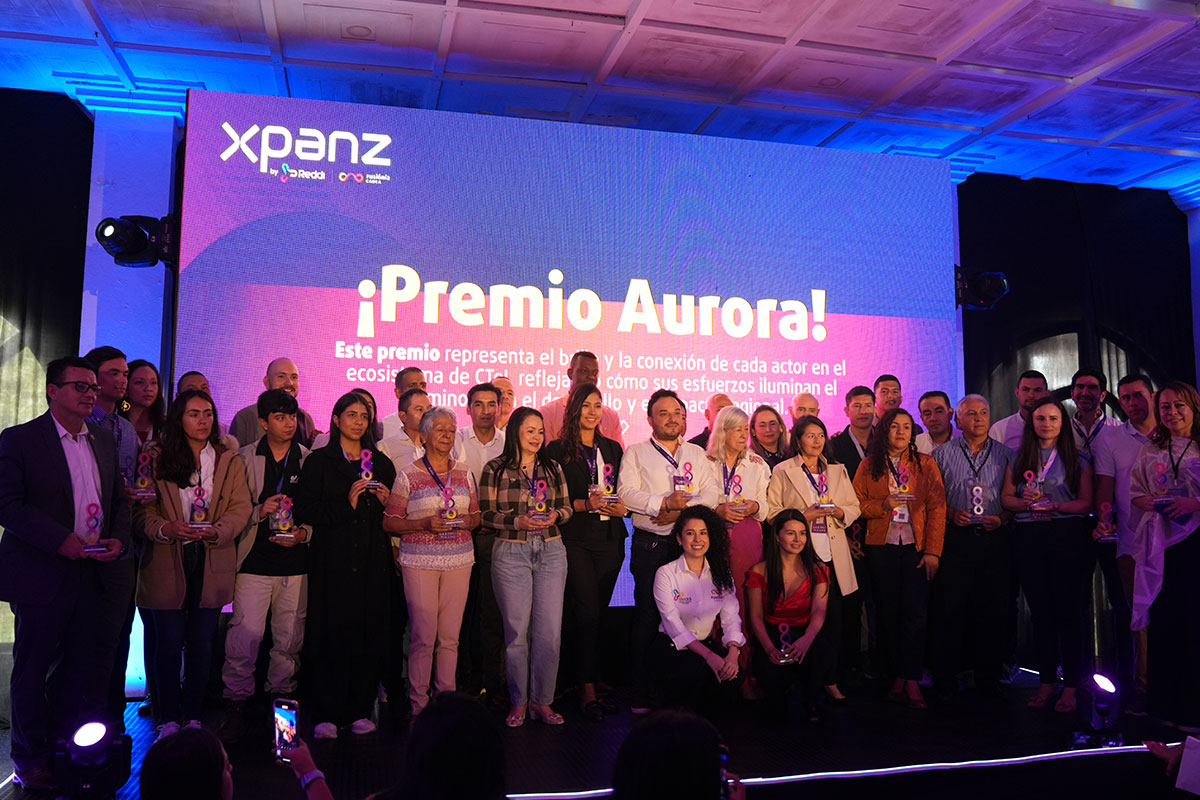
Xpanz en Valle 2023

Revive el evento aquí

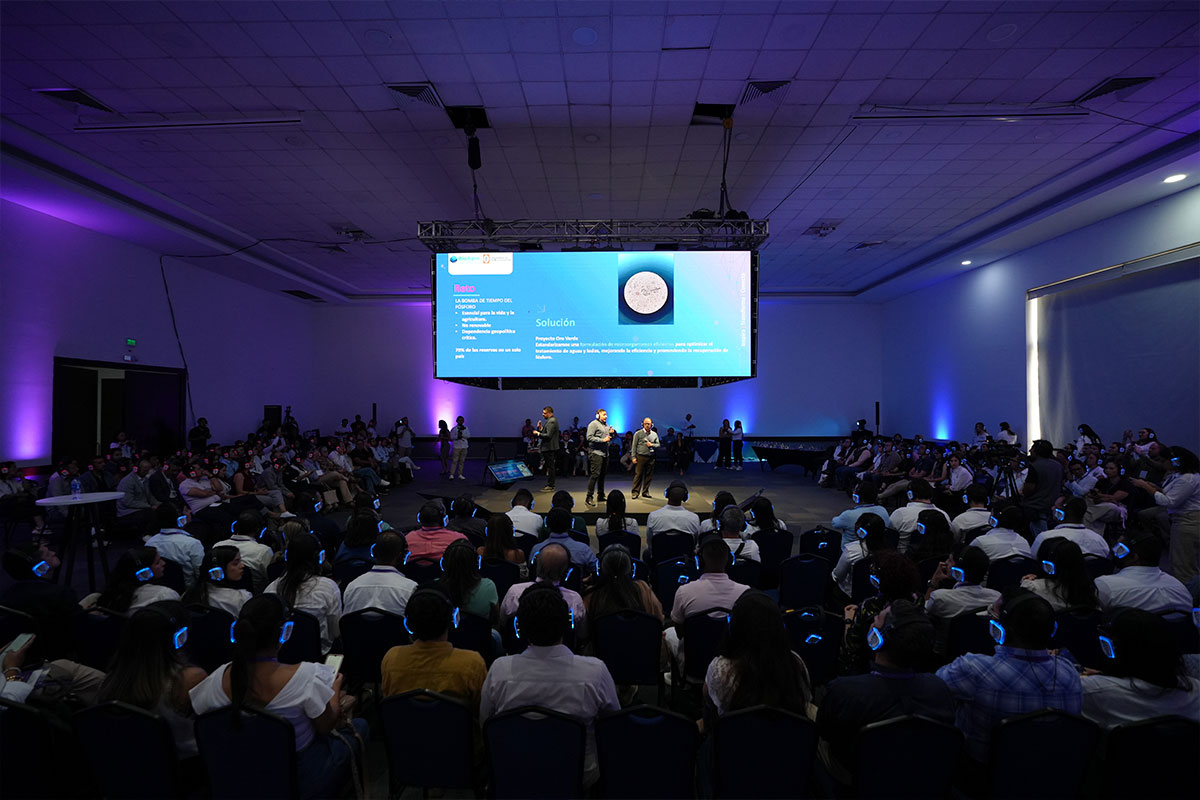
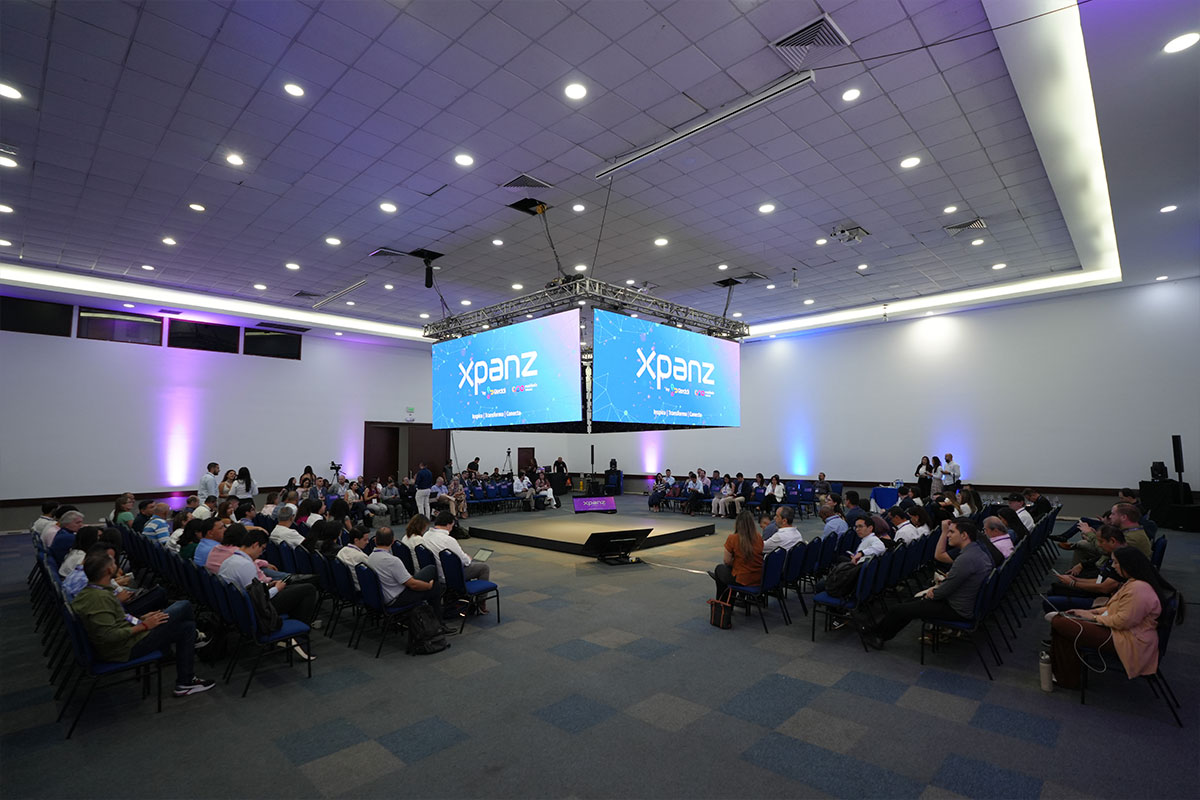
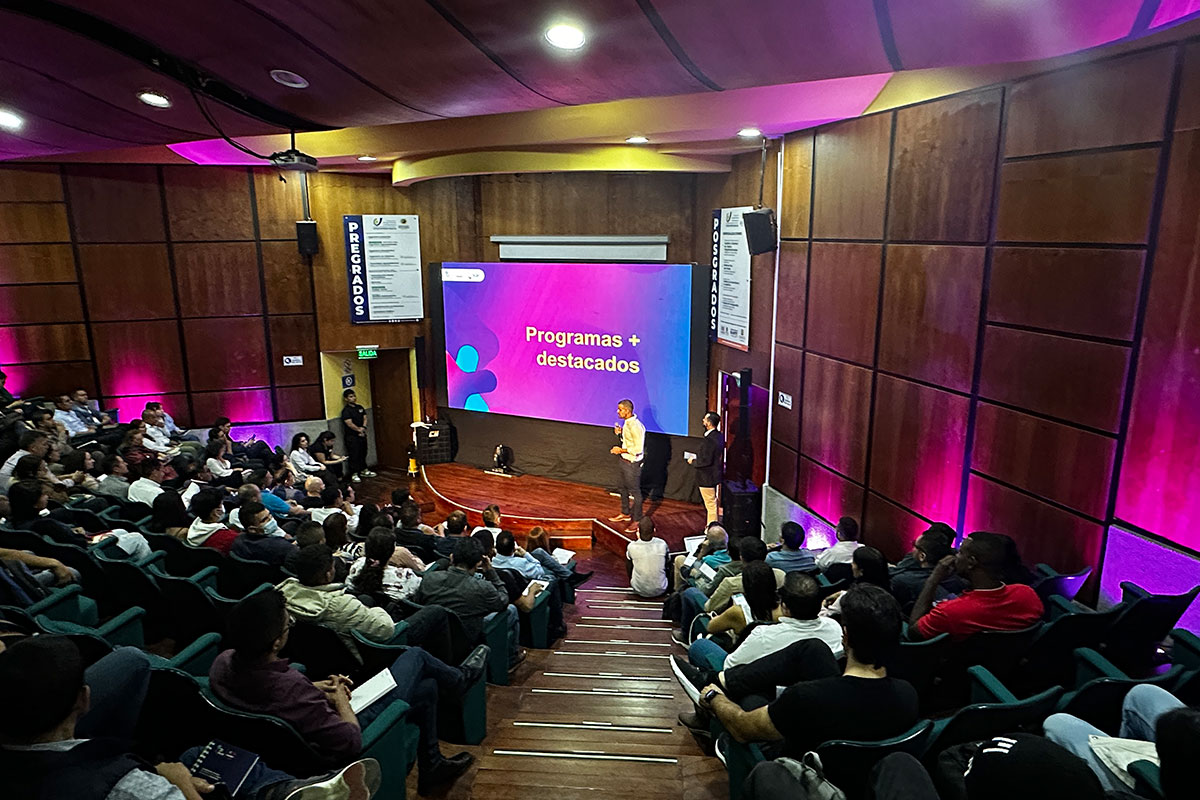
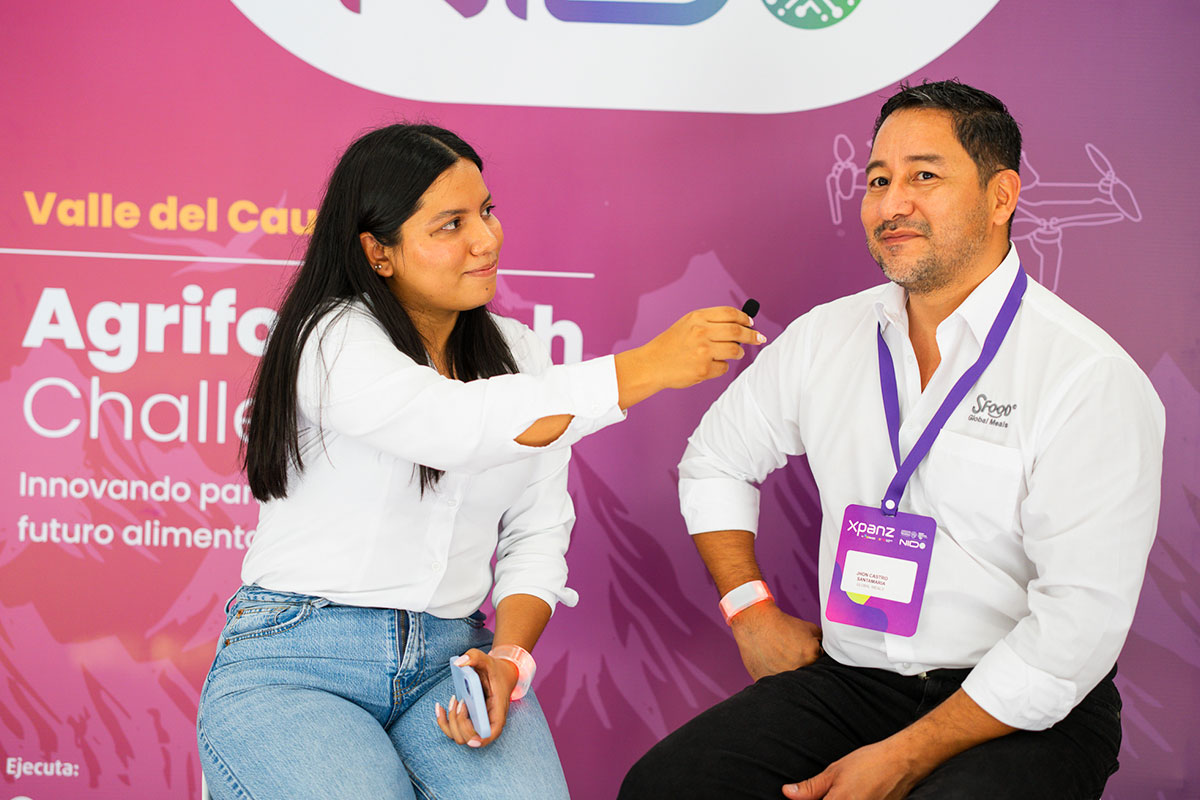
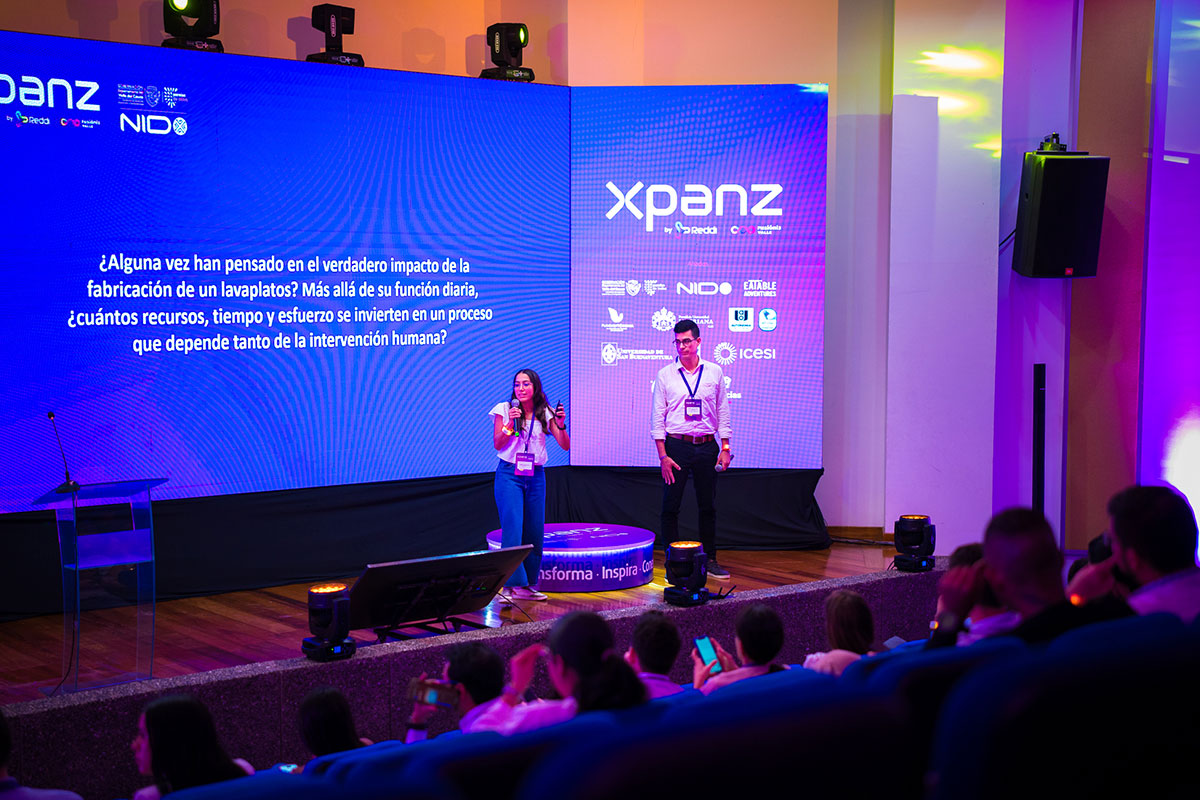
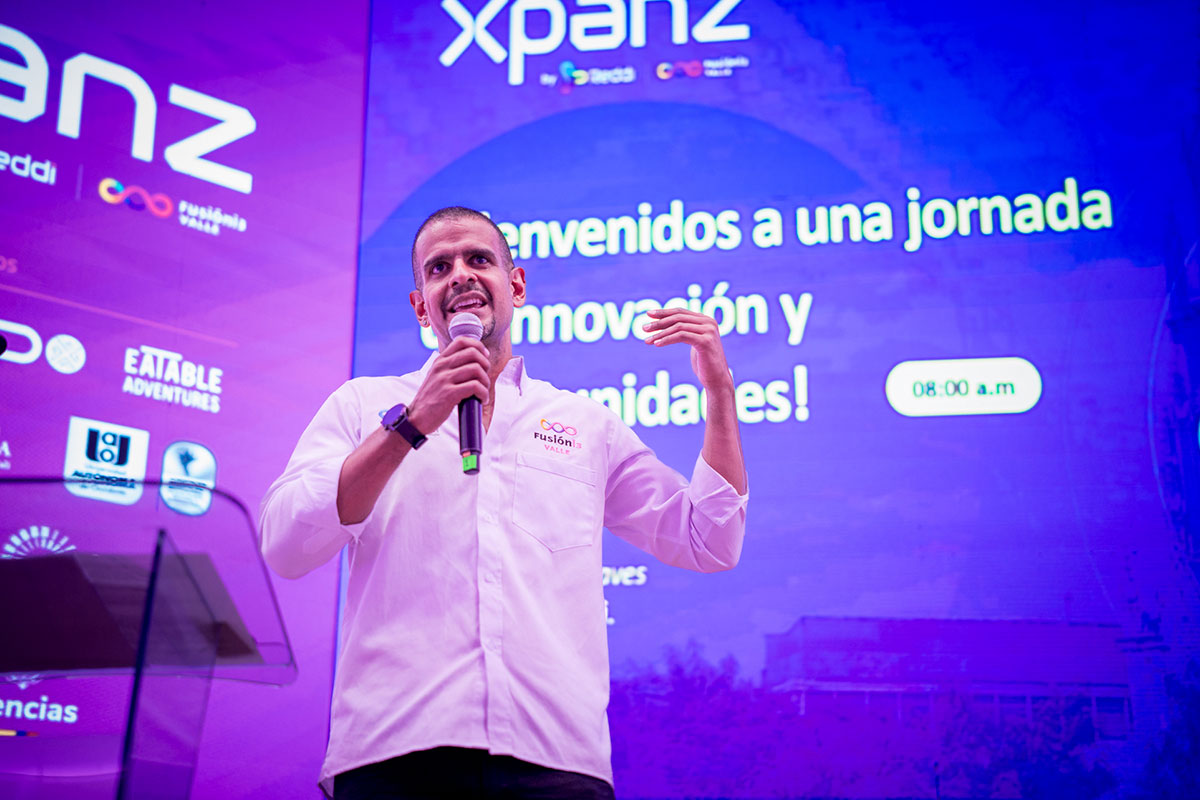
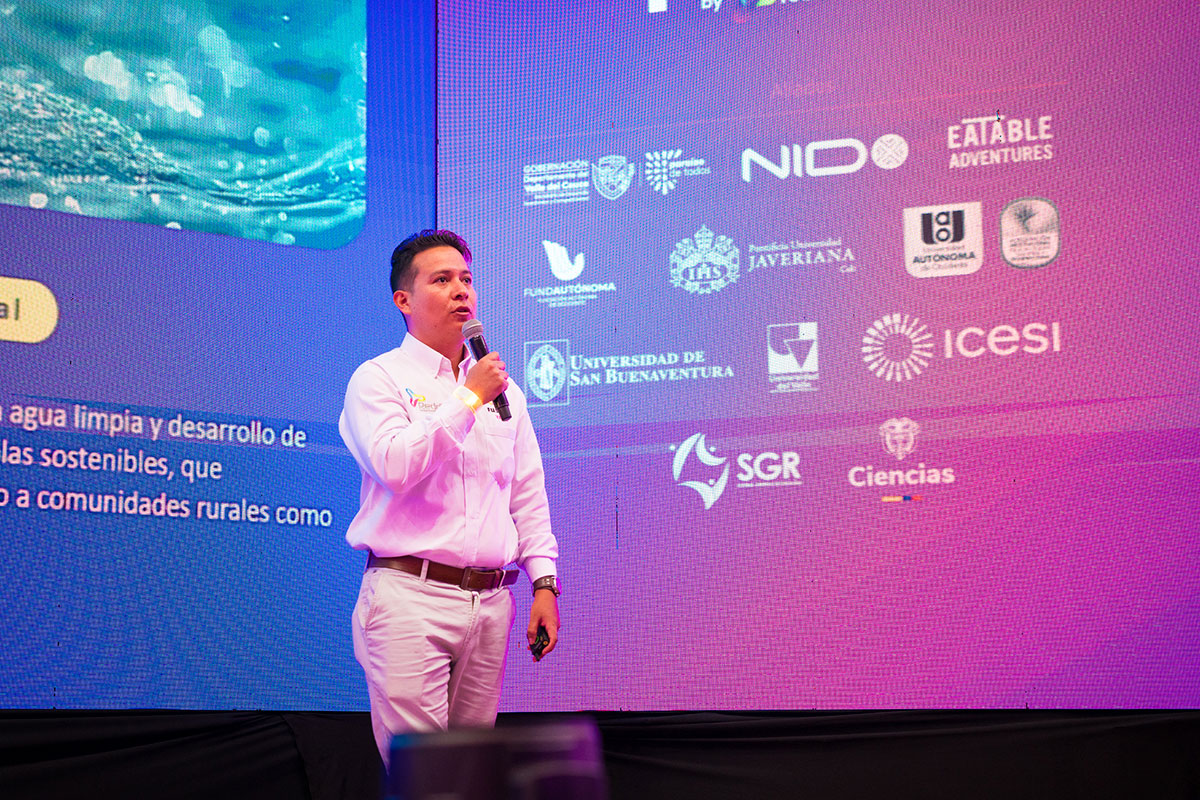
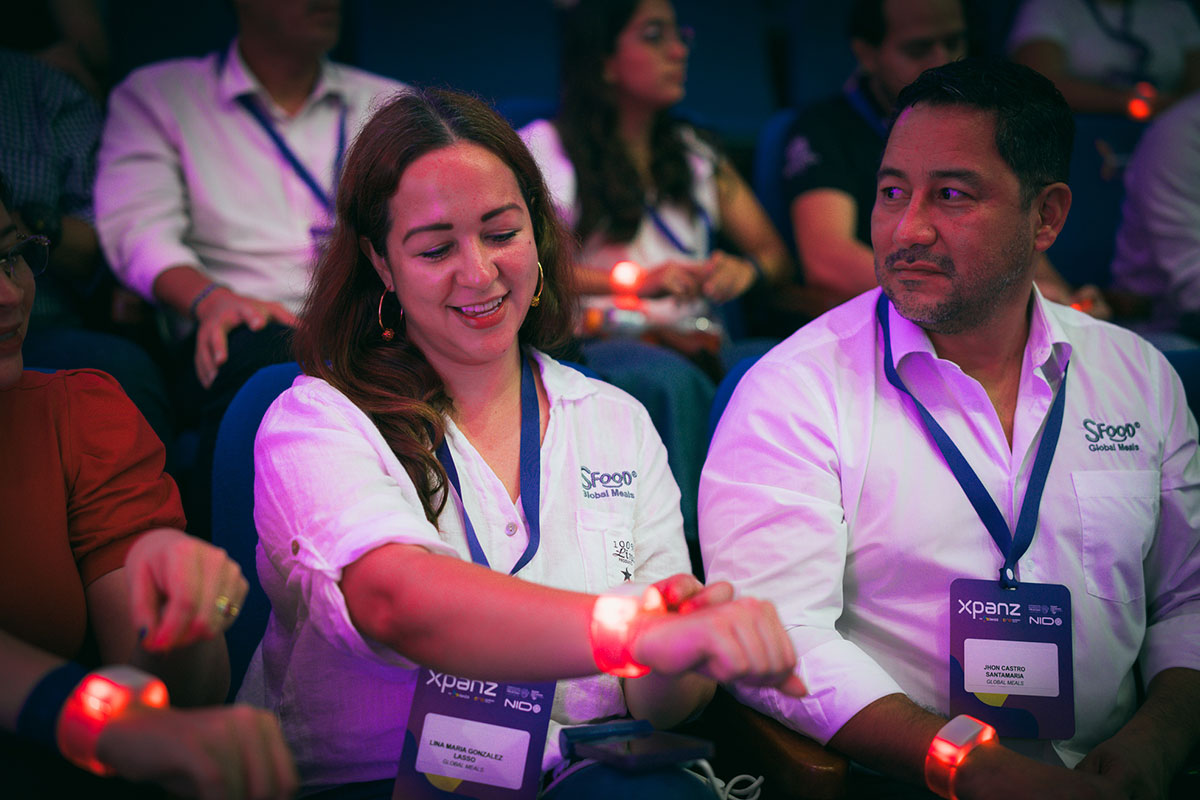
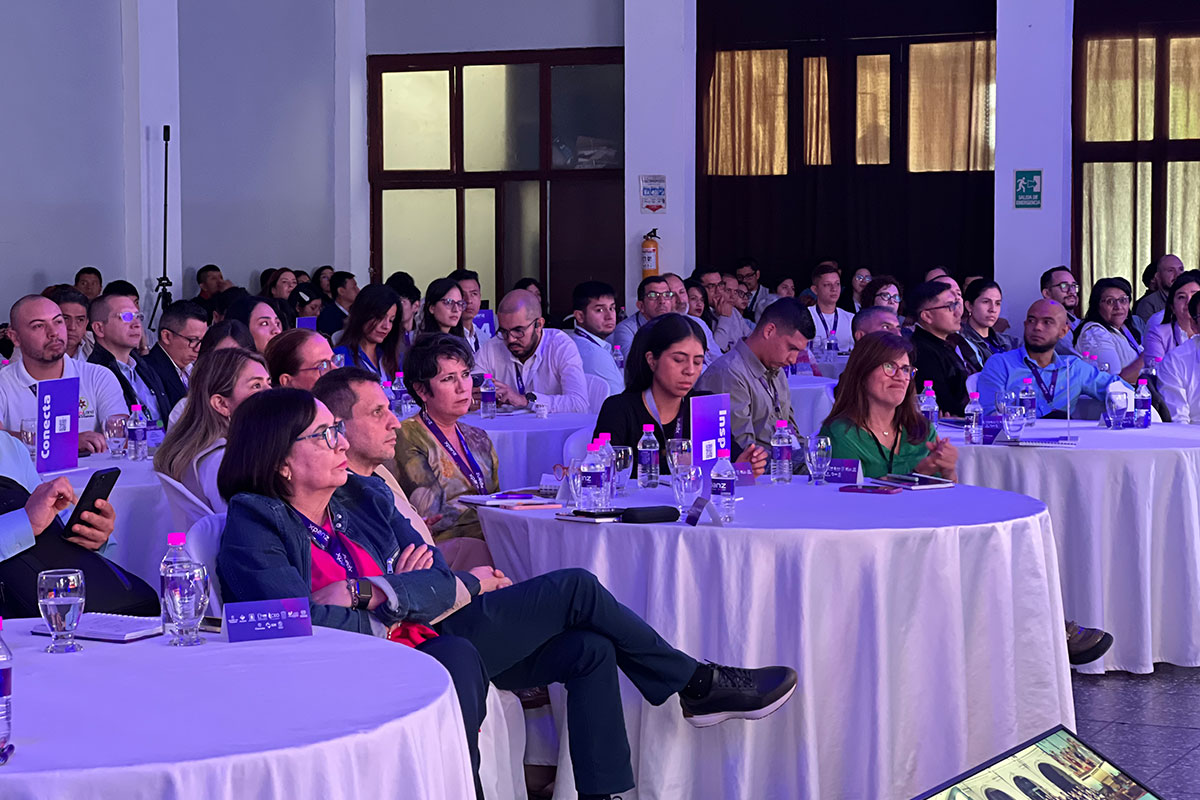
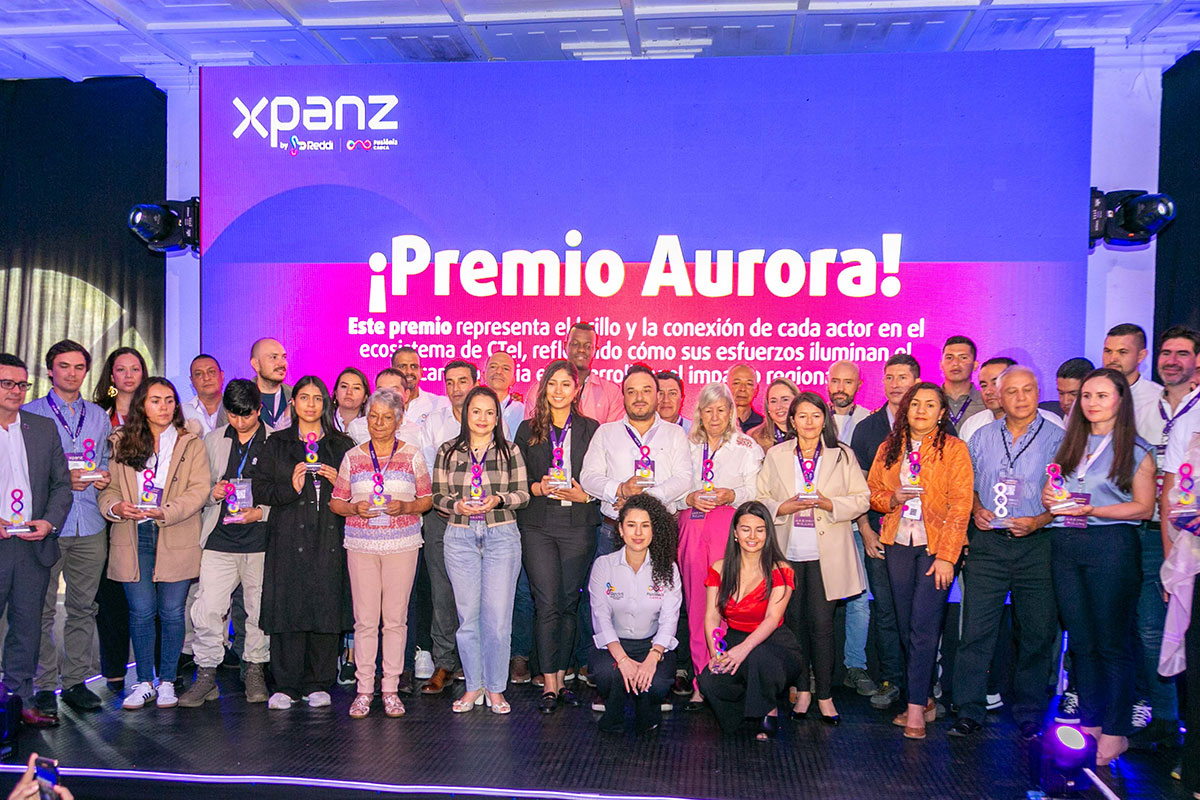
El evento contó con la participación de más de 101 asistentes en la Universidad Javeriana Cali.

Fue el primer acercamiento entre IES aliadas y MiPyMEs beneficiarias.

17 de estas MiPyMEs presentaron su Pitch, 11 tecnologías de las IES aliadas fueron presentadas en el Experience Day, las cuales tuvieron 28 validaciones pre-comerciales.

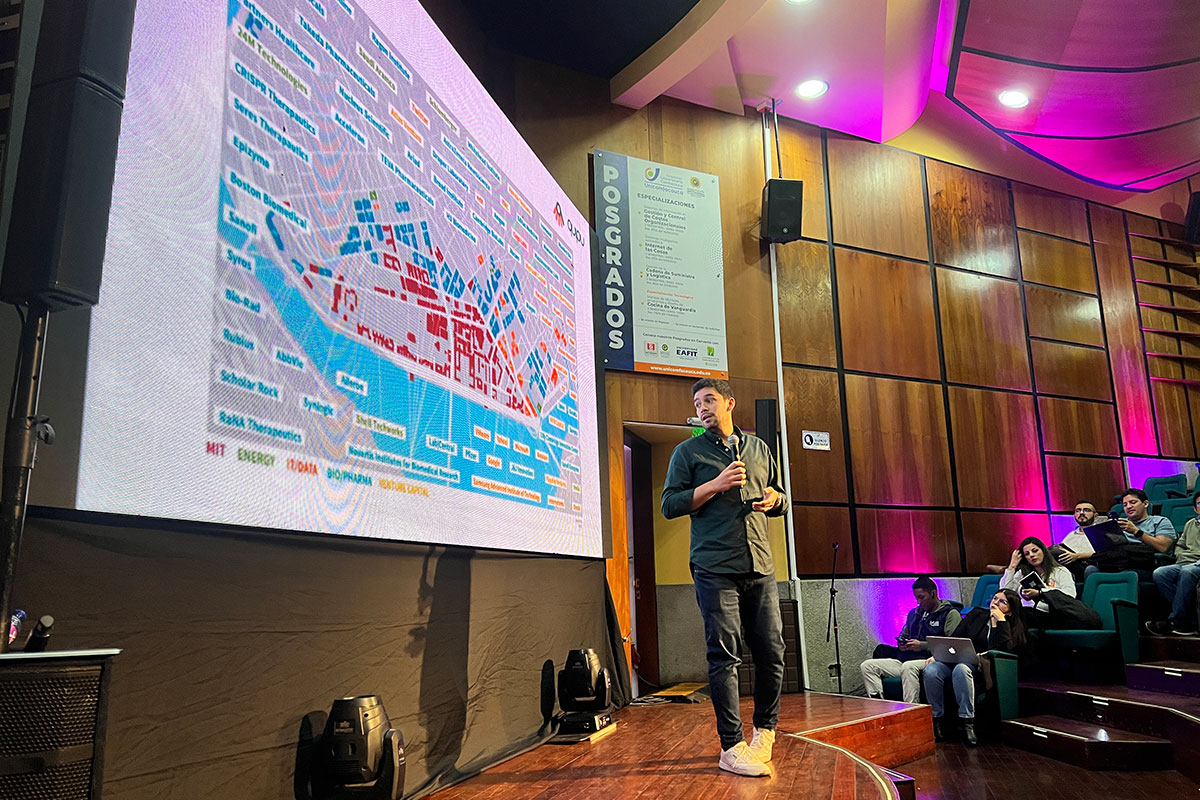
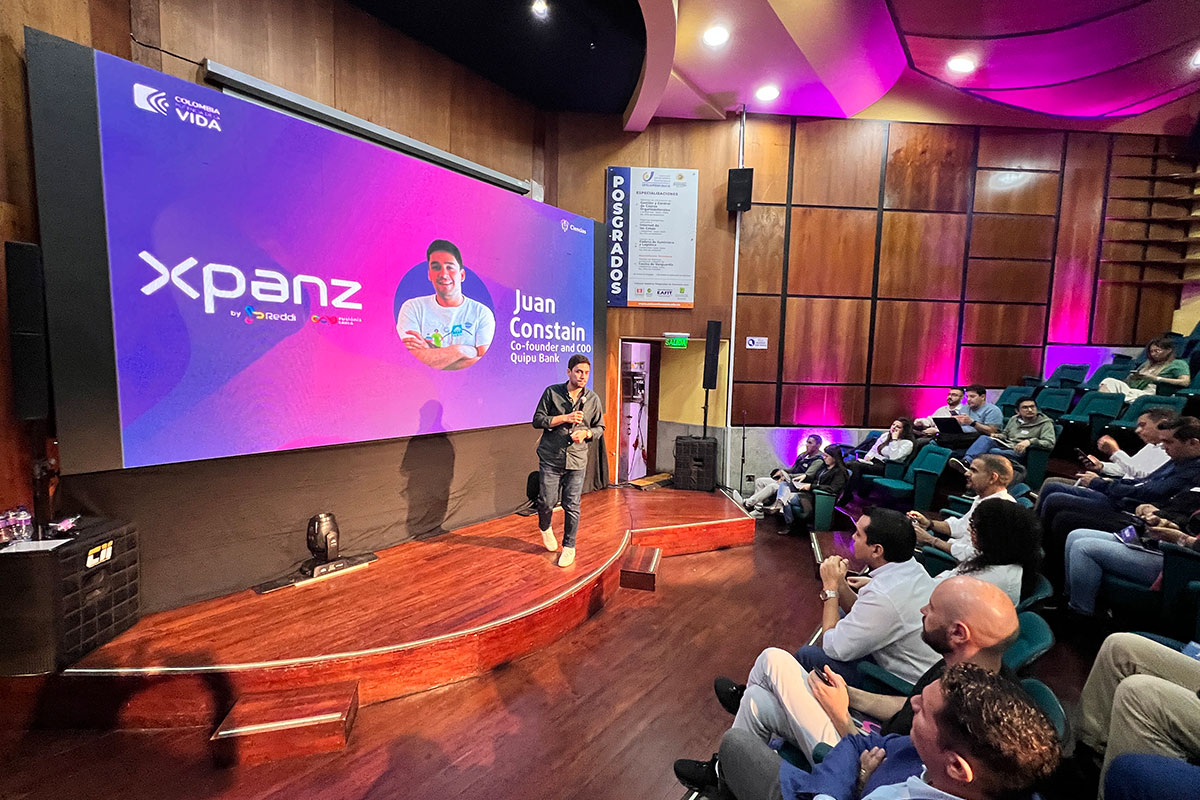
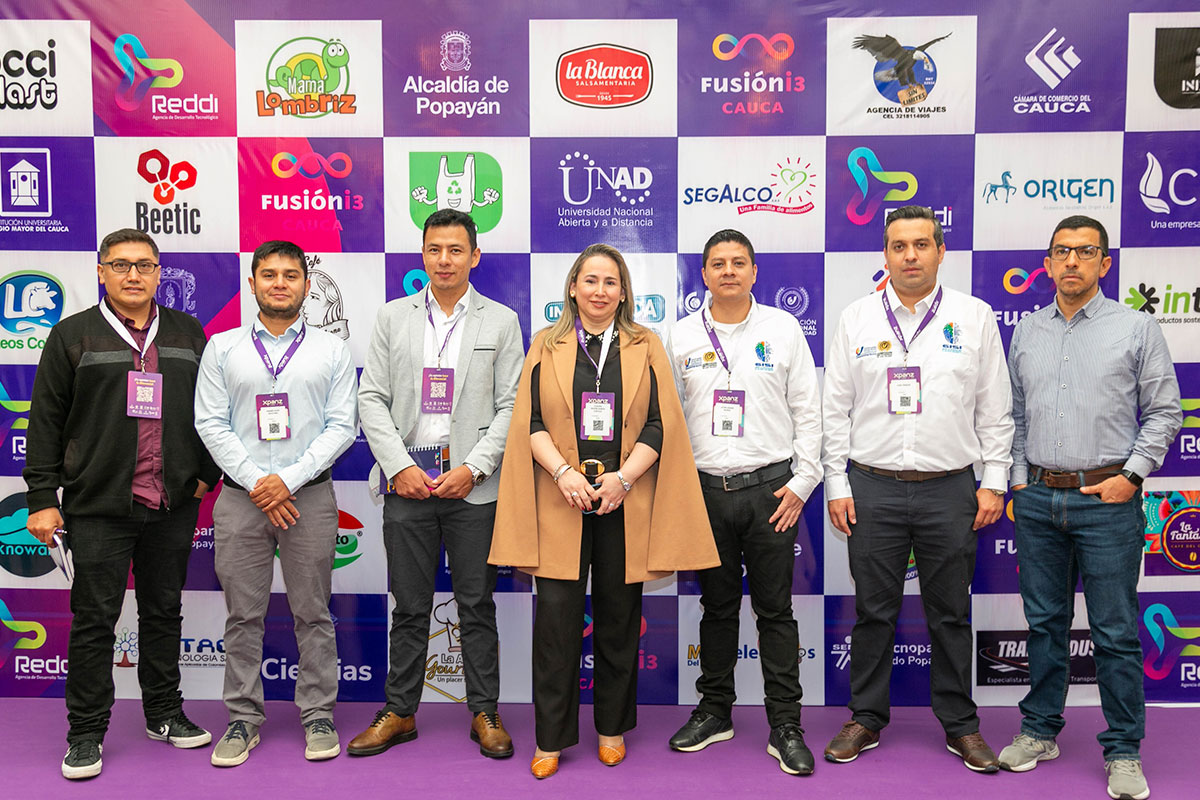
Xpanz en Cauca 2024

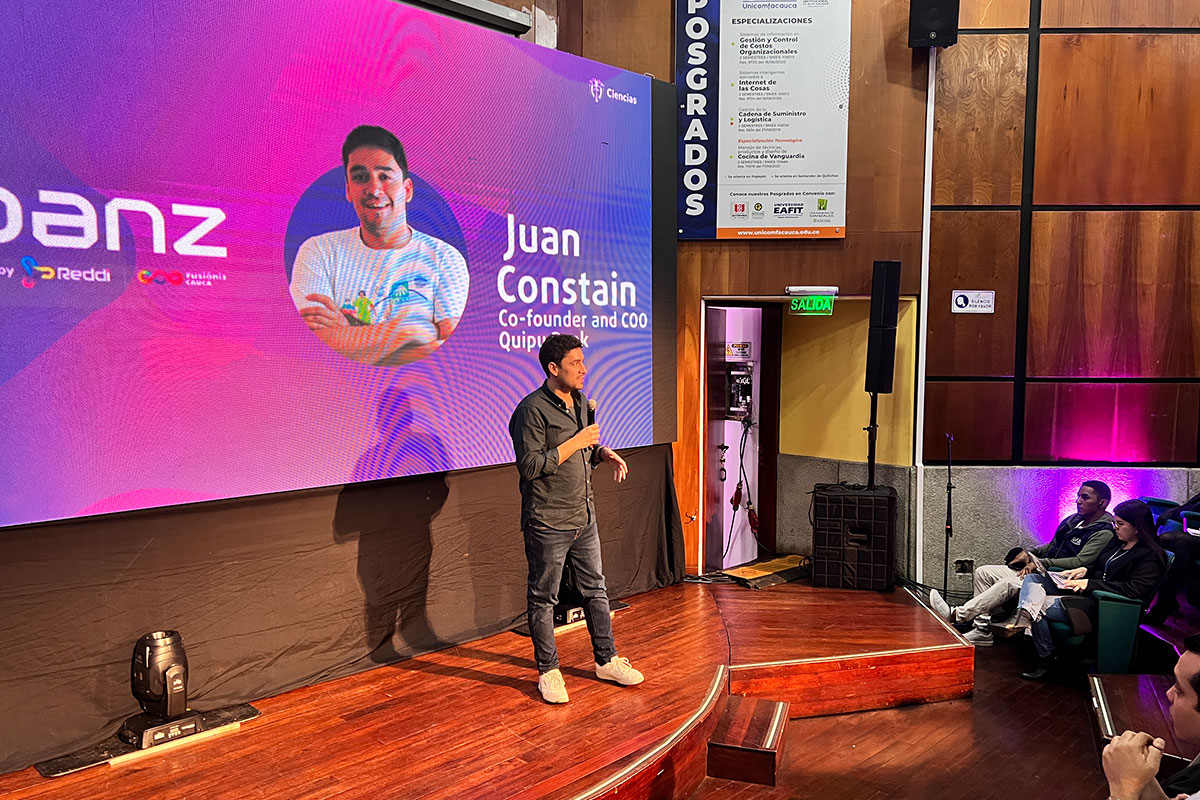
Conferencista principal

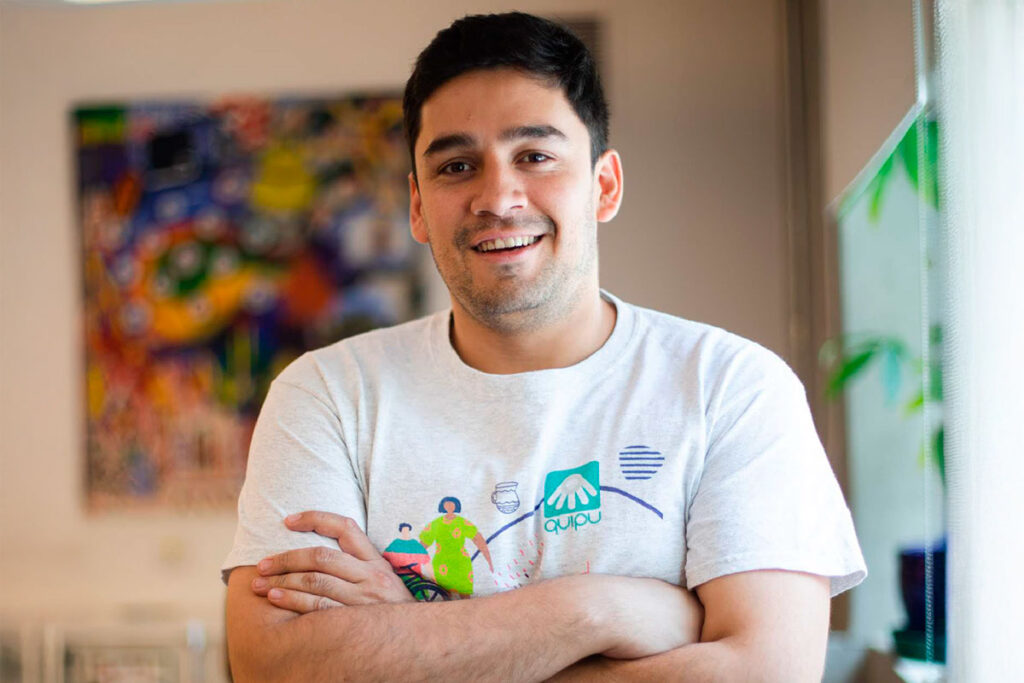
Juan Cristóbal Constain

Conferencia: El camino de Quipu: de proyecto de investigación en MIT a fintech de inclusión financiera.

Cofundador y COO de Quipu Bank

Profesional en Gestión y Desarrollo Urbanos de la Universidad del Rosario, especialista en Derecho Urbano, y cuenta con una maestría en Planificación Urbana con énfasis en desarrollo económico del MIT. Como cofundador y COO de Quipu, una fintech de rápido crecimiento en Colombia, fue reconocido como Fellow del programa The Global Good Fund en 2023. Quipu ha recibido importantes reconocimientos de entidades como el Banco Mundial, Google, MIT, Forbes y Fast Company, consolidándose como un referente en inclusión financiera e innovación empresarial.

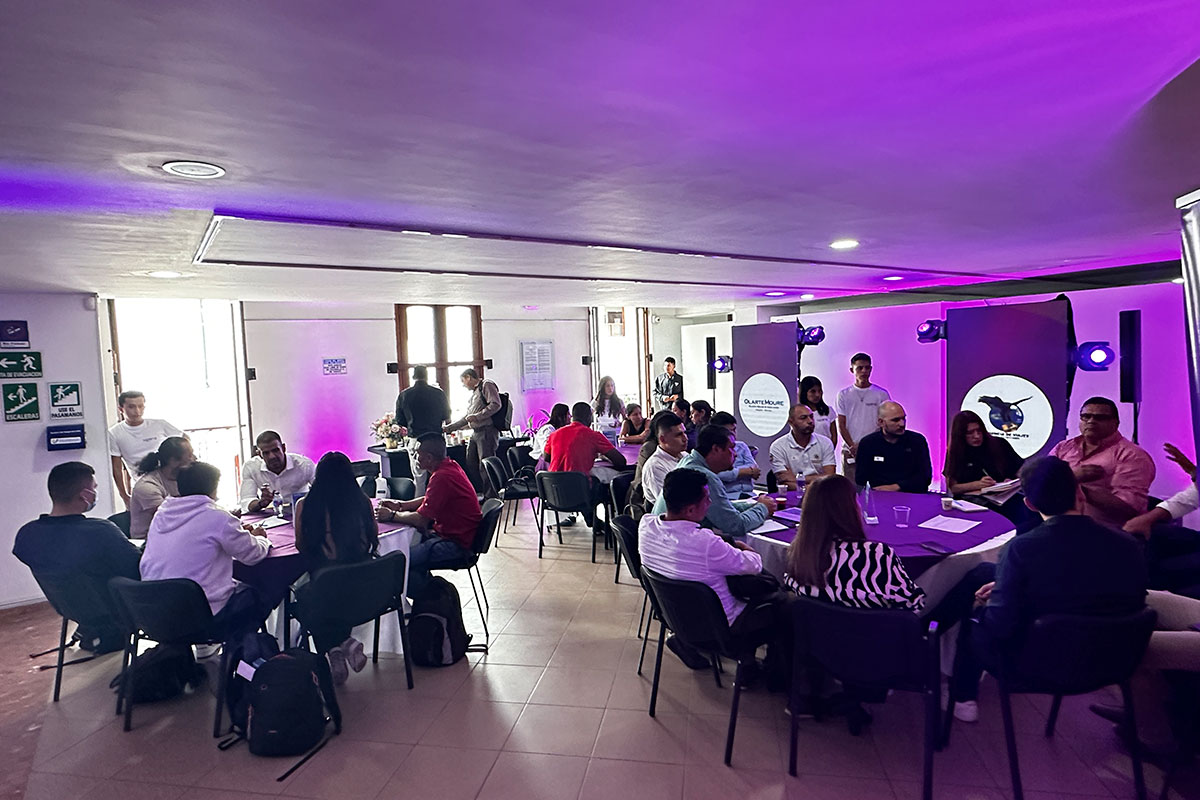
Xpanz en Valle 2024

Conferencista principal

Agustín Londoño

Director comercial de NotCo Colombia

Responsable de establecer la estrategia de negocio de NotCo en Colombia, en los frentes de Food Service, Retail. Administrador de negocios y especialista en mercadeo, con más de 25 años de experiencia liderando áreas de innovación en la industria de consumo masivo en Latinoamérica.

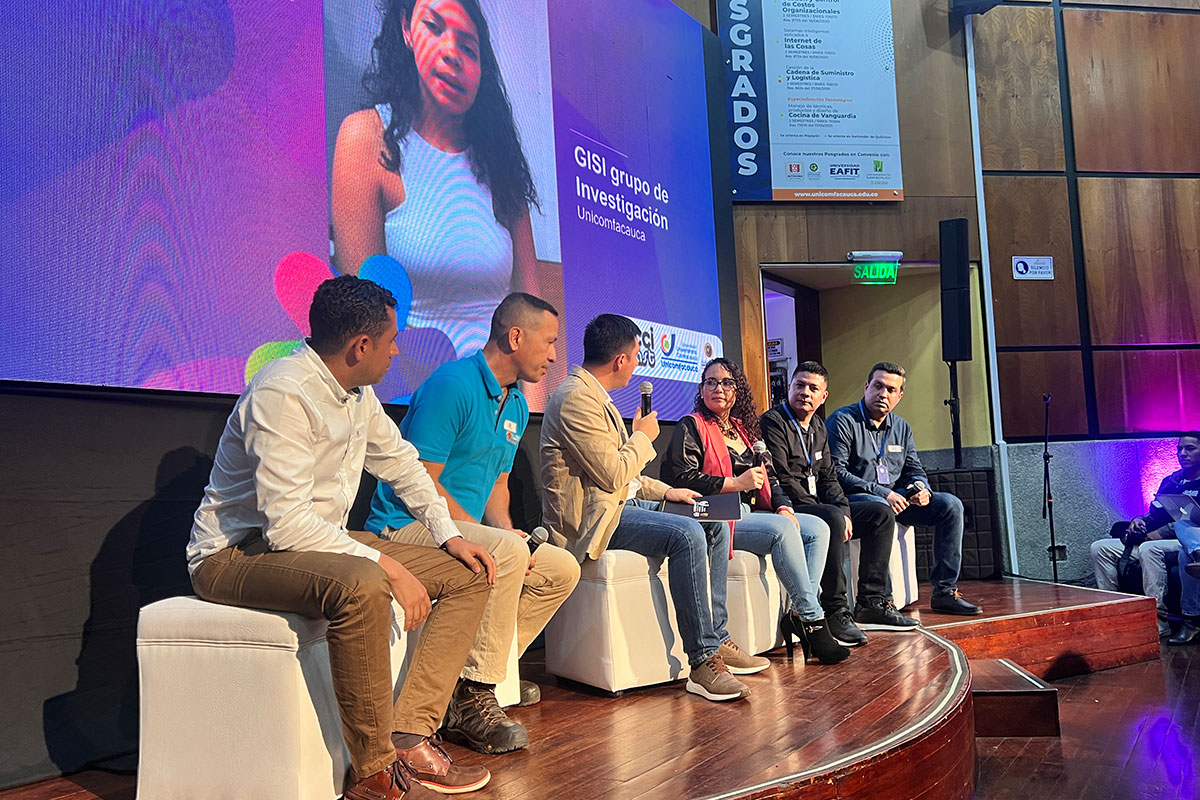
Xpanz en Cauca 2025

Conferencista principal

Claudia Aparicio

Conferencia: Efectos positivos de red.

CEO de Mentex y experta en innovación, reconocida entre los Top 100 gerentes de Colombia. Descubre cómo maximizar los efectos positivos de red y el impacto de la Alianza DeepTech en el fortalecimiento y escalamiento de startups en la región.