

Hugo Ernesto Martínez

Senior Researcher at the INNOTEC Research Group.

At REDDI Colombia, together with the INNOTEC research group from the Universidad Industrial de Santander, we analyzed over two decades of scientific research (2001–2023)—based on a sample of 124 publications—to understand how e-learning is connecting with the Internet of Things (IoT). Here are the most interesting conclusions:

An emerging field

No publications on the subject were recorded in the analyzed sample between 2002 and 2013. However, research began to grow significantly from 2016 onwards, peaking in 2022. The COVID-19 pandemic accelerated this interest: it forced institutions to rethink how to conduct remote teaching, and IoT emerged as a key tool for achieving this.

Which countries are leading the research?

China and Saudi Arabia lead scientific production in this field, demonstrating strong research collaboration. It is noteworthy that Latin America still has a very limited presence in this area, representing a significant opportunity for the region to begin forging its own path of research and innovation in IoT applied to education.

Technologies accompanying IoT in education

E-learning and IoT do not operate in isolation. Research shows that they are increasingly being combined with:

  • Artificial intelligence
  • Big data
  • Blockchain
  • Cloud computing
  • Augmented and virtual reality

This has given rise to concepts such as “smart learning,” “smart education,” and “smart university.”

What is missing?

Most current studies are theoretical. The next step—and the great opportunity—is to move toward practical, real-world implementations that demonstrate the impact of IoT in the day-to-day classroom (whether physical or virtual).

This analysis is part of our research presented at the 23rd LACCEI International Multi-Conference (Mexico City, July 2025).

Read the full article here.

Learn more about Reddi Colombia

Authors: Hugo Ernesto Martínez, Sara Juliana Anaya, and Ángela María Castro

Universities today face an interesting paradox: their most valuable assets are intangible and extend far beyond traditional infrastructure. The knowledge and skills of their community, their organizational capacity and structure, and the strength and relevance of their ties with the surrounding community are the true drivers of their quality and sustainability. However, few universities manage these assets systematically.


This is precisely the starting point of an investigation that I had the opportunity to develop, entitled “Intellectual capital in higher education institutions: an exploratory literature review” , and which was presented within the framework of the ACOFI 2025 International Meeting on Engineering Education.


What is intellectual capital and why should a university care about it?


Intellectual capital (IC) can be understood as the set of intangible assets that allow an organization to transform its resources—human, financial, and material—into real value. In the case of universities, this value translates into the quality of teaching, research output, and social impact.

Sara Anaya
Reddi Project Analyst

This concept is structured around three interdependent dimensions:


🧠Human Capital (HC) : the knowledge, skills and experience of the university community —teachers, researchers, administrative staff and students— that are at the heart of the mission processes.


🏛️Structural Capital (SC) : the systems, processes, technologies, and organizational culture that sustain institutional functioning, even when people change.


🤝Relational Capital (RC): the collaborative networks with other institutions, the productive sector, graduates and society, which expand the reach and resources of the university.


What did the literature review find?


Based on the analysis of 39 documents published between 2020 and 2024 —selected from an initial search of 674 in Web of Science— findings emerge that invite a rethinking of university management

  1. The CI is a driver of institutional innovation.


Universities that strategically manage their intellectual capital are better able to align their resources with their objectives, resulting in higher quality teaching, more research output, and more effective interaction with the environment.

2. Measuring IQ allows for better decision-making.


Far from being a theoretical exercise, measuring the CI helps higher education institutions (HEIs) identify specific strengths and weaknesses in their three core mission areas: teaching, research, and outreach. This makes the CI a tool for strategic self-assessment and continuous improvement.

3. Human capital leads the conversation, but it cannot act alone .


The reviewed literature particularly highlights “teaching quality” and “faculty quality” as key factors. However, the evidence also indicates that structural capital—through the integration of technology and efficient processes—and relational capital—through strategic alliances—are equally fundamental for comprehensive institutional performance.

4. Relational capital is the big challenge.


One of the most striking findings of the review is the gap in the literature regarding relational capital. Although all studies agree on its importance, it is the least empirically explored dimension. This represents both a research opportunity and a management challenge for universities.

The question that remains open, and which this research proposes as a future agenda, is: what is the specific impact of each dimension of CI on the quality of each mission axis? Answering this with solid empirical evidence could transform the way universities plan, evaluate, and relate to their communities.


📄 Read the full article here:


 👉 https://acofipapers.org/index.php/eiei/article/view/4406/2853

Source: S. J. Anaya Chaparro, H. E. Martínez Ardila, and Ángela M. Castro Rodríguez, “Intellectual capital in higher education institutions: an exploratory literature review”, EIEI ACOFI, Sep. 2025. https://doi.org/10.26507/paper.4406 

In Colombia, micro, small, and medium-sized enterprises (MSMEs) represent the heart of the business sector. Their capacity to generate employment, boost local economies, and adapt to new challenges makes them fundamental players in regional development. However, many of these businesses face significant challenges when seeking to innovate: limited access to technology, a lack of specialized resources, and barriers to connecting with knowledge ecosystems.


Given this scenario, strategic alliances between companies, Higher Education Institutions (HEIs) and knowledge transfer entities are becoming an essential tool to strengthen competitiveness and promote sustainable innovation processes.


This reflection arises precisely from the scientific article “Strategic Alliances as Drivers of Sustainable Innovation in MSMEs in Cauca, Colombia” , developed by the Reddi Colombia team and published in the academic journal INGE CUC.


Innovating through collaboration


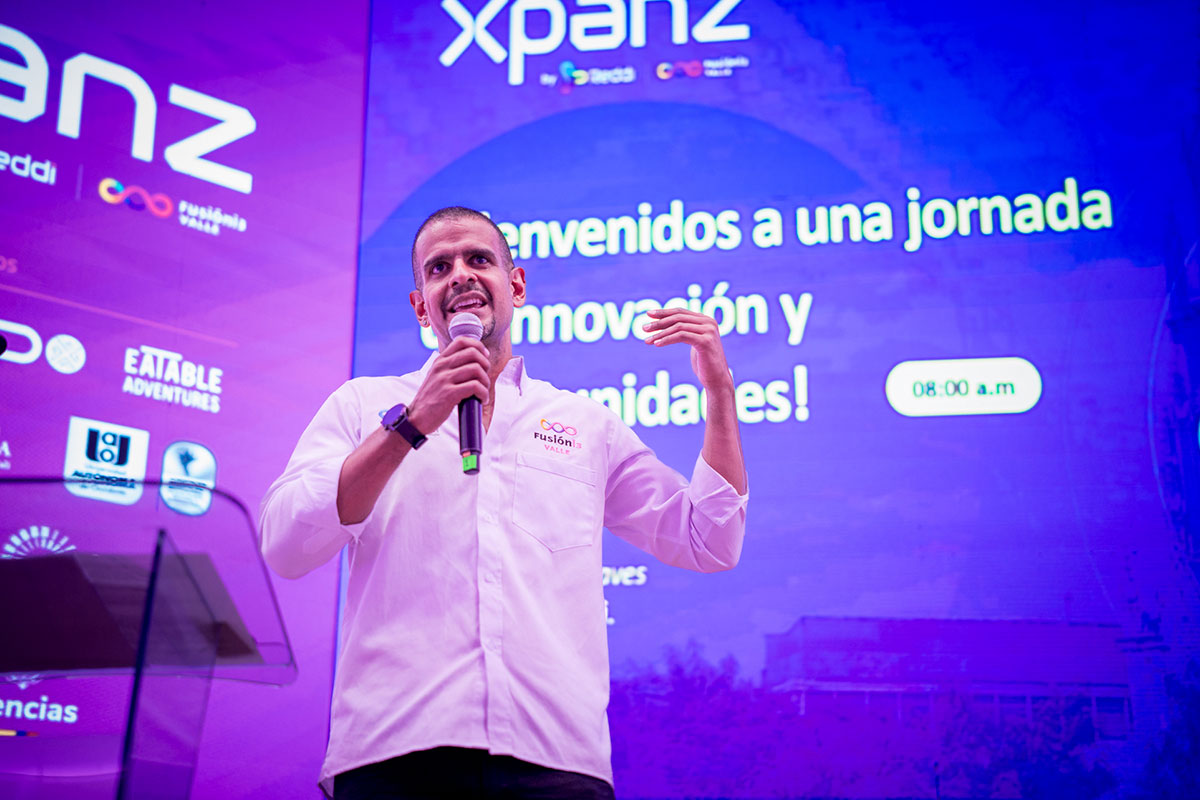
The study, developed within the framework of the Fusióni3 Cauca project, analyzed the innovation needs of 30 MSMEs from sectors such as agro-industry, manufacturing, commerce, tourism, construction and information technologies in the department of Cauca.
One of the main findings was that companies not only require access to new technologies, but also strategic support to strengthen internal capabilities that allow them to sustain innovation over time.

The research identified four fundamental pillars on which SMEs focus their main needs:


  • Continuous improvement
  • Technology management
  • Product development
  • Market positioning

These pillars demonstrate that innovation does not depend solely on incorporating technological tools, but on building more adaptive, efficient organizational processes oriented towards continuous learning.


The role of universities and innovation entities


The study also highlights the strategic role played by Higher Education Institutions and development and innovation entities within the regional ecosystem.


Universities contribute research capabilities, technical knowledge, and specialized human talent. Meanwhile, entities like Reddi Colombia facilitate connections, bring together stakeholders, and promote technology transfer processes that connect these capabilities to the business sector.


This relationship allows companies to access:


  • Specialized training
  • Consulting and technical support
  • Applied research
  • Product development and validation
  • Digital transformation strategies
  • Innovation and collaboration networks


Beyond addressing immediate needs, these alliances strengthen the ability of SMEs to adapt to dynamic markets and build sustainable competitive advantages.

Sustainable innovation: beyond technology

One of the most relevant aspects of the article is its approach to sustainable innovation. The concept is not limited to implementing new tools or processes, but incorporates social, economic, and environmental dimensions aligned with the Sustainable Development Goals (SDGs).

This implies promoting an organizational culture capable of:

  • Continuous learning
  • Adapting to change
  • Incorporate sustainable practices
  • Generate long-term value
  •  

In this sense, the sustainability of innovation depends as much on technology as on the ability of organizations to build collaborative relationships and strengthen their internal capabilities.


An ecosystem that is strengthened by connecting capabilities


The experience of Fusióni3 Cauca demonstrates that when knowledge is connected with the real needs of the territory, concrete opportunities are generated to transform companies and strengthen regional innovation ecosystems.

SMEs need allies that allow them to advance in transformation processes, while universities and innovation entities have the opportunity to bring their capabilities closer to the productive sector in a more strategic and applied way.

Ángela Castro

Jefe de proyectos

At Reddi we believe that innovation happens when capabilities connect and generate real opportunities for collaboration, growth and sustainable development.

Because strengthening innovation in the regions is not just about promoting new technologies: it’s about building networks of trust, knowledge transfer, and collaborative work that allow more companies to innovate, grow, and remain competitive over time.

Authors : Ángela María Castro-Rodríguez, Laura María López-Castrillón, Catalina Rúa-Gómez and Miguel Ángel Piedrahita Triviño

This method involves the bioproduction of biofertilizer with plant growth-promoting compounds, produced from the fermentation of sugarcane vinasse. This residue is primarily obtained from the alcohol production industry. Some characteristics of the biofertilizer include its content of enterobacteria and PGPM (plant growth-promoting microorganisms), vinasse, and plant growth-promoting compounds. The plant growth-promoting compounds are produced by the microorganisms during the fermentation process and are not added externally to the product.

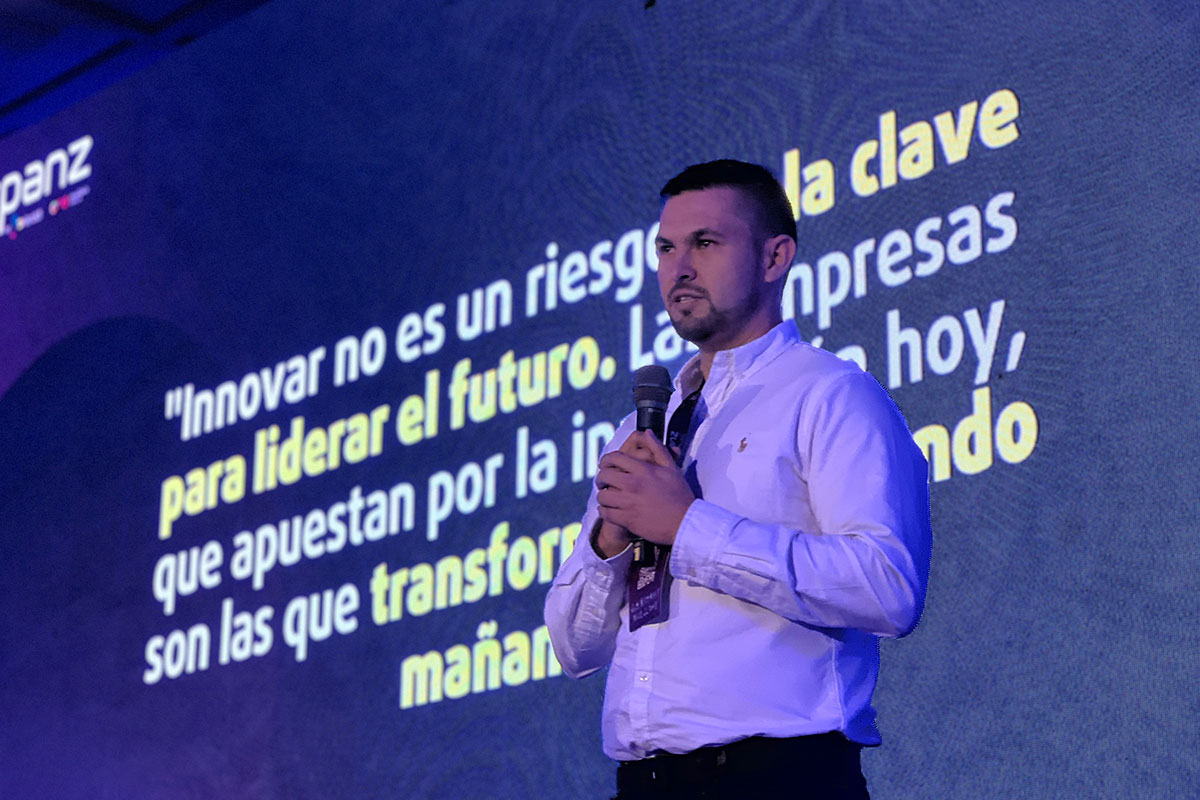
Andrés Méndez

Speaker principal

Conferencia “Innovación con impacto empresarial”

Presidente gremial, mentor y emprendedor serial

EdTech HUB LATAM + 90 Edtechs

Asociación de emprendedores +500 marcas de consumo

Ha logrado:

  • Diseñar estrategias de GTM en 14 países para diferentes proyectos.  
  • Crear, comprar y vender empresas. (Incluyendo grandes y dolorosos fracasos).
  • Ayudar en proyectos con múltiples corporaciones (Gobiernos, Scale ups, Startups, ONGs). 
  • Aprender de los mejores referentes; YCombinator, SOSV, Fuel de Mckinsey, entre otros. 
  • Ser mentoreado por banqueros, ejecutivos, y emprendedores seriales.  
  • Participar en el fondeo de Startups +$5M USD.
  • Actualmente se dedica a re-pensar, conectar y transformar industrias con problemas sistémicos en Colombia (Consumo) y Latino América (Educación con tecnología).

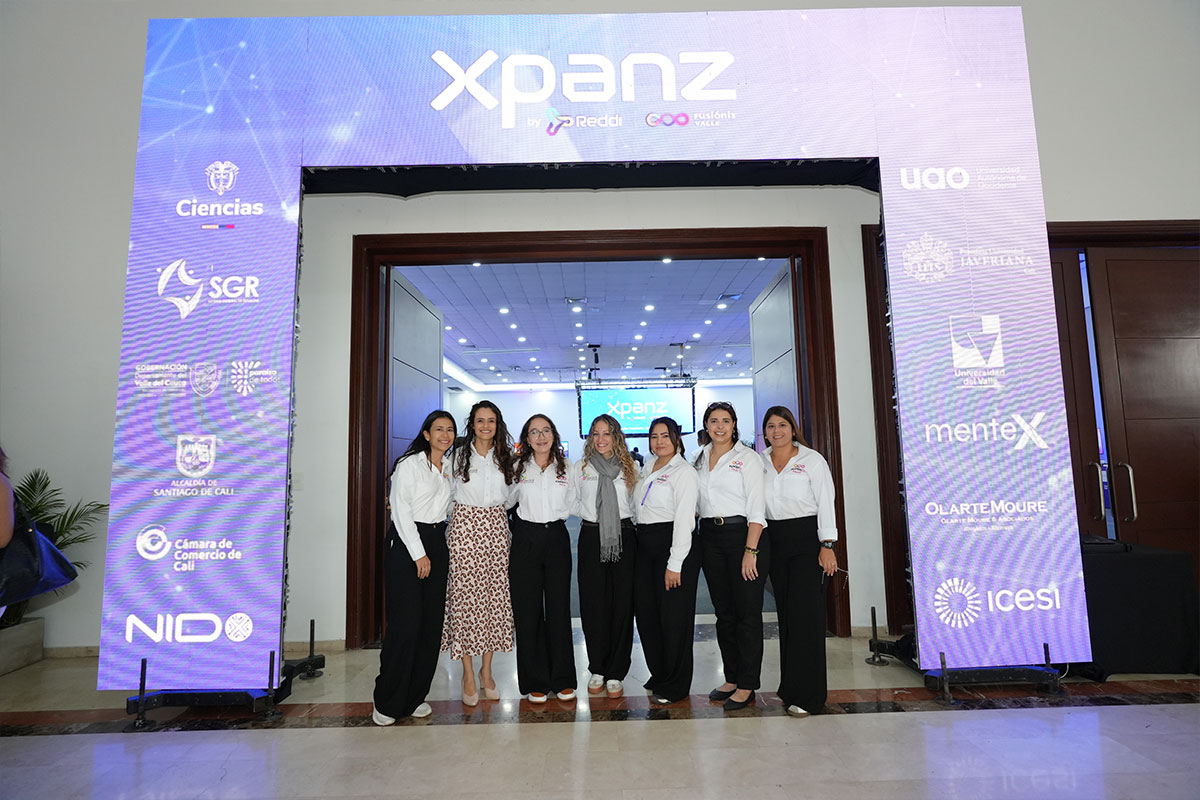
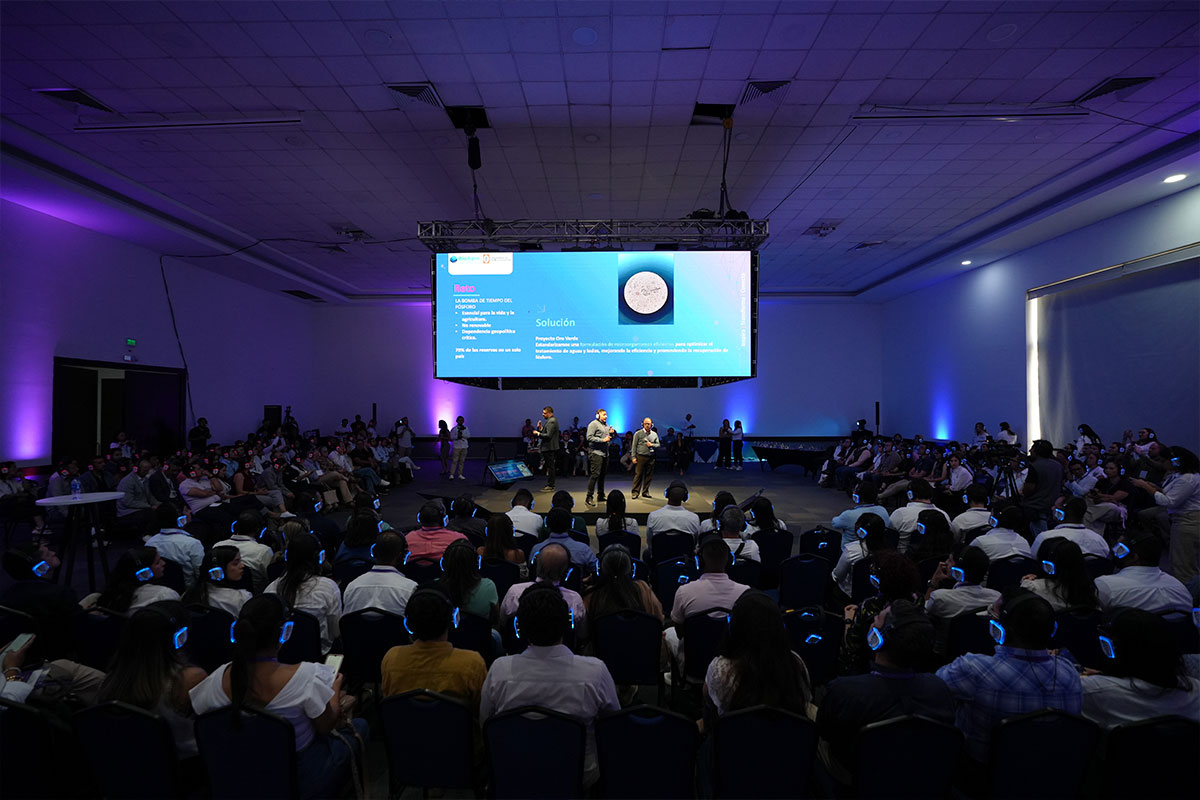
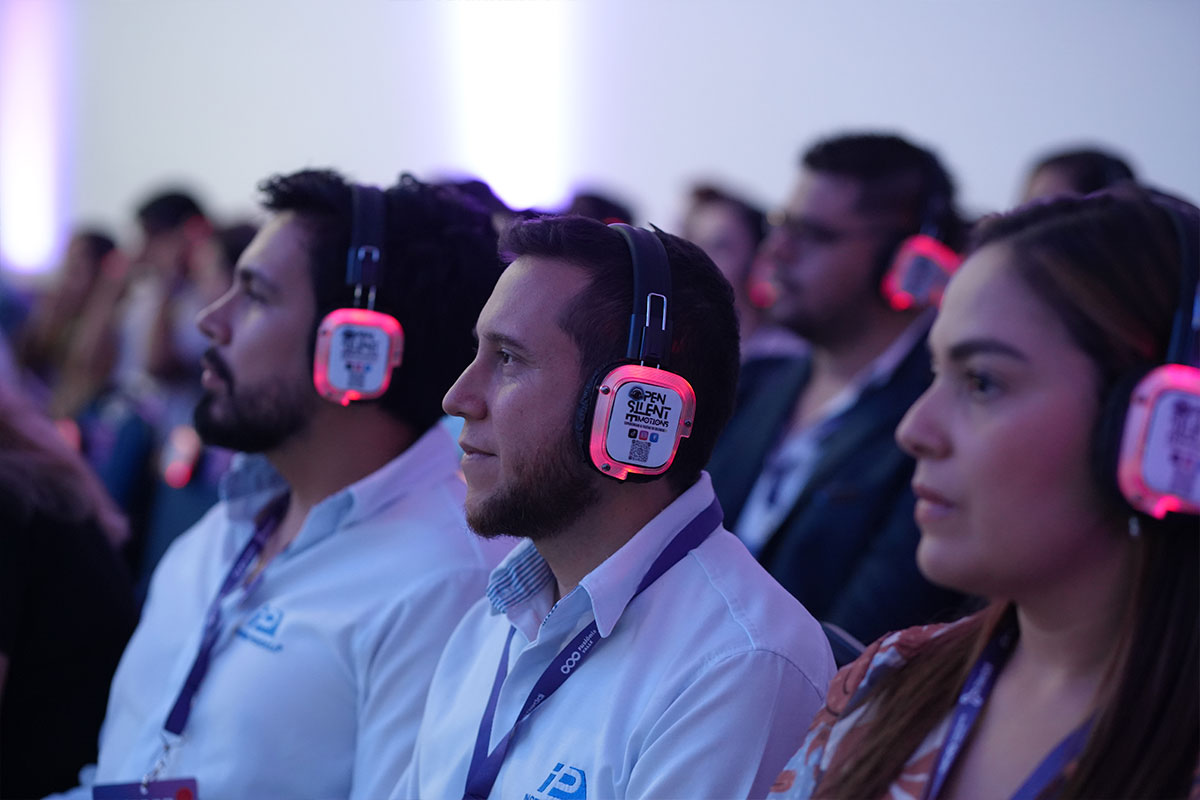
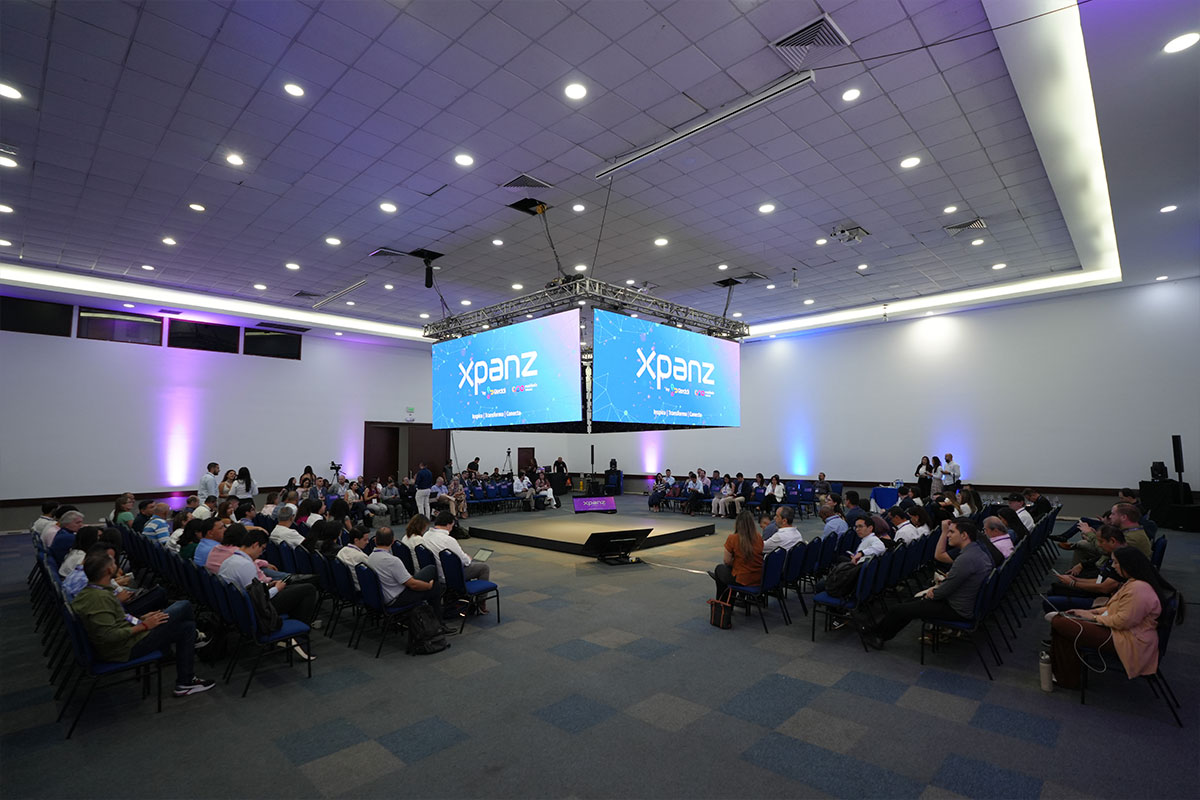
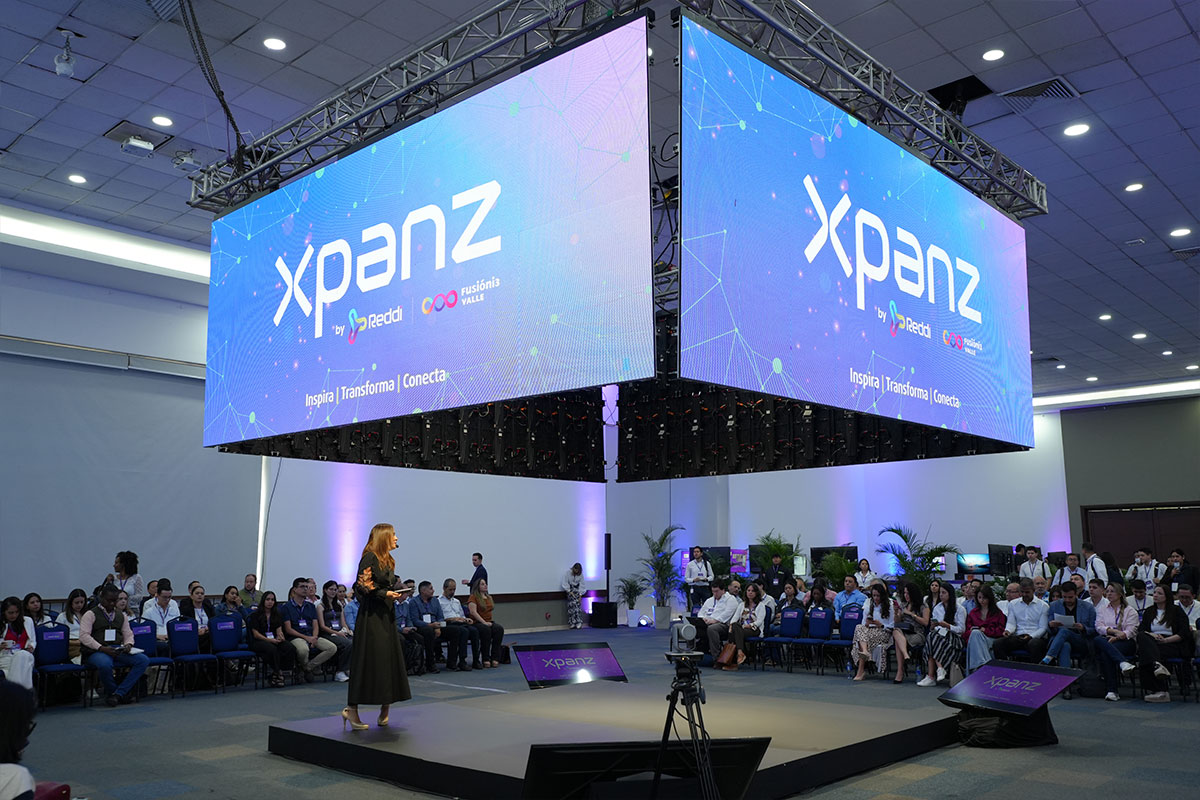
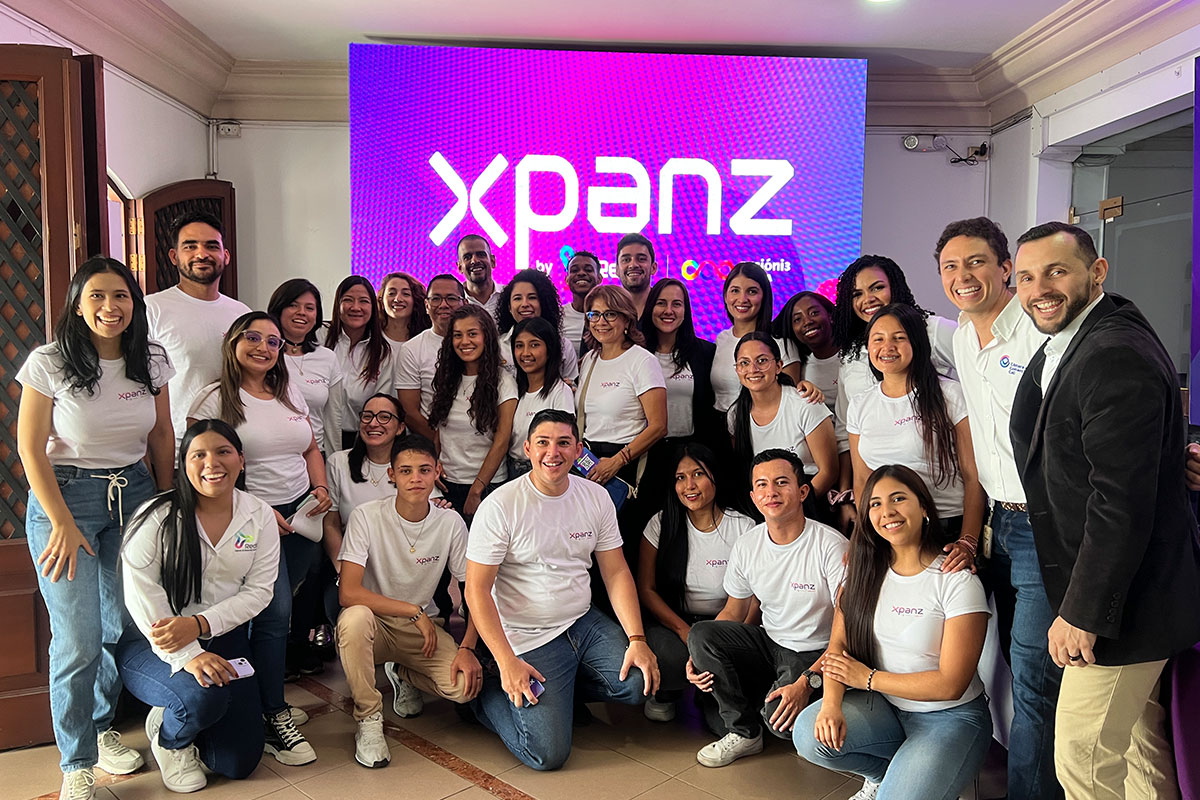
Xpanz en Valle 2023

Revive el evento aquí

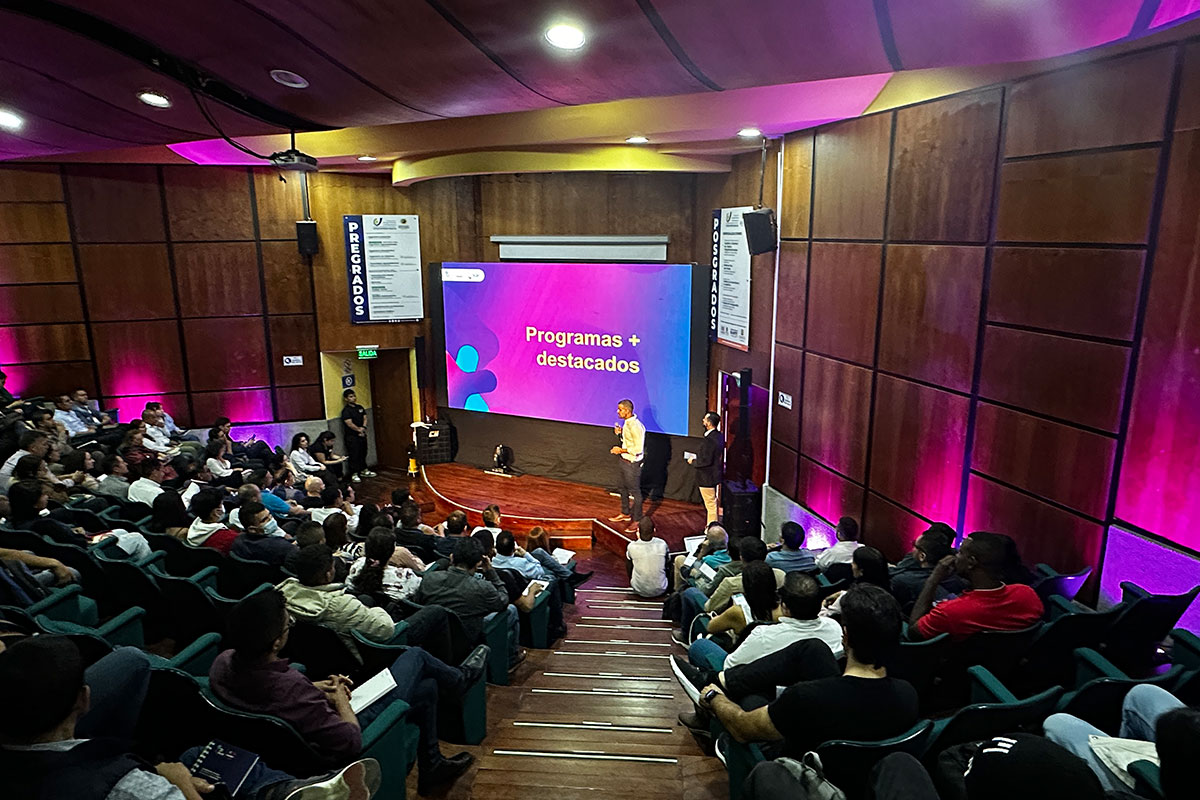
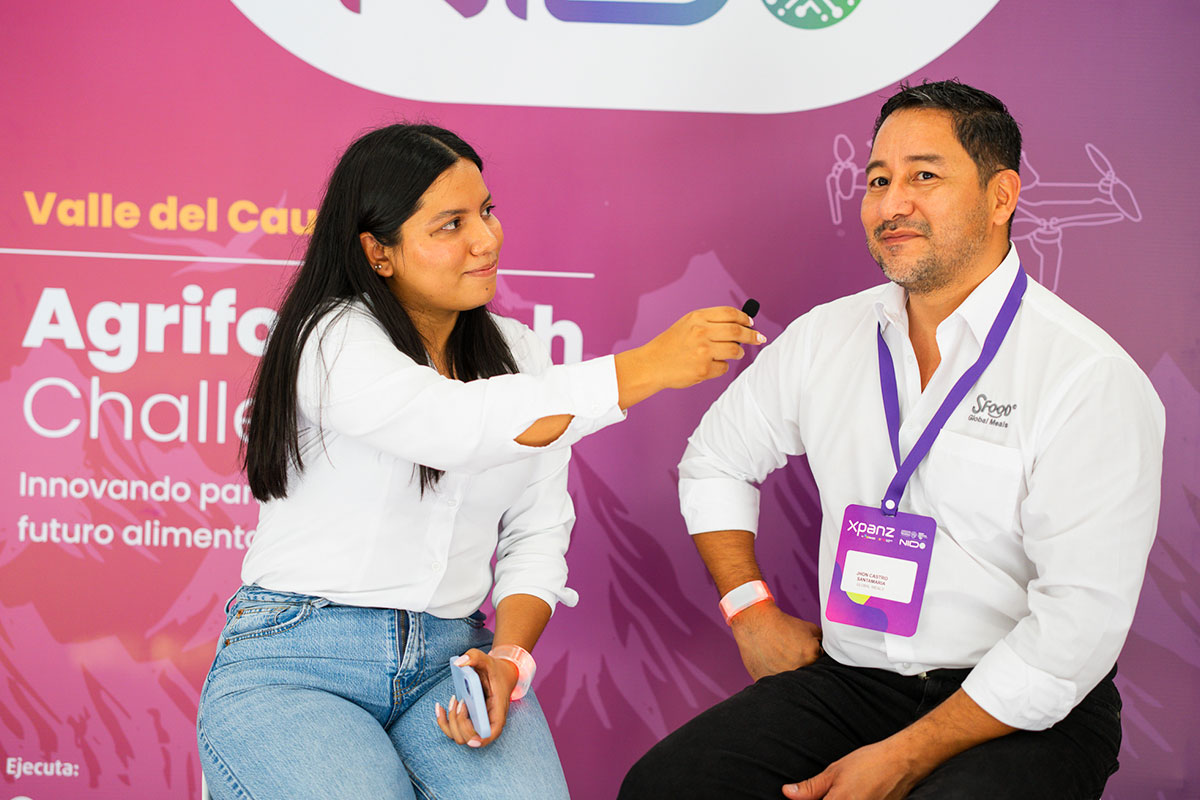
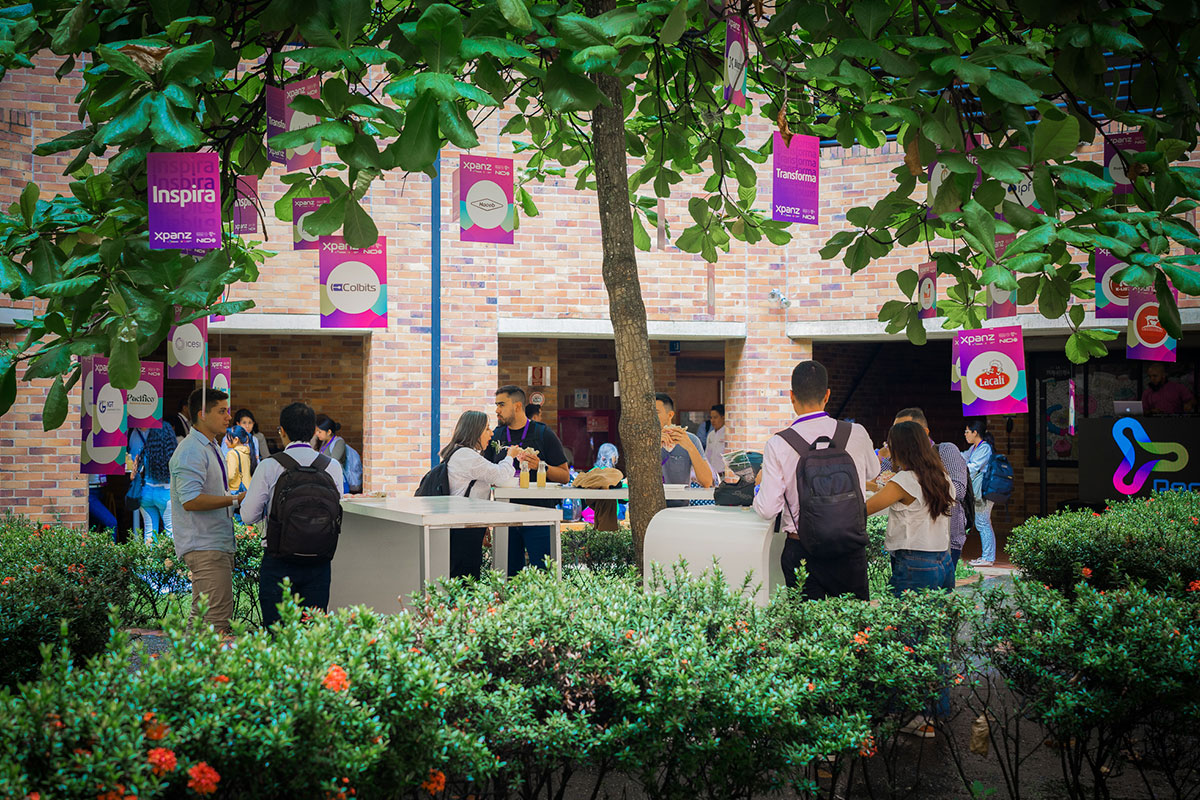
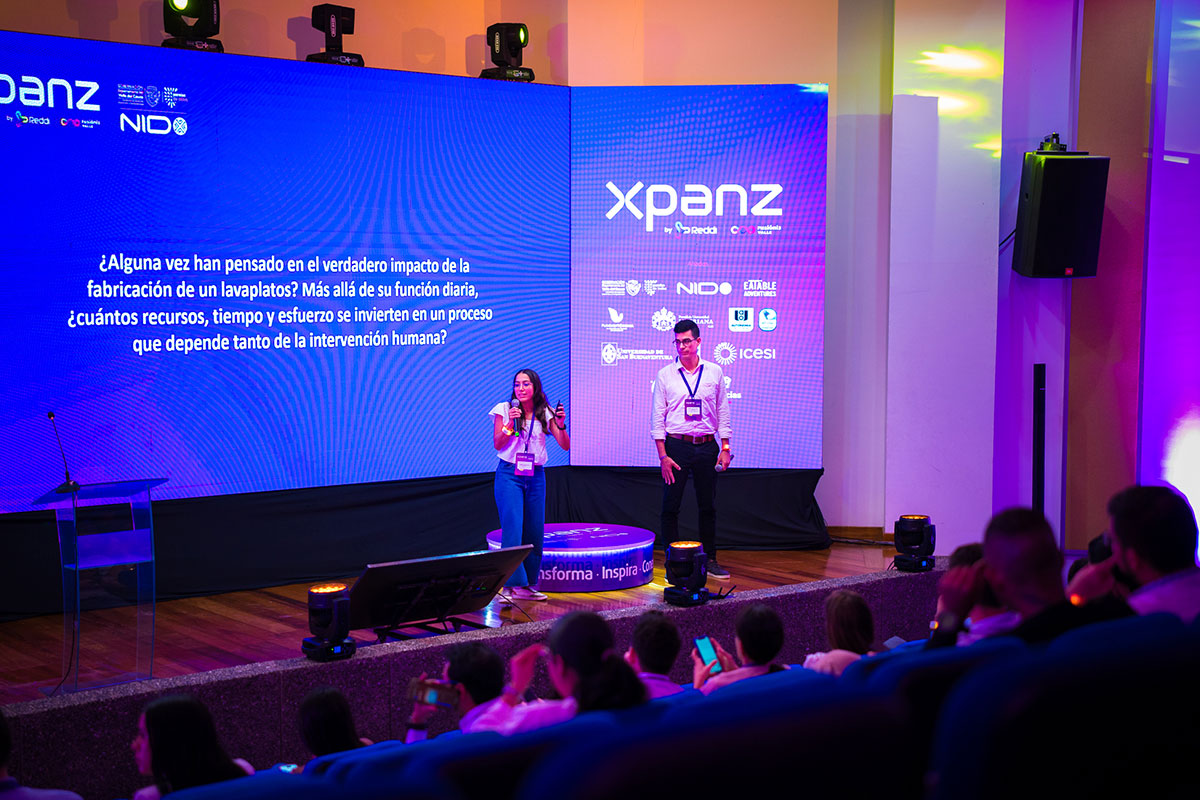
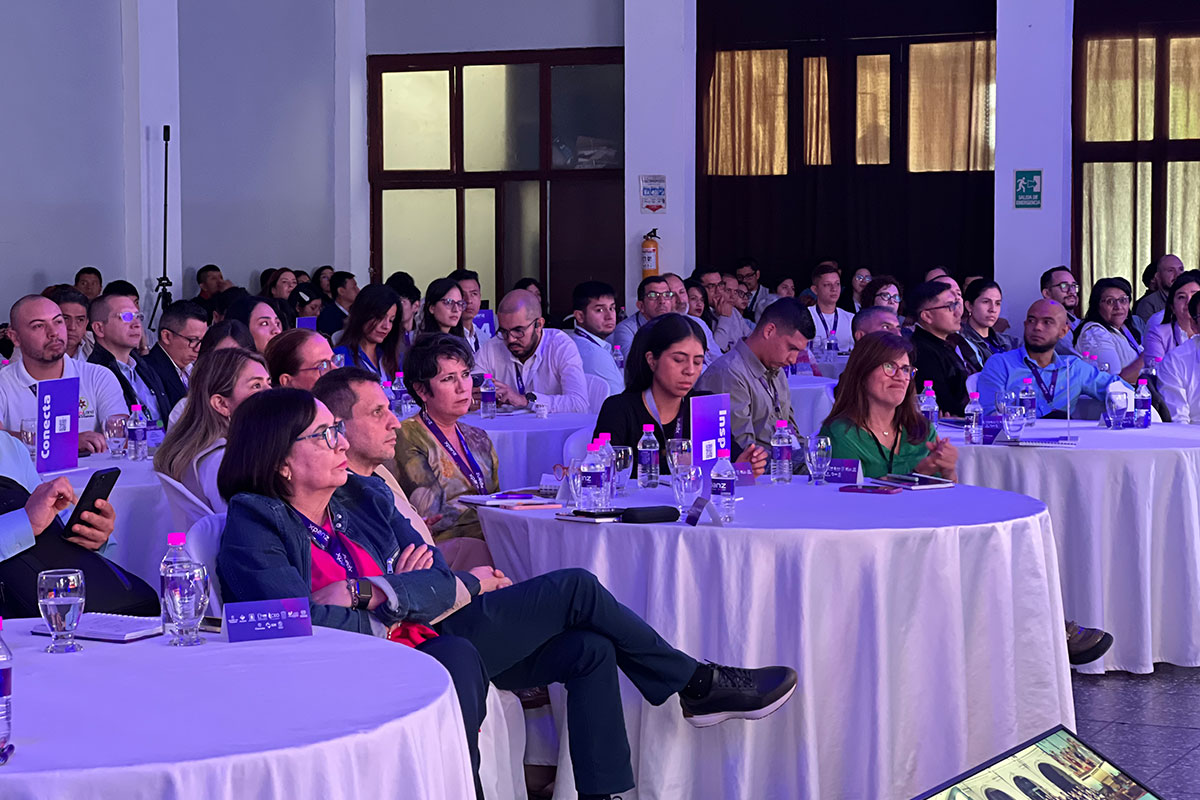
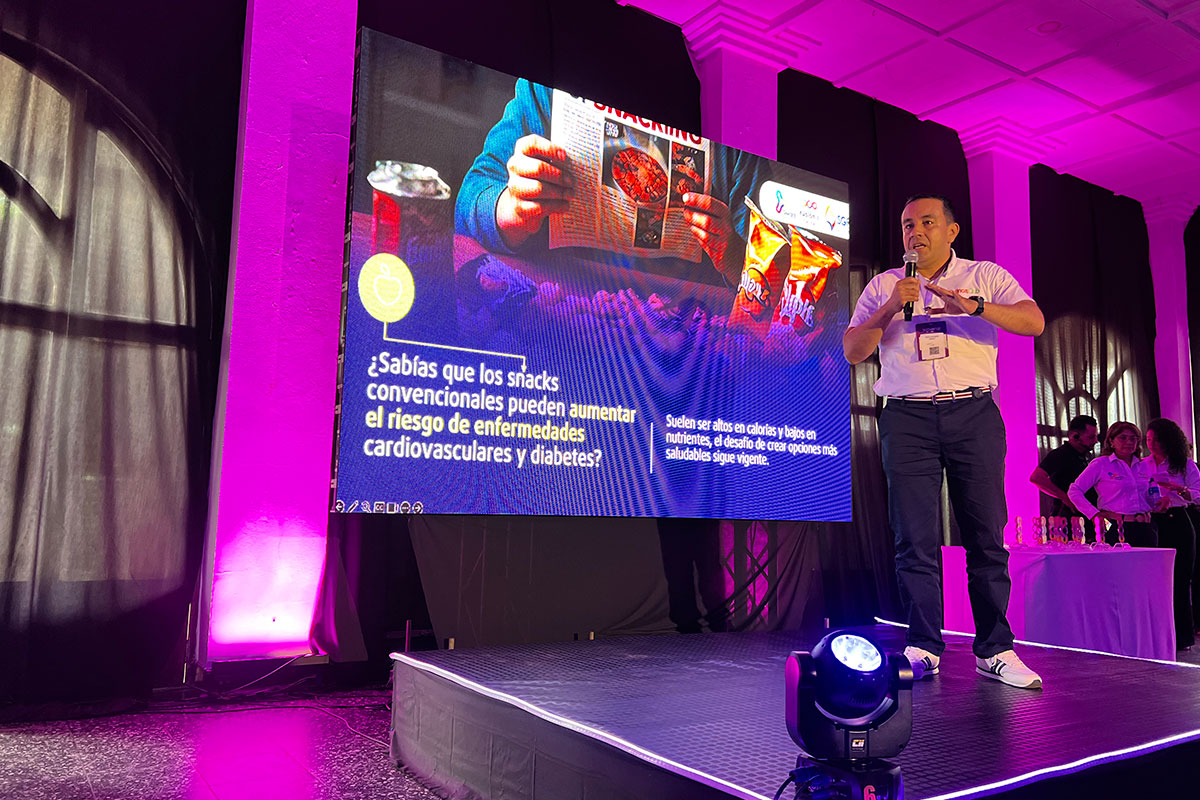
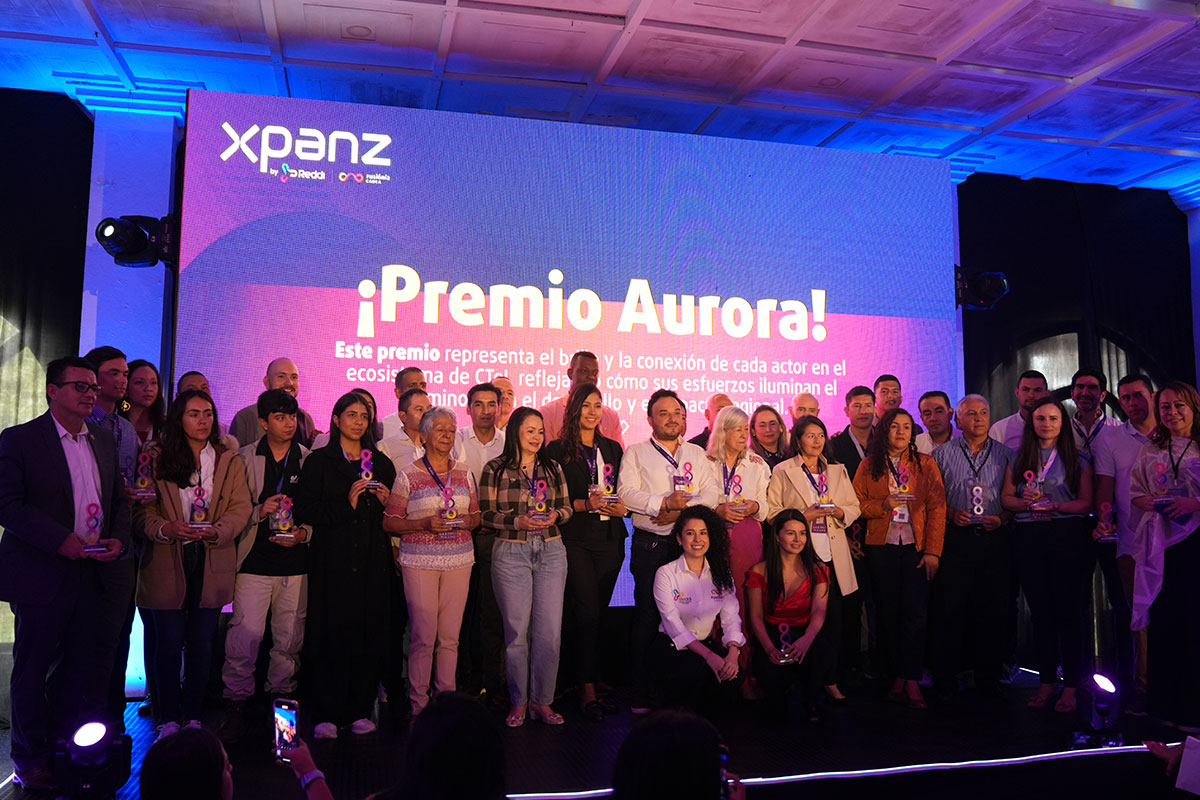
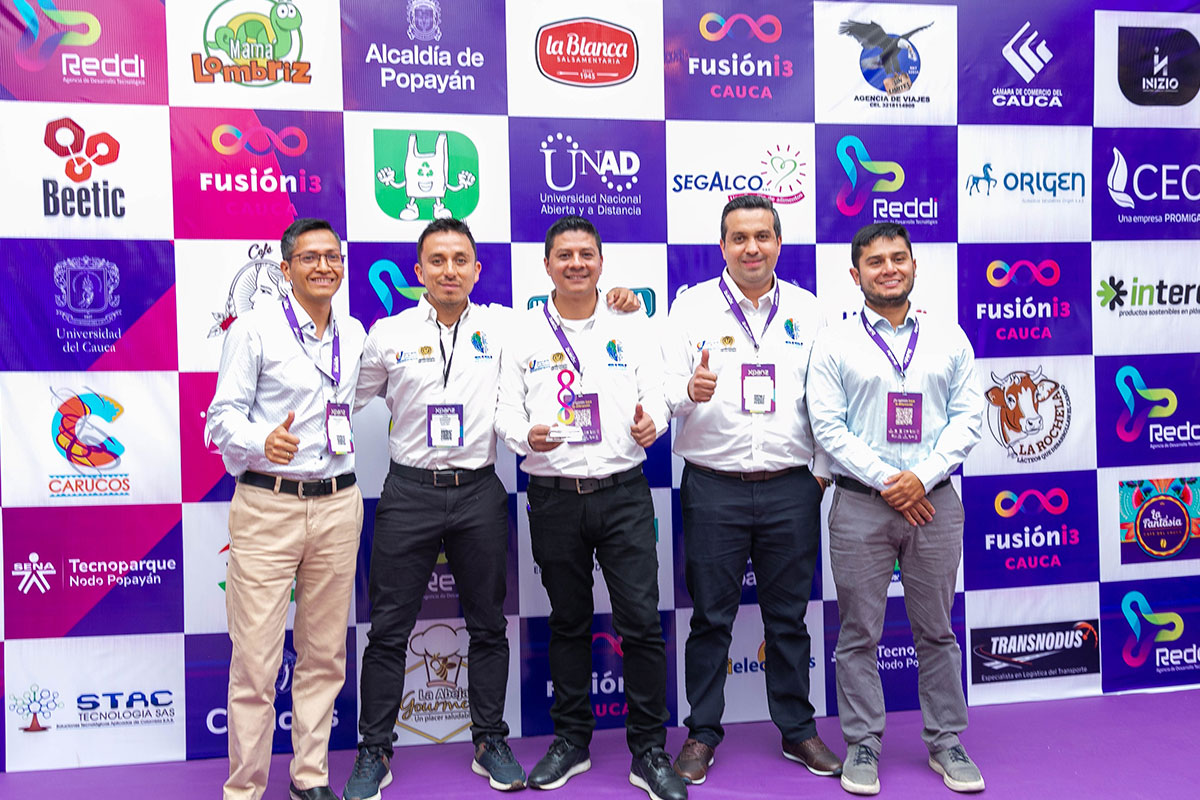
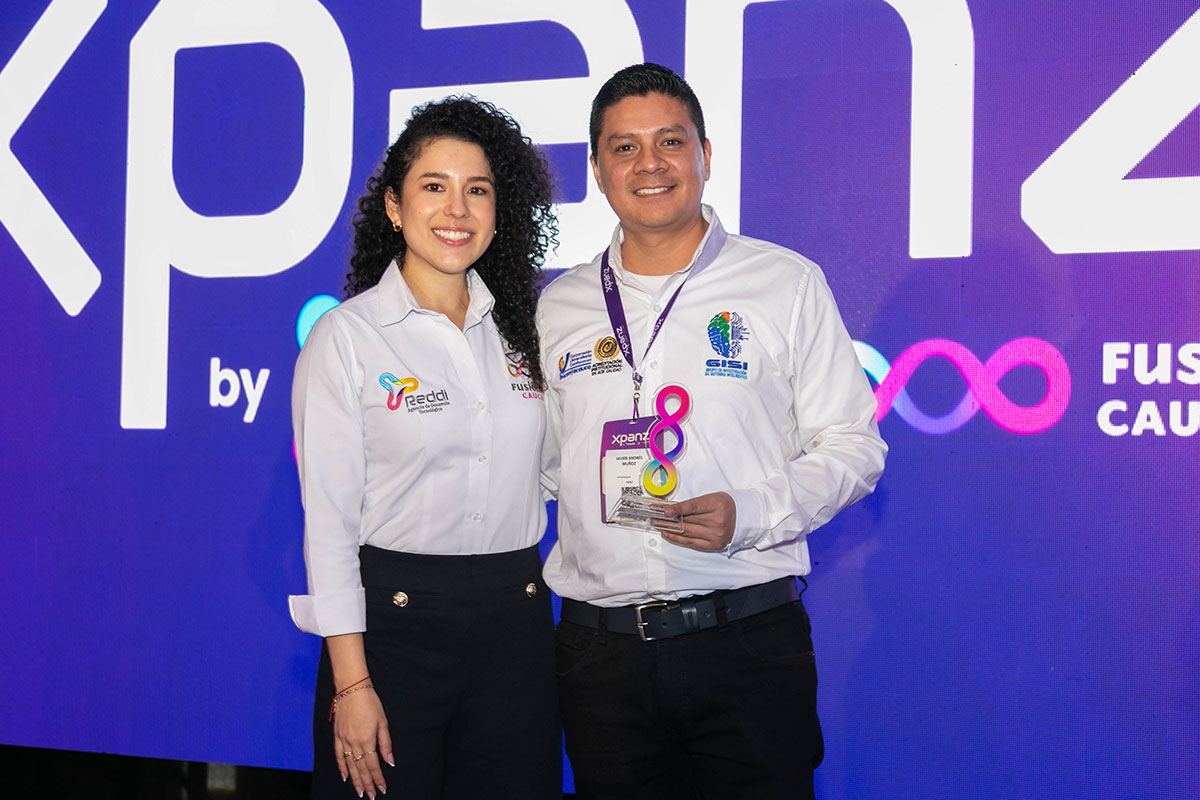
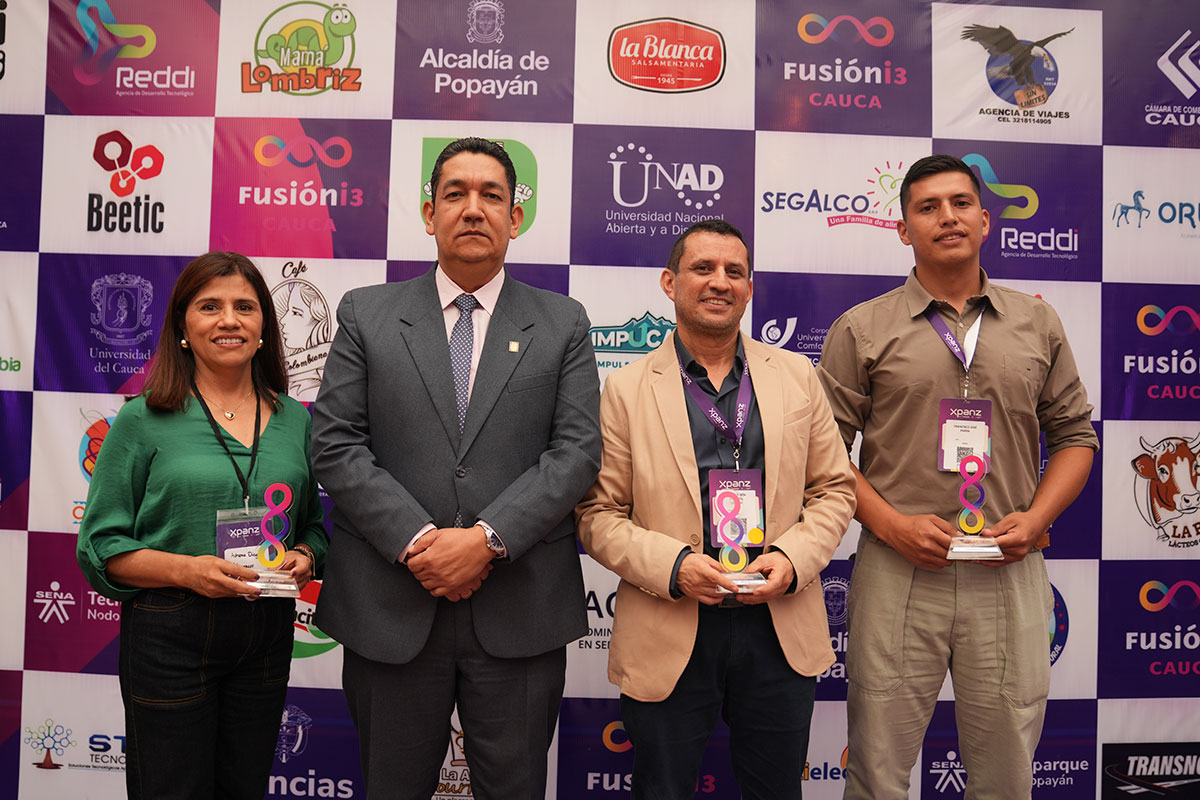
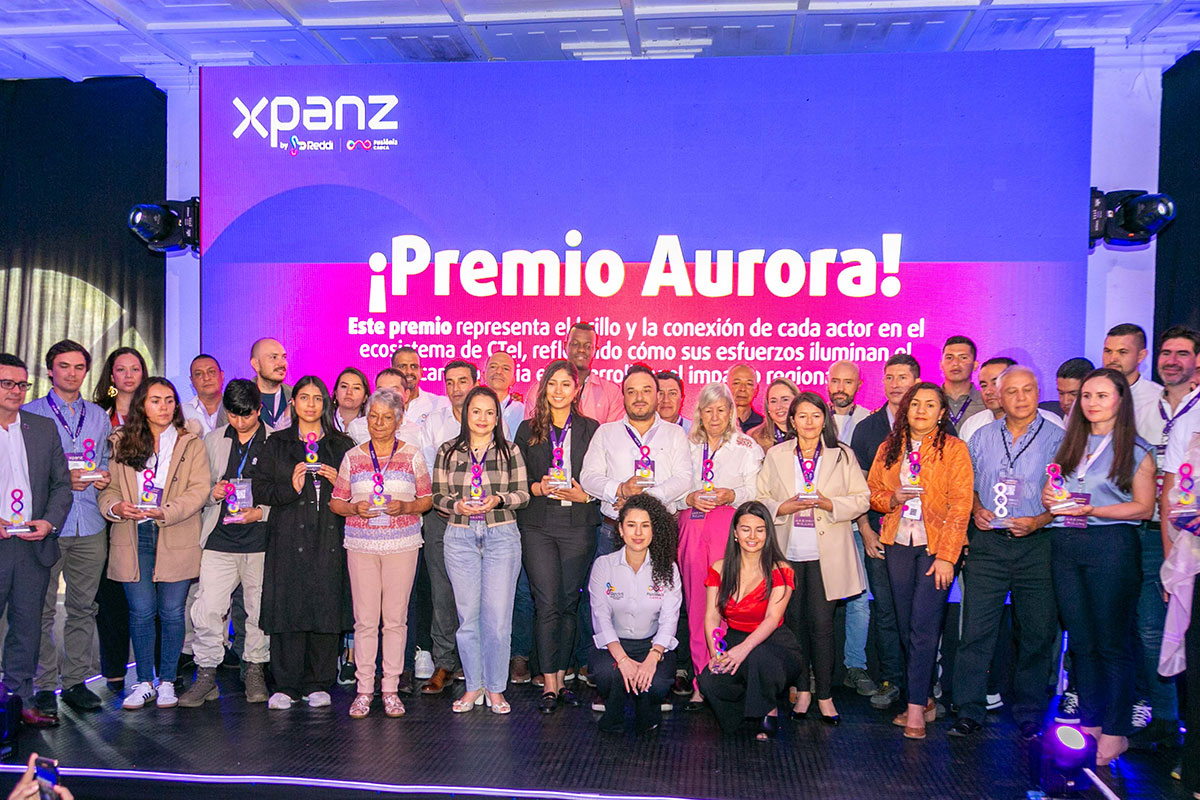
El evento contó con la participación de más de 101 asistentes en la Universidad Javeriana Cali.

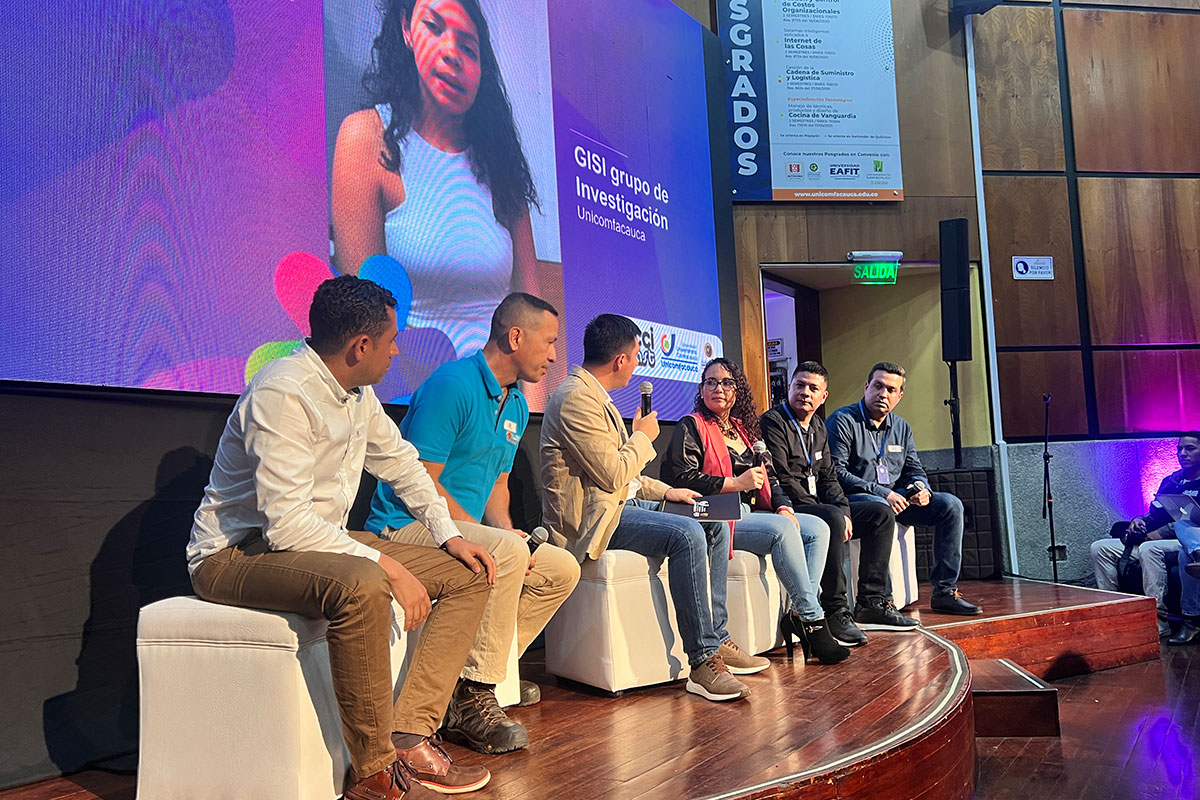
Fue el primer acercamiento entre IES aliadas y MiPyMEs beneficiarias.

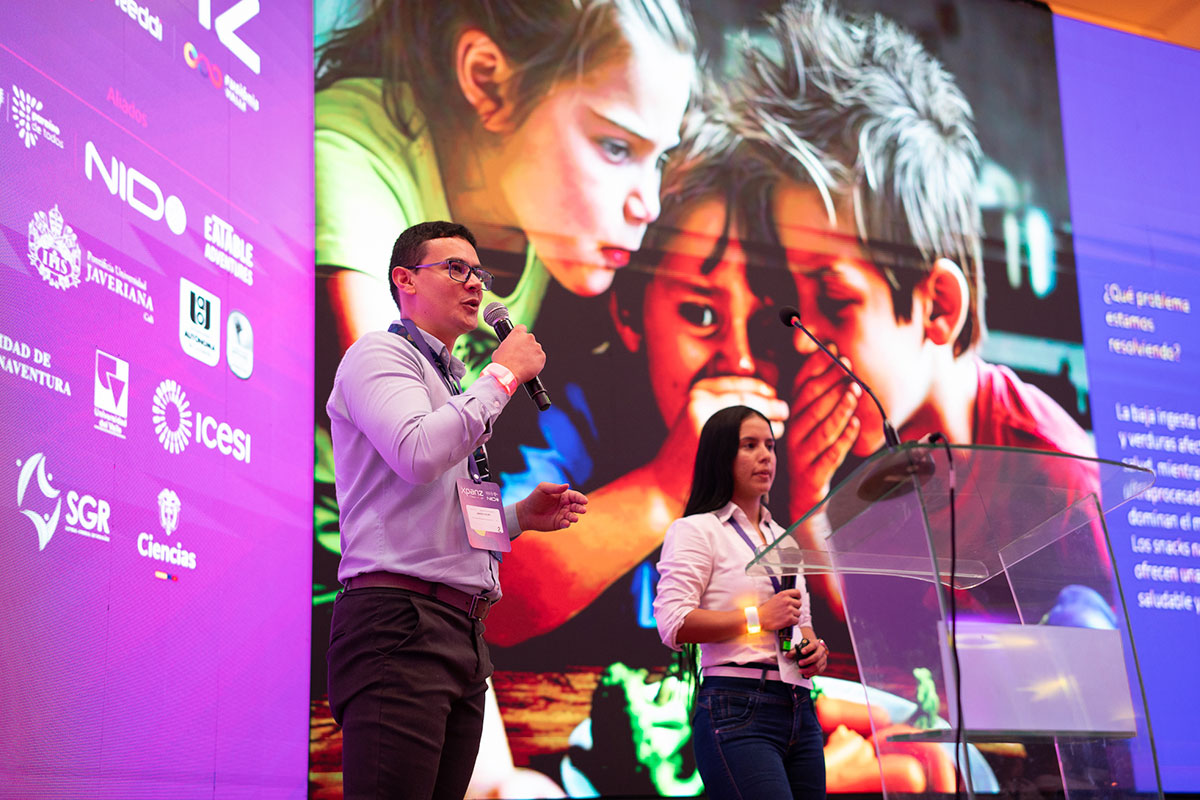
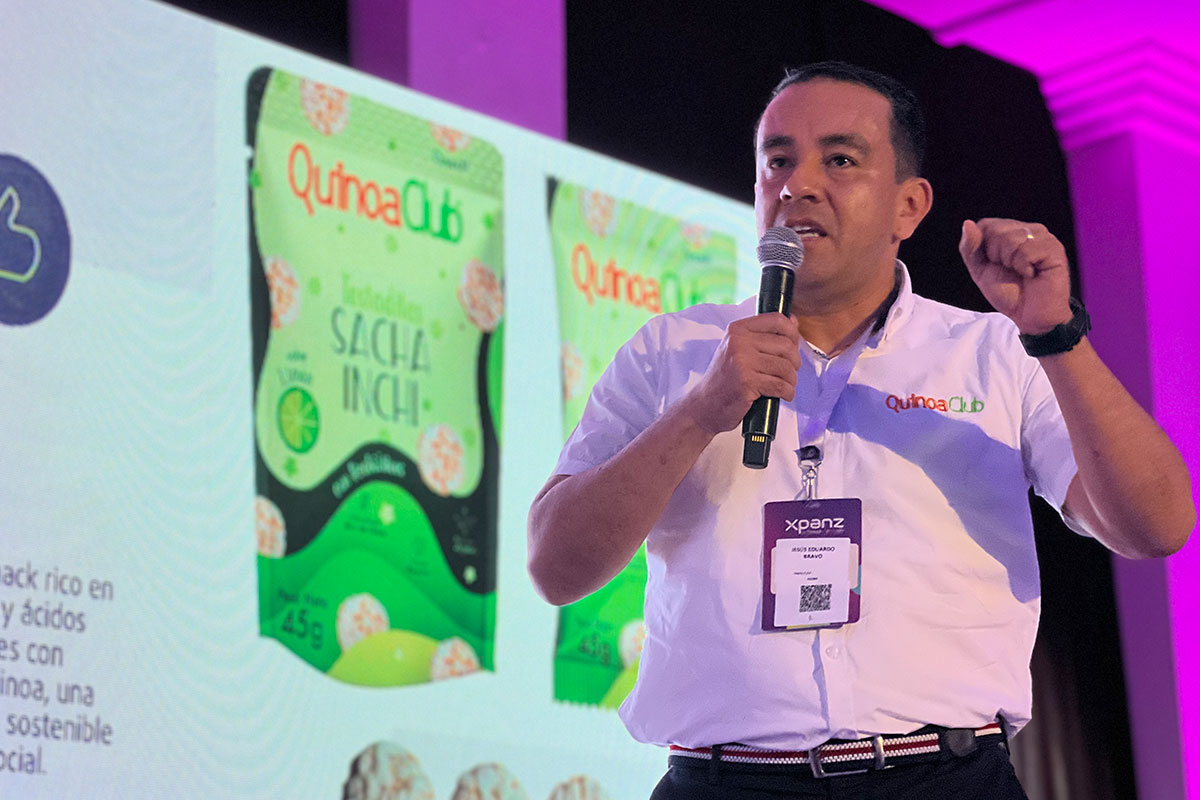
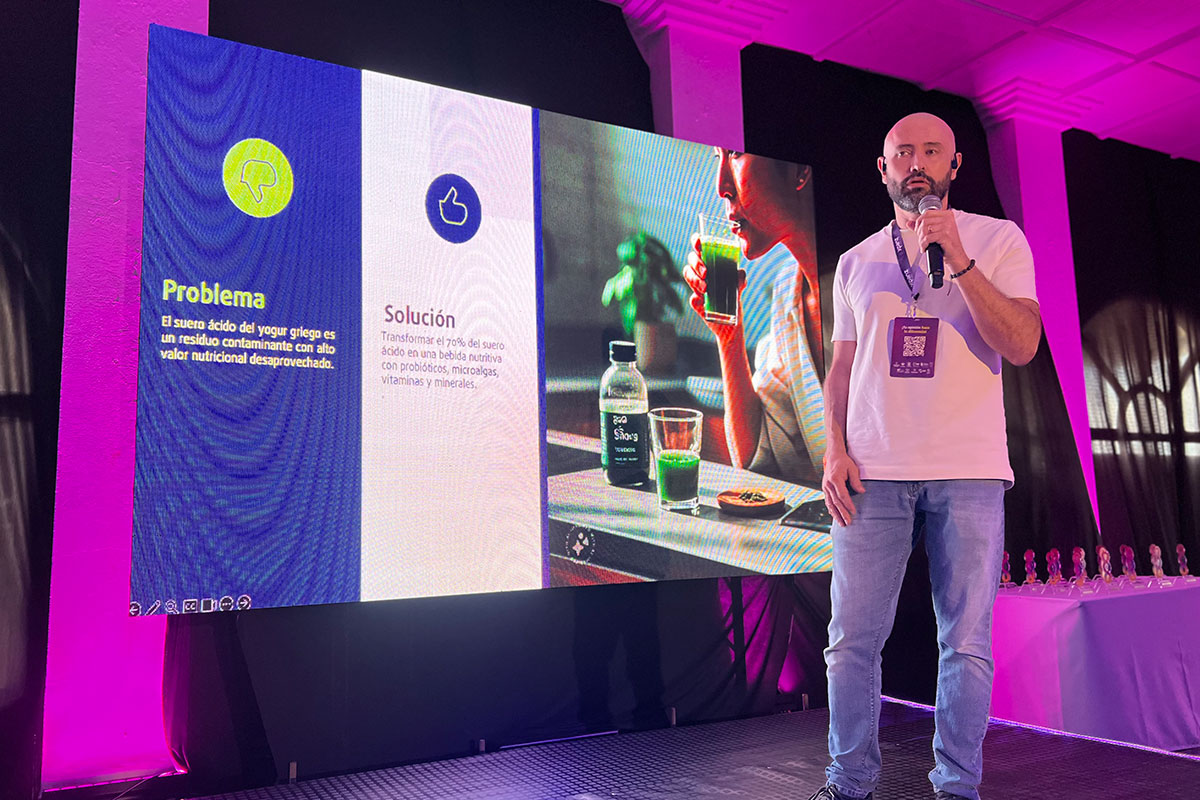
17 de estas MiPyMEs presentaron su Pitch, 11 tecnologías de las IES aliadas fueron presentadas en el Experience Day, las cuales tuvieron 28 validaciones pre-comerciales.

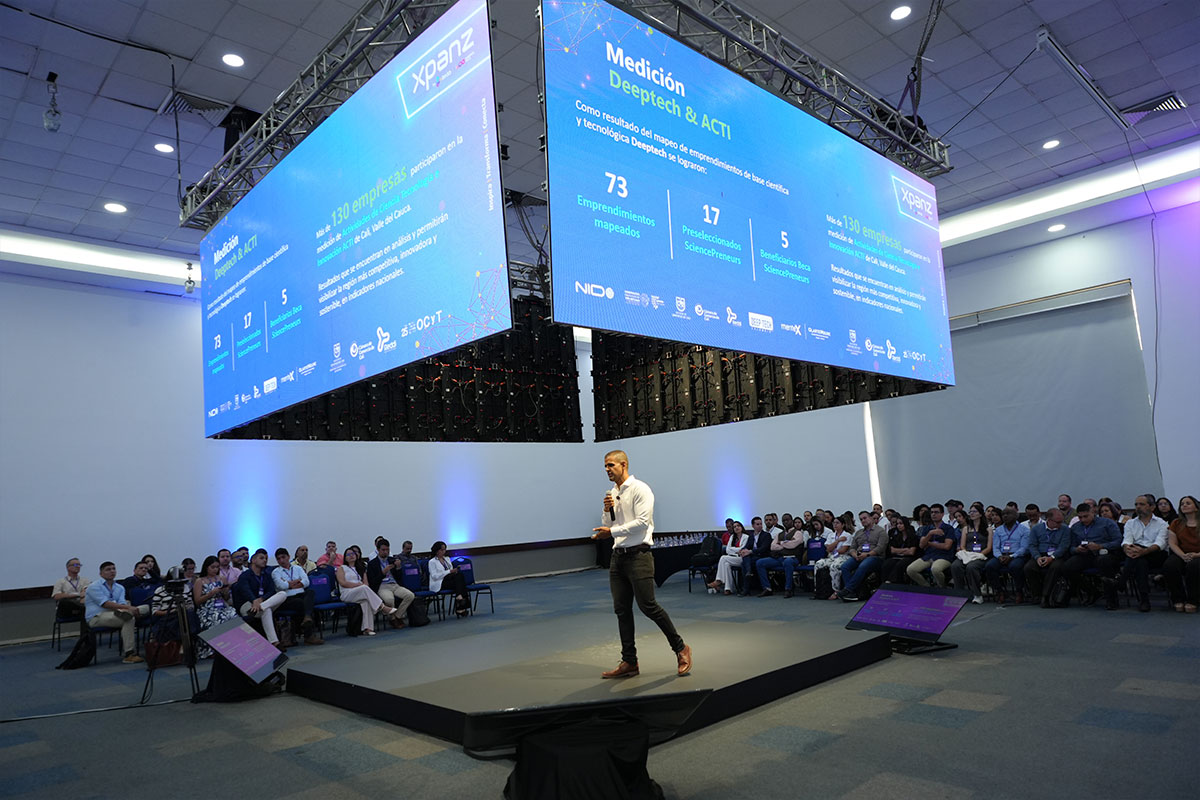
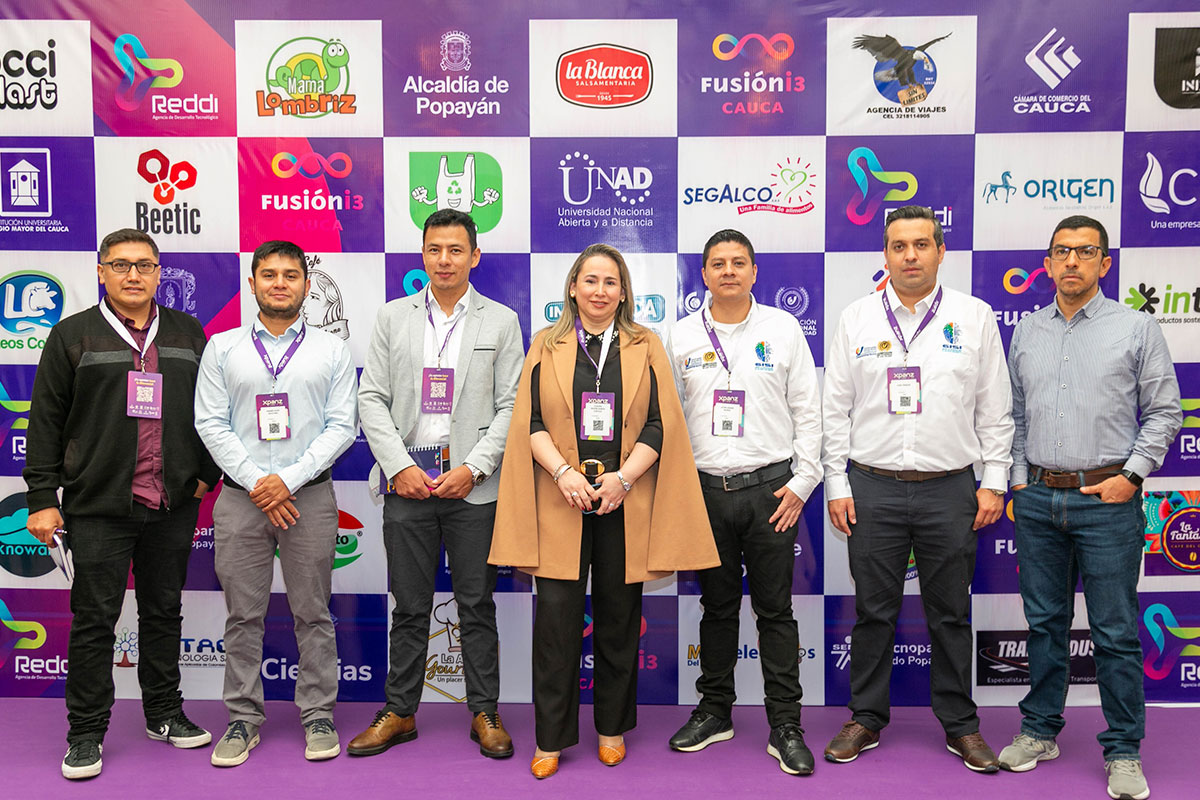
Xpanz en Cauca 2024

Conferencista principal

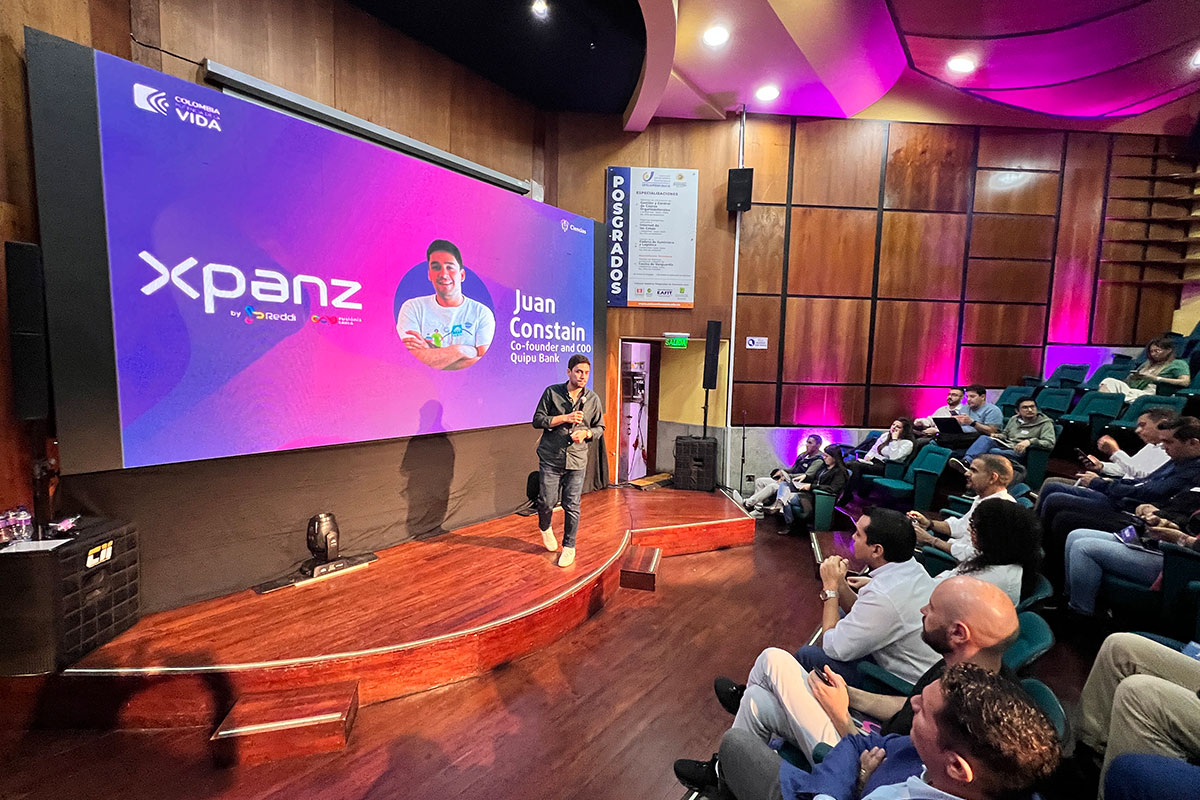
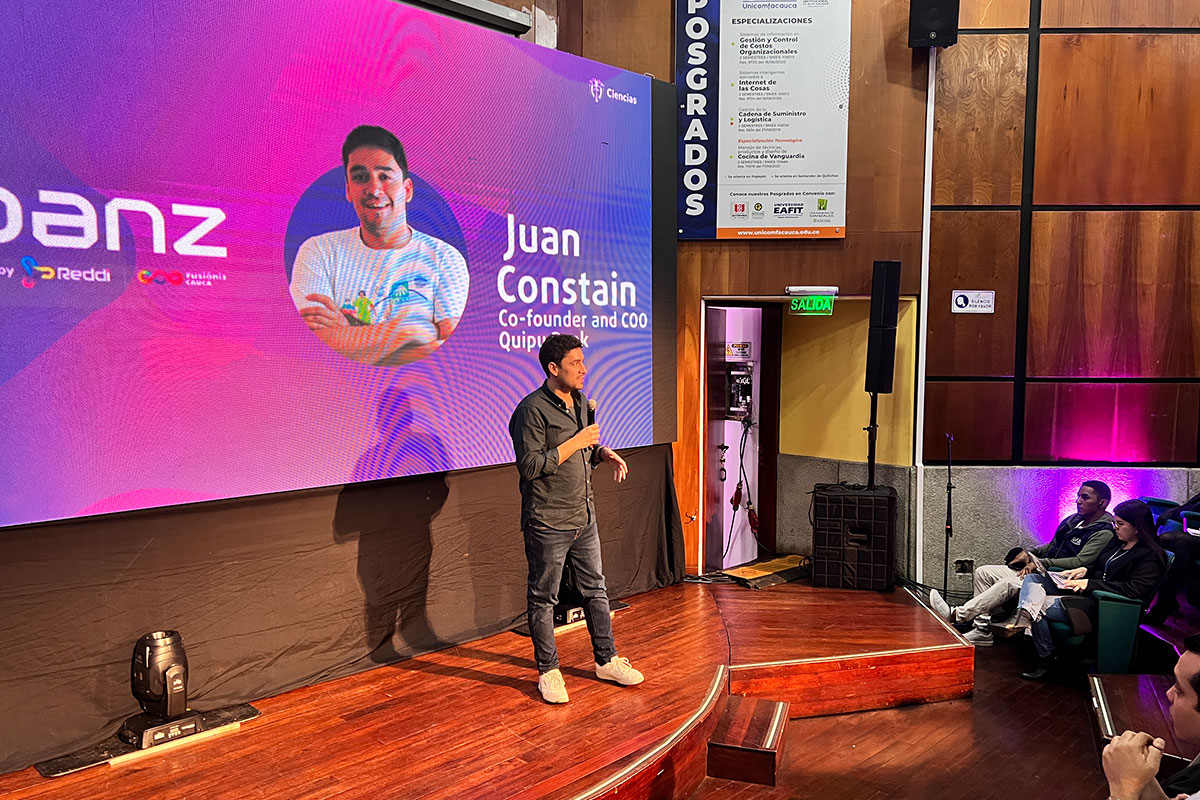
Juan Cristóbal Constain

Conferencia: El camino de Quipu: de proyecto de investigación en MIT a fintech de inclusión financiera.

Cofundador y COO de Quipu Bank

Profesional en Gestión y Desarrollo Urbanos de la Universidad del Rosario, especialista en Derecho Urbano, y cuenta con una maestría en Planificación Urbana con énfasis en desarrollo económico del MIT. Como cofundador y COO de Quipu, una fintech de rápido crecimiento en Colombia, fue reconocido como Fellow del programa The Global Good Fund en 2023. Quipu ha recibido importantes reconocimientos de entidades como el Banco Mundial, Google, MIT, Forbes y Fast Company, consolidándose como un referente en inclusión financiera e innovación empresarial.

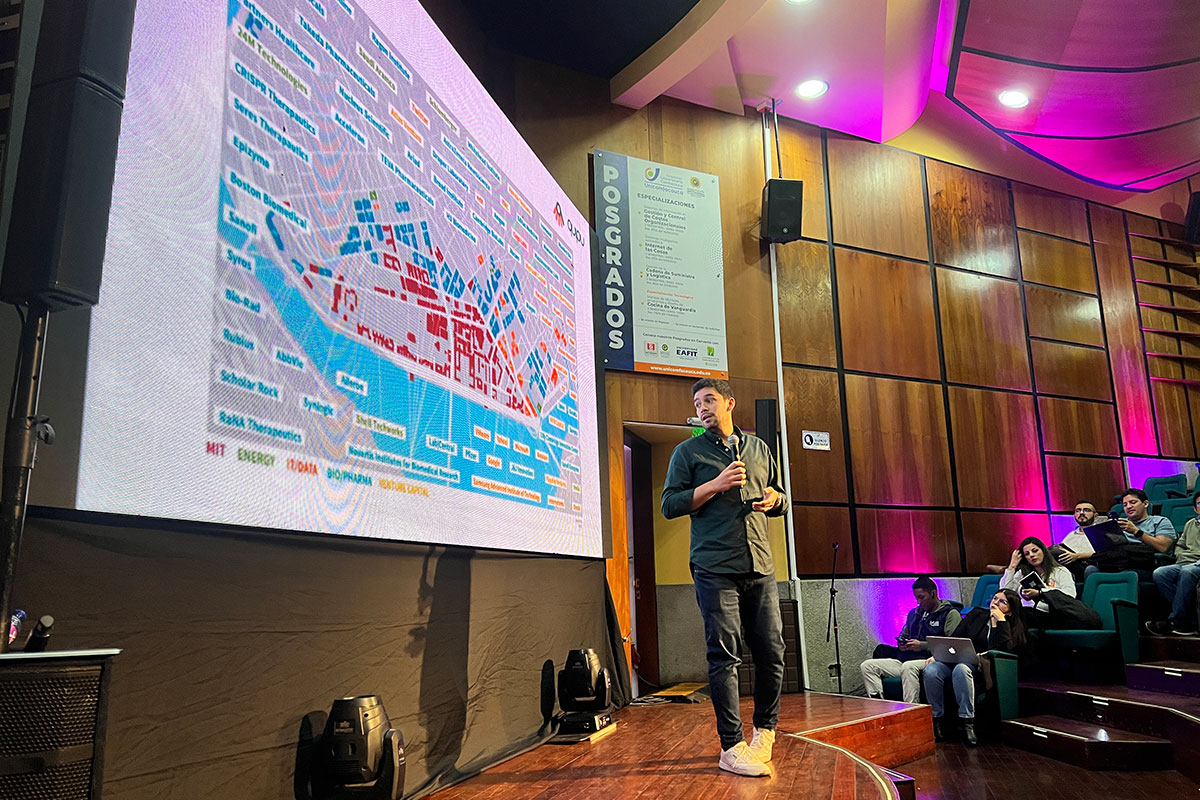
Xpanz en Valle 2024

Conferencista principal

Agustín Londoño

Director comercial de NotCo Colombia

Responsable de establecer la estrategia de negocio de NotCo en Colombia, en los frentes de Food Service, Retail. Administrador de negocios y especialista en mercadeo, con más de 25 años de experiencia liderando áreas de innovación en la industria de consumo masivo en Latinoamérica.

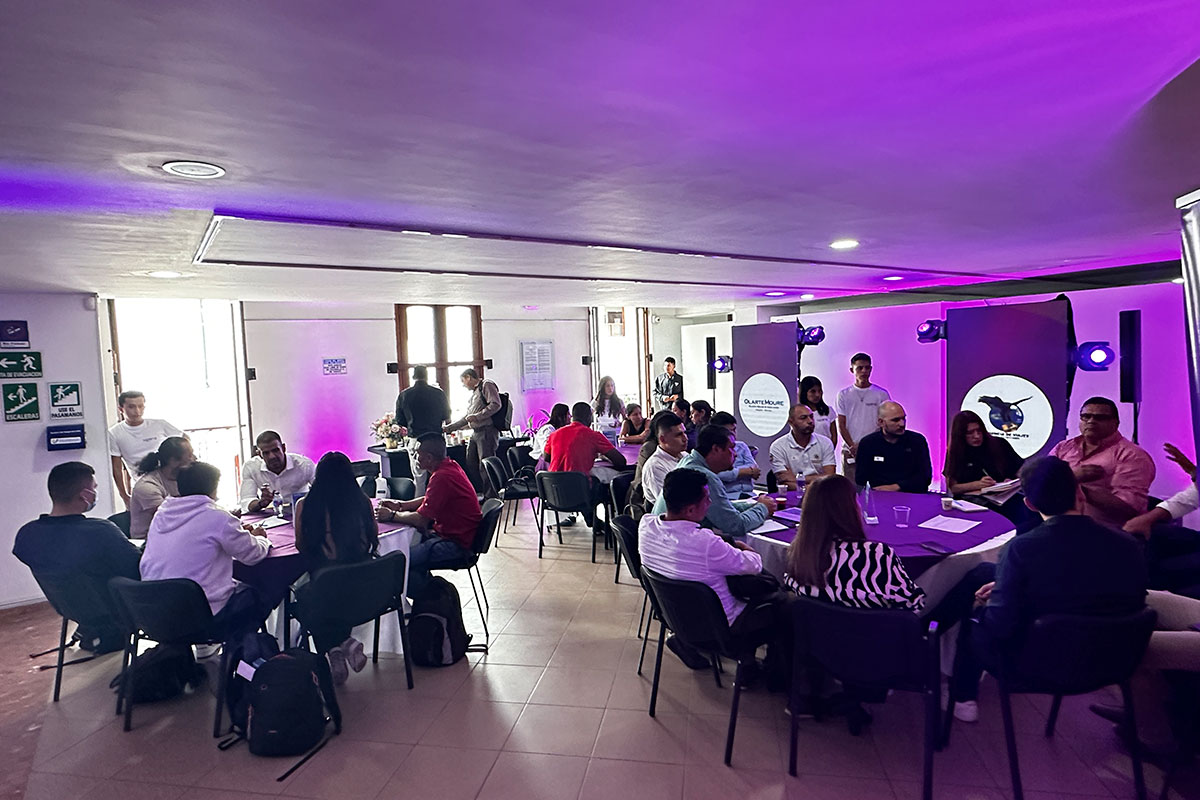
Xpanz en Cauca 2025

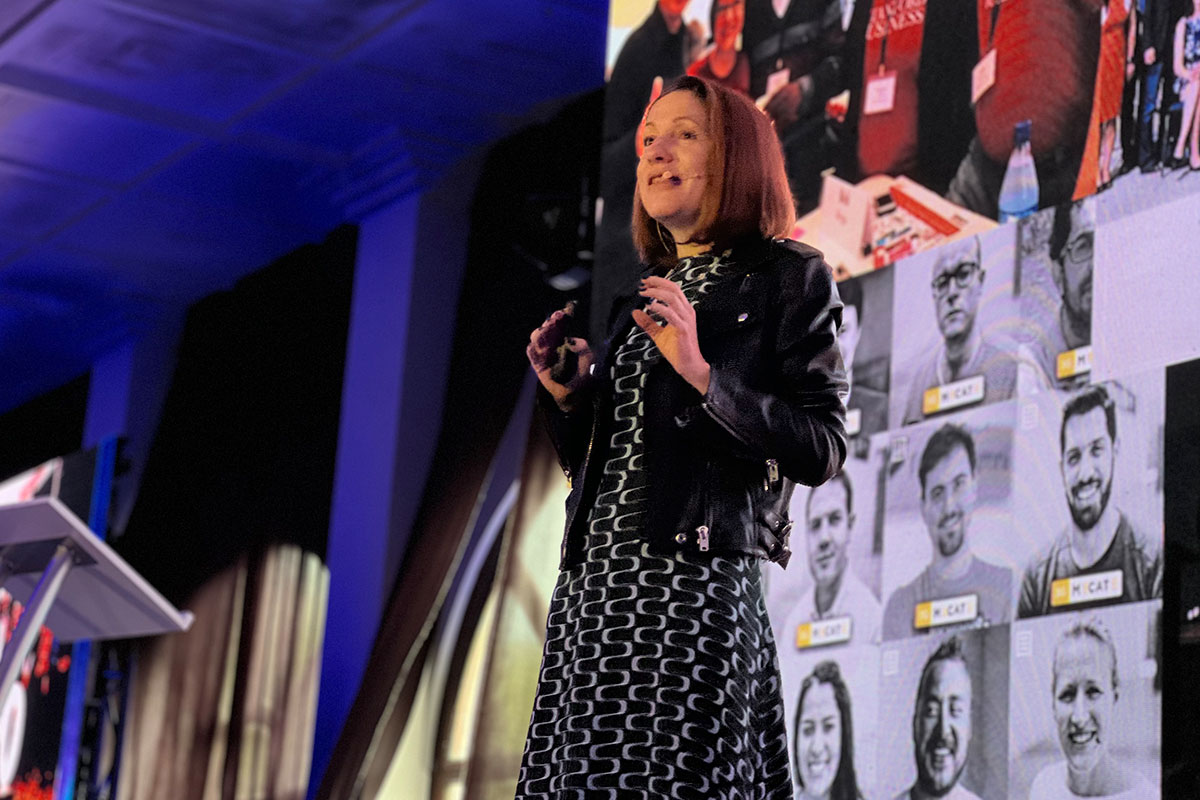
Conferencista principal

Claudia Aparicio

Conferencia: Efectos positivos de red.

CEO de Mentex y experta en innovación, reconocida entre los Top 100 gerentes de Colombia. Descubre cómo maximizar los efectos positivos de red y el impacto de la Alianza DeepTech en el fortalecimiento y escalamiento de startups en la región.