Medical technologies revolutionizing the global industry. Read the report on Colombia and Latin America.
The importance of people’s health care has guided innovation and the development of new technologies, generating great changes in society such as the increase in life expectancy thanks to the positive impact of patents that now overcome diseases that previously seemed unbeatable such as diabetes or cancer, with Asia being the main country in contributing patents, followed by Latin America and in the region, Colombia occupies the 7th position with great contributions to the country and the world.
Despite advances in health knowledge and practices, the emergence of COVID-19 highlighted the need to be prepared for the emergence of other diseases. Therefore, it is vital that this sector continues to generate innovation in treatments and disruptive health systems that reduce costs and increase the efficiency of the healthcare system.
Below, we tell you about some of the technologies and innovations in the health sector at the service of humans present in the Reddi Technology Perspectives Report No. 4 with some of the most impactful developments in the country, and the general overview of technologies in the sector.
Advances in medical technology facilitate the monitoring of diseases and other relevant conditions, improve access to healthcare for people living in remote areas of countries, and enhance and support decision-making by healthcare professionals treating patients.
Below we describe some relevant patents that serve to improve quality of life:
This medical patent improves access to specialized healthcare services for pregnant women living in remote areas. The belt monitors the pregnant woman’s physical condition and continuously stores all data via IoT (Internet of Things). The belt is small and portable, ensuring timely care for the expectant mother in case of complications, as it includes an alarm for irregularities in blood pressure, heart rate, or body temperature.
This method allows for the detection of medical conditions or abnormalities in limbs or organs. It involves taking infrared thermal images to identify neurogenic points. In addition to capturing images and processing information, the device includes an algorithm that analyzes the data and generates recommendations for further or immediate tests or treatments.
Developed to deliver a precise drip rate from the infusion device and to accurately monitor the patient. It also reduces the workload of nursing staff by minimizing the need for frequent patient rounds.
The system sends data to an IoT server and cross-references it with the hospital institution’s databases via a wireless connection.
Through Artificial Intelligence, this system deletes or redacts confidential personal information. This ensures strict compliance with privacy laws and regulations that protect individuals in any country when they access medical and hospital services that require such information.
In our country, 63 medical patent applications were filed between 2004 and 2020. Seven applications were filed in 2020, representing a 75% increase compared to the previous year. This increase is attributed to the urgent need for medical solutions to save lives during the Covid-19 pandemic.
The University of the Andes and the Cardiovascular Foundation are the main patent applicants in Colombia; and medical technologies , pharmaceutical product developments and computer technology represent 65% of the top trends in terms of patent applications.
How is Valle del Cauca doing in technology and innovation in the health sector?
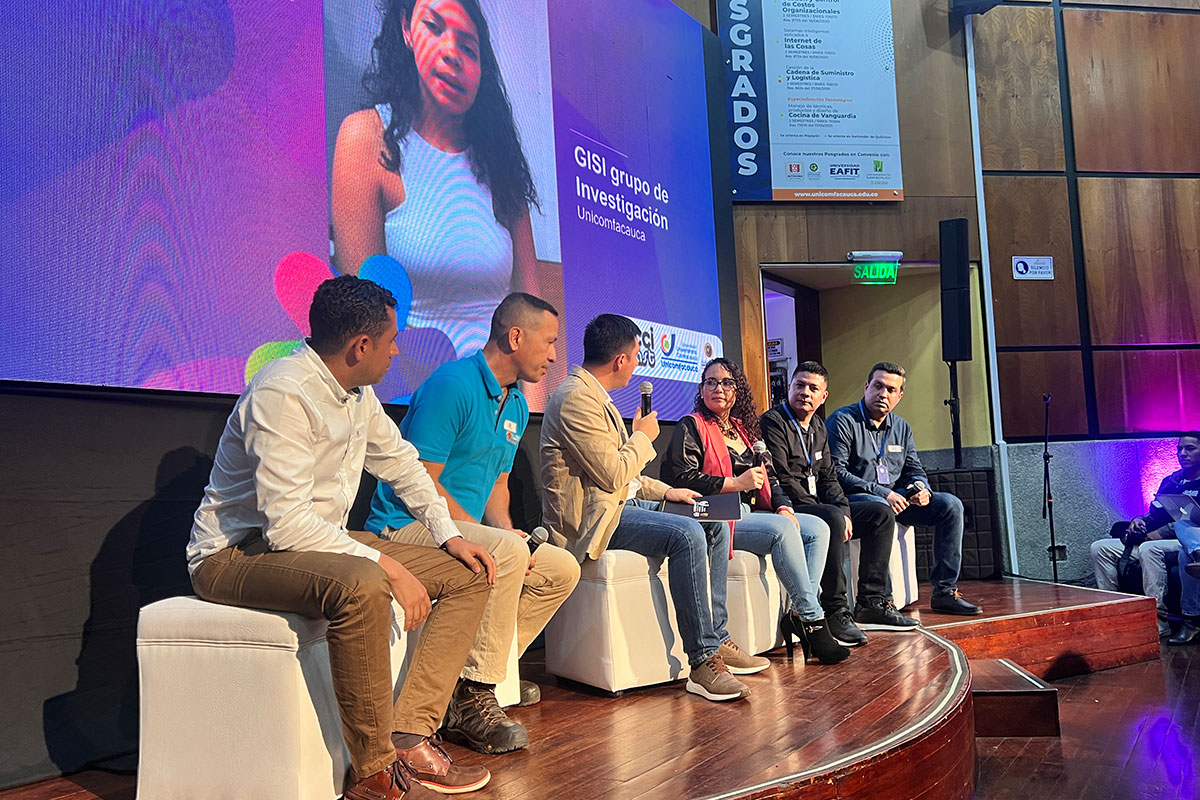
For the Clinical Excellence Cluster initiative, comprised of healthcare companies seeking to improve their services, innovation is a key factor. At the first Virtual Experience Day on “Technologies for Innovation in the Healthcare Sector,” inventions in this field were presented, all aiming for commercial exploitation.
After the evaluation, 9 novel technologies were selected from the control, treatment, diagnostics and medical device sectors.
Here’s a brief recap:
This is a platform designed to optimize the billing process within hospital institutions. The tool facilitates analysis, supports decision-making, and is accessible to all hospital staff.
A device to take images of the cervix and detect possible precancerous lesions using artificial intelligence. Results would be delivered immediately.
Designed for patients requiring pulmonary re-expansion through physiotherapy, this device measures, collects data, and allows for remote monitoring. Furthermore, it facilitates patient adaptation to therapy through gamification, thanks to its smartphone software.
Patch-shaped implant for cardiac tissue regeneration. Mixture of cells in a biocompatible polymer matrix (manufactured by 3D printing).
This system simplifies procedures, reduces risks, and aids in planning pre-surgical processes for complex surgeries. It achieves this through image processing and 3D-printed models, enabling specialists to make better decisions, even for the post-surgical phase.
Device for remote rehabilitation of upper and lower limbs. Designed to treat patients in areas far from hospital institutions.
It collects and transmits electrocardiograph data directly to cell phones or monitoring centers. It allows for the diagnosis and monitoring of patients’ cardiac activity without requiring physical presence.
This device allows for remote and timely medical examinations. It monitors vital signs and transmits biometric data, enabling the detection of common illnesses.
It allows for bone regeneration in jaws damaged by accident or trauma. It is comfortable and less invasive than other solutions for the same problem. In conclusion, the Virtual Experience Day showcased the talent and quality of technological developments in the healthcare field available in the Valle del Cauca region. This makes them globally competitive. Learn more about the report here .

The technology for creating a bioplastic from cassava, developed by the University of Cauca and part of Reddi’s portfolio, has recently been tested in a real-world setting at the company Esenttia. This development contributes to environmental protection without compromising food security.

Plastic is one of the most widely used materials by various industries due to its low production cost and functionality. Its large-scale production and single-use plastics disrupt the Earth’s ecosystem, making it one of the main pollutants. This problem has been addressed since 2000 by several leading countries through the development of Sustainable Development Goals (SDGs), and one of the main solutions is the creation of bioplastics through chemical processes using organic materials of plant origin.
Between 2000 and 2016, approximately 7,963 patent families were registered, with the countries of greatest demand being China (58%), Japan (17%), and the United States (13%). Colombia, for its part, represents 0.03% of this demand.
In Colombia, 128 patents were filed between 2010 and 2018 protecting the creation of bioplastics from starch, cellulose, and other materials. These solutions have spurred innovation in bioplastics production models at large companies, such as Esettiia, which uses technology developed by the University of Cauca and identified by Reddi.
Hence the value of studying patents, not only to identify them, but to provide relevant information on techniques, materials and processes that promote sustainable development and competitiveness.
At Reddi we support different projects to spark innovation, learn more about our sustainable services and technologies.
We welcome the University of Cauca as a new promoting member of Reddi Colombia!
We appreciate the trust placed in us, and we hope that working together will help boost technology transfer and innovation processes in our region.
Reddi Colombia recognized again as a Minciencias Research Results Transfer Office for a period of 3 years.
Resolution 1322 of November 27, 2020

Qualinn 2020 – Virtual Event
Symposium on Innovation in Clinical Excellence
Learn about the new dynamics of the digital health industry, its future projections, and the opportunities it represents for health service providers and the economy.
qualinn2020@ccc.org.co
October 27 to 30
Seismocardiography system for capturing precordial signals
You can take the technology survey at the following link.
https://docs.google.com/forms/u/5/d/1YAouVFzG22zc7m6uq0uv5dofKM_gzxvLjwqvXEsjrEA/edit?usp=drive_web


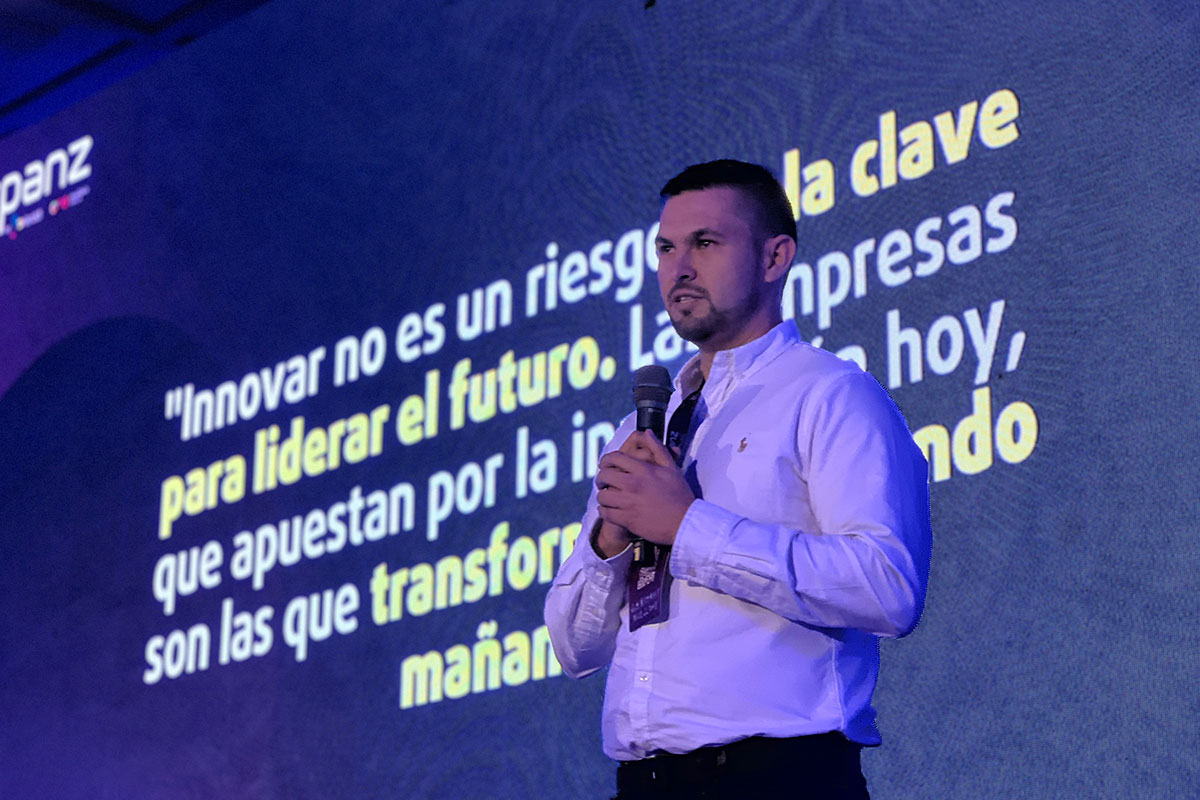
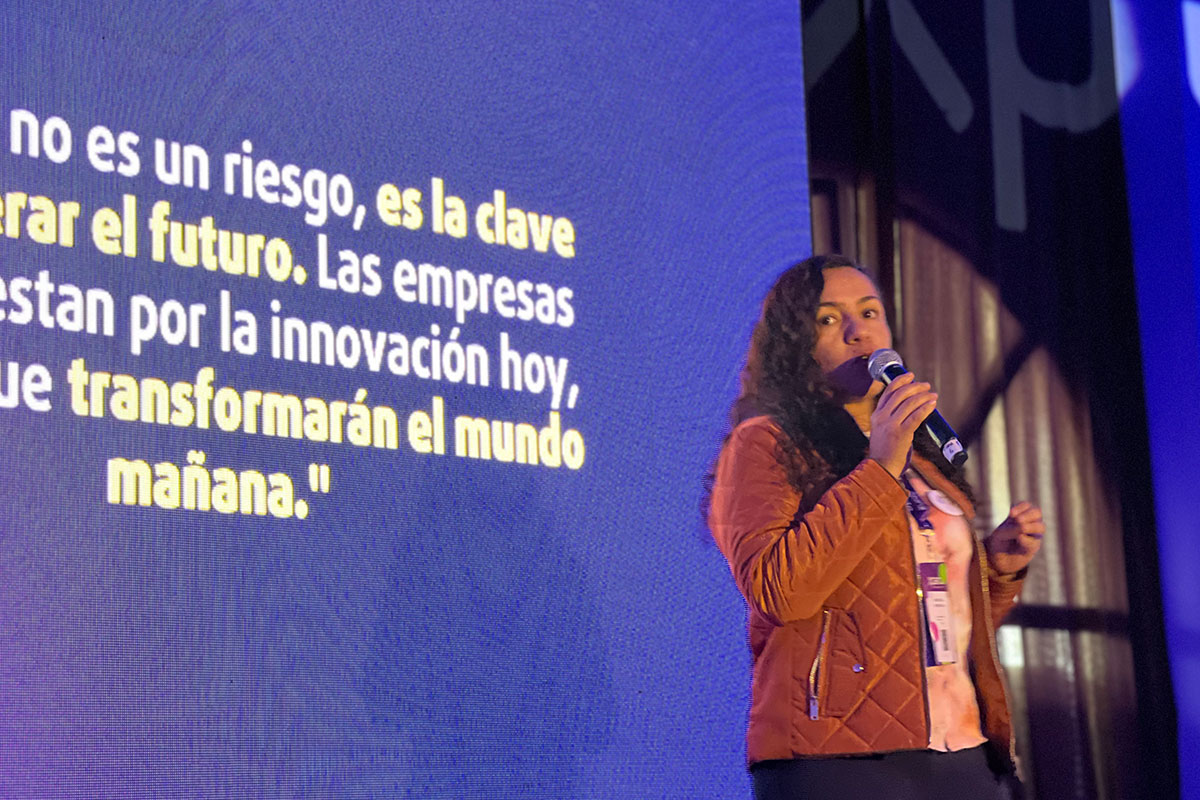
Conferencia “Innovación con impacto empresarial”
Presidente gremial, mentor y emprendedor serial
EdTech HUB LATAM + 90 Edtechs
Asociación de emprendedores +500 marcas de consumo
Ha logrado:
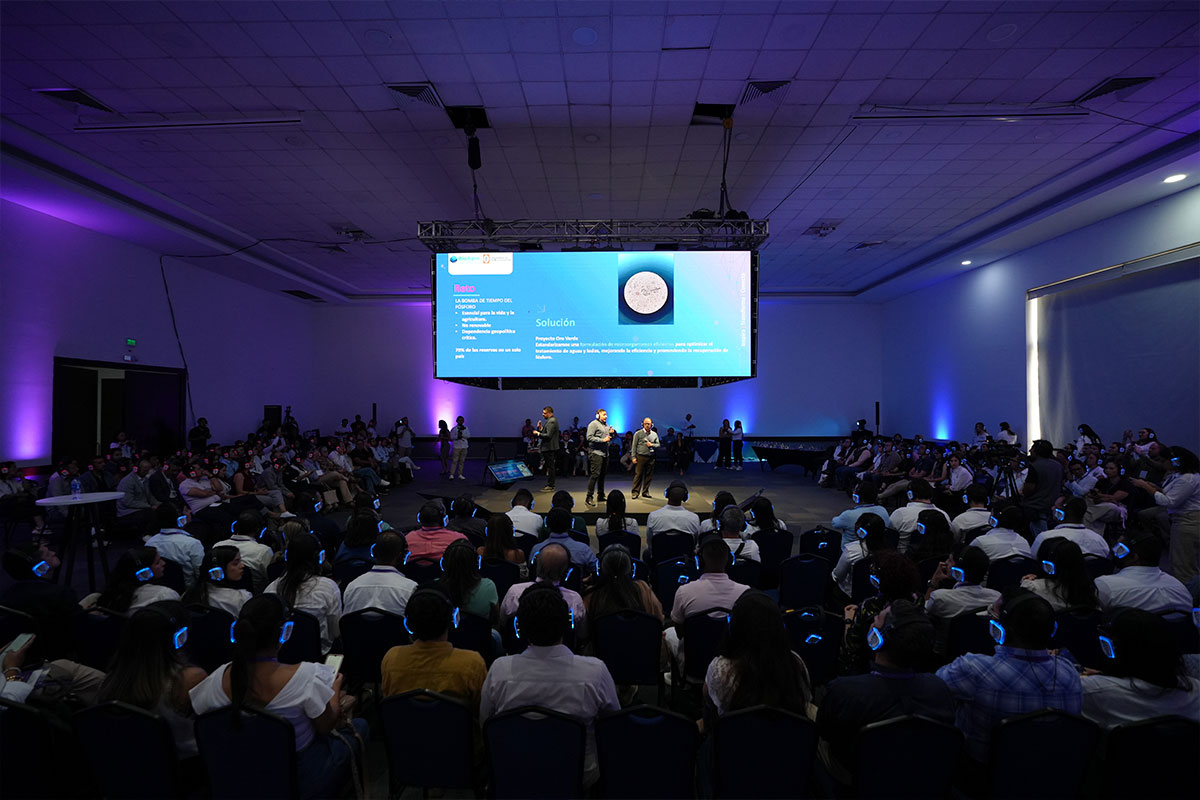
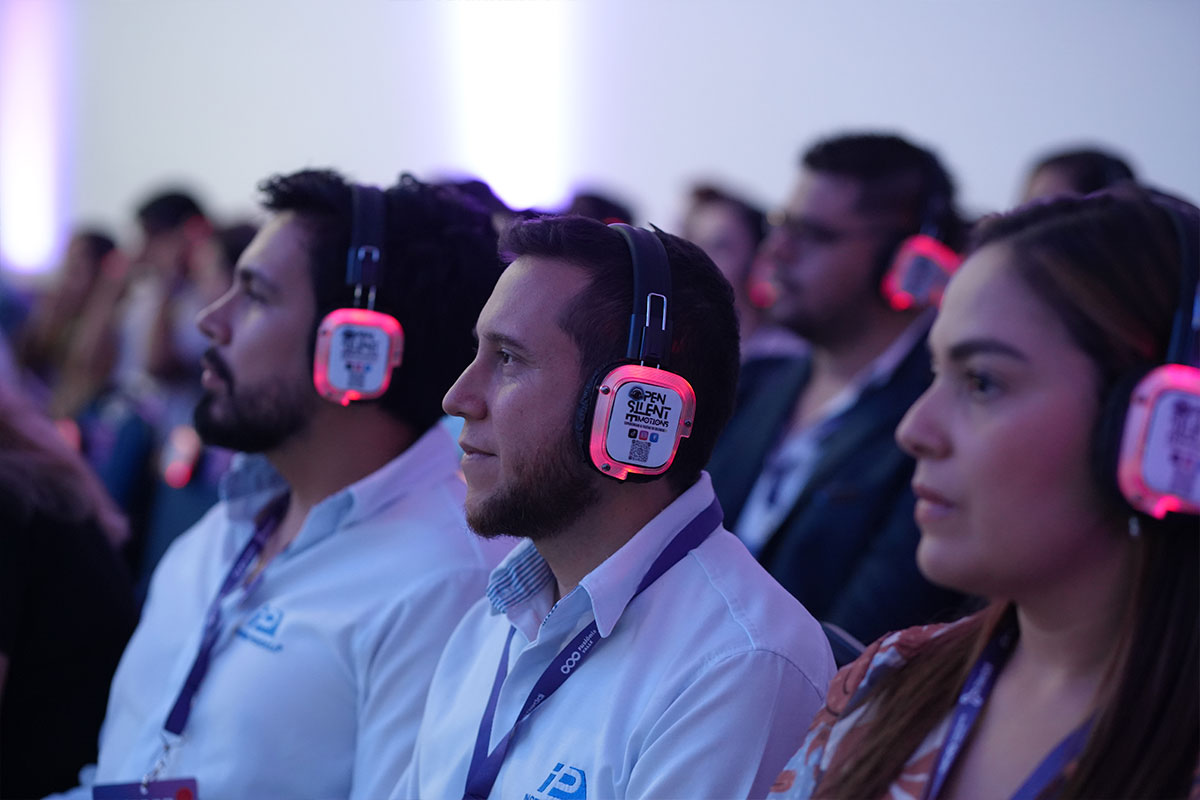
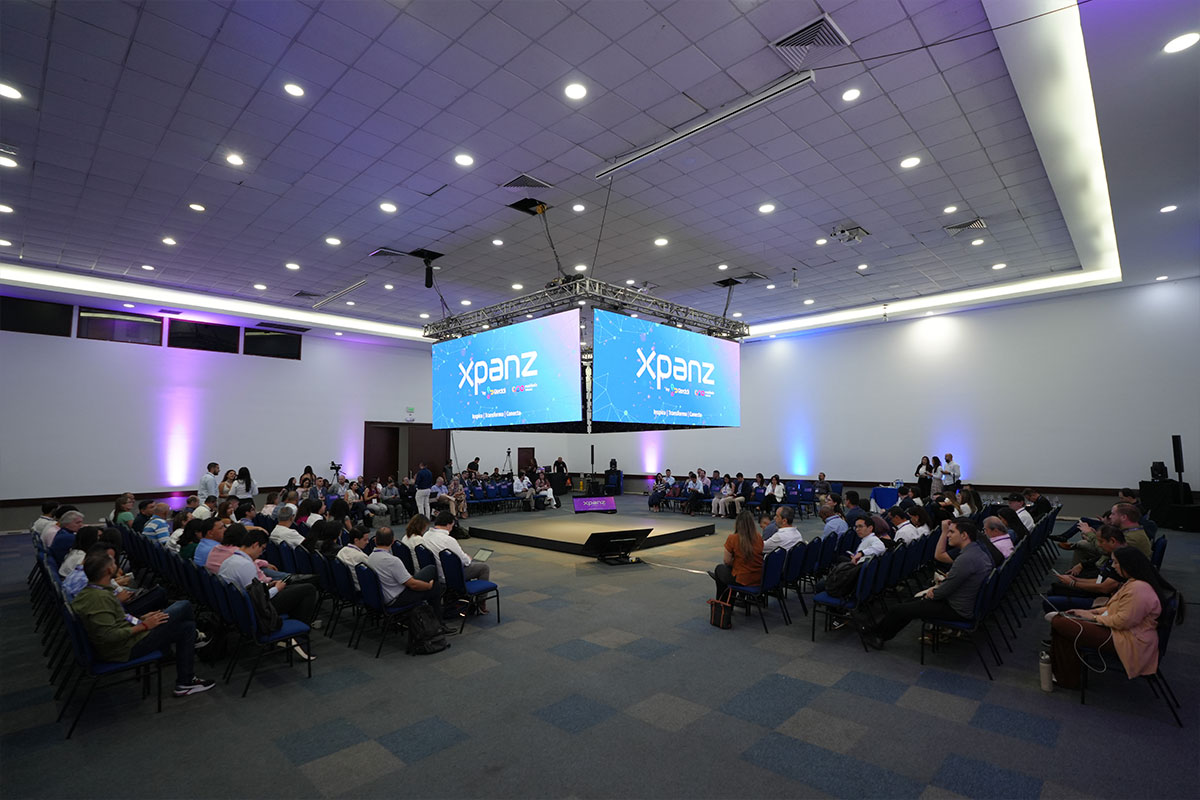
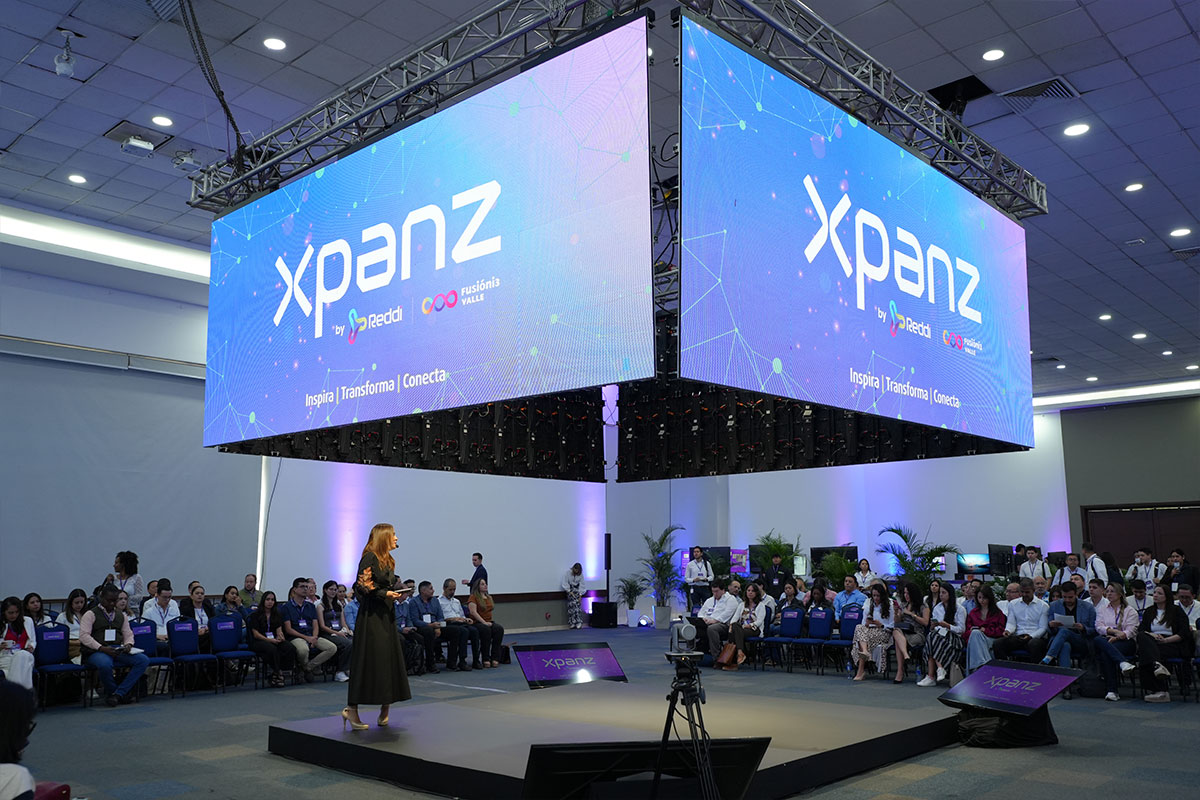
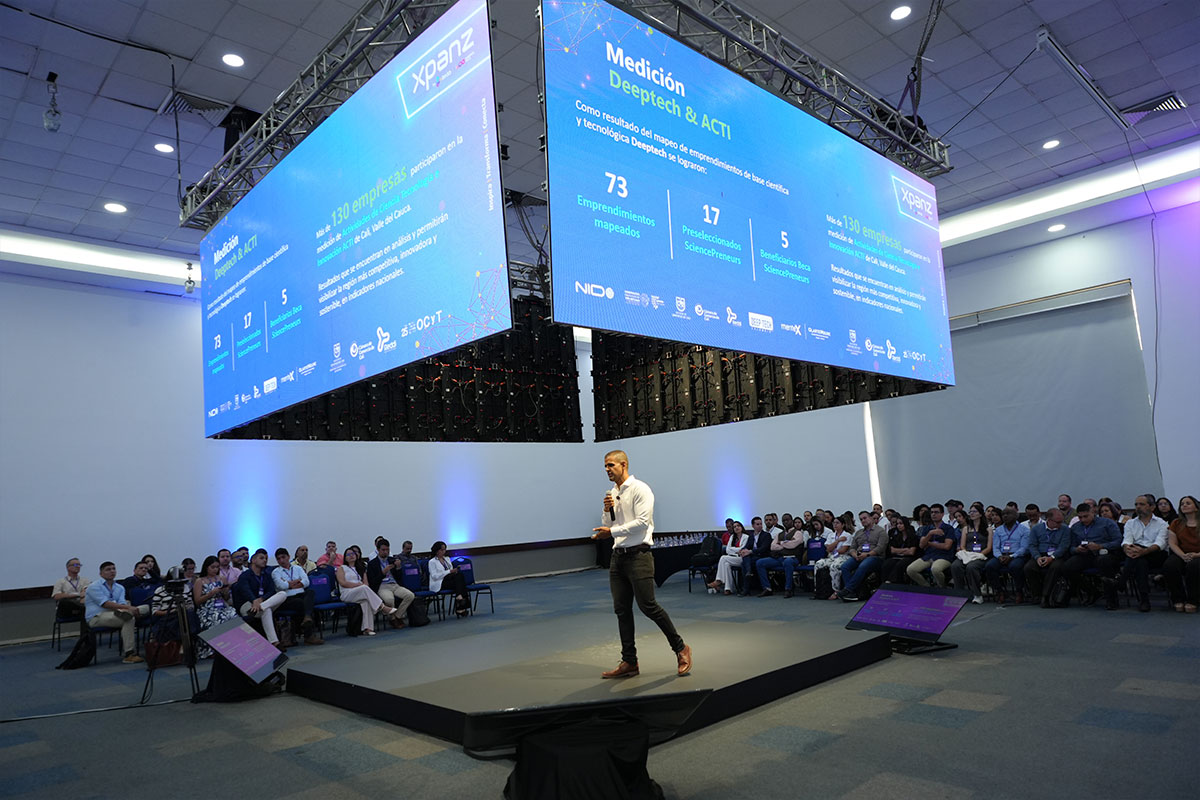
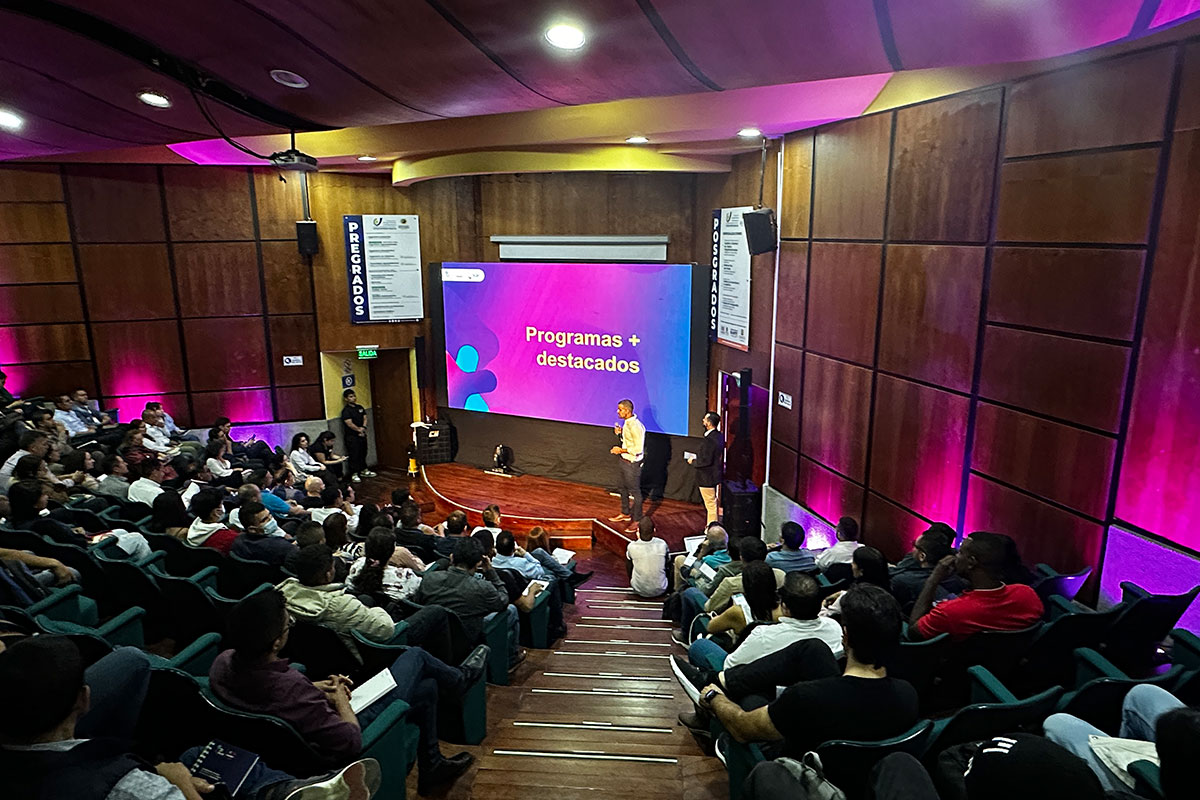
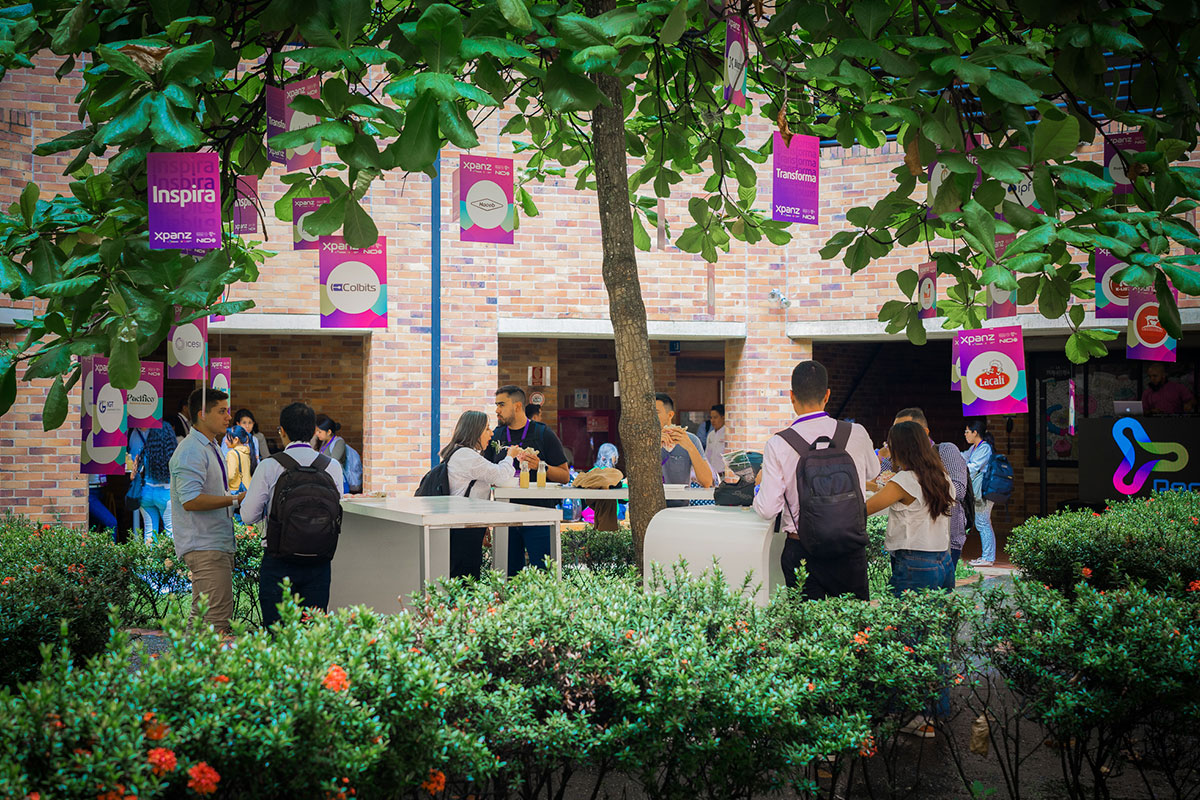
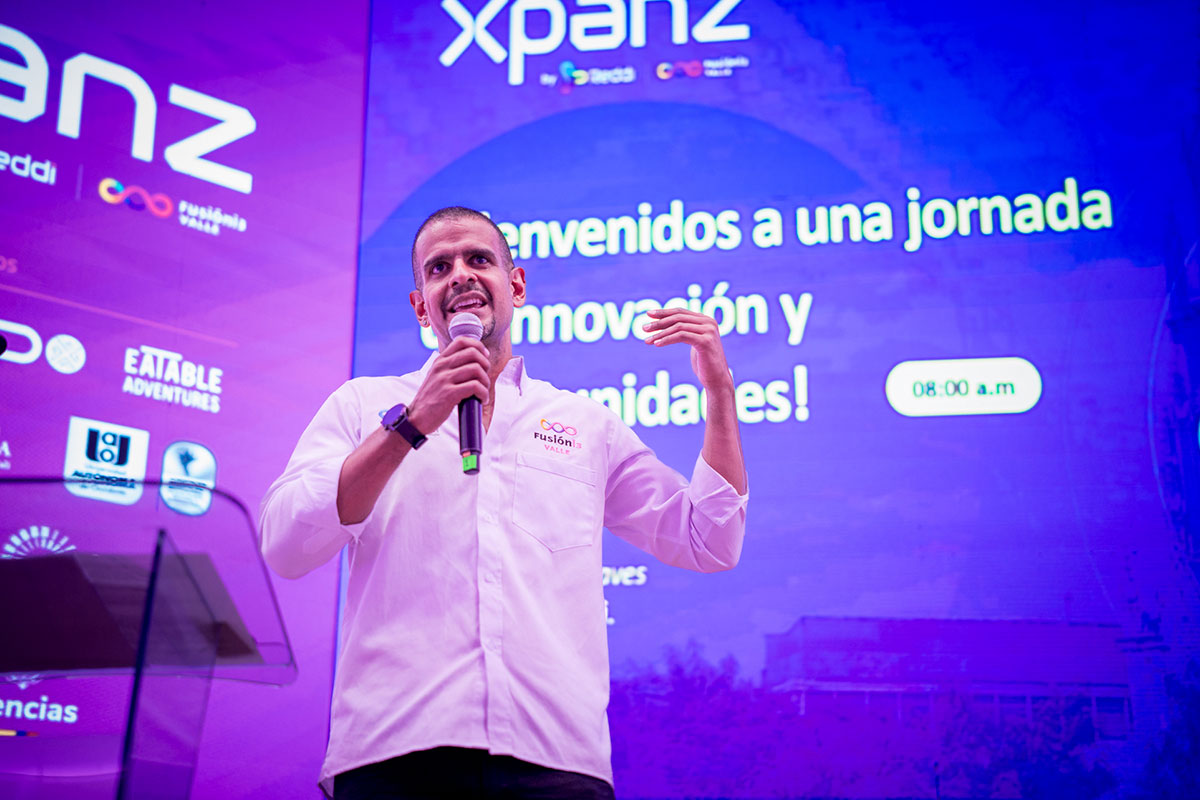
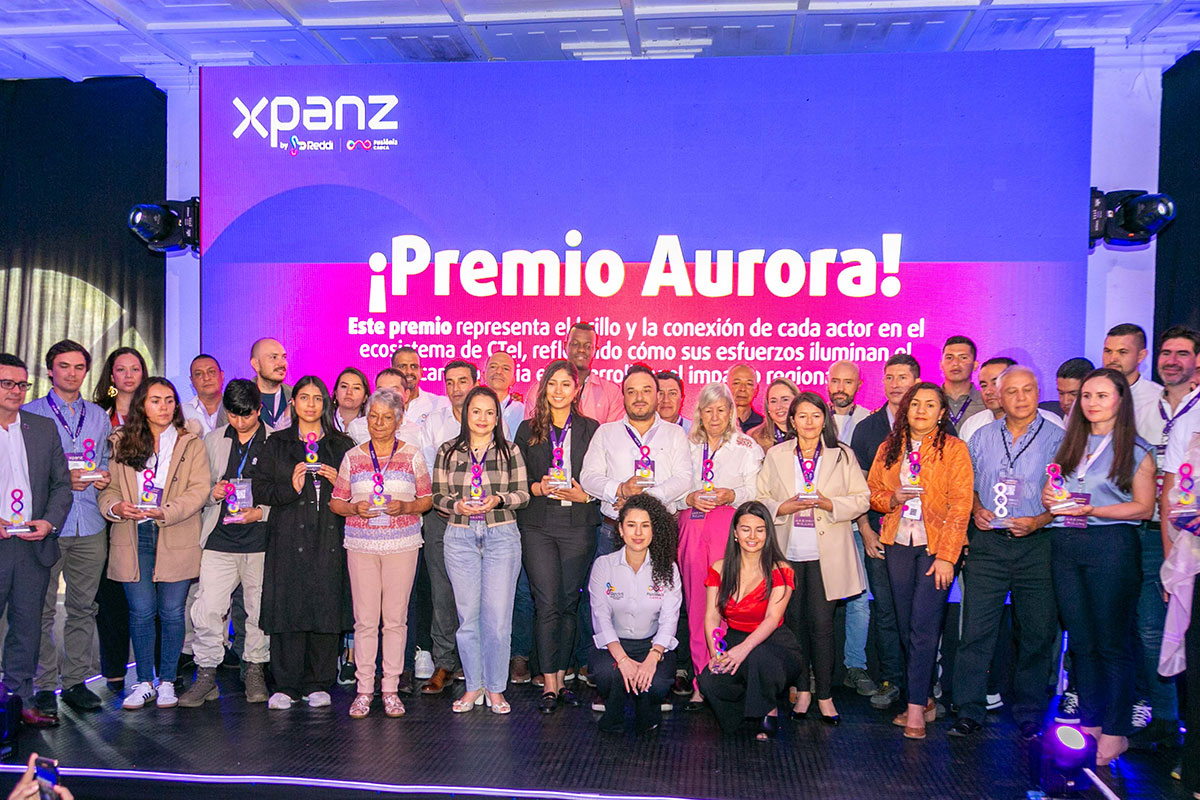
El evento contó con la participación de más de 101 asistentes en la Universidad Javeriana Cali.
Fue el primer acercamiento entre IES aliadas y MiPyMEs beneficiarias.
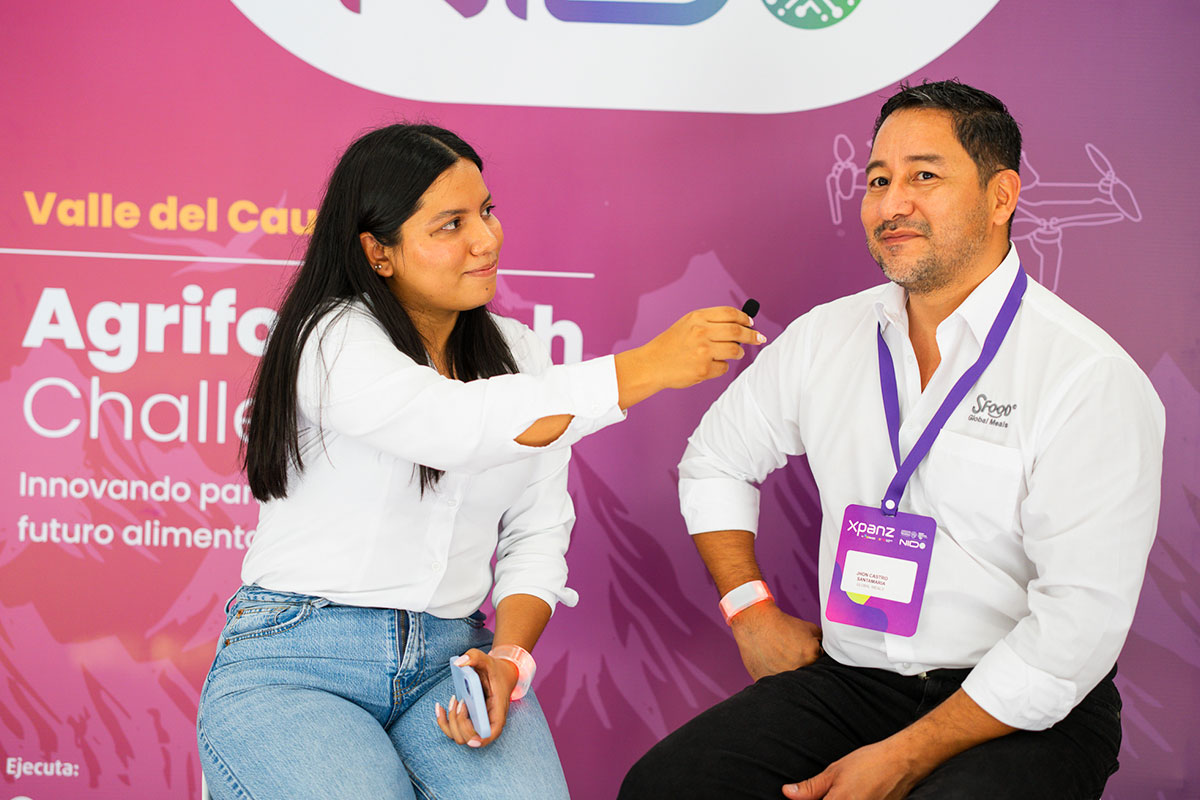
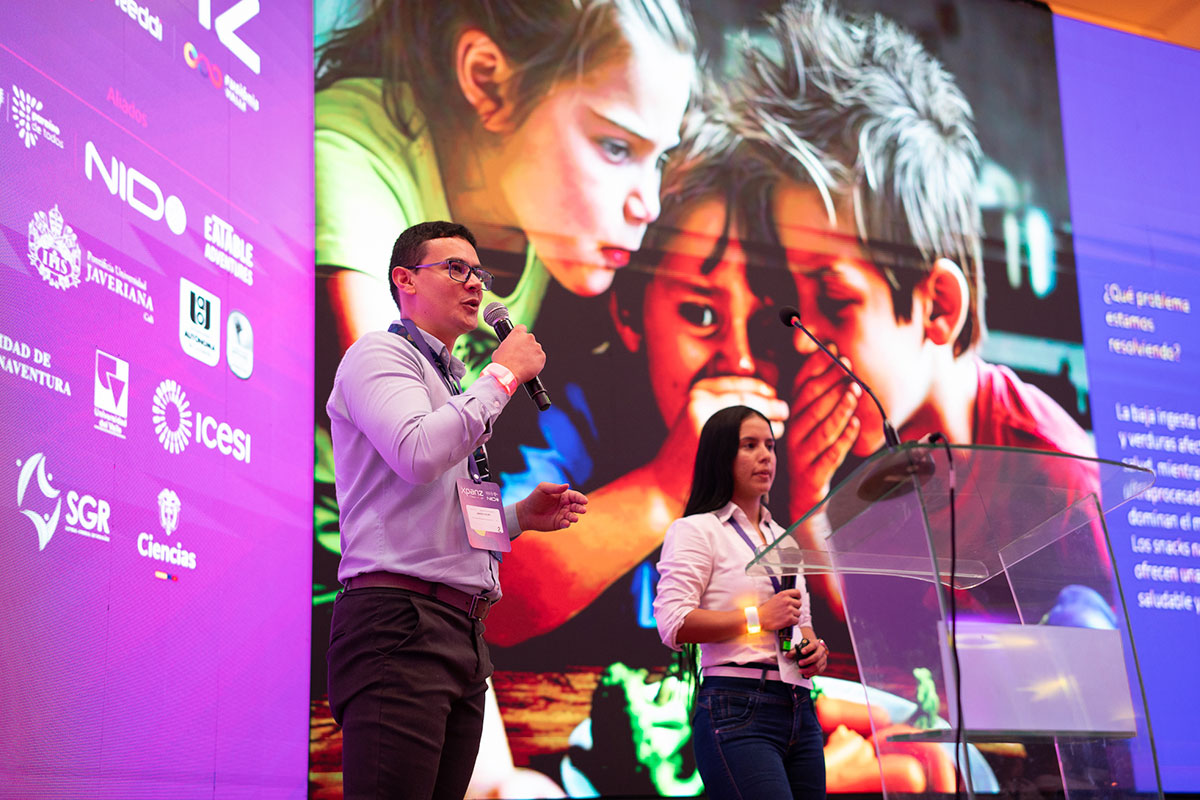
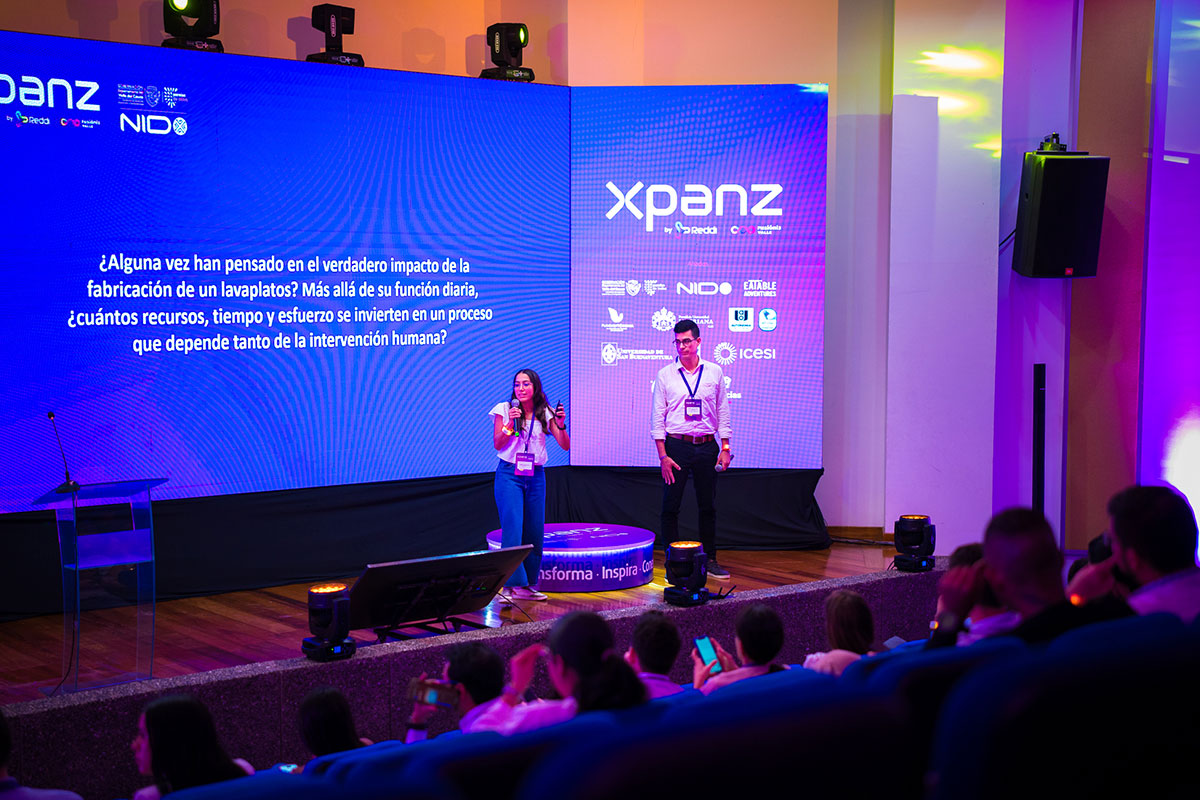
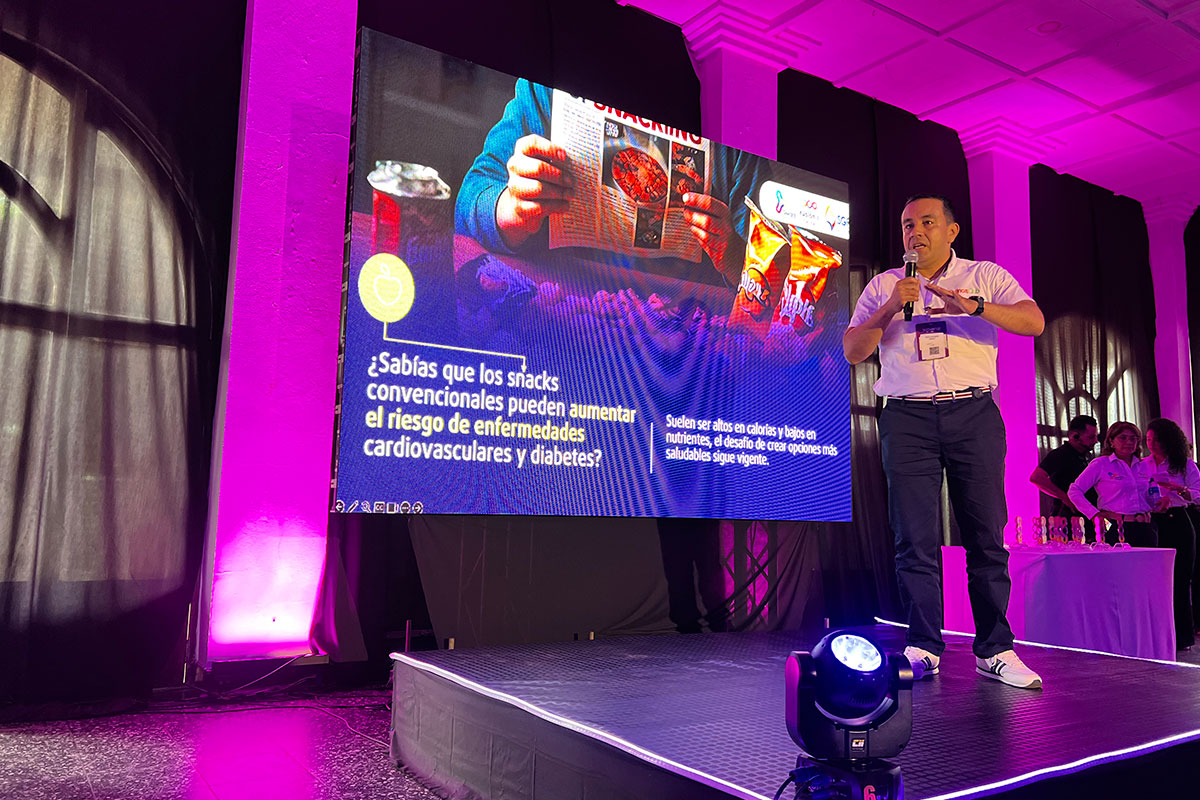
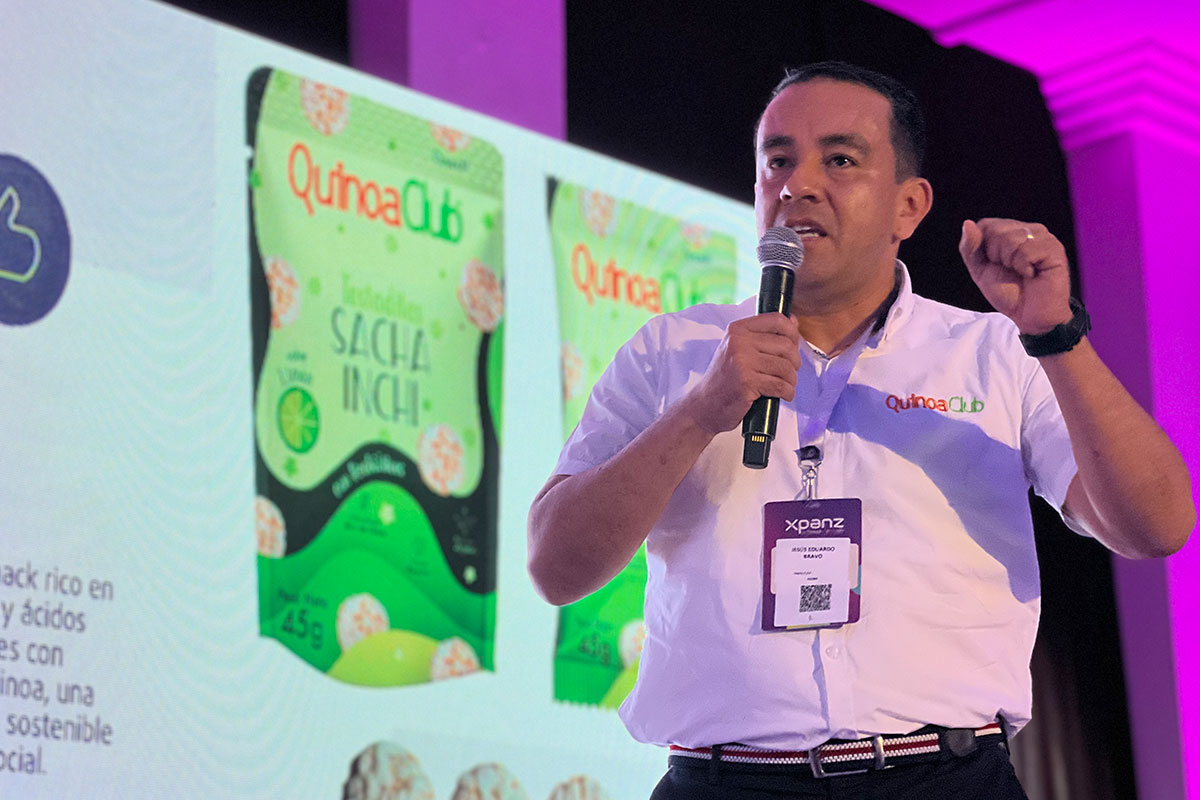
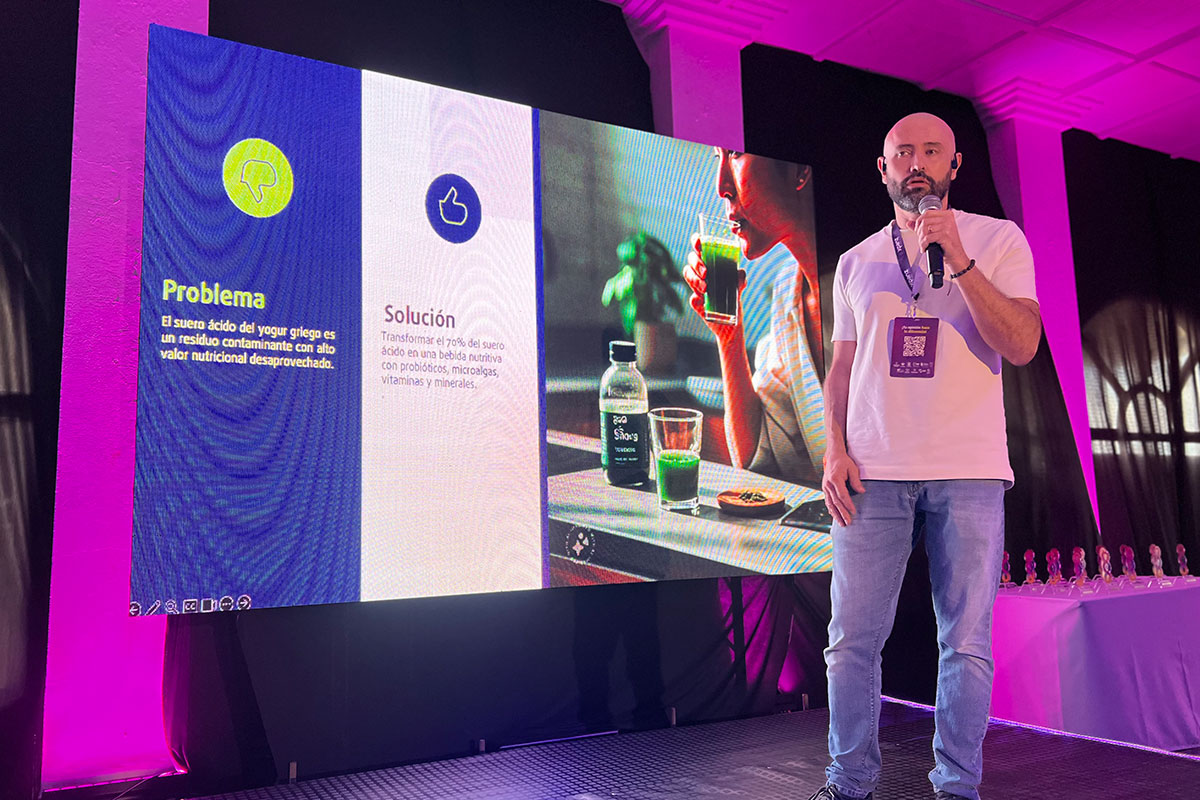
17 de estas MiPyMEs presentaron su Pitch, 11 tecnologías de las IES aliadas fueron presentadas en el Experience Day, las cuales tuvieron 28 validaciones pre-comerciales.
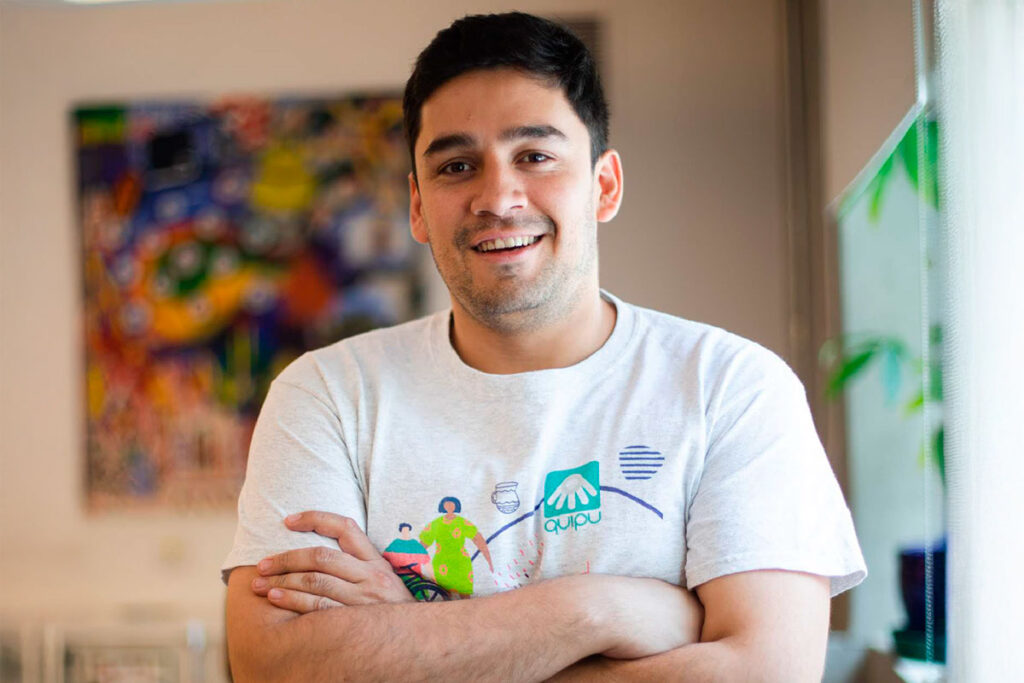
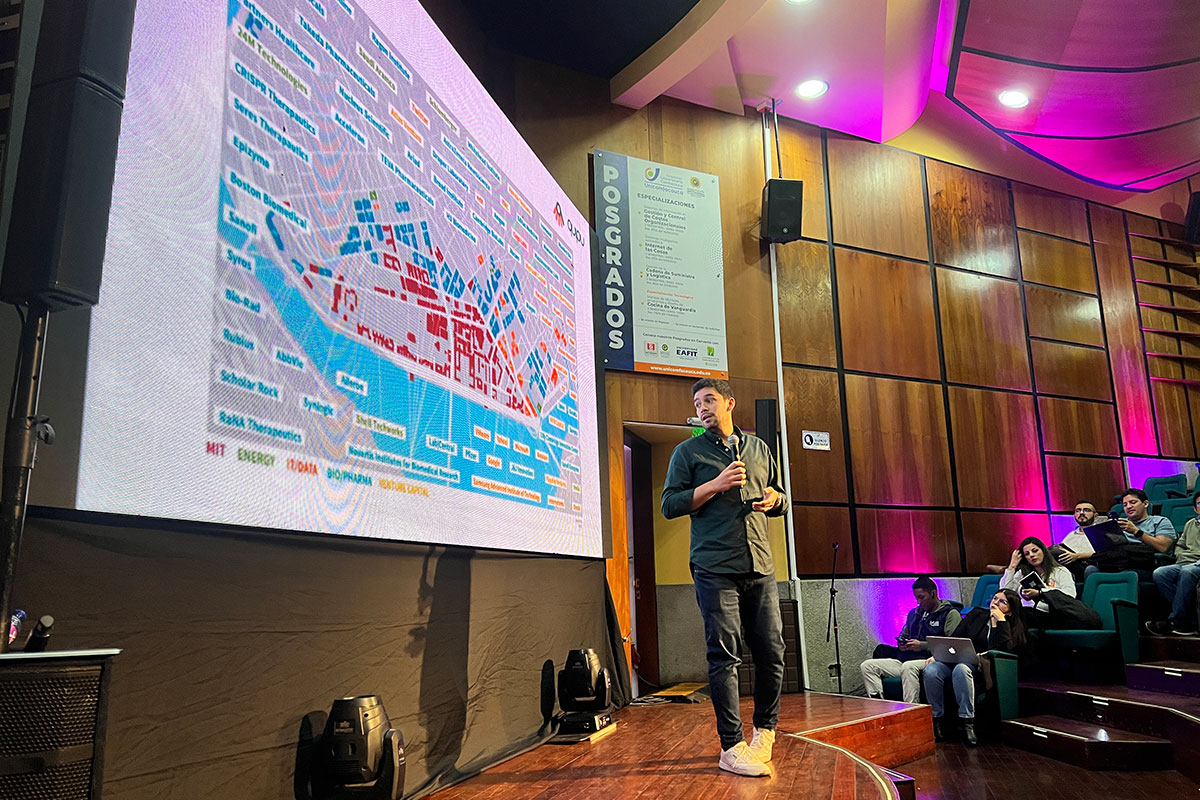
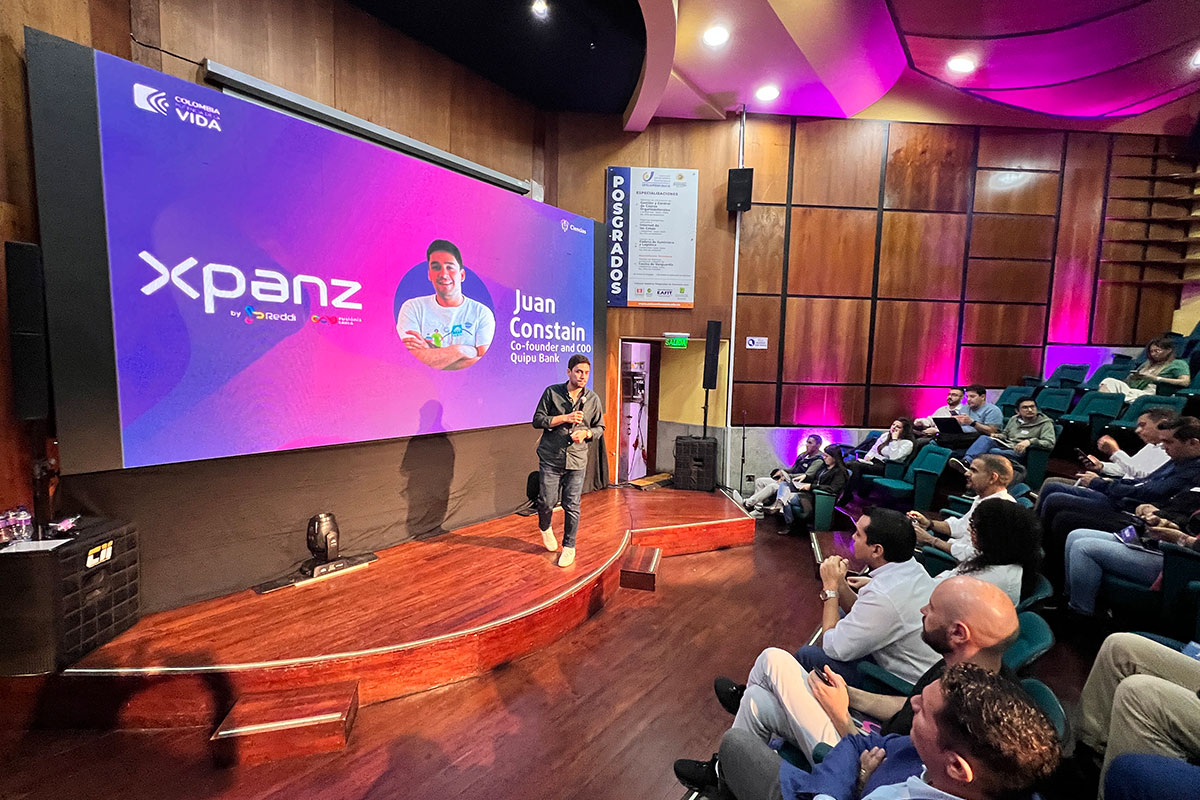
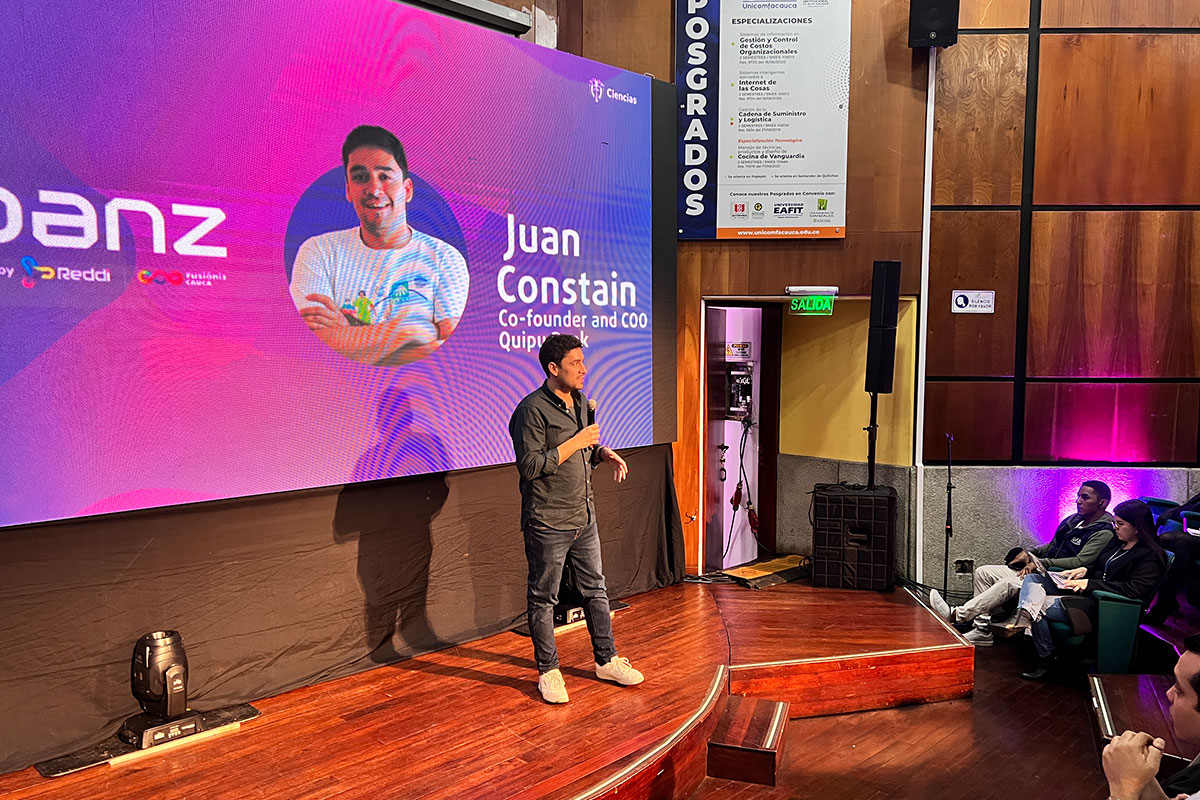
Conferencia: El camino de Quipu: de proyecto de investigación en MIT a fintech de inclusión financiera.
Cofundador y COO de Quipu Bank
Profesional en Gestión y Desarrollo Urbanos de la Universidad del Rosario, especialista en Derecho Urbano, y cuenta con una maestría en Planificación Urbana con énfasis en desarrollo económico del MIT. Como cofundador y COO de Quipu, una fintech de rápido crecimiento en Colombia, fue reconocido como Fellow del programa The Global Good Fund en 2023. Quipu ha recibido importantes reconocimientos de entidades como el Banco Mundial, Google, MIT, Forbes y Fast Company, consolidándose como un referente en inclusión financiera e innovación empresarial.

Director comercial de NotCo Colombia
Responsable de establecer la estrategia de negocio de NotCo en Colombia, en los frentes de Food Service, Retail. Administrador de negocios y especialista en mercadeo, con más de 25 años de experiencia liderando áreas de innovación en la industria de consumo masivo en Latinoamérica.

Conferencia: Efectos positivos de red.
CEO de Mentex y experta en innovación, reconocida entre los Top 100 gerentes de Colombia. Descubre cómo maximizar los efectos positivos de red y el impacto de la Alianza DeepTech en el fortalecimiento y escalamiento de startups en la región.