8-04-2026
At Reddi, we are proud to have top talent! Ángela Castro, Master in Industrial Engineering with a specialization in technology and knowledge management and transfer, has published an article in Heliyon, one of the world’s highest-impact journals (Q1). This article examines the importance of collaboration between universities and industry as a key factor in the creation of university spin-offs. A remarkable achievement that reflects the commitment and excellence of our professionals at Reddi!
This study has revealed that collaboration between universities and industries is key to unleashing a wave of innovation and business growth. Researchers analyzed data from 108 universities and found compelling evidence that these partnerships play a crucial role in the creation of technology companies, known as spin-offs, within the university setting.
This transfer of knowledge for the development of the industry is of great importance thanks to its enormous potential to significantly impact the country’s economic development.


Using statistical methods, researchers empirically examine the impact of university-business collaborations on spin-off creation from two perspectives: the number of university collaborations with different companies and the number of previous collaborations between the same university-business dyad; supporting the hypothesis that greater university interaction with different industries, especially previous collaborations, increases the probability of creating a spin-off.
These collaborations not only benefit companies by providing access to knowledge and talent, but also play a vital role in the continued growth of spin-offs in the post-launch stages. The study’s findings highlight the importance of bridging the gap between academic research and practical applications, paving the way for the development of groundbreaking new products and technologies.
The knowledge developed by our project manager has a positive impact on the knowledge transfer scenario, as it closes a bibliographic gap in research that considers the different impacts derived from the interaction between universities and the different productive actors present in society.
These results suggest that universities and companies should take these findings into account when formulating their strategies or policies for technology transfer and innovation management, fostering university-industry collaboration.
At Reddi Colombia, we are proud to have a professional with a critical and profound vision of the innovation ecosystem. For us, it is important to highlight the capabilities of our team, because thanks to them we can commit to the technological transformation and innovation of our country.

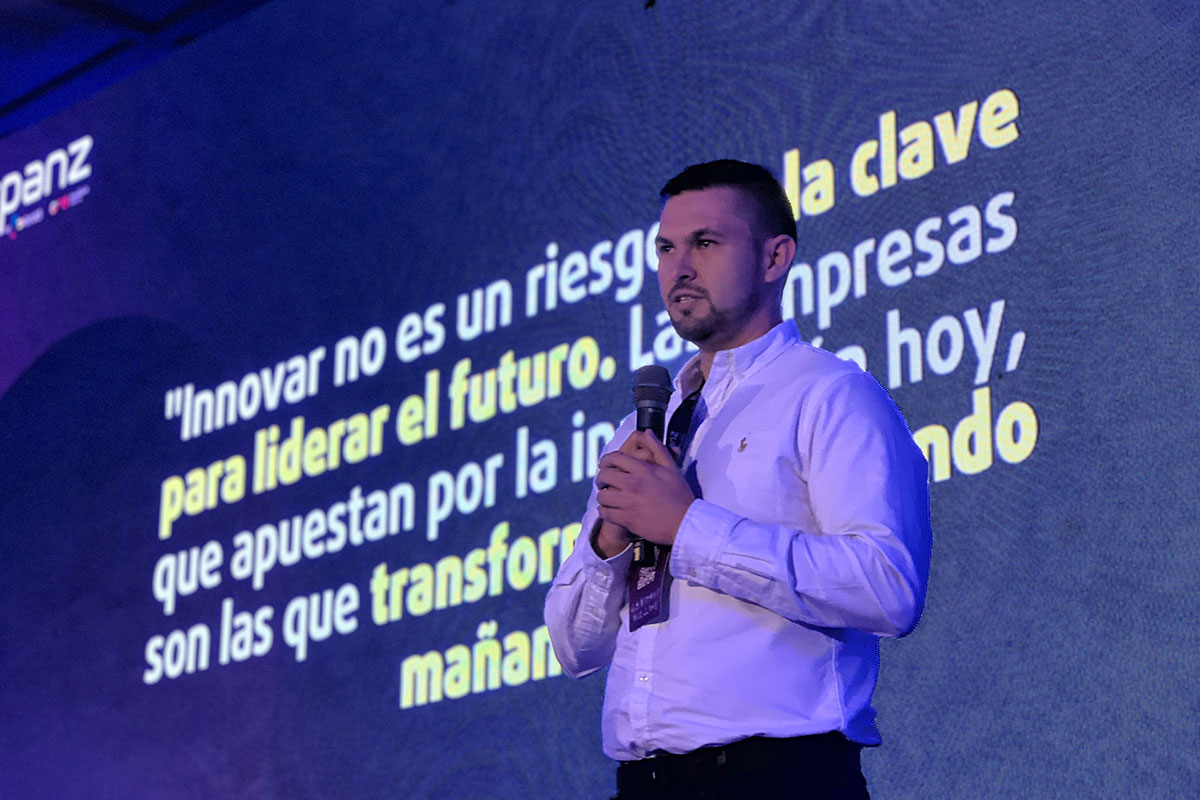
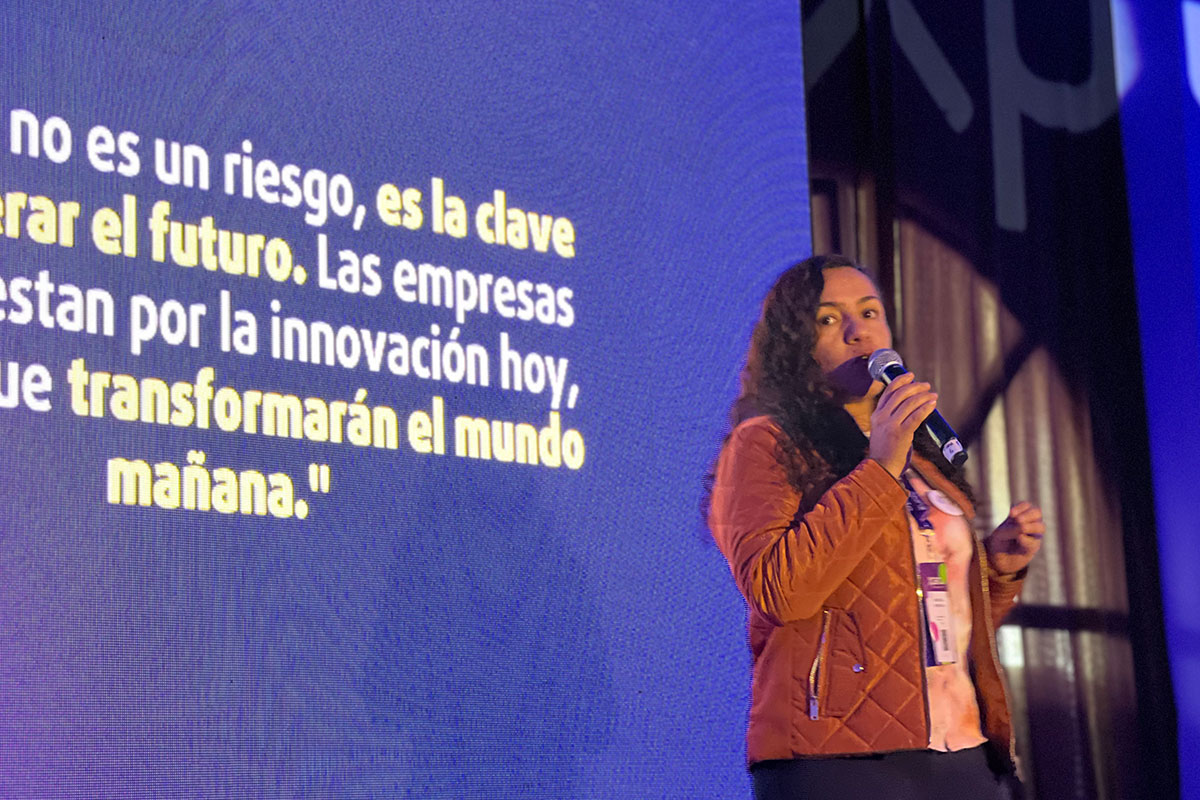
Conferencia “Innovación con impacto empresarial”
Presidente gremial, mentor y emprendedor serial
EdTech HUB LATAM + 90 Edtechs
Asociación de emprendedores +500 marcas de consumo
Ha logrado:
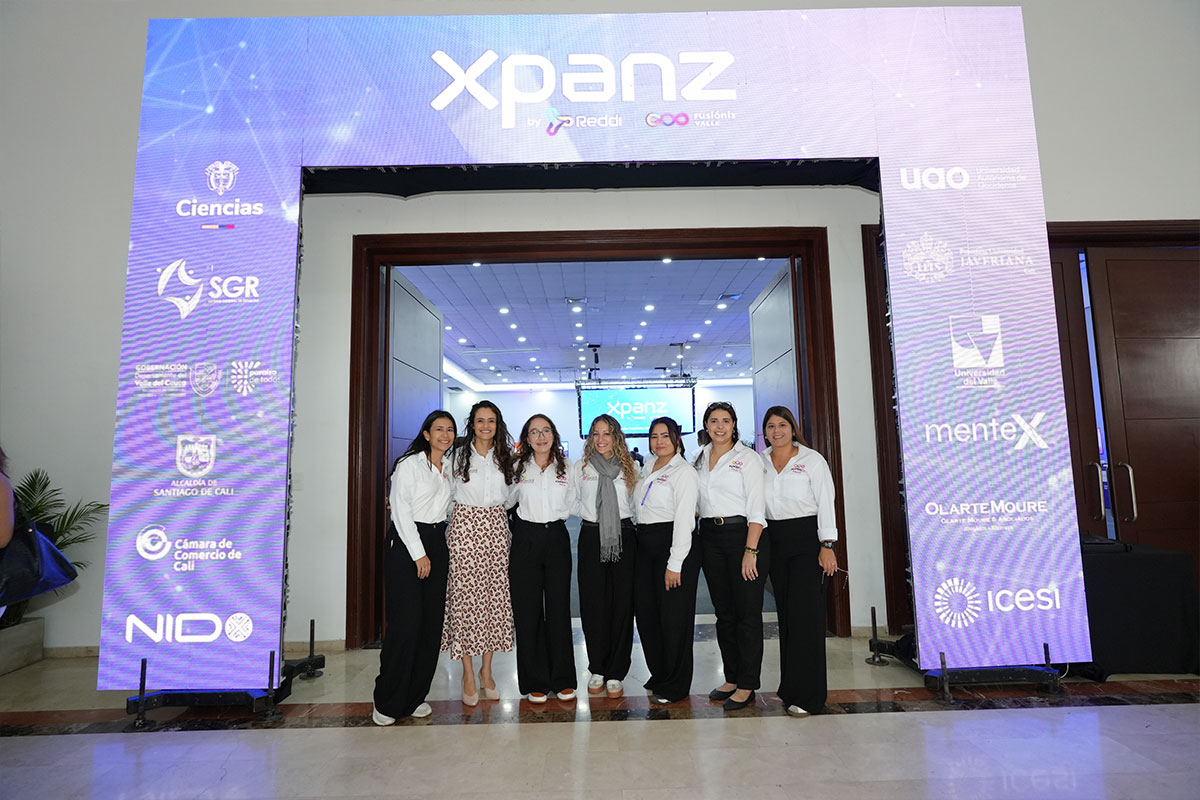
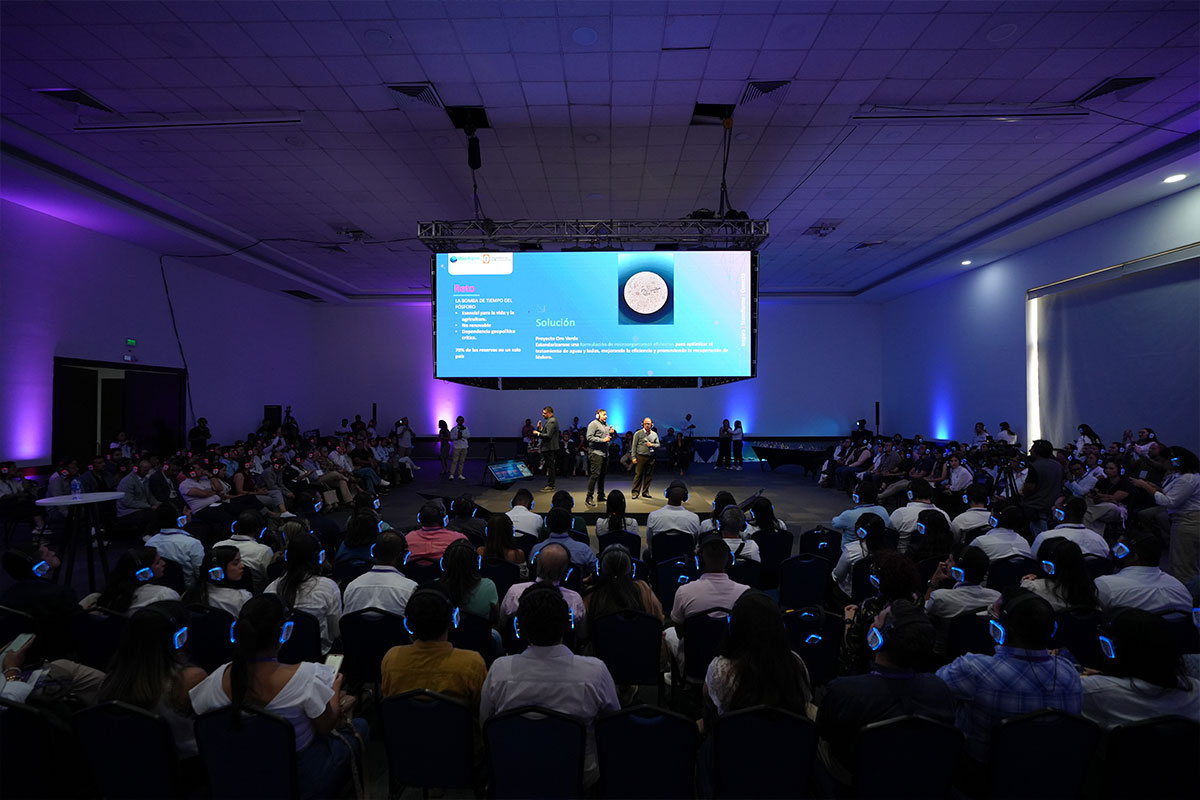
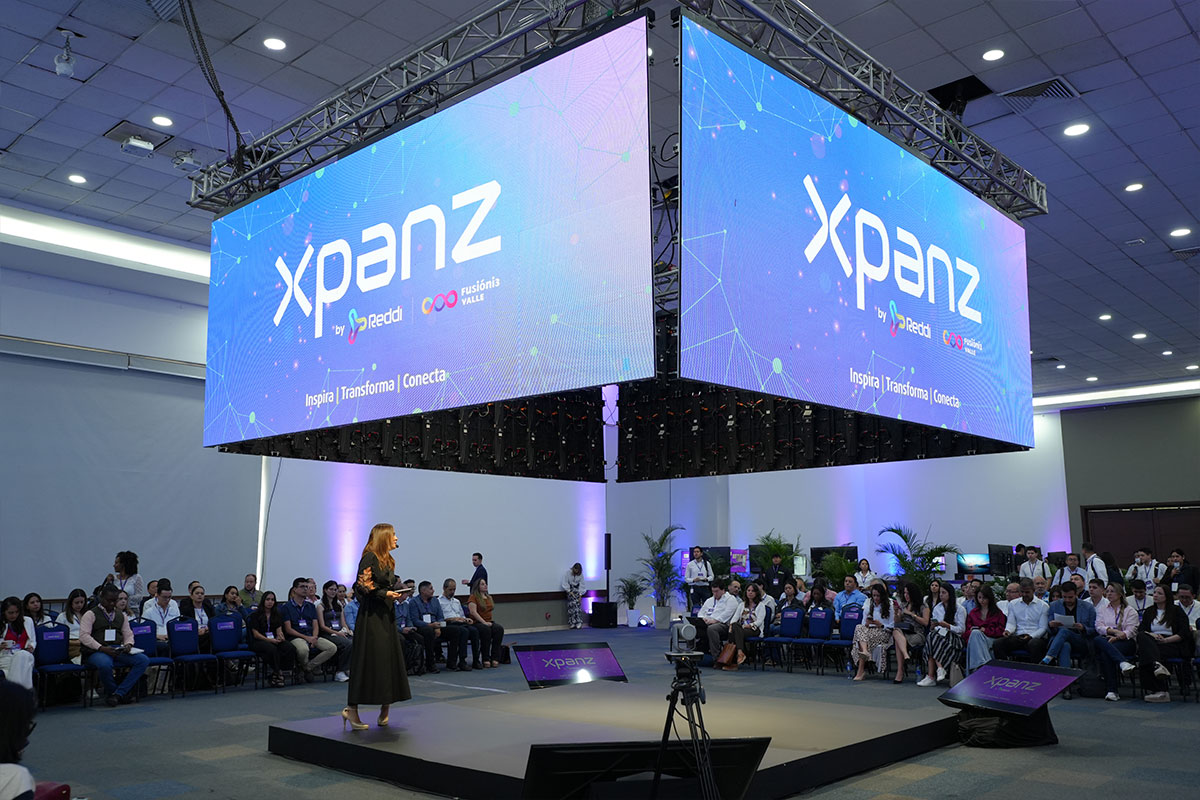
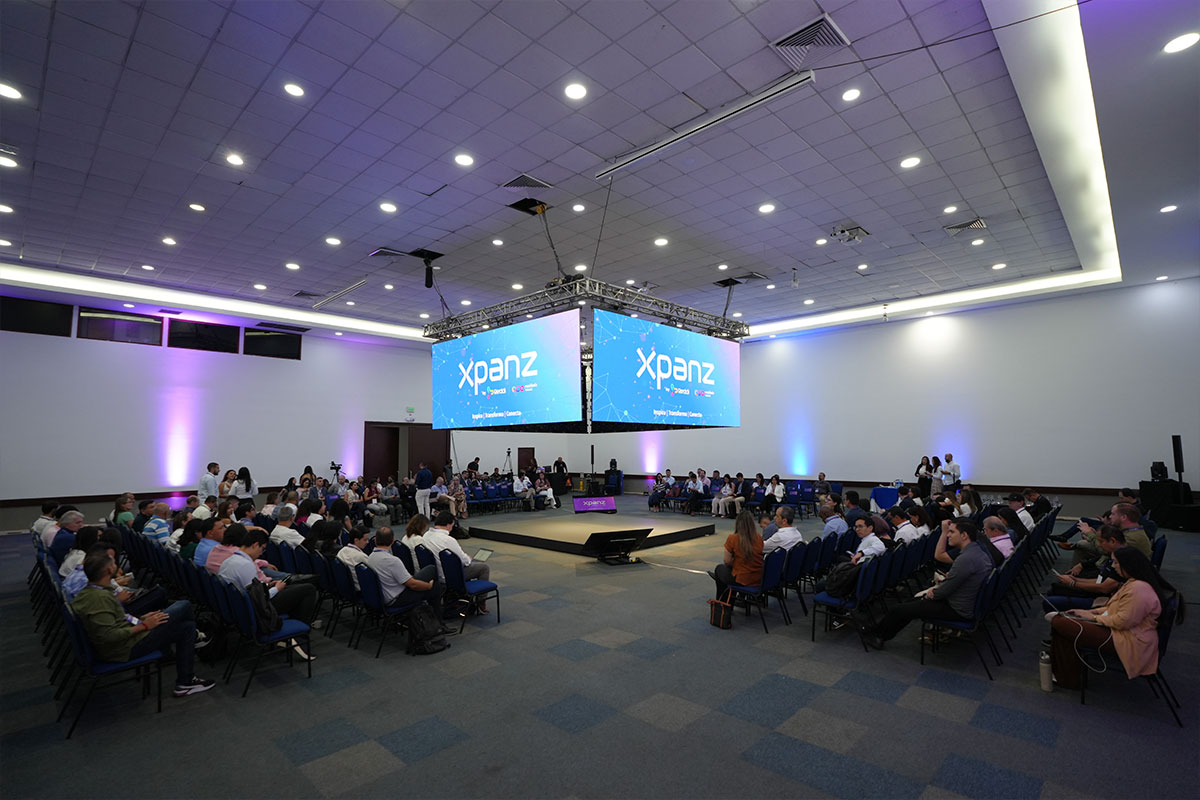
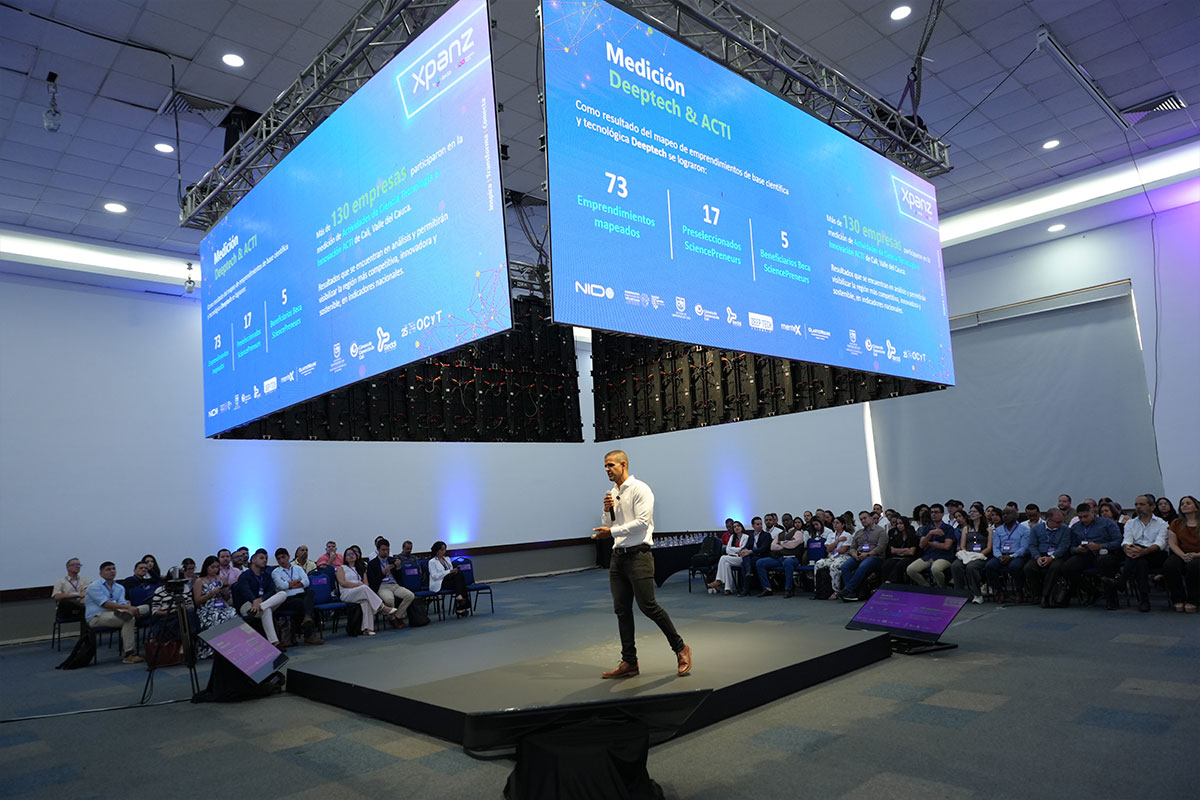
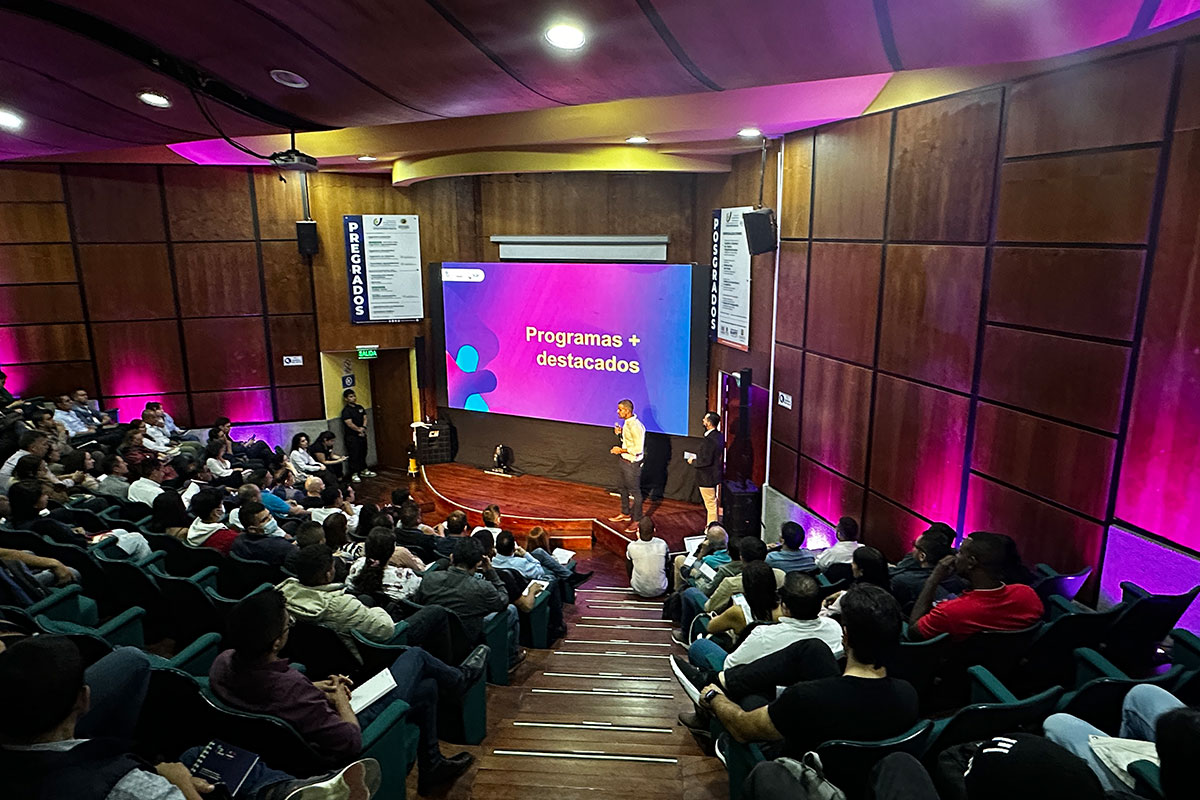
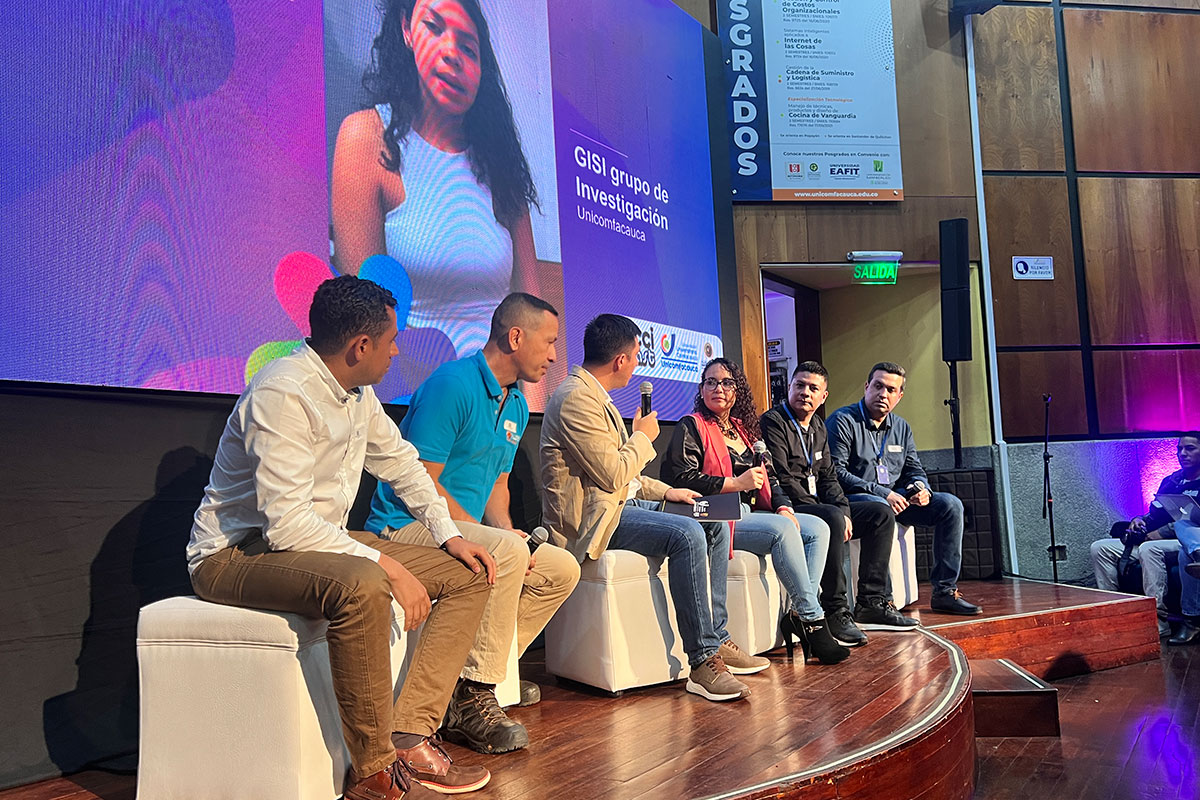
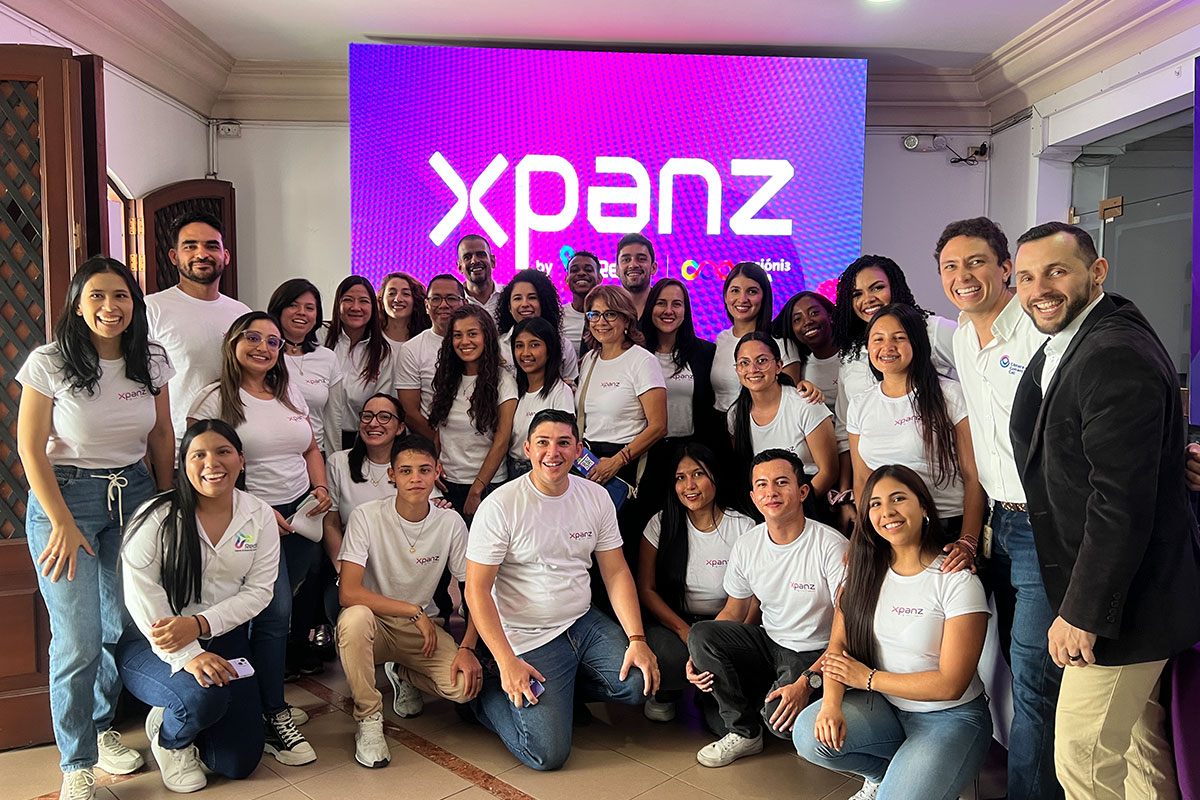
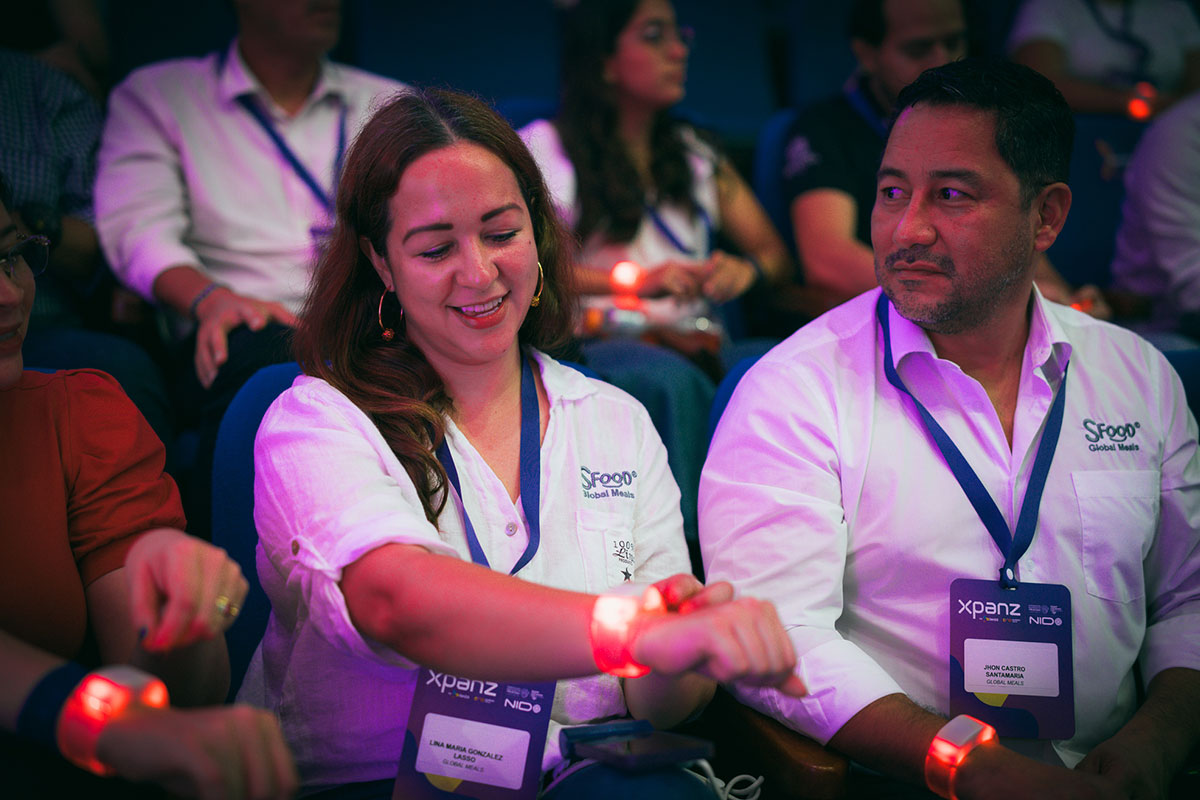
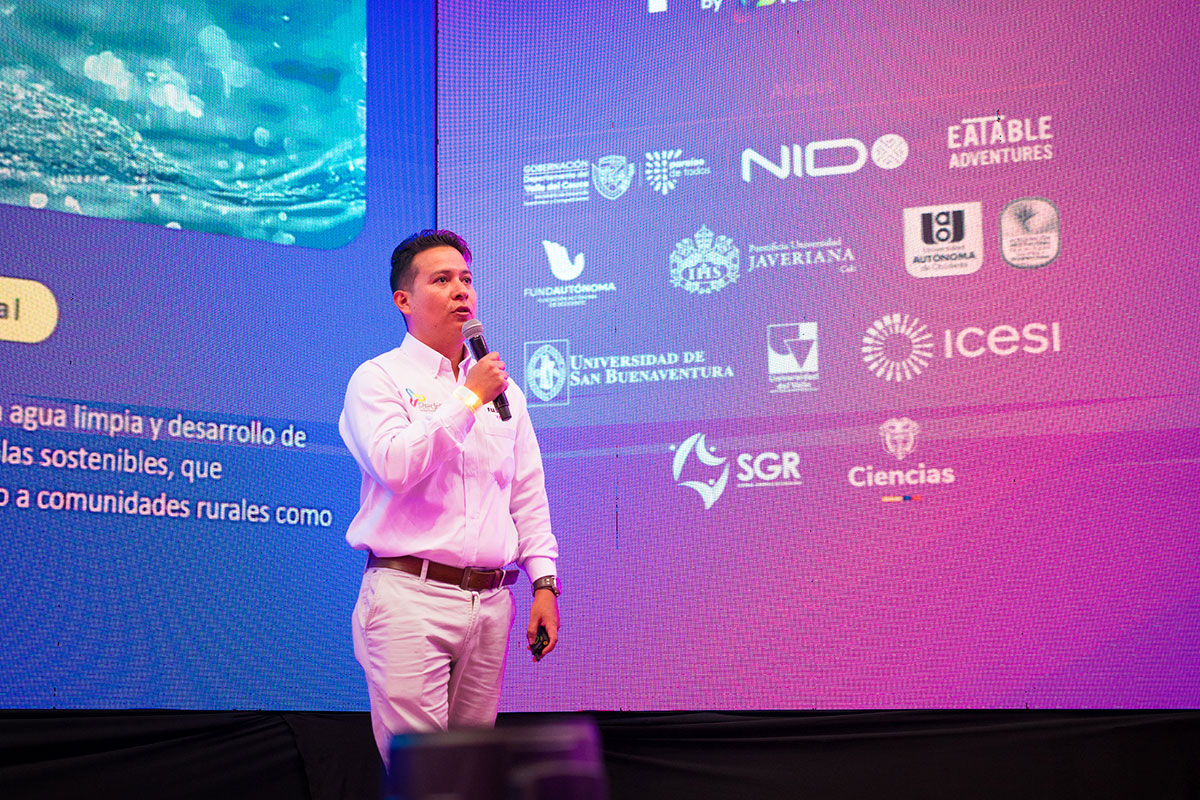
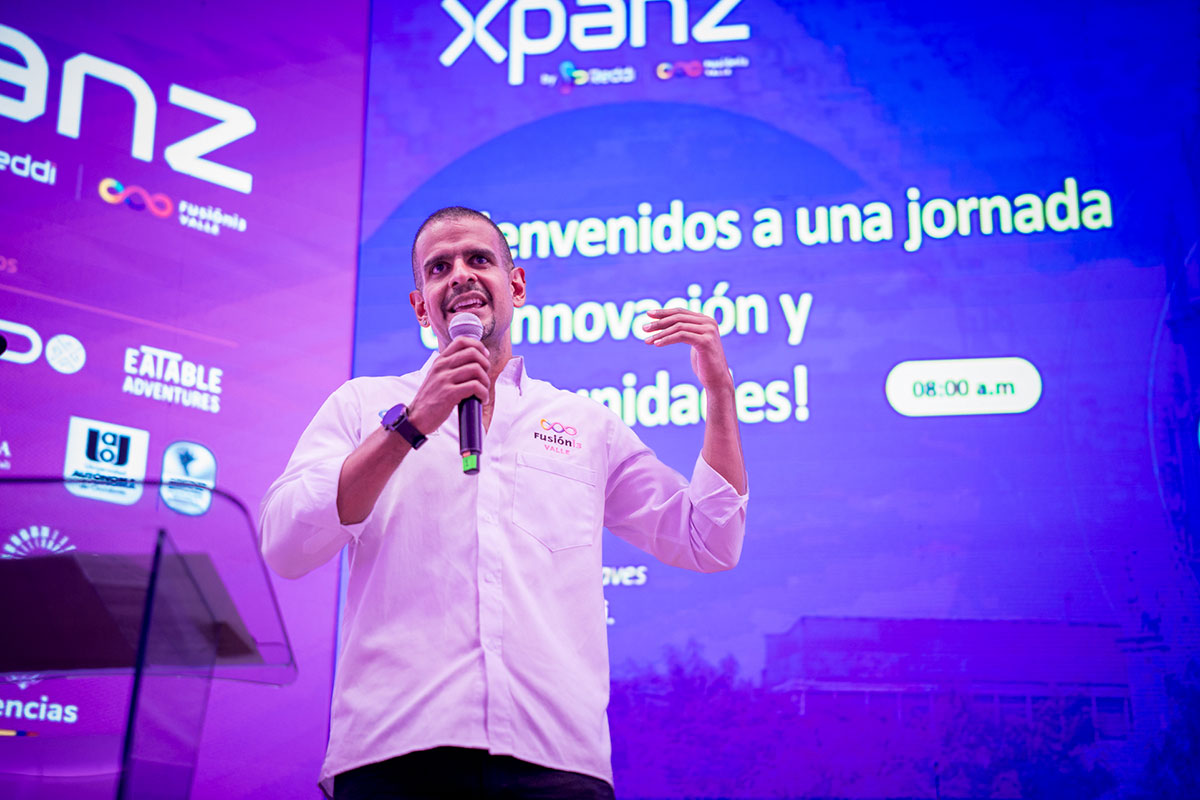
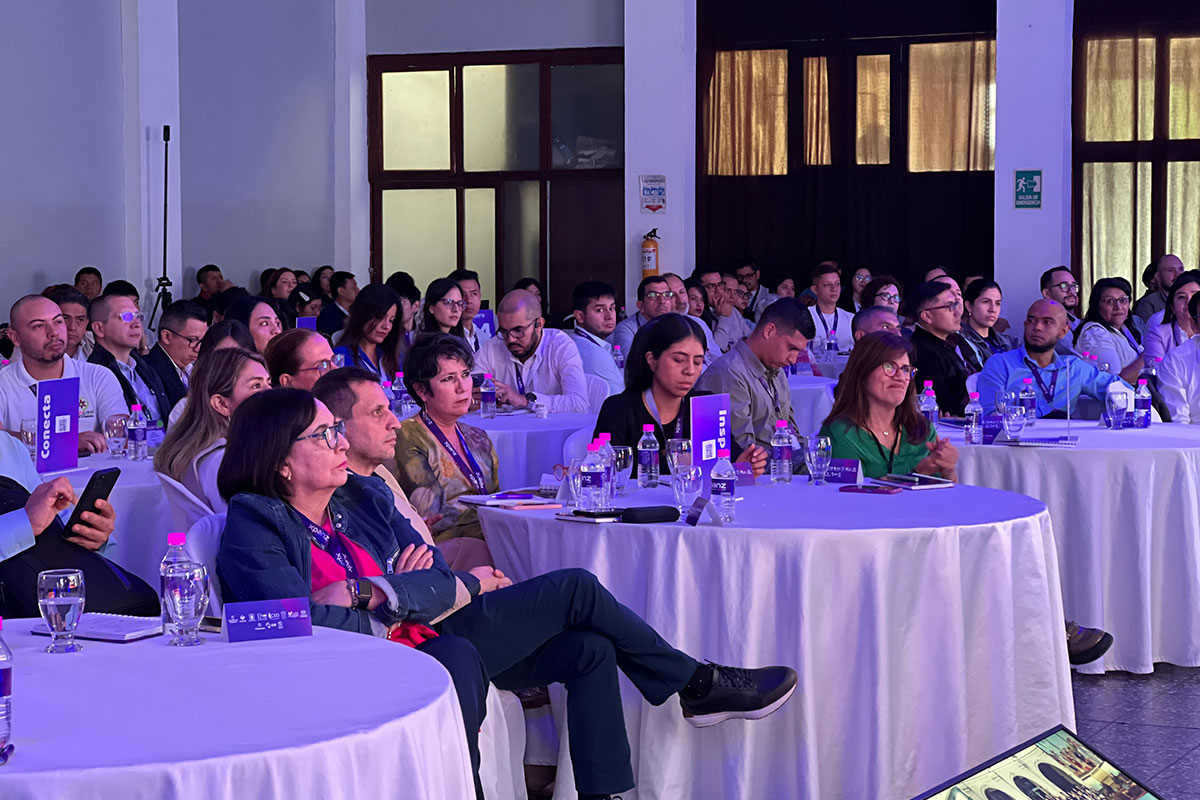
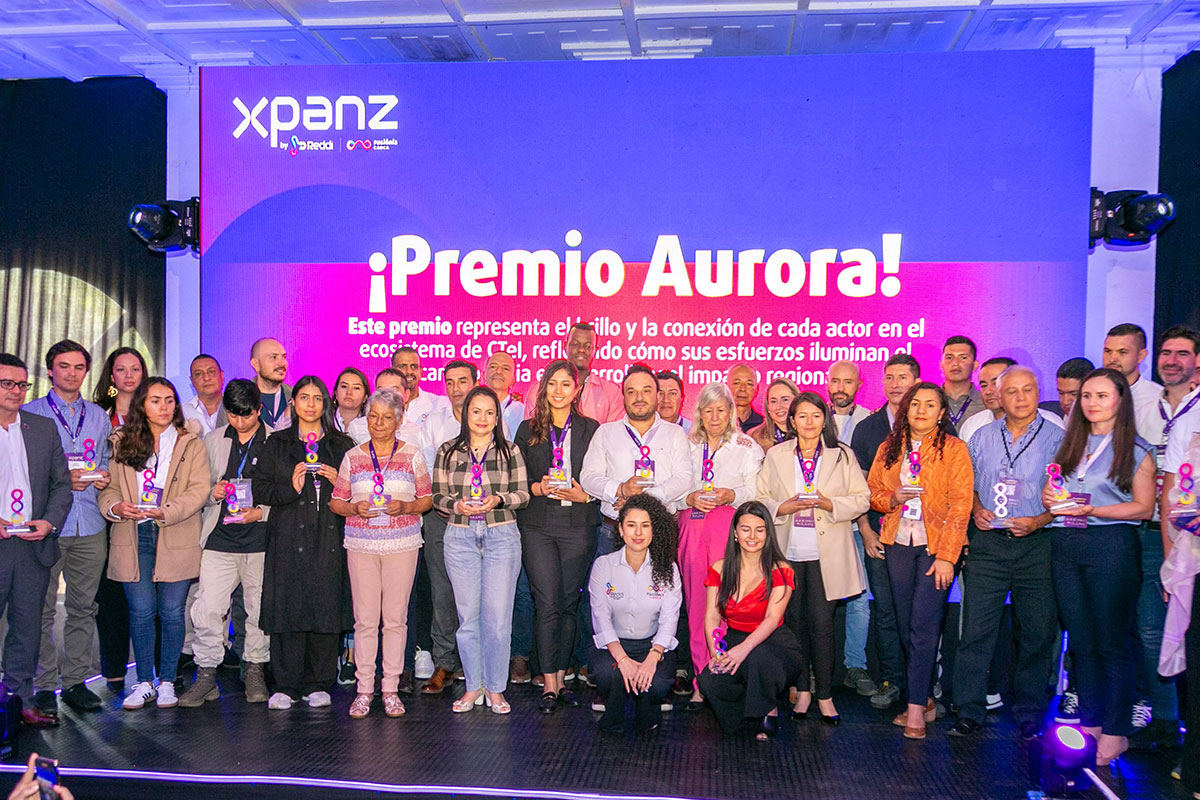
El evento contó con la participación de más de 101 asistentes en la Universidad Javeriana Cali.
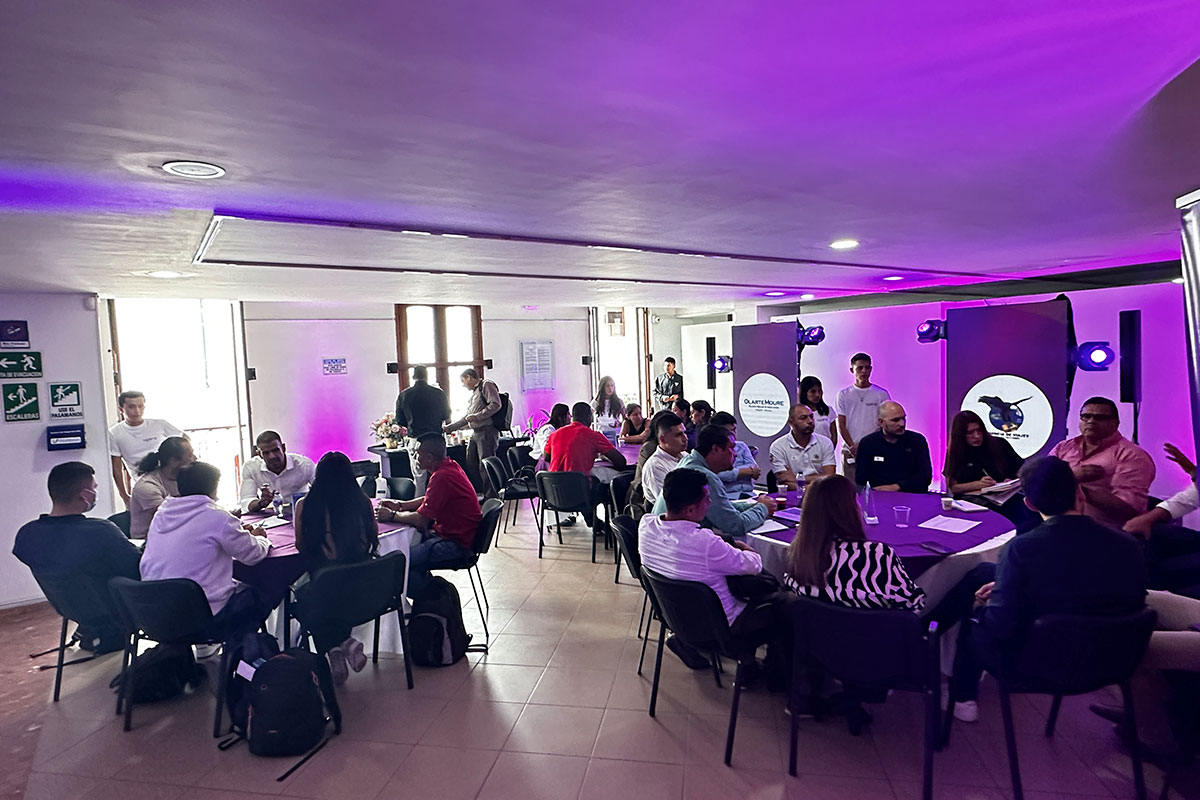
Fue el primer acercamiento entre IES aliadas y MiPyMEs beneficiarias.
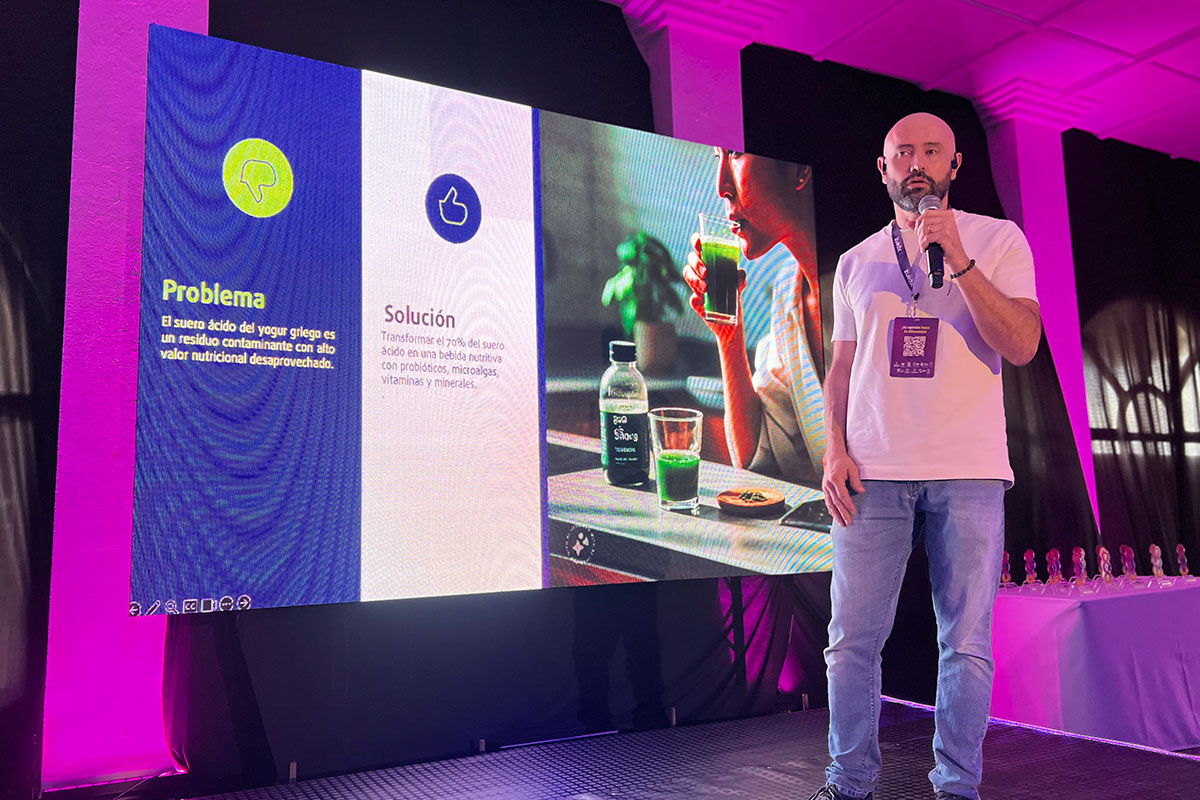
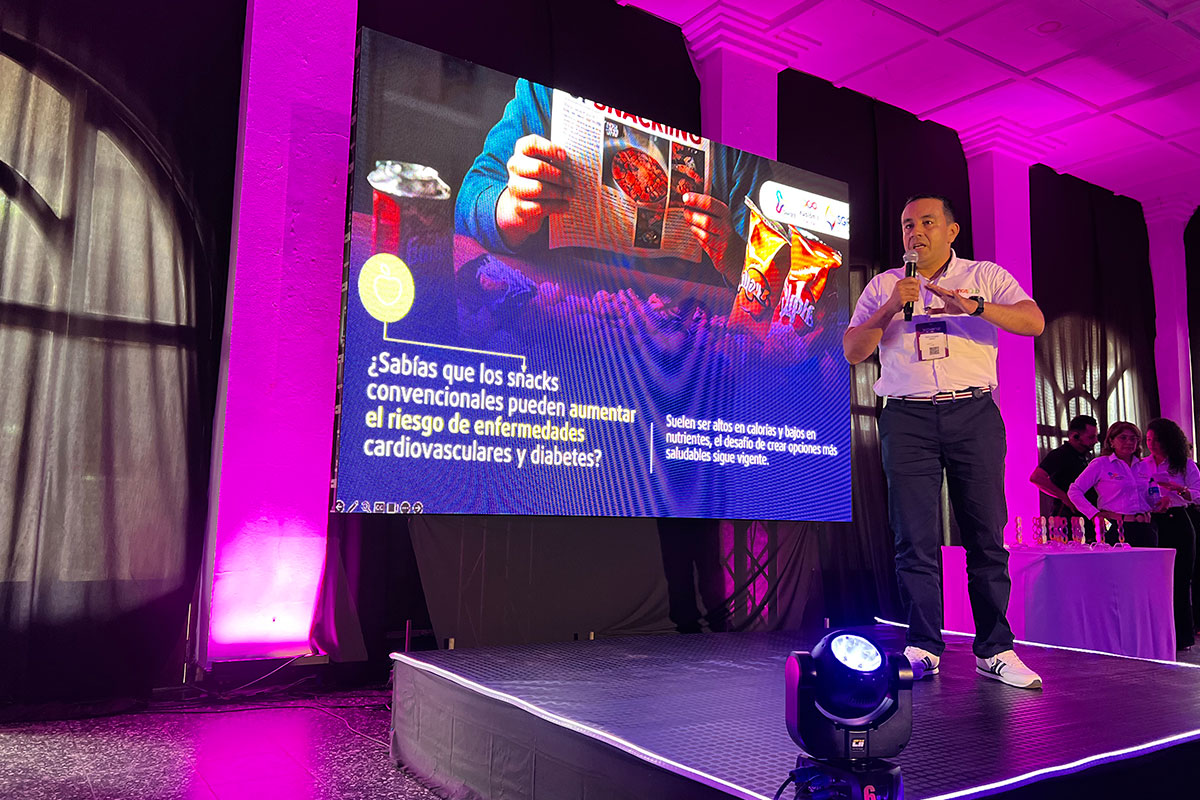
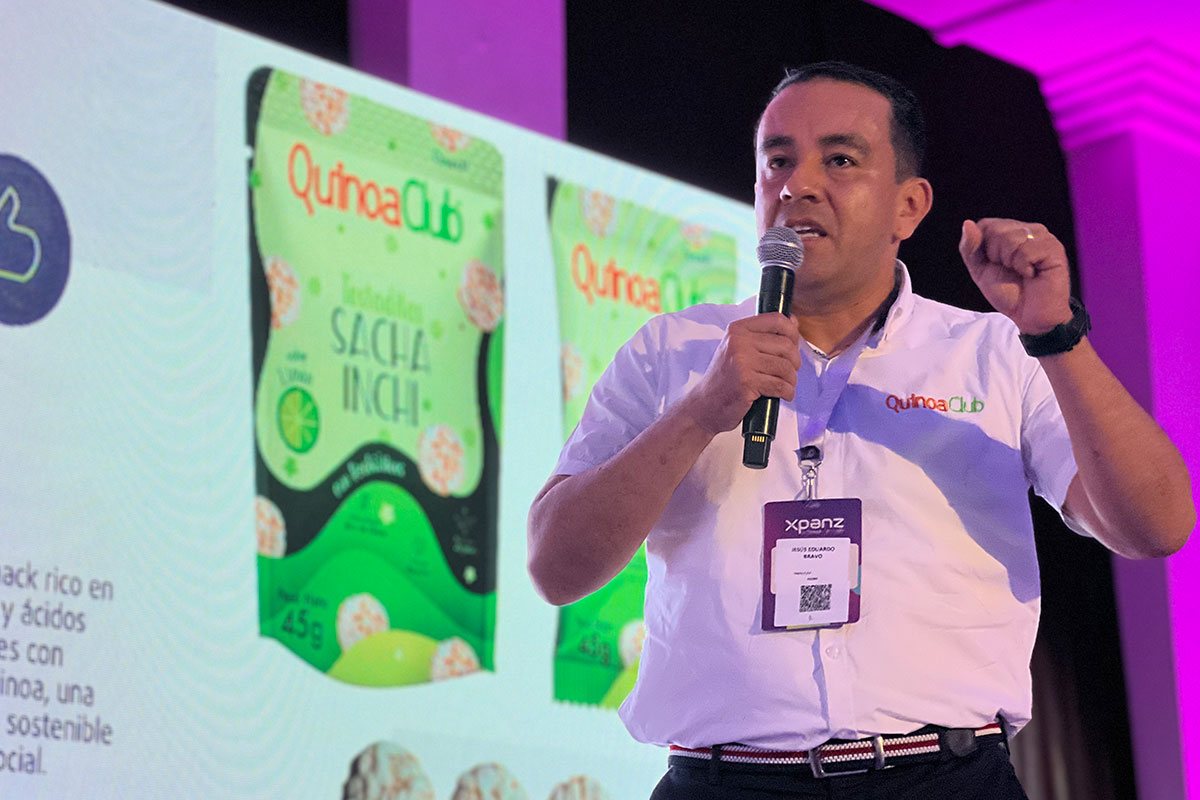
17 de estas MiPyMEs presentaron su Pitch, 11 tecnologías de las IES aliadas fueron presentadas en el Experience Day, las cuales tuvieron 28 validaciones pre-comerciales.
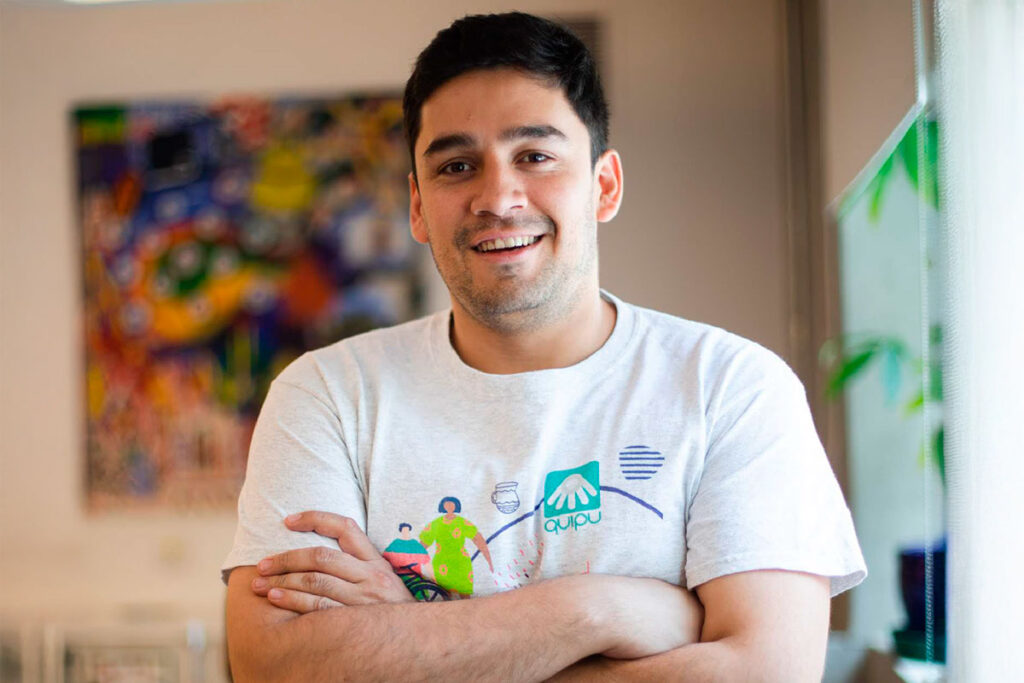
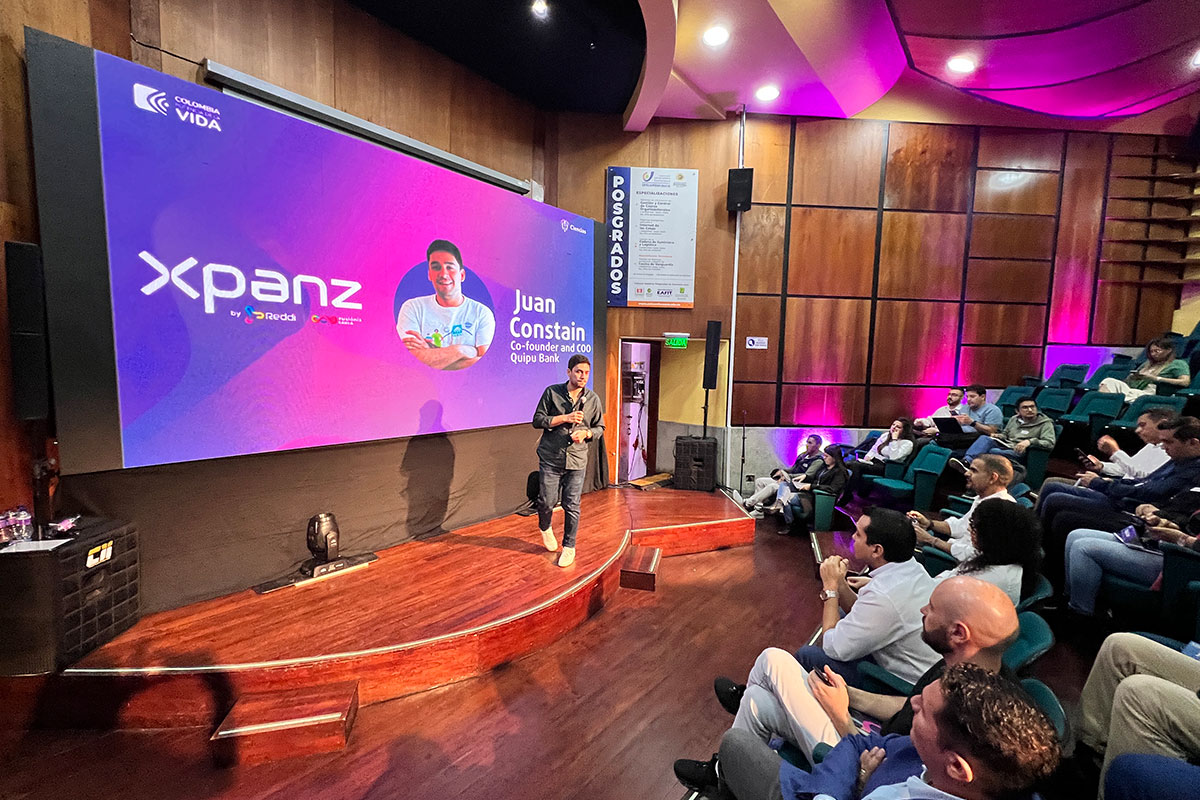
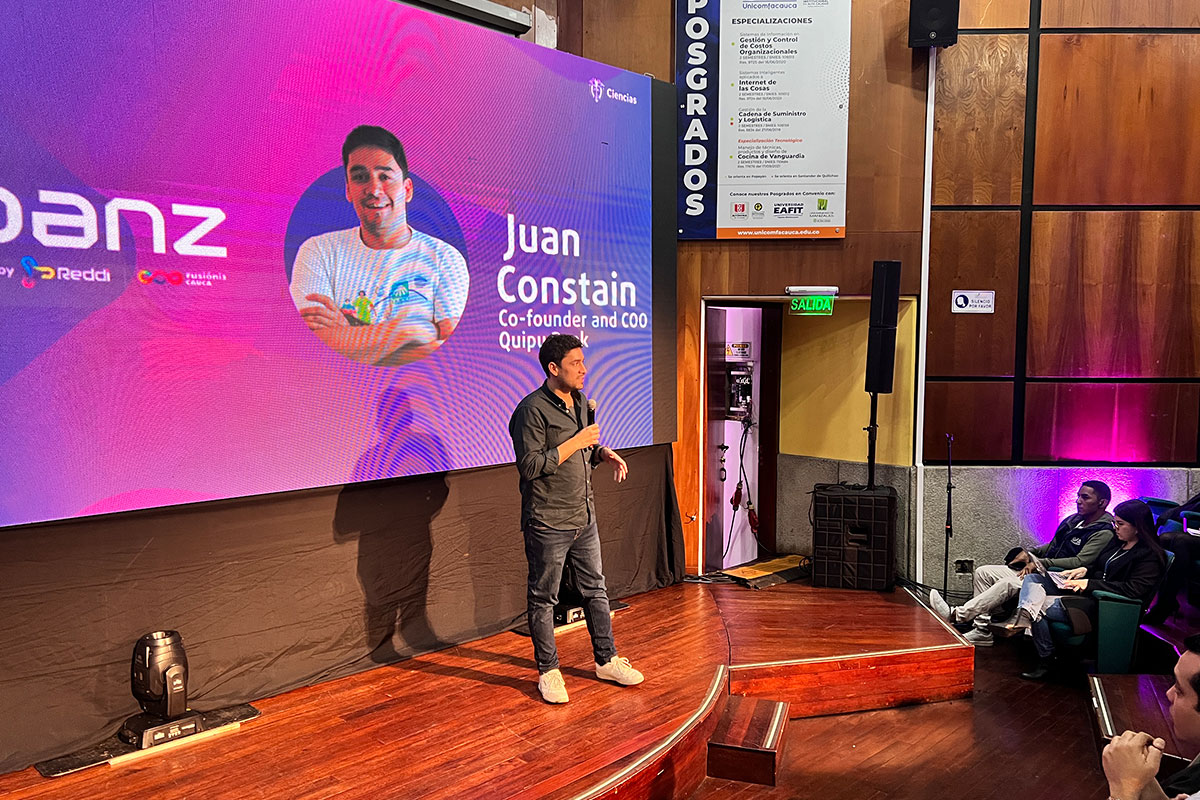
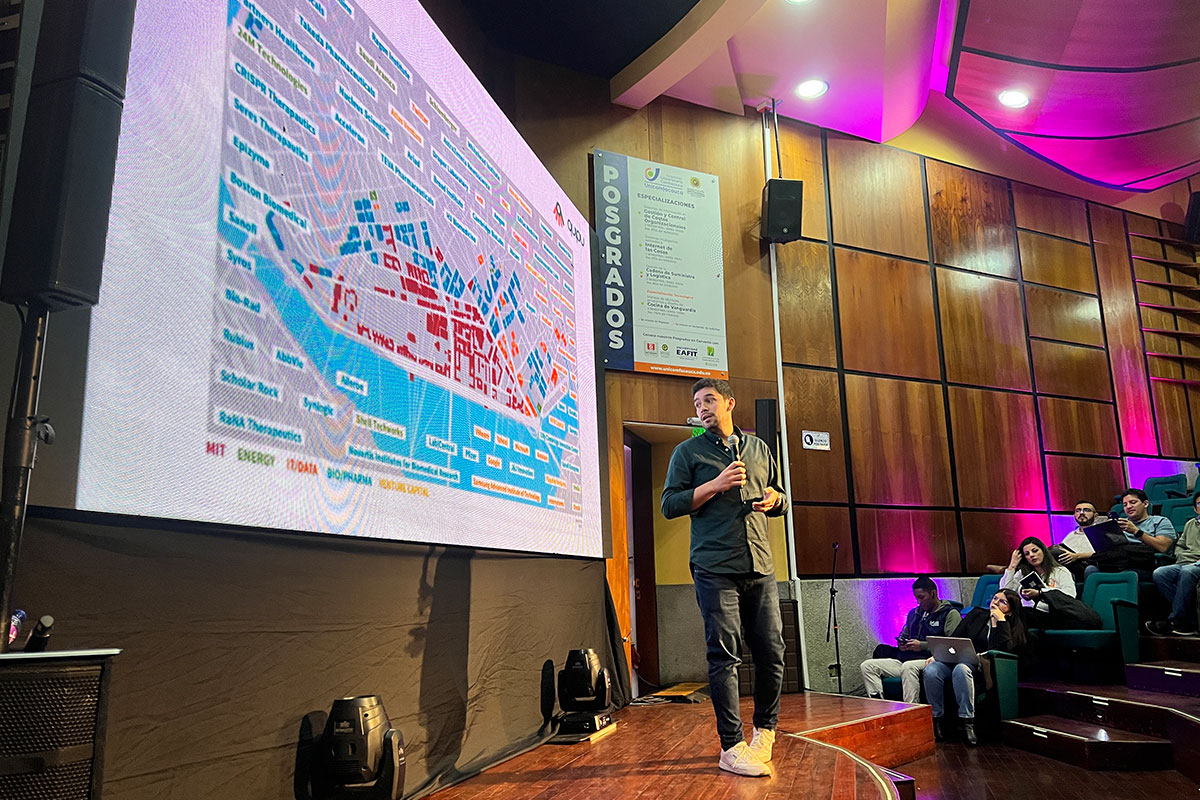
Conferencia: El camino de Quipu: de proyecto de investigación en MIT a fintech de inclusión financiera.
Cofundador y COO de Quipu Bank
Profesional en Gestión y Desarrollo Urbanos de la Universidad del Rosario, especialista en Derecho Urbano, y cuenta con una maestría en Planificación Urbana con énfasis en desarrollo económico del MIT. Como cofundador y COO de Quipu, una fintech de rápido crecimiento en Colombia, fue reconocido como Fellow del programa The Global Good Fund en 2023. Quipu ha recibido importantes reconocimientos de entidades como el Banco Mundial, Google, MIT, Forbes y Fast Company, consolidándose como un referente en inclusión financiera e innovación empresarial.
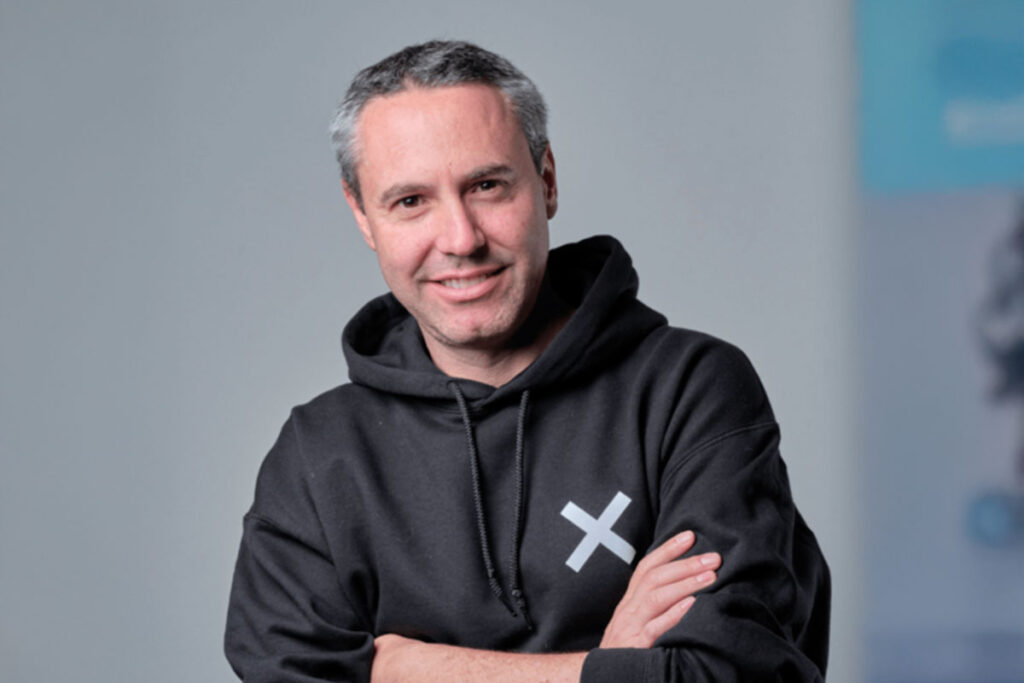
Director comercial de NotCo Colombia
Responsable de establecer la estrategia de negocio de NotCo en Colombia, en los frentes de Food Service, Retail. Administrador de negocios y especialista en mercadeo, con más de 25 años de experiencia liderando áreas de innovación en la industria de consumo masivo en Latinoamérica.

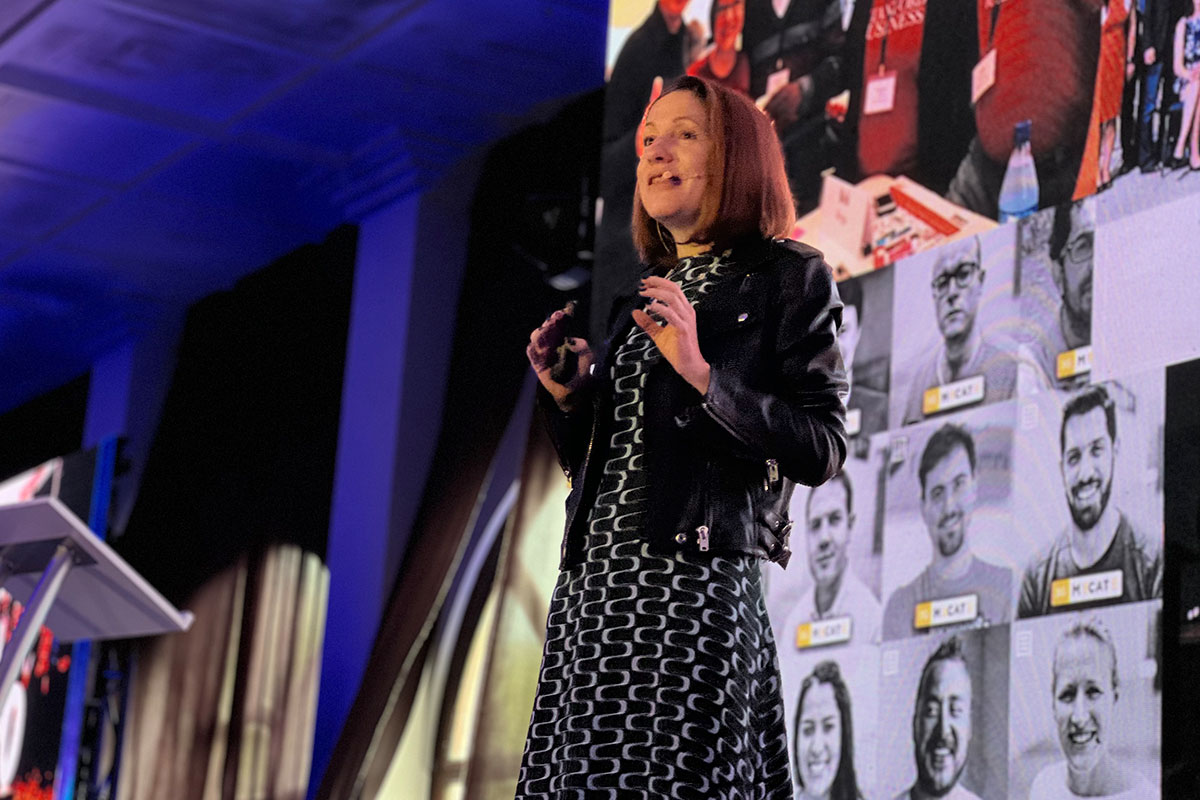
Conferencia: Efectos positivos de red.
CEO de Mentex y experta en innovación, reconocida entre los Top 100 gerentes de Colombia. Descubre cómo maximizar los efectos positivos de red y el impacto de la Alianza DeepTech en el fortalecimiento y escalamiento de startups en la región.