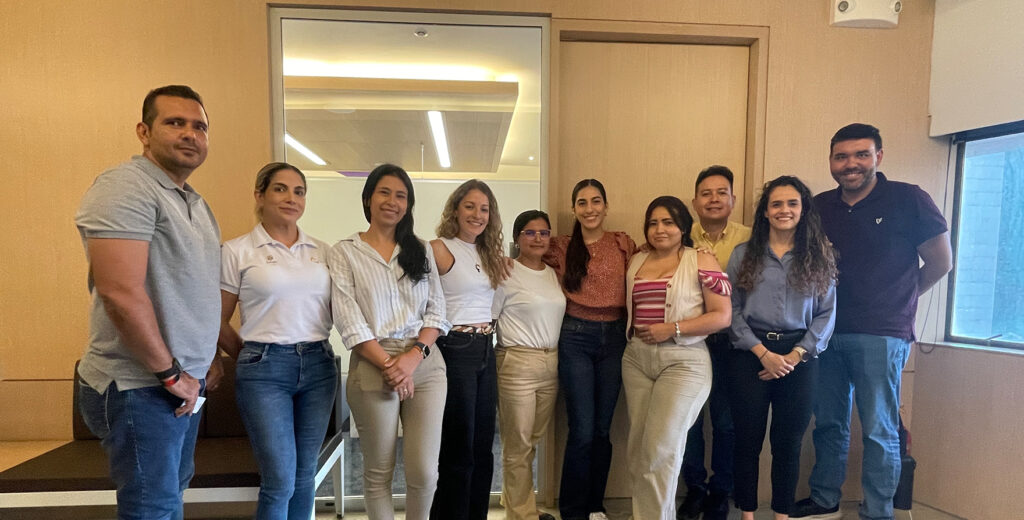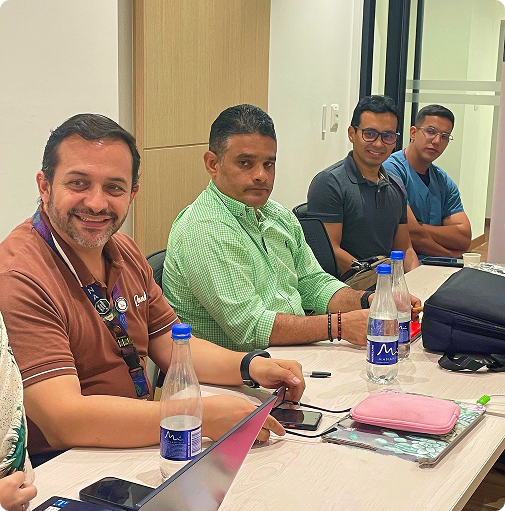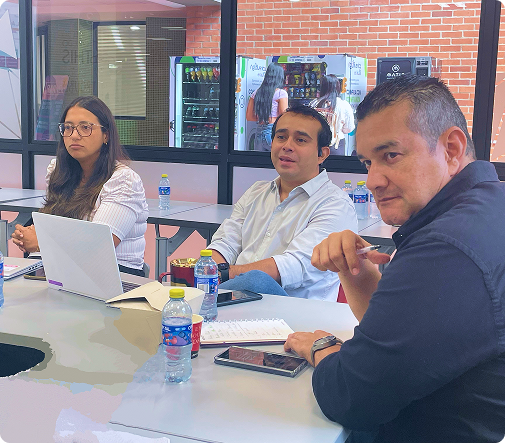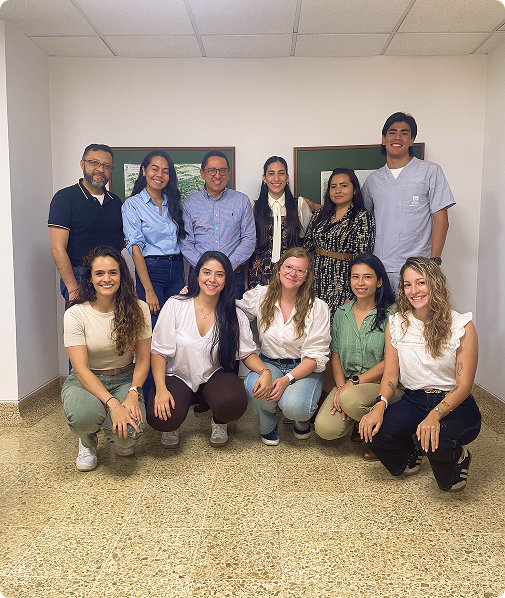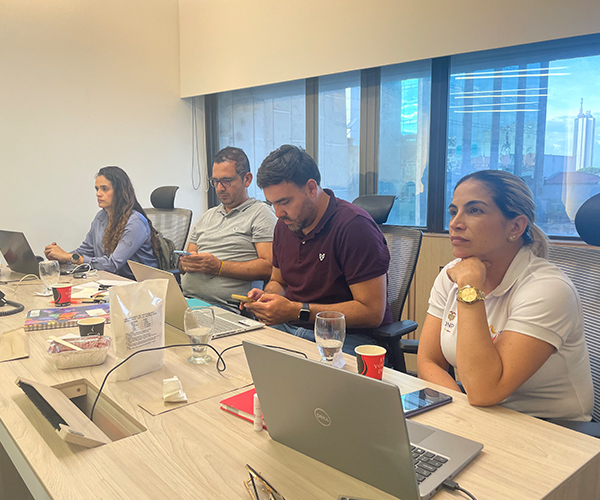
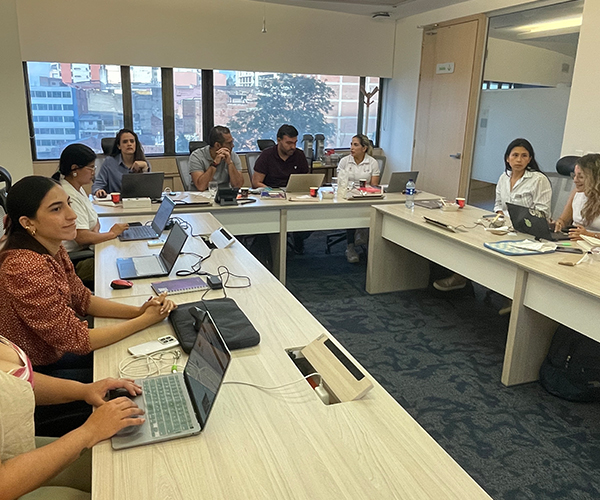
The department of Cauca, with its rich culture and biodiversity, is establishing itself as a hub for innovation and technological development. Through the Fusióni360 platform, Higher Education Institutions (HEIs) and SMEs are working together to develop applied solutions that not only impact the local area but also have global reach.

Applied innovation, driven by the Fusióni360 platform, promotes the transfer of knowledge and technology between universities such as the University of Cauca, the Comfacauca University Corporation, and other higher education institutions in the department, along with local SMEs. This allows companies to adopt solutions that optimize their production processes and improve their competitiveness. 

Through concrete examples, the applied innovation facilitated by Fusióni360 is transforming key sectors, improving production processes and opening doors to new markets, highlighting the role of universities in the department as knowledge centers that contribute innovative technologies and developments, charting a roadmap for sustainable economic growth based on joint research and development.

The Fusióni360 platform is the bridge that connects these solutions with the world, allowing innovative ideas from Cauca to transcend borders and generate a global impact.

Reflection and connection: Fusióni3 Valle workshops to identify innovation opportunities

Fusióni3 Valle organized seven sectoral workshops to address the needs, opportunities and problems of various economic sectors in Valle del Cauca, such as Food and Beverages, Agriculture, Construction, Engineering, Manufacturing, Health and ICT, which allowed the participation of entrepreneurs, academics, startups and experts in each subject.

Jonathan Sandoval, coordinator of the University and MSME Connection objective of the project, highlighted the importance of this articulation.

These seven workshops brought together key stakeholders, including professors and researchers from our partner universities, business leaders, government agencies, trade associations, and representatives from consulting firms. Together, we identified the needs and opportunities of each sector and facilitated connections between the supply and demand for innovation services .

Among the participants in the Health sector workshop was Amadeus Uribe, CEO of the company benefiting from the Fusióni3 Valle Innhealth Maturation Fund, who expressed his satisfaction with the event.

I feel that we proposed solutions and left a roadmap to generate alternatives from the Cauca Valley .

Miguel Ángel Hidalgo Salazar, a professor in the Faculty of Engineering and Basic Sciences at the Universidad Autónoma de Occidente, who participated in the Manufacturing workshop, also praised the methodology used: ” It was an excellent experience because we all interacted and shared our experiences. We are interested in continuing to collaborate and believe that this interaction can be very beneficial for our colleagues.”

For her part, Stephanie Ordóñez, director of the Biomedical Engineering program at UAO, highlighted the importance of understanding the dynamics of other institutions and continuing to open spaces for exchange between companies and academia.

The workshop provided excellent guidance in reviewing aspects that we sometimes don’t take the time to analyze in academia. It was fantastic to have someone from a micro, small, or medium-sized enterprise (MSME) share their needs with us and learn from each other.

In this way, Fusióni3 Valle seeks to foster collaboration and knowledge sharing among the various stakeholders in the innovation ecosystem. The information gathered during the seven workshops will be fundamental in developing strategies to improve innovation services in the region and to boost the economic and social development of Valle del Cauca.

Reddi Colombia celebrates the renewal of the recognition of actors by the Ministry of Science, Technology and Innovation.

We are proud to announce that Reddi Colombia has once again been recognized by Minciencias as a research results transfer office for another three years. This recognition opens a world of possibilities for businesses, universities, and entrepreneurs, offering them access to resources that boost their projects and promote innovation in our region.

What does this recognition entail?

Being recognized by the Ministry opens doors to unique opportunities for tax benefits, participation in exclusive calls for proposals, and access to public funds that will strengthen universities and companies within our ecosystem, their research, products, and services. This ensures we are on the right track, leading innovation and sustainable development.

At Reddi Colombia, we are committed to further energizing our innovative ecosystem, creating synergies, and fostering collaboration among all stakeholders in the sector. Let’s celebrate this achievement together and continue building a brighter, more technologically advanced future for our region!

Reddi Colombia is pleased to announce the launch of our new success stories section on our website, accessible via the About Us / Success Stories button . This section highlights Reddi Colombia’s achievements and success stories as a technology transfer agency, beginning with the 10 success stories from the Fusióni3 Cauca project’s Maturation Fund.

The Fusióni3 Cauca project highlights the collaborative work between the beneficiary MSMEs and the research groups at partner universities. These success stories exemplify the positive impact and growth opportunities that arise from strategic alliances and collaboration between the academic and business sectors.

Currently, you can find
the following partnerships:

We invite all interested parties to explore this new section to learn more about the results and benefits that Reddi Colombia has achieved through its initiatives and collaborations.

For more information on these success stories

Fusióni3 Valle announces 10 University-partnerships MSMEs, beneficiaries of its Maturation Fund

Fusióni3 Valle has selected the 10 projects that will benefit from the Knowledge and Technology Maturation Fund, presented by alliances between partner universities and beneficiary MSMEs. The projects were evaluated by expert peer reviewers who considered criteria such as quality, degree of innovation and technological development, relevance, results, and expected impacts. Aspects such as the diversity of economic sectors represented in the participating projects were highlighted, including Food and Beverages, Health, Agriculture, Manufacturing, and ICT. These innovation projects will drive the development of new and improved products, encouraging their application and commercialization by companies. The knowledge and capabilities contributed by the research groups at the partner universities will be a fundamental component in achieving these advances.  

“I think that’s what excites us most, that each selected project is very different, with unique challenges involving human capital and diverse knowledge. For us, that’s the biggest draw, because we can impact different areas and people with the same project,” said Jonathan Sandoval, coordinator of the University-SMEs Connection objective at Fusióin3 Valle.

Fusioni3-Valle-proyectos-10

Next step for the projects

The ten alliances supported by the Maturation Fund are being advised on the development of intellectual property agreements, with the support of the firm Clarke Modet. Likewise, meetings have been established to address issues such as resolving concerns, co-financing agreements, designing work routes and signing start-up minutes, with the support of the Fusióni3 Valle work team. Meanwhile, the alliances that were not selected will continue to participate in other activities and services of the project, related to technological and competitive surveillance studies, formulation of tax benefit projects in Science, Technology and Innovation (STI), and support in the generation of innovative products or services, which will allow them to continue strengthening their innovation and competitiveness processes.

Selected innovation projects

Agricultural Sector

Food and Beverage Sector

Manufacturing Sector

Health Sector

Universities of Fusióni3 Valle recognized its intellectual capital

In face-to-face collaboration spaces, representatives from strategic areas of the universities allied to Fusióni3 Valle participated in a series of three personalized workshops, where they identified their intellectual capital and co-created proposals to strengthen their regulatory and operational framework in their interaction with the productive sector.

Guide and priority themes

Under the guidance of the R&D&I Capabilities Team of Reddi Colombia, led by Hugo Ernesto Martínez, and answering personalized questions, the participants expressed their vision about the intellectual capital of their Higher Education Institutions (HEIs), reaching agreements on the issues that should be prioritized to establish improvement activities.
 
The dimensions of Intellectual Capital that were analyzed were the following:
  • Human Capital: Related to the knowledge and/or capabilities possessed by the people who work in the institution.
  • Structural Capital: Set of explicit knowledge, such as procedures, organizational structure, information tools, laboratories, software, patents, databases, among others.
  • Relational Capital: This encompasses alliances with companies, the productive sector, and actors considered relevant, from the different areas of each higher education institution. 
Workshop development

During Workshops I, which took place in April 2024, the working teams from the Pontifical Javeriana University Cali, Autonomous University of the West, University of Valle, University of San Buenaventura Cali and Icesi University, identified strengths and opportunities for improvement in mission-related issues, derived from their development plans.

In the following sessions, corresponding to Workshops II and III, the participants reached agreements on which of these topics represented the greatest cost-benefit for each university. This allowed them to develop a joint strategy, coordinated by the Capacity Building Team, in which all participants presented proposals and received feedback from their peers on their levels of impact and effort.

“The participation of the delegates from each institution was fantastic. In the first session, there’s always some shyness because they’re starting a new process. But in the second and third sessions, people were much more comfortable, generating results with greater agility and speed. By the last workshop, important strategies were achieved thanks to the bonds of trust that had been built,” said Hugo Ernesto Martínez, leader of the Capacity Building Team.

The fourth and final workshop session is scheduled for August 2024, in which the results and analyses developed at each university will be interpreted and shared. 

A boost to generate new alliances

The relational approach used in the sessions is expected to facilitate the definition of strategic alliances with the universities’ external environment, including cooperation with businesses and the productive sector. It is also expected to influence internal collaboration among research groups or strategic areas, according to organizational structures.