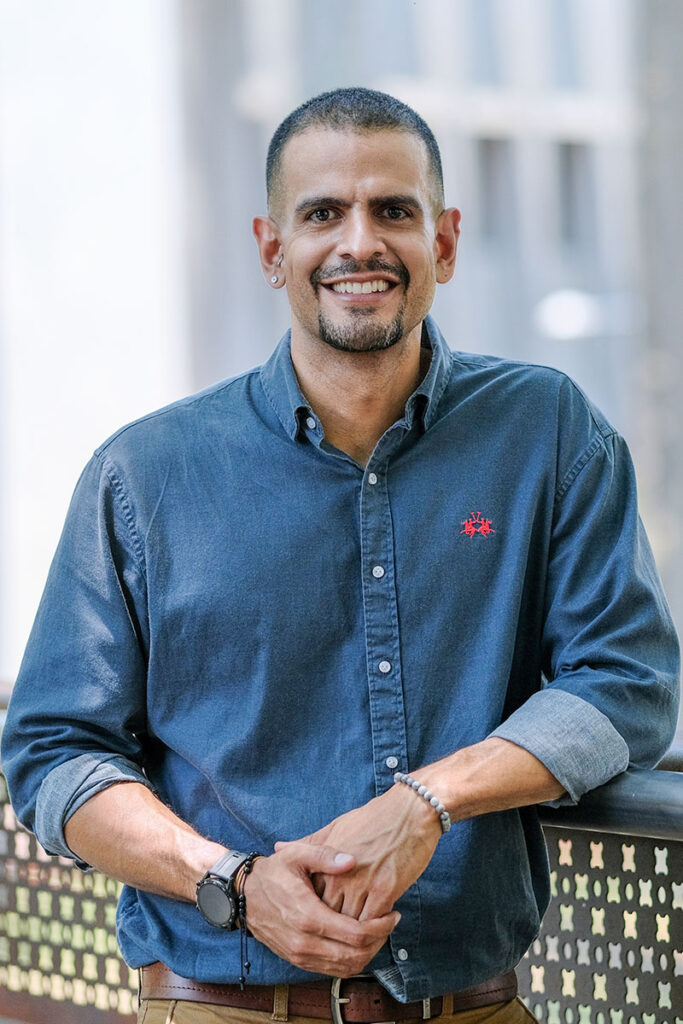
Juan Manuel Chaves
Manager of Reddi Colombia
There is a common belief that bringing researchers and business leaders together in the same room is the starting point for innovation. However, I discovered that having the talent and the will did not guarantee that projects would actually materialize. Conversations often lost momentum just as they were getting started. The problem was not a lack of interest, but the absence of an invisible yet essential ingredient: trust.
That gap is bridged by recognizing that academia and the business world—while sharing an interest in solving complex challenges—operate according to different logics. While businesses prioritize viability, time-to-market, and implementation, researchers focus on rigor, evidence, and scientific validity. Far from being an obstacle, this difference is the engine of innovation: when aligned, the depth of academic knowledge is enriched by the business sector’s pragmatic approach, allowing ideas to transform into high-impact solutions.
The best collaborations I have witnessed do not begin with the intention of solving everything at once. They start with an honest conversation, a well-defined challenge, and an initial opportunity to work together. Testing a solution, validating a hypothesis, or developing a pilot project allows the parties to get to know one another through action. It is in this process that agreements are forged, expectations are clarified, and—above all—results are generated that build the confidence needed to move forward.
That is why open innovation goes far beyond simply connecting people or issuing a call for proposals. It is about creating the conditions for knowledge to meet relevant problems, and for organizations to access capabilities they would not possess on their own. It means opening up a space where companies, startups, universities, and research centers can pool their expertise and turn it into real-world impact.
That is the vision behind BioenergyTech. This initiative is led by Econova—the Ecopetrol Group’s innovation network—operated by the Cali Chamber of Commerce, and executed by Reddi Colombia; it seeks to connect technological capabilities with real-world challenges in the agro-industrial sector. The call for proposals opens up opportunities to develop solutions for energy recovery from swine waste, sugarcane by-products (vinasse and filter cake), and rice husks.
BioenergyTech aims to bring these solutions into real-world settings. Selected organizations will be able to move toward validating their technologies in the Valle del Cauca region, benefiting from specialized guidance and resources allocated for the development of three pilot projects. It is an opportunity to demonstrate capabilities, strengthen partnerships, and contribute to an energy transition that makes better use of the resources available in our region.
We believe that Colombia possesses the solutions, talent, and knowledge to transform agro-industrial waste into new opportunities for sustainability, competitiveness, and development. What we need is to continue creating spaces where we can come together, test ideas, learn, and scale up collectively.
If your company, startup, university, research group, or technology center has a solution that can address these challenges, we invite you to learn more about the call for proposals and submit your application by August 31, 2026.
Discover the challenges and participate at www.reddicolombia.com/bioenergytech/

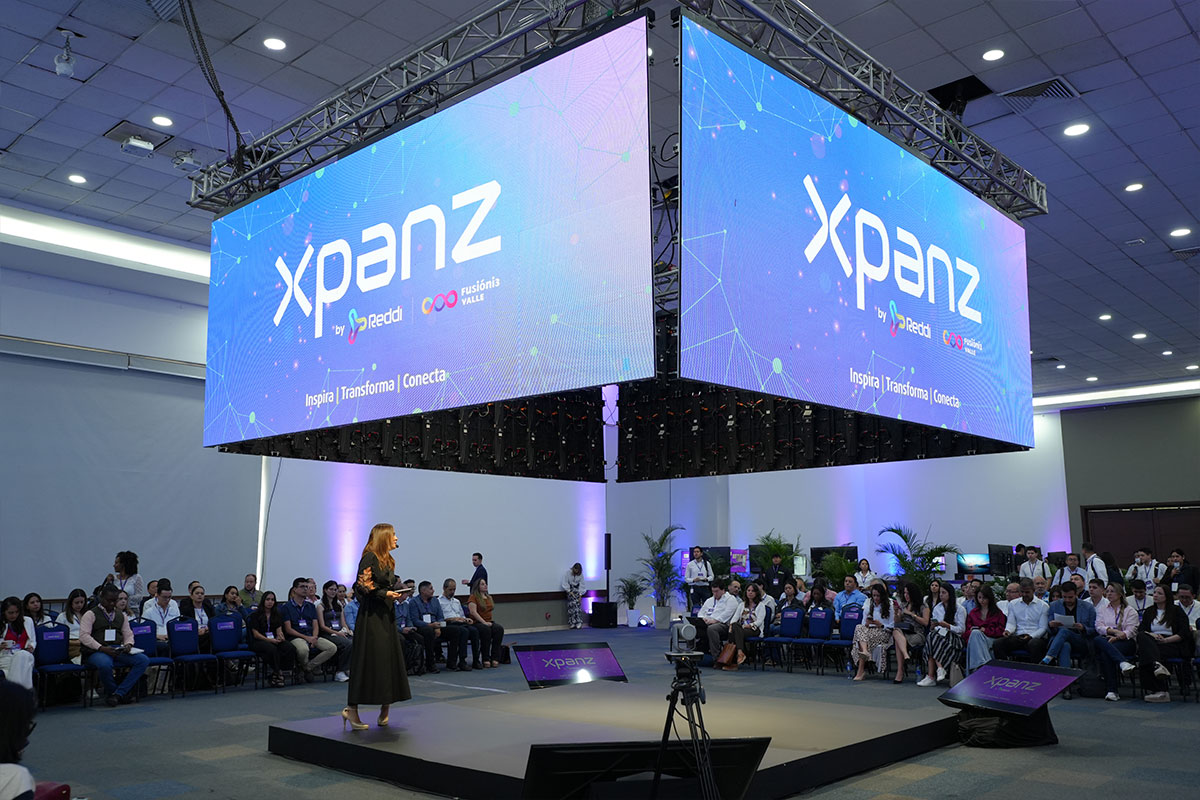
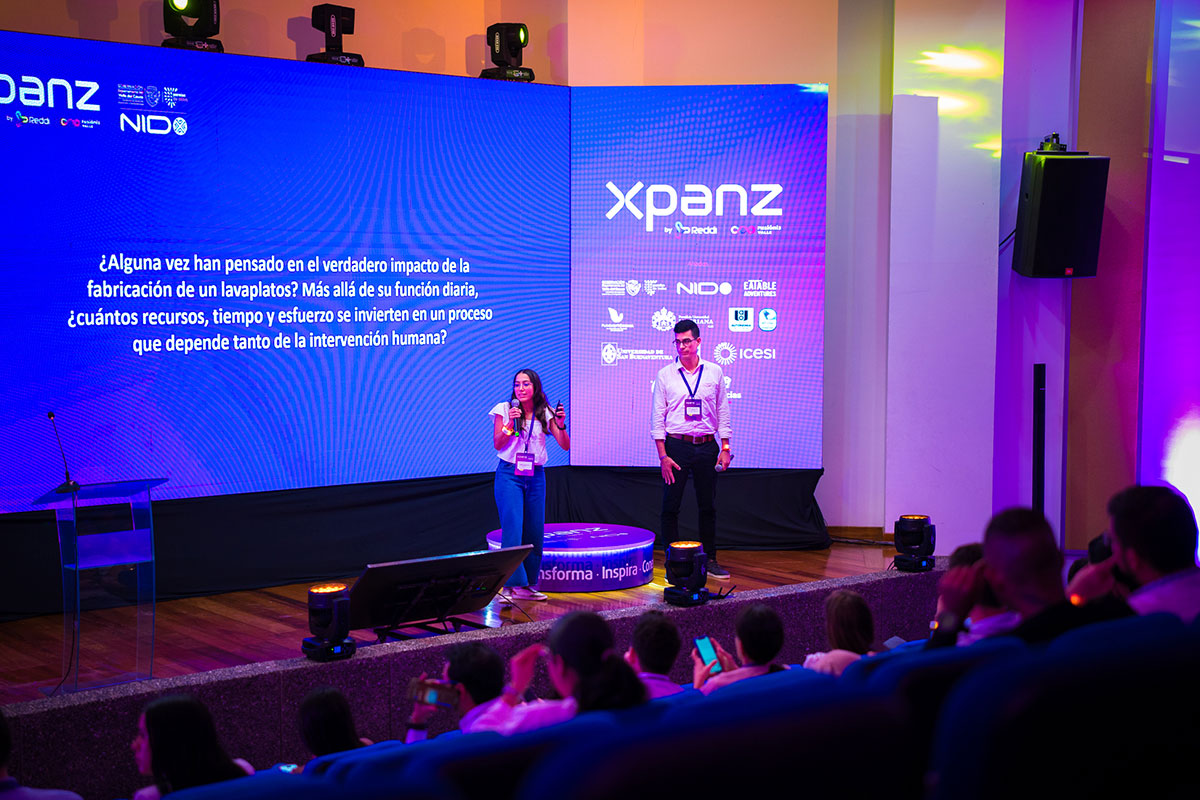
Conferencia “Innovación con impacto empresarial”
Presidente gremial, mentor y emprendedor serial
EdTech HUB LATAM + 90 Edtechs
Asociación de emprendedores +500 marcas de consumo
Ha logrado:
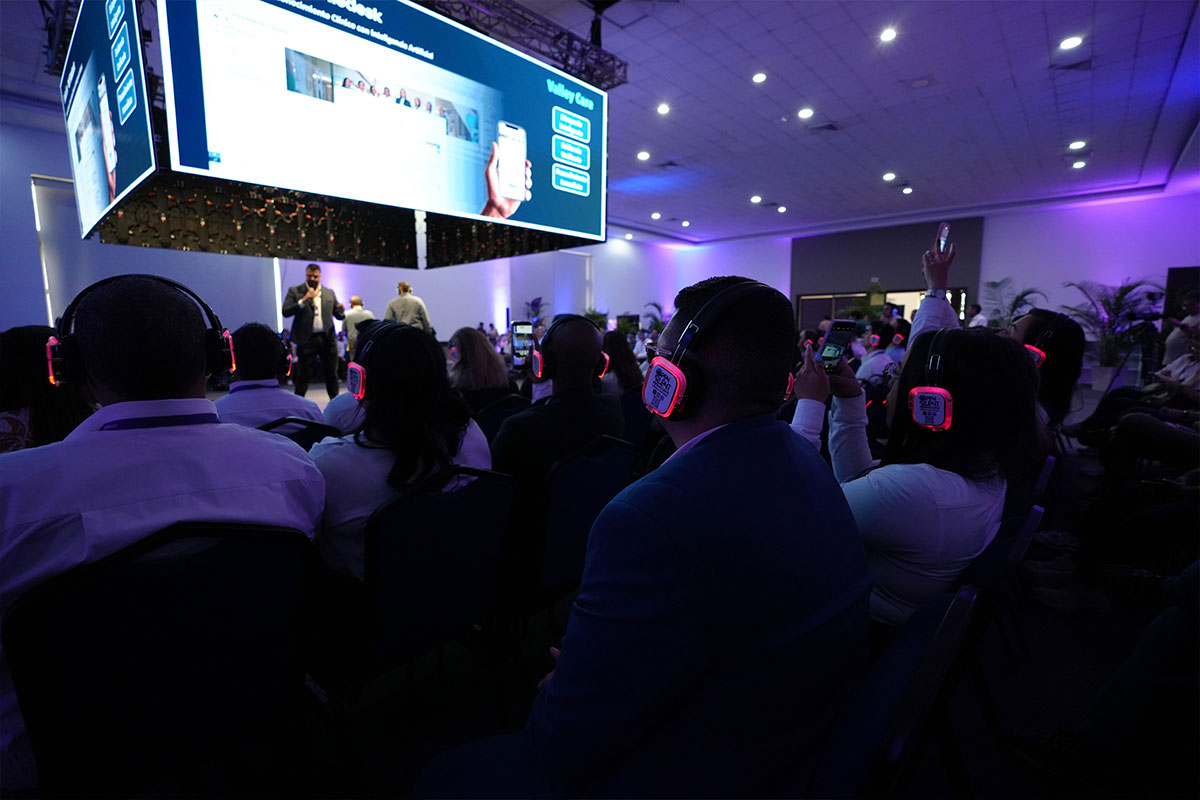
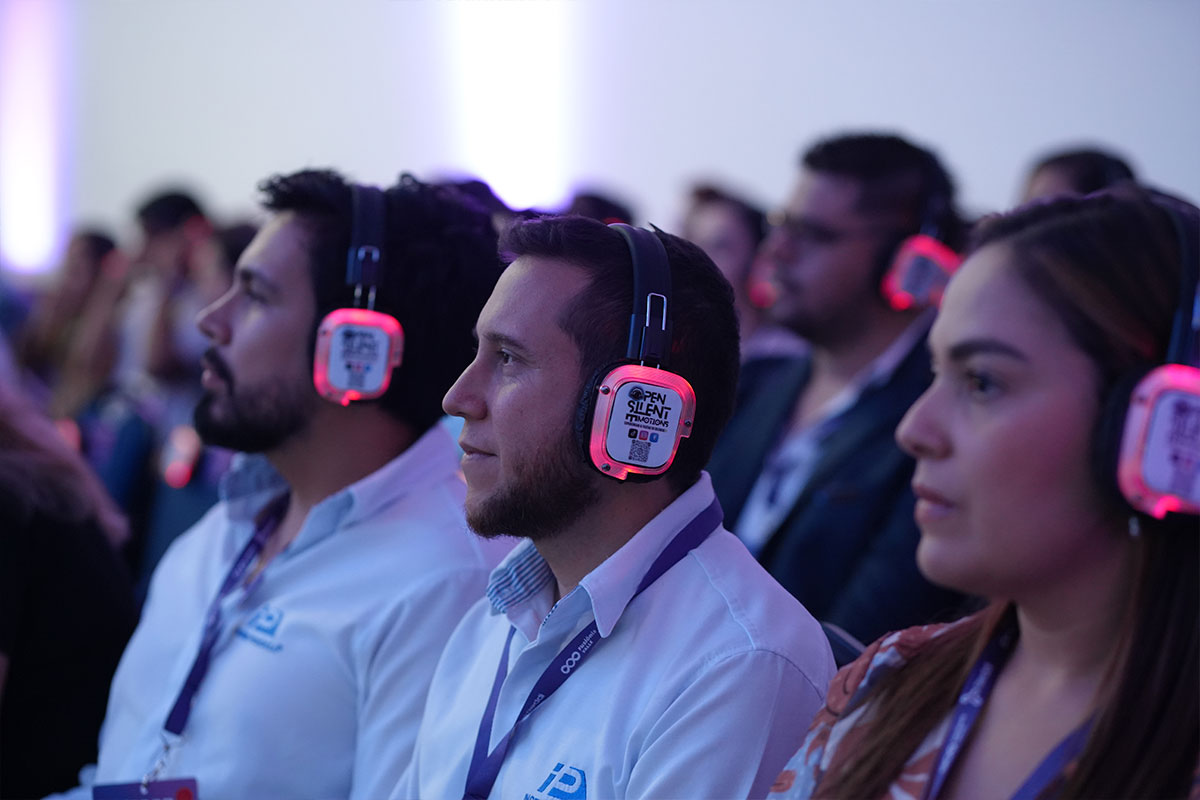
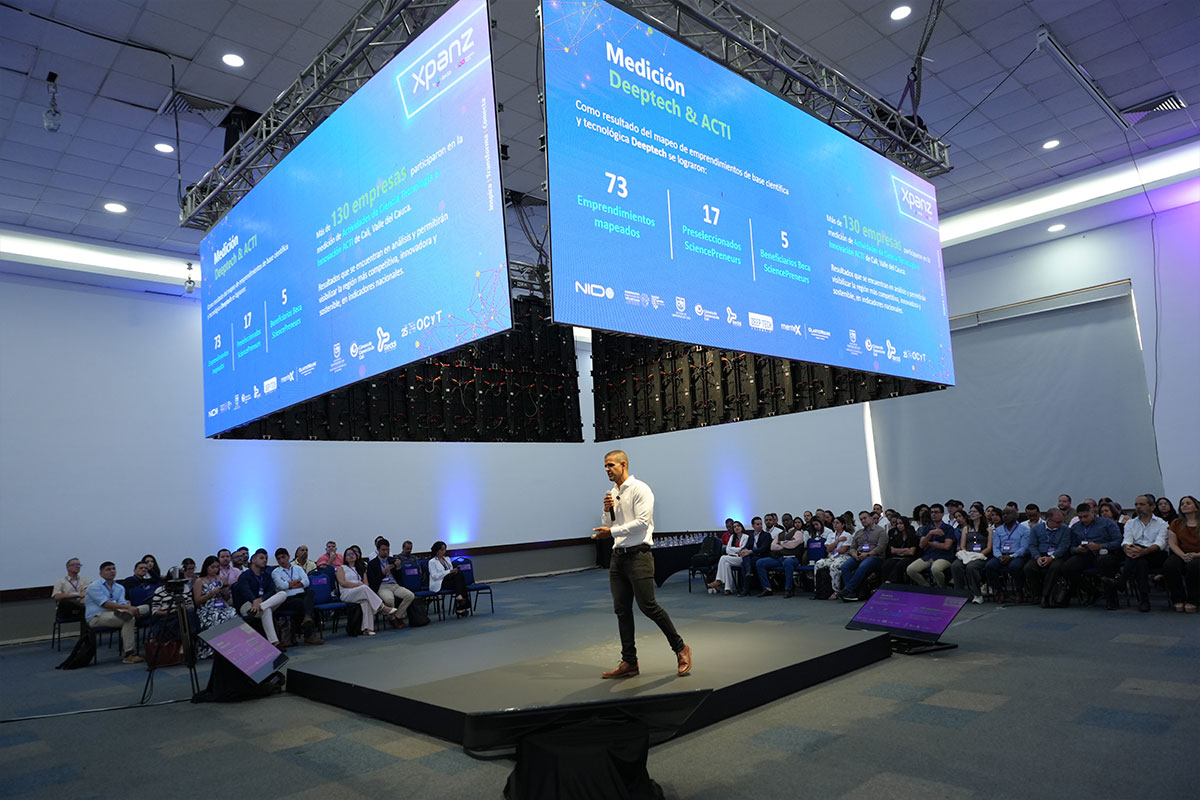
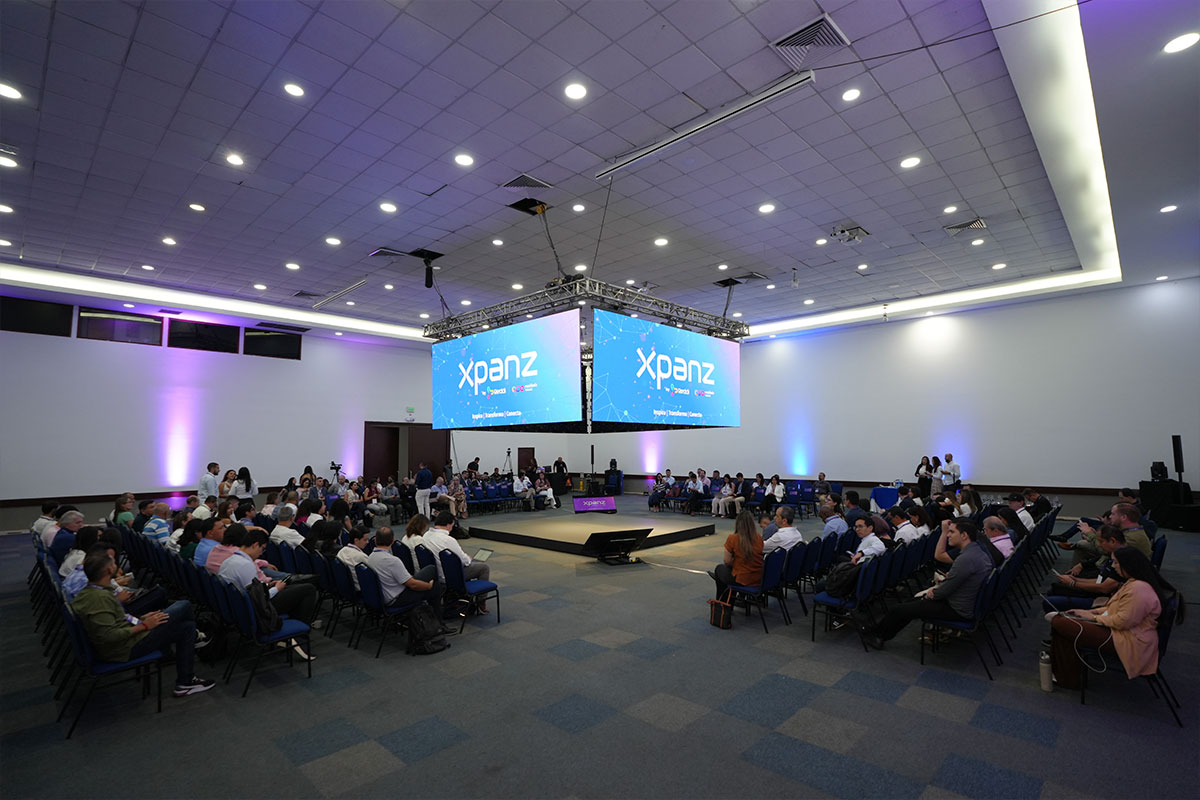
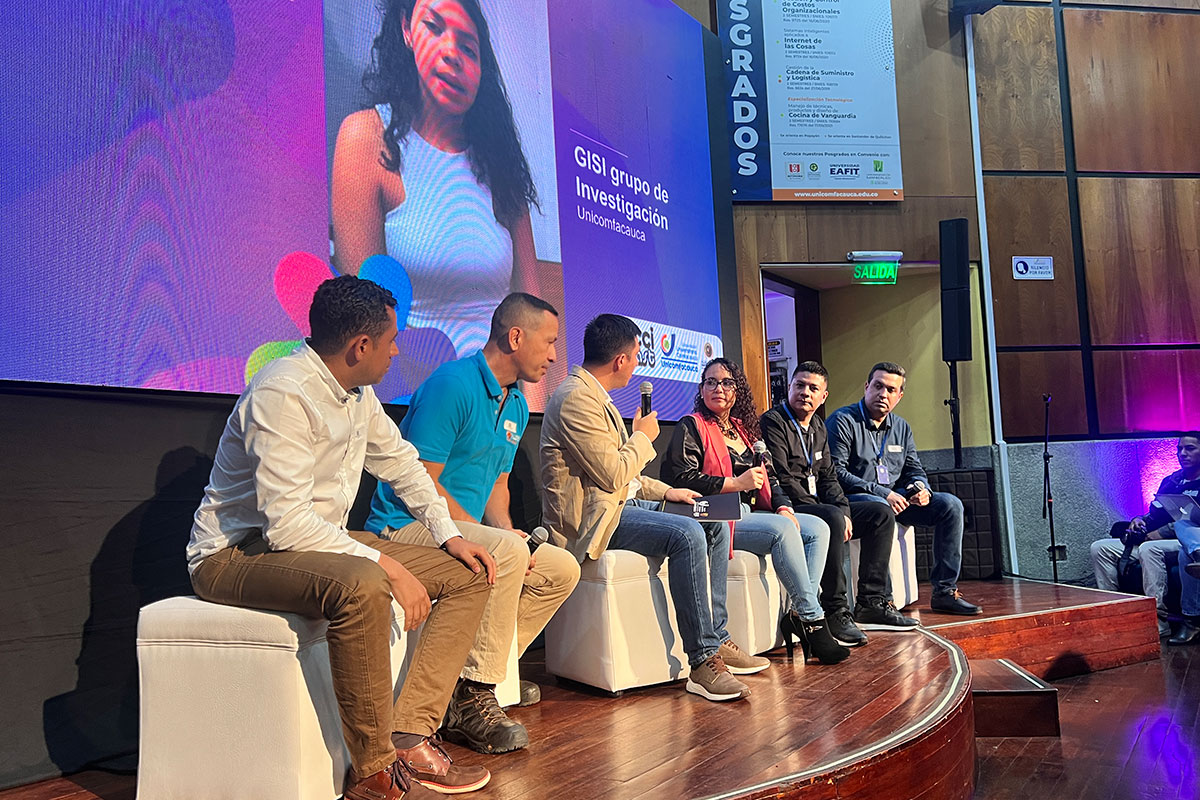
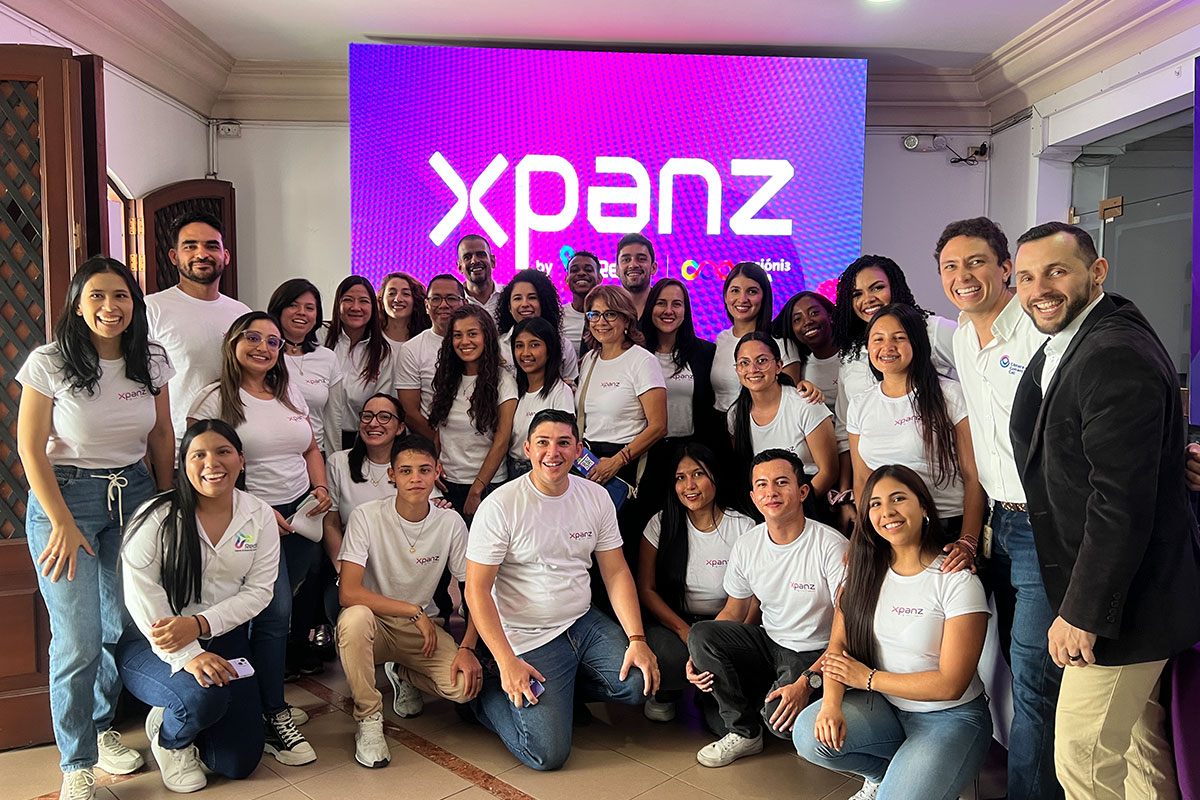
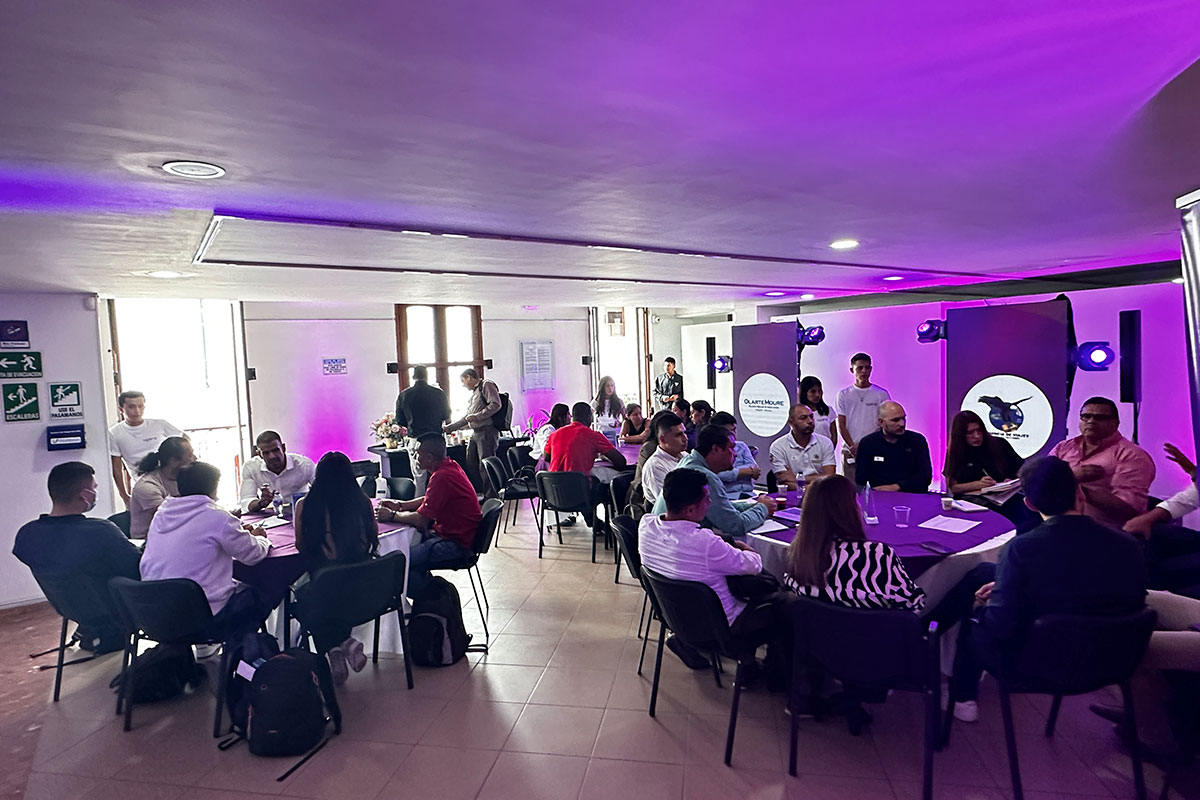
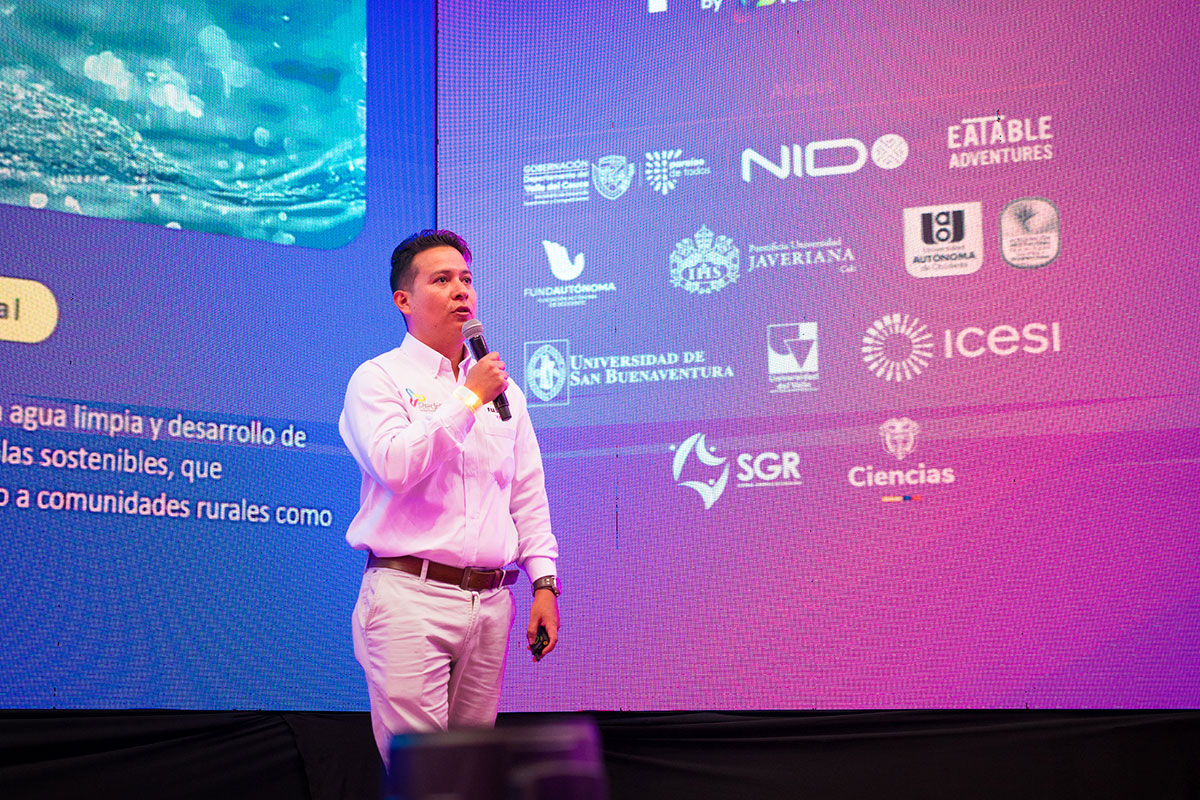
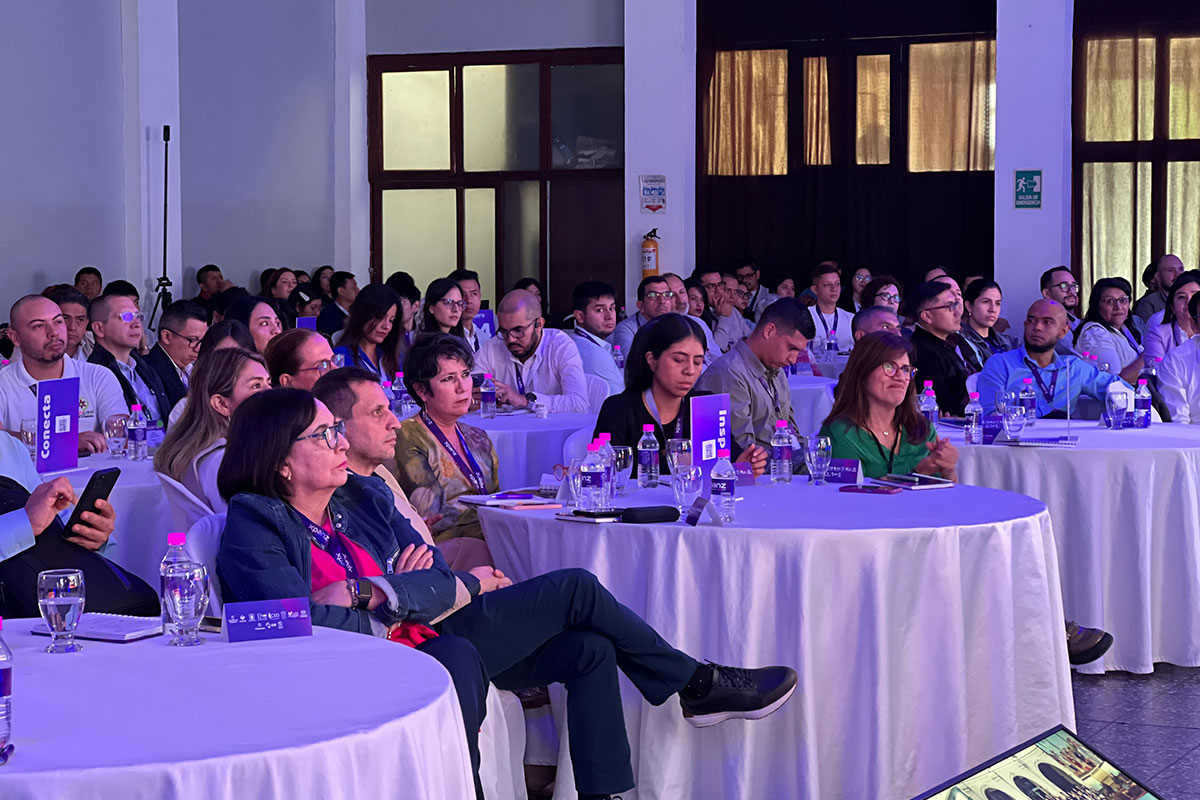
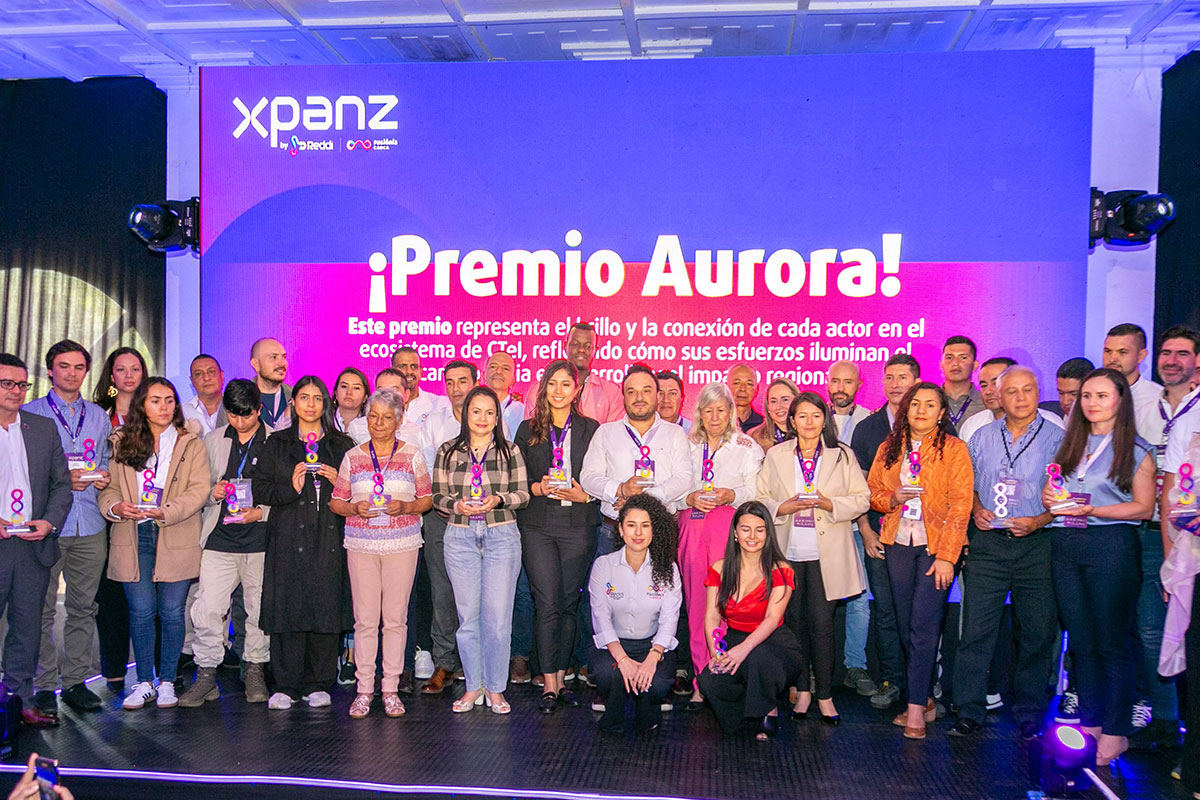
El evento contó con la participación de más de 101 asistentes en la Universidad Javeriana Cali.
Fue el primer acercamiento entre IES aliadas y MiPyMEs beneficiarias.
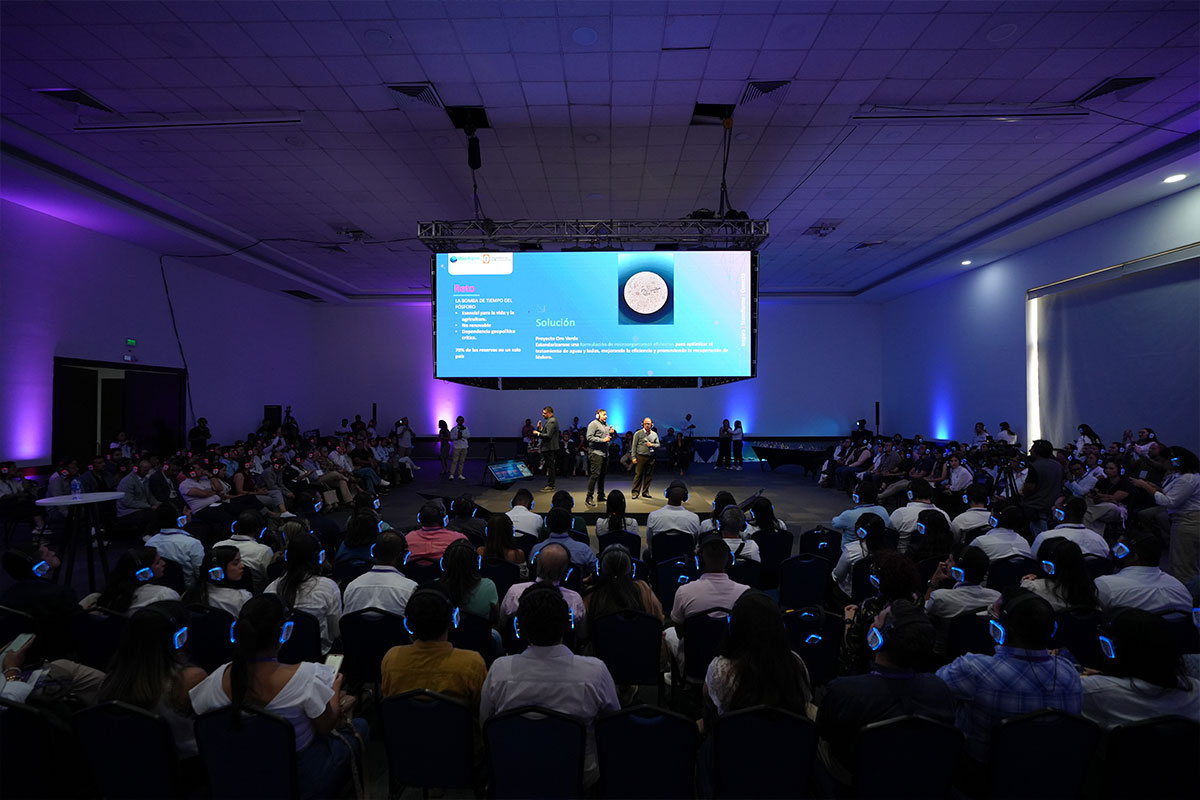
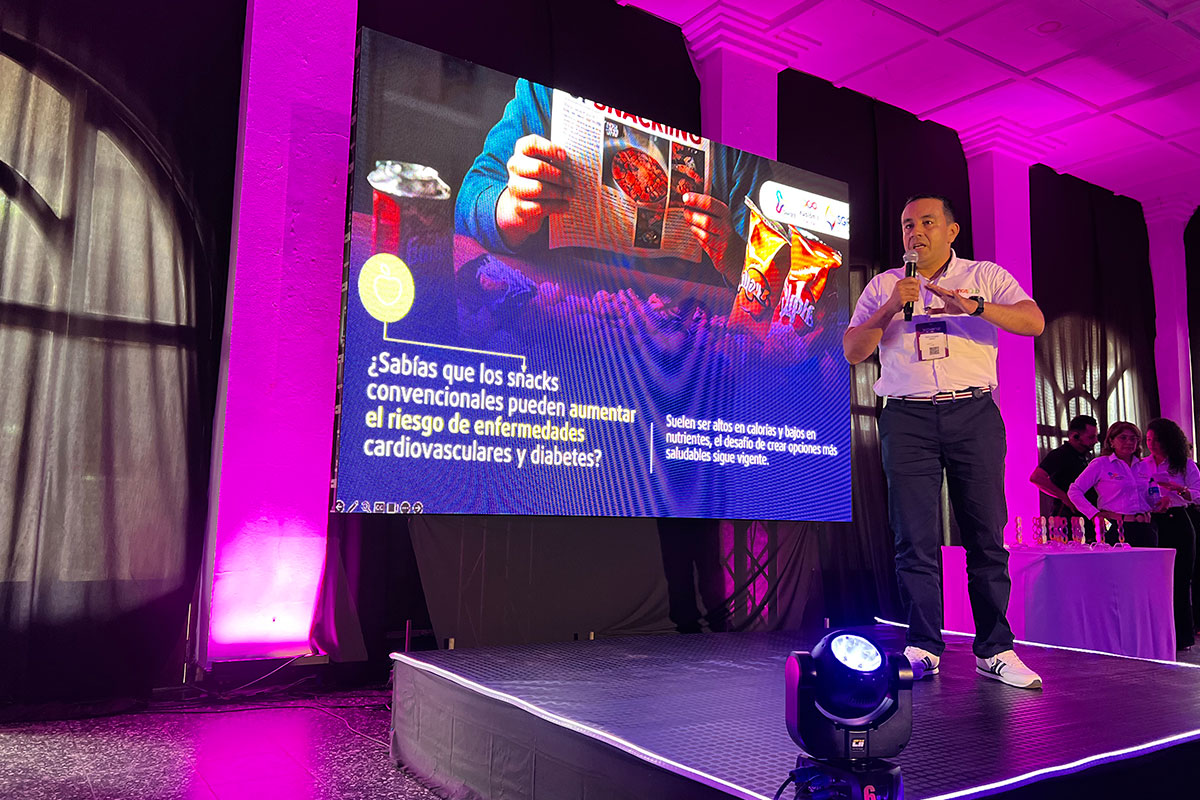
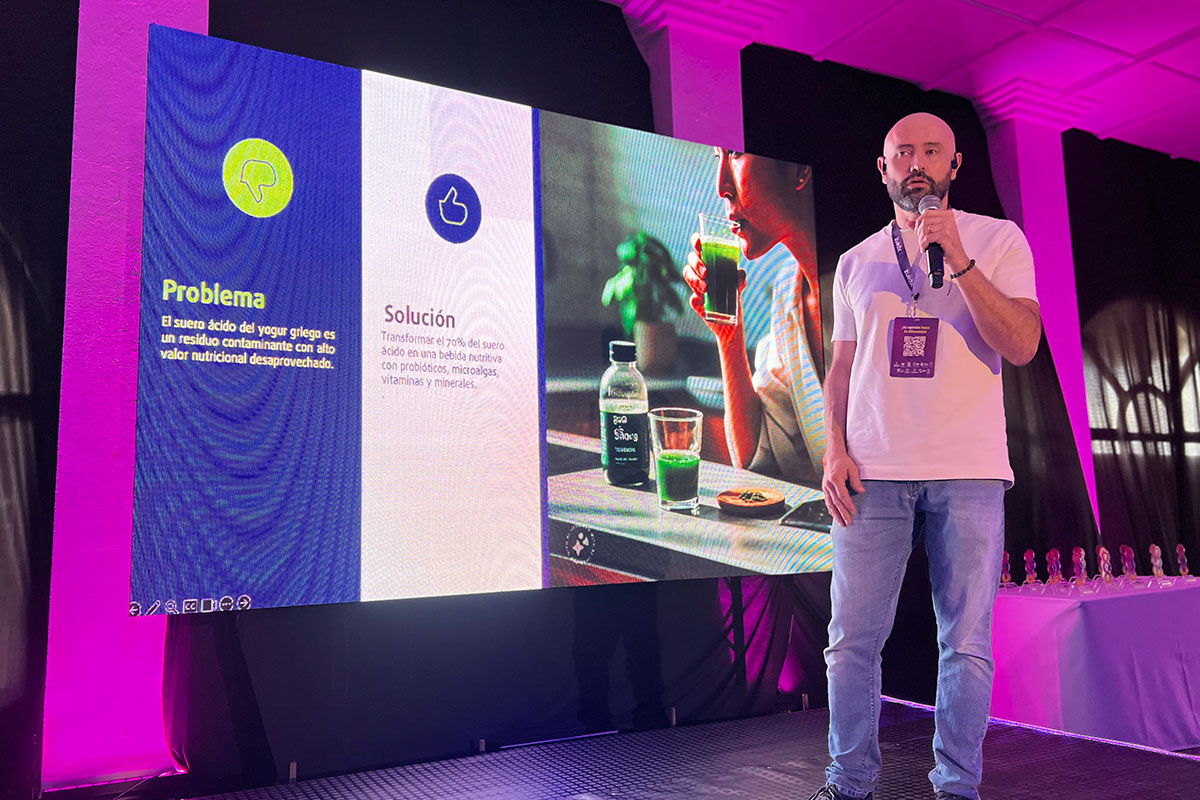
17 de estas MiPyMEs presentaron su Pitch, 11 tecnologías de las IES aliadas fueron presentadas en el Experience Day, las cuales tuvieron 28 validaciones pre-comerciales.
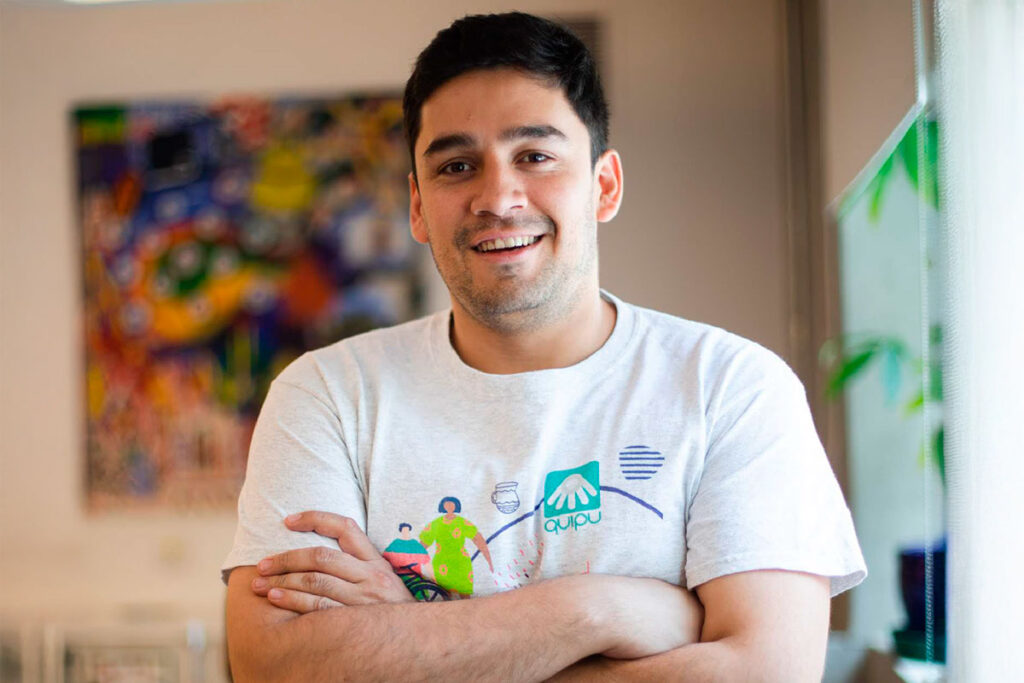
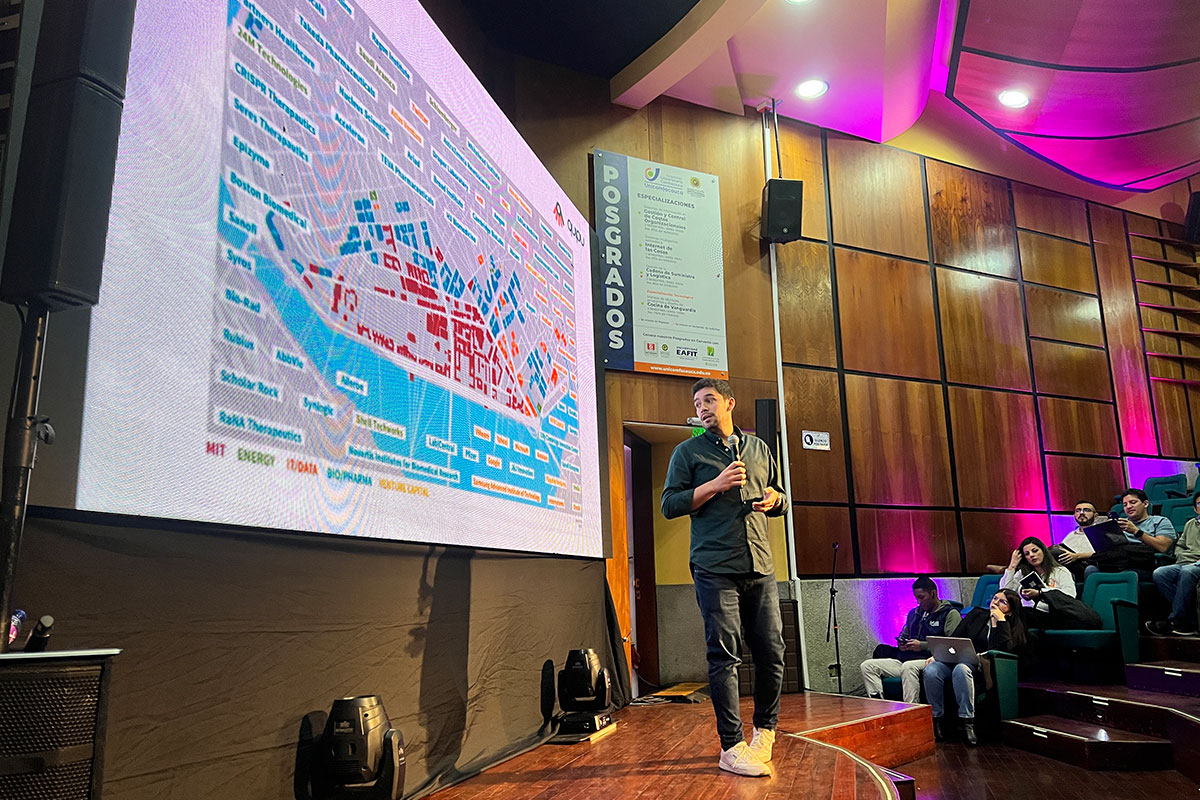
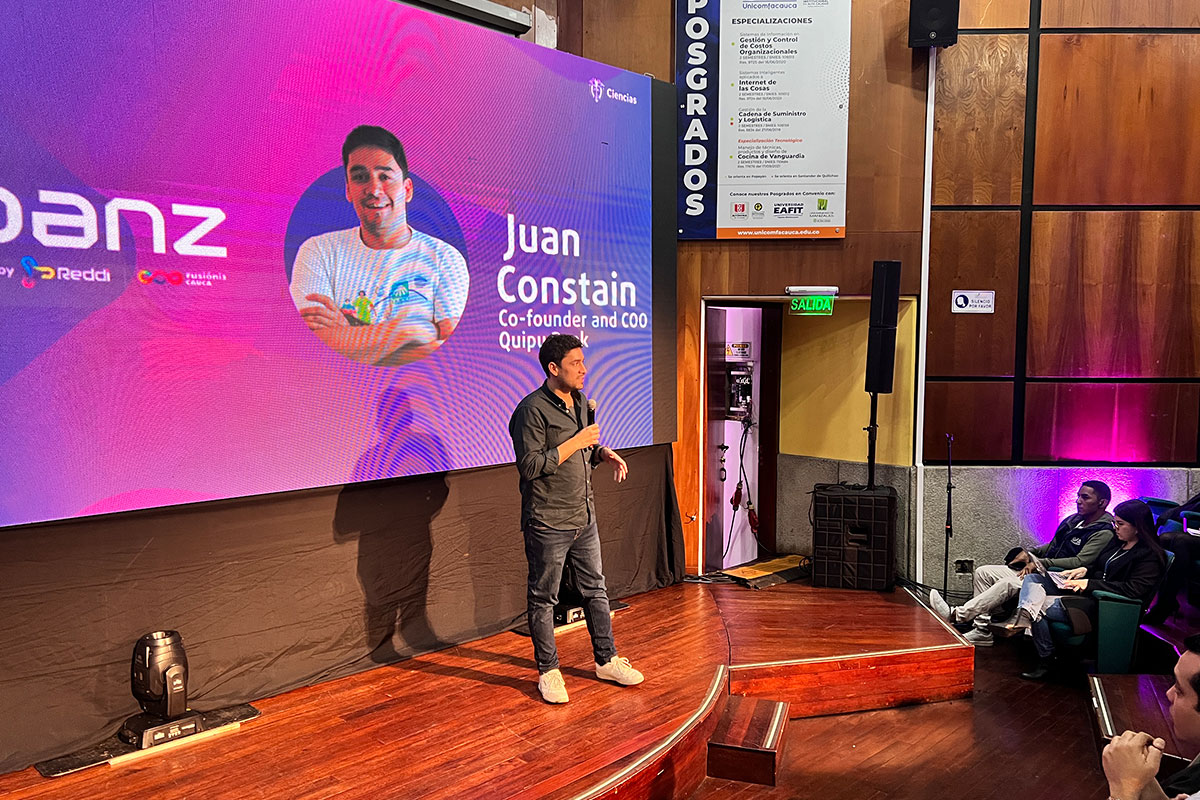
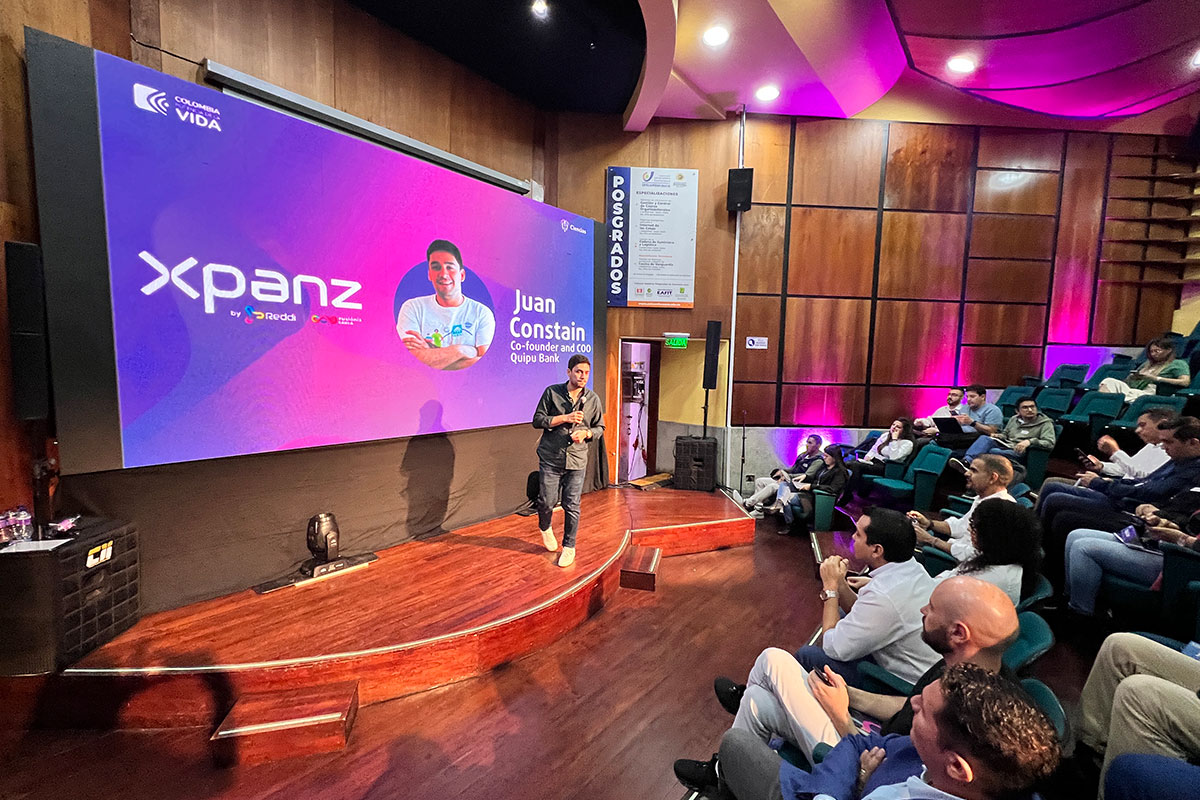
Conferencia: El camino de Quipu: de proyecto de investigación en MIT a fintech de inclusión financiera.
Cofundador y COO de Quipu Bank
Profesional en Gestión y Desarrollo Urbanos de la Universidad del Rosario, especialista en Derecho Urbano, y cuenta con una maestría en Planificación Urbana con énfasis en desarrollo económico del MIT. Como cofundador y COO de Quipu, una fintech de rápido crecimiento en Colombia, fue reconocido como Fellow del programa The Global Good Fund en 2023. Quipu ha recibido importantes reconocimientos de entidades como el Banco Mundial, Google, MIT, Forbes y Fast Company, consolidándose como un referente en inclusión financiera e innovación empresarial.
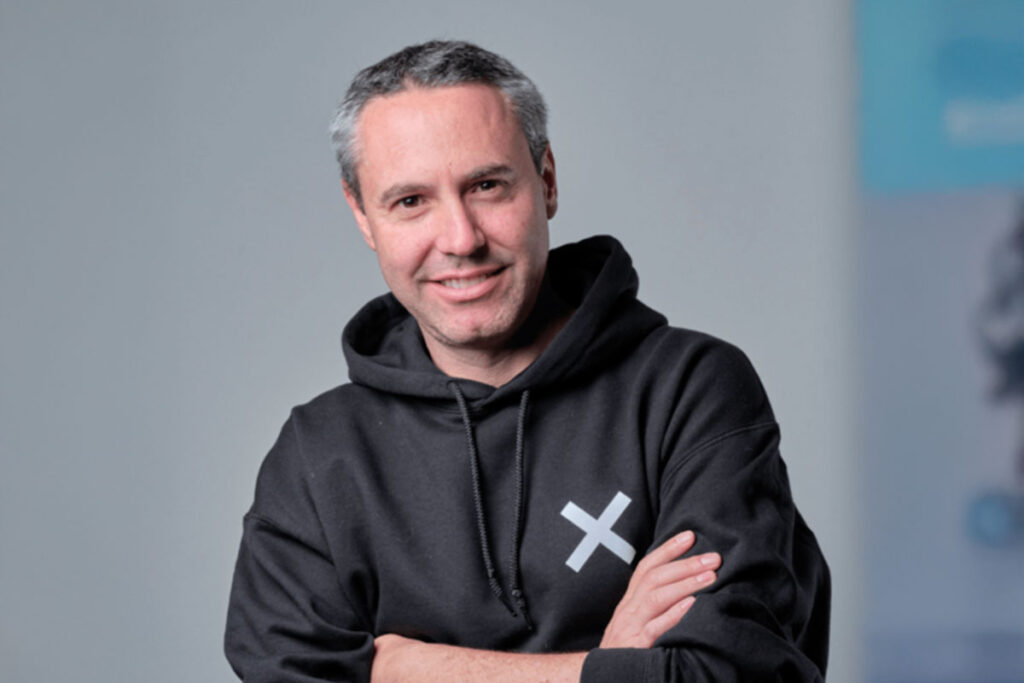
Director comercial de NotCo Colombia
Responsable de establecer la estrategia de negocio de NotCo en Colombia, en los frentes de Food Service, Retail. Administrador de negocios y especialista en mercadeo, con más de 25 años de experiencia liderando áreas de innovación en la industria de consumo masivo en Latinoamérica.

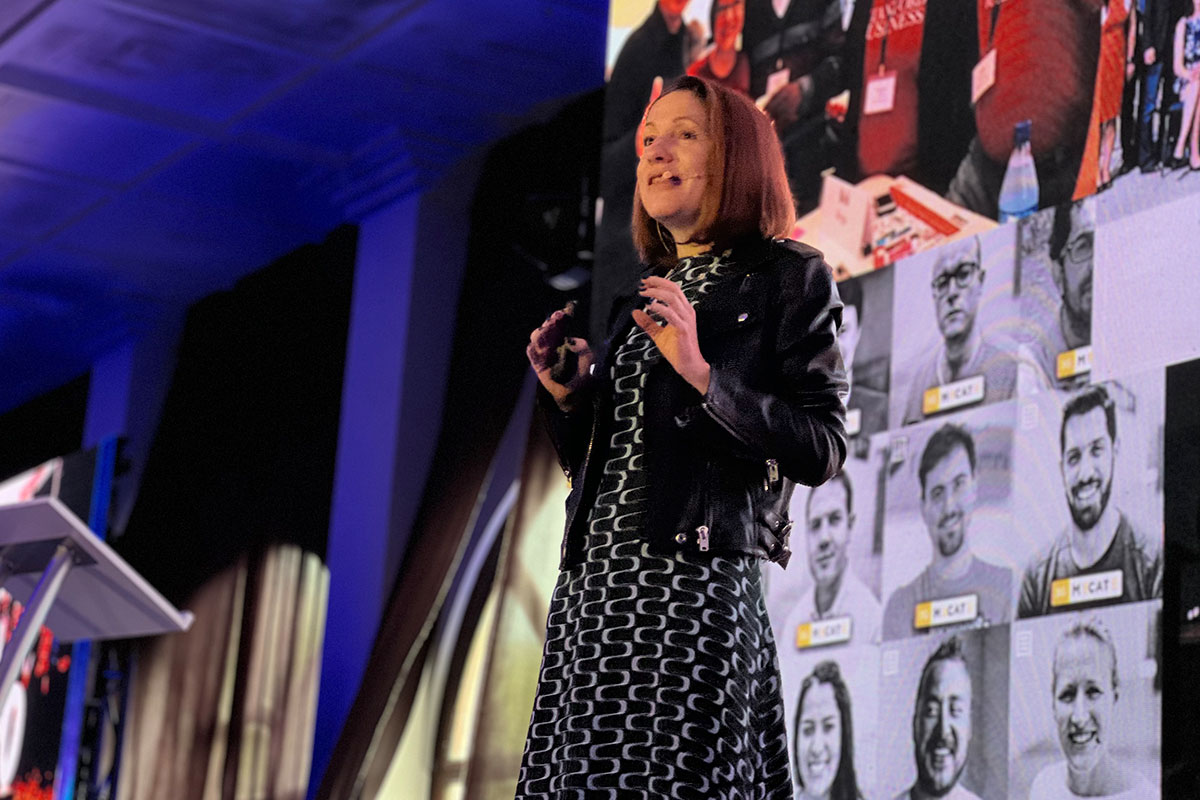
Conferencia: Efectos positivos de red.
CEO de Mentex y experta en innovación, reconocida entre los Top 100 gerentes de Colombia. Descubre cómo maximizar los efectos positivos de red y el impacto de la Alianza DeepTech en el fortalecimiento y escalamiento de startups en la región.