8-04-2026
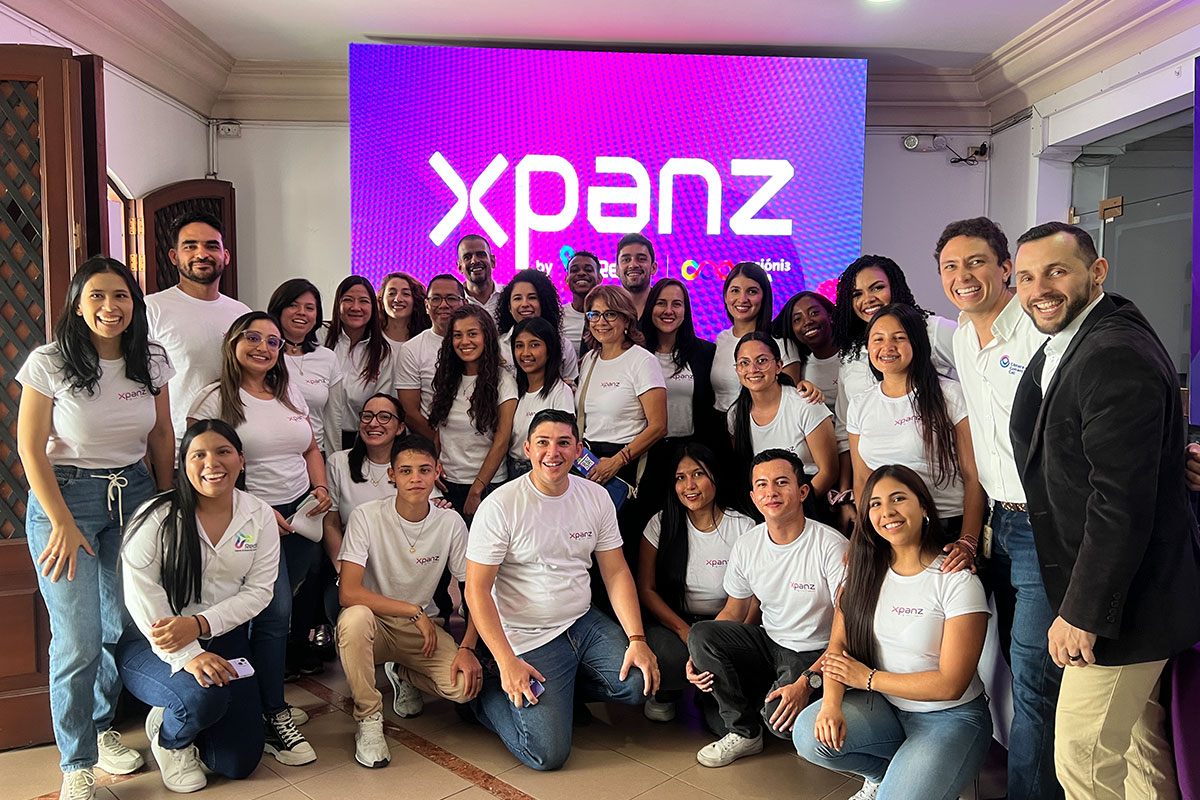
The 20 MSMEs benefiting from Fusióni3 Valle fulfilled their participation in the first Face-to-Face Workshop Become a strategist: Define the needs, opportunities and problems of your business, which was recently held at the Pontifical Javeriana University Cali and at the Cali Chamber of Commerce.
Through dynamic methodologies, known as Alexander Osterwalder’s Zoom Out and McKinsey’s Three Horizons, which were guided by the coordinator of University-SME Connection, Johana Oliveros, the entrepreneurs were able to relate the data previously collected in the virtual workshop Start by knowing your environment to define your innovation challenges with the economic context of their businesses, which allowed them to strengthen ideas and acquire new perspectives.
In the case of the Zoom Out exercise, the entrepreneurs put the main aspects of their environment on a canvas: such as trends, macroeconomic forces, market forces and industry forces in which their companies operate, in order to analyze those that have the greatest influence on their businesses.

Using the Three Horizons technique, opportunities were identified by considering the time and resources required to implement them. For example, those that can be easily addressed or applied to existing products or services, those that would be developed in the medium term, and those that require greater investment or exploration.
The Three Horizons concept is a strategic tool developed by McKinsey & Company to help organizations manage innovation and growth in the short, medium, and long term. It was popularized in the book The Alchemy of Growth, written by Mehrdad Baghai, Stephen Coley, and David White.
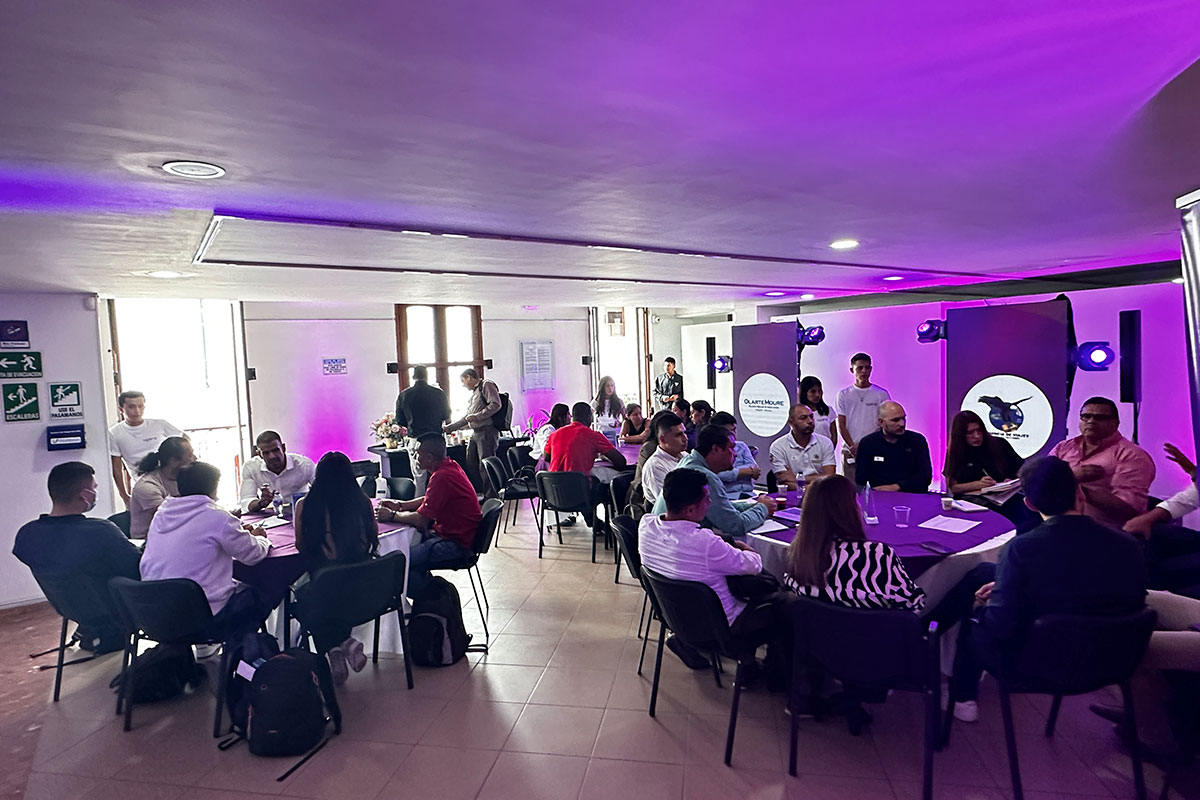
One of the workshop’s defining characteristics was its dynamism. From the introductions among participants, who spoke about the topics that motivate them or make them happy, to the use of tools like paper and markers to record their findings, and the close support of the Fusióni3 Valle team, everyone felt comfortable and confident sharing concerns, receiving suggestions, and proposing new ideas.
“There was a lot of anticipation among the business owners about how this workshop would help them define their innovation challenge. It was very satisfying, because many told me they weren’t familiar with the methodologies or had only seen them in master’s programs, which means we’re providing them with valuable information to begin developing their innovation challenges,” said coordinator Johana Oliveros.
Likewise, it was evident how all the attendees analyzed each topic, were immersed in the exercise, and found aspects that they had not considered before their participation in the project.
“Throughout the activity, which lasted four hours, the entrepreneurs organized information, generated some useful strategies and defined needs, opportunities and problems in a more conscious way or that perhaps they had not previously recognized.”

From now on, the University-SME Connection Coordination will produce a report that takes into account the needs, opportunities, and challenges of the sectors to which the SMEs belong. This report will be based on official information from various entities and on data collected by each of the beneficiary companies during the workshop. This will generate portfolios of needs, opportunities, and challenges, enabling them to make short-, medium-, and long-term decisions that will form the basis for establishing the innovation challenges they will address with partner universities in 2024.


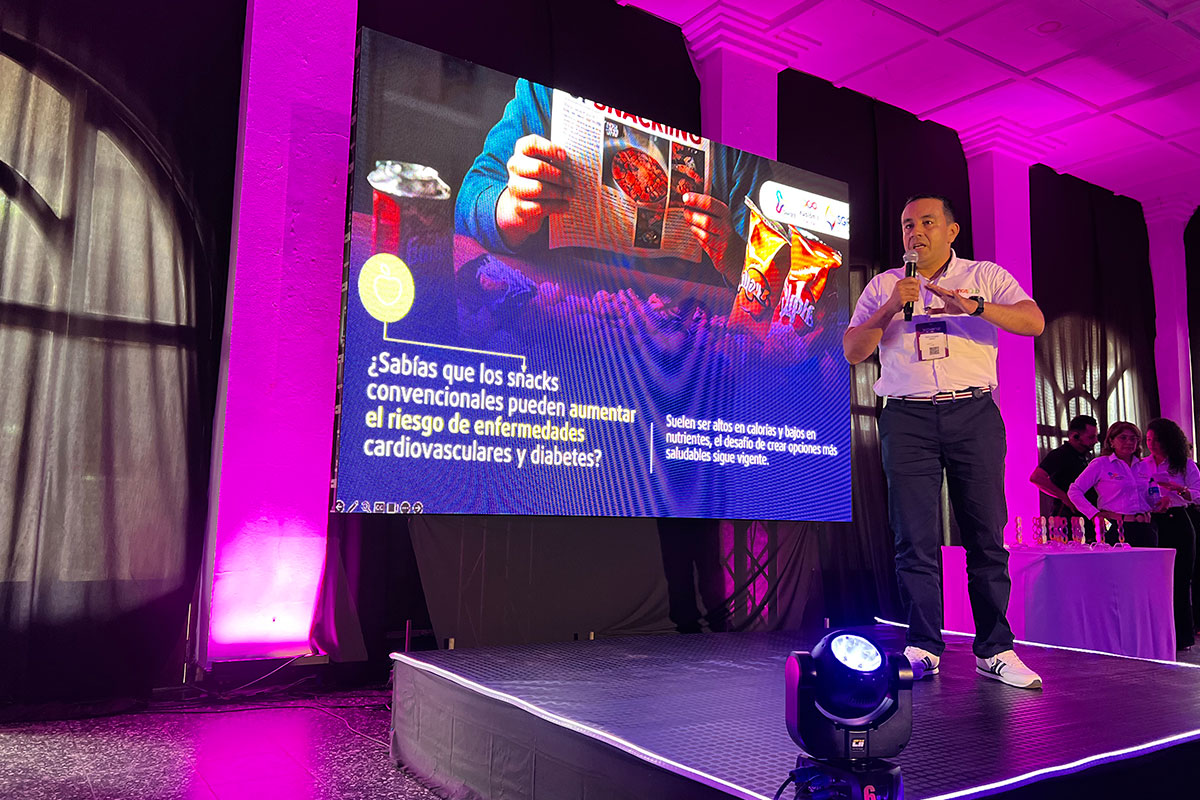
Conferencia “Innovación con impacto empresarial”
Presidente gremial, mentor y emprendedor serial
EdTech HUB LATAM + 90 Edtechs
Asociación de emprendedores +500 marcas de consumo
Ha logrado:
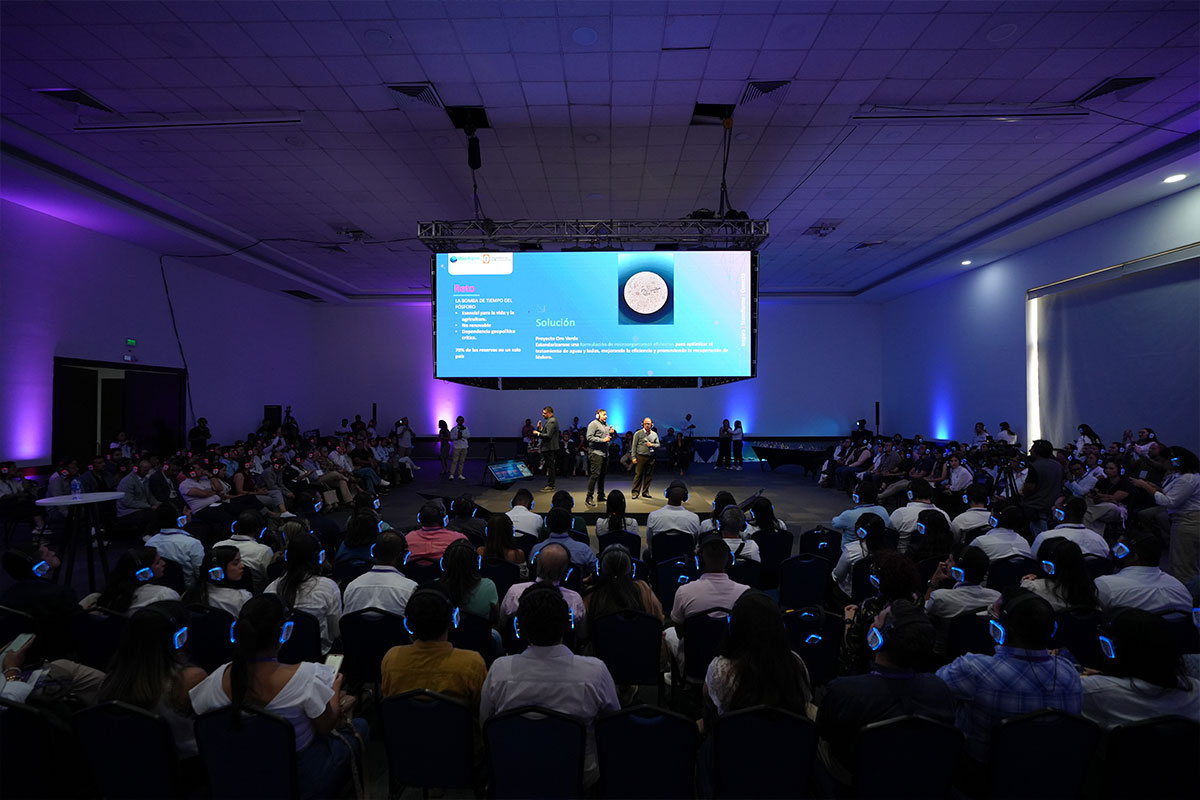
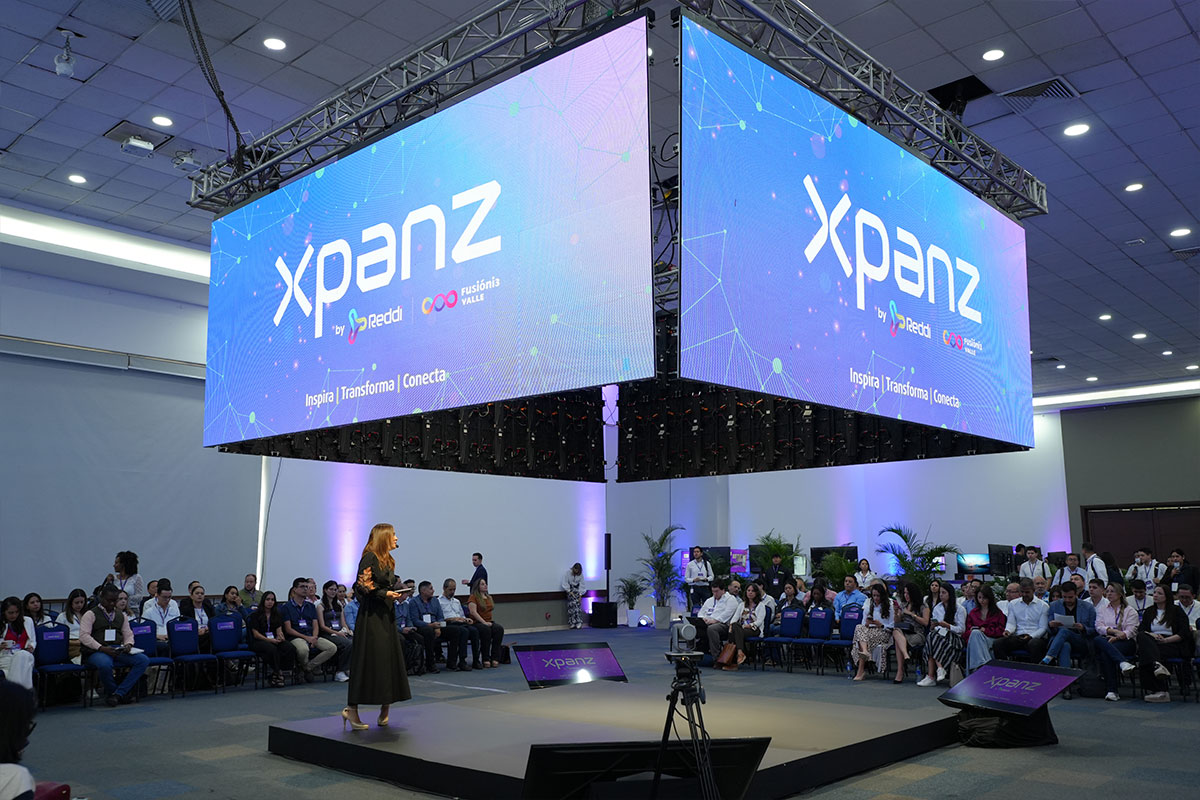
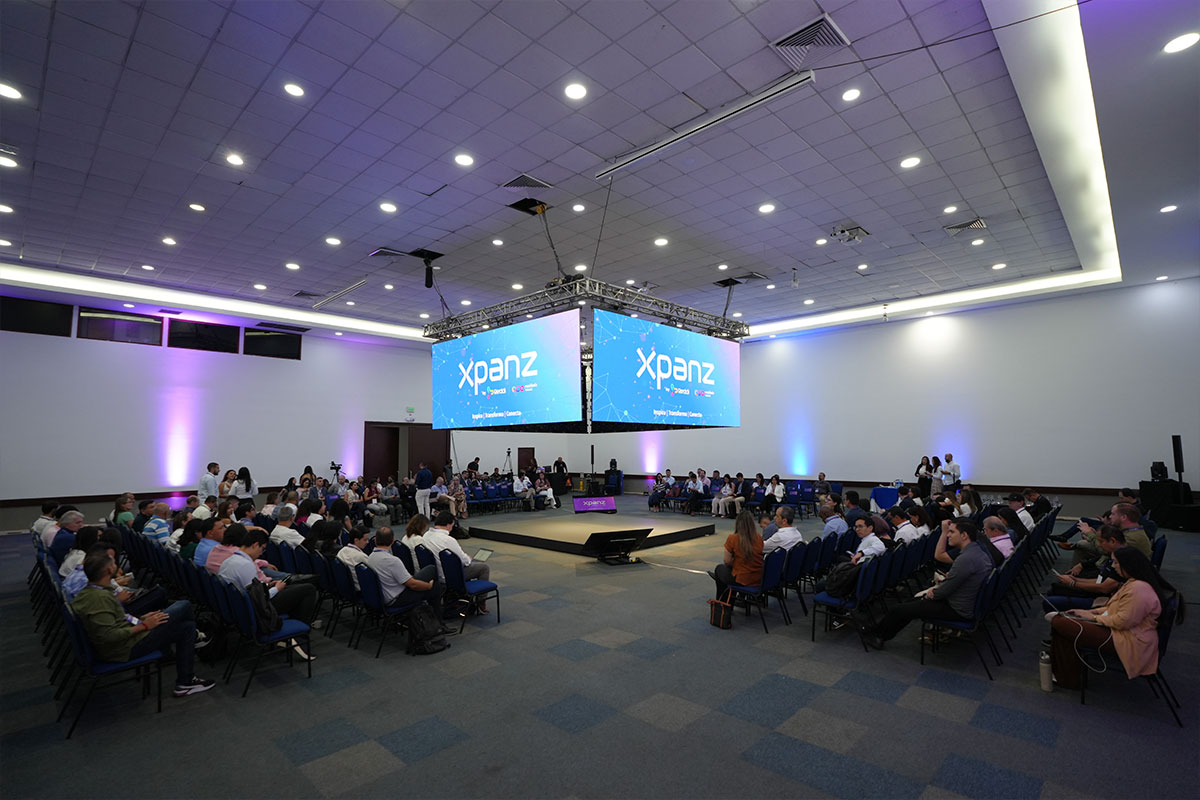
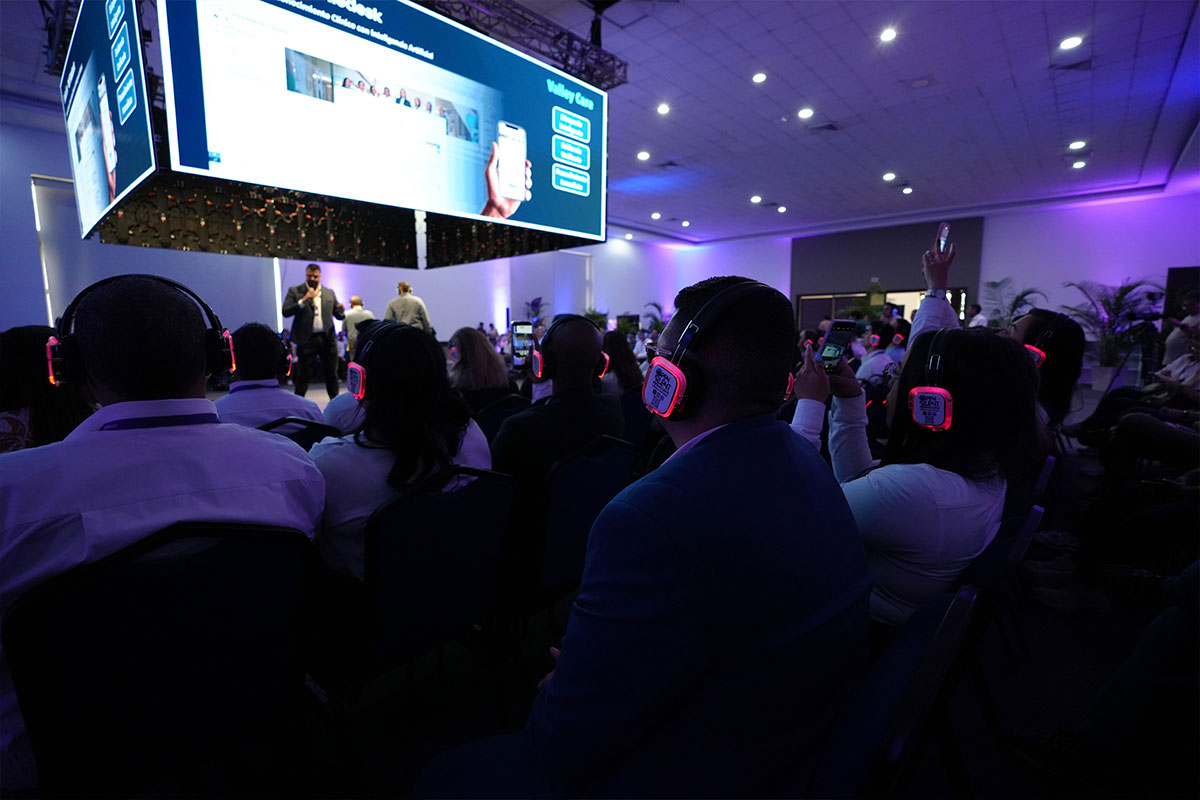
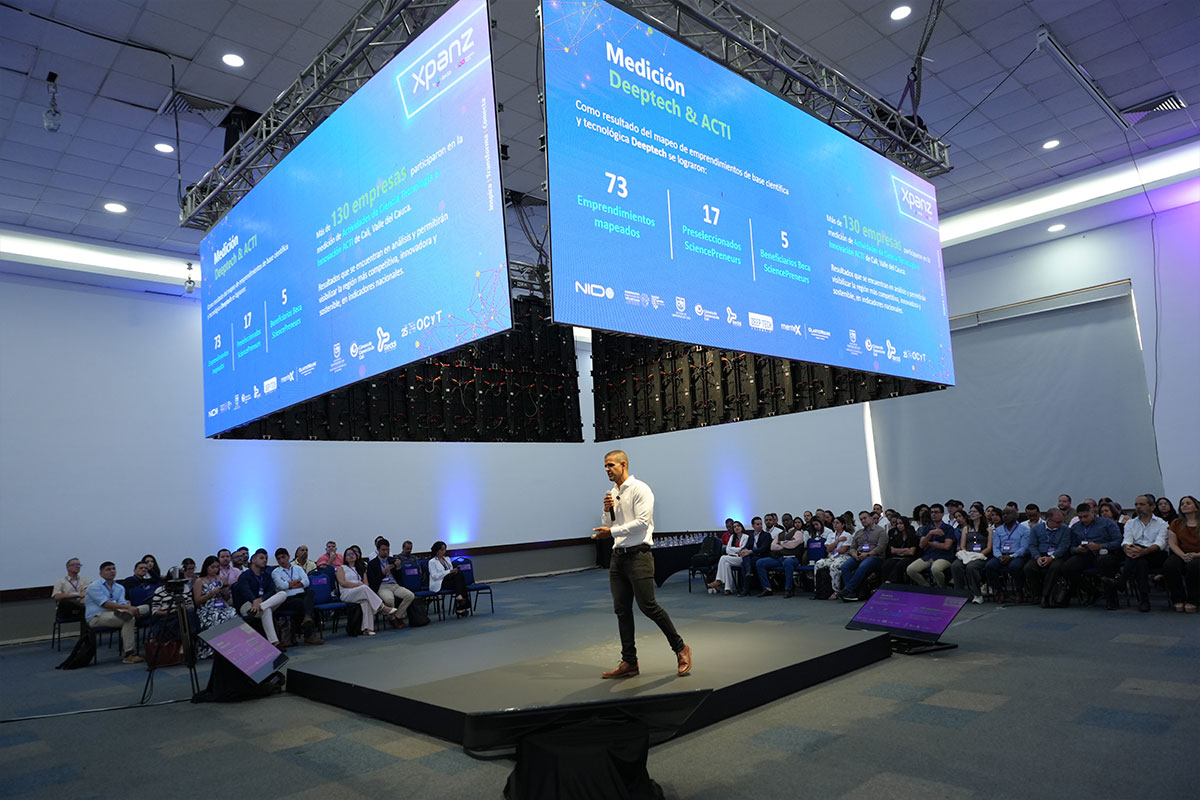
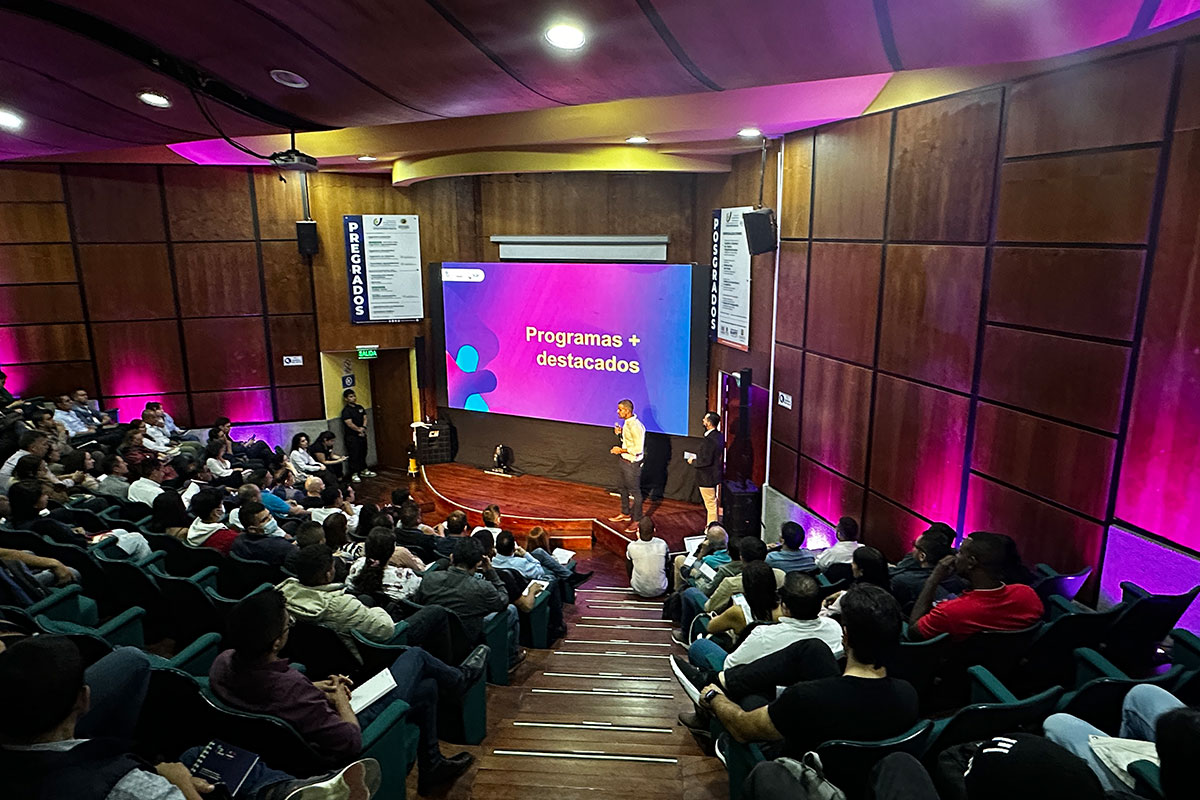
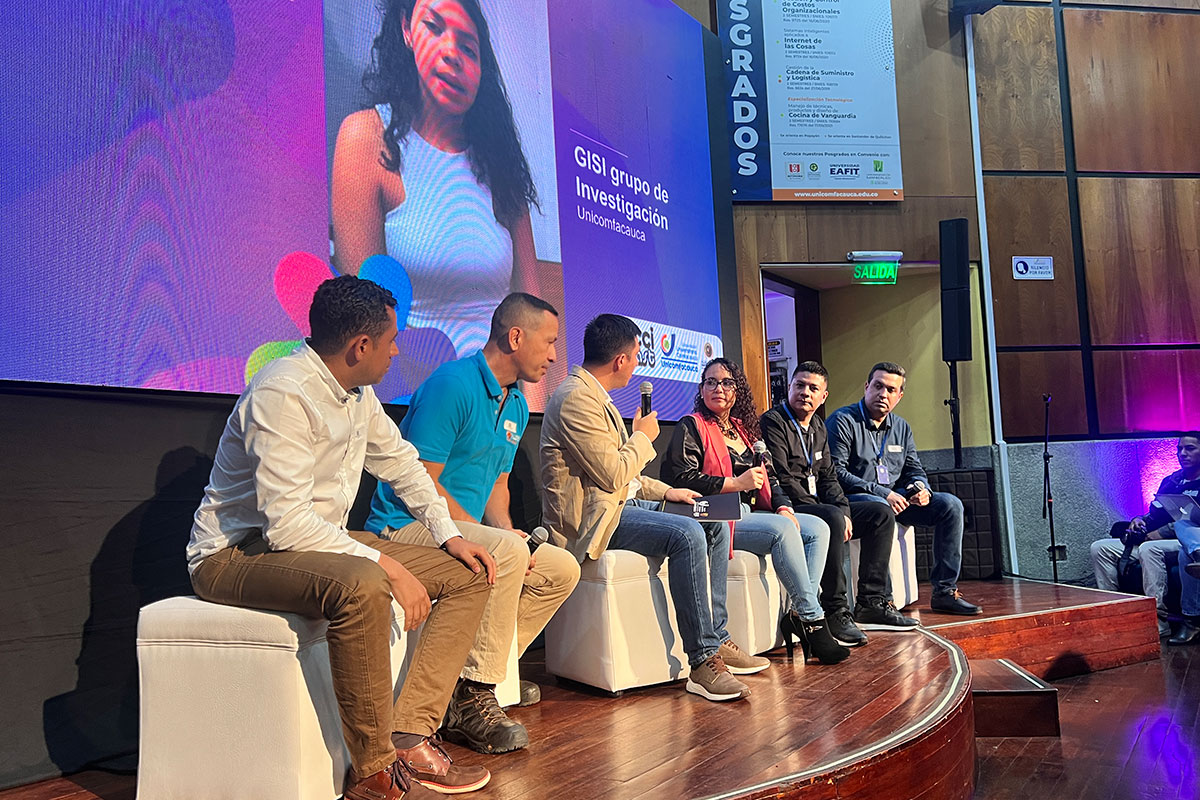
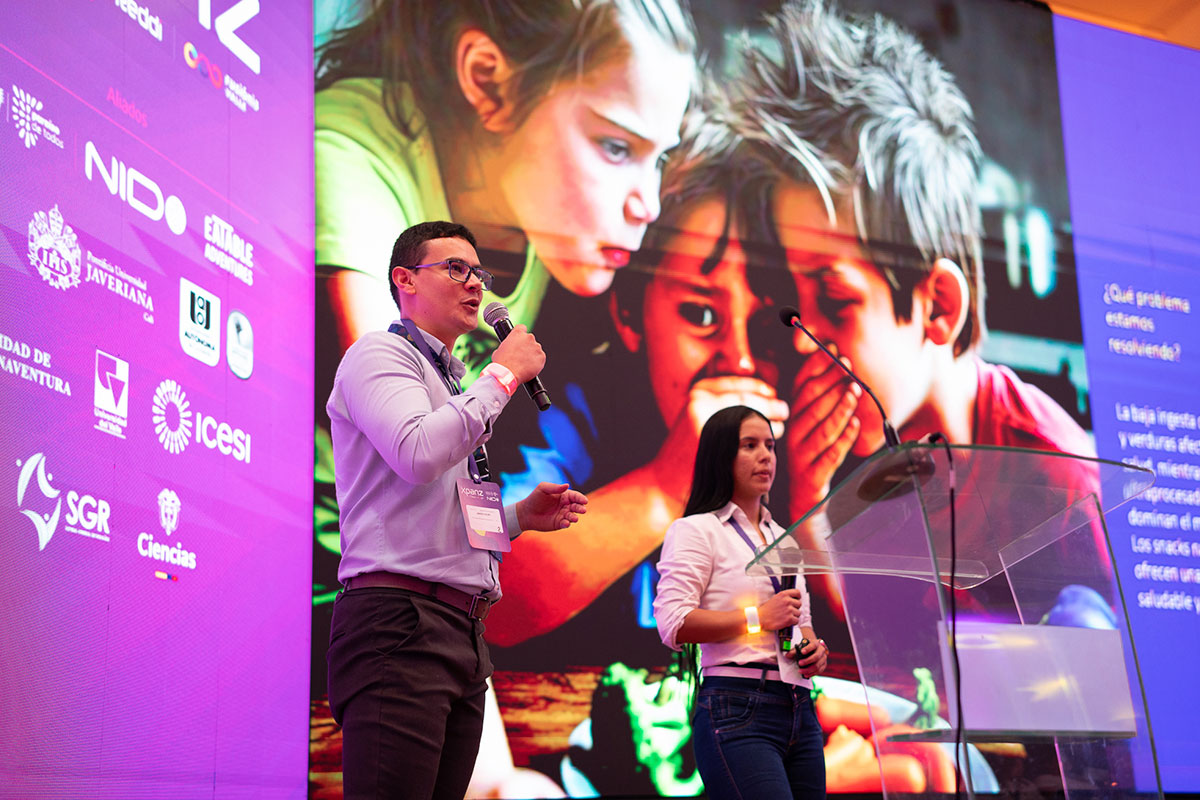
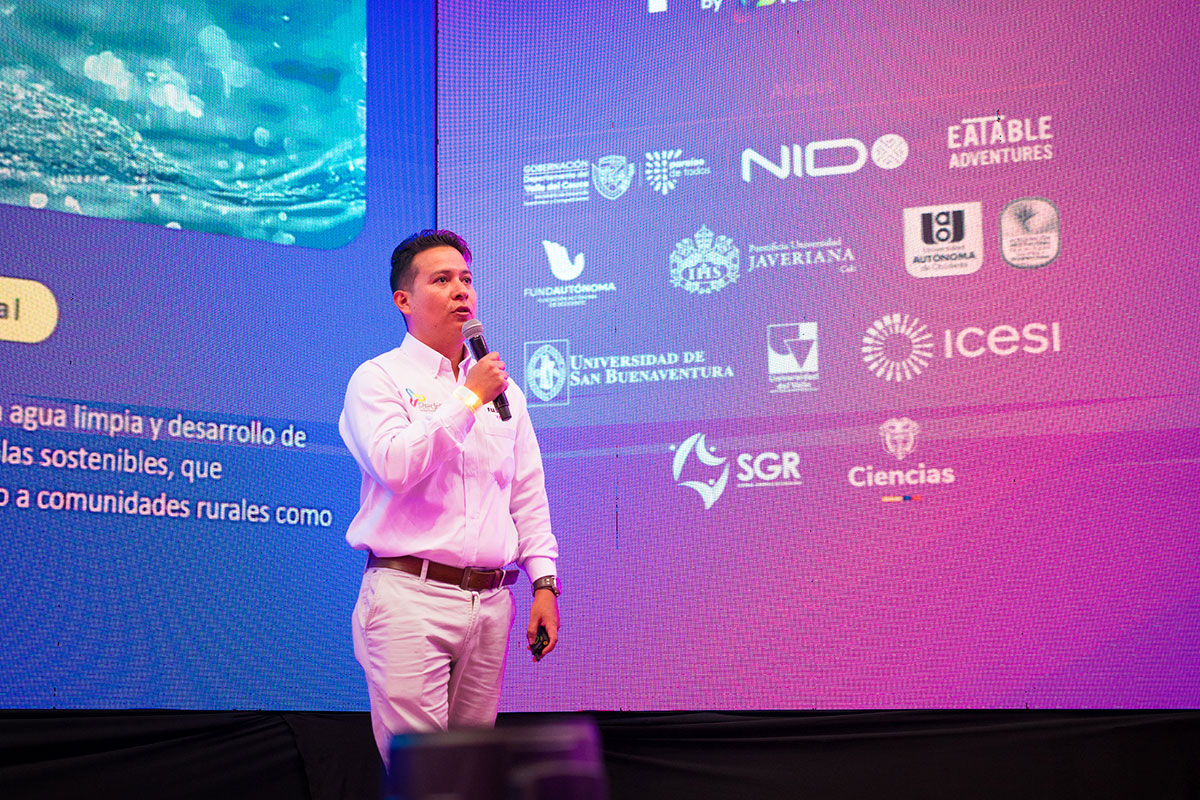
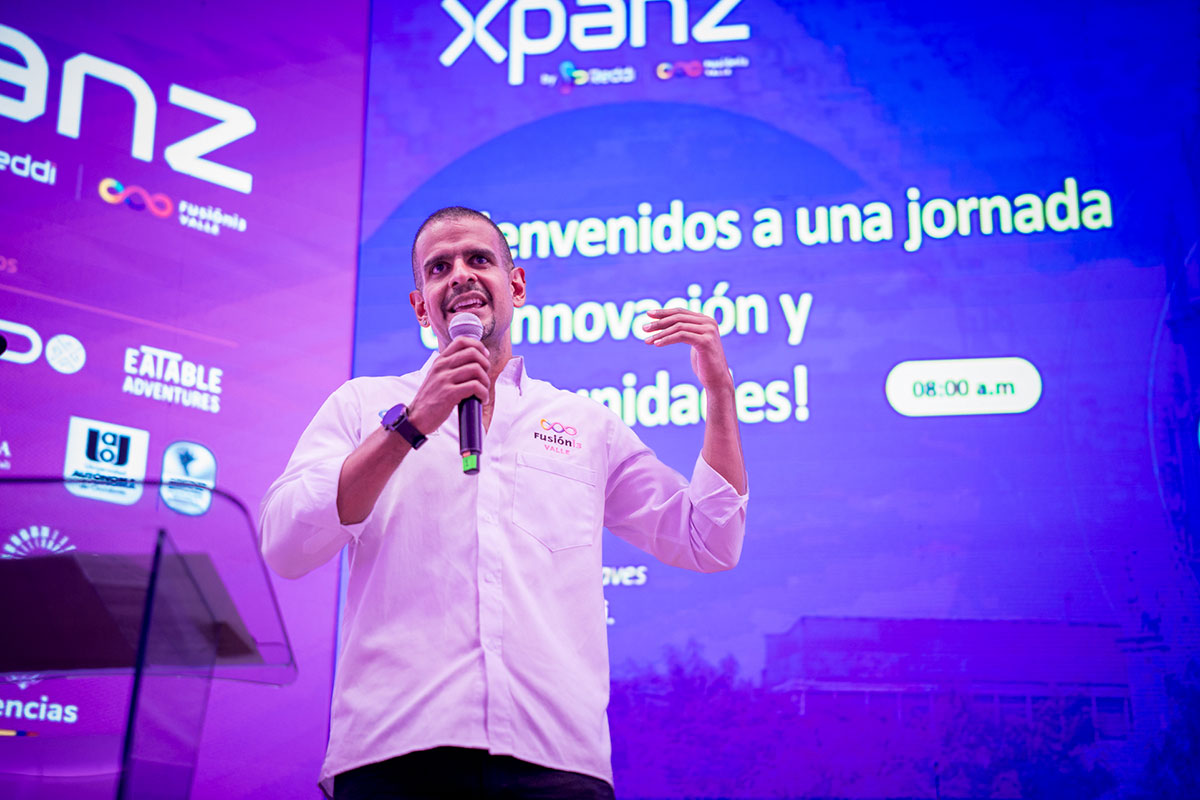
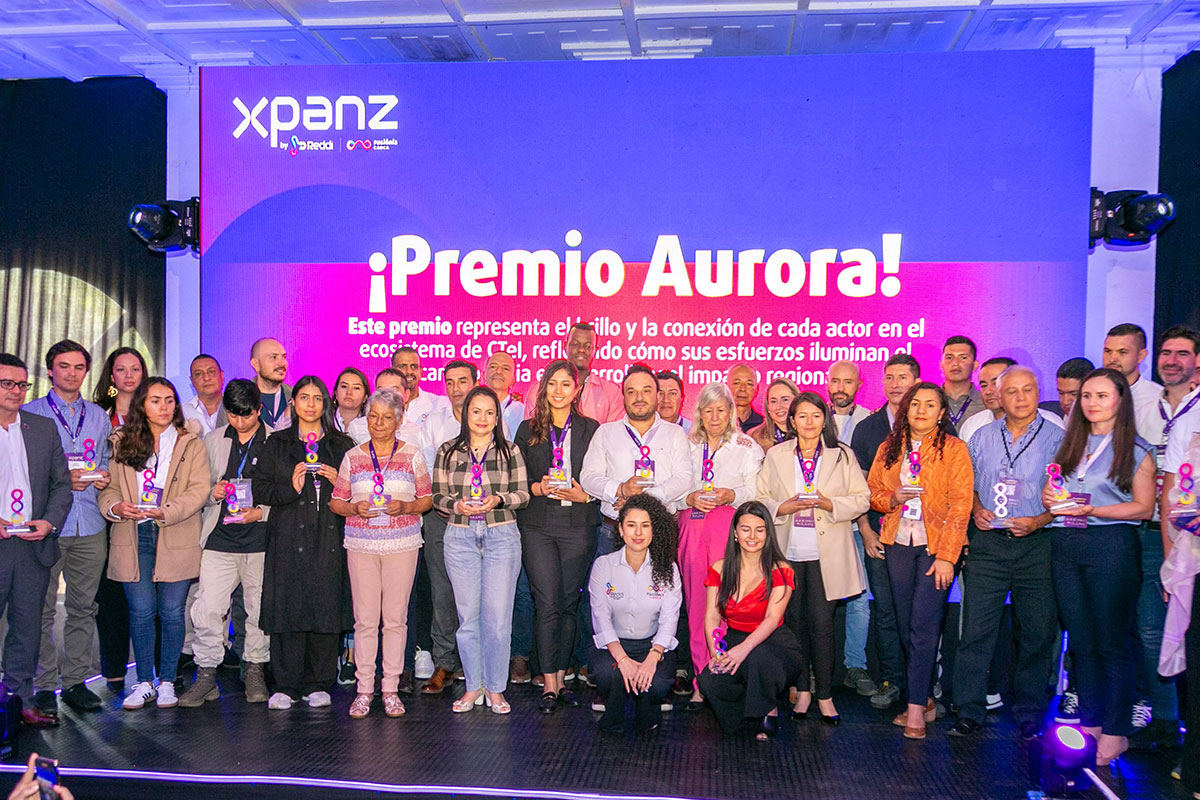
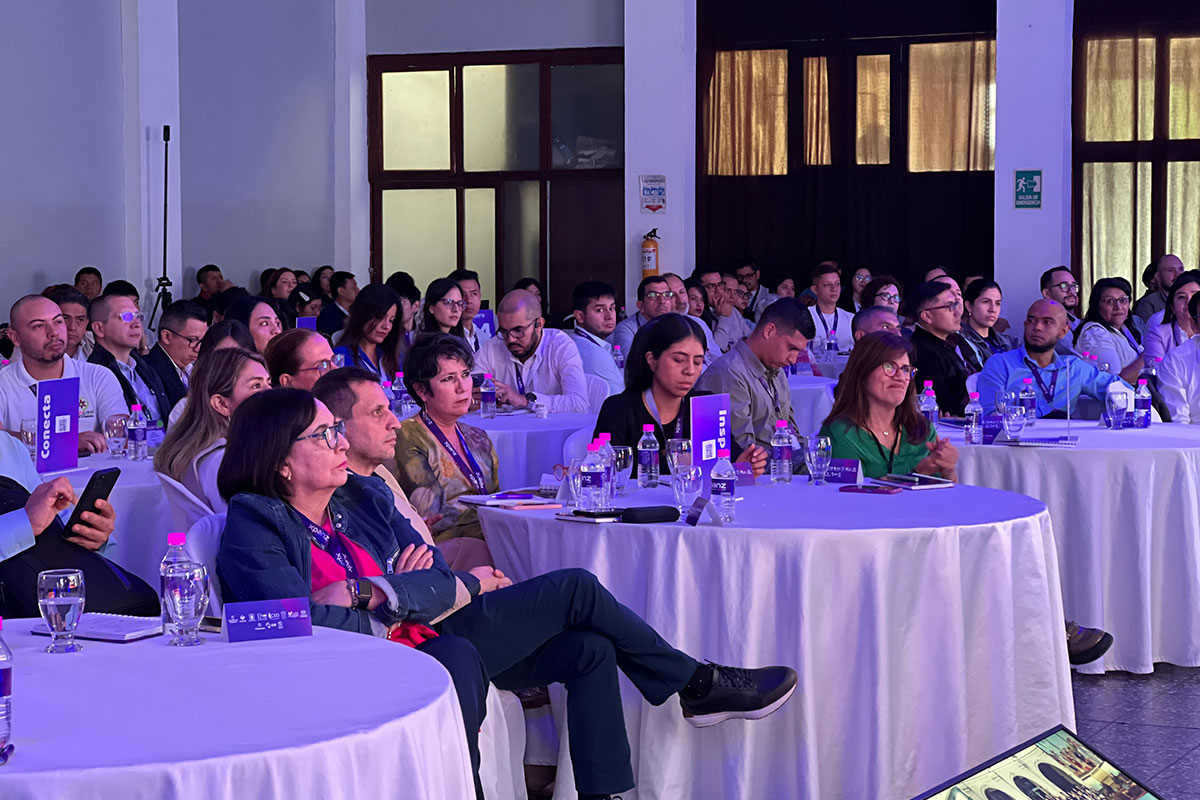
El evento contó con la participación de más de 101 asistentes en la Universidad Javeriana Cali.
Fue el primer acercamiento entre IES aliadas y MiPyMEs beneficiarias.
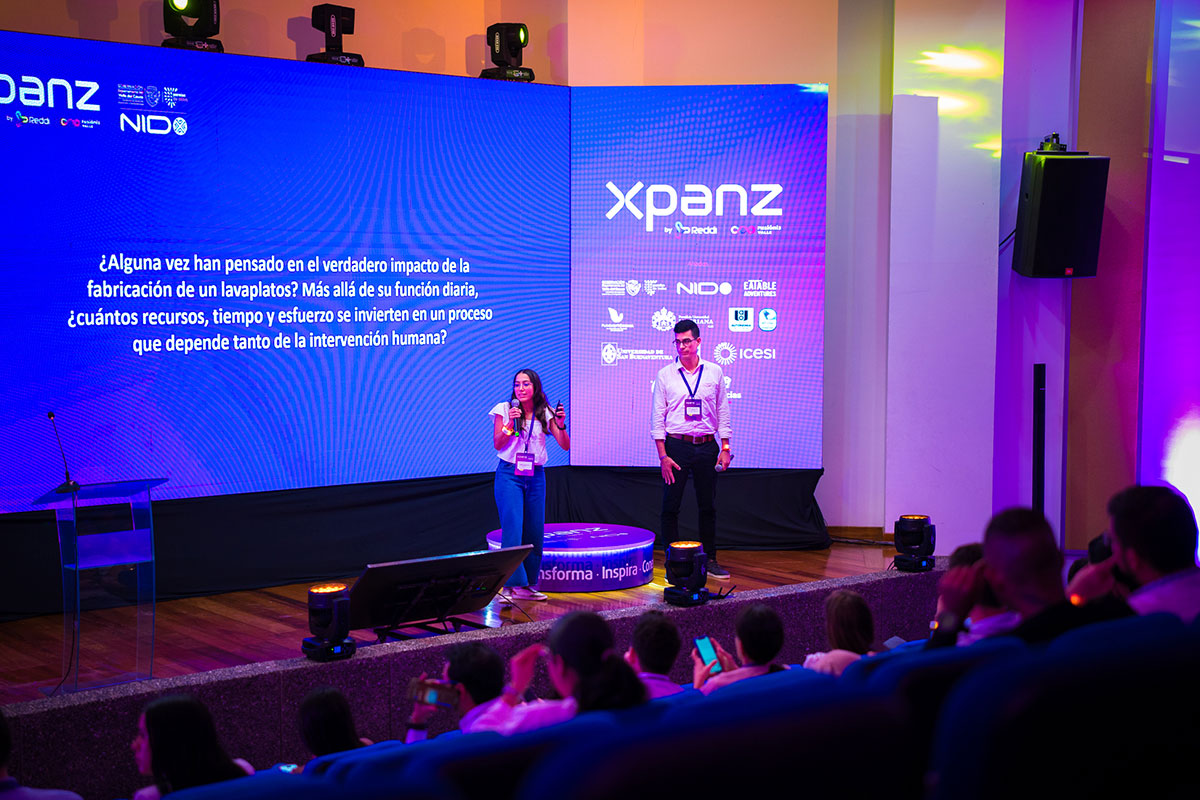
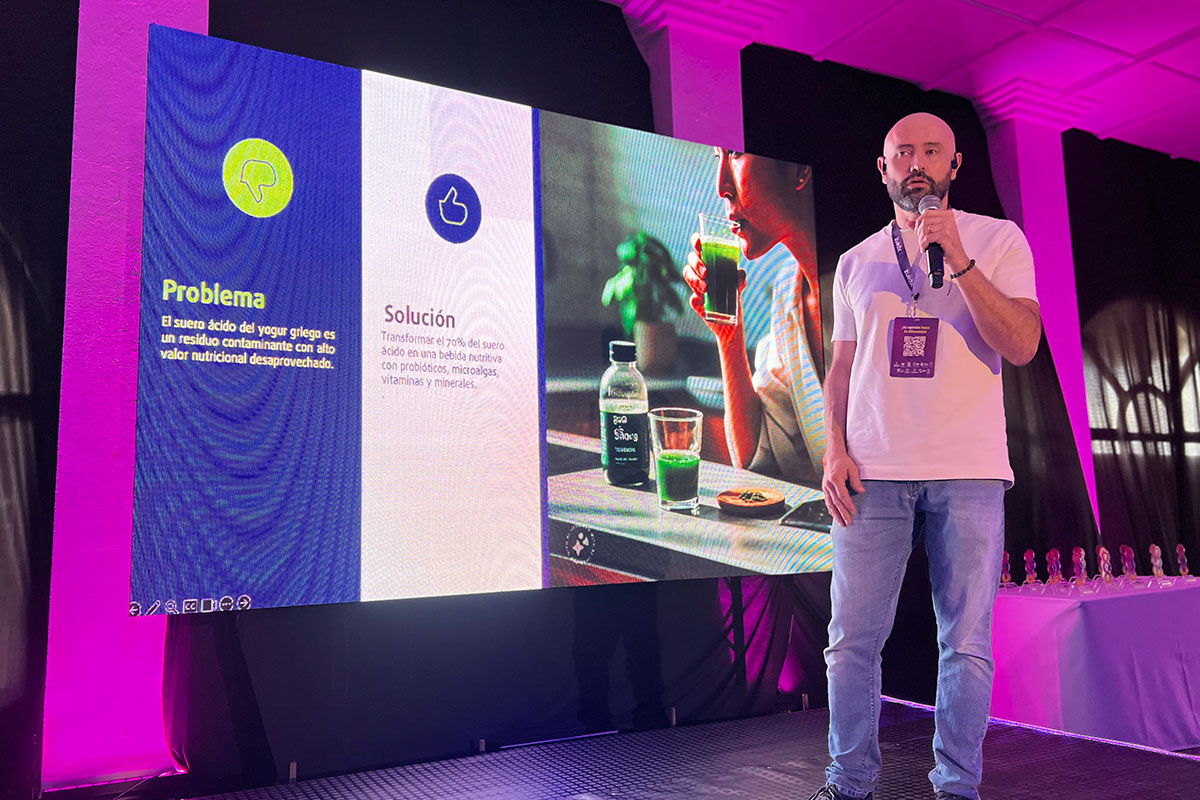
17 de estas MiPyMEs presentaron su Pitch, 11 tecnologías de las IES aliadas fueron presentadas en el Experience Day, las cuales tuvieron 28 validaciones pre-comerciales.
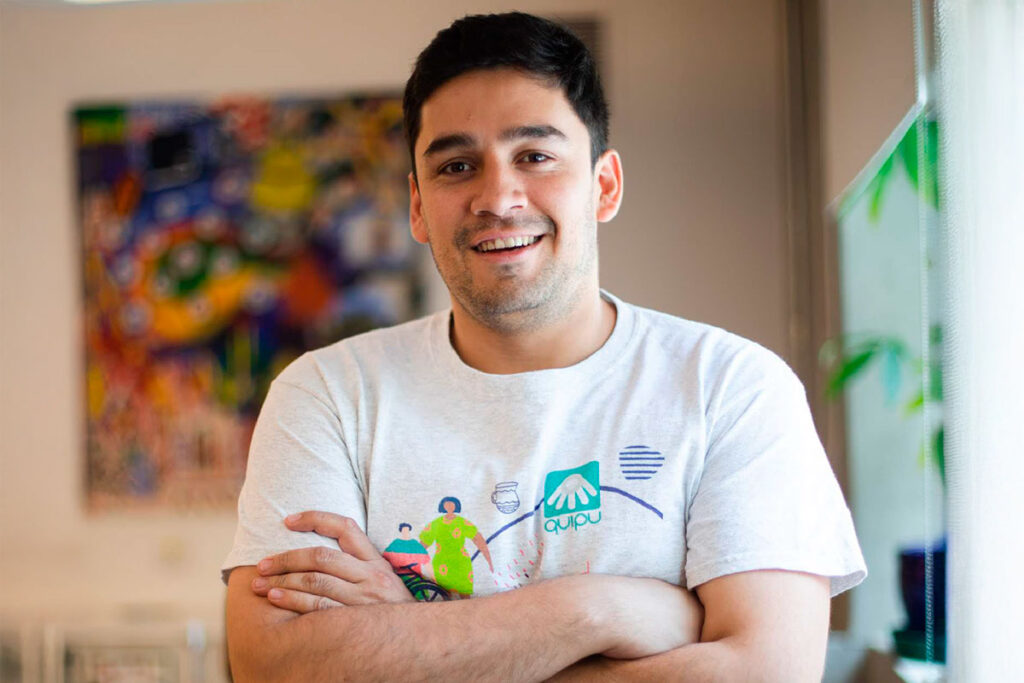
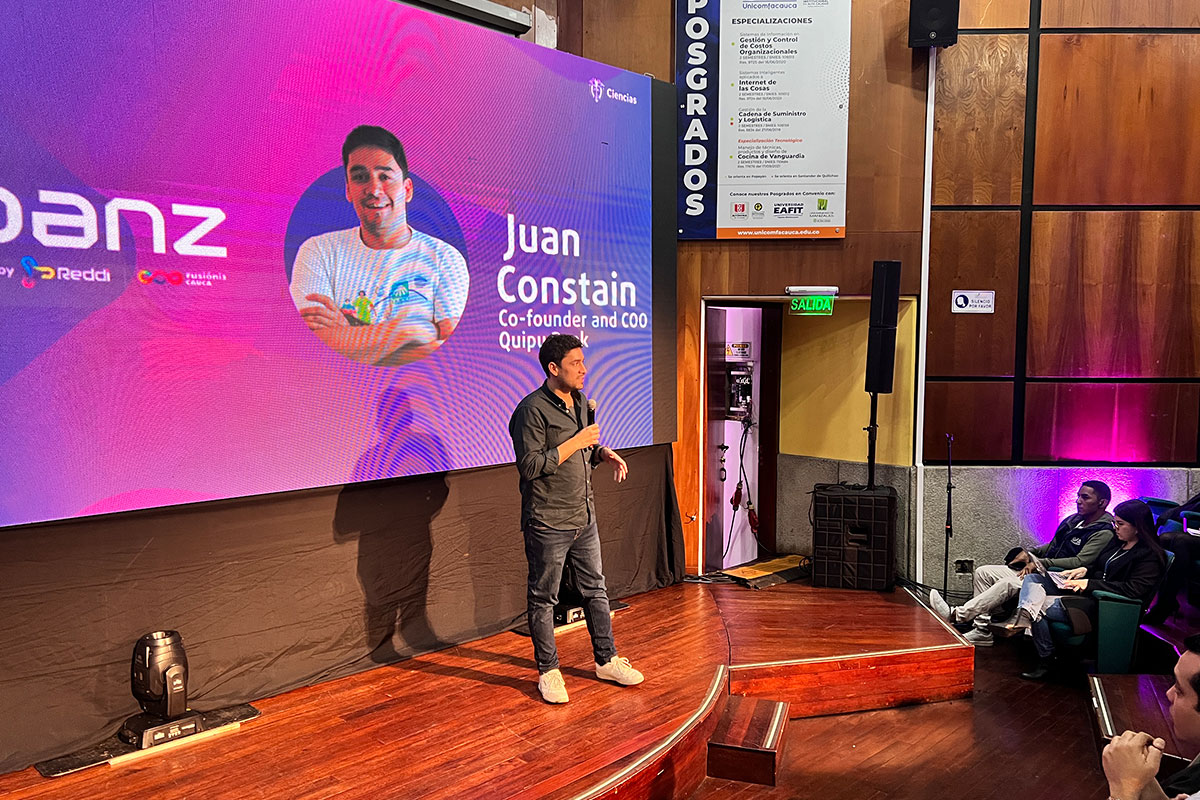
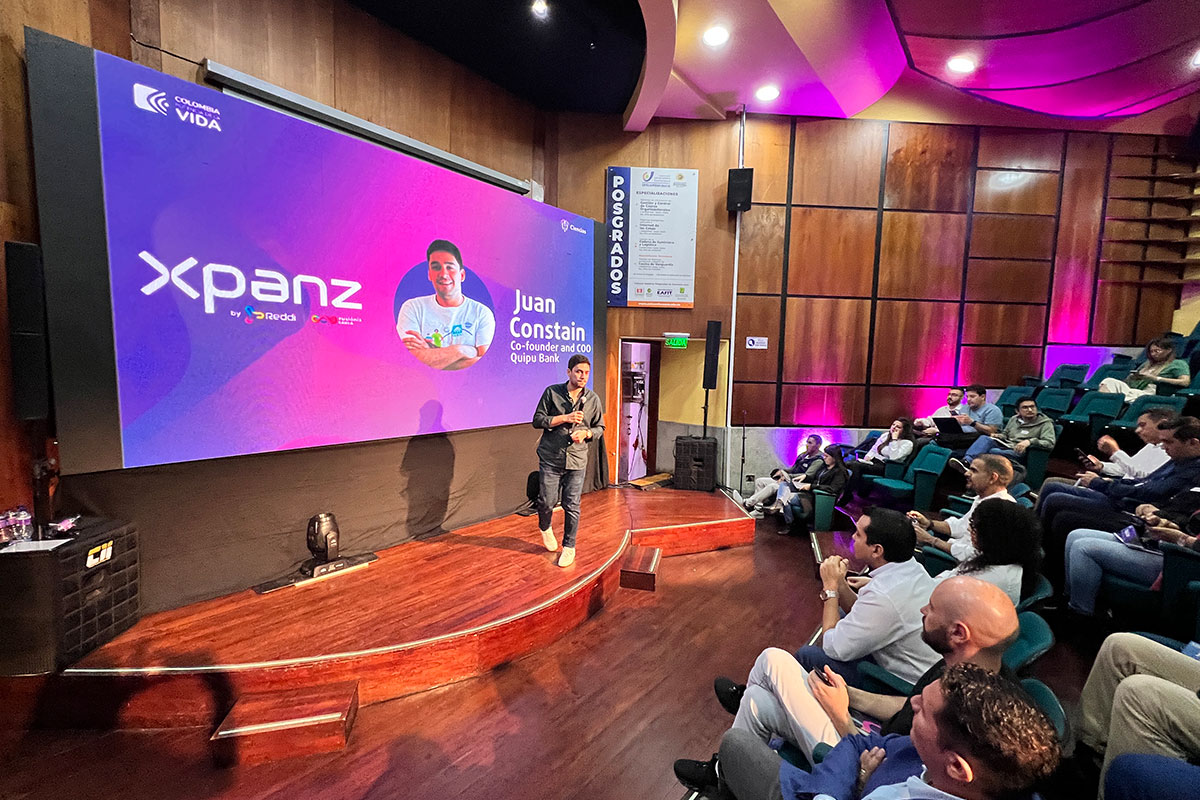
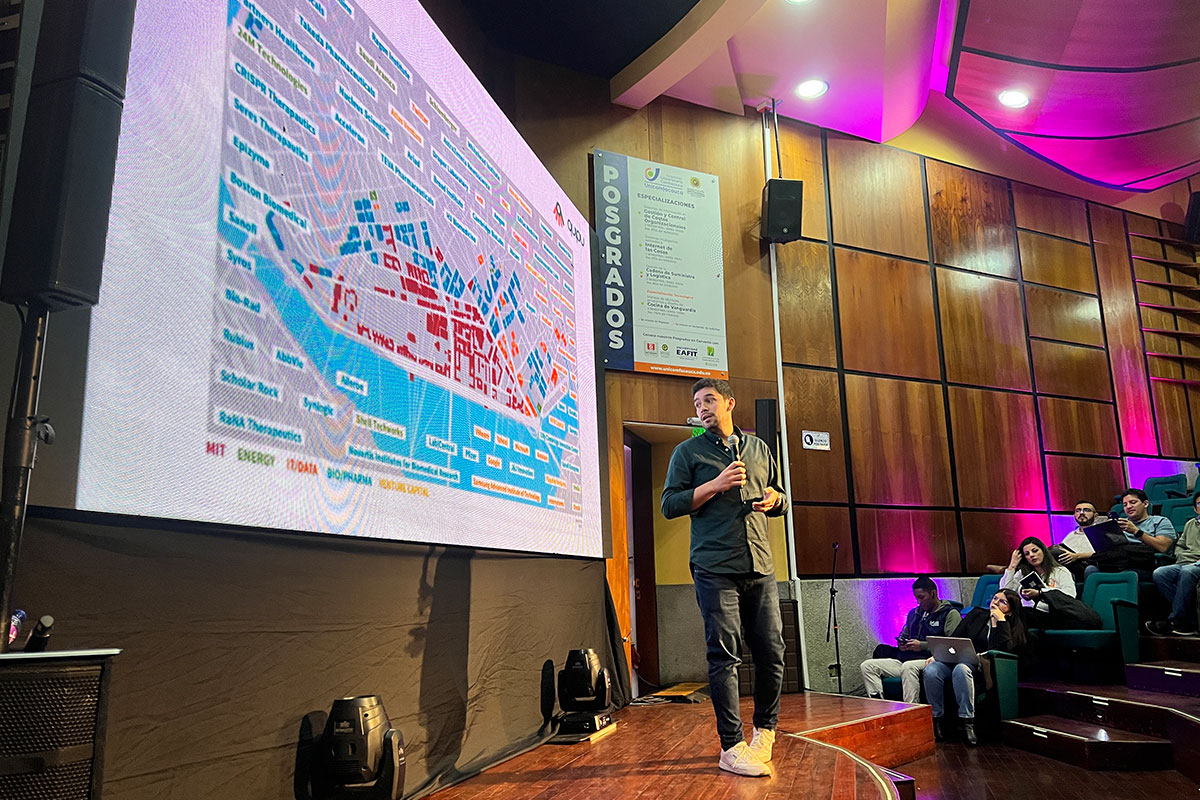
Conferencia: El camino de Quipu: de proyecto de investigación en MIT a fintech de inclusión financiera.
Cofundador y COO de Quipu Bank
Profesional en Gestión y Desarrollo Urbanos de la Universidad del Rosario, especialista en Derecho Urbano, y cuenta con una maestría en Planificación Urbana con énfasis en desarrollo económico del MIT. Como cofundador y COO de Quipu, una fintech de rápido crecimiento en Colombia, fue reconocido como Fellow del programa The Global Good Fund en 2023. Quipu ha recibido importantes reconocimientos de entidades como el Banco Mundial, Google, MIT, Forbes y Fast Company, consolidándose como un referente en inclusión financiera e innovación empresarial.

Director comercial de NotCo Colombia
Responsable de establecer la estrategia de negocio de NotCo en Colombia, en los frentes de Food Service, Retail. Administrador de negocios y especialista en mercadeo, con más de 25 años de experiencia liderando áreas de innovación en la industria de consumo masivo en Latinoamérica.

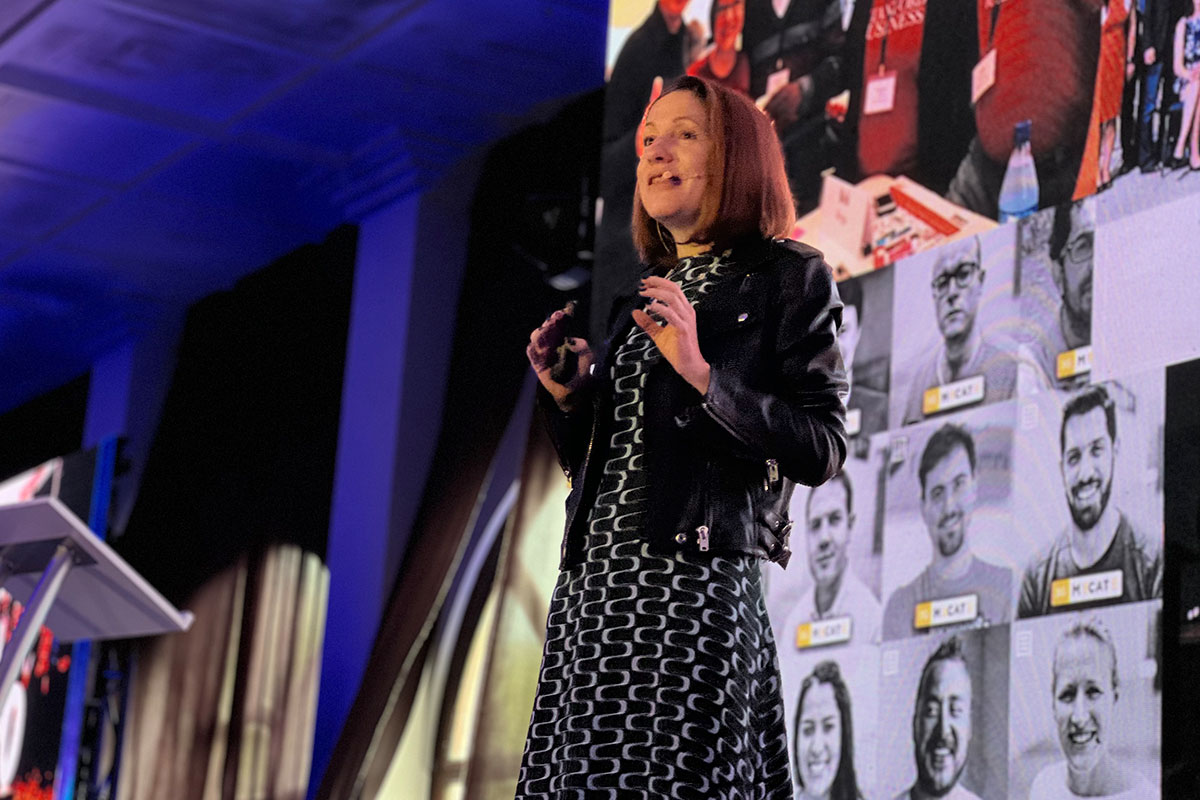
Conferencia: Efectos positivos de red.
CEO de Mentex y experta en innovación, reconocida entre los Top 100 gerentes de Colombia. Descubre cómo maximizar los efectos positivos de red y el impacto de la Alianza DeepTech en el fortalecimiento y escalamiento de startups en la región.