10-06-2022
Do you know when a heart attack occurs?
This usually happens when a blood clot blocks blood flow to the heart. Without blood, the tissue loses oxygen and dies. This can damage the heart’s pumping power and lead to incurable heart failure. After this failure, the only treatment option for some patients is a heart transplant, but currently the number of organ donors is much lower than the number on the waiting list.
For example, more than 35,000 heart attacks occur each year in Canada, yet only 200 heart transplants are performed. In the United States, approximately 2,000 heart transplants are performed annually, compared to 805,000 heart attacks. In the United Kingdom alone, some 920,000 people suffer from this condition.
Until recently, there was no way to treat a weakened heart, but now scientists have developed a “pumping” patch containing millions of live, pulsating stem cells that could help repair damage caused by a heart attack. The patches work by physically supporting the damaged heart muscle and helping it pump more effectively. They also release chemicals that stimulate heart cells to repair and regenerate.
What are pulsating heart patches?
A heart tissue patch, about the size of a thumb (3 cm x 2 cm), contains up to 50 million human stem cells. It is grown in a laboratory from a sample of the patient’s own cells. It is then sewn onto the patient’s heart to transform it into healthy muscle. One or more patches can be implanted in the heart of someone who has suffered a heart attack to prevent or even reverse damage to the organ.
How do they work?
In the lab, tests show that the patches begin to beat within three days and mimic mature heart tissue after a month. In animals, the patches improved heart function after a heart attack. Most impressively, the heart’s blood vessels were able to grow on the patches. The cells (patches) implanted in the rabbits’ hearts began to regenerate, and the heart pumped more efficiently. The left ventricle of the rabbit hearts, responsible for pumping blood to the body, was rebuilt without forming abnormal heart rhythms in just four weeks.
Scientists at Imperial College London believe it is now safe to test the patches in human clinical trials, given the very satisfactory results from laboratory tests and rabbit trials. They presented their findings at the British Cardiovascular Society (BCS) conference in Manchester, England. They say patient trials will begin within the next two years. Their next step is to determine whether the patches can help patients with heart failure, which is otherwise incurable.
Professor Metin Avkiran, deputy medical director of the British Heart Foundation (BHF), which is funding the research, said: “This is an excellent example of cutting-edge research that can mend broken hearts and transform lives around the world. If clinical trials demonstrate the benefits of these patches in people who have suffered a heart attack, regenerative medicine will take a giant leap forward. Heart failure is a debilitating, life-changing condition with no cure, making everyday tasks incredibly difficult. If we could patch the heart and help it heal, we could transform the outlook for these people.”
If all goes well and the patches pass human trials, scientists anticipate that hospitals will have a stockpile of prefabricated patches compatible with all patients, so that someone suffering a heart attack can have one implanted quickly. Their goal is to make this vision a reality.
In the words of Dr. Richard Jabbour, from the BHF Centre for Regenerative Medicine in London: “
One day we hope to be able to add cardiac patches to the treatments that doctors can routinely offer to people who have suffered a heart attack. We could prescribe one of these patches alongside heart failure medications, which could be taken off the shelf and implanted directly in a person.”
Sources:
For more information visit:
https://lnkd.in/gsAhachS
https://lnkd.in/g6WD7b-M
https://lnkd.in/gM_EfEs4


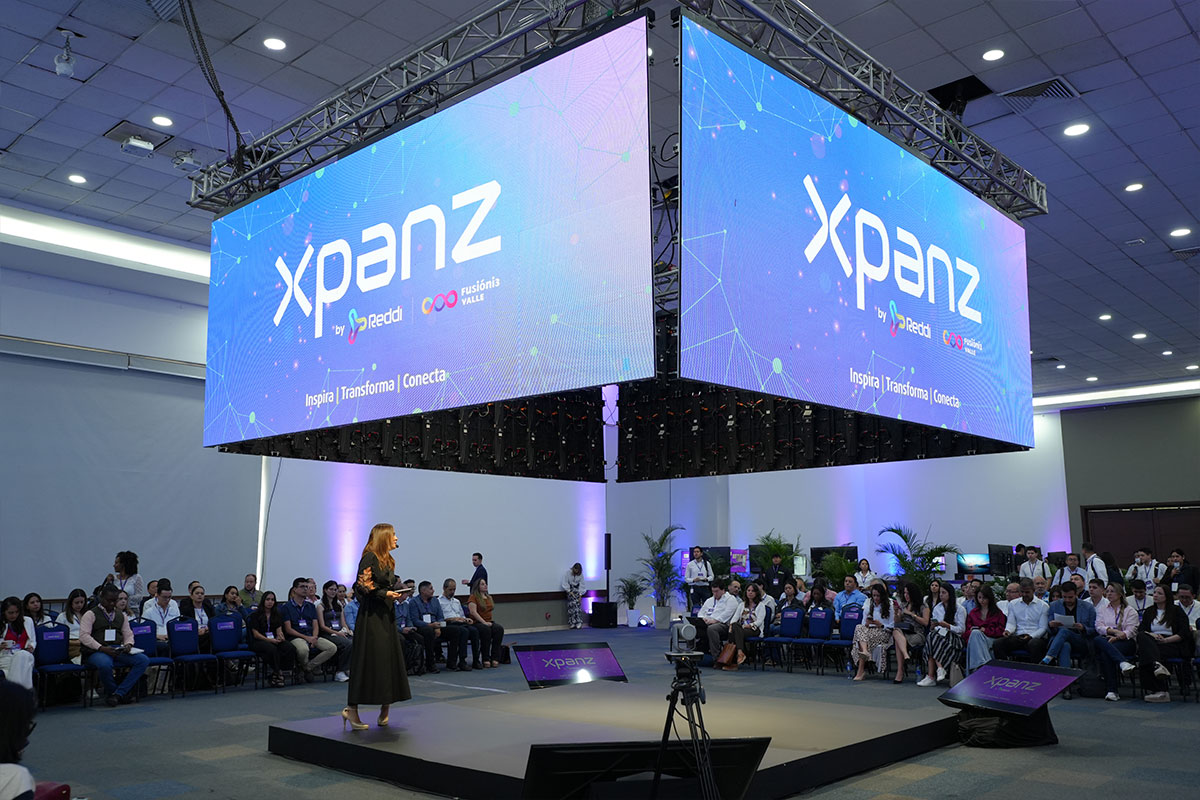
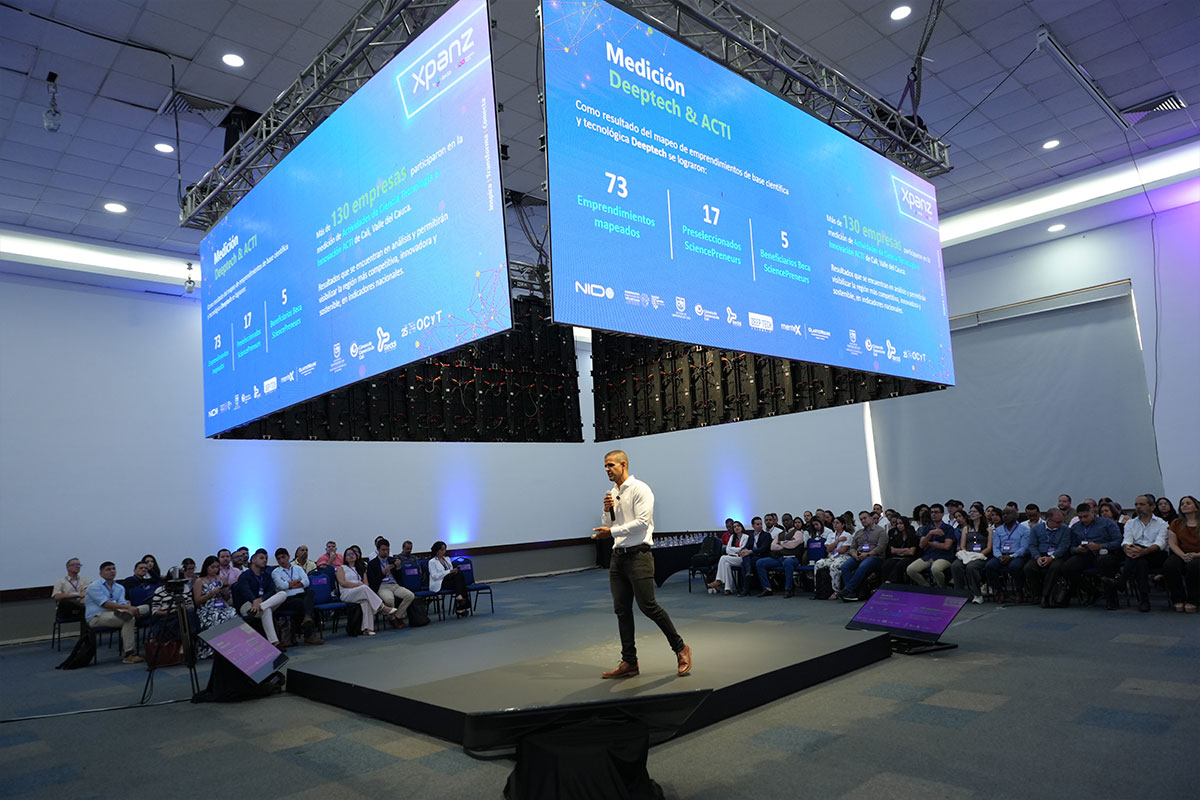
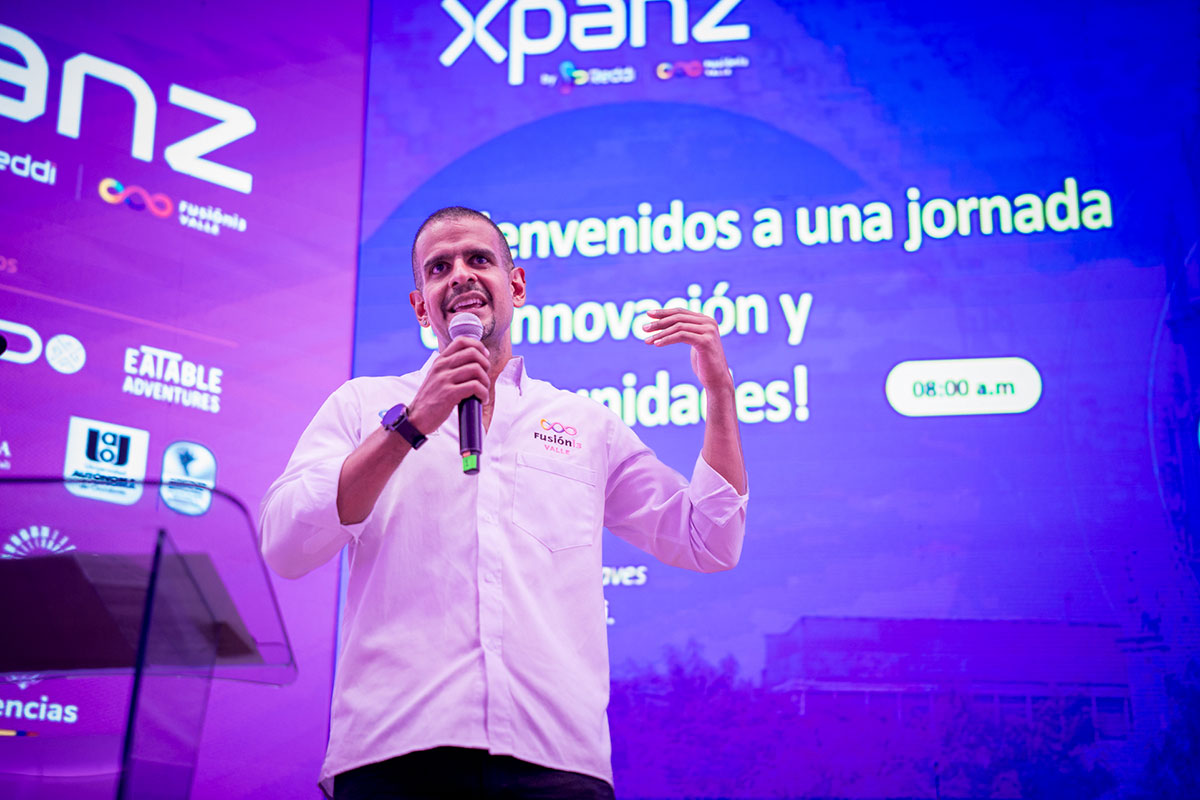
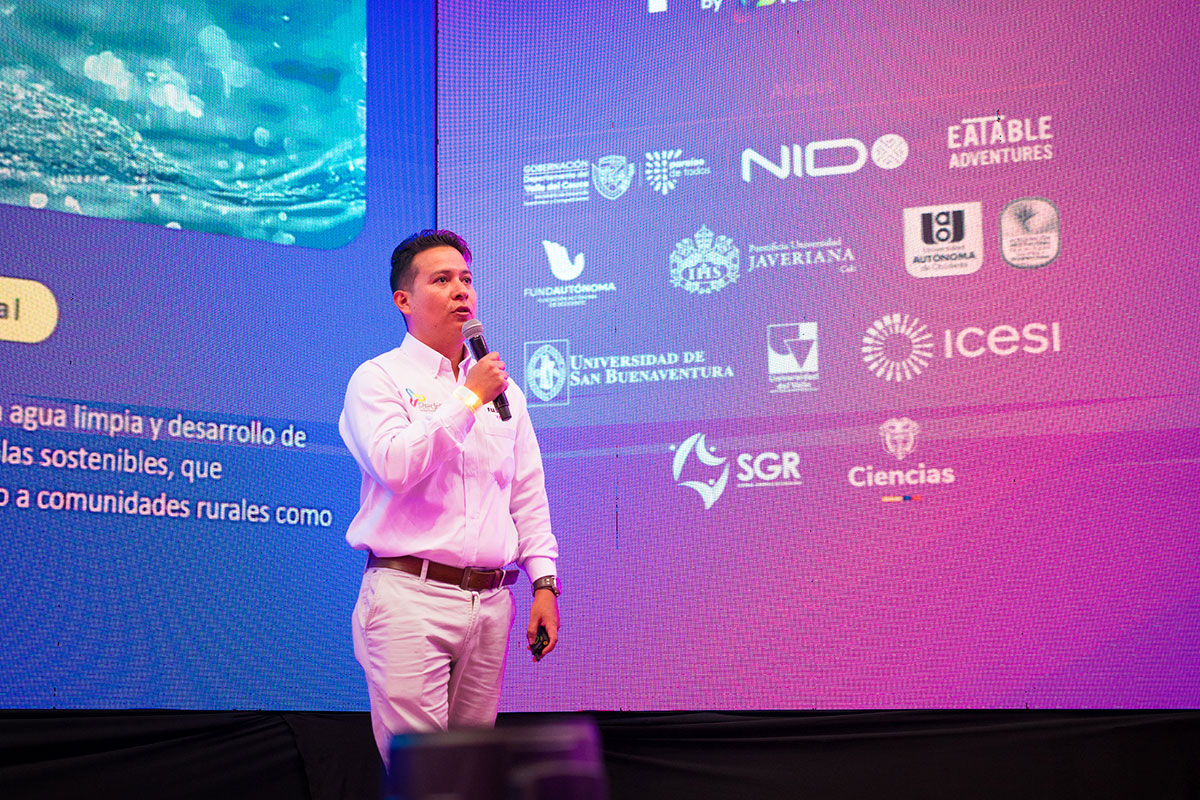
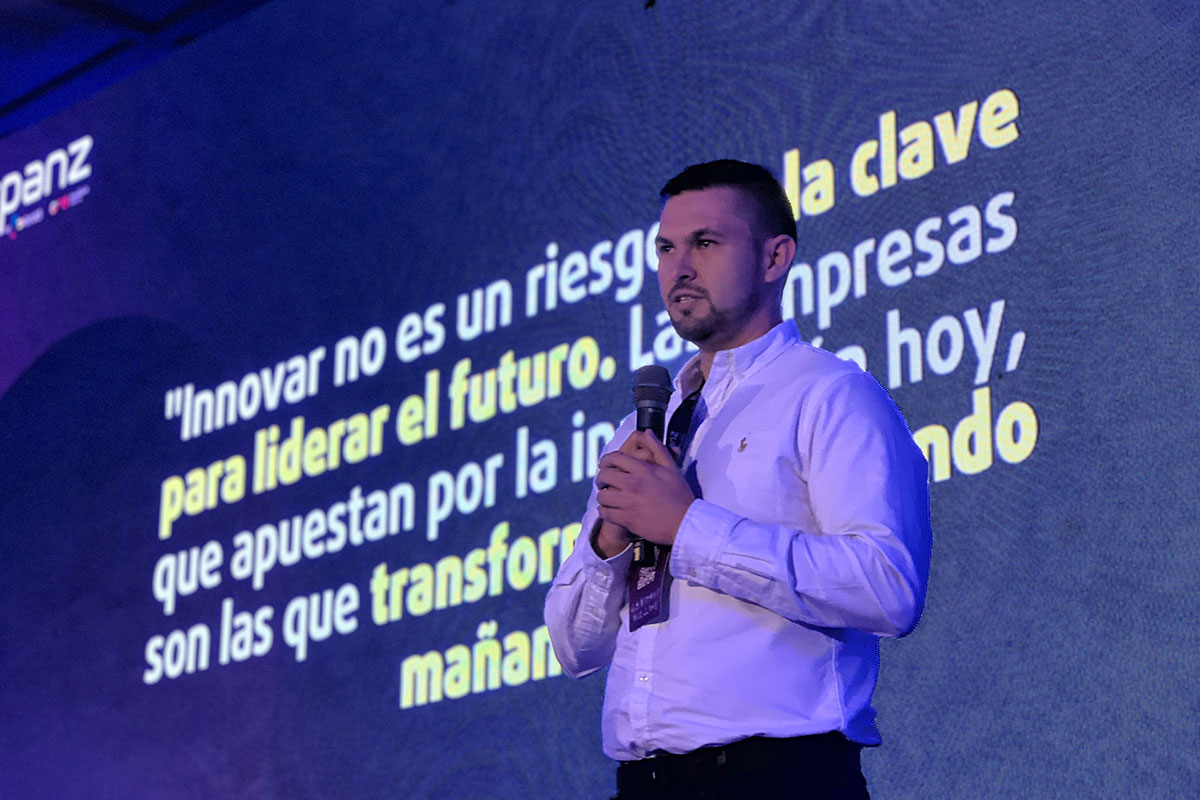
Conferencia “Innovación con impacto empresarial”
Presidente gremial, mentor y emprendedor serial
EdTech HUB LATAM + 90 Edtechs
Asociación de emprendedores +500 marcas de consumo
Ha logrado:
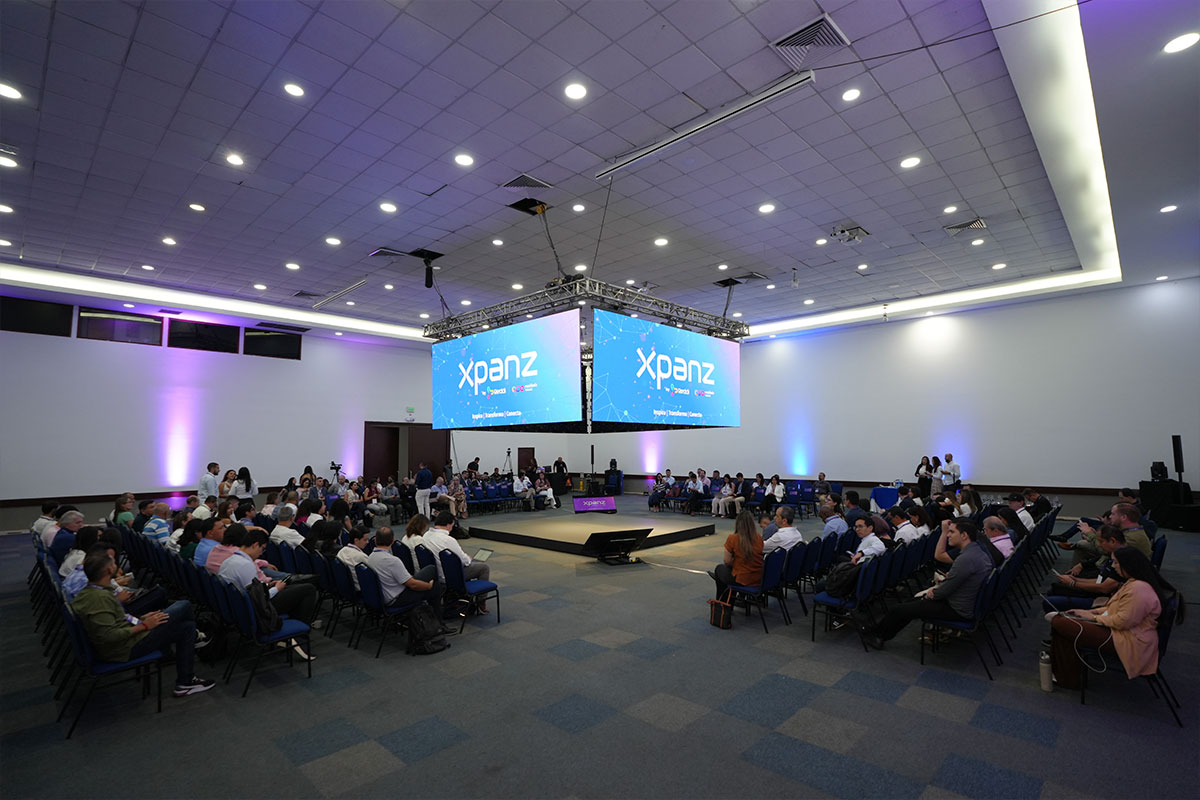
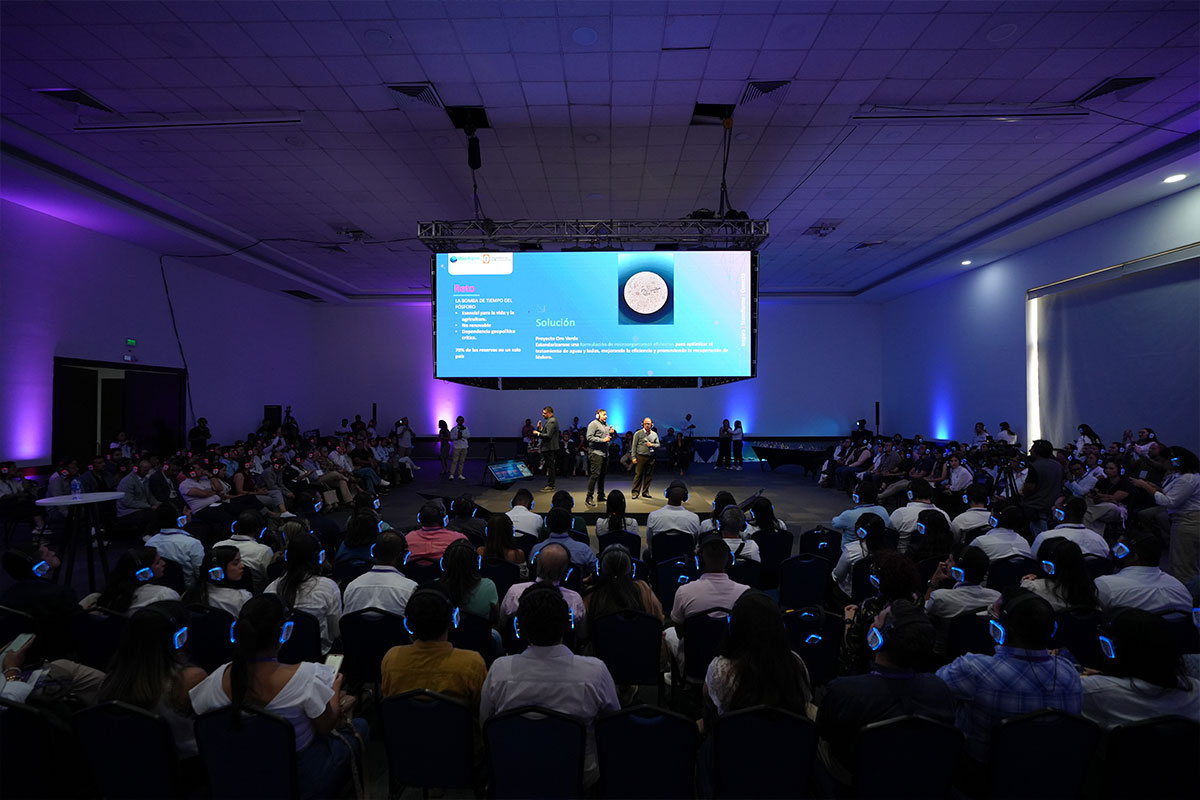
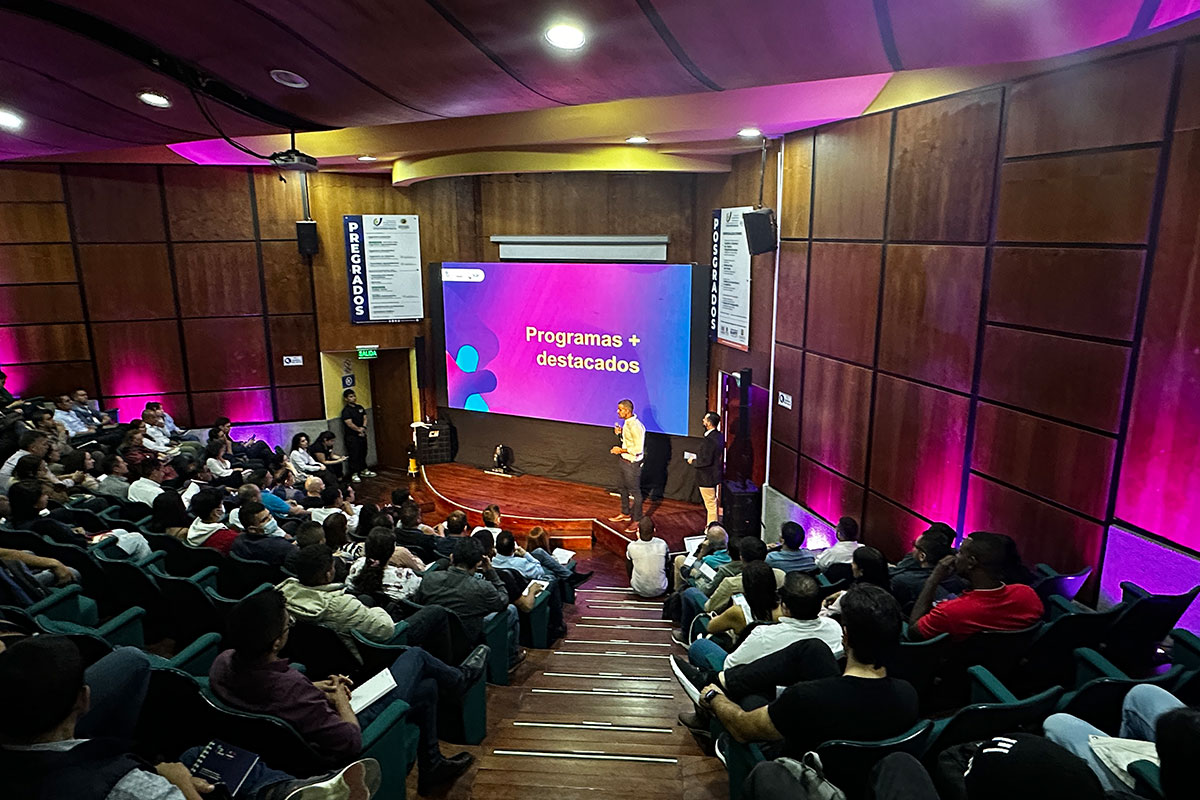
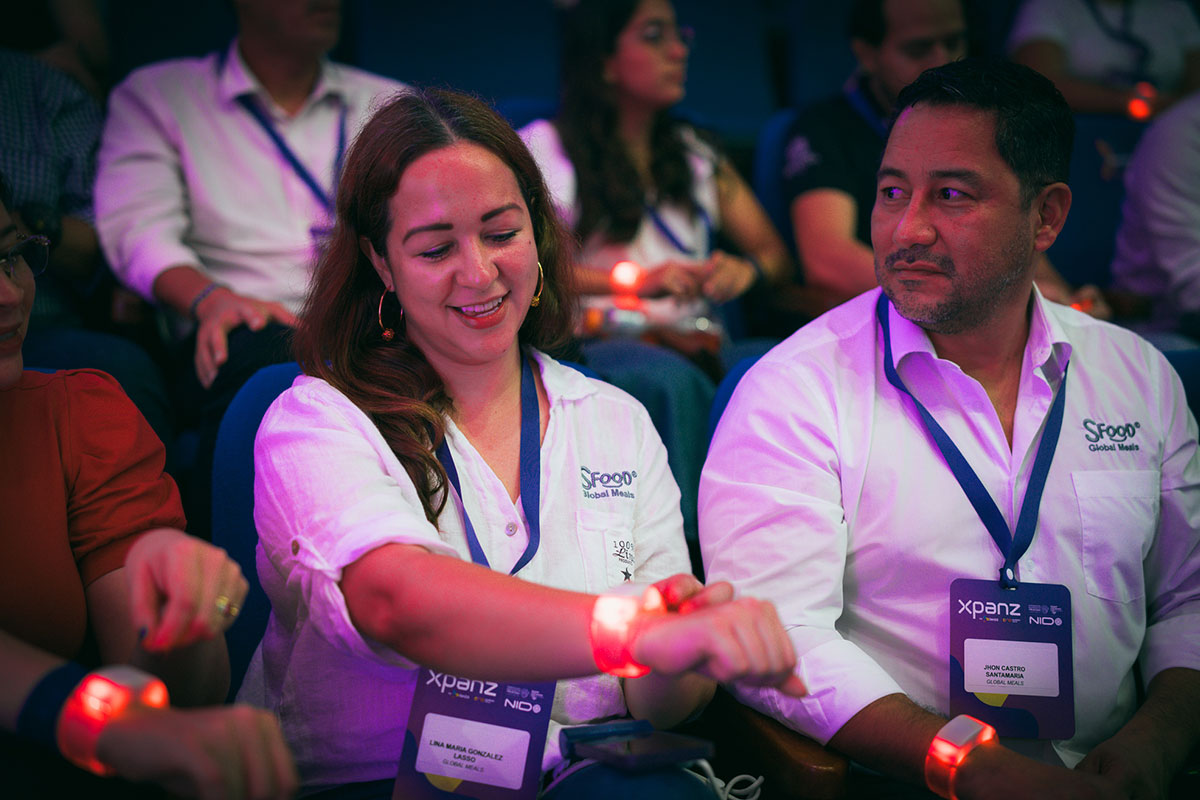
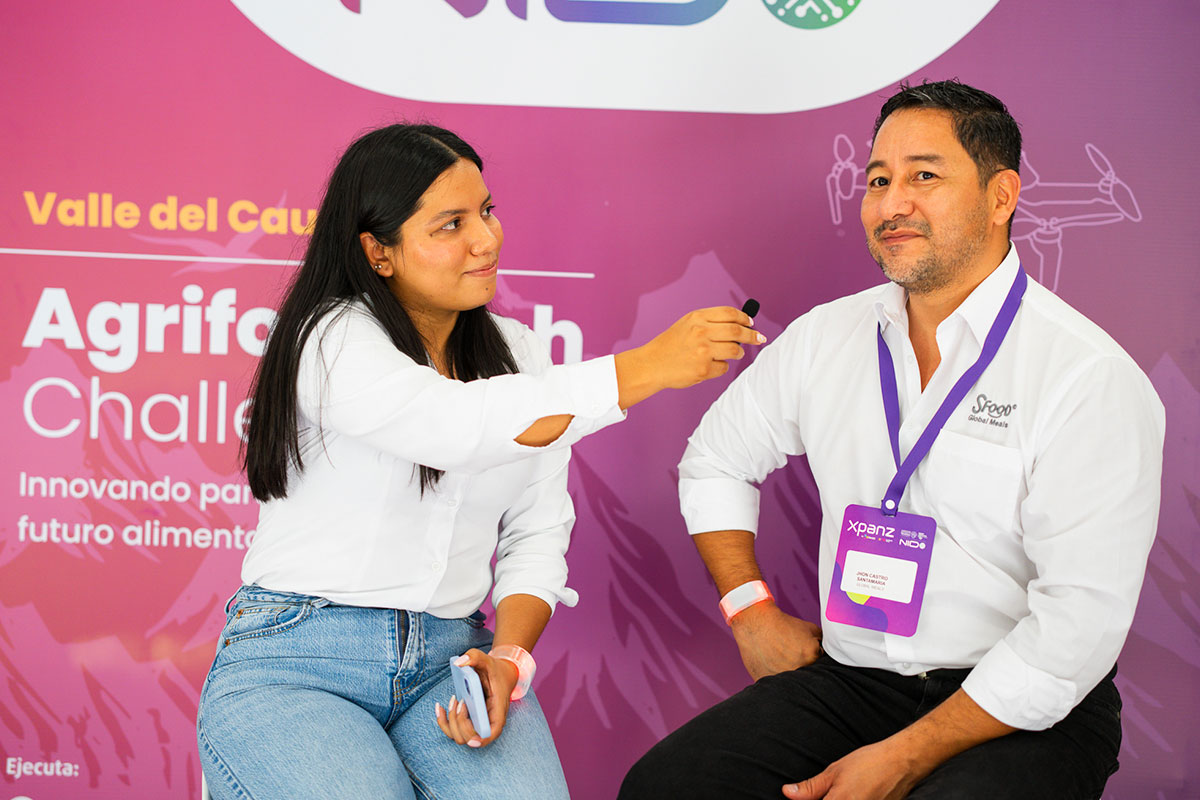
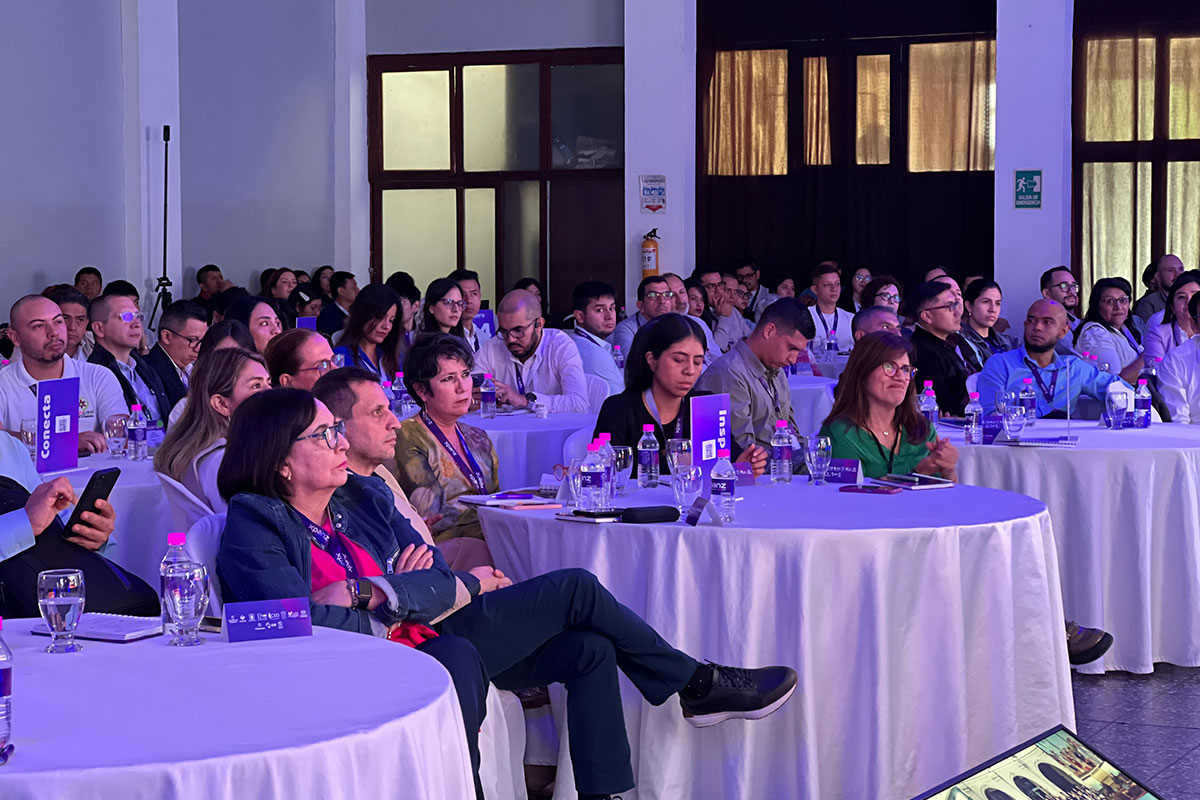
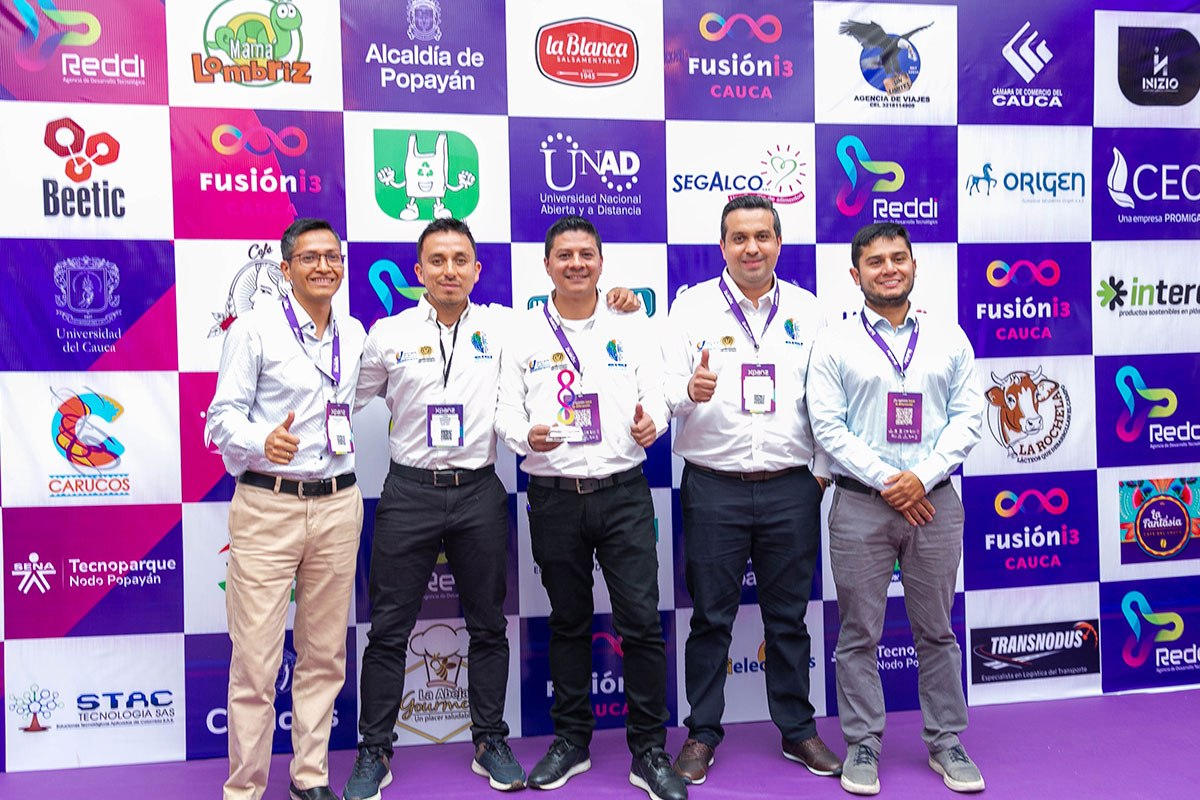
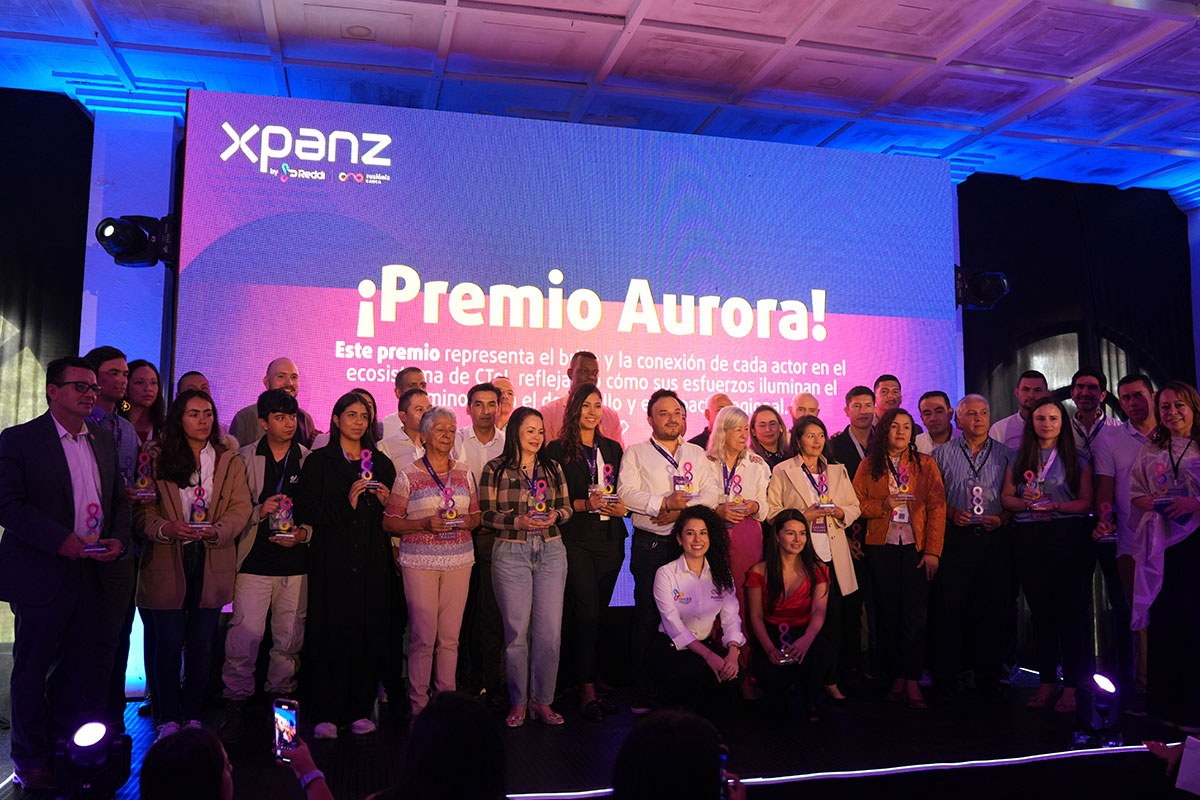
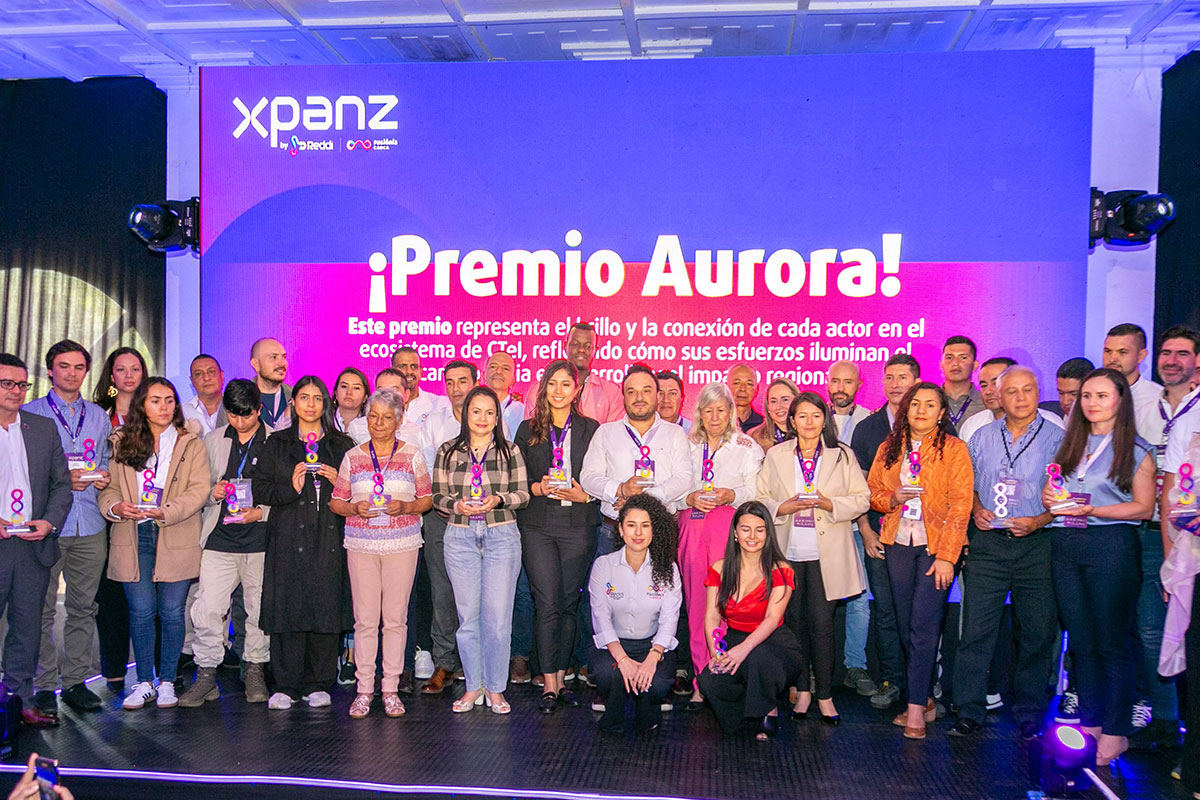
El evento contó con la participación de más de 101 asistentes en la Universidad Javeriana Cali.
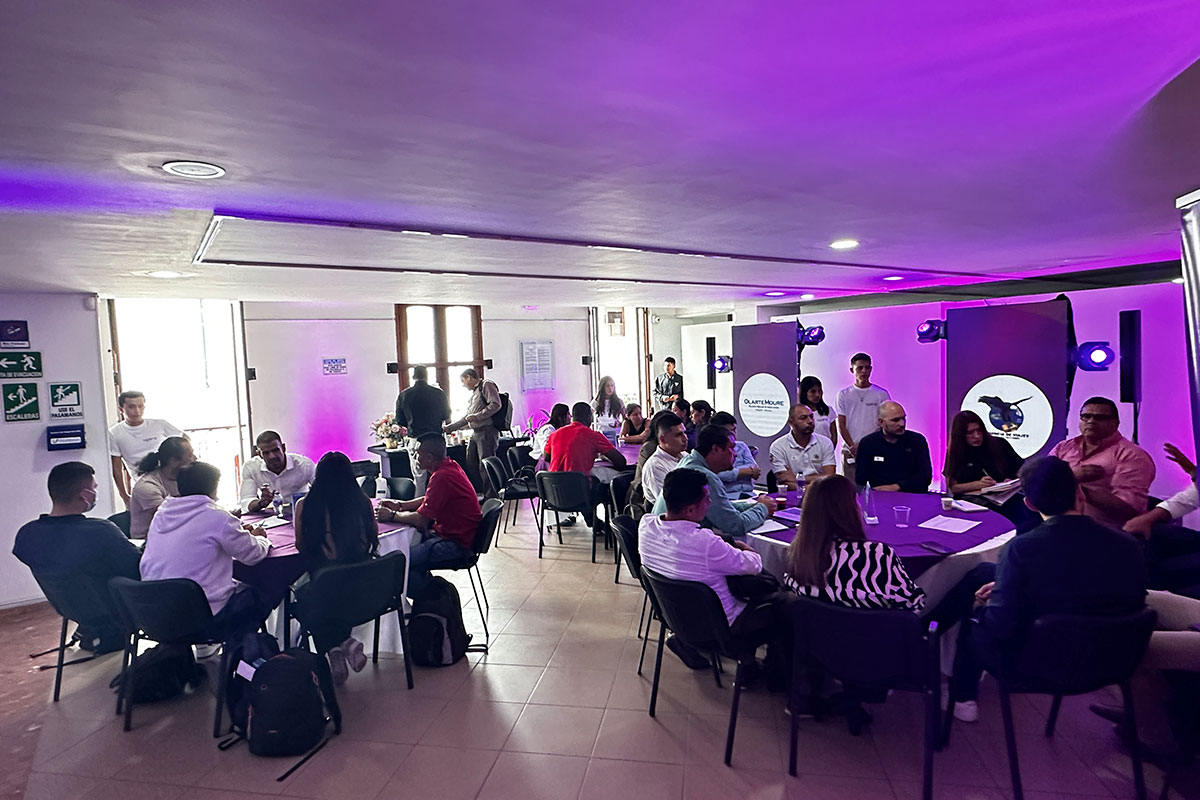
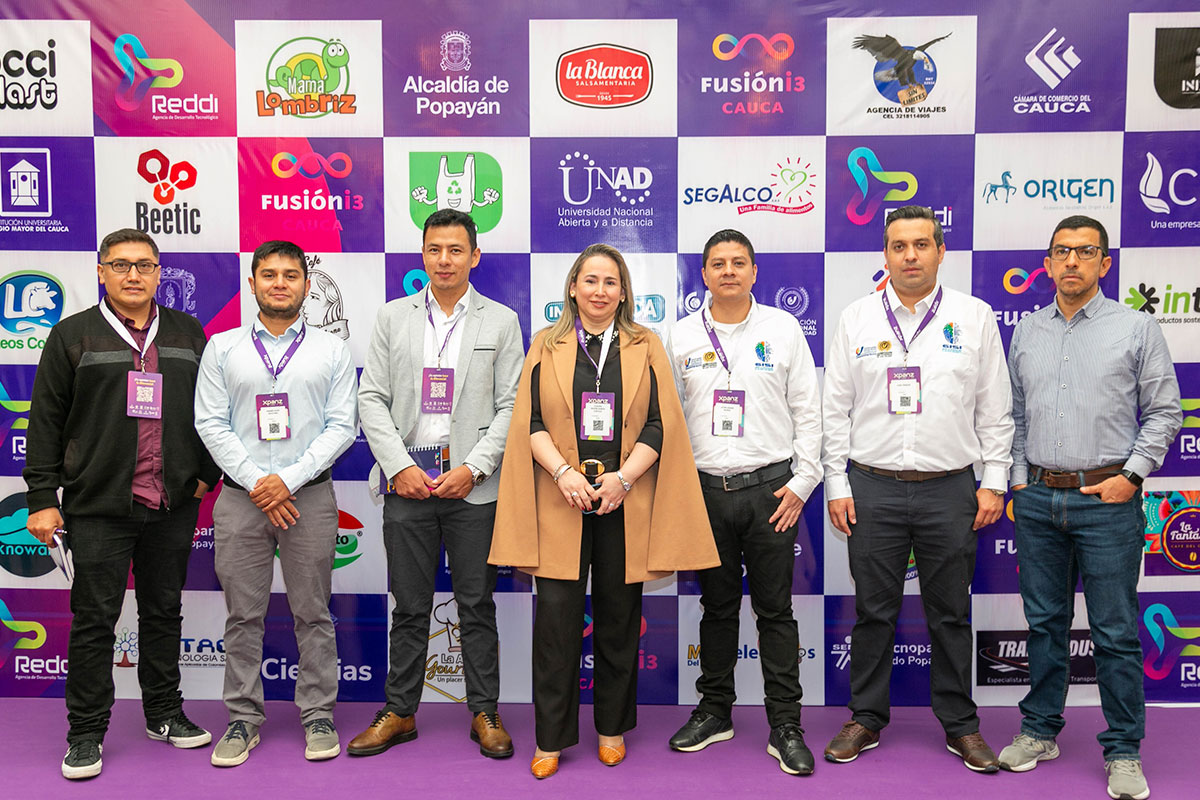
Fue el primer acercamiento entre IES aliadas y MiPyMEs beneficiarias.
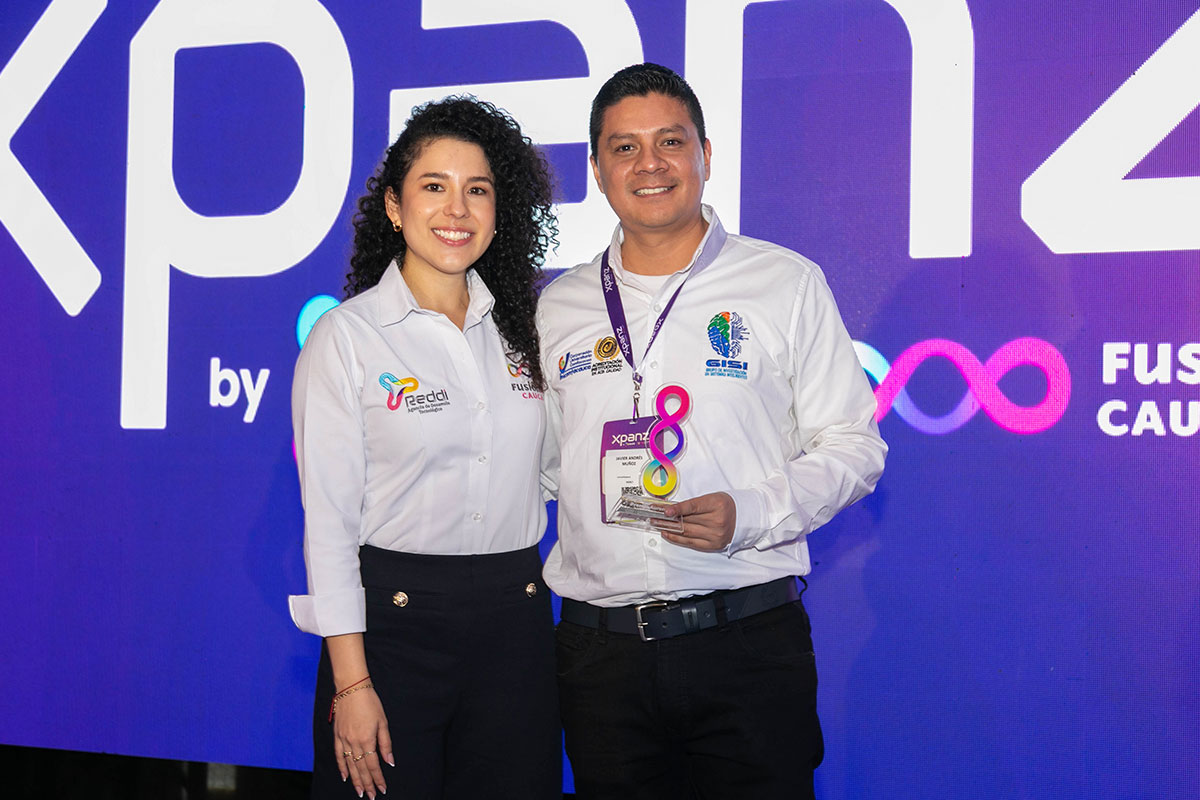
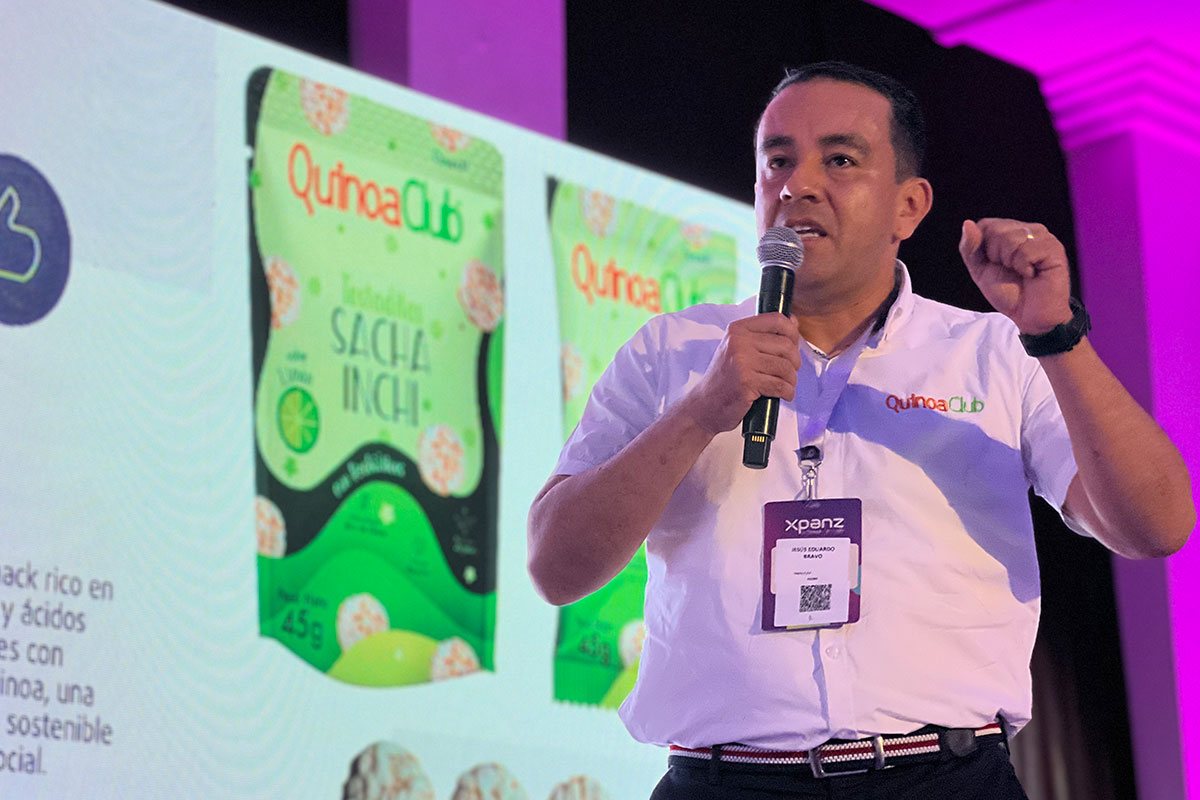
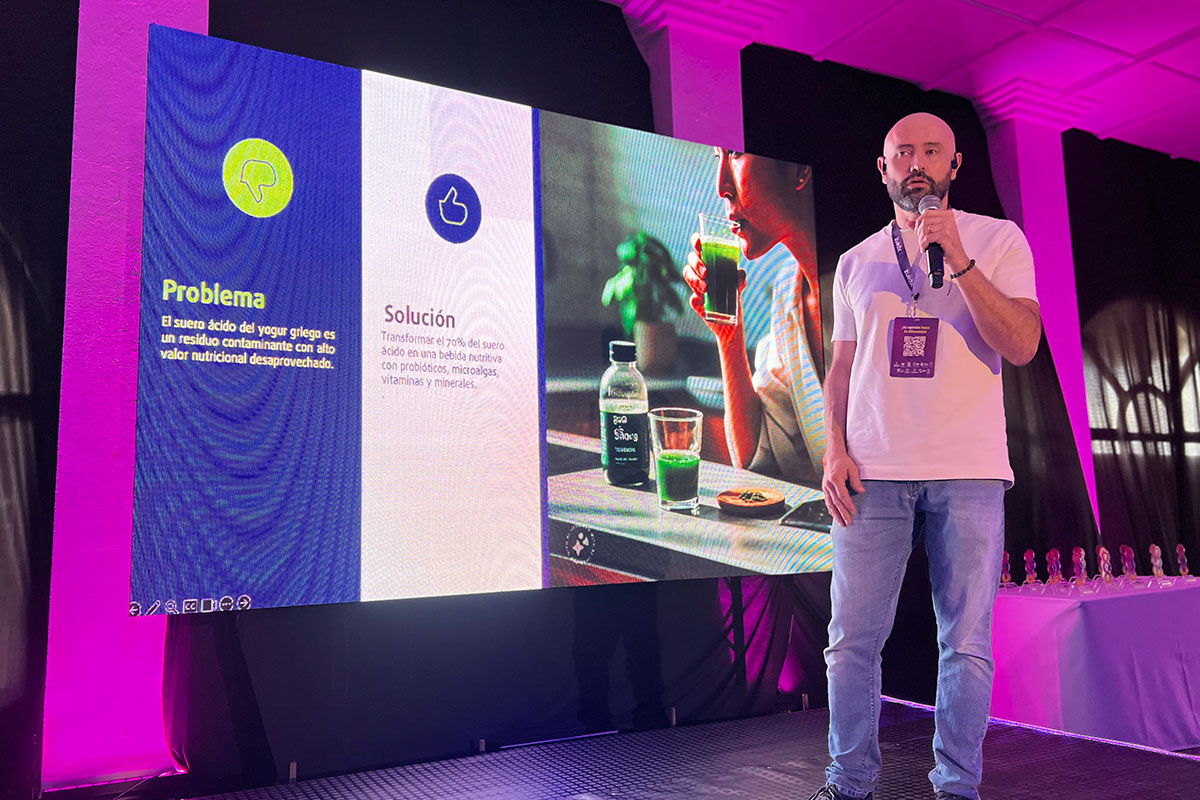
17 de estas MiPyMEs presentaron su Pitch, 11 tecnologías de las IES aliadas fueron presentadas en el Experience Day, las cuales tuvieron 28 validaciones pre-comerciales.
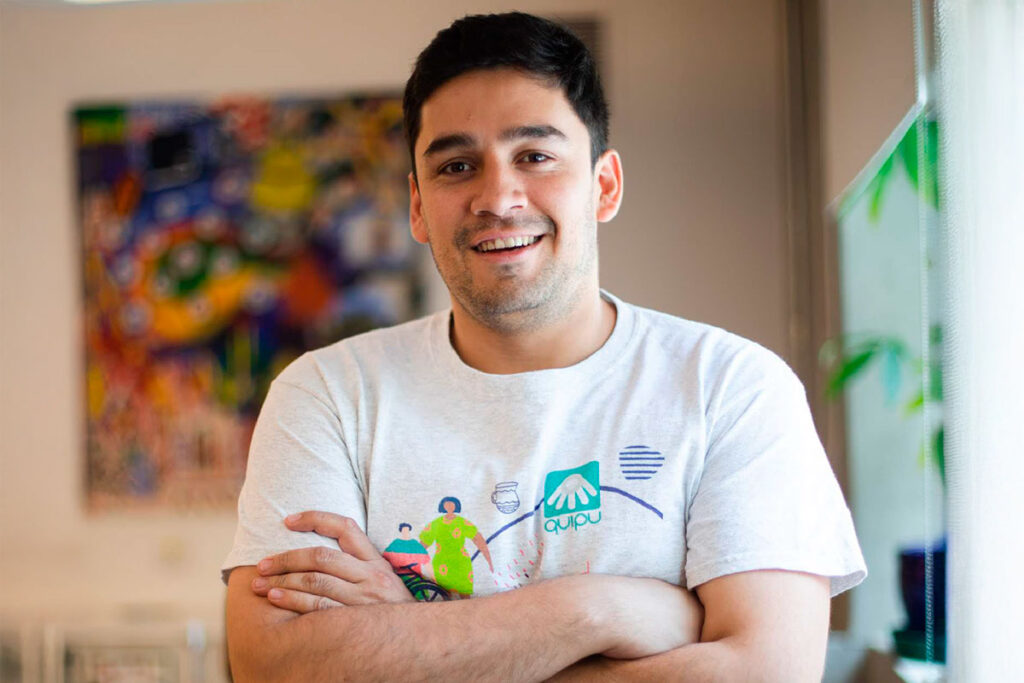
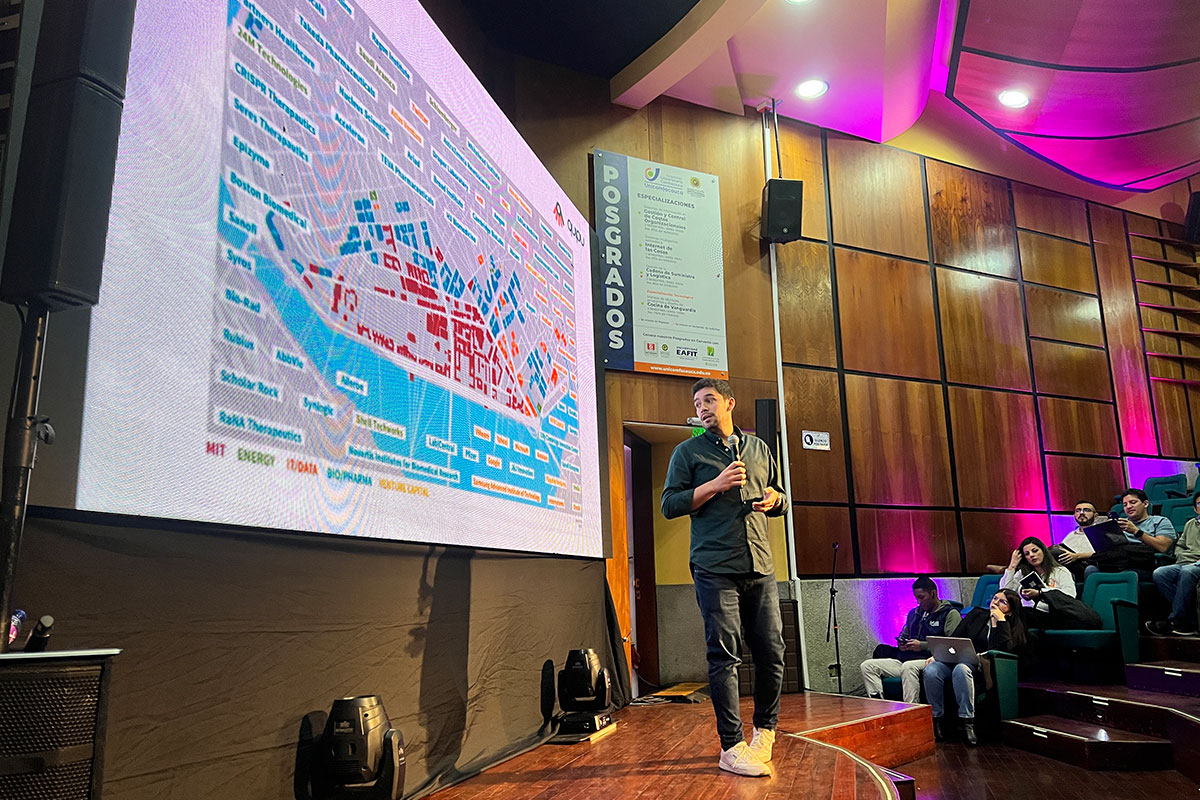
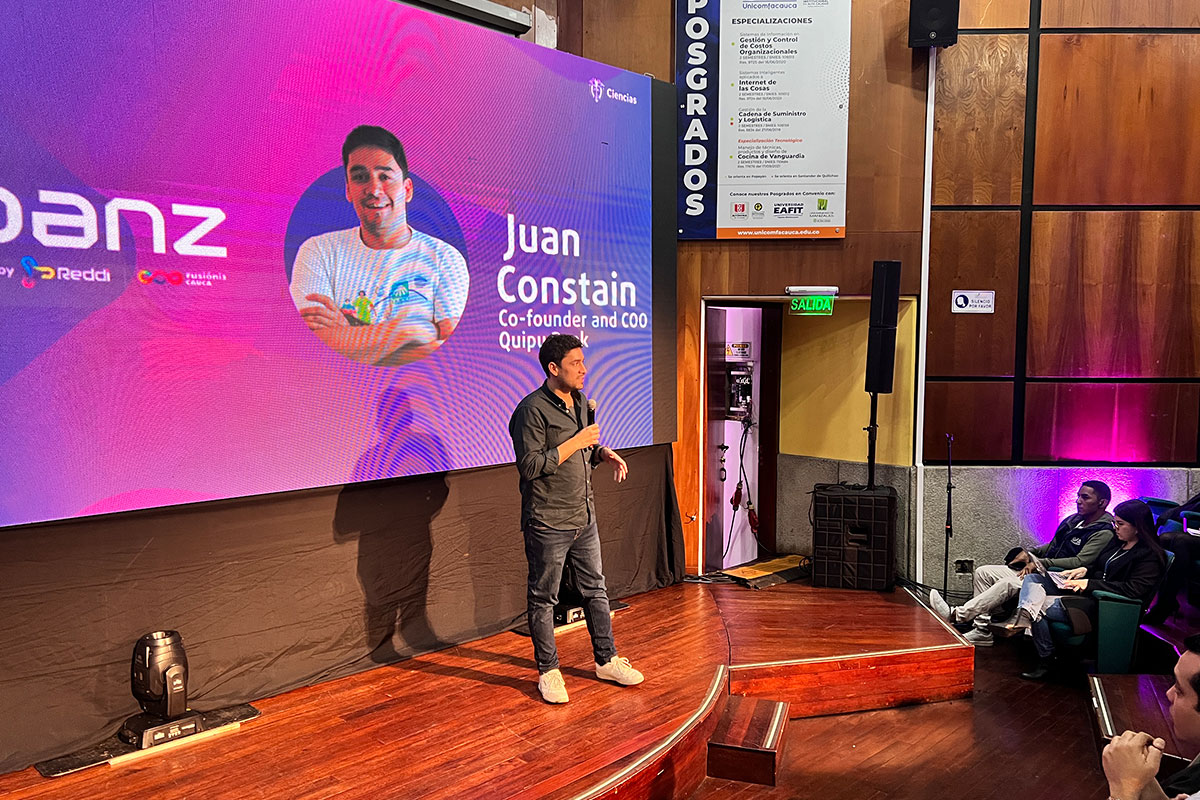
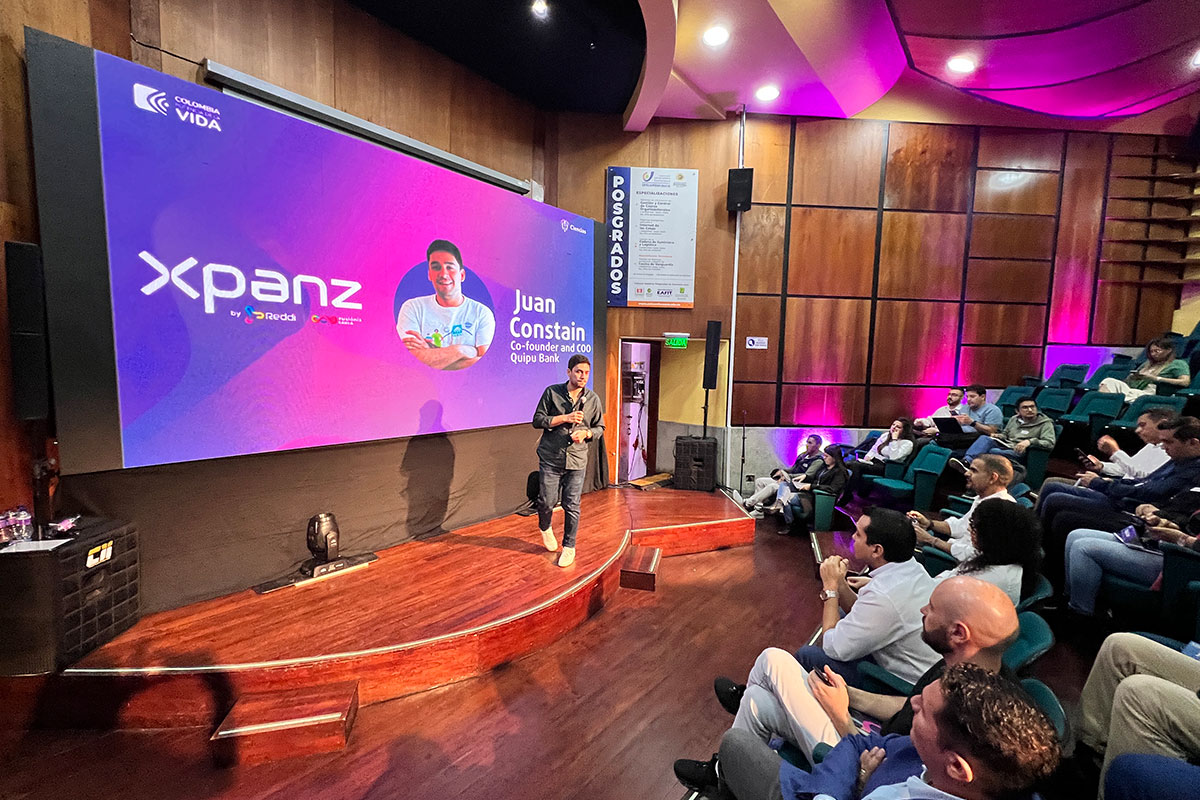
Conferencia: El camino de Quipu: de proyecto de investigación en MIT a fintech de inclusión financiera.
Cofundador y COO de Quipu Bank
Profesional en Gestión y Desarrollo Urbanos de la Universidad del Rosario, especialista en Derecho Urbano, y cuenta con una maestría en Planificación Urbana con énfasis en desarrollo económico del MIT. Como cofundador y COO de Quipu, una fintech de rápido crecimiento en Colombia, fue reconocido como Fellow del programa The Global Good Fund en 2023. Quipu ha recibido importantes reconocimientos de entidades como el Banco Mundial, Google, MIT, Forbes y Fast Company, consolidándose como un referente en inclusión financiera e innovación empresarial.
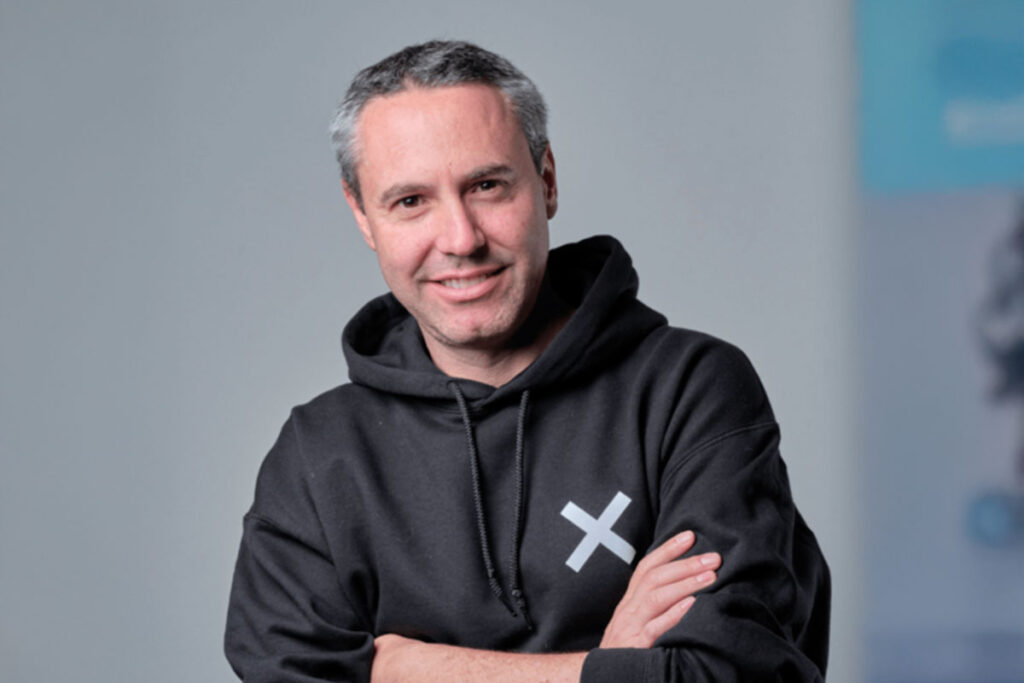
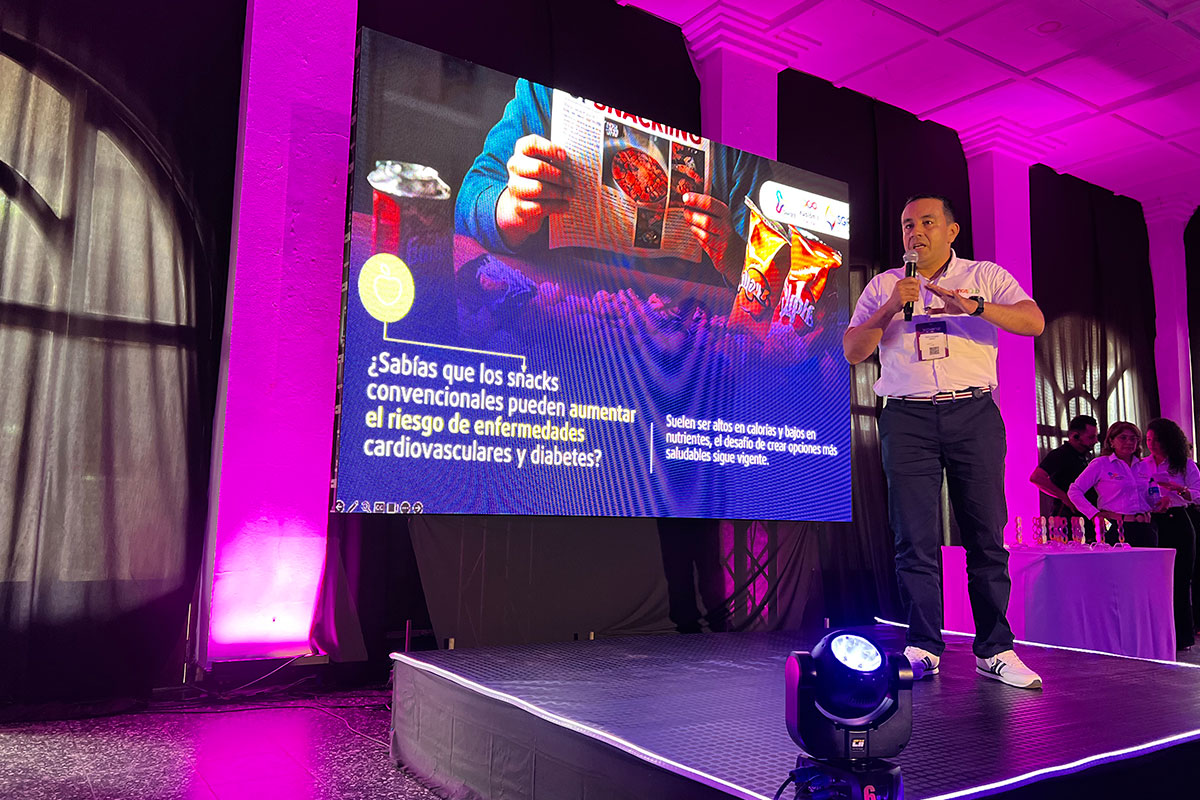
Director comercial de NotCo Colombia
Responsable de establecer la estrategia de negocio de NotCo en Colombia, en los frentes de Food Service, Retail. Administrador de negocios y especialista en mercadeo, con más de 25 años de experiencia liderando áreas de innovación en la industria de consumo masivo en Latinoamérica.

Conferencia: Efectos positivos de red.
CEO de Mentex y experta en innovación, reconocida entre los Top 100 gerentes de Colombia. Descubre cómo maximizar los efectos positivos de red y el impacto de la Alianza DeepTech en el fortalecimiento y escalamiento de startups en la región.