Device for cyclic testing with axial load and bending on walls and structural connections

Device for cyclic testing with axial load and bending on walls and structural connections
Utility Model Patent Application filed with the Superintendency of Industry and Commerce

A novel device for testing structural elements with varying characteristics. The device’s component configuration allows for the application of bending moments to evaluate behavior under rotation, shear forces in one or two directions to assess behavior under lateral displacement, vertical compressive forces to represent the structure’s gravitational loads, or a combination of these three types of time-varying stresses. The device features a lateral load application mechanism supported by a reaction frame and a vertical load application mechanism also supported by the same reaction frame. These mechanisms enable the simultaneous and controlled vertical and lateral deformation of the structural element specimens under test, through the inclusion of hydraulic actuators and electrohydraulic servo valves for precise control of the hydraulic flow supplied to the device by a hydraulic power system.

The device arose in response to the need for a technological solution to the challenges associated with testing, characterizing, and validating structural elements, such as reinforced concrete or masonry walls and steel connections, at full scale. These elements are presented as alternatives for the seismic-resistant design and construction of civil structures in the face of high-impact earthquakes. The challenge in this type of testing lies in the simultaneous and controlled application of compressive, lateral, and flexural loads, with magnitudes that represent the actual effects of an earthquake on a structural element. The interrelation of the device’s components allows for obtaining curves of lateral force versus horizontal displacement or moment versus curvature, primarily, which in turn allow for quantifying the strength, energy dissipation capacity, and ductility under different levels of imposed displacements. In this way, it is possible to reproduce the complex biaxial stress state to which structural elements would be subjected during a seismic event. The configuration of the device’s components allows for the precise characterization of aspects such as hysteretic behavior, deformation capacity, buckling, and failure mode. The mechanical behavior characterization tests, implemented with different load and displacement levels thanks to the device’s component configuration, enable a complete and precise characterization of the hysteretic behavior, deformation capacity, and failure mode of structural elements such as reinforced concrete or masonry walls and steel connections. This provides high-quality experimental data for numerical modeling and understanding their response to real seismic situations. Consequently, this experimental data allows for the validation and improvement of computational models used in the advanced seismic design of civil structures.
Higher moment-shear ratio: Unlike other systems that apply the load at the height of the specimen, this technology allows loads to be applied at a greater height. This increases the ratio between the applied moment and shear, improving the simulation of real-world conditions during an earthquake and more accurately reflecting the behavior of structural elements. This higher ratio is crucial for accurately representing seismic performance, which is fundamental for optimizing earthquake-resistant design. More realistic simulation: The simultaneous and controlled application of axial loads and additional bending through a pair of vertical loads improves the replication of the loading conditions that structural elements will face during an earthquake. This allows for more accurate results on how walls and connections behave under cyclic stresses and bending moments, which are characteristic of seismic events. Scalability and full-scale testing: This technology facilitates full-scale testing, eliminating the need for reduced-scale tests due to technical limitations. This is a significant advantage, as full-scale tests provide more accurate and direct information about the structural behavior of the tested elements. Reduced space requirements and costs: By eliminating the need for large reinforced concrete structures or prefabricated steel frames, such as those used in many laboratories, this technology significantly reduces construction costs and the space required for testing. This allows laboratories with more limited resources to perform complex tests without compromising the quality of the results. Flexibility in test signals: Tests can be performed with monotonic or cyclic signals, adjusting to different frequency content (from 0 Hz to 0.05 Hz) and amplitudes, providing flexibility to adapt to different testing protocols. This versatility allows for the simulation of various seismic scenarios and improves the analysis of structural behavior under different loading conditions. Taken together, these advantages position this technology as an innovative and more efficient tool for seismic assessment and structural design, enabling more accurate and relevant results compared to conventional systems.

Marketable Technology/Service: In operation in a real environment, interacting with customers and the market.

University of the Valley

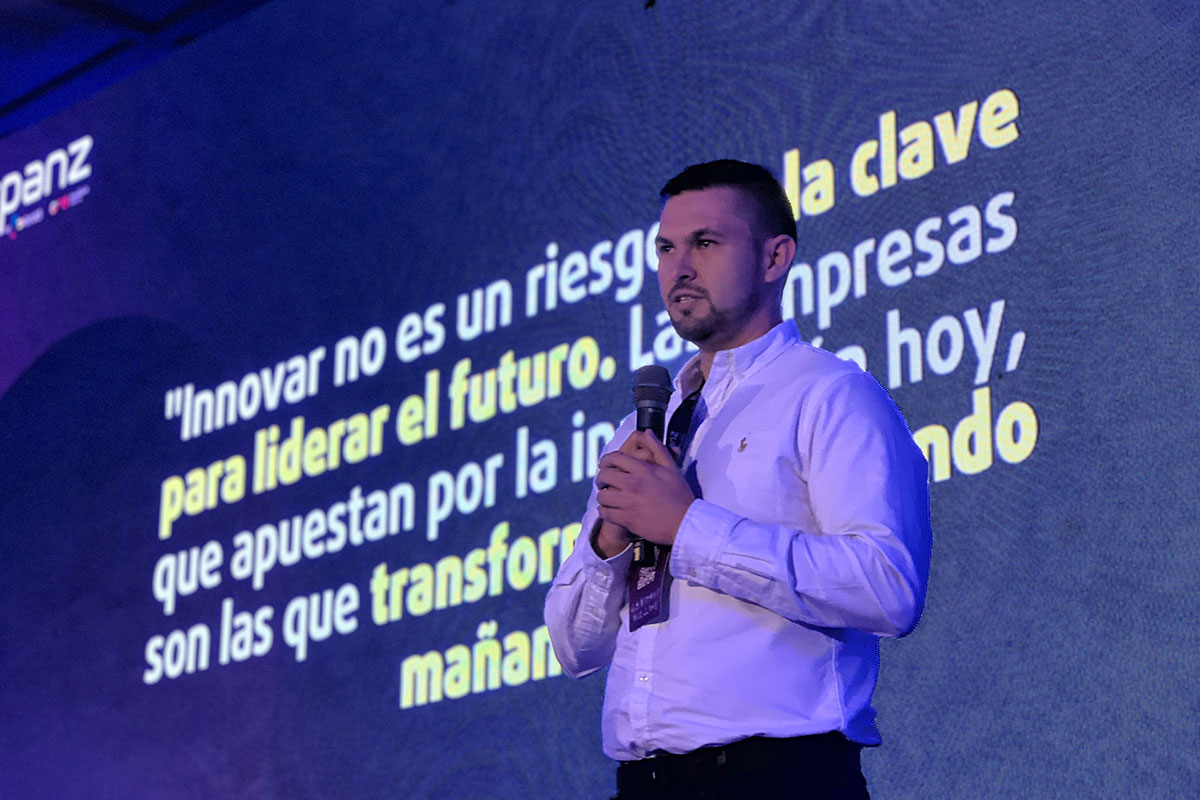
Andrés Méndez

Speaker principal

Conferencia “Innovación con impacto empresarial”

Presidente gremial, mentor y emprendedor serial

EdTech HUB LATAM + 90 Edtechs

Asociación de emprendedores +500 marcas de consumo

Ha logrado:

  • Diseñar estrategias de GTM en 14 países para diferentes proyectos.  
  • Crear, comprar y vender empresas. (Incluyendo grandes y dolorosos fracasos).
  • Ayudar en proyectos con múltiples corporaciones (Gobiernos, Scale ups, Startups, ONGs). 
  • Aprender de los mejores referentes; YCombinator, SOSV, Fuel de Mckinsey, entre otros. 
  • Ser mentoreado por banqueros, ejecutivos, y emprendedores seriales.  
  • Participar en el fondeo de Startups +$5M USD.
  • Actualmente se dedica a re-pensar, conectar y transformar industrias con problemas sistémicos en Colombia (Consumo) y Latino América (Educación con tecnología).

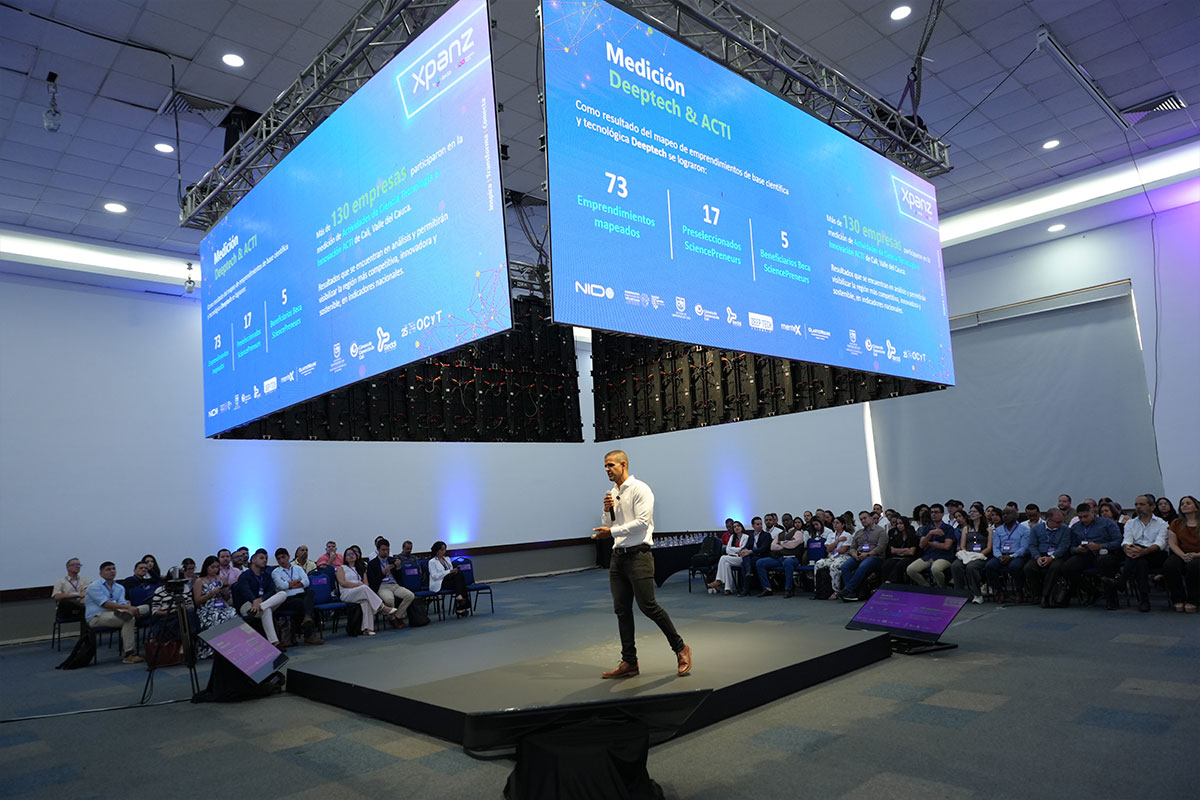
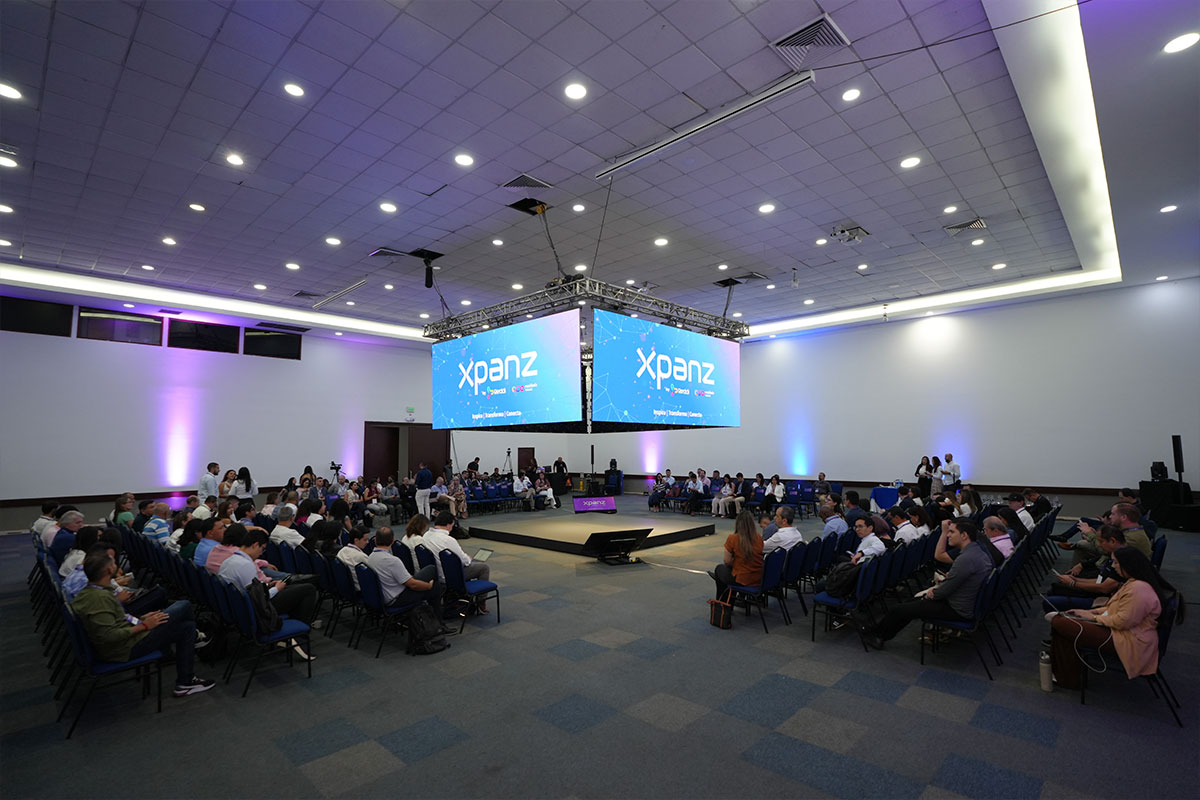
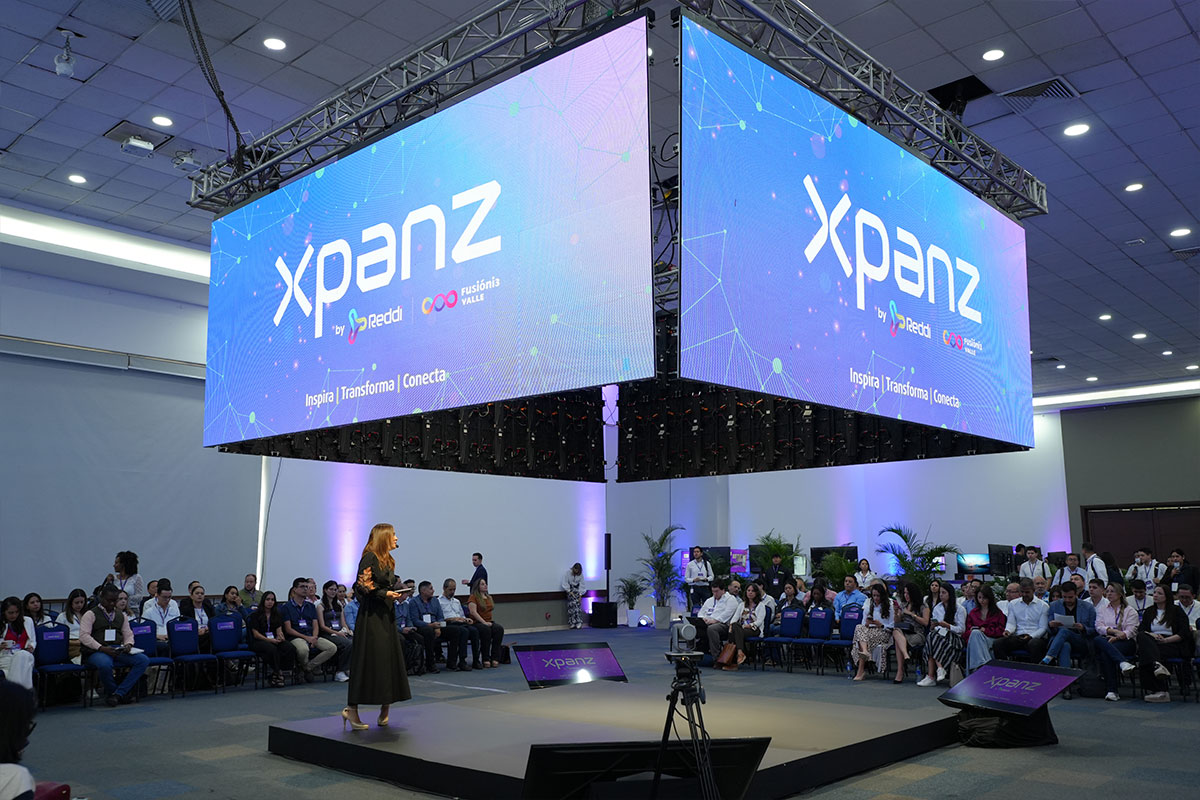
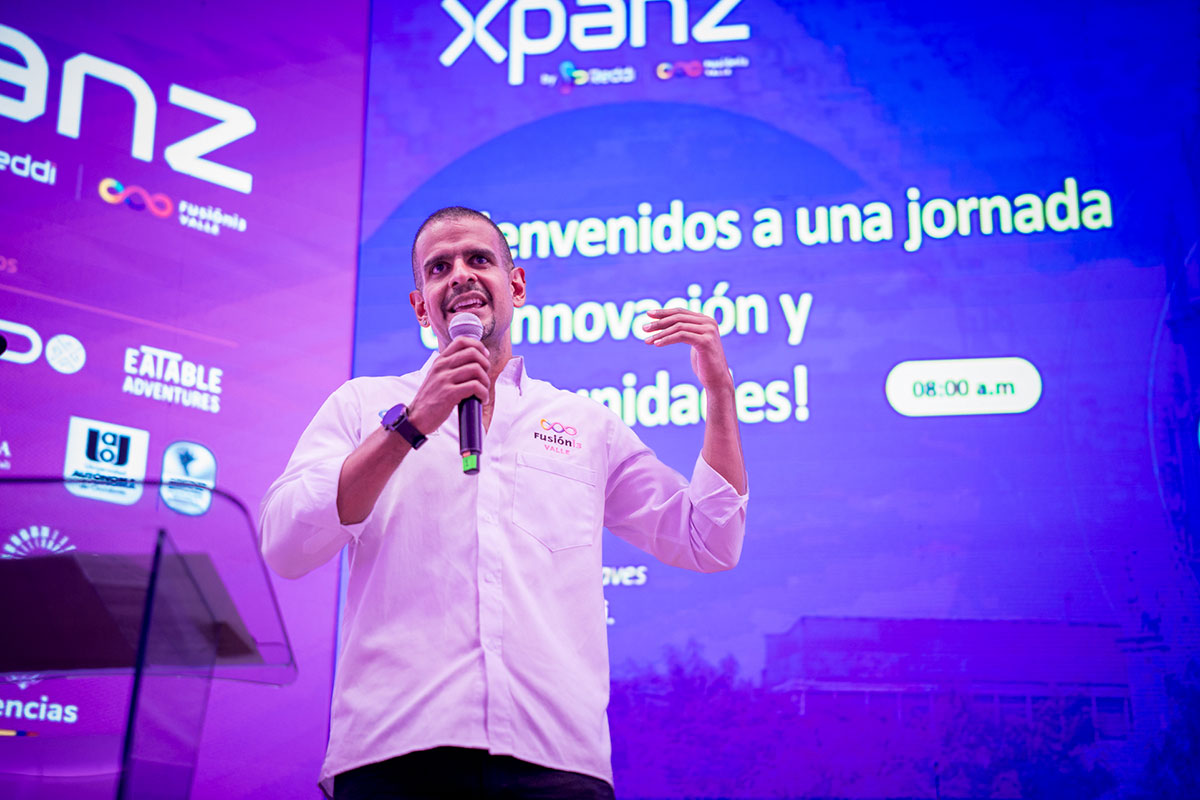
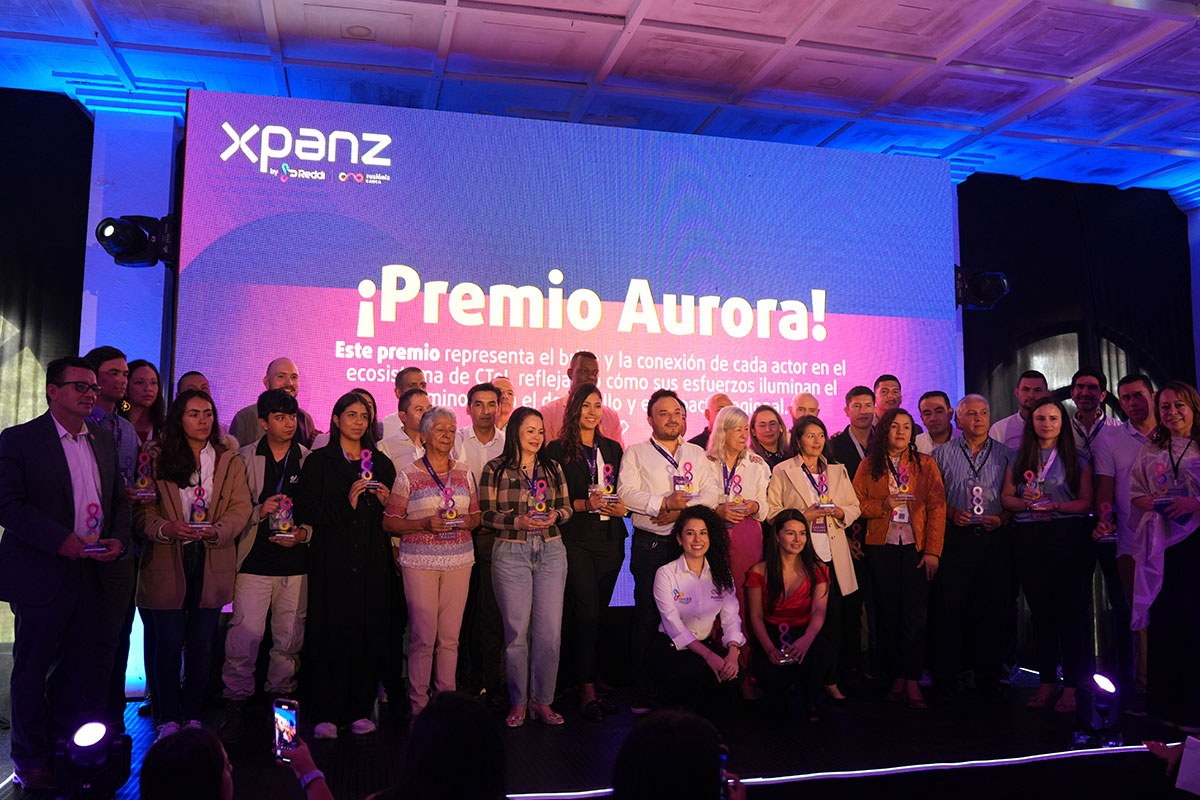
Xpanz en Valle 2023

Revive el evento aquí

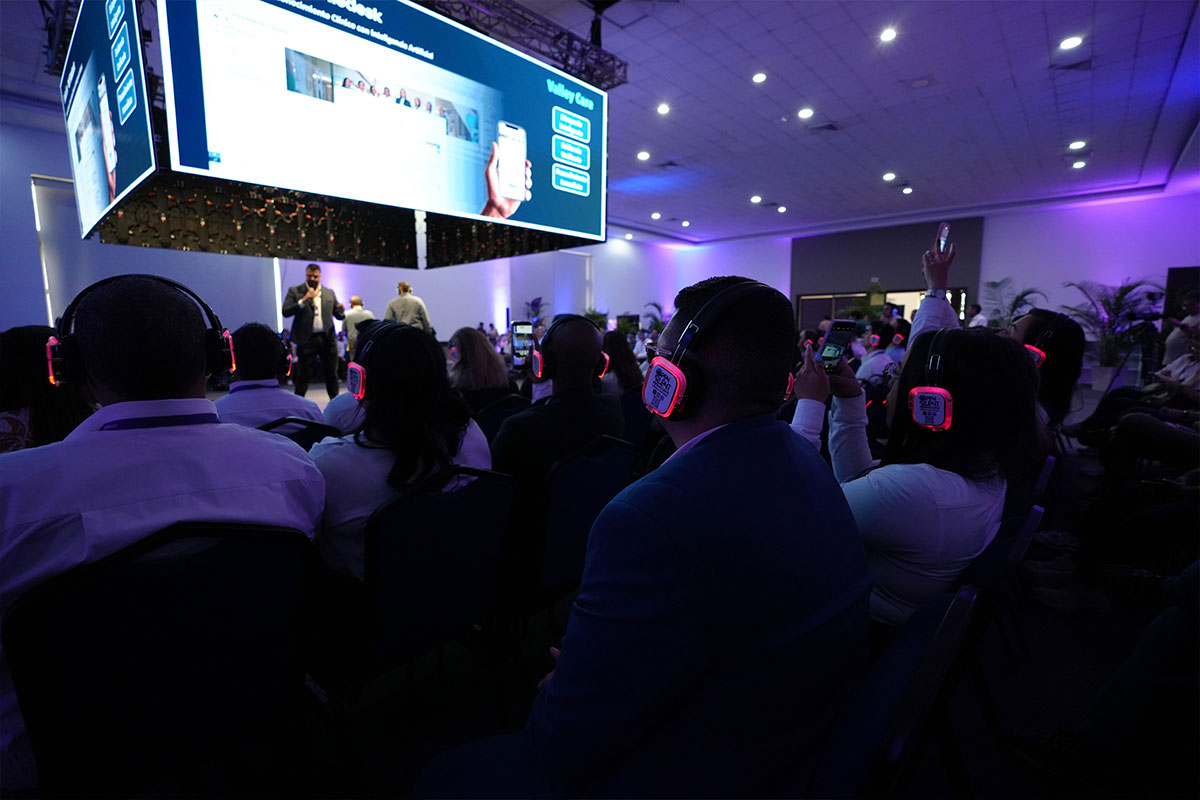
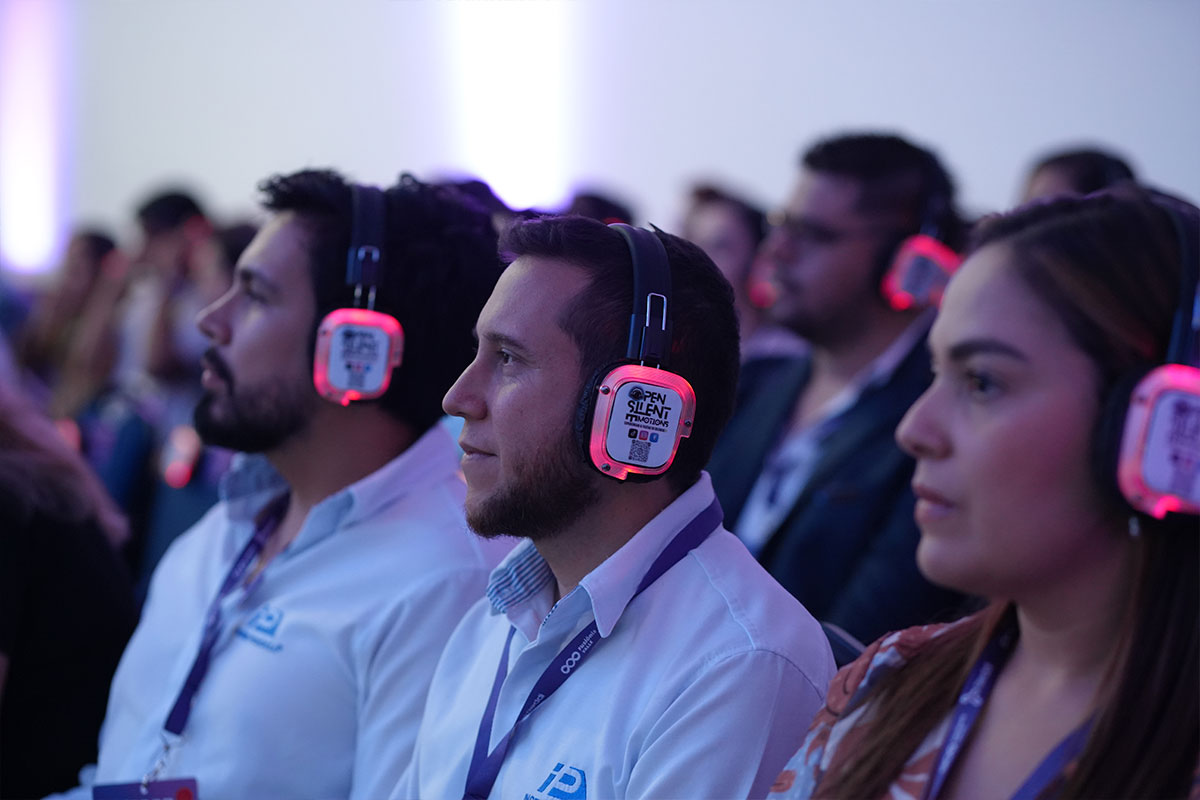
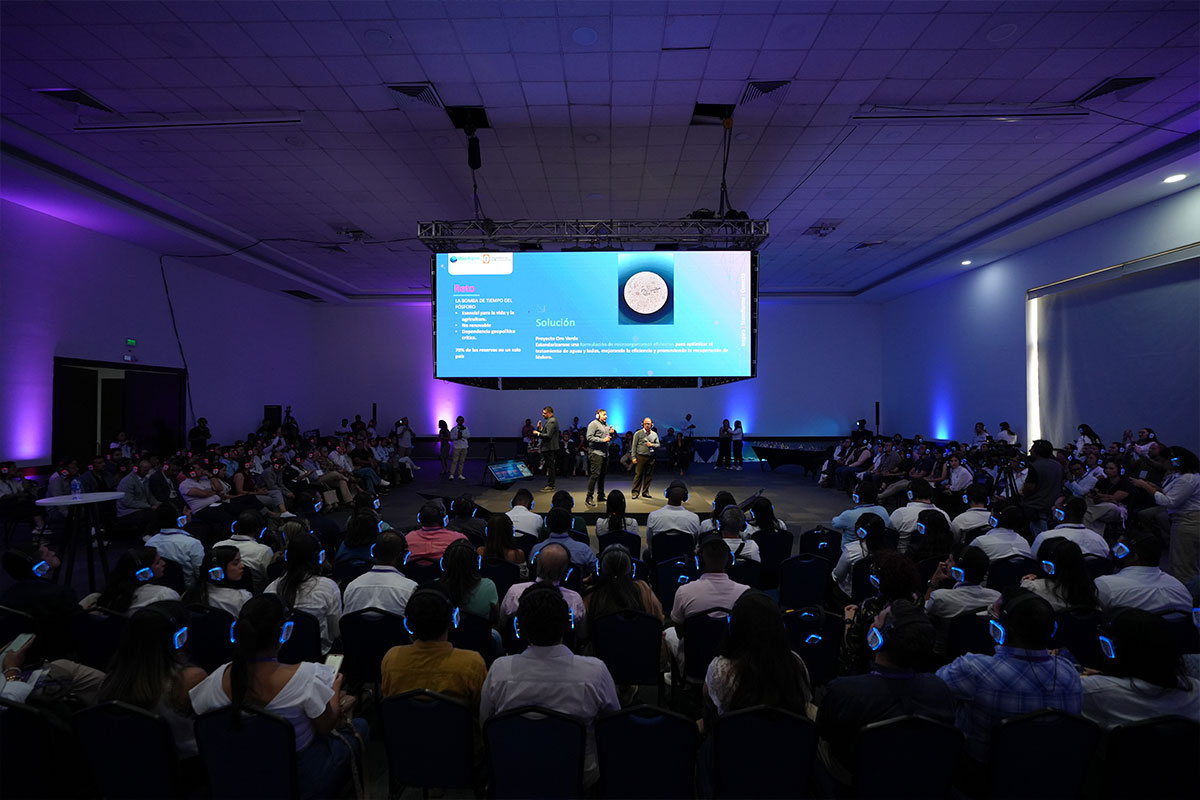
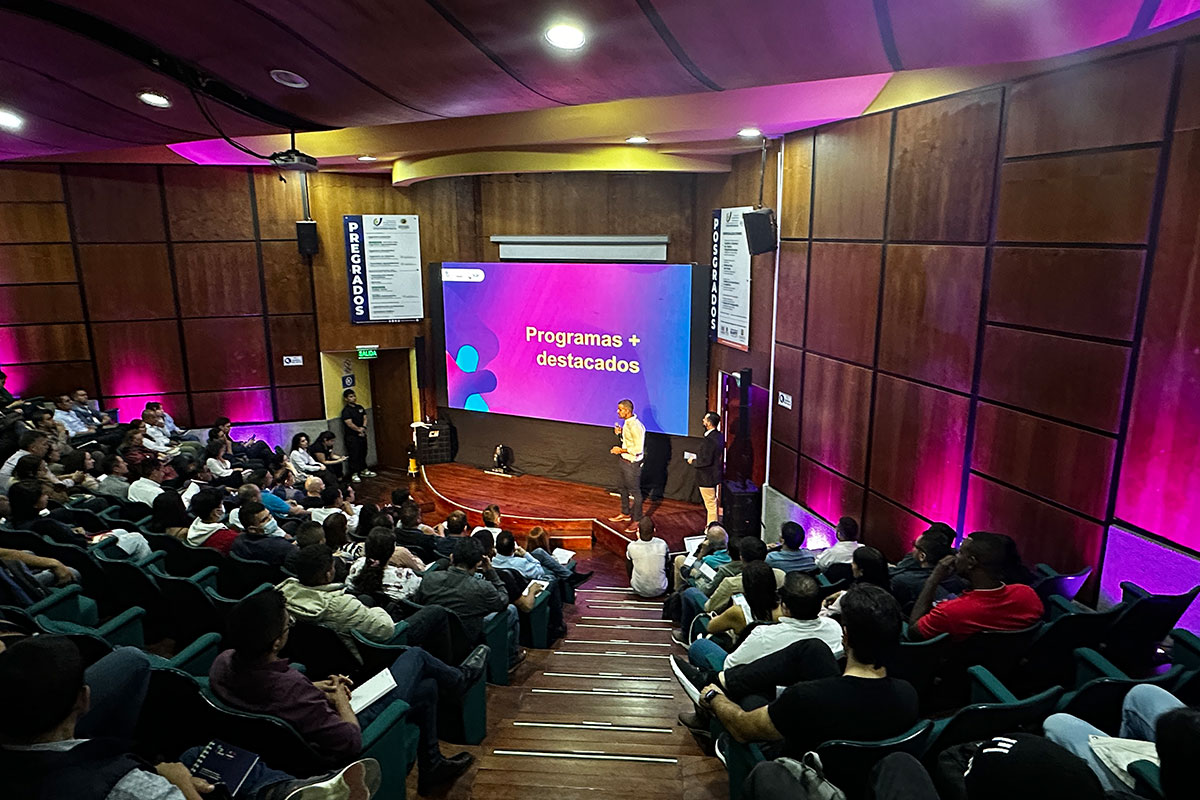
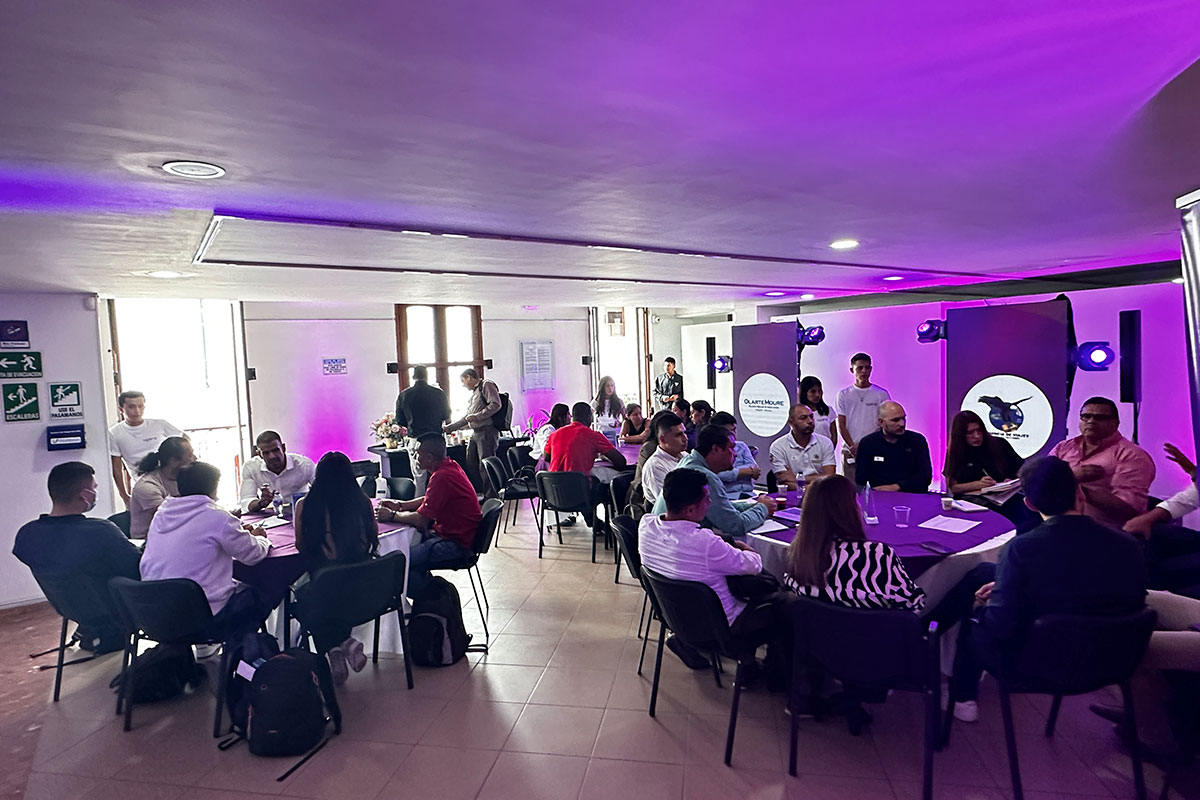
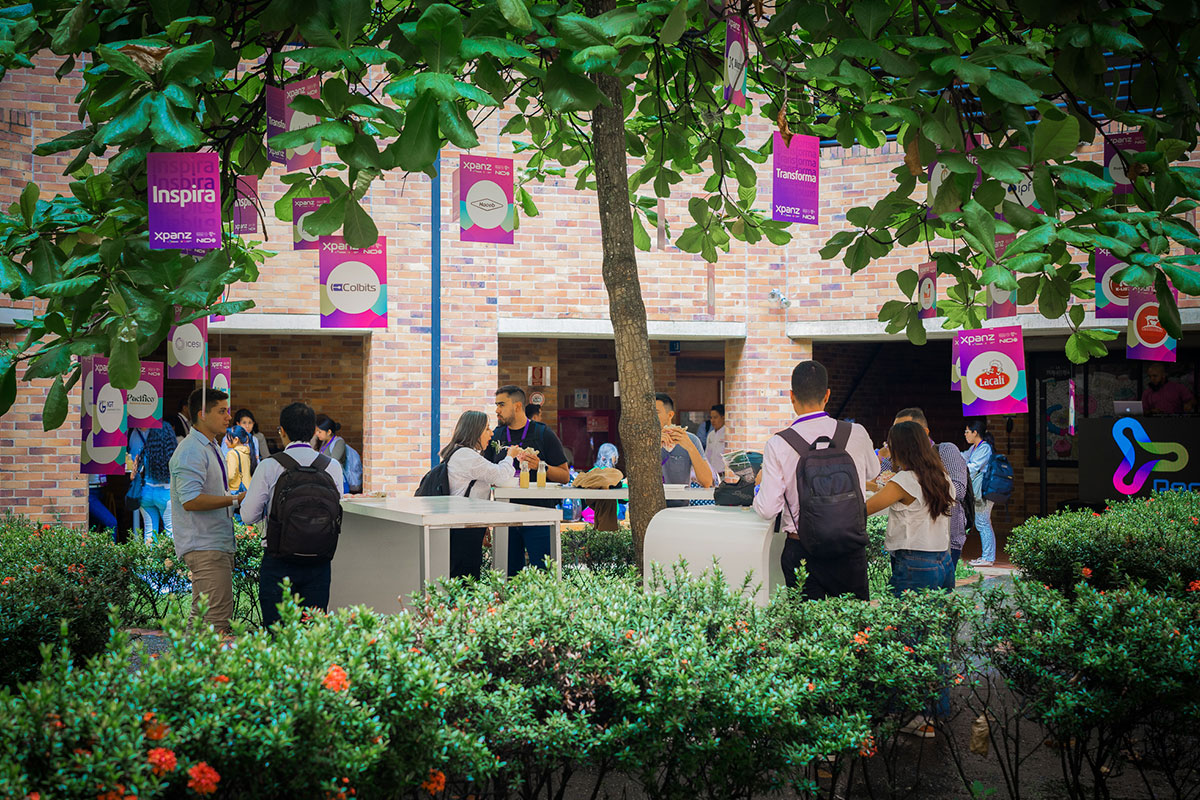
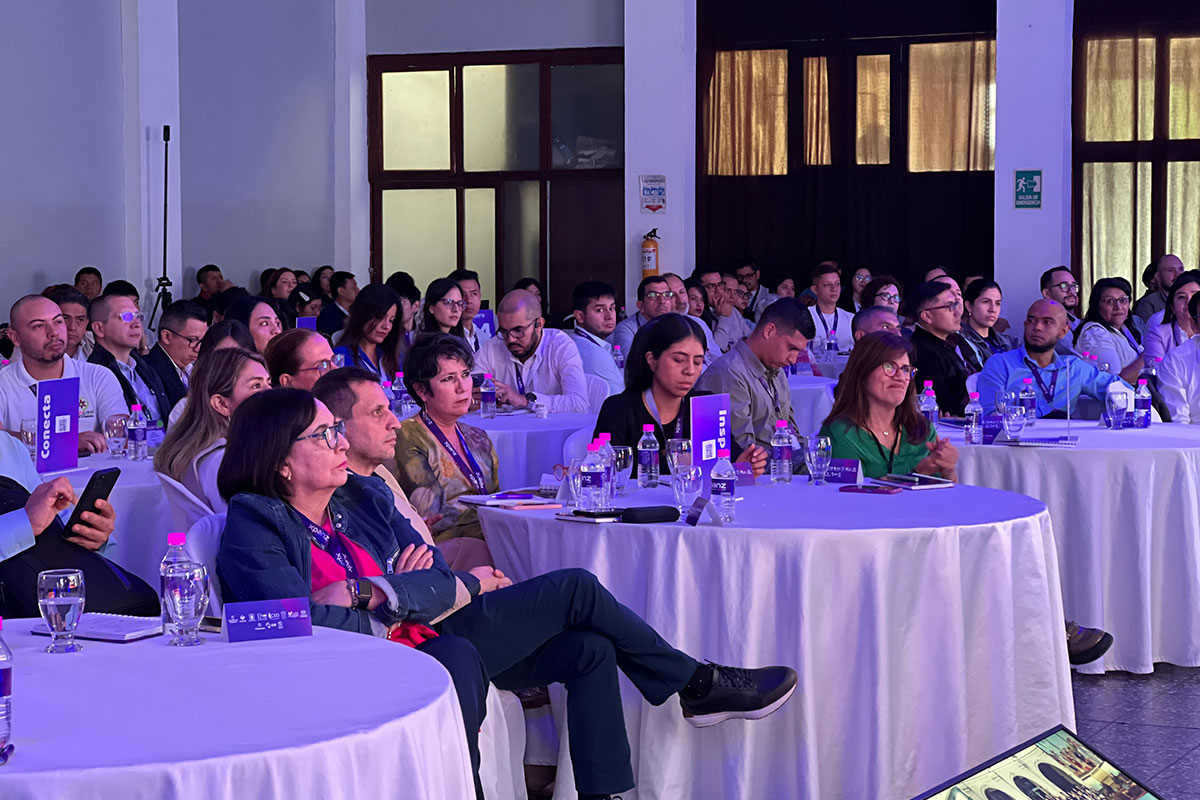
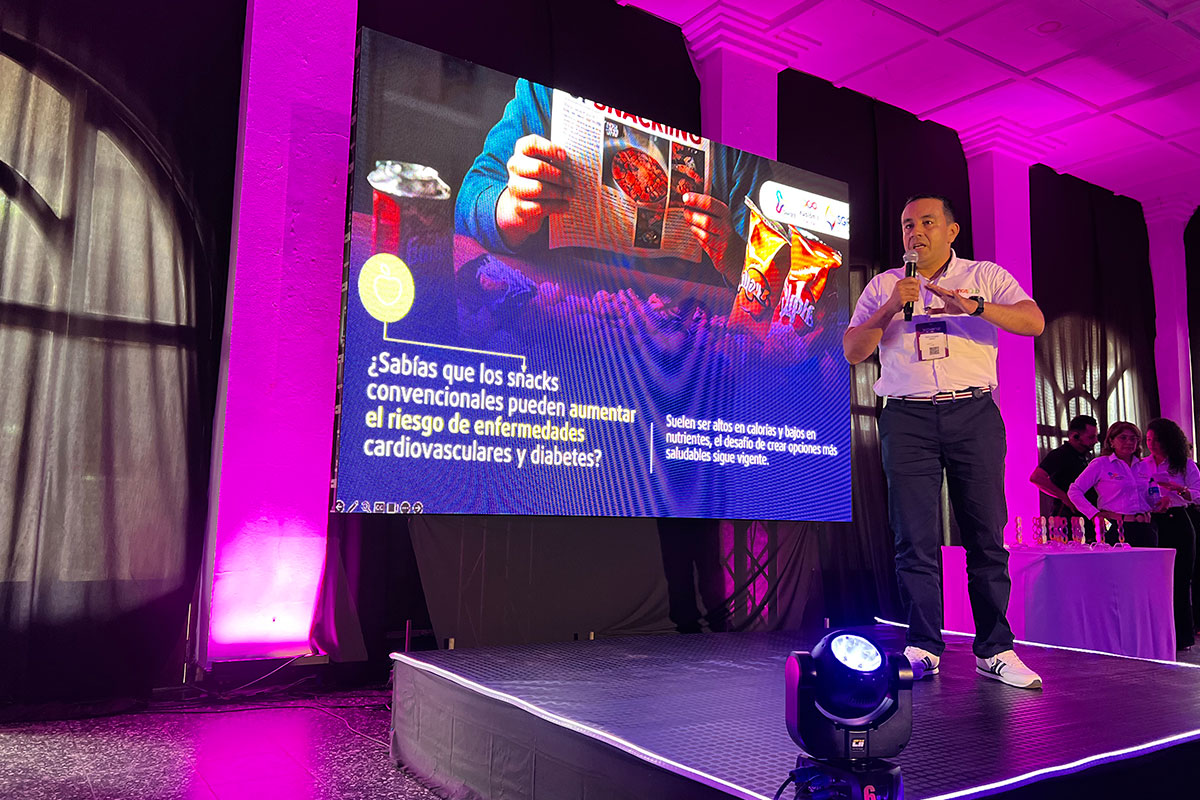
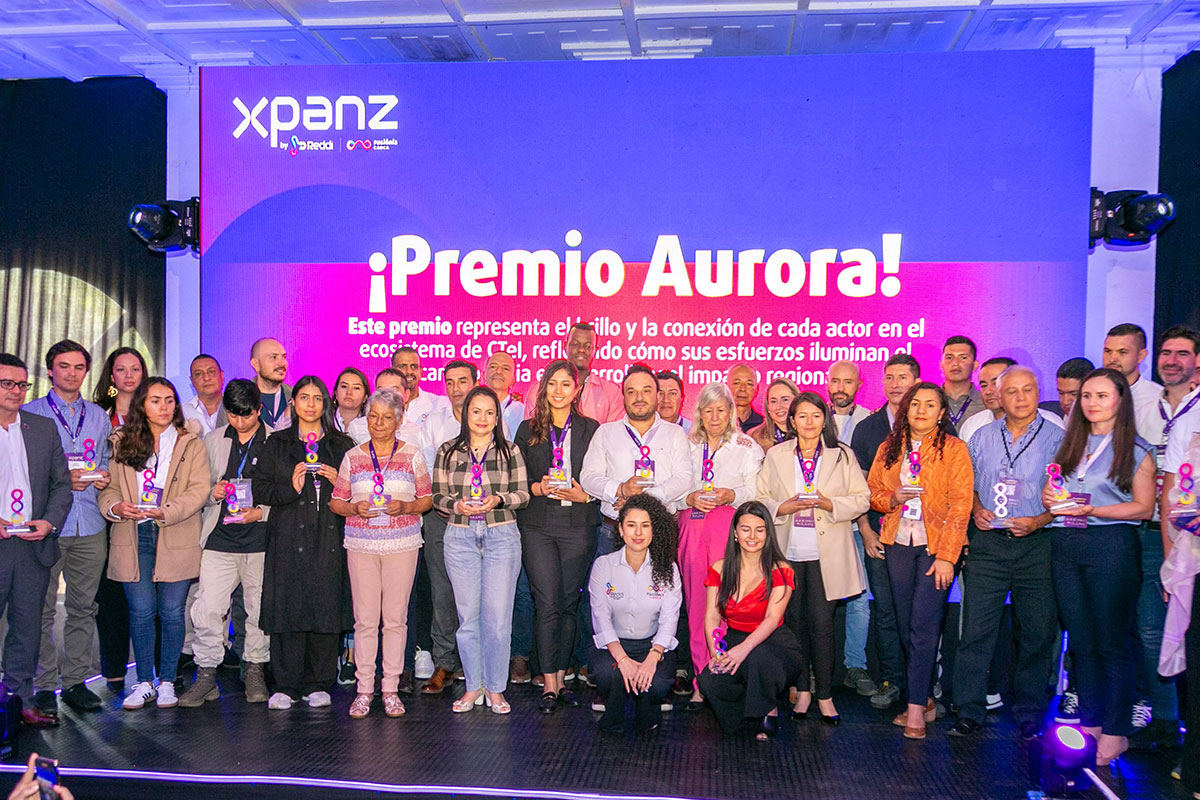
El evento contó con la participación de más de 101 asistentes en la Universidad Javeriana Cali.

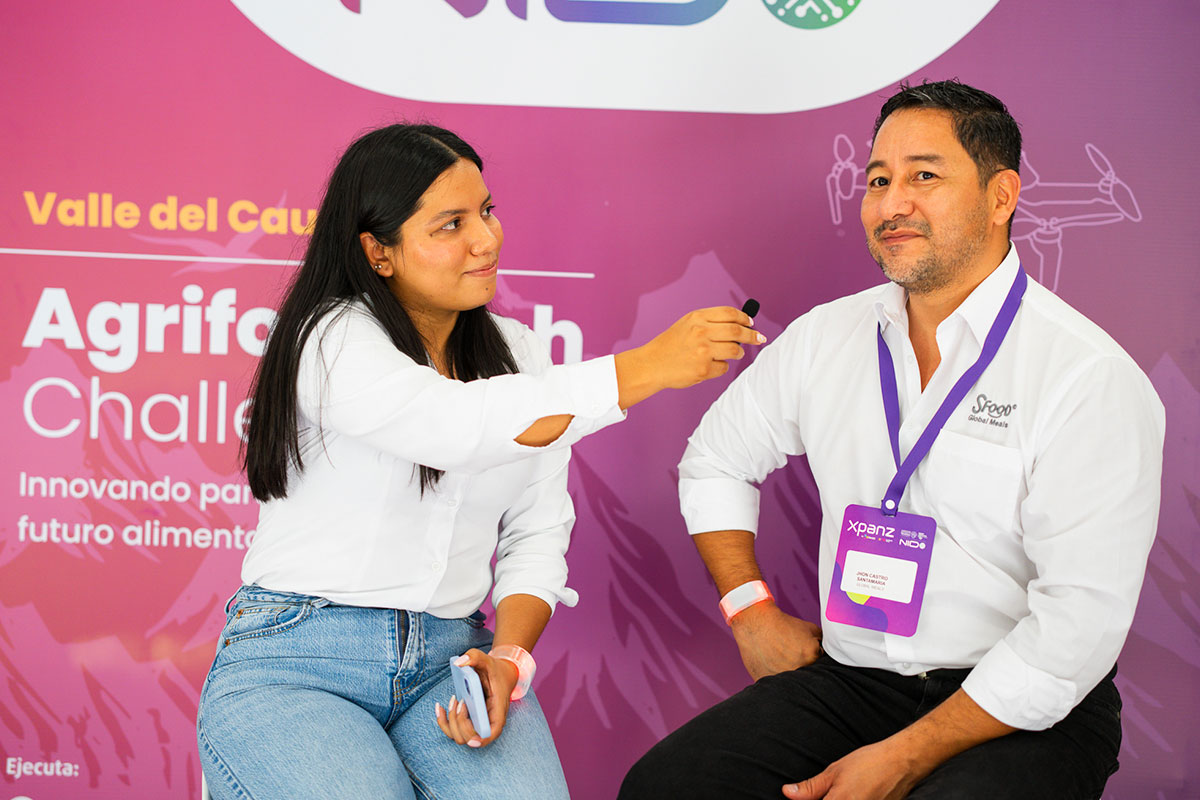
Fue el primer acercamiento entre IES aliadas y MiPyMEs beneficiarias.

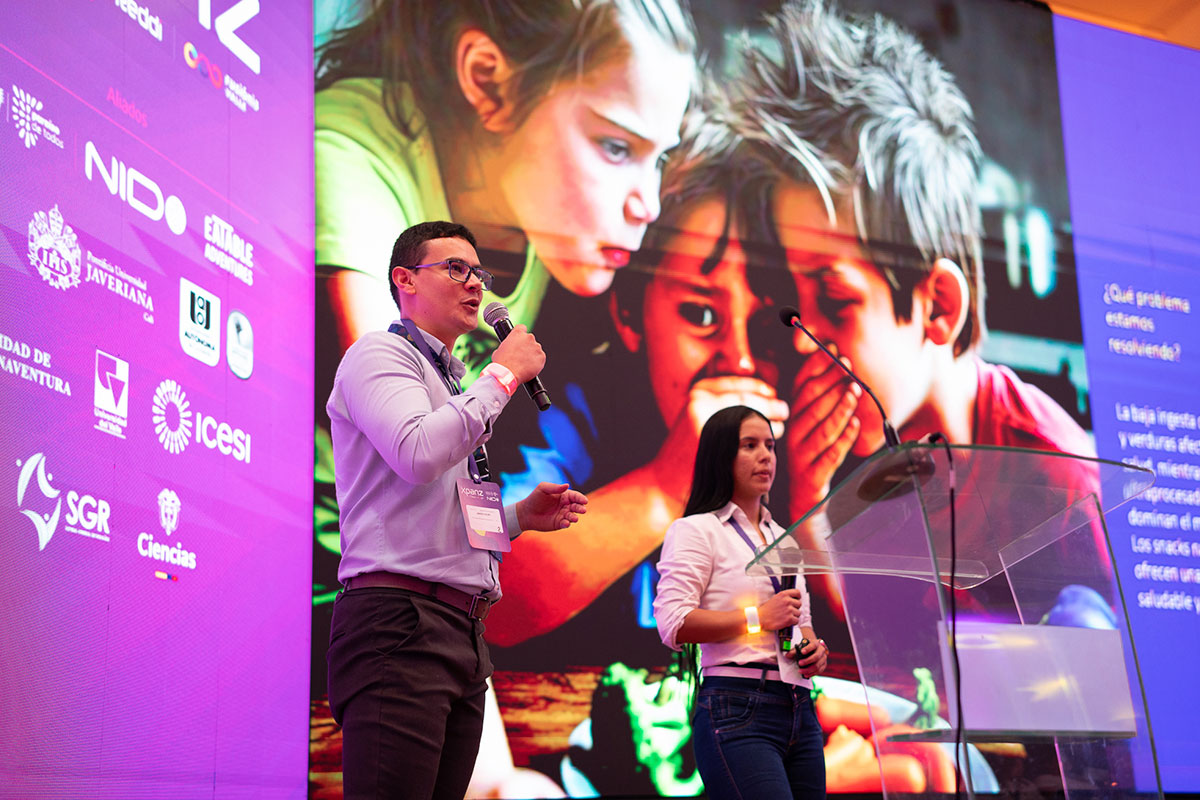
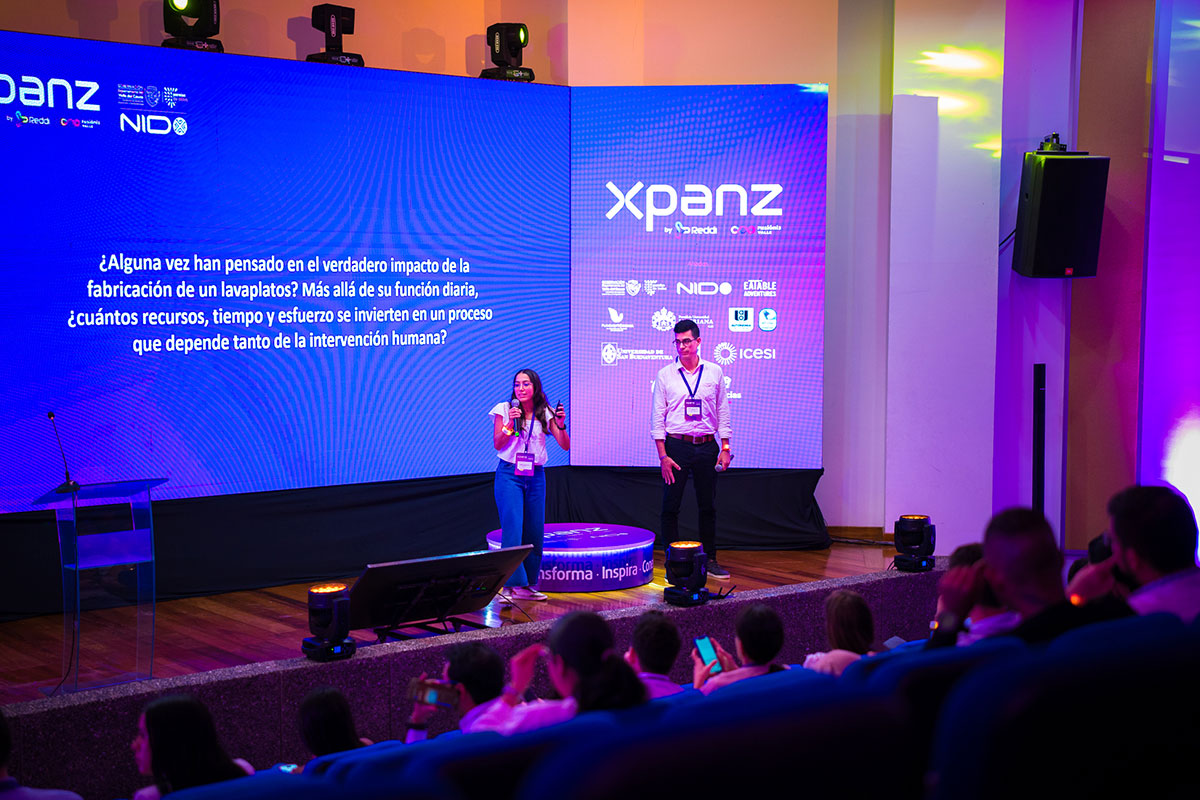
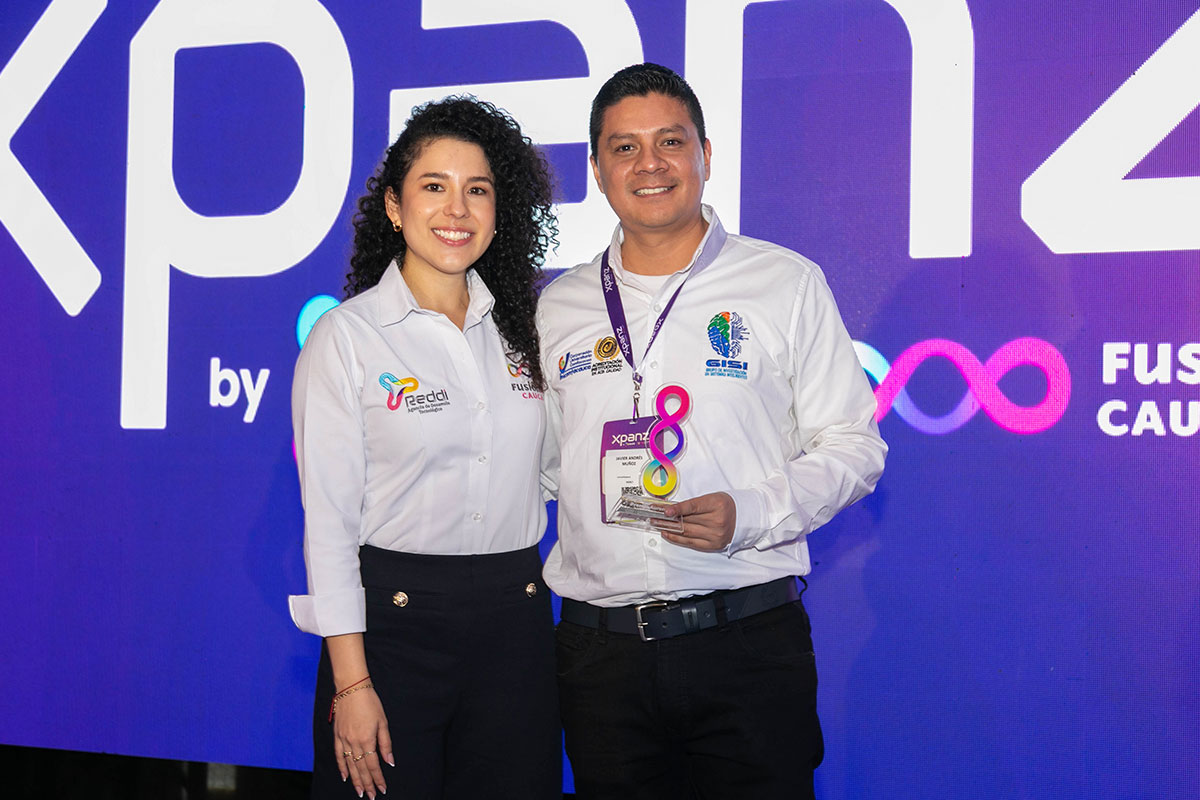
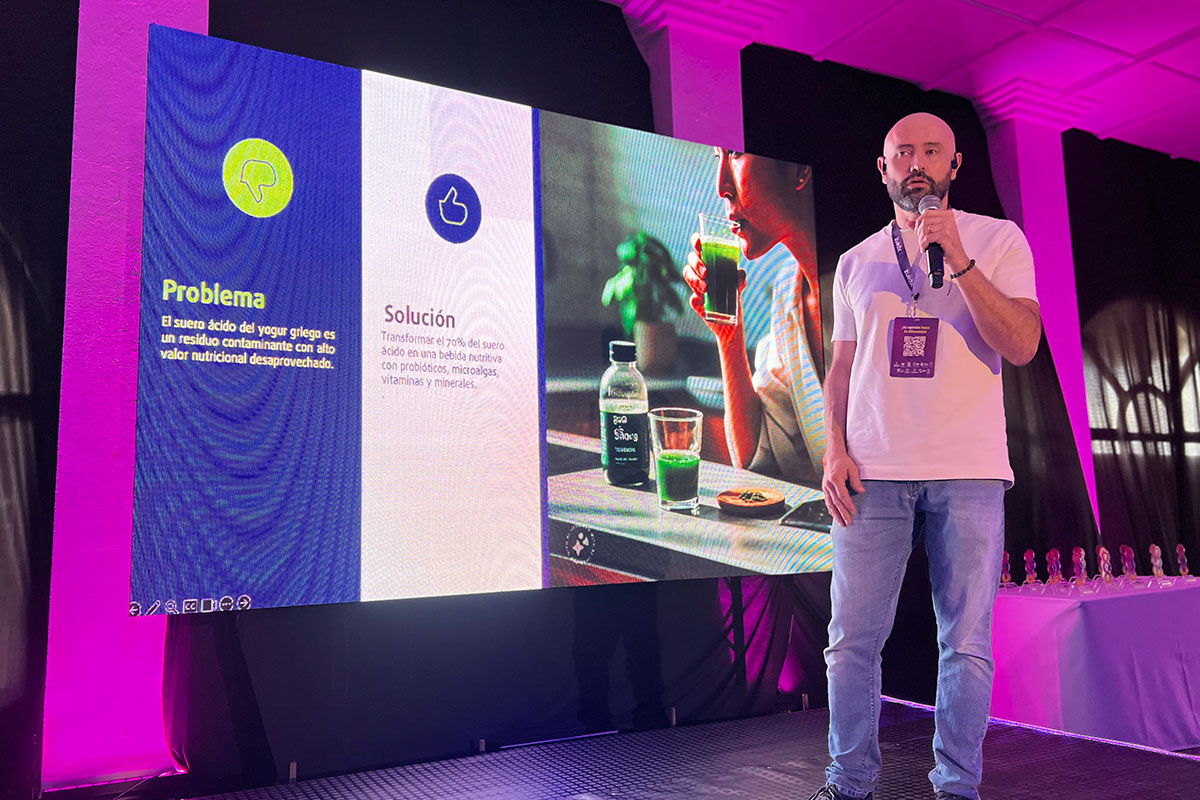
17 de estas MiPyMEs presentaron su Pitch, 11 tecnologías de las IES aliadas fueron presentadas en el Experience Day, las cuales tuvieron 28 validaciones pre-comerciales.

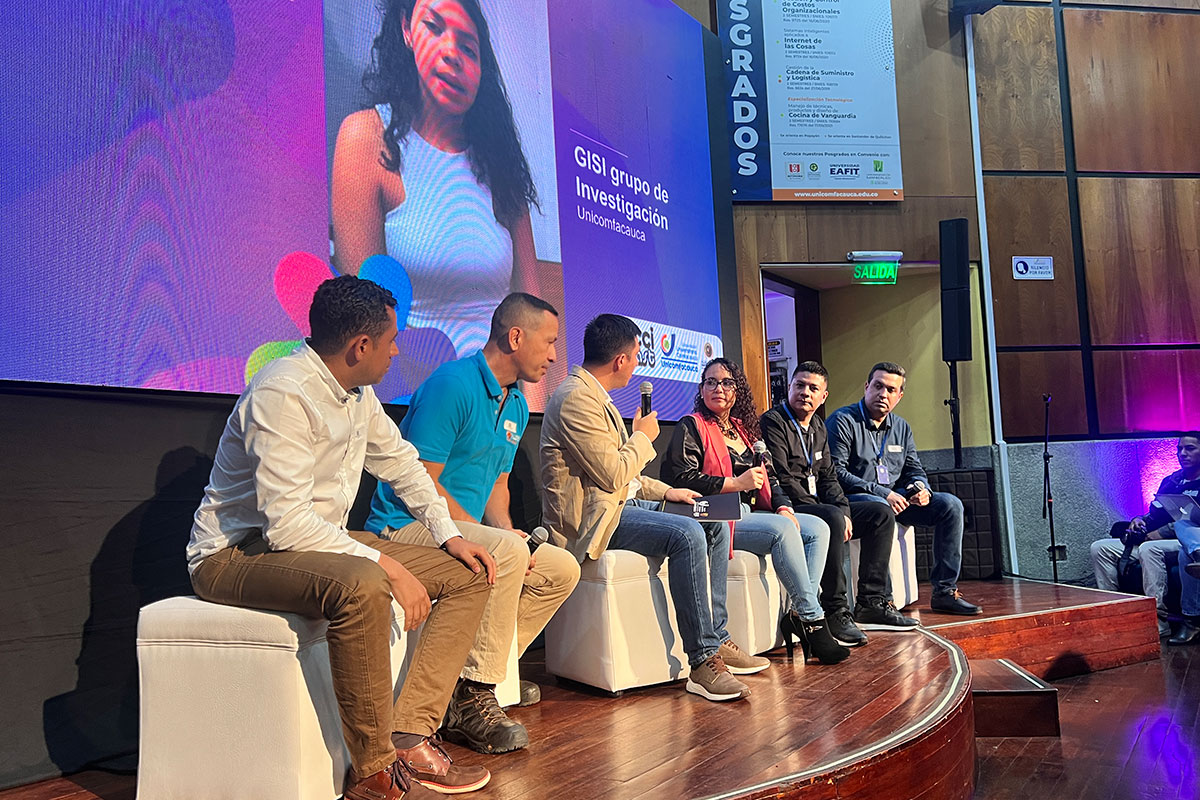
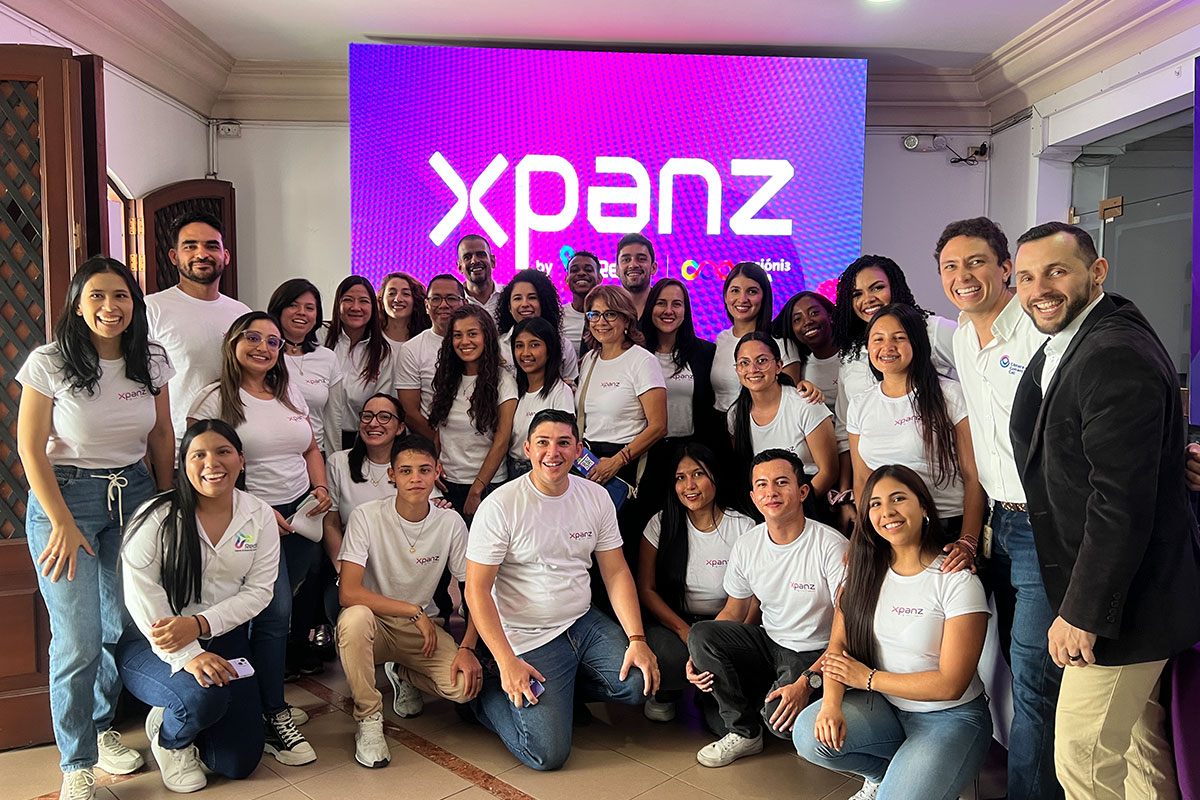
Xpanz en Cauca 2024

Conferencista principal

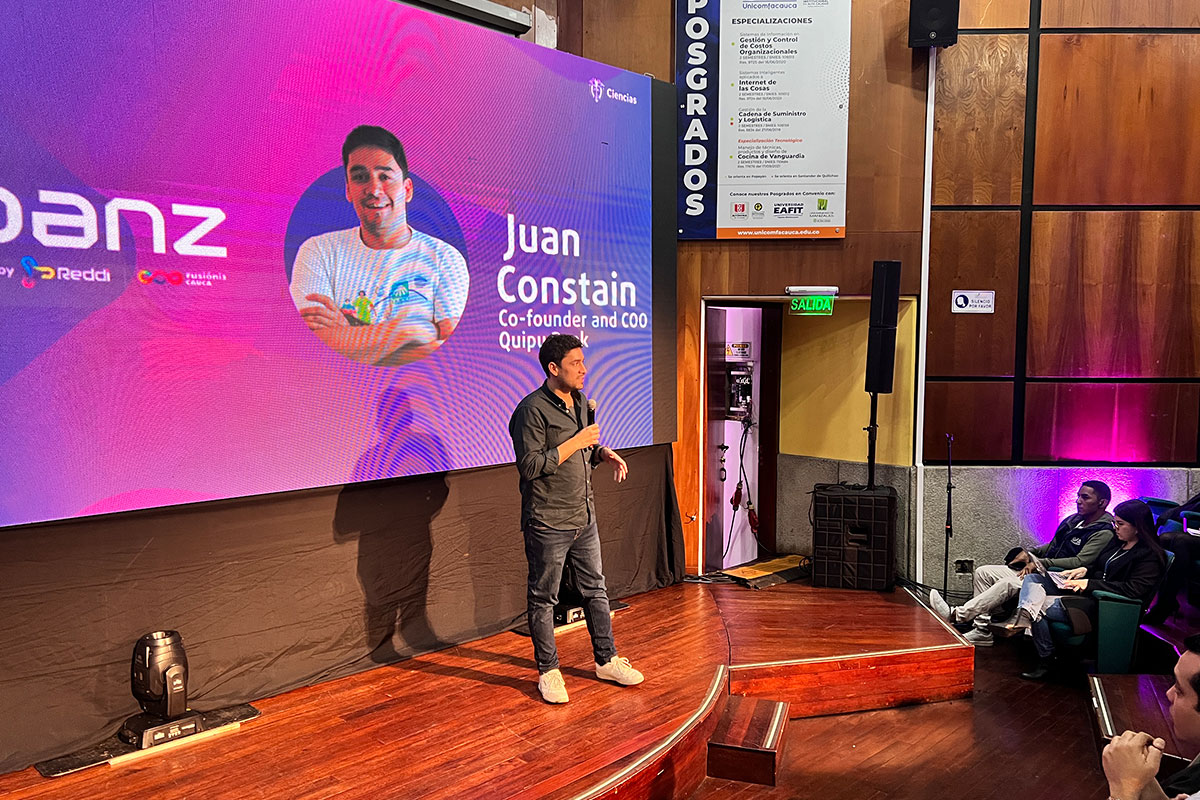
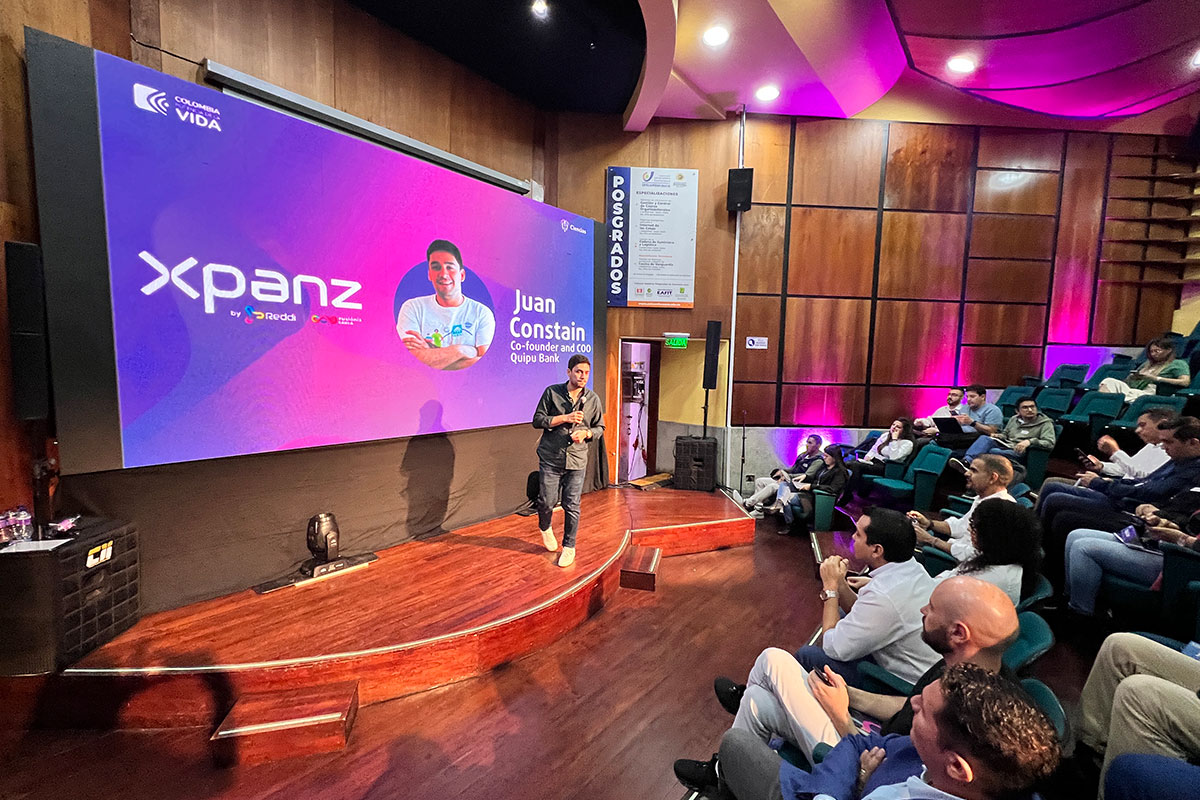
Juan Cristóbal Constain

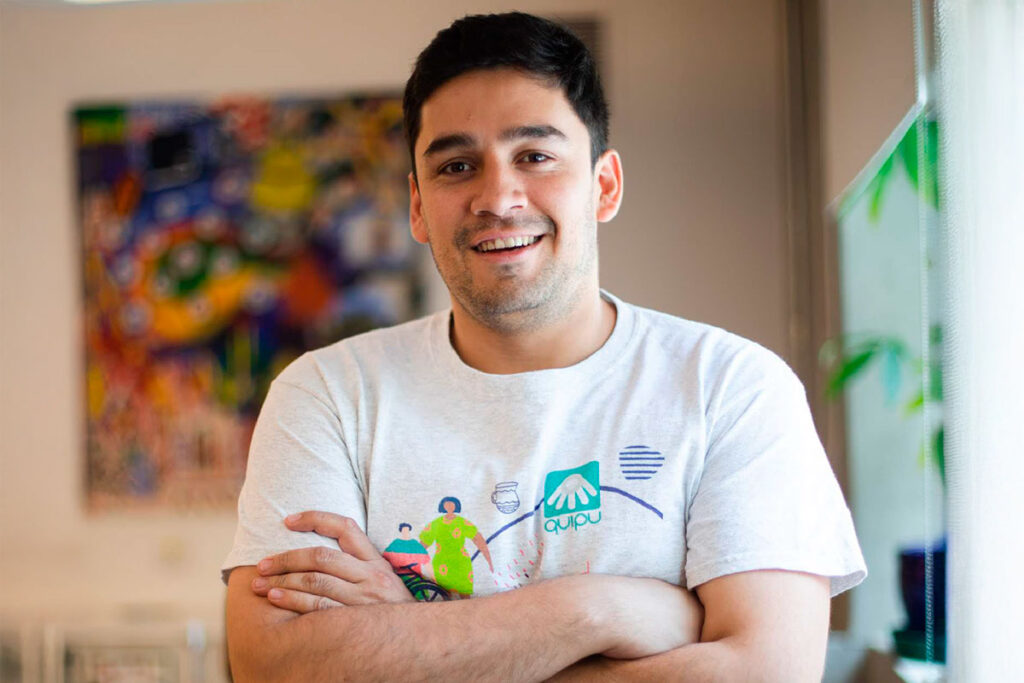
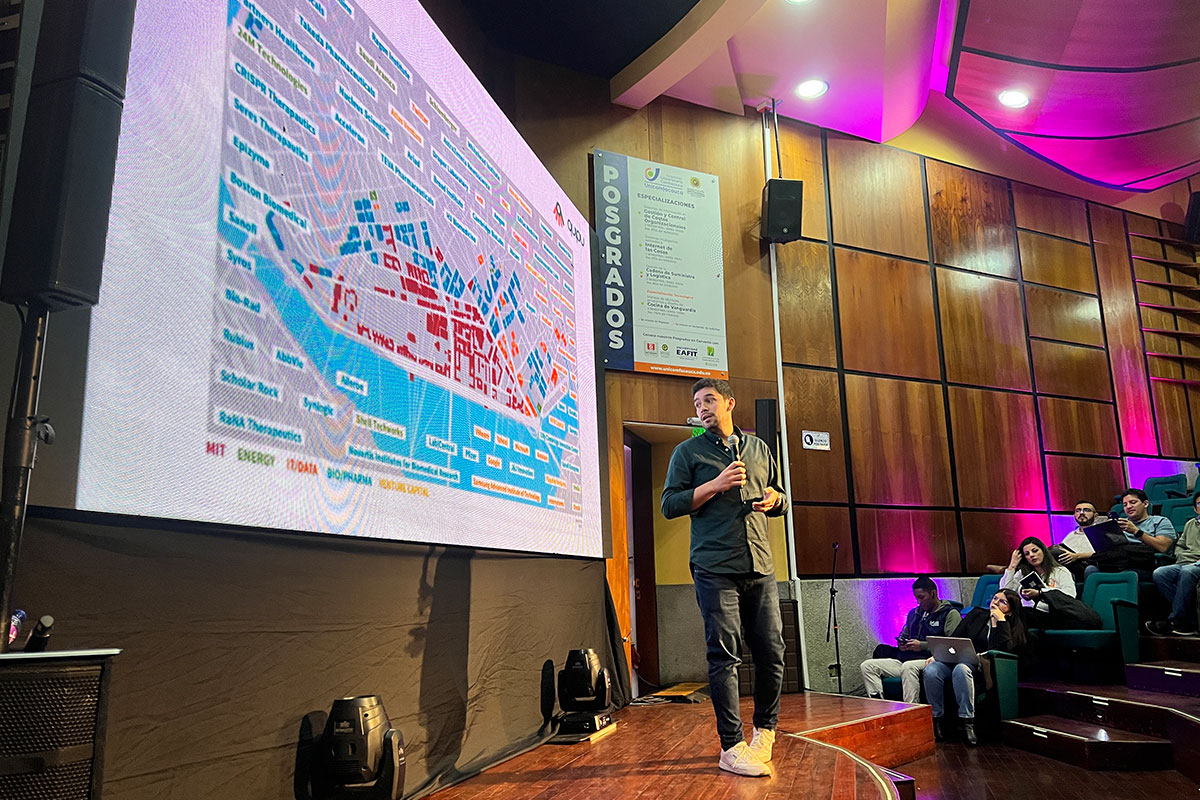
Conferencia: El camino de Quipu: de proyecto de investigación en MIT a fintech de inclusión financiera.

Cofundador y COO de Quipu Bank

Profesional en Gestión y Desarrollo Urbanos de la Universidad del Rosario, especialista en Derecho Urbano, y cuenta con una maestría en Planificación Urbana con énfasis en desarrollo económico del MIT. Como cofundador y COO de Quipu, una fintech de rápido crecimiento en Colombia, fue reconocido como Fellow del programa The Global Good Fund en 2023. Quipu ha recibido importantes reconocimientos de entidades como el Banco Mundial, Google, MIT, Forbes y Fast Company, consolidándose como un referente en inclusión financiera e innovación empresarial.

Xpanz en Valle 2024

Conferencista principal

Agustín Londoño

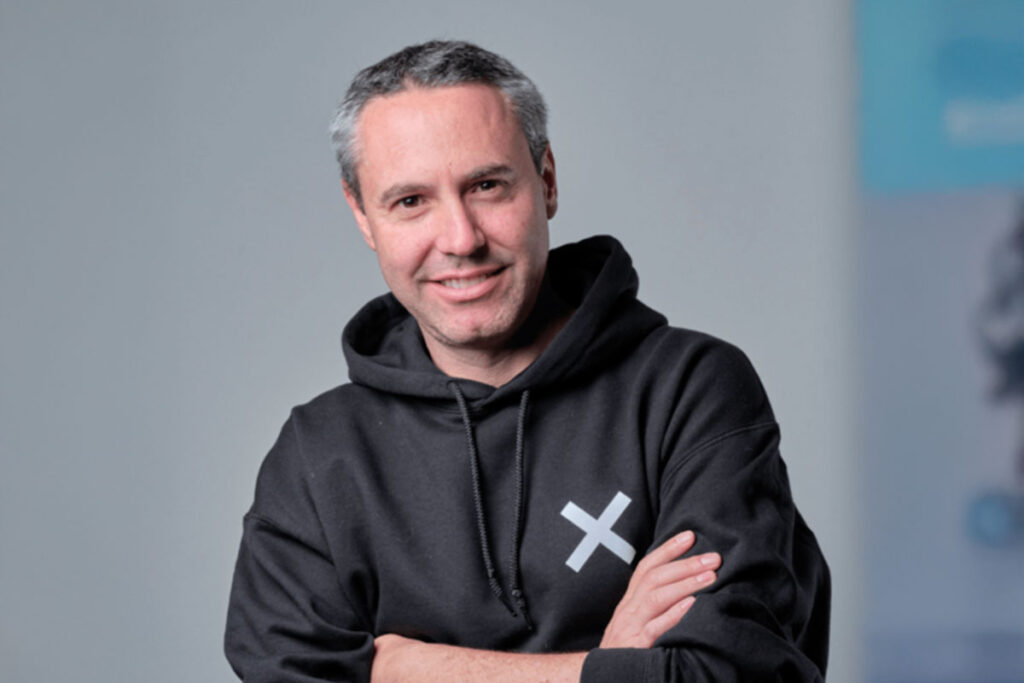
Director comercial de NotCo Colombia

Responsable de establecer la estrategia de negocio de NotCo en Colombia, en los frentes de Food Service, Retail. Administrador de negocios y especialista en mercadeo, con más de 25 años de experiencia liderando áreas de innovación en la industria de consumo masivo en Latinoamérica.

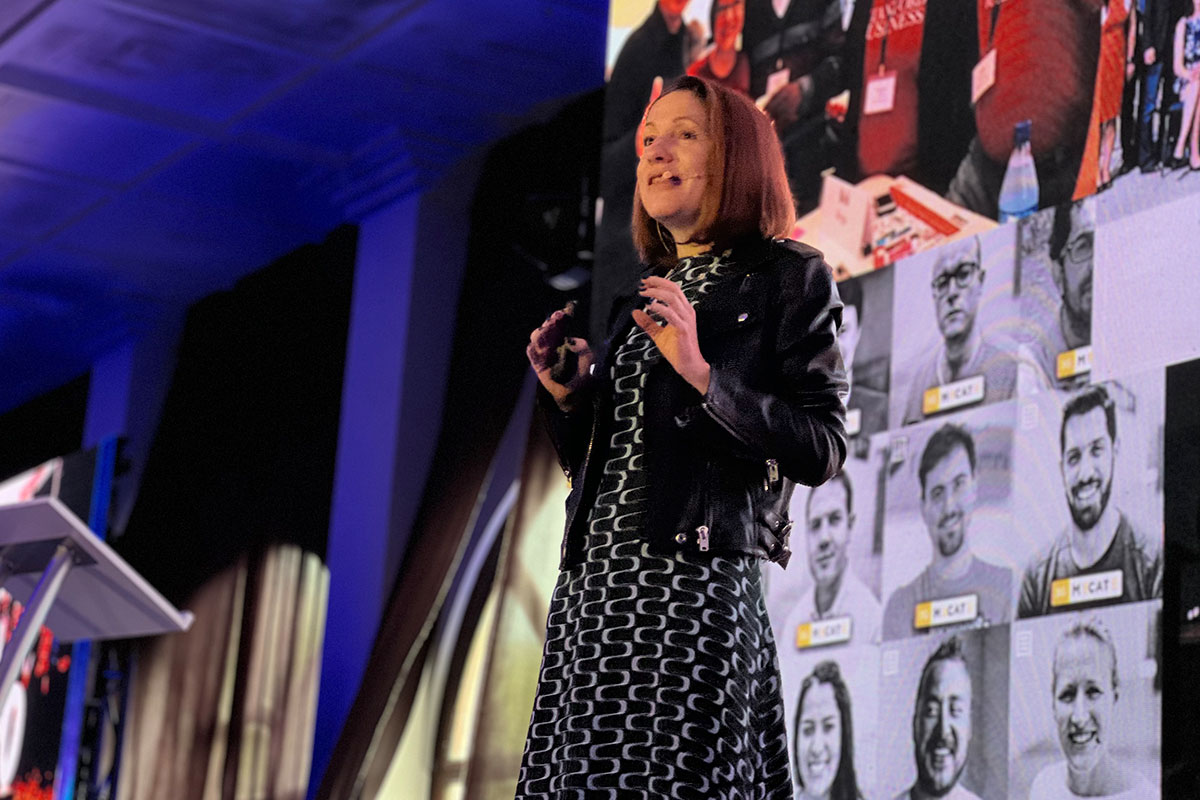
Xpanz en Cauca 2025

Conferencista principal

Claudia Aparicio

Conferencia: Efectos positivos de red.

CEO de Mentex y experta en innovación, reconocida entre los Top 100 gerentes de Colombia. Descubre cómo maximizar los efectos positivos de red y el impacto de la Alianza DeepTech en el fortalecimiento y escalamiento de startups en la región.