6-05-2026
For decades, business innovation in Colombia was understood as an internal matter: the Research and Development department, the technology team, the visionary manager. A personal, almost solitary effort.
But the world has changed. And with it, the way the most competitive organizations on the planet innovate: they no longer do it alone. They do it in a network.
Today, the world’s most powerful innovation ecosystems have something in common: they managed to get their companies, universities, research centers, and institutions to stop advancing in parallel and start moving in the same direction.
Colombia has the talent to be part of that conversation. The question is whether we have the structure to take advantage of it .
In Colombia we’ve already learned something: having good ideas isn’t always enough.
Because innovation doesn’t happen in isolation. It happens when someone has a challenge… and someone else has the ability to solve it.
And that’s where talking about ecosystems starts to make sense.
It’s not a lack of talent. It’s a lack of connection.
Over the past few years, at Reddi we have seen a clear pattern: the capabilities exist, but often they are not found.
Companies that need to innovate but don’t know which university to turn to. Universities with ready-made solutions but no market access. Entrepreneurs looking for partners… and finding only calls for proposals.
It’s not that nothing is happening. It’s that it’s happening offline.
And when each actor moves forward on their own, the impact falls short.
Articulating is not coordinating. It’s making things happen.
Talking about collaboration isn’t about filling working tables. It’s about ensuring that knowledge reaches where it’s needed.
It’s about a company not having to develop from scratch, because a solution already exists on the market.
The goal is for research not to remain on paper, but to end up in the market, generating real value.
It’s about the actors stopping competing separately and starting to build together.
It’s already happening in the Cauca Valley.
In the Cauca Valley we see the potential every day: scientific capabilities, companies with vision, committed institutions.
But we also see the challenge: connecting those pieces so that they truly generate impact.
The big challenge is:
That a business need finds a solution in academia. That innovation depends on a system, not on connections. That solutions scale up, not remain pilot projects.
Innovation ceases to be individual and becomes collective.
The key question is not whether you should innovate
It’s: Who are you doing it with?
Vincúlate a Reddi Colombia y haz parte de la transformación innovadora de la región.

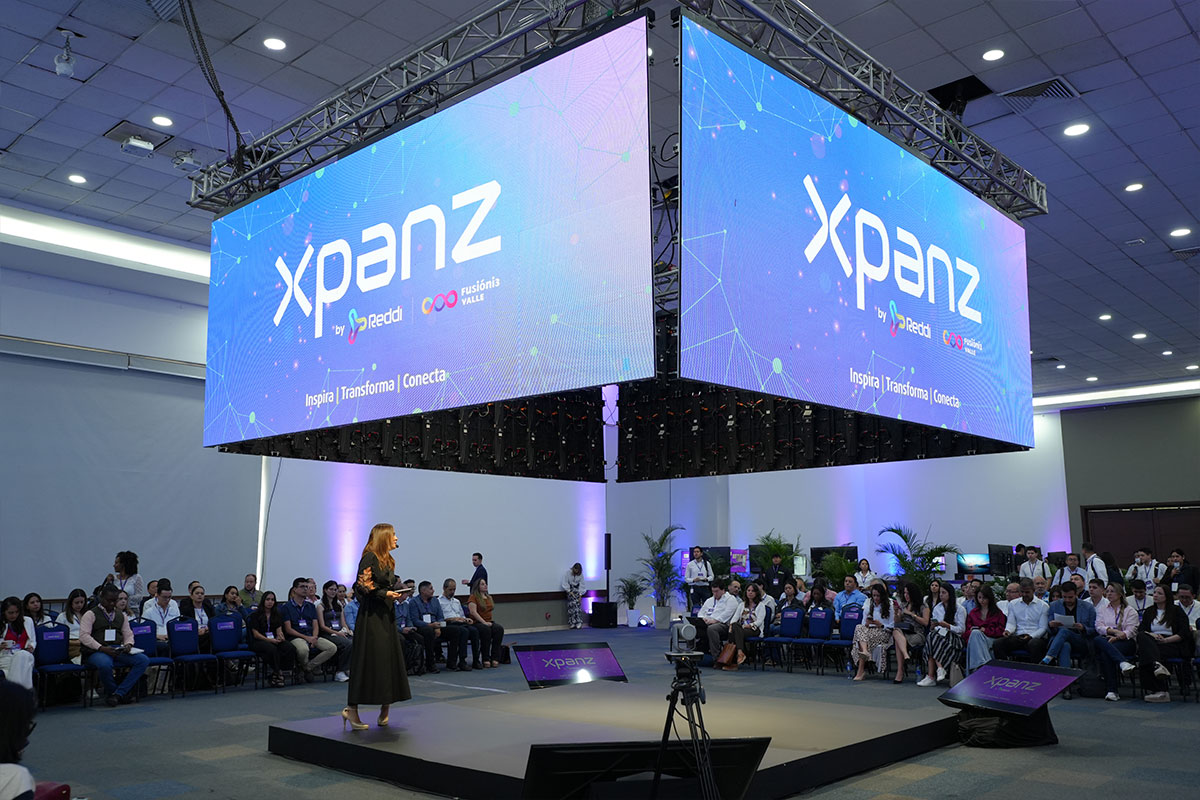
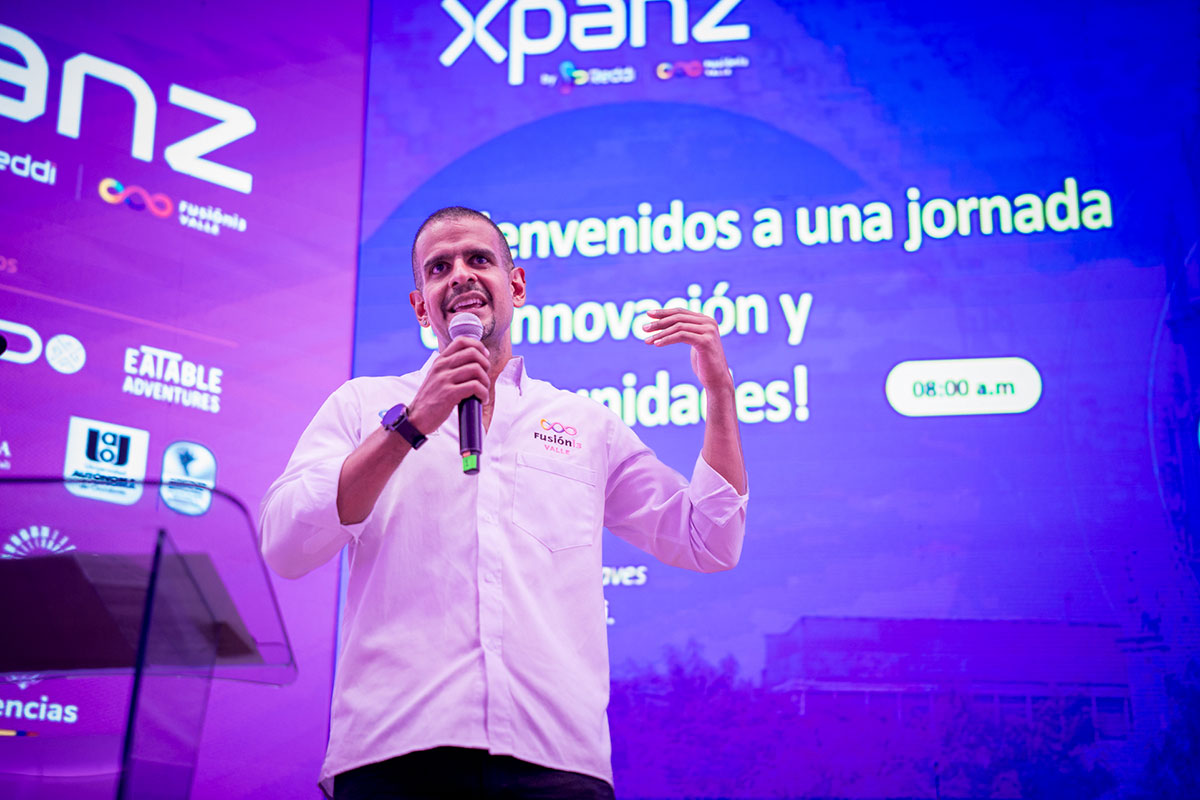
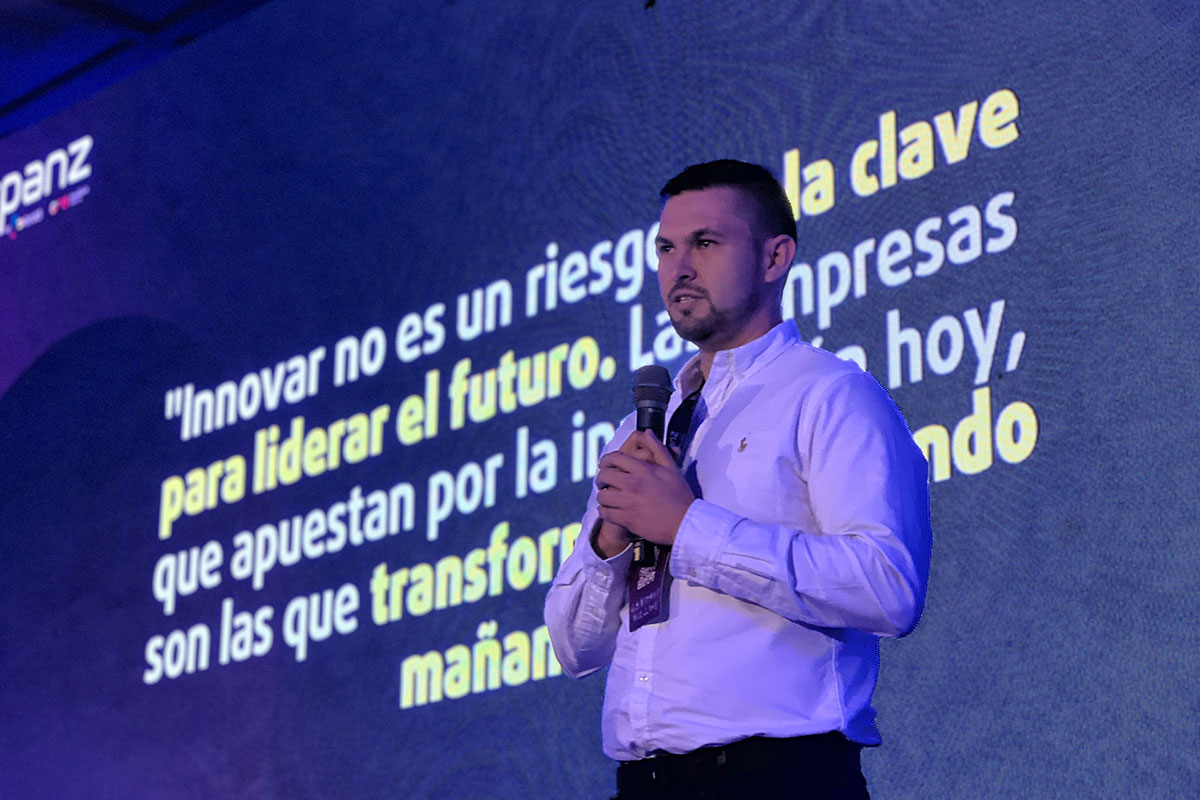
Conferencia “Innovación con impacto empresarial”
Presidente gremial, mentor y emprendedor serial
EdTech HUB LATAM + 90 Edtechs
Asociación de emprendedores +500 marcas de consumo
Ha logrado:
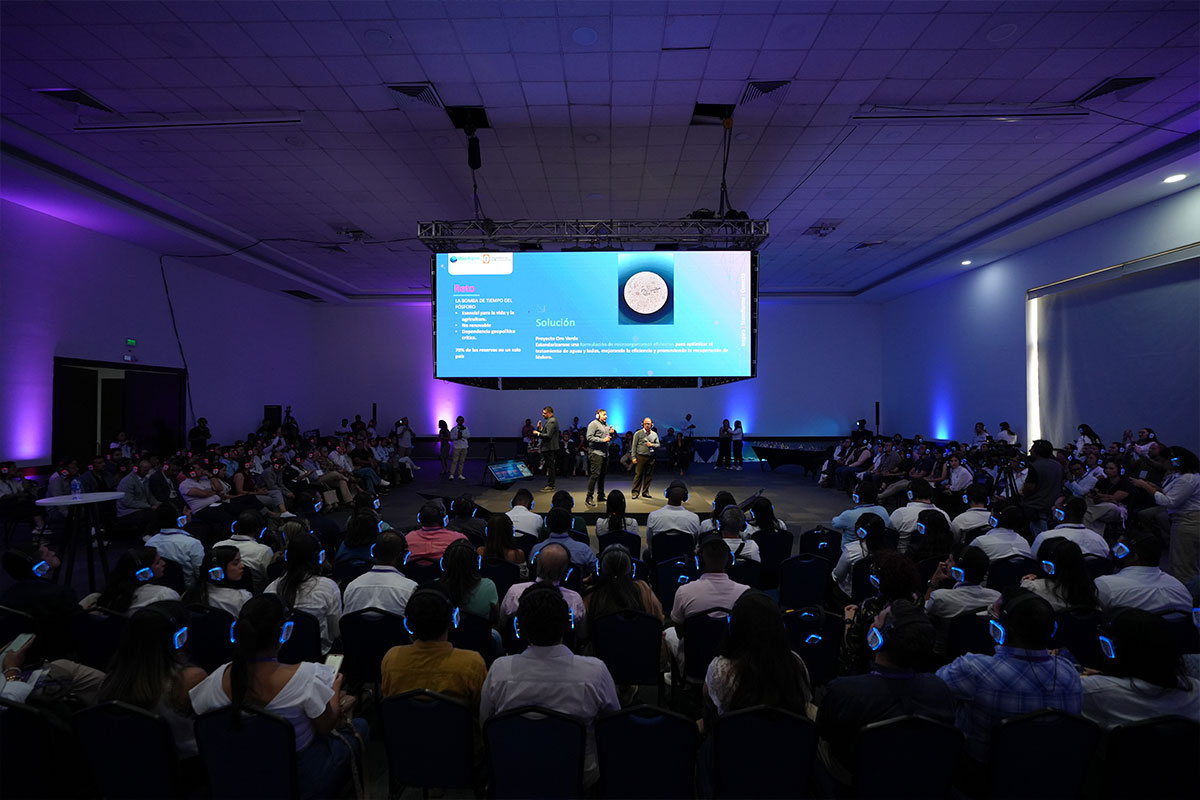
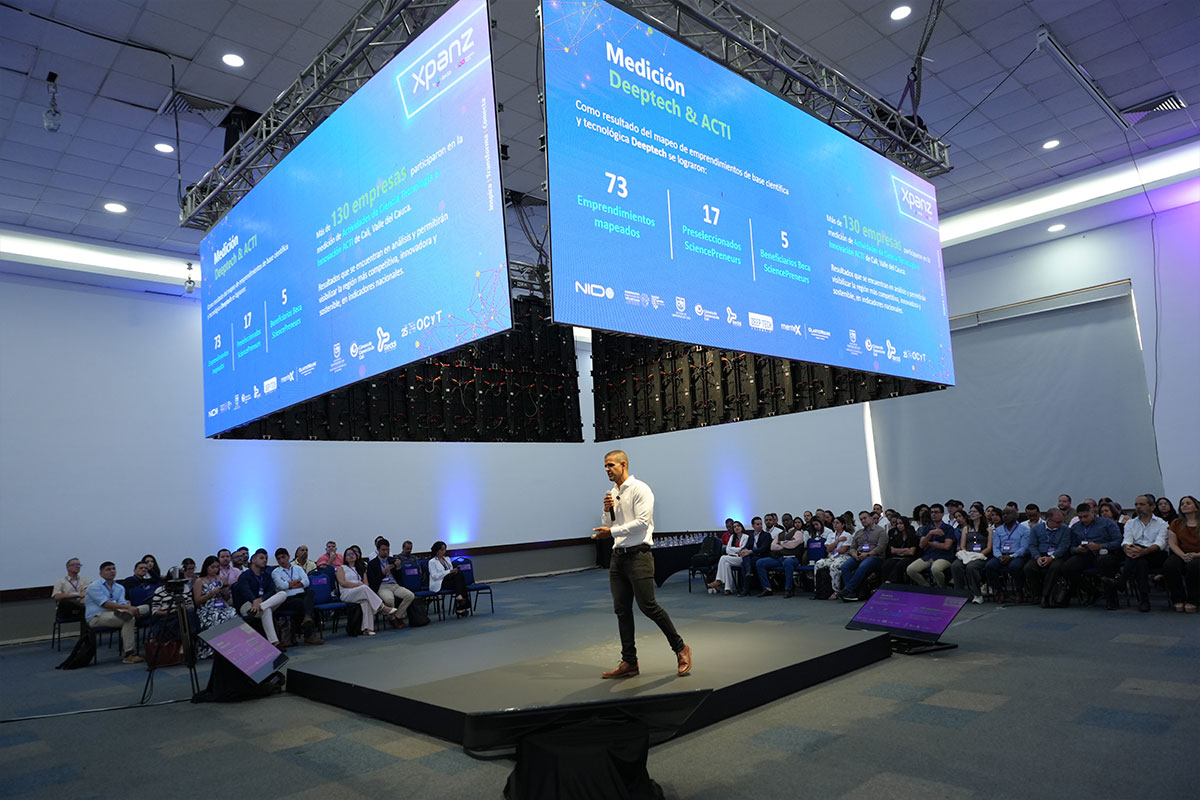
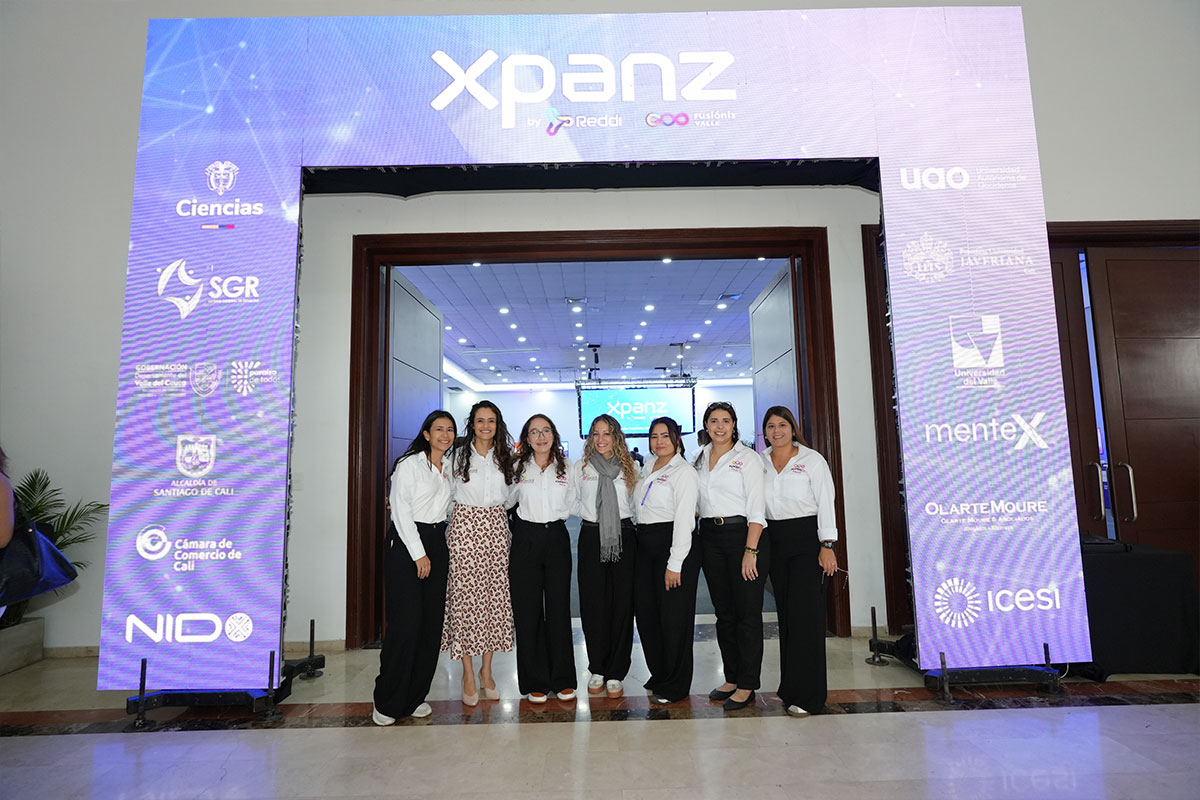
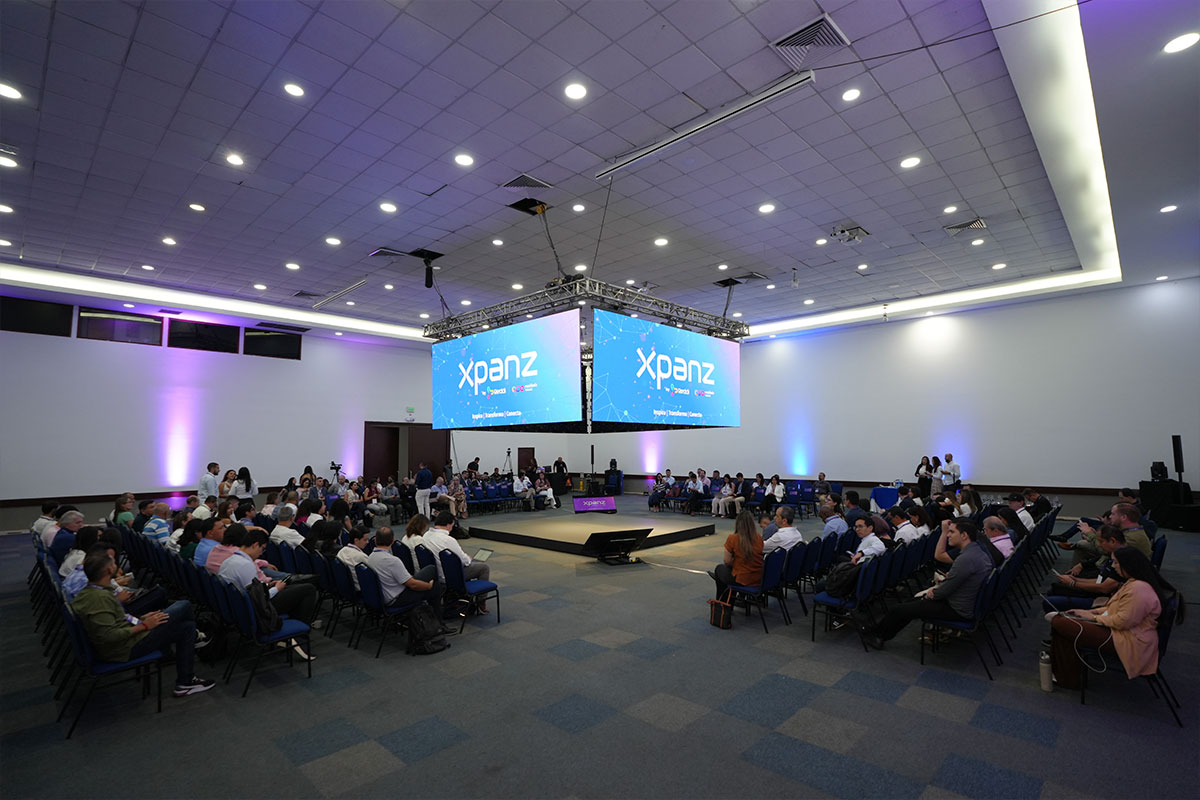
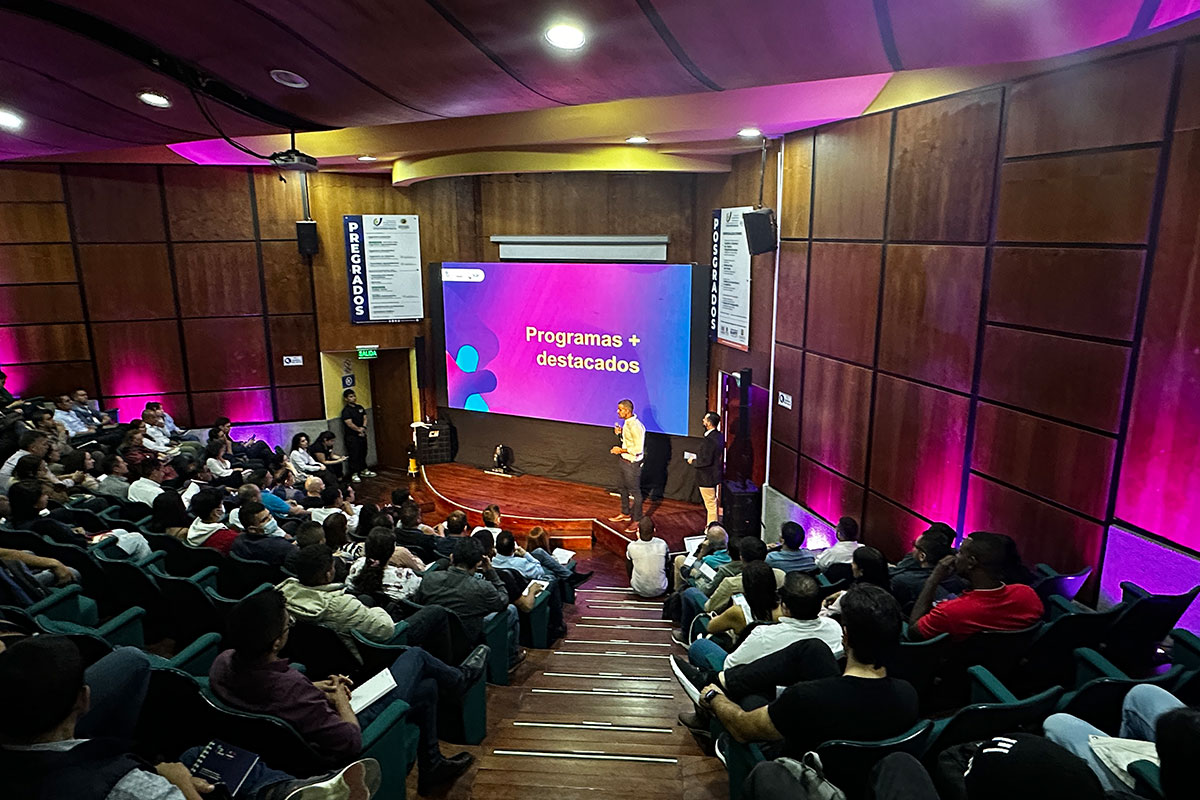
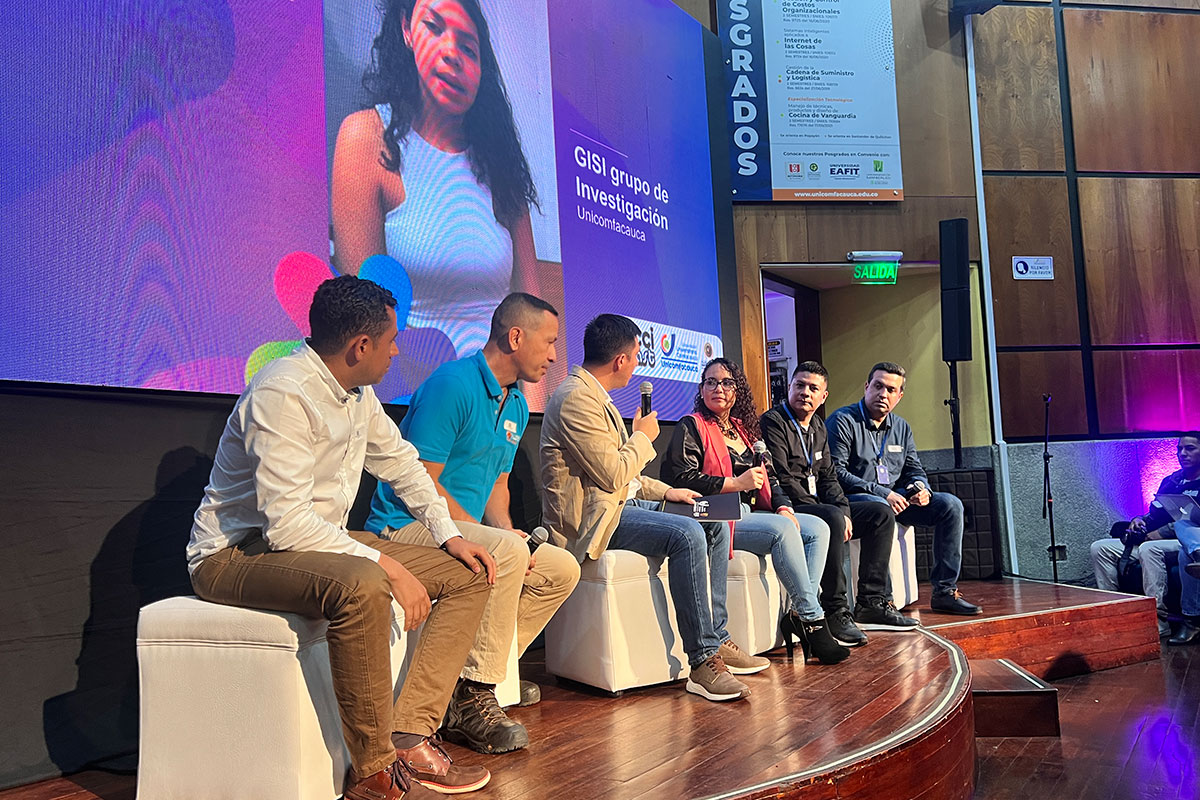
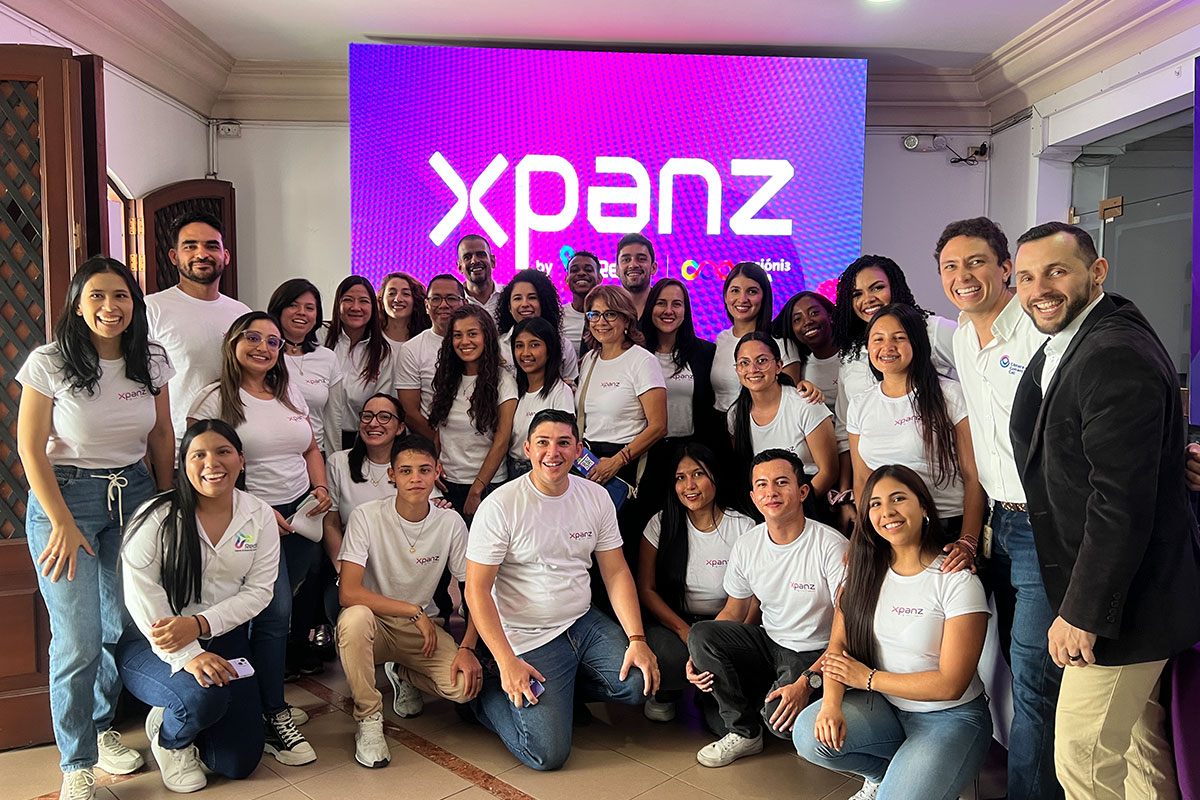
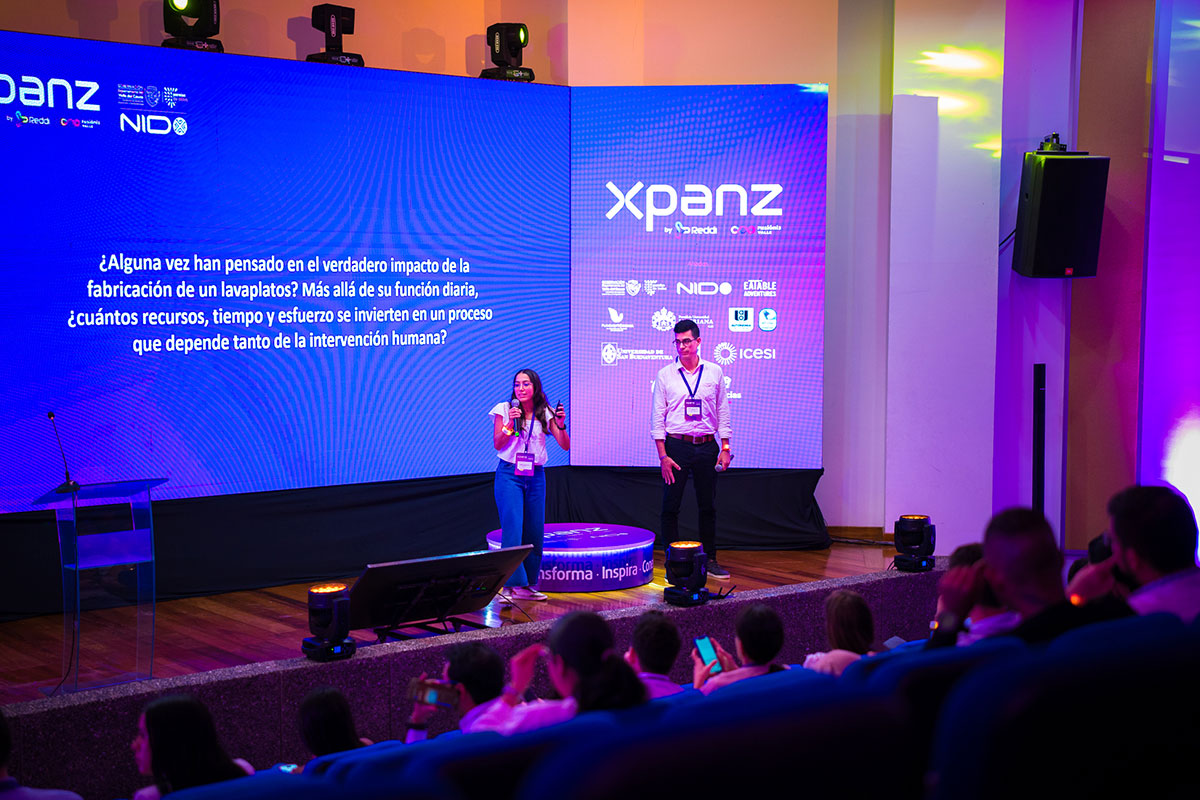
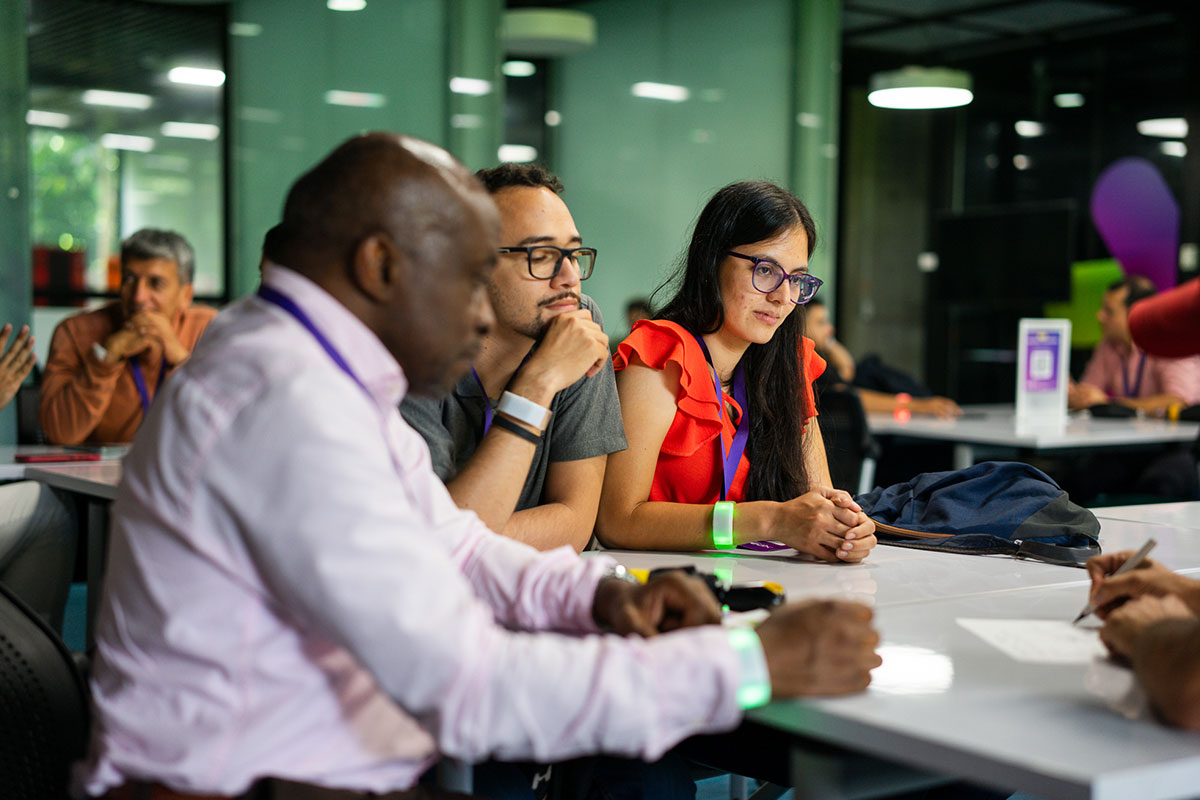
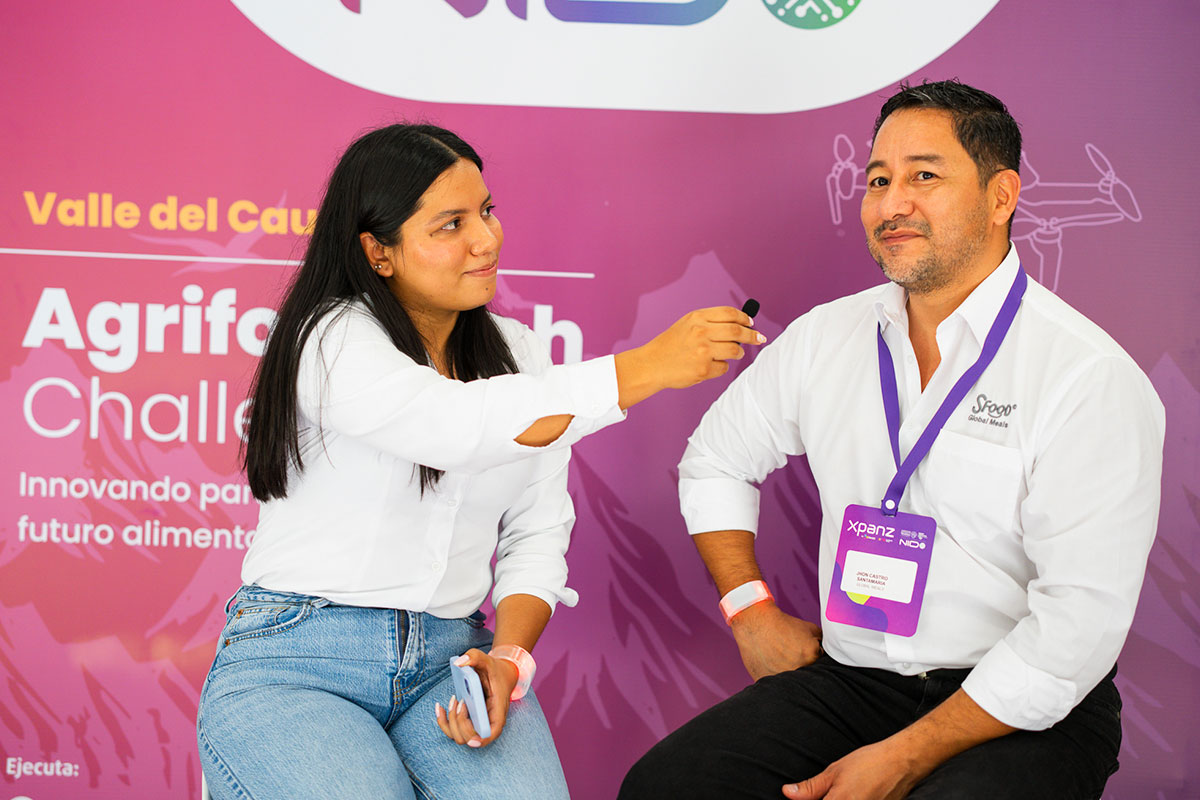
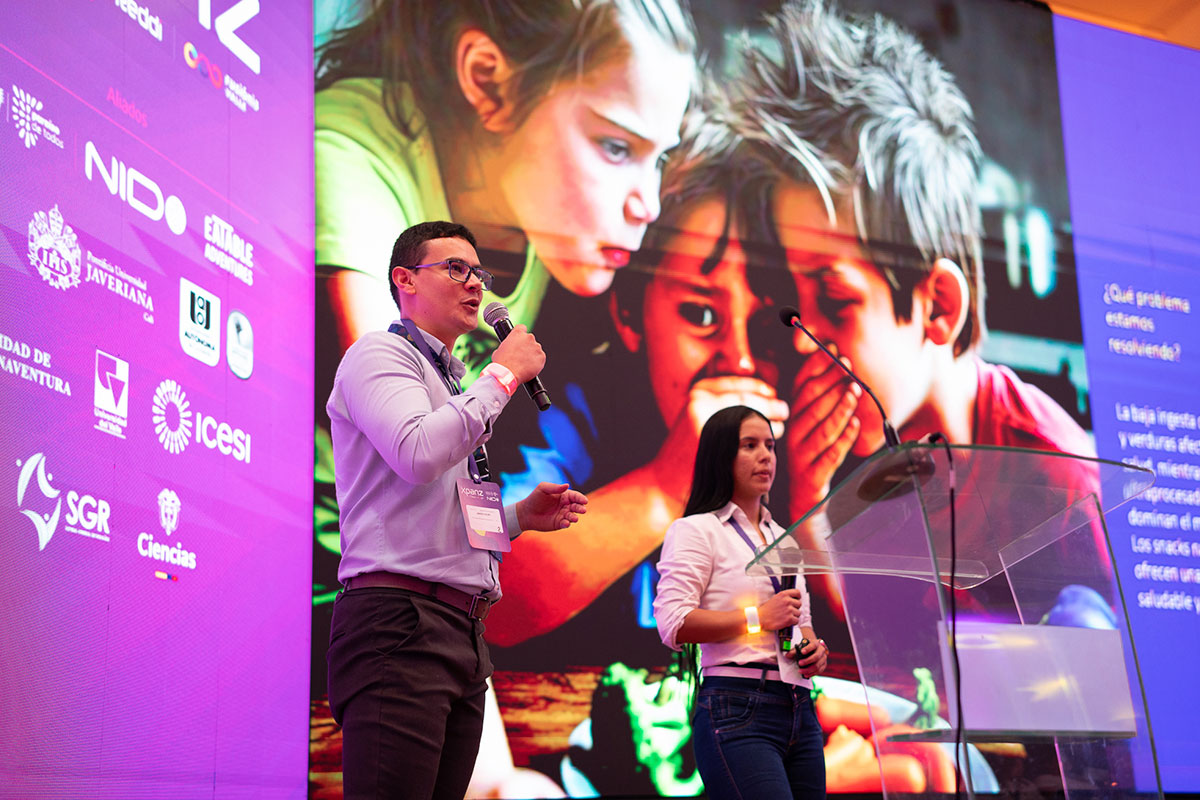
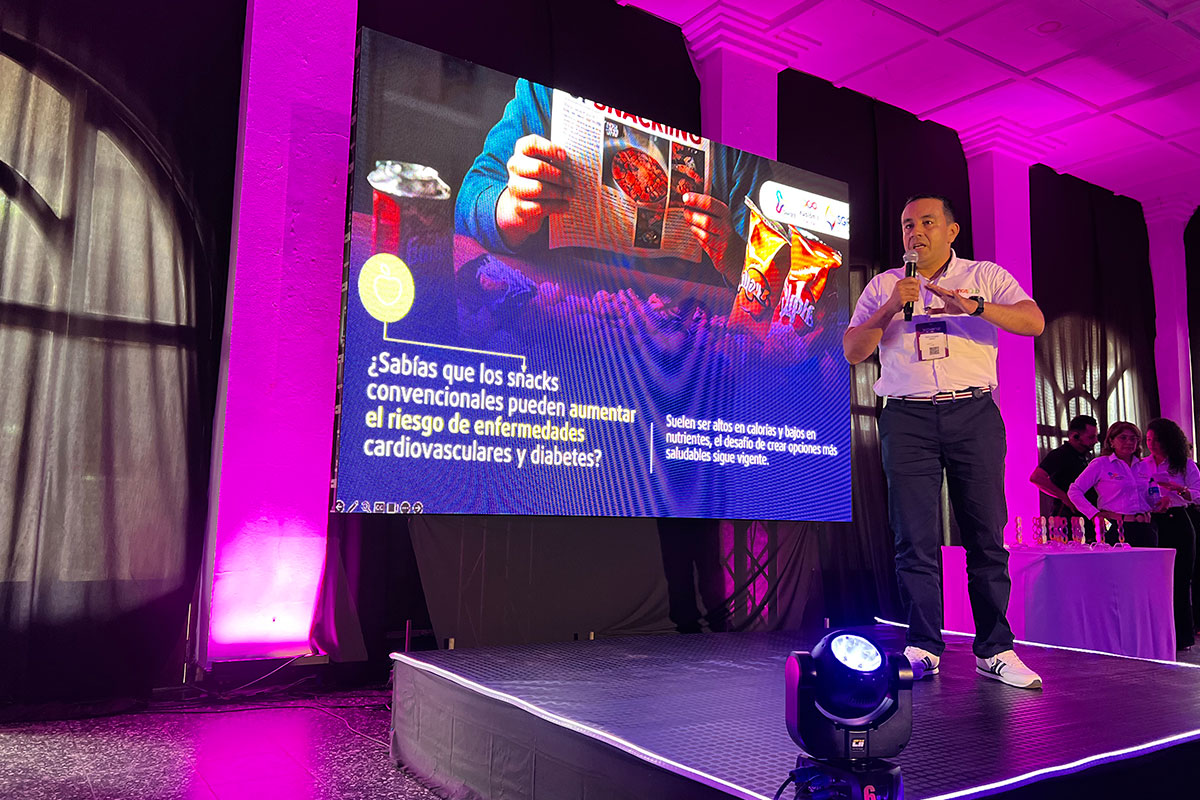
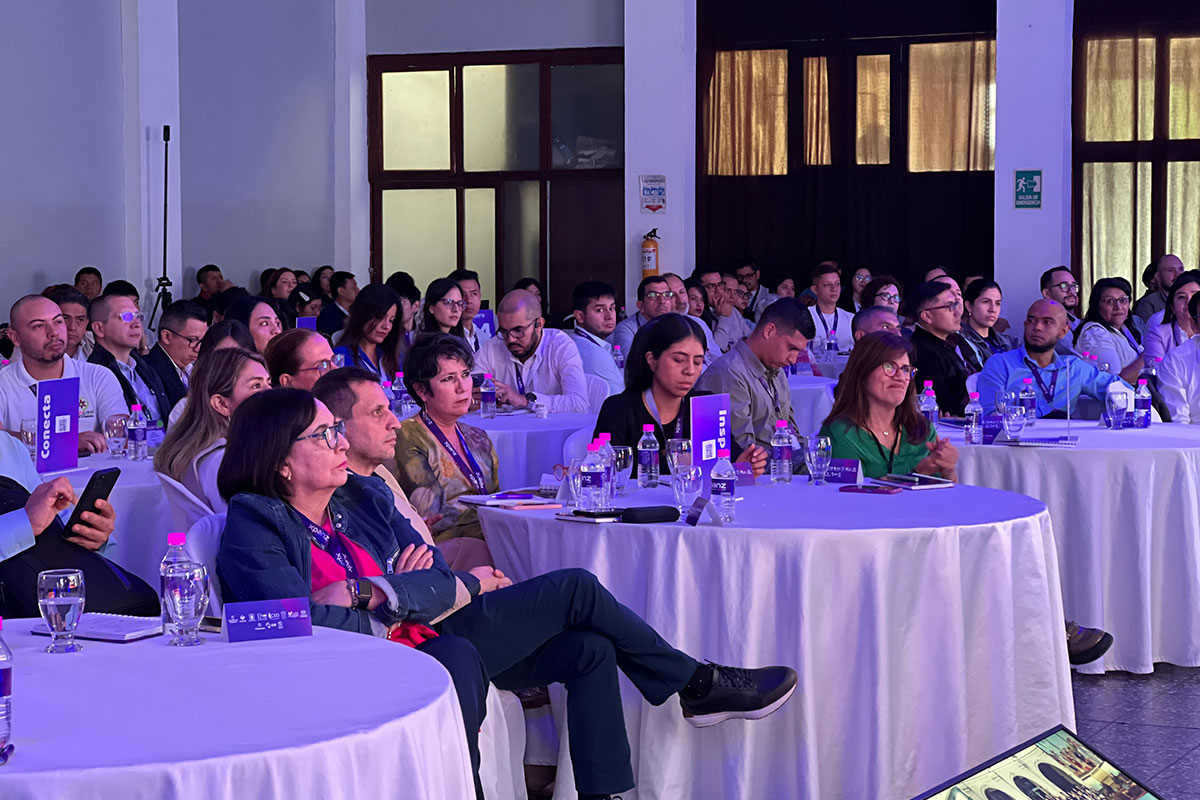
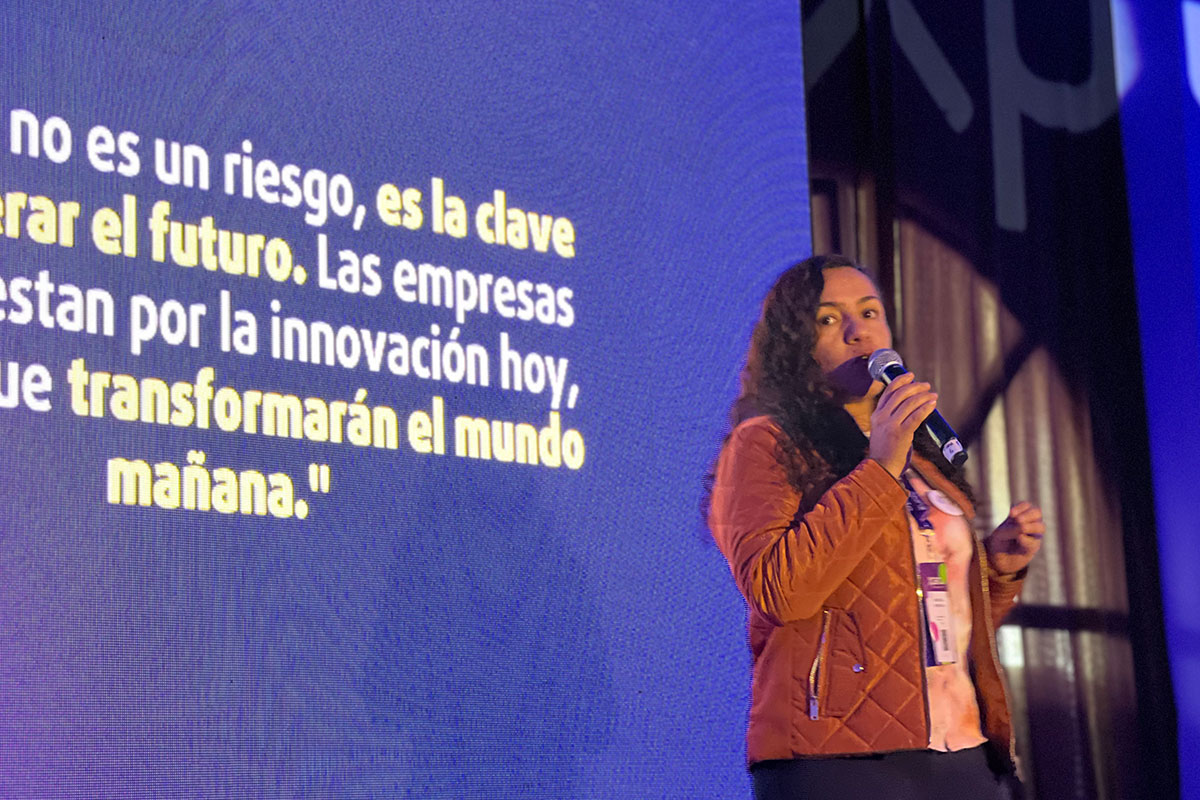
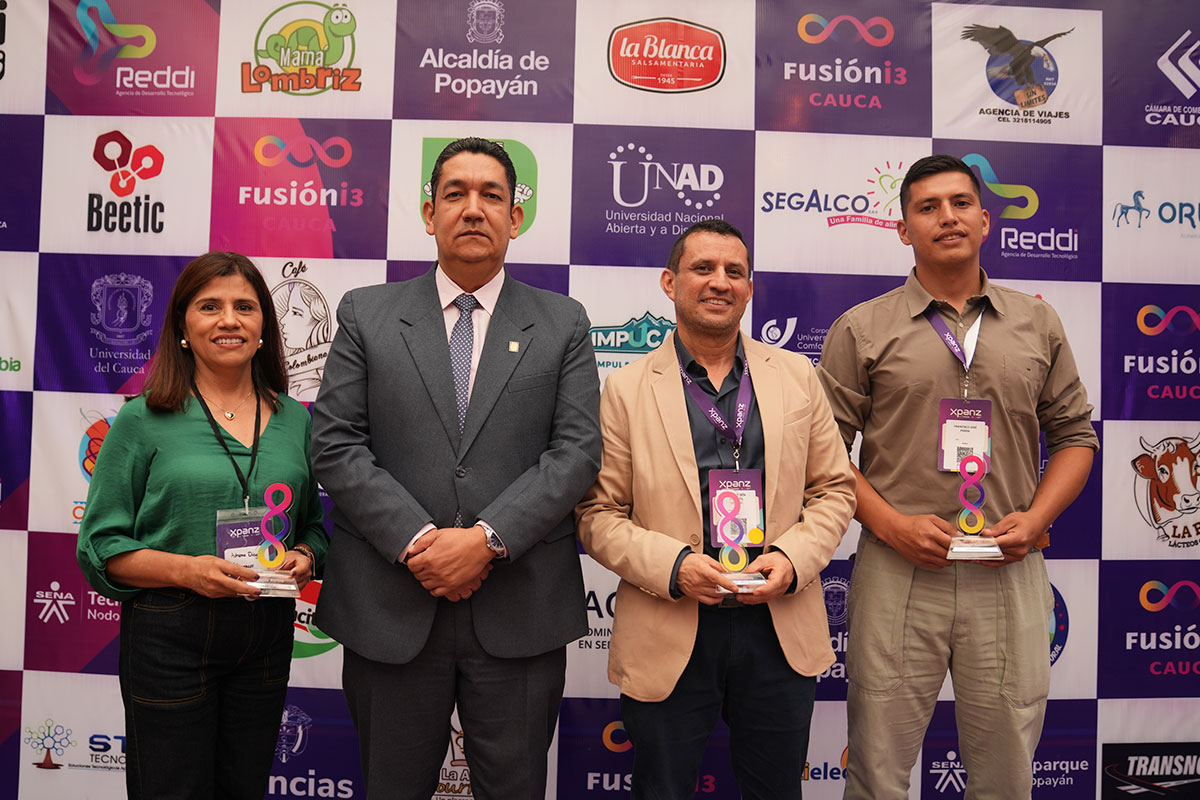
El evento contó con la participación de más de 101 asistentes en la Universidad Javeriana Cali.
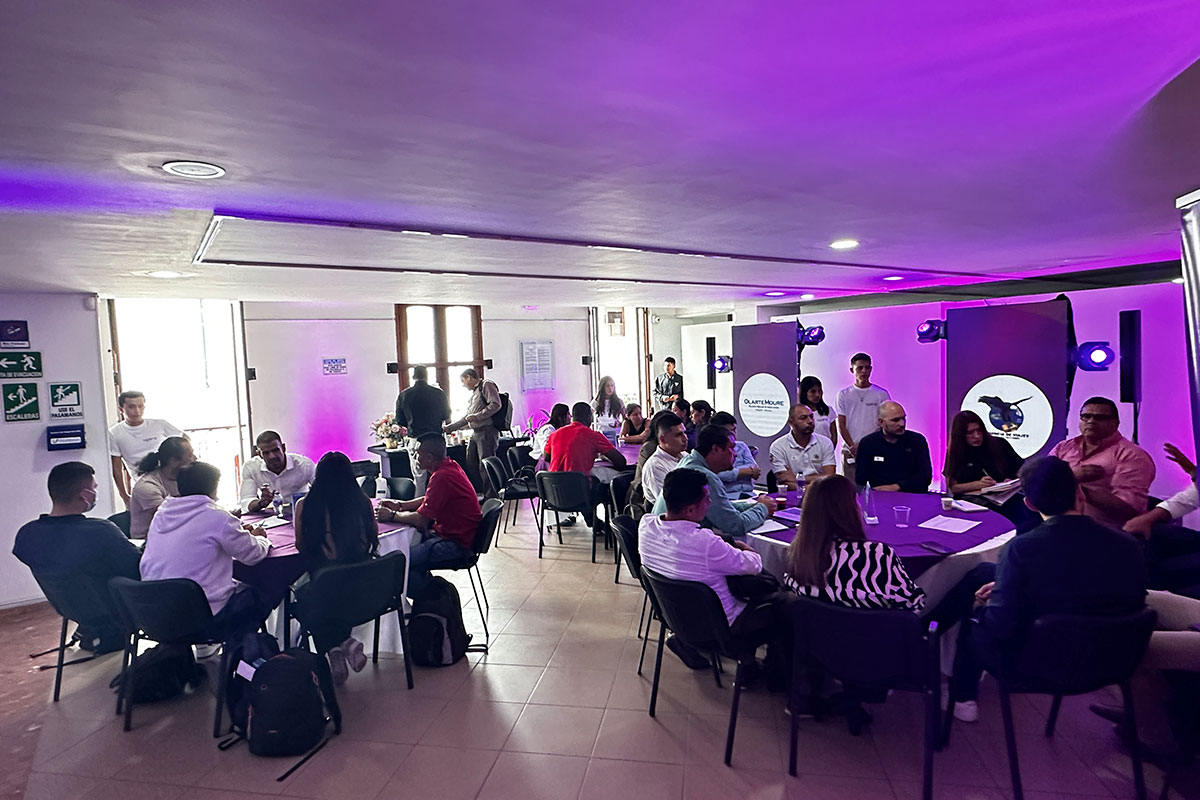
Fue el primer acercamiento entre IES aliadas y MiPyMEs beneficiarias.
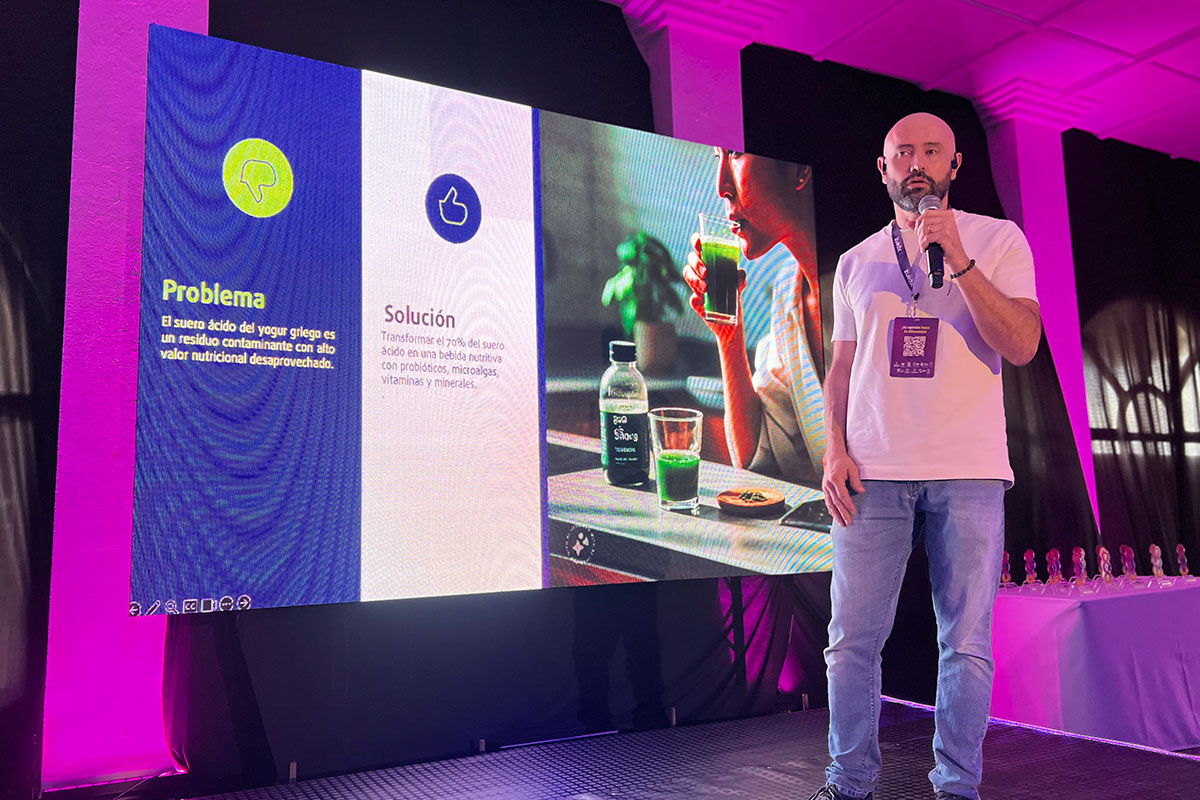
17 de estas MiPyMEs presentaron su Pitch, 11 tecnologías de las IES aliadas fueron presentadas en el Experience Day, las cuales tuvieron 28 validaciones pre-comerciales.
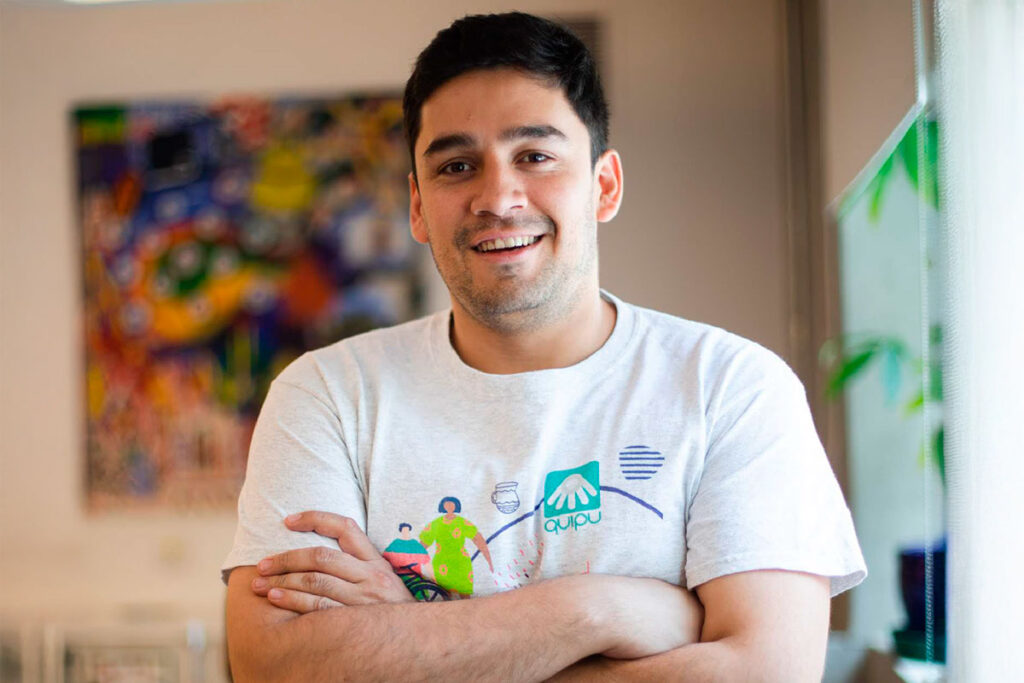
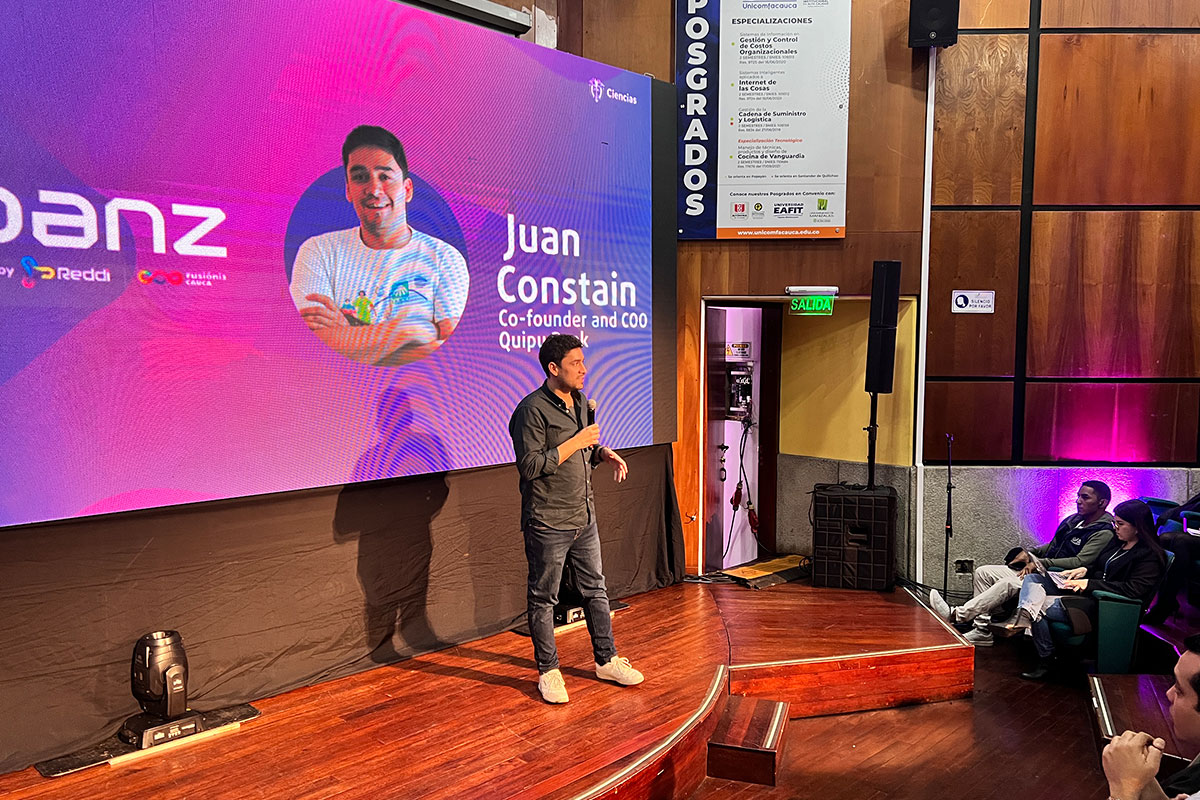
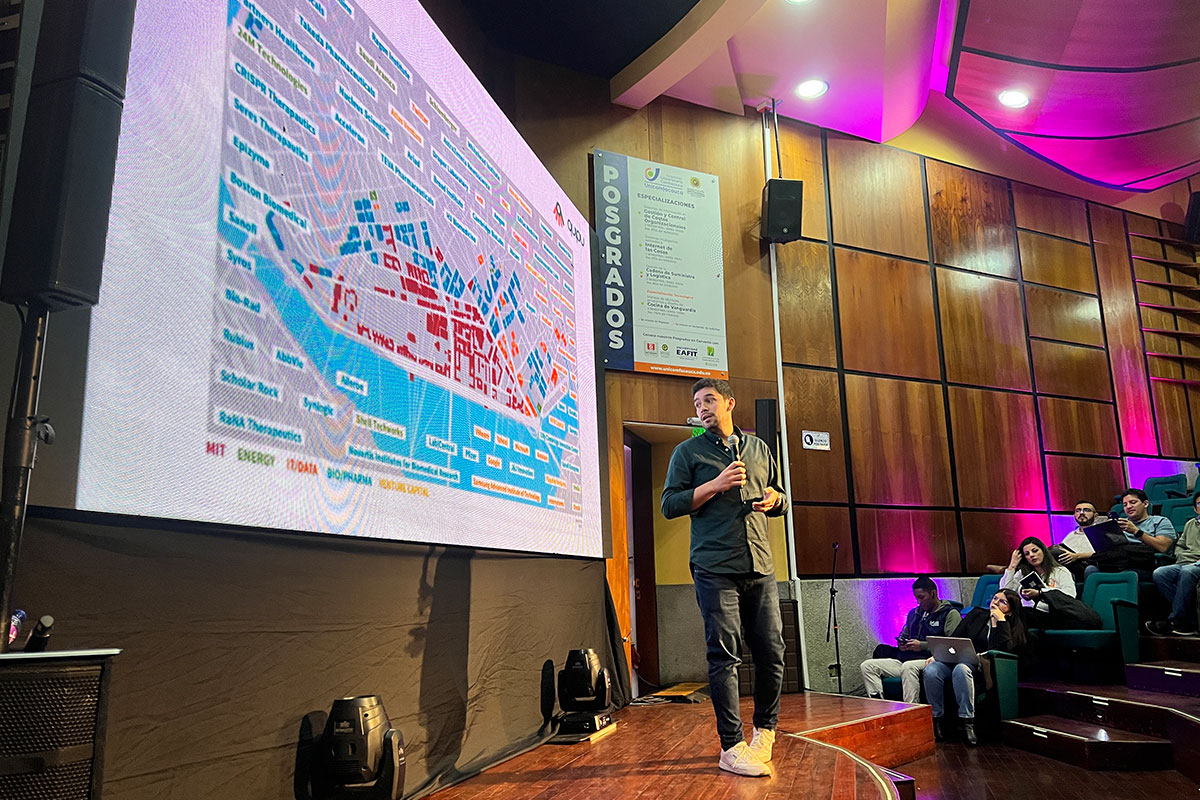
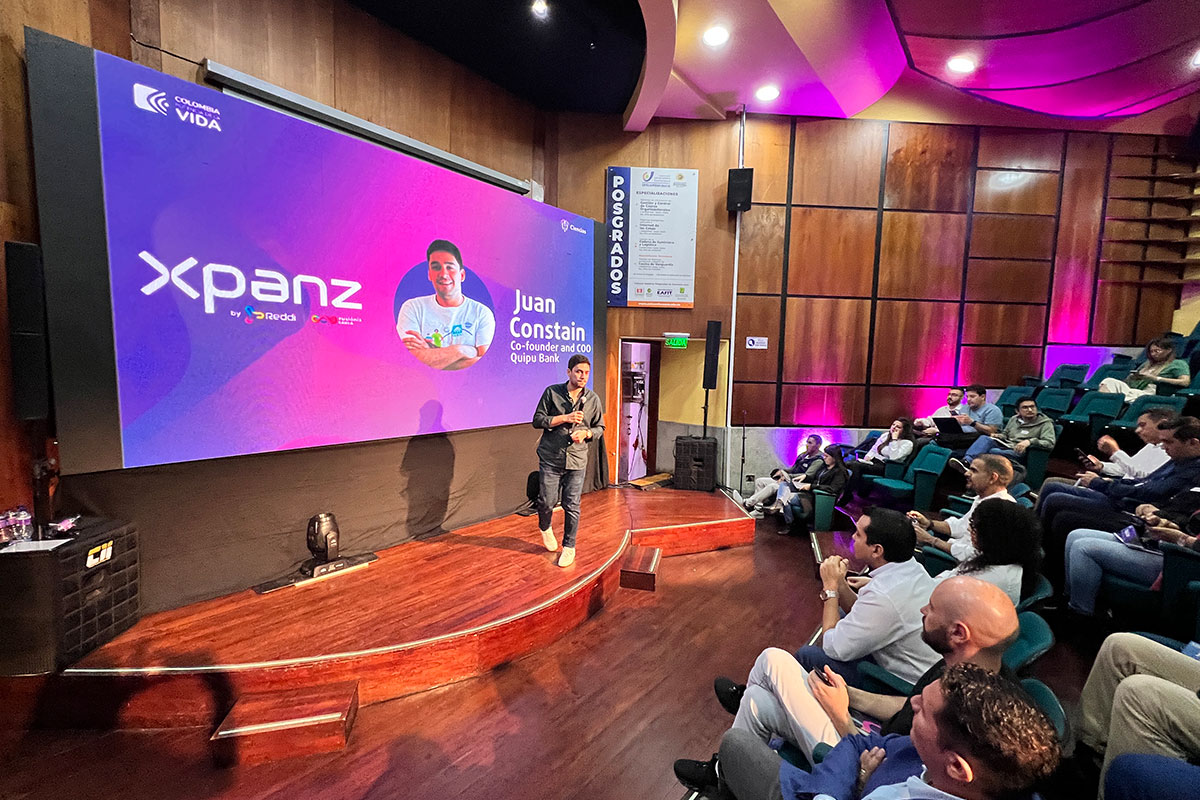
Conferencia: El camino de Quipu: de proyecto de investigación en MIT a fintech de inclusión financiera.
Cofundador y COO de Quipu Bank
Profesional en Gestión y Desarrollo Urbanos de la Universidad del Rosario, especialista en Derecho Urbano, y cuenta con una maestría en Planificación Urbana con énfasis en desarrollo económico del MIT. Como cofundador y COO de Quipu, una fintech de rápido crecimiento en Colombia, fue reconocido como Fellow del programa The Global Good Fund en 2023. Quipu ha recibido importantes reconocimientos de entidades como el Banco Mundial, Google, MIT, Forbes y Fast Company, consolidándose como un referente en inclusión financiera e innovación empresarial.
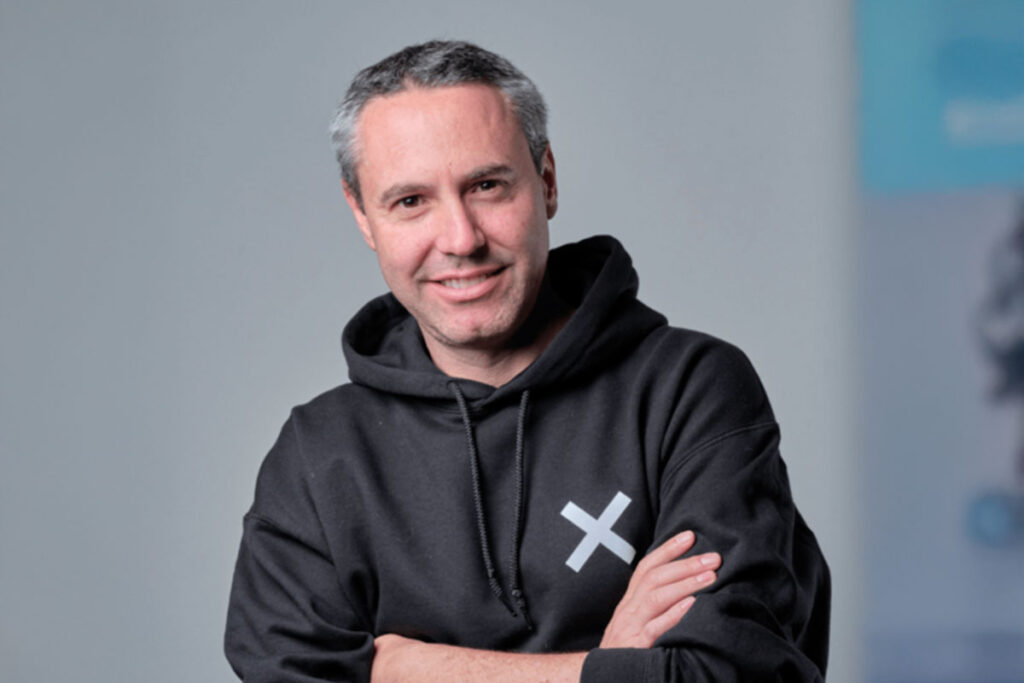
Director comercial de NotCo Colombia
Responsable de establecer la estrategia de negocio de NotCo en Colombia, en los frentes de Food Service, Retail. Administrador de negocios y especialista en mercadeo, con más de 25 años de experiencia liderando áreas de innovación en la industria de consumo masivo en Latinoamérica.

Conferencia: Efectos positivos de red.
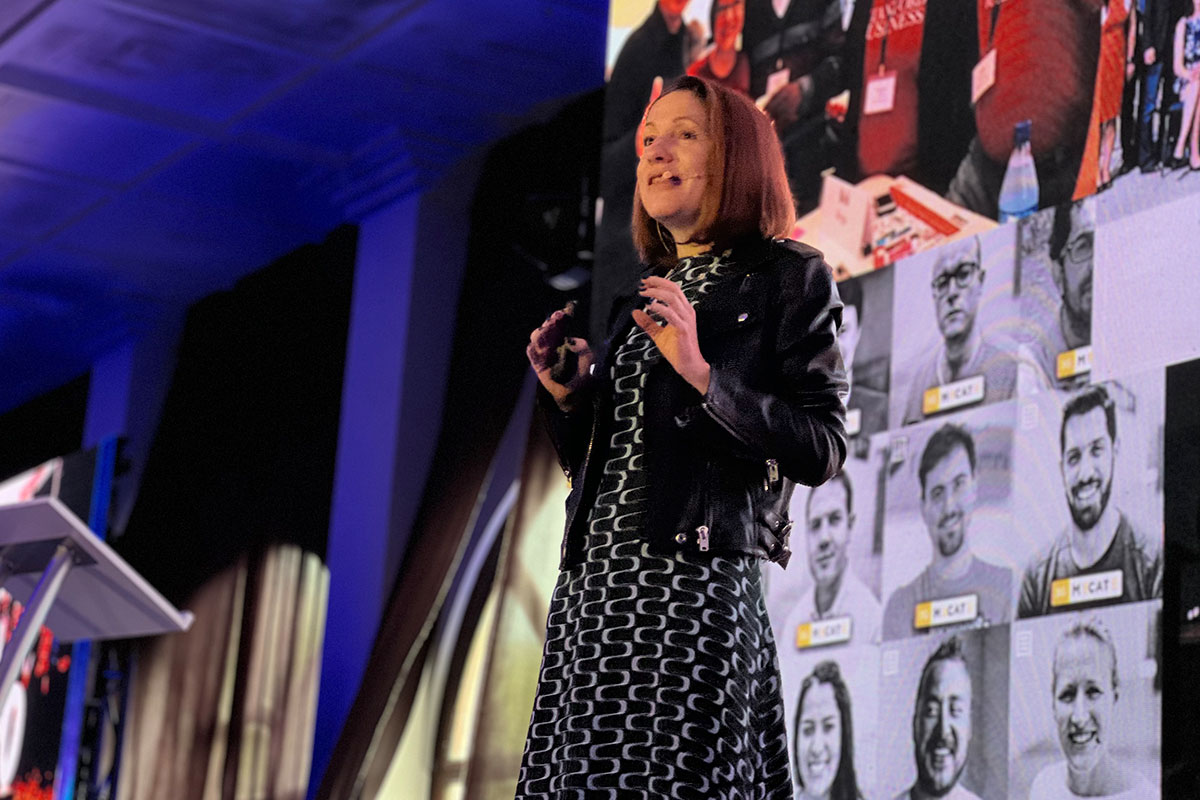
CEO de Mentex y experta en innovación, reconocida entre los Top 100 gerentes de Colombia. Descubre cómo maximizar los efectos positivos de red y el impacto de la Alianza DeepTech en el fortalecimiento y escalamiento de startups en la región.