23-06-2026

Universities today face an interesting paradox: their most valuable assets are intangible and extend far beyond traditional infrastructure. The knowledge and skills of their community, their organizational capacity and structure, and the strength and relevance of their ties with the surrounding community are the true drivers of their quality and sustainability. However, few universities manage these assets systematically.


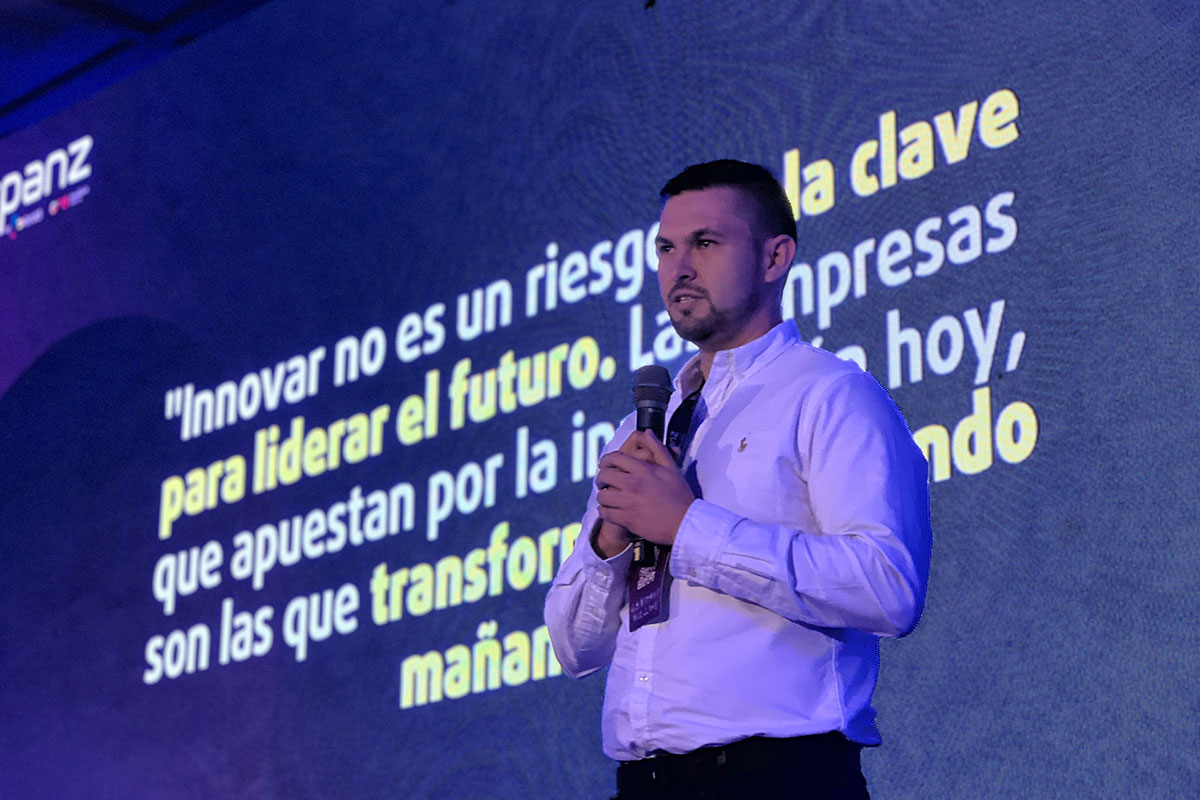
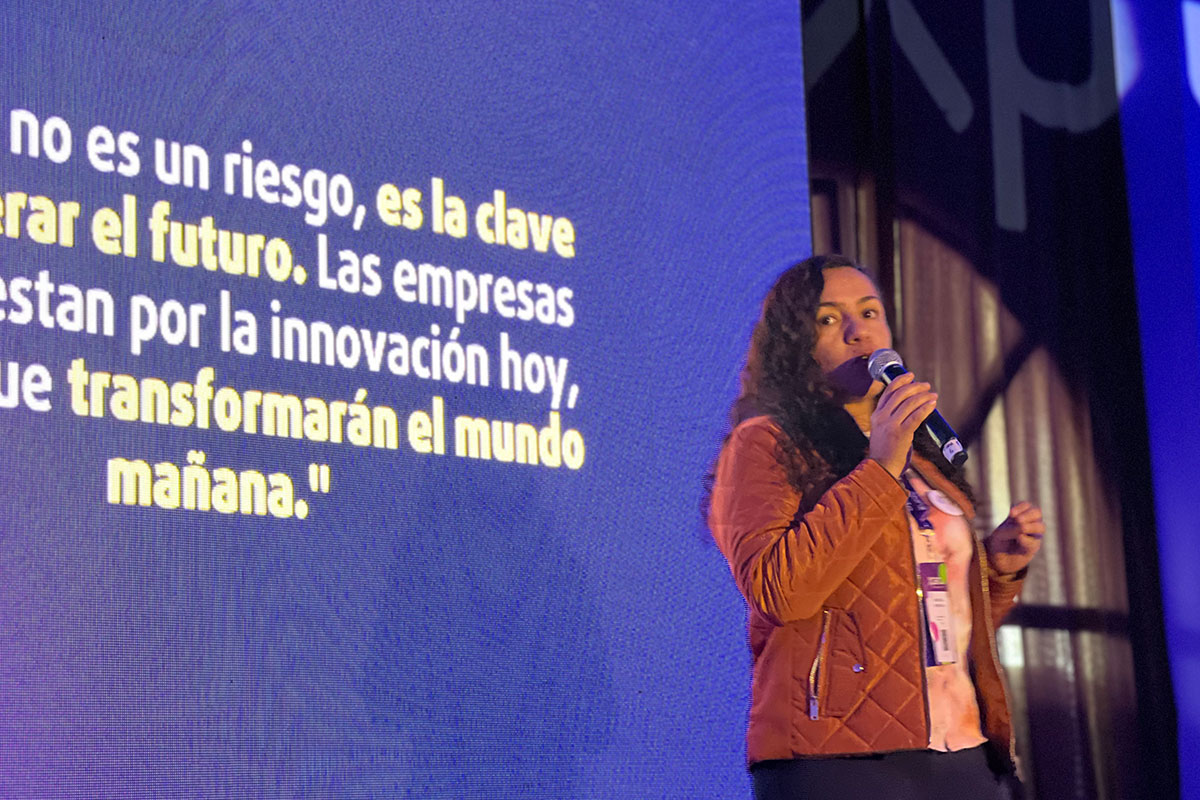
This is precisely the starting point of an investigation that I had the opportunity to develop, entitled “Intellectual capital in higher education institutions: an exploratory literature review” , and which was presented within the framework of the ACOFI 2025 International Meeting on Engineering Education.


What is intellectual capital and why should a university care about it?


Intellectual capital (IC) can be understood as the set of intangible assets that allow an organization to transform its resources—human, financial, and material—into real value. In the case of universities, this value translates into the quality of teaching, research output, and social impact.

Sara Anaya
Reddi Project Analyst

This concept is structured around three interdependent dimensions:


🧠Human Capital (HC) : the knowledge, skills and experience of the university community —teachers, researchers, administrative staff and students— that are at the heart of the mission processes.


🏛️Structural Capital (SC) : the systems, processes, technologies, and organizational culture that sustain institutional functioning, even when people change.


🤝Relational Capital (RC): the collaborative networks with other institutions, the productive sector, graduates and society, which expand the reach and resources of the university.


What did the literature review find?


Based on the analysis of 39 documents published between 2020 and 2024 —selected from an initial search of 674 in Web of Science— findings emerge that invite a rethinking of university management

  1. The CI is a driver of institutional innovation.


Universities that strategically manage their intellectual capital are better able to align their resources with their objectives, resulting in higher quality teaching, more research output, and more effective interaction with the environment.

2. Measuring IQ allows for better decision-making.


Far from being a theoretical exercise, measuring the CI helps higher education institutions (HEIs) identify specific strengths and weaknesses in their three core mission areas: teaching, research, and outreach. This makes the CI a tool for strategic self-assessment and continuous improvement.

3. Human capital leads the conversation, but it cannot act alone .


The reviewed literature particularly highlights “teaching quality” and “faculty quality” as key factors. However, the evidence also indicates that structural capital—through the integration of technology and efficient processes—and relational capital—through strategic alliances—are equally fundamental for comprehensive institutional performance.

4. Relational capital is the big challenge.


One of the most striking findings of the review is the gap in the literature regarding relational capital. Although all studies agree on its importance, it is the least empirically explored dimension. This represents both a research opportunity and a management challenge for universities.

The question that remains open, and which this research proposes as a future agenda, is: what is the specific impact of each dimension of CI on the quality of each mission axis? Answering this with solid empirical evidence could transform the way universities plan, evaluate, and relate to their communities.


📄 Read the full article here:


 👉 https://acofipapers.org/index.php/eiei/article/view/4406/2853

Authors : Sara Juliana Anaya, Ángela María Castro and Hugo Ernesto Martínez