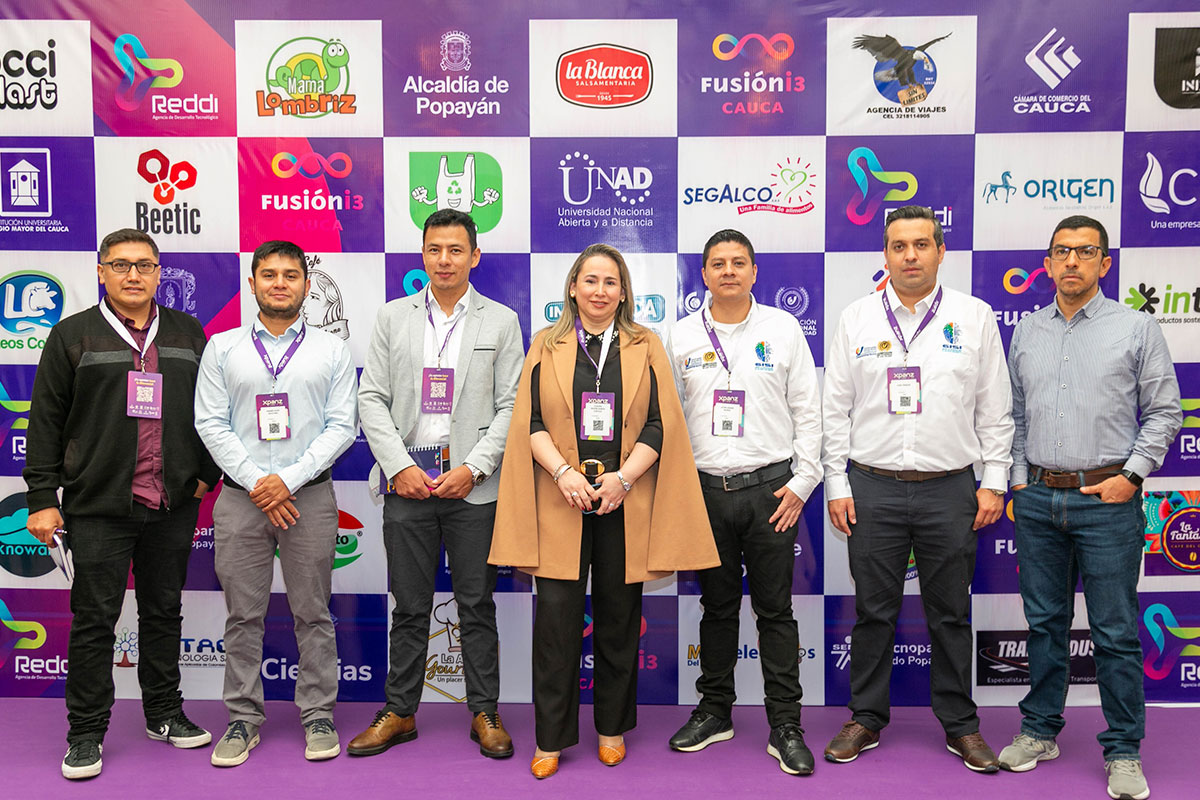
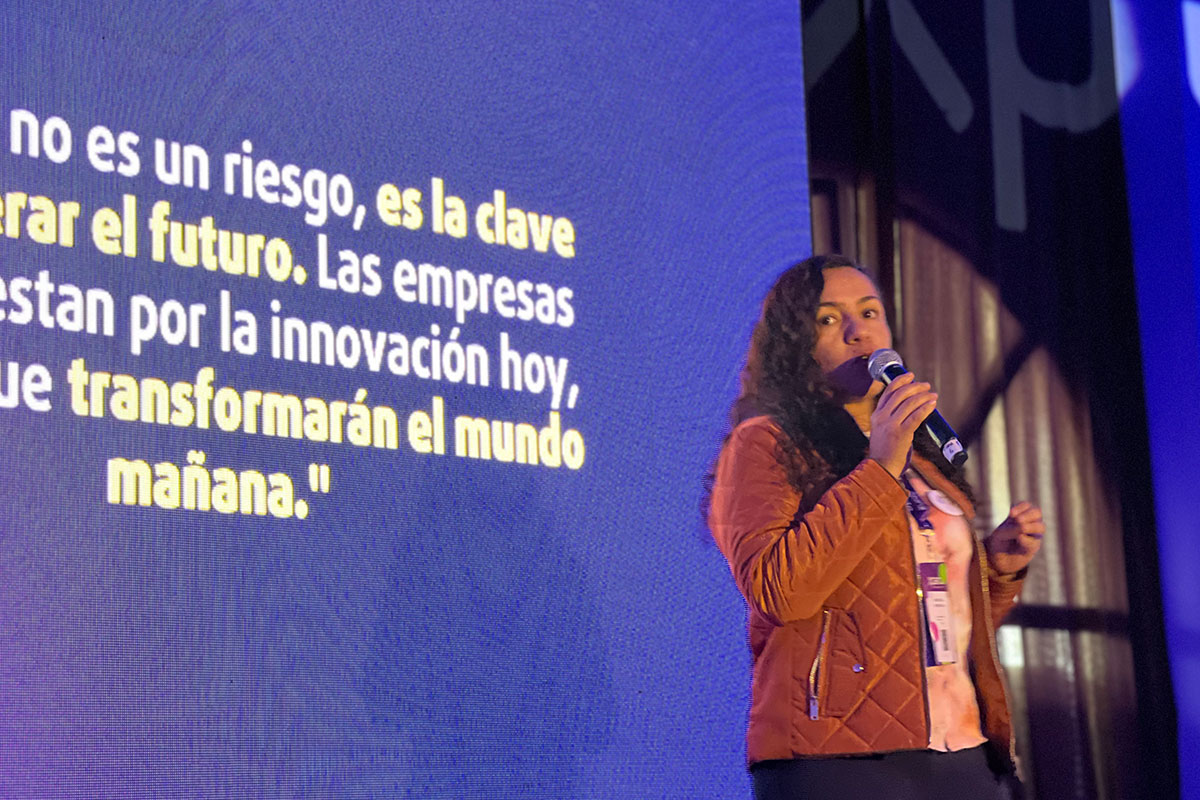
Overcoming innovation barriers is fundamental to boosting the economic and social development of the Cauca department. By fostering collaboration between micro, small, and medium-sized enterprises (MSMEs) and higher education institutions, we promote the creation of new solutions and technologies that improve regional competitiveness, generate quality employment, and strengthen the business and academic sectors.

Barriers for SMEs

  • Lack of financial resources: Difficulty accessing financing and investment funds.
  • Lack of technical and management skills: Limited experience in innovation and project management.
  • Disconnection from the innovation ecosystem: Little collaboration with universities, research centers and other companies.
  • Lack of a culture of innovation: Resistance to change and focus on traditional operations.

Barriers for Higher Education Institutions

  • Lack of funding for research: Few resources allocated to innovative projects.
  • Disconnection with the business sector: Difficulty in transferring knowledge and technology to companies.
  • Internal bureaucracy: Internal processes that slow down innovation.
  • Lack of incentives for applied research: Focus on theoretical research, with few practical applications.
  •  

Common Barriers

  • Lack of technological infrastructure: Limited access to advanced technology and laboratories.
  • Regional inequality: Little equity in resources and investments for innovation compared to other regions of the country.
  • Lack of effective innovation policies: Absence of legal frameworks and public policies that promote innovation.
  • Human talent gap: Difficulty in finding professionals with specific skills in innovation.

How to overcome these barriers?

  • Interinstitutional collaboration: Fostering alliances between universities, businesses and governments.
  • Access to funding and training programs: Promote participation in innovation programs and access to funds.
  • Creation of support networks: Develop mentoring and advisory networks for SMEs and researchers.
  • Promoting applied research: Encouraging research projects with practical applications.

Innovation is much easier with Fusióni360!

Technology has become a strategic ally for the growth and competitiveness of micro, small, and medium-sized enterprises (MSMEs) and higher education institutions (HEIs) in the Valle del Cauca region. The Fusióni360 platform is presented as a digital space that fosters collaboration among these stakeholders and promotes open innovation within the science, technology, and innovation ecosystem. Below, we explore some key technologies that can enhance the development of these organizations:

Digital and Automation Technologies:

By adopting tools such as enterprise resource planning (ERP) software, customer relationship management (CRM) systems, and process automation, SMEs can optimize their operations and improve their market competitiveness. Fusióni360 facilitates access to technological solutions that allow these companies to connect with experts and providers to implement these technologies effectively.

Information and Communication Technologies (ICT)

igher education institutions (HEIs) can leverage ICTs to improve their educational and research processes by implementing e-learning platforms, academic management systems, and online collaboration tools. Through Fusióni360, HEIs can share their technological service offerings and collaborate with companies on training and knowledge transfer projects.

Innovation in Manufacturing and Prototyping

The use of advanced technologies such as 3D printing, robotics, and digital manufacturing allows SMEs and higher education institutions to efficiently develop innovative prototypes and products. The Fusióni360 platform connects these stakeholders with digital fabrication laboratories and experts in production technologies, fostering collaborative R&D projects.

Data Science and Artificial Intelligence Solutions:

Data analytics and AI tools are essential for improving decision-making in businesses and academic institutions. Fusióni360 fosters collaboration among stakeholders seeking to develop data-driven projects, creating synergies that enable organizations to address complex challenges in innovative ways.

Sustainable Technologies and Renewable Energies:

Sustainability is an increasingly important focus for organizations. Through Fusióni360, SMEs and higher education institutions can access technological solutions that promote energy efficiency, the use of renewable energy, and sustainable resource management.

Fusióni360 has become a meeting point where SMEs and higher education institutions in the Valle del Cauca region can connect, collaborate, and co-create innovative solutions that boost their development and competitiveness. By promoting open innovation and facilitating the exchange of knowledge and technologies, this platform contributes to strengthening the innovation ecosystem in the region, generating a positive impact on the economy and society.

What is Open Innovation?

Open innovation is a model that proposes integrating external knowledge to accelerate a company’s internal development processes. Instead of relying solely on their own resources and capabilities, companies that adopt this approach actively seek to collaborate with external partners such as customers, suppliers, startups, universities, and even competitors to co-create new solutions and bring innovative products to market.

This concept, popularized by Professor Henry Chesbrough, highlights the importance of opening a company’s doors to ideas and technologies generated beyond its borders. The result is a greater capacity to adapt to new trends and a reduction in the time to market for products or services.

Fuente: Search & Drive

Advantages of Open Innovation

1. Accelerating innovation

By collaborating with external partners, companies can leverage specialized knowledge and emerging technologies, accelerating the development of new products or solutions. This reduces the risk of falling behind the competition.

2. Access to external talent and resources

Companies don't always have all the necessary knowledge within their internal teams. Open innovation allows access to experts, research, and technologies that aren't available internally, increasing innovation capacity.

3. Cost and risk reduction

Sharing the costs and risks of developing new products or technologies with external partners is a strategy that benefits all parties involved. Furthermore, it allows for experimentation in a more controlled and agile environment.

4. Faster adaptation to the market

Open innovation facilitates a faster response to changing market needs. By receiving direct feedback from customers and external partners, companies can adjust their products in real time to better meet consumer expectations.

Examples of Open Innovation

A prime example is Procter & Gamble (P&G)*, which adopted open innovation as a core part of its strategy more than a decade ago. Through its “Connect + Develop” program, P&G collaborates with external innovators to identify opportunities for product and process improvement. This approach has enabled the company to successfully launch products that combine its internal expertise with insights from external partners.

How to Implement Open Innovation in Your Company?

1. Identify strategic partners: Look for organizations that share common goals and with which you can co-create solutions. These partners can include startups, universities, research labs, or even competitors.

2. Establish clear collaboration agreements: It is essential to define from the beginning how intellectual property rights, profit distribution, and the roles of each collaborator will be managed.

3. Create an internal culture of openness : For open innovation to work, it is essential that the company develops a collaborative mindset and openness to new ideas, encouraging teams to seek solutions outside of organizational boundaries.

4. Monitor and measure results : As with any strategy, it is important to continuously evaluate the impact of external collaborations. This includes not only the development of new products, but also the impact on the organization’s culture and customer relationships.

Open innovation offers companies a competitive advantage in a highly dynamic business environment. By collaborating with external partners, organizations not only accelerate the innovation process but also reduce costs, access specialized talent, and better adapt to market demands. In this sense, a company’s ability to remain relevant in the future will depend largely on its willingness to embrace new ideas and take advantage of collaborative opportunities.

Innovation is much easier, connect with Fusióni360!

*Fuente: Good Rebels

In an environment where innovation is key to maintaining competitiveness, advanced technology plays a fundamental role for micro, small, and medium-sized enterprises (MSMEs) and higher education institutions (HEIs) in Cauca. Solutions based on artificial intelligence (AI), automation, and data analytics not only optimize processes but also enable companies and universities to create more innovative products and respond to market challenges in an agile manner.

However, to fully leverage these technologies, an open innovation approach is essential. This model allows organizations to collaborate with external partners, such as other companies, universities, and research centers, to share knowledge and co-create solutions. This is where Fusióni360 comes in .

Fusióni360 is a digital platform designed to facilitate collaboration among SMEs, higher education institutions, and other stakeholders in the science, technology, and innovation ecosystem. Through this platform, organizations can connect, exchange ideas, and work together to implement advanced technologies that boost regional competitiveness.

Benefits for SMEs and Higher Education Institutions in Cauca

1. Access to New Solutions

SMEs can access technological innovations developed by universities or local startups, reducing costs and accelerating implementation time.

2. Effective Collaboration

Higher education institutions can apply their research directly to business projects, achieving a practical and tangible impact on the market.

3. Risk Reduction

By sharing resources and experiences, organizations minimize the risks associated with adopting new technologies.

For example, an agricultural SME could use the Fusióni360 platform to connect with a university and develop smart crop monitoring systems using IoT sensors and real-time data analysis. This synergy will not only improve productivity but also enable knowledge transfer between academia and industry.

 

Advanced technology is a key component for the economic development of Cauca, and platforms like Fusióni360 are essential for SMEs and higher education institutions to collaborate and stay at the forefront of innovation. Leveraging open collaboration opportunities not only boosts competitiveness but also strengthens the science and technology ecosystem in the region.
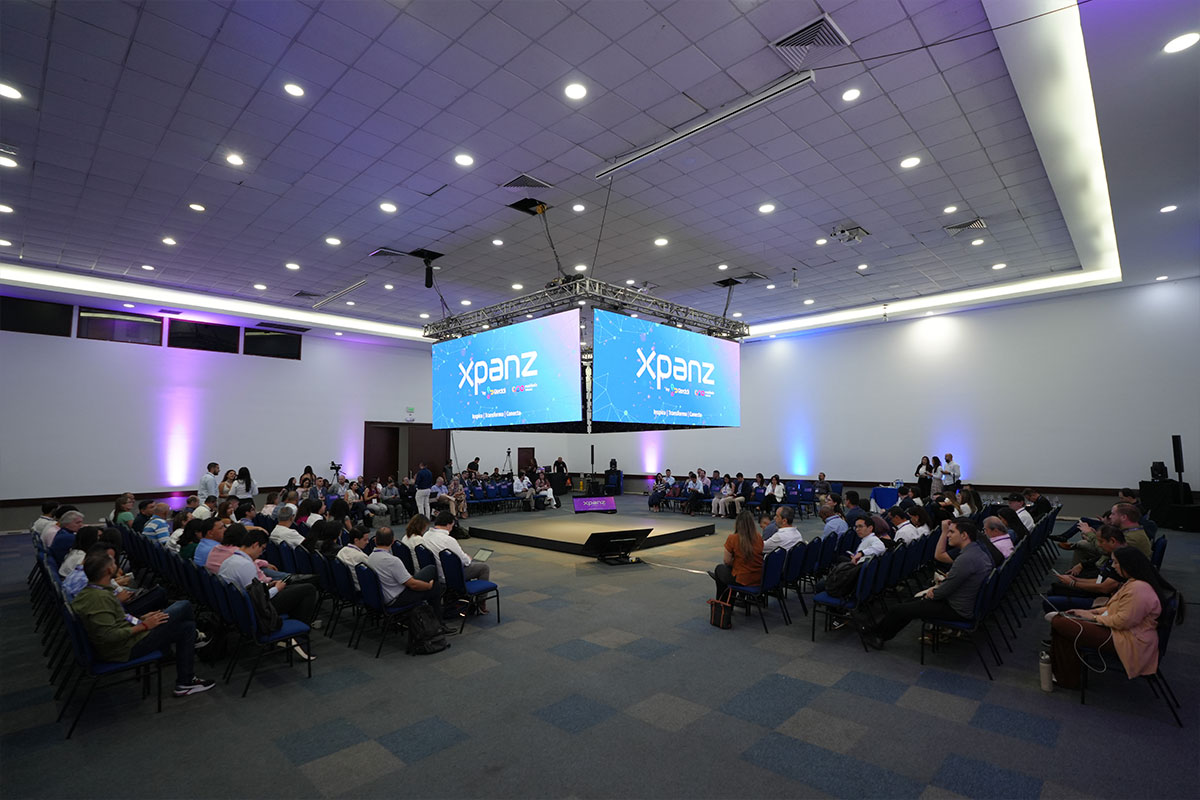
In an increasingly digital world, the effective use of technology has become a key tool for micro, small, and medium-sized enterprises (MSMEs) and higher education institutions (HEIs) in Cauca and Valle del Cauca to compete and grow sustainably. But technology is not just about operational efficiency; it also enables the creation of collaborative networks that drive joint innovation.

Fusióni360 is a platform that plays a crucial role in this ecosystem. This digital space allows companies and academic institutions to connect and find technological solutions to real-world challenges. Fusióni360 facilitates collaboration between organizations and key players in the science, technology , and innovation ecosystem, promoting open innovation. This means that SMEs can access existing knowledge, patents, and technological developments, enhancing their capacity to innovate without having to start from scratch.

How does Fusióni360 drive innovation?

1. Access to research results:

Higher education institutions can share innovative projects ready for implementation in industry, allowing SMEs to quickly take advantage of technological advances.

2. Business problem solving:

Companies can raise challenges they need to solve, and researchers offer applicable solutions, creating a synergy that benefits both sides.

3. Interdisciplinary collaboration:

Fusióni360 fosters an environment where technology is not only implemented, but co-created between different actors, maximizing the value of open innovation.

4. Benefits for SMEs and HEIs

For SMEs, this platform opens up a range of possibilities for improving their processes, reducing costs, and increasing their competitiveness. Meanwhile, higher education institutions can see how their research has a direct impact on society by collaborating with companies that need their solutions.

The future of innovation in Cauca and Valle is more connected than ever, and the effective use of technology through Fusióni360 is key to ensuring sustained growth in the region. Now, more than ever, is the time to leverage these digital tools to advance on the path to innovation. 

In an increasingly digital business and academic environment, advances in science and technology are transforming how organizations innovate and adapt to market challenges. This context is especially relevant for SMEs and Higher Education Institutions (HEIs) , which play a key role in the economic and social development of regions like Cauca and Valle del Cauca.

One of the biggest challenges for SMEs is accessing advanced technologies and knowledge that allow them to be competitive and continue innovating. This is where Fusióni360 comes in, an open innovation platform designed to connect SMEs with higher education institutions, researchers, and other stakeholders in the science, technology, and innovation ecosystem. Through this platform, open innovation is fostered, where the exchange of knowledge and technological solutions benefits all participants.

Benefits for SMEs

Access to advanced technology:

Fusióni360 allows small and medium-sized enterprises to access patents, technological developments and research results generated in universities.

Collaborative innovation:

Companies can pose challenges that are addressed by researchers and academic experts, creating tailor-made solutions to real problems.

Competitiveness:

The platform helps SMEs improve their processes, reduce costs, and implement technological innovations that make them more competitive in the market.

Impact on Higher Education Institutions

For higher education institutions, Fusióni360 represents an opportunity to apply their research and patents in the real world, generating a direct impact on regional development. By collaborating with companies, universities can see how their scientific developments have practical applications in the market, thus contributing to the region’s economic and social growth.

In short, the effective use of platforms like Fusióni360 is an essential step for the growth of SMEs and the strengthening of the innovation ecosystem. By bridging the gap between academia and the private sector, the Cauca and Valle del Cauca regions can benefit from science- and technology-driven economic growth, ensuring a more competitive and sustainable future.

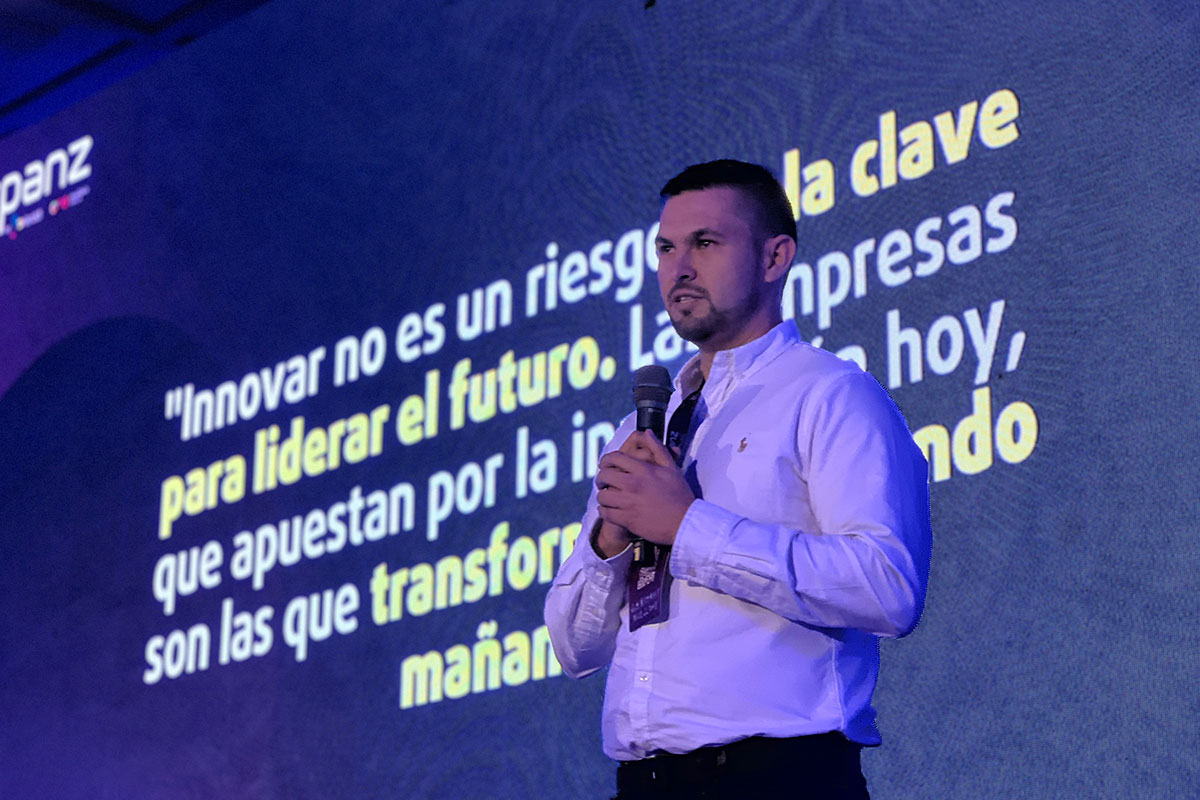
Andrés Méndez

Speaker principal

Conferencia “Innovación con impacto empresarial”

Presidente gremial, mentor y emprendedor serial

EdTech HUB LATAM + 90 Edtechs

Asociación de emprendedores +500 marcas de consumo

Ha logrado:

  • Diseñar estrategias de GTM en 14 países para diferentes proyectos.  
  • Crear, comprar y vender empresas. (Incluyendo grandes y dolorosos fracasos).
  • Ayudar en proyectos con múltiples corporaciones (Gobiernos, Scale ups, Startups, ONGs). 
  • Aprender de los mejores referentes; YCombinator, SOSV, Fuel de Mckinsey, entre otros. 
  • Ser mentoreado por banqueros, ejecutivos, y emprendedores seriales.  
  • Participar en el fondeo de Startups +$5M USD.
  • Actualmente se dedica a re-pensar, conectar y transformar industrias con problemas sistémicos en Colombia (Consumo) y Latino América (Educación con tecnología).

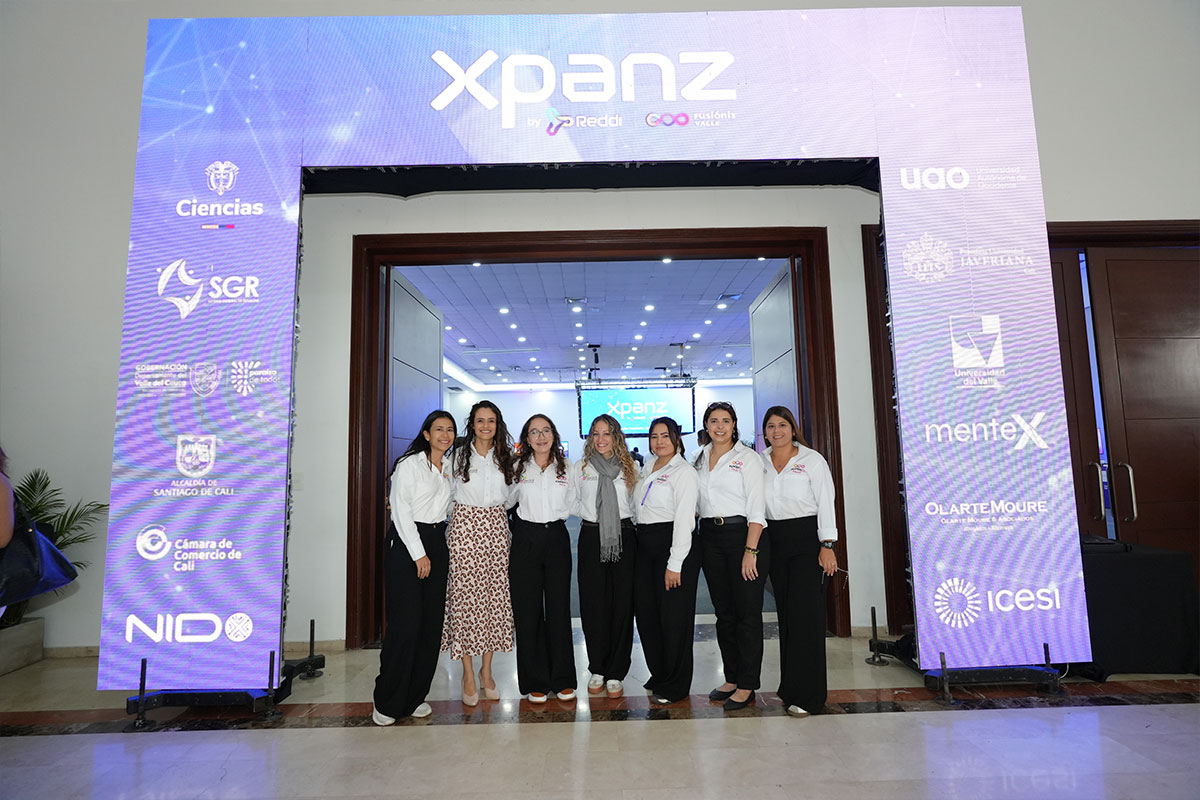
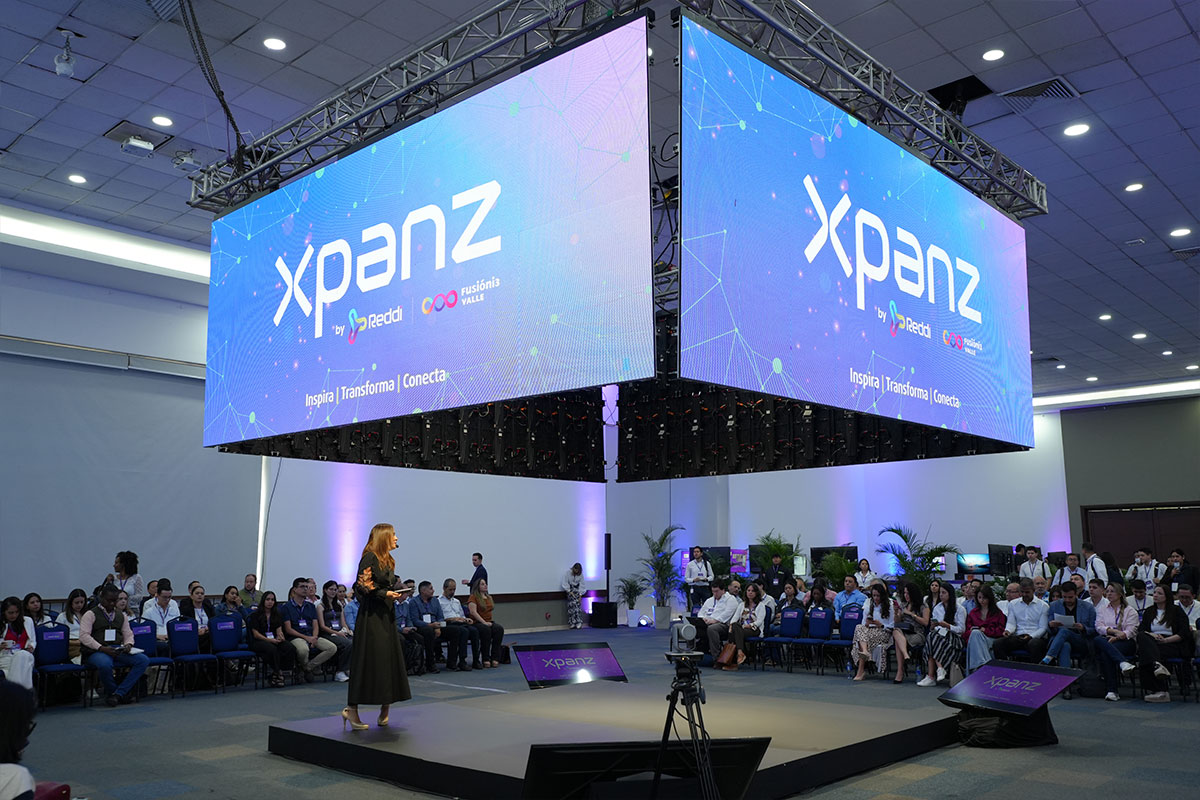
Xpanz en Valle 2023

Revive el evento aquí

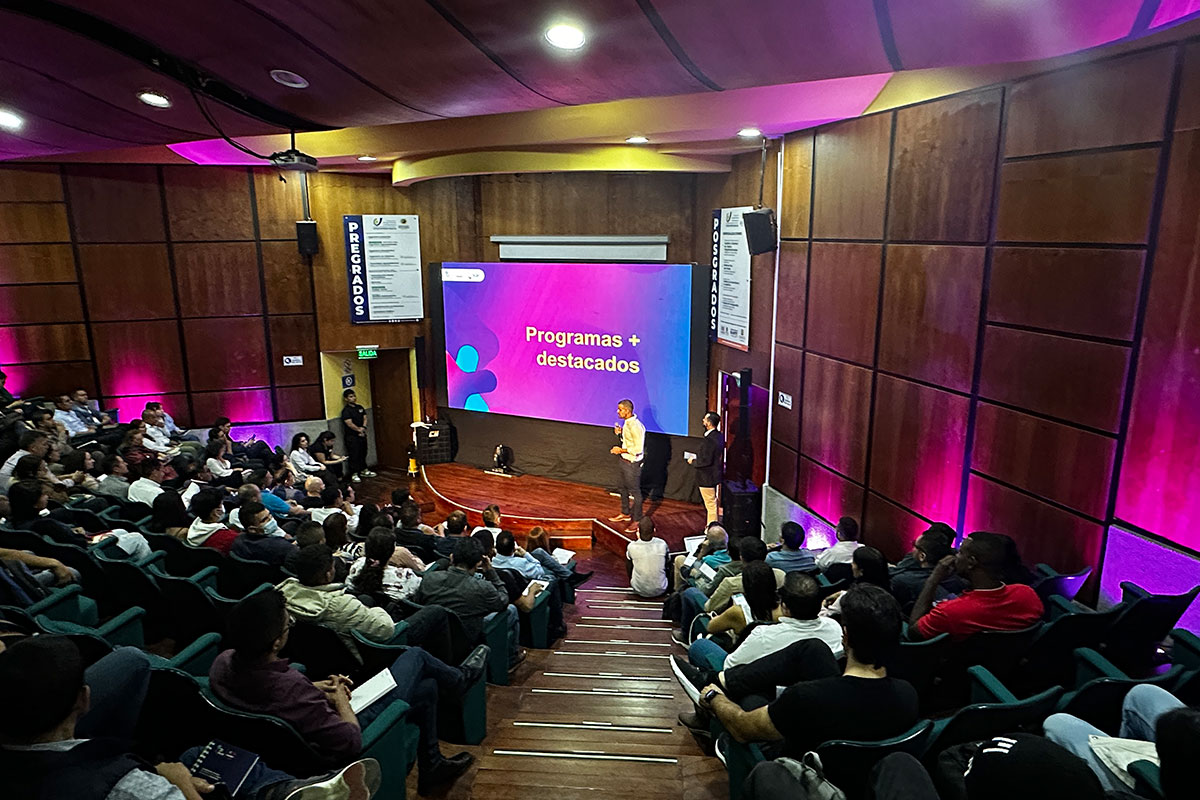
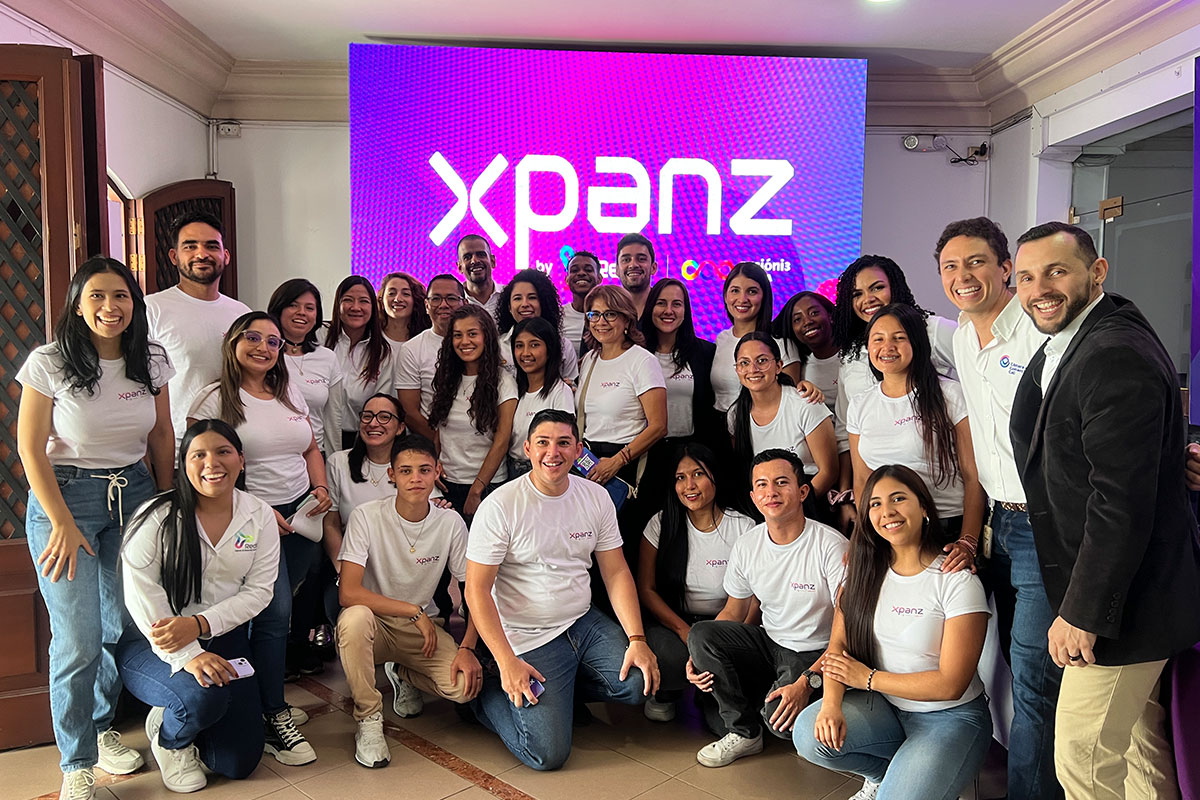
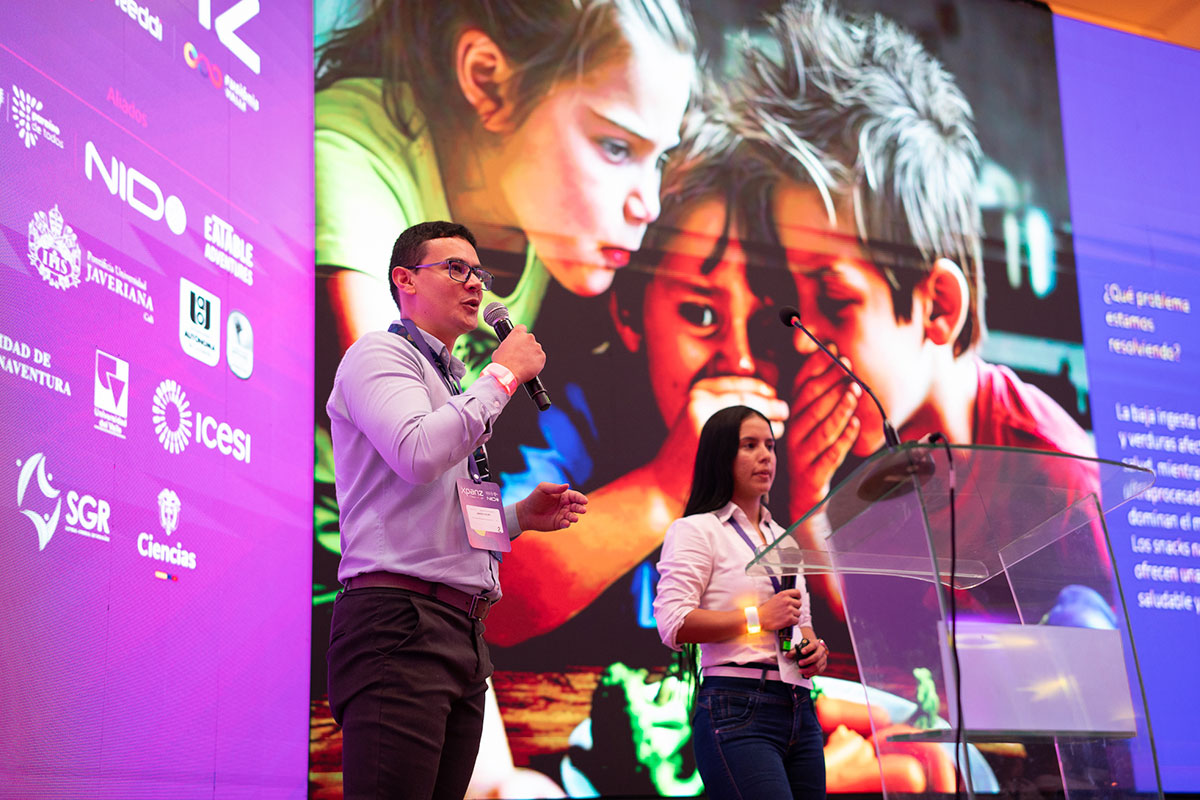
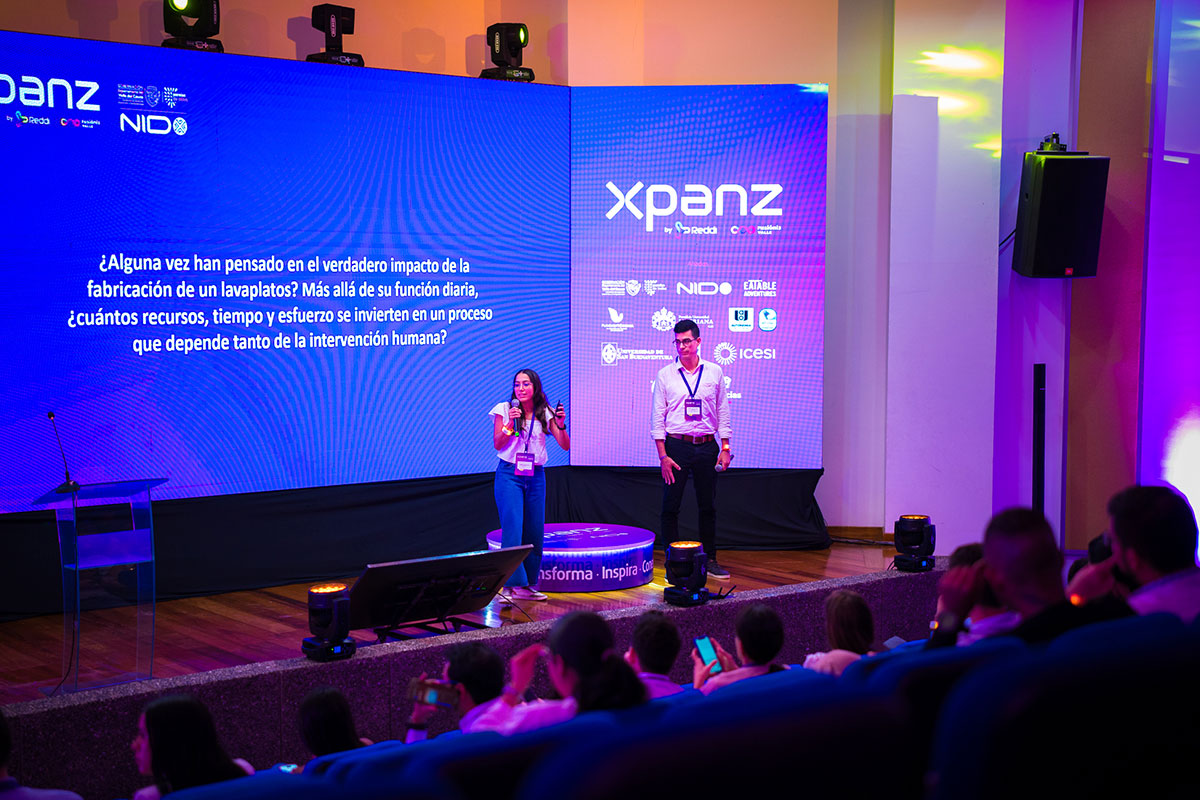
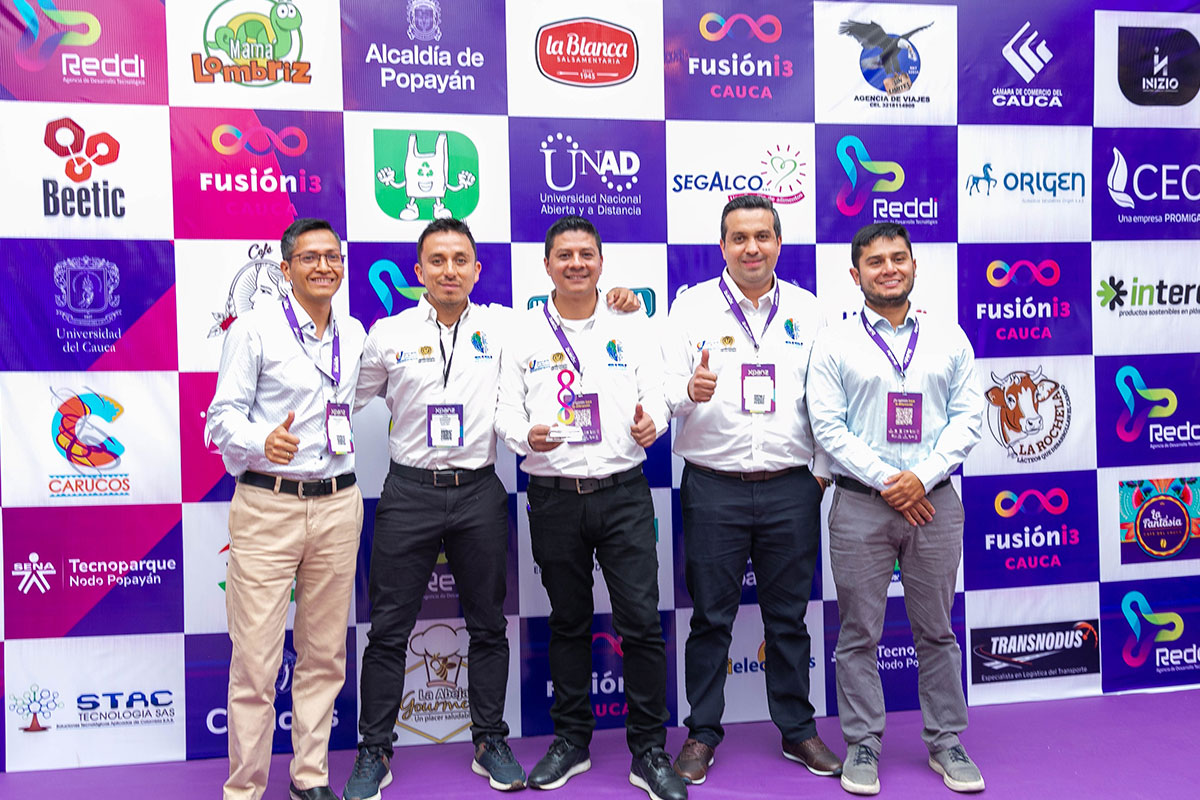
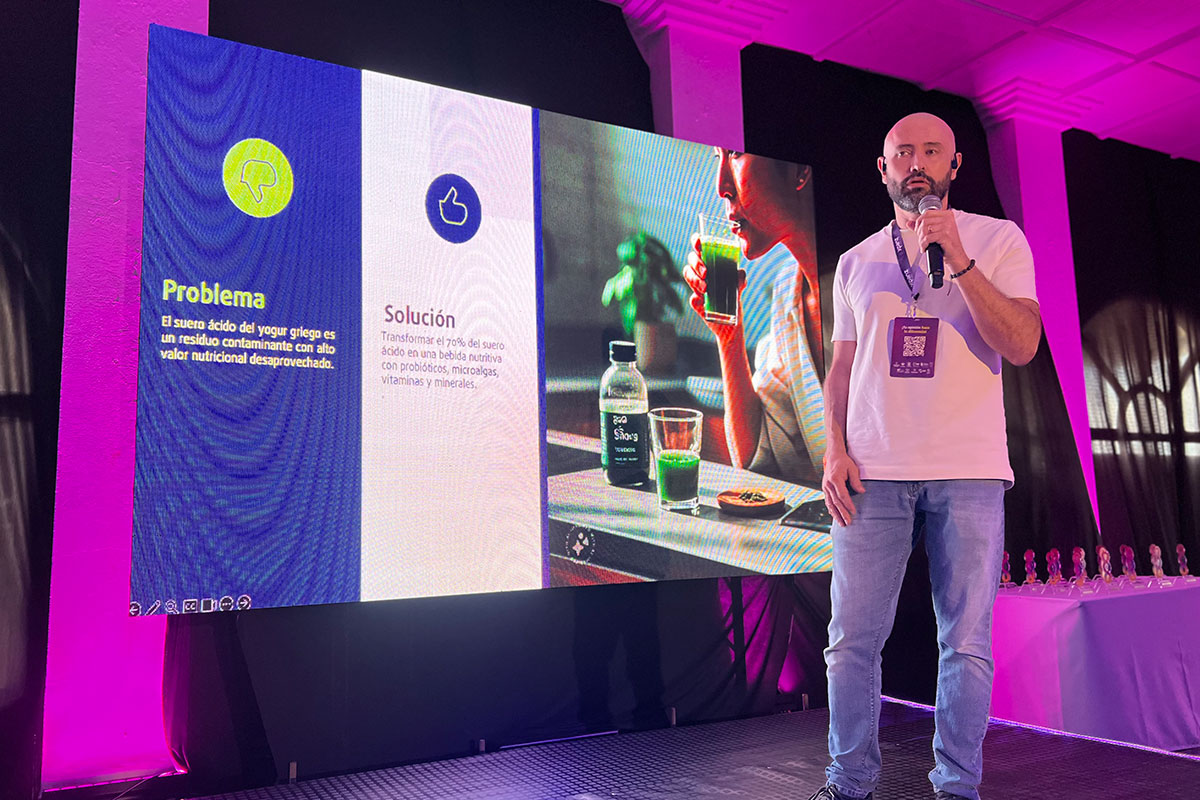
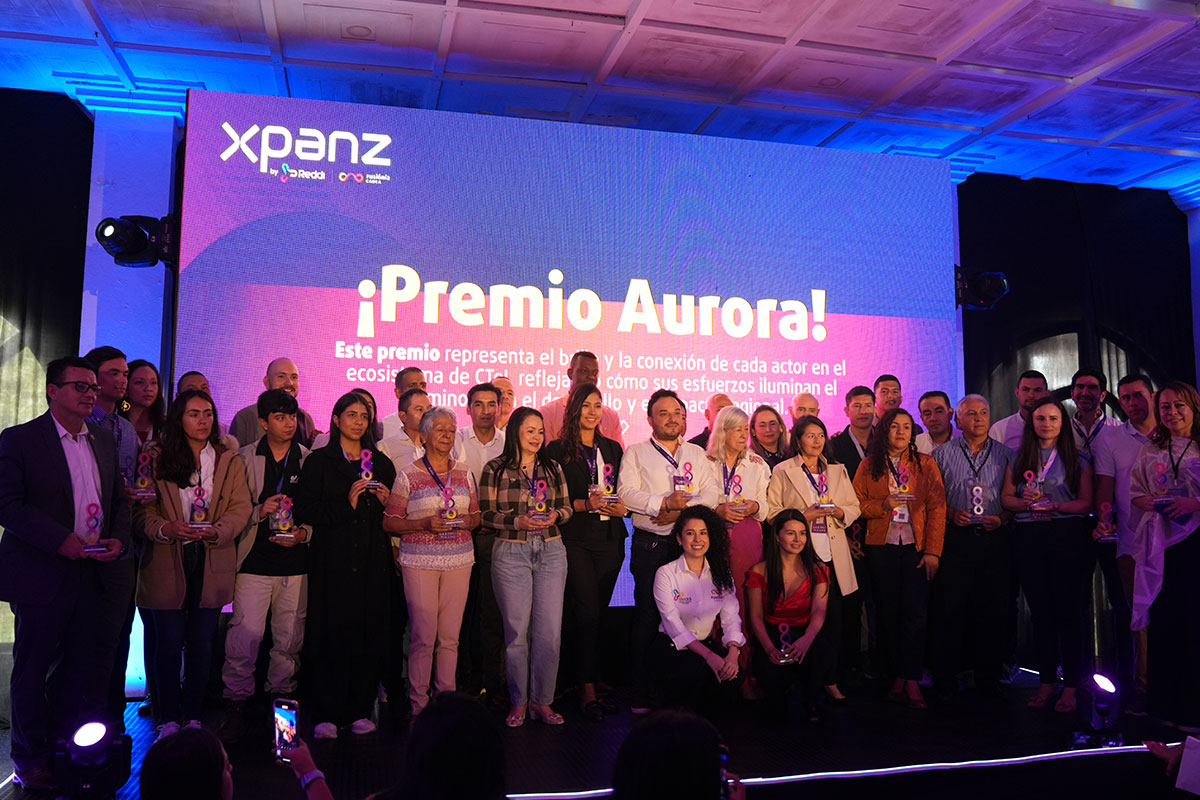
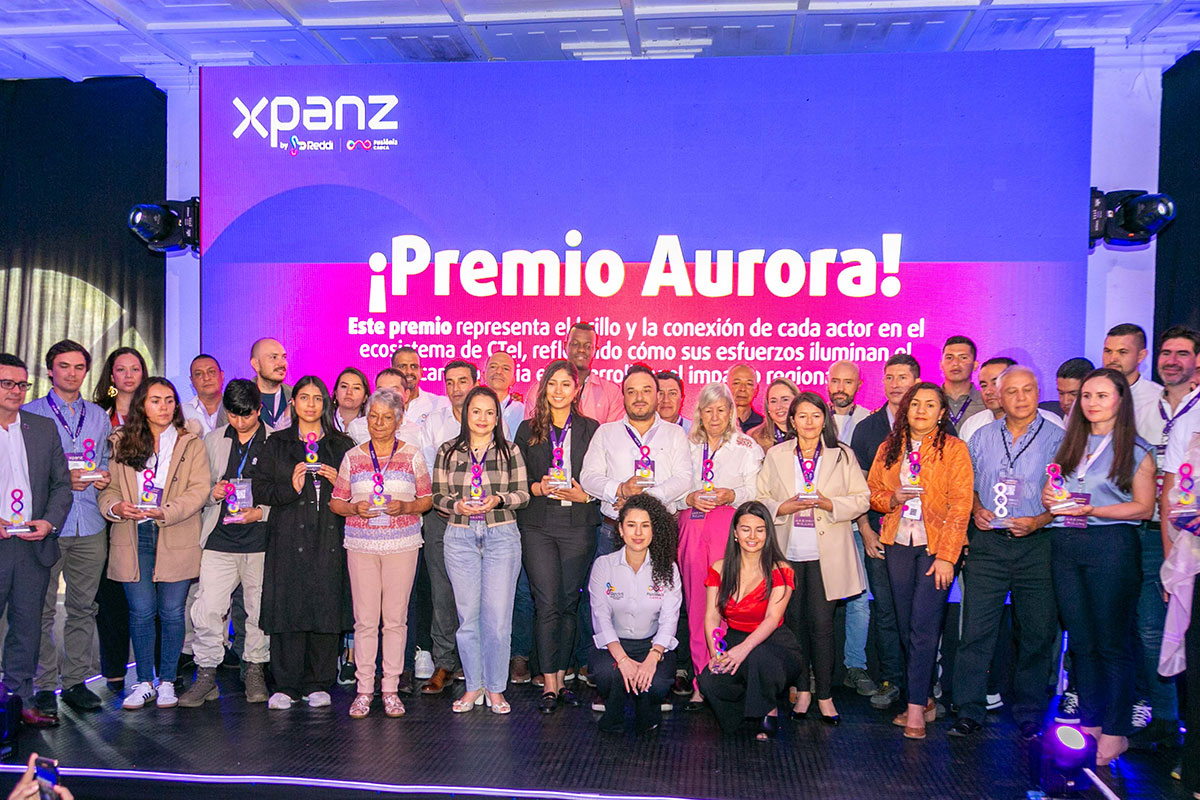
El evento contó con la participación de más de 101 asistentes en la Universidad Javeriana Cali.

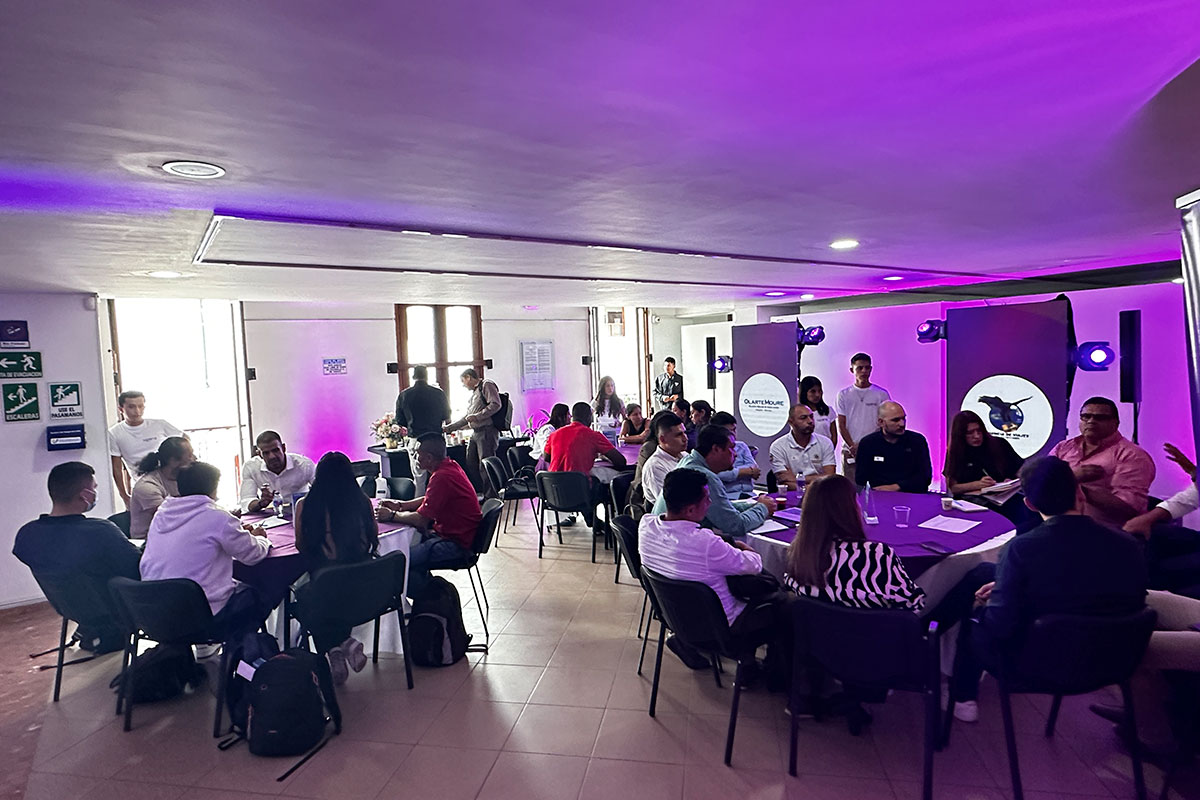
Fue el primer acercamiento entre IES aliadas y MiPyMEs beneficiarias.

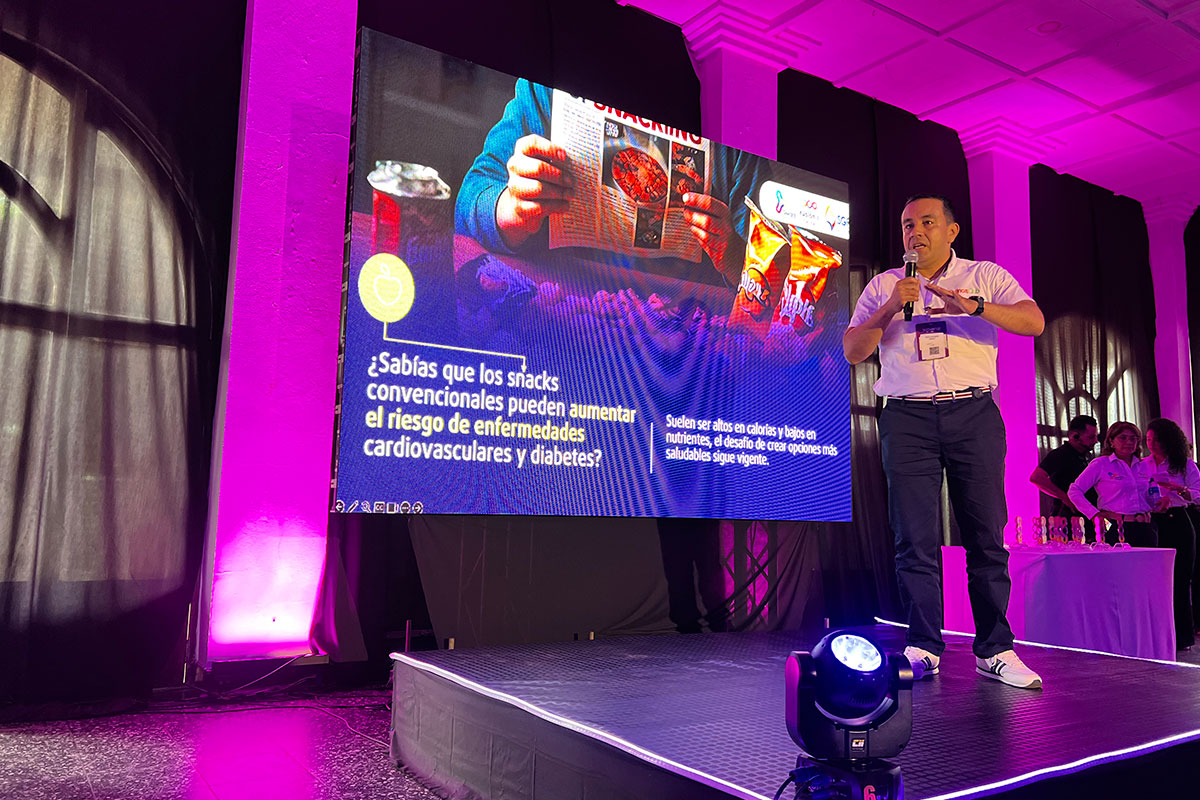
17 de estas MiPyMEs presentaron su Pitch, 11 tecnologías de las IES aliadas fueron presentadas en el Experience Day, las cuales tuvieron 28 validaciones pre-comerciales.

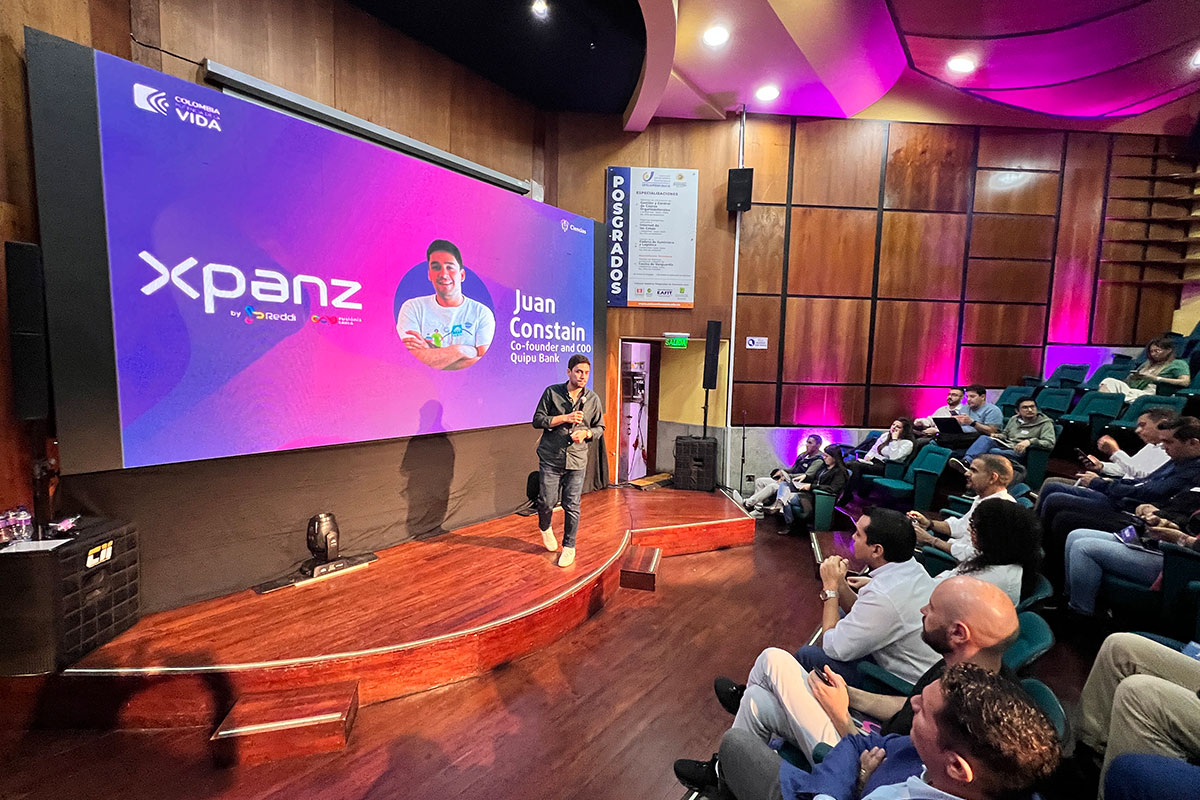
Xpanz en Cauca 2024

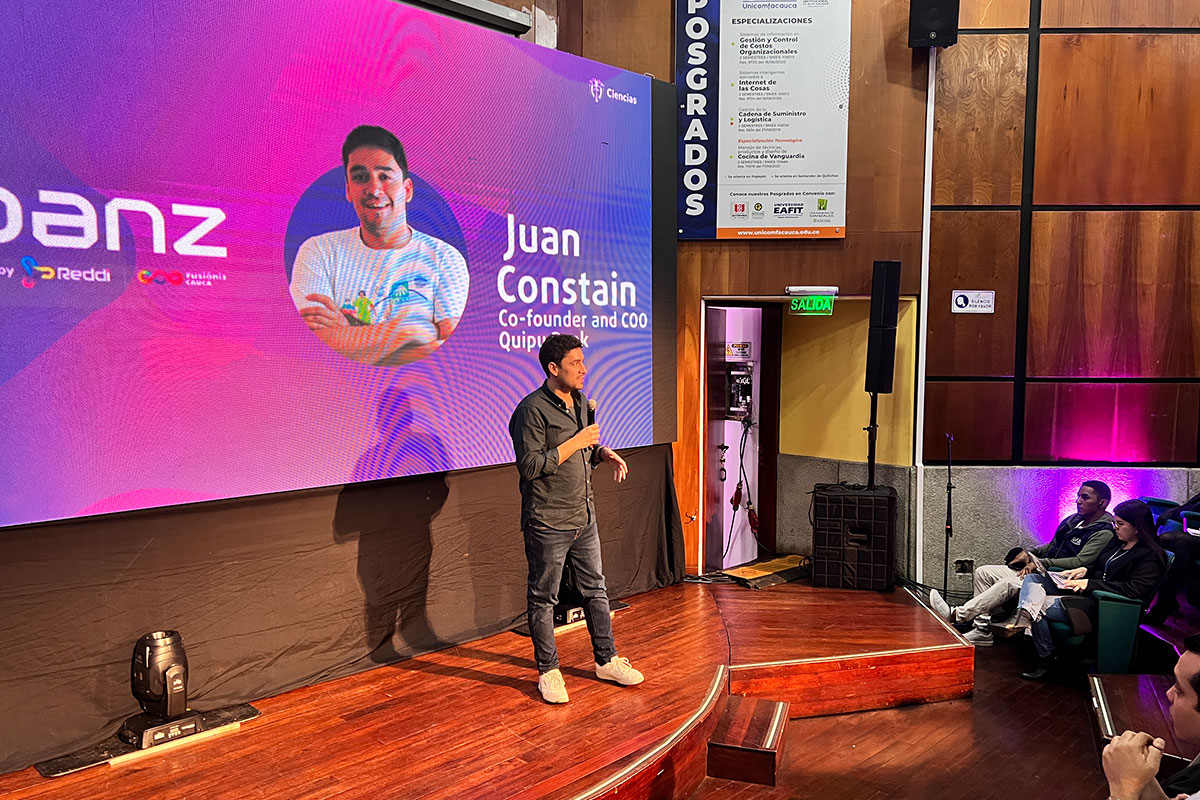
Conferencista principal

Juan Cristóbal Constain

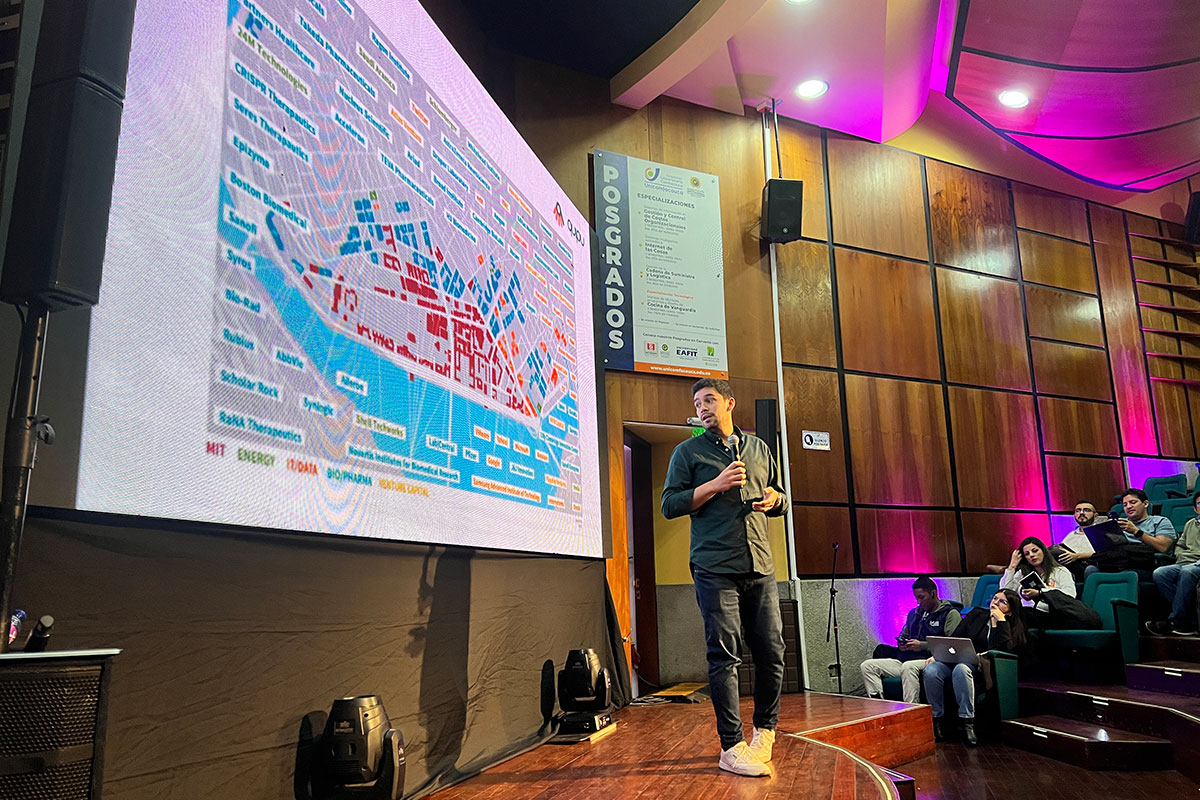
Conferencia: El camino de Quipu: de proyecto de investigación en MIT a fintech de inclusión financiera.

Cofundador y COO de Quipu Bank

Profesional en Gestión y Desarrollo Urbanos de la Universidad del Rosario, especialista en Derecho Urbano, y cuenta con una maestría en Planificación Urbana con énfasis en desarrollo económico del MIT. Como cofundador y COO de Quipu, una fintech de rápido crecimiento en Colombia, fue reconocido como Fellow del programa The Global Good Fund en 2023. Quipu ha recibido importantes reconocimientos de entidades como el Banco Mundial, Google, MIT, Forbes y Fast Company, consolidándose como un referente en inclusión financiera e innovación empresarial.

Xpanz en Valle 2024

Conferencista principal

Agustín Londoño

Director comercial de NotCo Colombia

Responsable de establecer la estrategia de negocio de NotCo en Colombia, en los frentes de Food Service, Retail. Administrador de negocios y especialista en mercadeo, con más de 25 años de experiencia liderando áreas de innovación en la industria de consumo masivo en Latinoamérica.

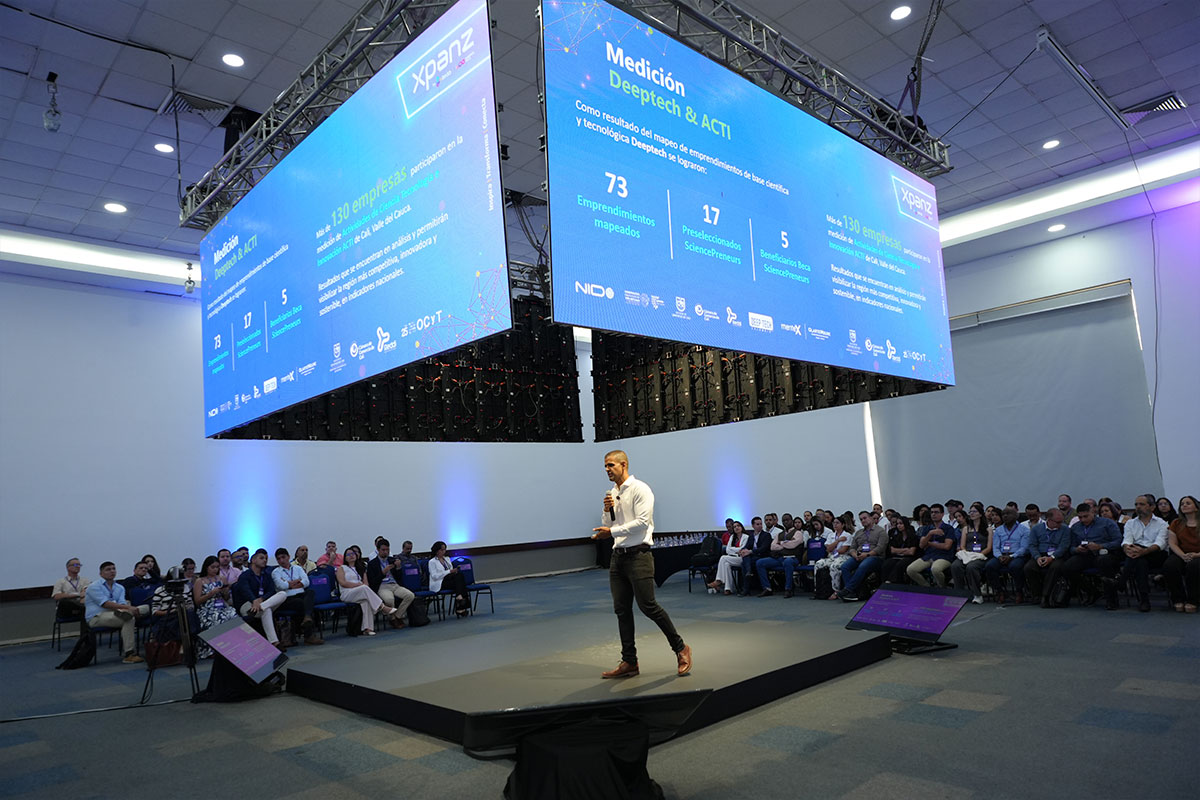
Xpanz en Cauca 2025

Conferencista principal

Claudia Aparicio

Conferencia: Efectos positivos de red.

CEO de Mentex y experta en innovación, reconocida entre los Top 100 gerentes de Colombia. Descubre cómo maximizar los efectos positivos de red y el impacto de la Alianza DeepTech en el fortalecimiento y escalamiento de startups en la región.