When we think about what makes a university successful in transferring technology to industry, we usually look at two things: how much talent it has (its researchers) and how much infrastructure it possesses (laboratories, patents, systems). But there is a third element that is almost always poorly measured—or not measured at all—: the quality of its internal relationships and its relationships with the external environment.
That is the central conclusion of an exploratory review conducted by Sara J. Anaya-Chaparro and Hugo E. Martínez-Ardila , from the Industrial University of Santander, published in Engineering and Competitiveness (2026). The study analyzed 94 scientific publications indexed in Web of Science to understand how academic literature has addressed intellectual capital in university technology transfer processes. It found an asymmetry with very concrete practical implications for those who manage innovation in higher education institutions.
The intellectual capital of a university—understood as the set of intangible assets that allow it to transform knowledge into value—is traditionally composed of three dimensions:
The review shows that human capital and structural capital have solid conceptual foundations and relatively consolidated forms of measurement: one can count the number of publications, patents, R&D budgets, percentage of staff with postgraduate degrees, etc. These are variables that, despite being intangible, can be identified, operationalized, and compared between institutions.
Relational capital is a different kettle of fish.
The authors identify that, in most of the studies reviewed, relational capital is measured by:
The problem isn’t that these indicators are useless—in fact, they provide a useful snapshot of an institution’s level of relational activity. The problem is that they don’t explain how, why, or under what conditions these relationships translate into concrete technology transfer outcomes : an executed license, a commercialized patent, a successful spin-off, or the use of the generated knowledge.
In other words: we know how many relationships a university has, but we don’t know if those relationships are well structured, if they depend on a few key actors (risk of fragility), if they generate real flows of knowledge, or if they simply exist on paper without generating value.
The study frames this within the so-called third mission of universities: the idea that higher education institutions should not only teach and conduct research, but also generate direct economic and social value for their communities. Within this framework, technology transfer is one of the most visible mechanisms of this mission—and depends, almost by definition, on the university’s ability to coordinate with multiple external stakeholders.
This makes relational capital a strategic, not an accessory, resource. And yet, it is precisely the least developed dimension, both conceptually and methodologically, in the literature. The authors summarize it clearly: the gap lies not in recognizing that relationships matter, but in the inability of current metrics to explain their actual contribution to outcomes.
Here is the practical contribution of the article. The authors propose complementing traditional indicators with social network analysis , a methodology that allows us to go beyond simply counting relationships to understand their architecture :
This approach does not replace traditional indicators of relational capital; rather, it complements them, giving them structural depth. For example, it allows us to identify whether a university’s technology transfer capacity depends excessively on a handful of “bridging” researchers (risk of dependency), or whether robust and diversified collaborative networks exist.
For technology transfer offices (TTOs), research vice-rectorates, R&D&I managers and innovation policymakers, this study offers several practical implications:
The authors conclude by pointing out where future research should go:
In short: simply stating that “relationships matter” for technology transfer is no longer enough. The challenge for universities—and those who advise them on innovation—in the next decade is to develop more precise ways of understanding how these relationships translate into tangible results.
Hugo Ernesto Martínez
Senior Researcher, INNOTEC Research Group
At REDDI Colombia, together with the INNOTEC research group from the Universidad Industrial de Santander, we analyzed over two decades of scientific research (2001–2023)—based on a sample of 124 publications—to understand how e-learning is connecting with the Internet of Things (IoT). Here are the most interesting conclusions:
No publications on the subject were recorded in the analyzed sample between 2002 and 2013. However, research began to grow significantly from 2016 onwards, peaking in 2022. The COVID-19 pandemic accelerated this interest: it forced institutions to rethink how to conduct remote teaching, and IoT emerged as a key tool for achieving this.
China and Saudi Arabia lead scientific production in this field, demonstrating strong research collaboration. It is noteworthy that Latin America still has a very limited presence in this area, representing a significant opportunity for the region to begin forging its own path of research and innovation in IoT applied to education.
E-learning and IoT do not operate in isolation. Research shows that they are increasingly being combined with:
This has given rise to concepts such as “smart learning,” “smart education,” and “smart university.”
One of the most valuable findings is the potential of e-learning and the IoT to support personalized learning experiences, expand access, and bridge digital divides. When implemented effectively, this can bring quality education to students with disabilities, as well as those in rural or low-resource areas, regardless of their geographic location.
Most current studies are theoretical. The next step—and the great opportunity—is to move toward practical, real-world implementations that demonstrate the impact of IoT in the day-to-day classroom (whether physical or virtual).
This analysis is part of our research presented at the 23rd LACCEI International Multi-Conference (Mexico City, July 2025).
Read the full article here.
Learn more about Reddi Colombia

Sara Anaya
Project Analyst at Reddi
Juan Manuel Chaves
Manager of Reddi Colombia
There is a common belief that bringing researchers and business leaders together in the same room is the starting point for innovation. However, I discovered that having the talent and the will did not guarantee that projects would actually materialize. Conversations often lost momentum just as they were getting started. The problem was not a lack of interest, but the absence of an invisible yet essential ingredient: trust.
That gap is bridged by recognizing that academia and the business world—while sharing an interest in solving complex challenges—operate according to different logics. While businesses prioritize viability, time-to-market, and implementation, researchers focus on rigor, evidence, and scientific validity. Far from being an obstacle, this difference is the engine of innovation: when aligned, the depth of academic knowledge is enriched by the business sector’s pragmatic approach, allowing ideas to transform into high-impact solutions.
The best collaborations I have witnessed do not begin with the intention of solving everything at once. They start with an honest conversation, a well-defined challenge, and an initial opportunity to work together. Testing a solution, validating a hypothesis, or developing a pilot project allows the parties to get to know one another through action. It is in this process that agreements are forged, expectations are clarified, and—above all—results are generated that build the confidence needed to move forward.
That is why open innovation goes far beyond simply connecting people or issuing a call for proposals. It is about creating the conditions for knowledge to meet relevant problems, and for organizations to access capabilities they would not possess on their own. It means opening up a space where companies, startups, universities, and research centers can pool their expertise and turn it into real-world impact.
That is the vision behind BioenergyTech. This initiative is led by Econova—the Ecopetrol Group’s innovation network—operated by the Cali Chamber of Commerce, and executed by Reddi Colombia; it seeks to connect technological capabilities with real-world challenges in the agro-industrial sector. The call for proposals opens up opportunities to develop solutions for energy recovery from swine waste, sugarcane by-products (vinasse and filter cake), and rice husks.
BioenergyTech aims to bring these solutions into real-world settings. Selected organizations will be able to move toward validating their technologies in the Valle del Cauca region, benefiting from specialized guidance and resources allocated for the development of three pilot projects. It is an opportunity to demonstrate capabilities, strengthen partnerships, and contribute to an energy transition that makes better use of the resources available in our region.
We believe that Colombia possesses the solutions, talent, and knowledge to transform agro-industrial waste into new opportunities for sustainability, competitiveness, and development. What we need is to continue creating spaces where we can come together, test ideas, learn, and scale up collectively.
If your company, startup, university, research group, or technology center has a solution that can address these challenges, we invite you to learn more about the call for proposals and submit your application by August 31, 2026.
Discover the challenges and participate at www.reddicolombia.com/bioenergytech/
Senior Researcher at the INNOTEC Research Group.
At REDDI Colombia, together with the INNOTEC research group from the Universidad Industrial de Santander, we analyzed over two decades of scientific research (2001–2023)—based on a sample of 124 publications—to understand how e-learning is connecting with the Internet of Things (IoT). Here are the most interesting conclusions:
No publications on the subject were recorded in the analyzed sample between 2002 and 2013. However, research began to grow significantly from 2016 onwards, peaking in 2022. The COVID-19 pandemic accelerated this interest: it forced institutions to rethink how to conduct remote teaching, and IoT emerged as a key tool for achieving this.
China and Saudi Arabia lead scientific production in this field, demonstrating strong research collaboration. It is noteworthy that Latin America still has a very limited presence in this area, representing a significant opportunity for the region to begin forging its own path of research and innovation in IoT applied to education.
E-learning and IoT do not operate in isolation. Research shows that they are increasingly being combined with:
This has given rise to concepts such as “smart learning,” “smart education,” and “smart university.”
Most current studies are theoretical. The next step—and the great opportunity—is to move toward practical, real-world implementations that demonstrate the impact of IoT in the day-to-day classroom (whether physical or virtual).
This analysis is part of our research presented at the 23rd LACCEI International Multi-Conference (Mexico City, July 2025).
Read the full article here.
Learn more about Reddi Colombia

Senior Researcher at the INNOTEC Research Group.
At REDDI Colombia, together with the INNOTEC research group from the Universidad Industrial de Santander, we analyzed over two decades of scientific research (2001–2023)—based on a sample of 124 publications—to understand how e-learning is connecting with the Internet of Things (IoT). Here are the most interesting conclusions:
No publications on the subject were recorded in the analyzed sample between 2002 and 2013. However, research began to grow significantly from 2016 onwards, peaking in 2022. The COVID-19 pandemic accelerated this interest: it forced institutions to rethink how to conduct remote teaching, and IoT emerged as a key tool for achieving this.
China and Saudi Arabia lead scientific production in this field, demonstrating strong research collaboration. It is noteworthy that Latin America still has a very limited presence in this area, representing a significant opportunity for the region to begin forging its own path of research and innovation in IoT applied to education.
E-learning and IoT do not operate in isolation. Research shows that they are increasingly being combined with:
This has given rise to concepts such as “smart learning,” “smart education,” and “smart university.”
Most current studies are theoretical. The next step—and the great opportunity—is to move toward practical, real-world implementations that demonstrate the impact of IoT in the day-to-day classroom (whether physical or virtual).
This analysis is part of our research presented at the 23rd LACCEI International Multi-Conference (Mexico City, July 2025).
Read the full article here.
Learn more about Reddi Colombia

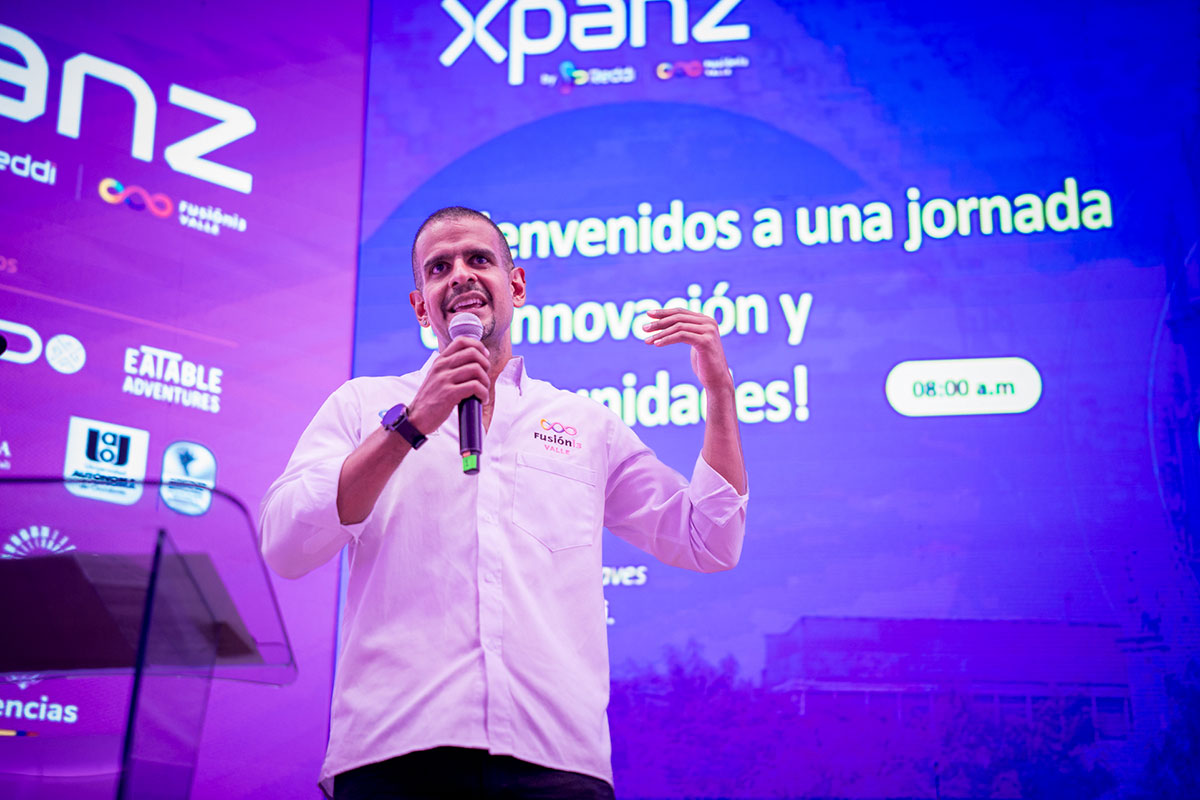
Conferencia “Innovación con impacto empresarial”
Presidente gremial, mentor y emprendedor serial
EdTech HUB LATAM + 90 Edtechs
Asociación de emprendedores +500 marcas de consumo
Ha logrado:
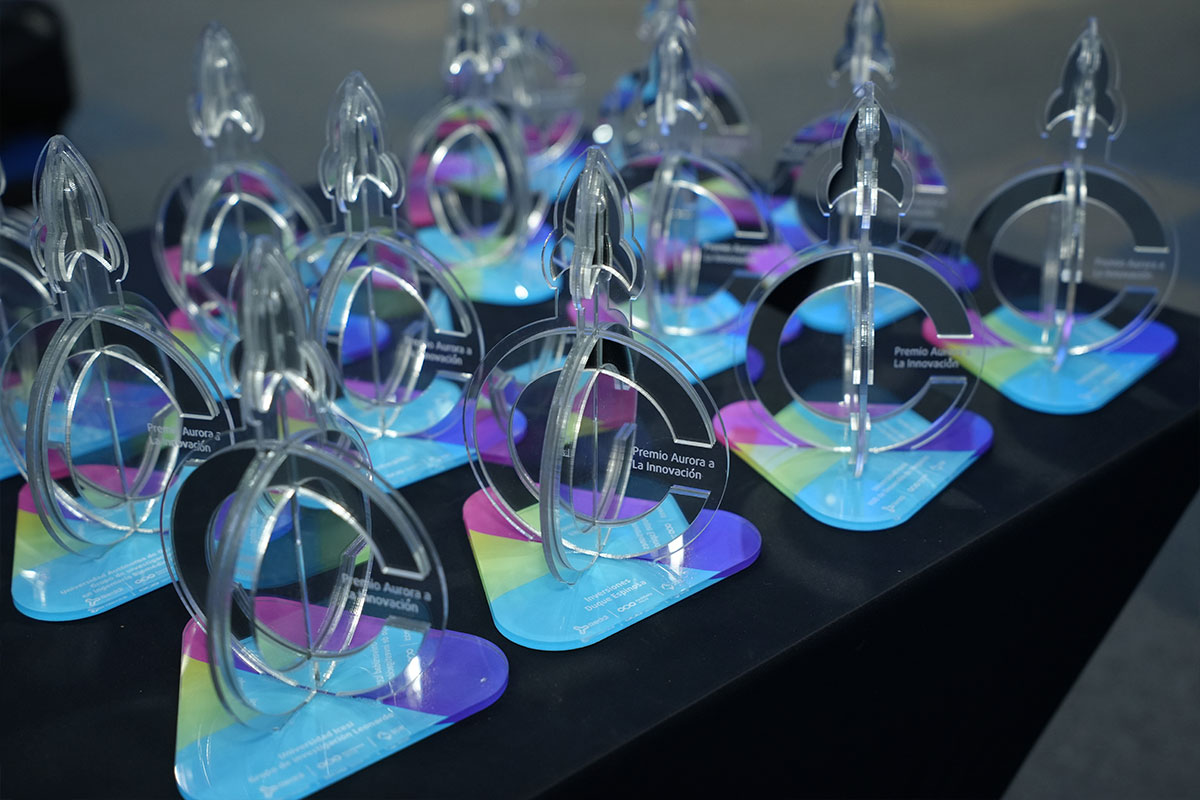
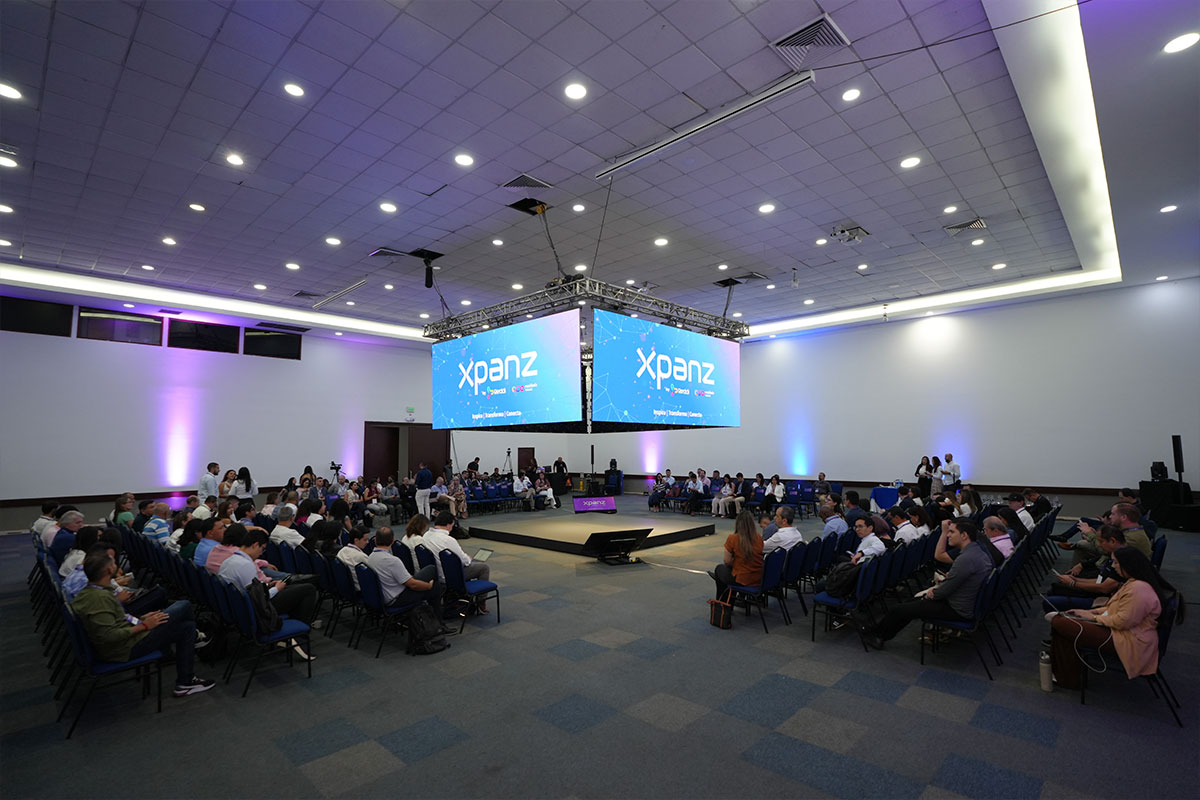
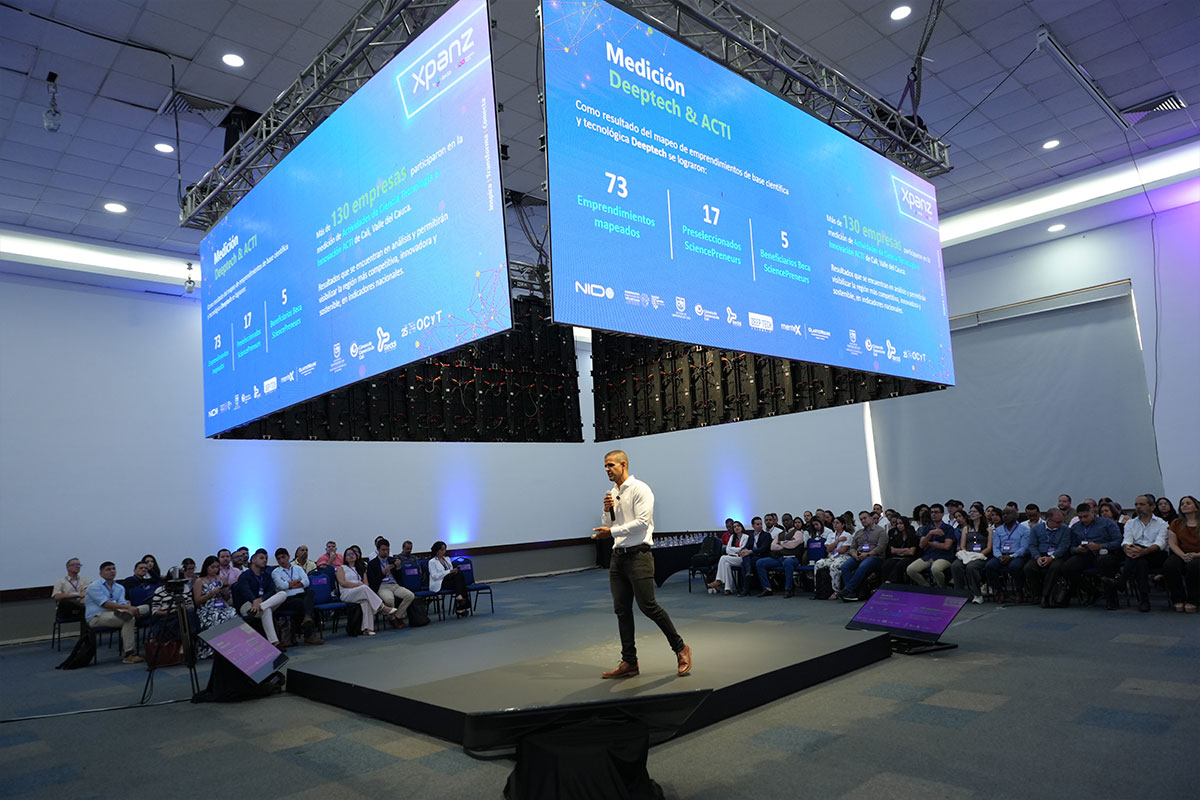
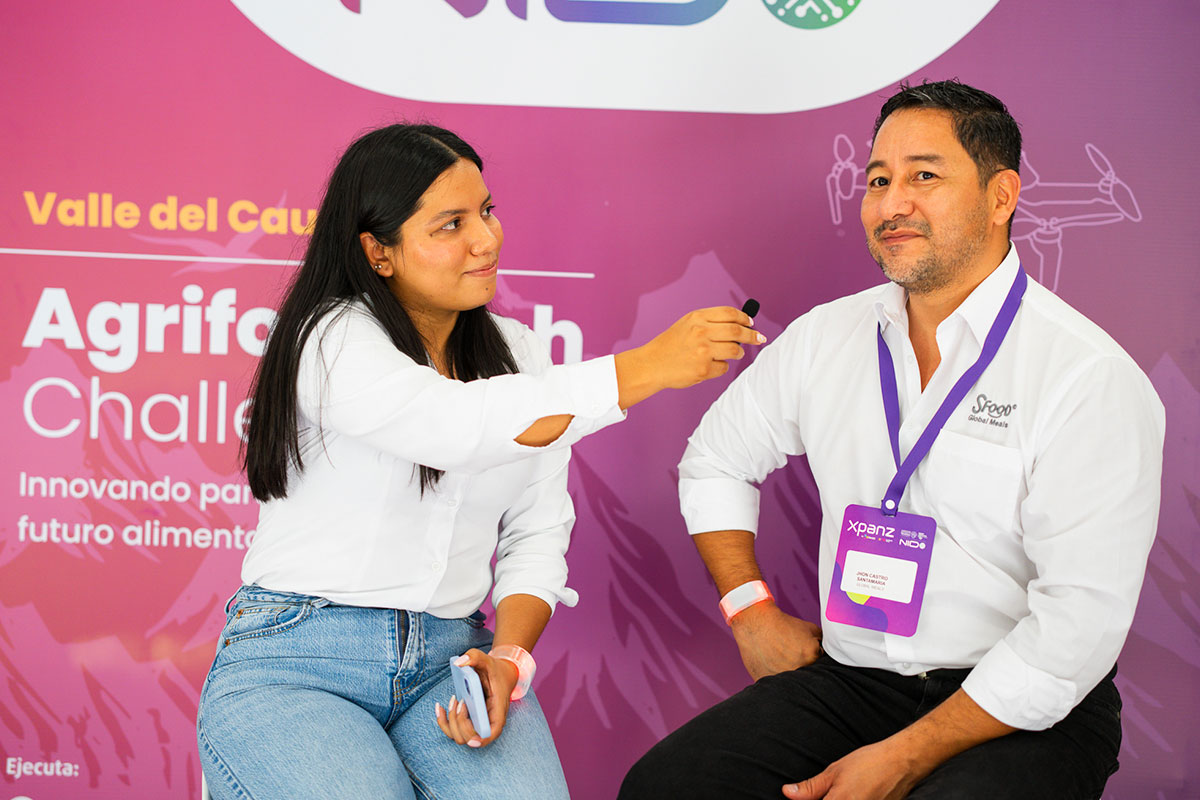
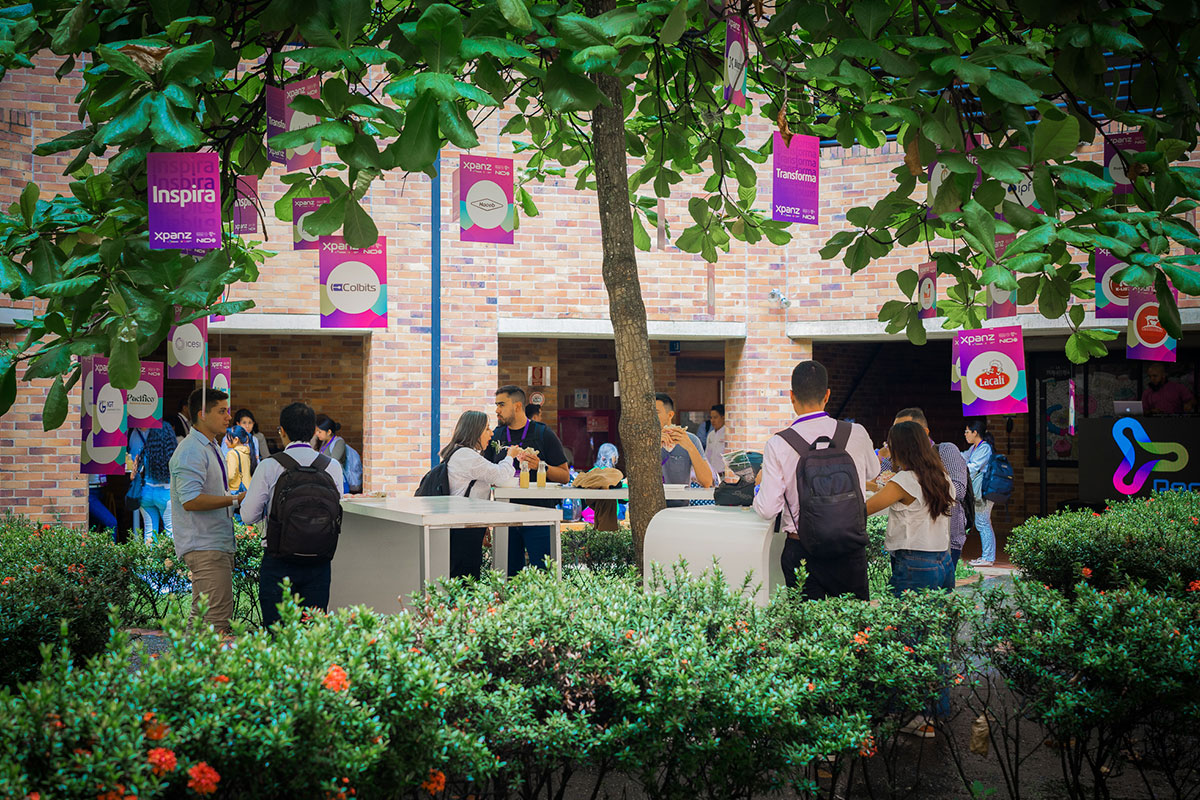
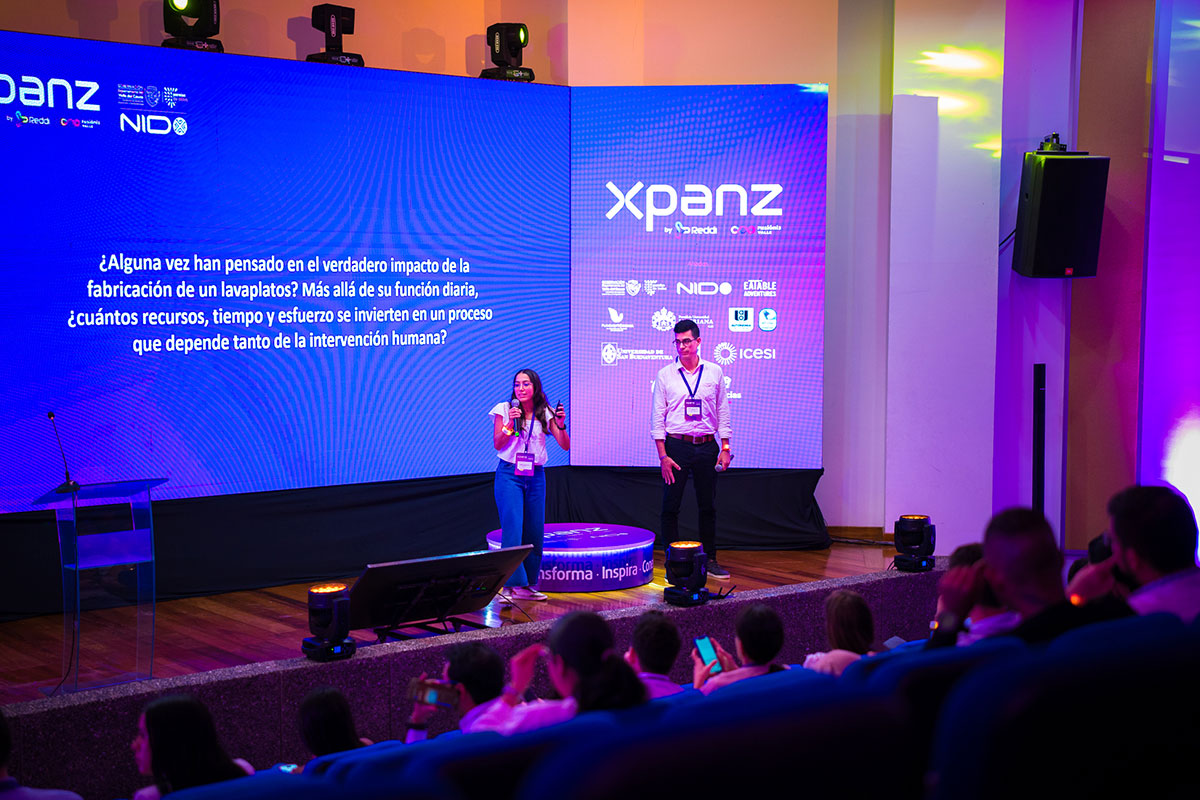
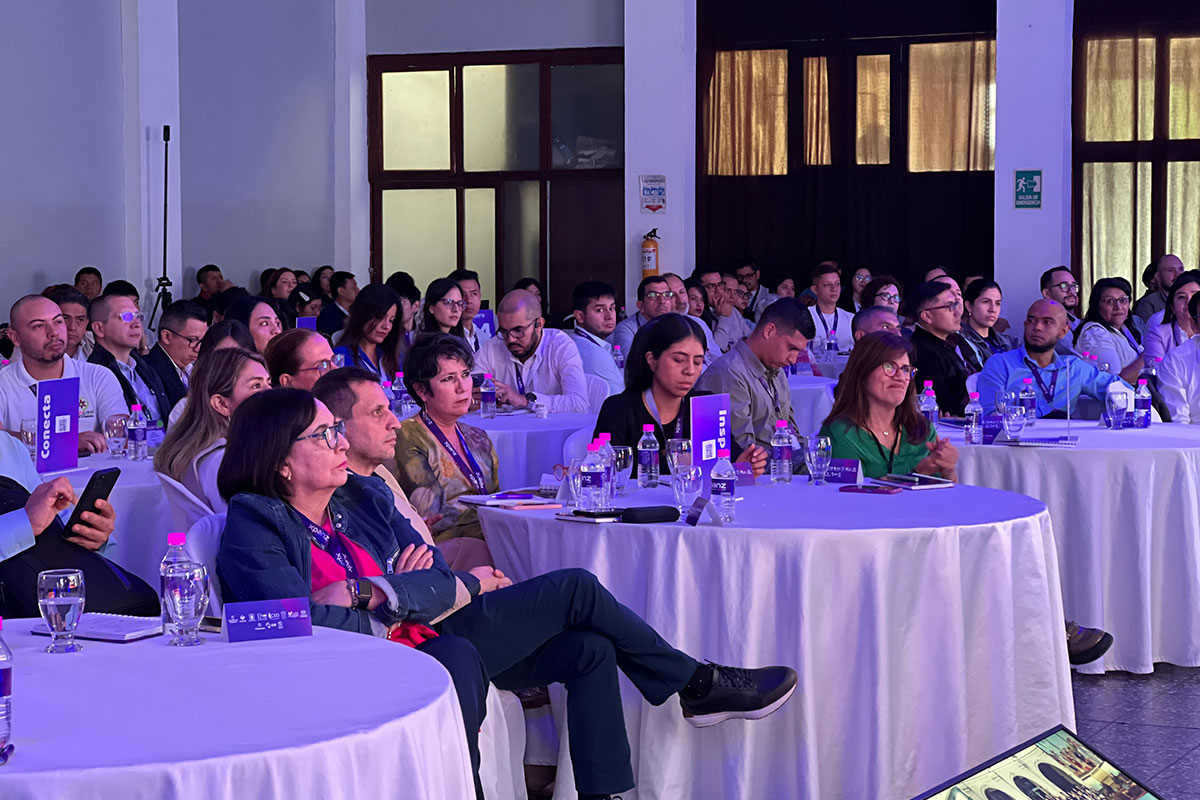
El evento contó con la participación de más de 101 asistentes en la Universidad Javeriana Cali.
Fue el primer acercamiento entre IES aliadas y MiPyMEs beneficiarias.
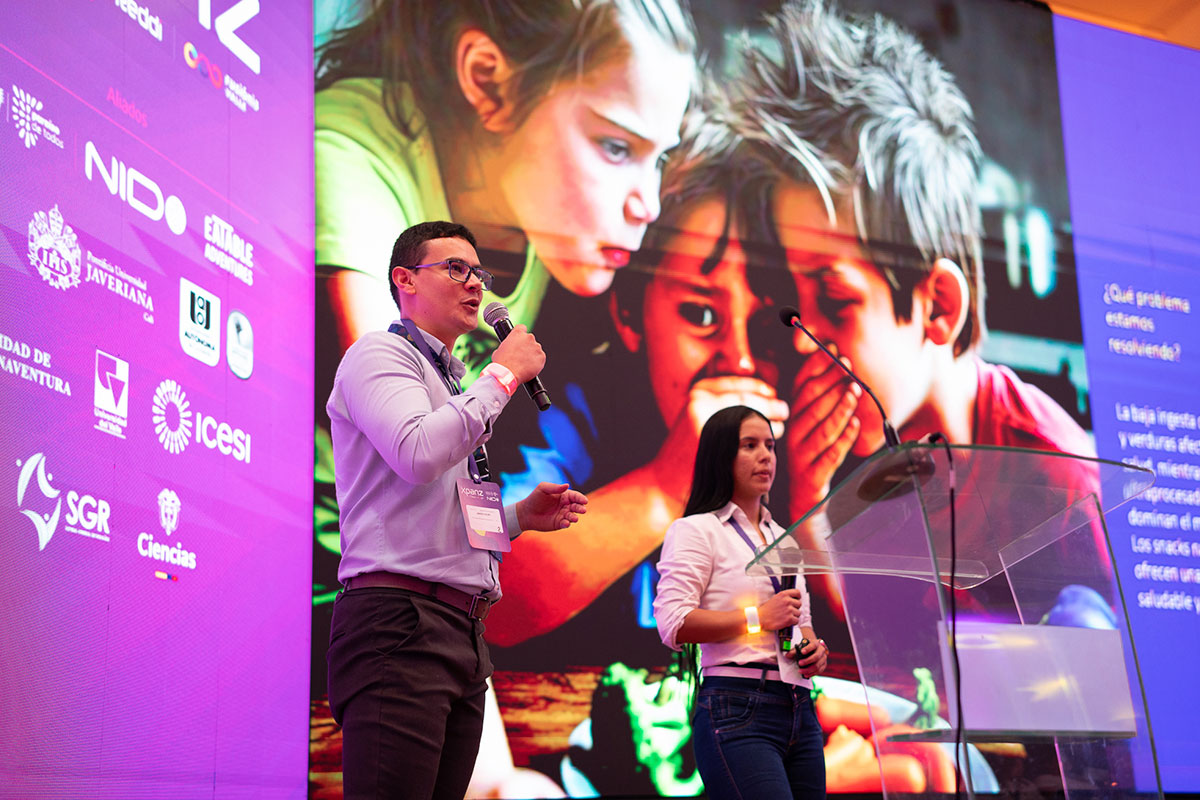
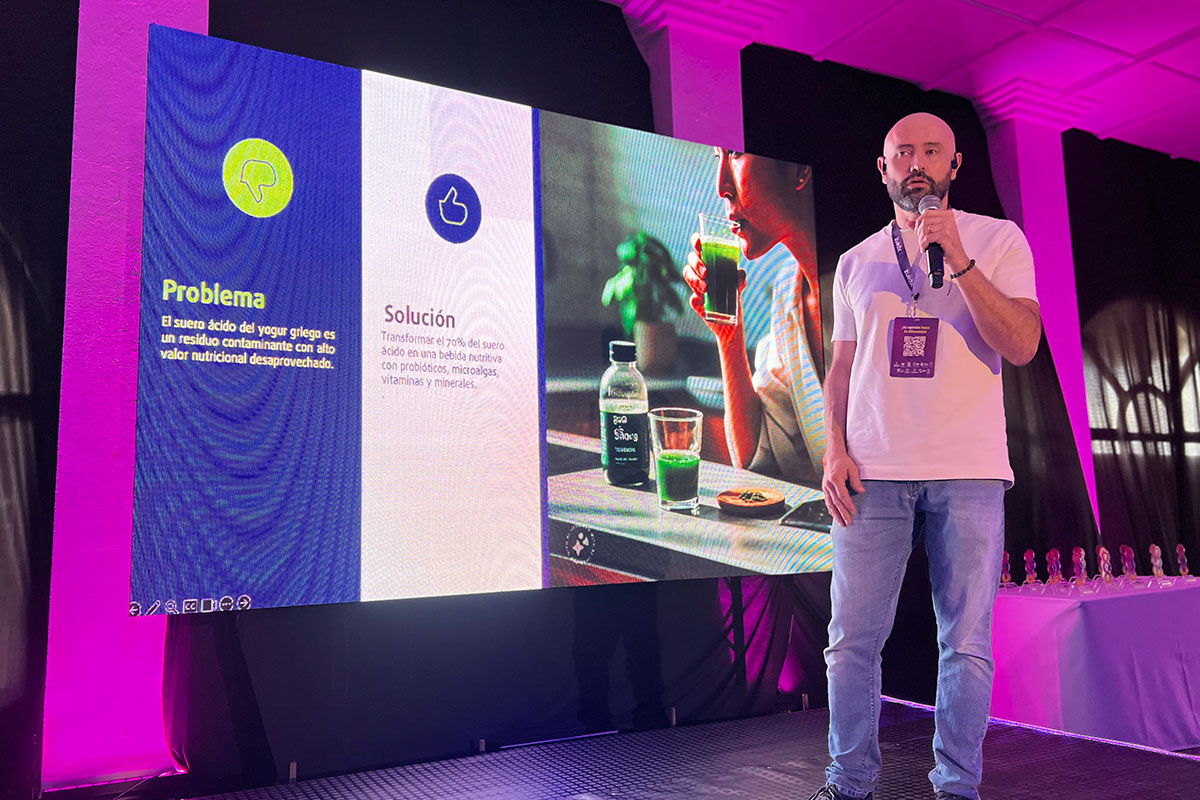
17 de estas MiPyMEs presentaron su Pitch, 11 tecnologías de las IES aliadas fueron presentadas en el Experience Day, las cuales tuvieron 28 validaciones pre-comerciales.
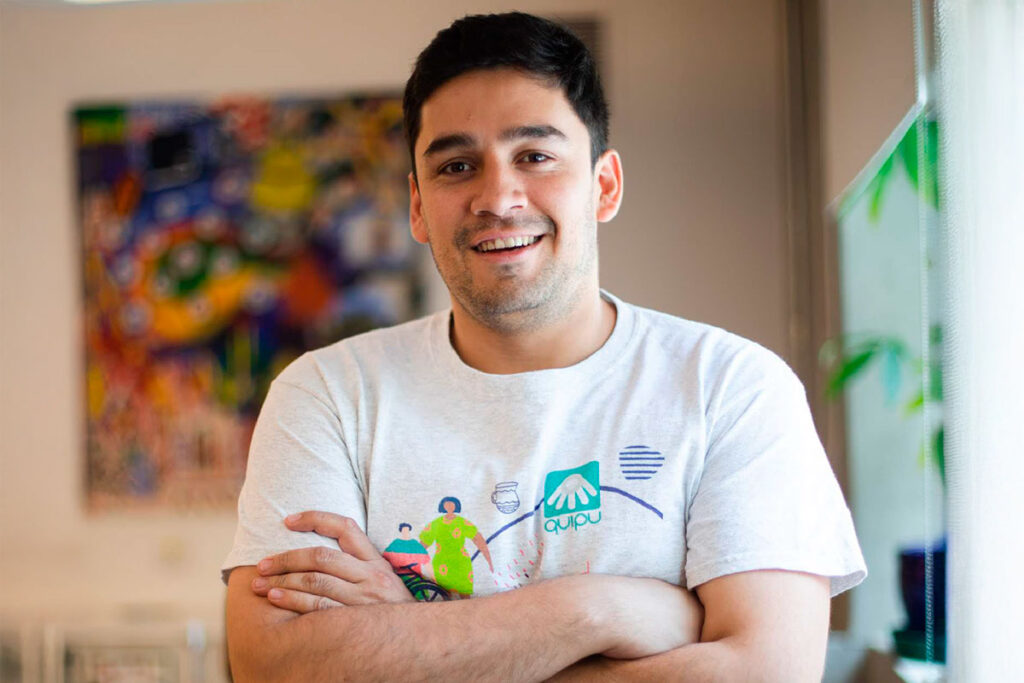
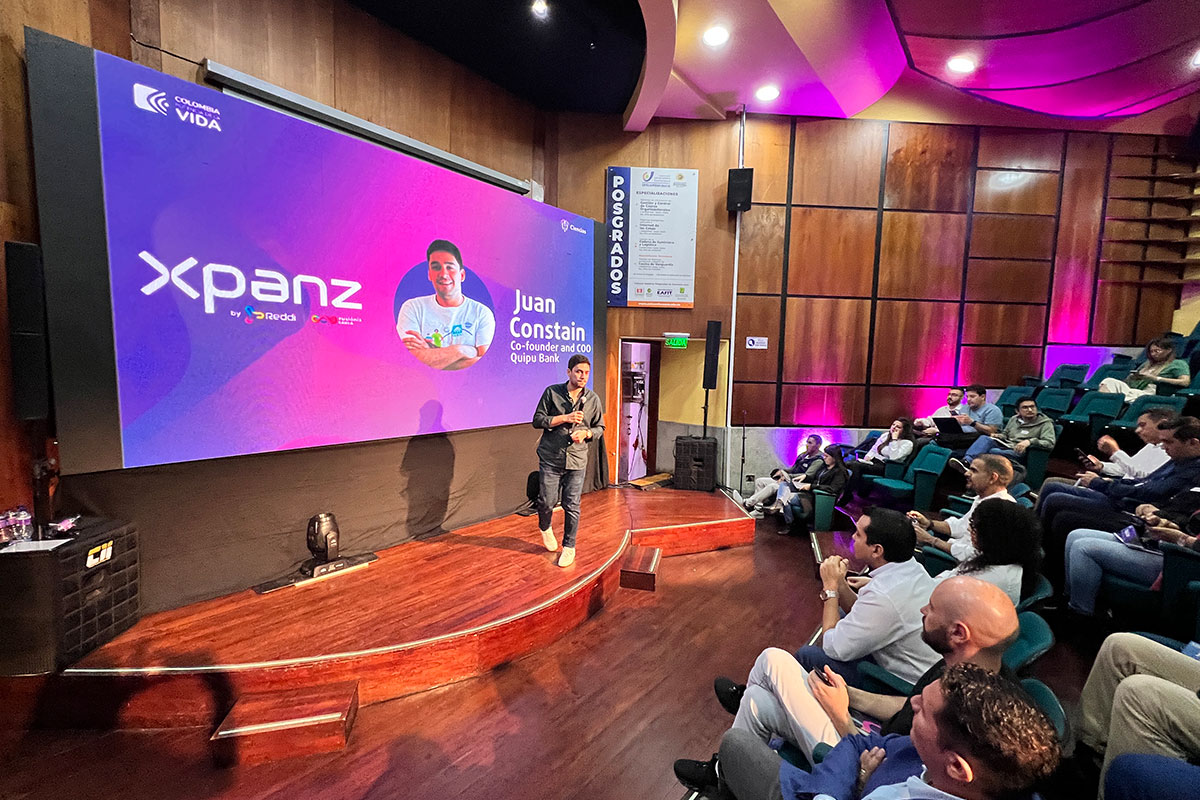
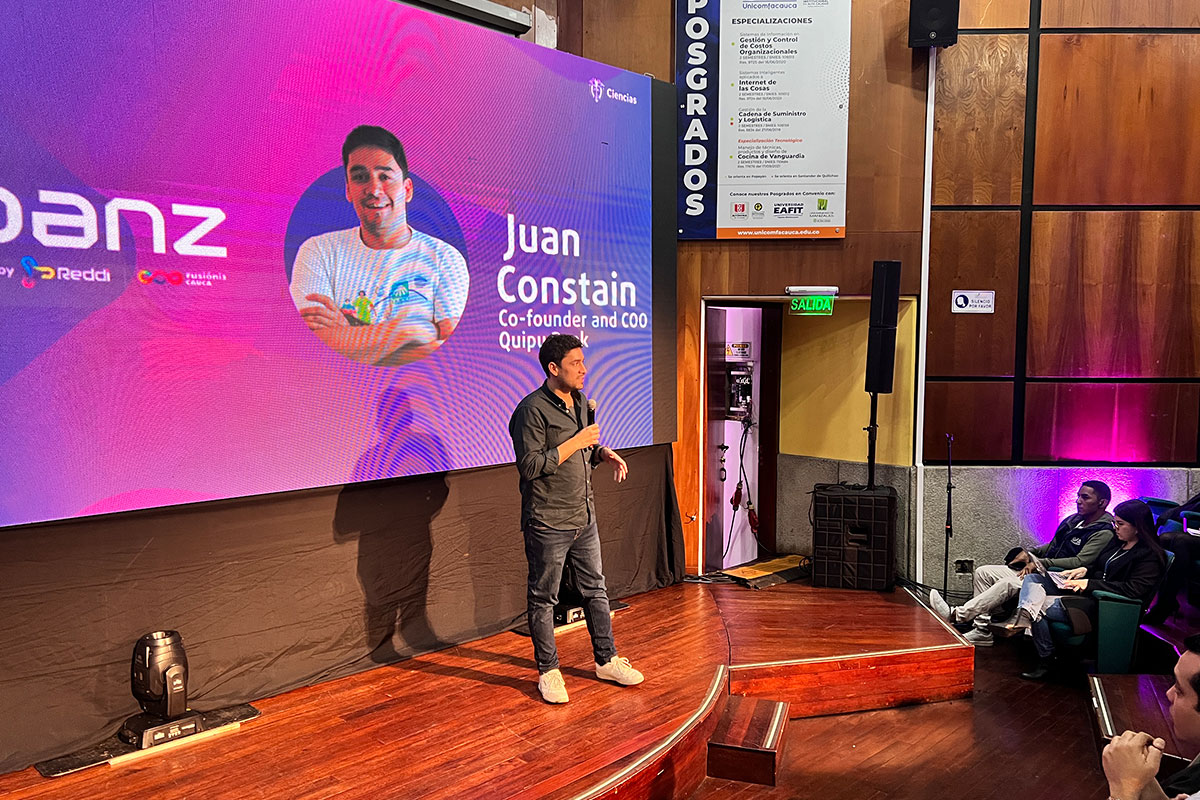
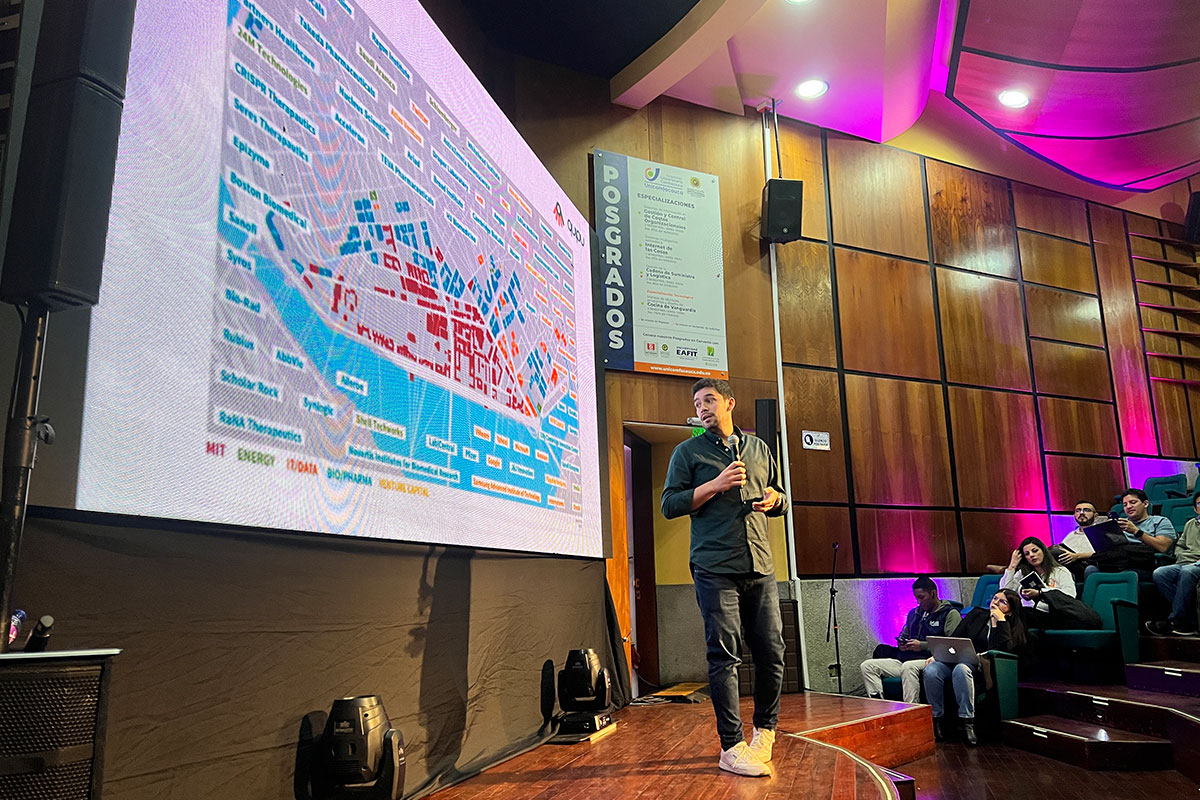
Conferencia: El camino de Quipu: de proyecto de investigación en MIT a fintech de inclusión financiera.
Cofundador y COO de Quipu Bank
Profesional en Gestión y Desarrollo Urbanos de la Universidad del Rosario, especialista en Derecho Urbano, y cuenta con una maestría en Planificación Urbana con énfasis en desarrollo económico del MIT. Como cofundador y COO de Quipu, una fintech de rápido crecimiento en Colombia, fue reconocido como Fellow del programa The Global Good Fund en 2023. Quipu ha recibido importantes reconocimientos de entidades como el Banco Mundial, Google, MIT, Forbes y Fast Company, consolidándose como un referente en inclusión financiera e innovación empresarial.

Director comercial de NotCo Colombia
Responsable de establecer la estrategia de negocio de NotCo en Colombia, en los frentes de Food Service, Retail. Administrador de negocios y especialista en mercadeo, con más de 25 años de experiencia liderando áreas de innovación en la industria de consumo masivo en Latinoamérica.

Conferencia: Efectos positivos de red.
CEO de Mentex y experta en innovación, reconocida entre los Top 100 gerentes de Colombia. Descubre cómo maximizar los efectos positivos de red y el impacto de la Alianza DeepTech en el fortalecimiento y escalamiento de startups en la región.