In a world where information is one of the most valuable resources, Data Science has become a fundamental tool for driving innovation and growth. For small and medium-sized enterprises (SMEs) and universities in Colombia , understanding and applying Data Science opens new opportunities to optimize processes, make better decisions, and develop more competitive solutions. Data Science allows for the analysis of large volumes of information to identify patterns, predict trends, and generate strategic knowledge. From improving customer experience to optimizing production or enhancing research, its applications are virtually limitless.
To facilitate access to these capabilities, the Fusióni360 platform plays a fundamental role. Fusióni360 is a digital networking space that allows organizations to collaborate with different actors in the science, technology, and innovation ecosystem . Through this platform, SMEs and universities can promote open innovation , access experts, co-create solutions, and facilitate the transfer of knowledge and technology .
Integrating Data Science into business and academic processes is not just a competitive advantage, it’s a necessary step towards the future. And with partners like Fusióni360 , this path is more accessible and collaborative.
In Cauca, efforts to connect knowledge with the needs of the region are becoming increasingly visible. Along this path, science and technology projects have become a key tool for solving real-world problems, improving production processes, and generating growth opportunities for both businesses and academic institutions.
The region’s SMEs face challenges in productivity, sustainability, and digital transformation, while universities possess valuable research capabilities that often remain disconnected from the business environment. This disconnect poses a challenge: how to connect solutions with those who need them?
To bridge this gap, Fusióni360 was created —a digital platform that enables organizations, companies, universities, and researchers to collaborate on science, technology, and innovation projects. Through this platform, open innovation is promoted , the co-creation of solutions is facilitated, and the transfer of knowledge and technology is fostered.
With Fusióni360 , SMEs can access technological developments, laboratory capabilities, and strategic alliances with universities in the region. In turn, Higher Education Institutions can showcase their research and connect with partners that enable them to generate impact in the region.
Discover how science and technology are transforming Cauca! Connect at www.reddicolombia.com/fusioni360 and be part of the network driving innovation in southwestern Colombia.
Innovation doesn’t always start from scratch. Often, a solution already exists, created in a university, research group, or laboratory, ready to be implemented in real companies. This is called technology transfer : the process of bringing knowledge, technologies, or research results to those who can use them to create value.
If you are part of a company, or you are part of a university, this quick guide can help you understand why technology transfer is an opportunity for you.
Where to begin?
Identify a challenge or need in your organization.
Explore available technologies or research capabilities that can solve it.
Connect with allies who can enhance that solution.
This is where Fusióni360 comes in , a digital platform that allows organizations to collaborate with different stakeholders in the science, technology, and innovation ecosystem. This tool promotes open innovation , facilitates connections between companies, universities, and research centers, and enables the agile and effective activation of co-creation and technology transfer processes.
The next step? Explore what already exists, talk to universities, connect with platforms like Fusióni360 . Innovation is closer than you think.
Technology transfer is about how scientific knowledge reaches the real world. It’s the moment when an idea, a laboratory development, or university research becomes a concrete solution for a company or community.
But what does that look like in practice? Here are some examples of technology transfer that show its real impact:
From the lab to the farm : A university developed a biofertilizer from organic waste. Thanks to a technology transfer process, an agricultural company adapted it to its production model, reducing costs and improving its environmental impact.
From research to the textile industry : A research group created an antimicrobial technology for textiles. A small or medium-sized enterprise (SME) in the fashion sector connected with the team, and together they launched a value-added clothing line, opening up new markets.
Health within everyone’s reach : A prototype medical device created at a university was transferred to a local company that scaled it up, certified it and brought it to market, helping to reduce diagnosis times in rural clinics.
These cases are possible when two worlds converge: the world of academic knowledge and the world of business needs. And that is precisely what Fusióni360 (see the link https://reddicolombia.com/fusioni360/) promotes—a digital platform that allows companies, universities, and other actors in the science, technology, and innovation ecosystem to connect, collaborate, and co-create solutions.
Fusióni360 promotes open innovation , making it easier for research results to not remain hidden, but to reach those who can turn them into real value for their businesses and communities.
Do you have a challenge at your company? A solution at your university? Connect with Fusióni360 and be part of the change.
In an environment where companies face increasingly complex challenges, Technology Transfer Offices (TTOs) are emerging as key players in connecting the demand for innovation with solutions developed in the academic environment.
Technology transfer platforms (TTPs) not only manage research results, but also transform that knowledge into applicable technologies ready for transfer to industry. For companies , this represents a concrete way to access innovations that solve real-world challenges. For universities , it’s an opportunity to scale the impact of their research.
Fusióni360 enhances this connection , offering a digital space where corporate companies can share their innovation challenges and find solutions from OTTs, universities, research centers and startups prepared to respond with viable, proven proposals adapted to their context .
Open innovation comes to life when each stakeholder contributes their strengths: the company with its challenges, the university with its knowledge, and the platform as a bridge. The result: new, co-created products, services, and technologies that are transferred with impact to the productive sector.
Do you have a challenge? Do you have a solution? Activate the connection in Fusióni360 .
Biotechnology is an inexhaustible source of solutions applied to real challenges in sectors such as agriculture, health, environment and industry.
But its true potential is unleashed when it is part of an open innovation process , in which academic knowledge is transformed into business innovation.
The different types of biotechnology — red, green, white, blue, and gray — represent opportunities to solve corporate challenges with applied science .
Businesses can find sustainable, efficient, and differentiating alternatives within it . Universities, researchers, and startups , for their part, have developments ready for implementation, provided they address the right challenges.
That’s where Fusióni360 comes in : a platform designed to foster collaboration. Here, companies propose their challenges , and the ecosystem’s problem solvers (research centers, OTTs, startups, universities) respond with aligned proposals.
Biotechnology doesn’t stay in the lab. At Fusióni360 , it’s transformed into real solutions, products, and services . Join this connection to accelerate the future.
Andrés Méndez
Speaker principal
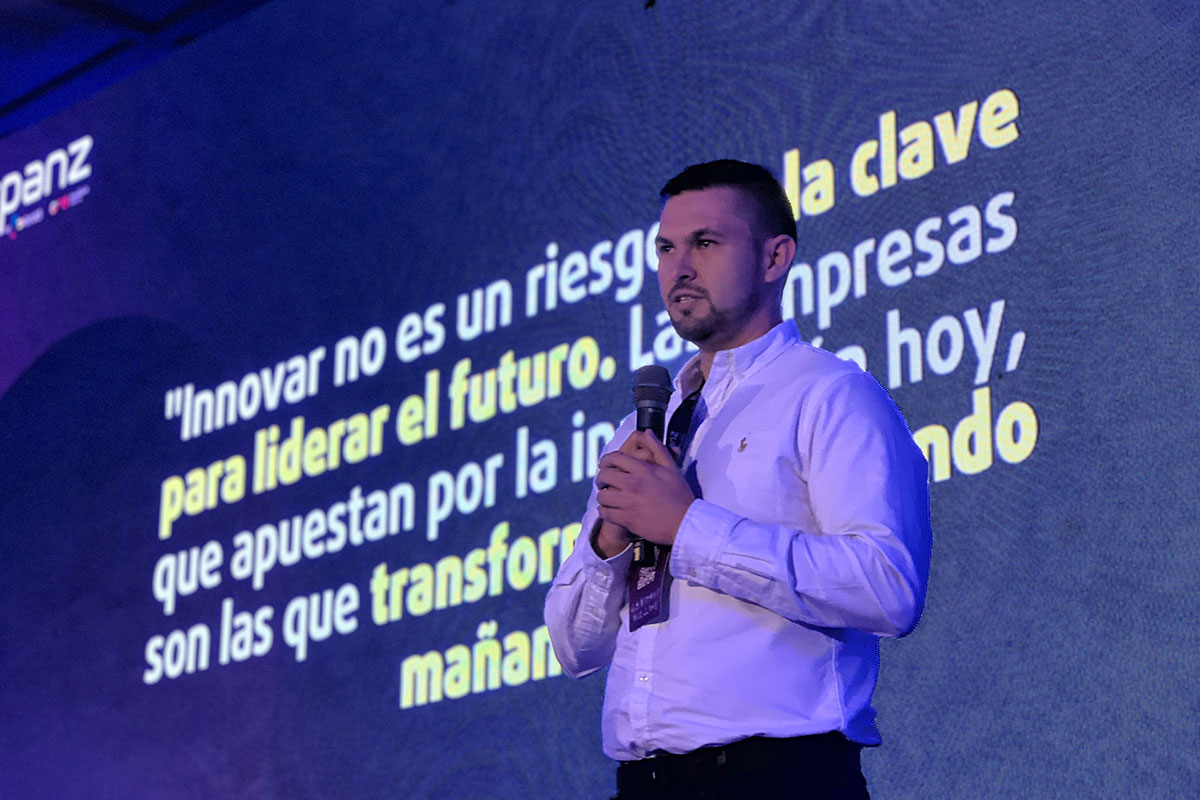
Conferencia “Innovación con impacto empresarial”
Presidente gremial, mentor y emprendedor serial
EdTech HUB LATAM + 90 Edtechs
Asociación de emprendedores +500 marcas de consumo
Ha logrado:
Diseñar estrategias de GTM en 14 países para diferentes proyectos.
Crear, comprar y vender empresas. (Incluyendo grandes y dolorosos fracasos).
Ayudar en proyectos con múltiples corporaciones (Gobiernos, Scale ups, Startups, ONGs).
Aprender de los mejores referentes; YCombinator, SOSV, Fuel de Mckinsey, entre otros.
Ser mentoreado por banqueros, ejecutivos, y emprendedores seriales.
Participar en el fondeo de Startups +$5M USD.
Actualmente se dedica a re-pensar, conectar y transformar industrias con problemas sistémicos en Colombia (Consumo) y Latino América (Educación con tecnología).
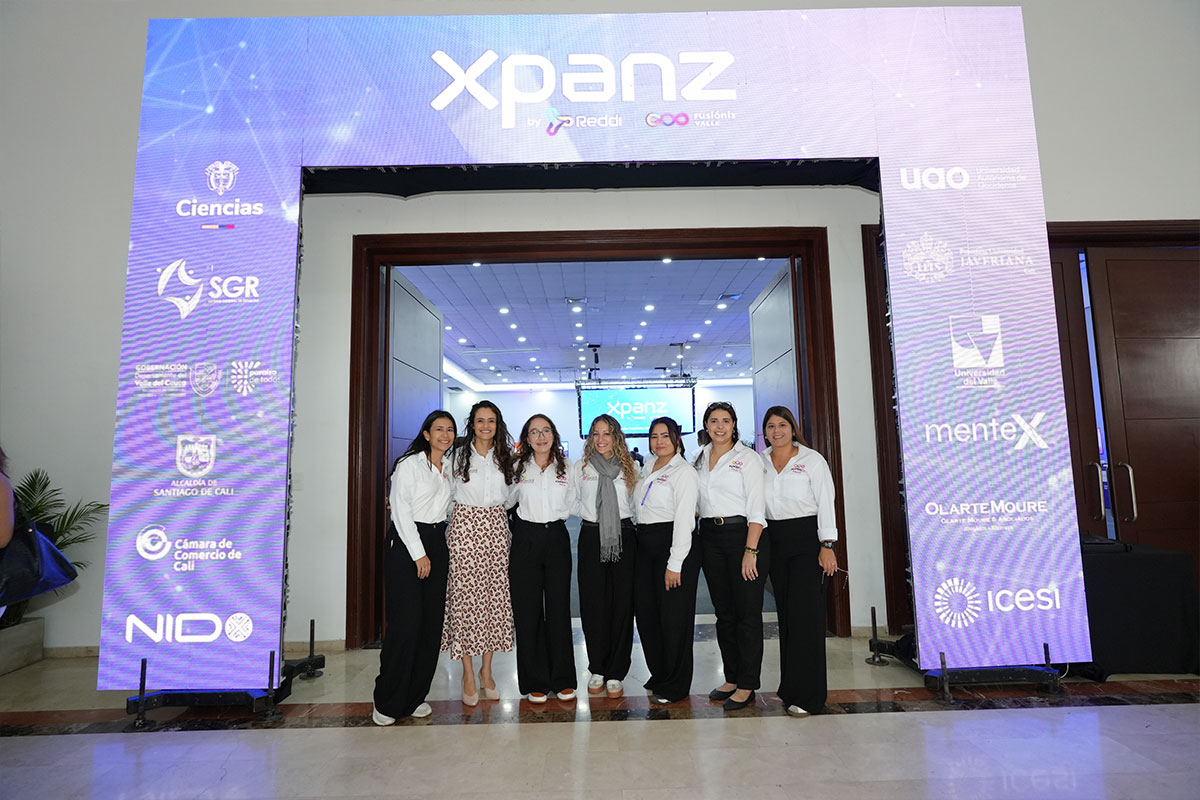
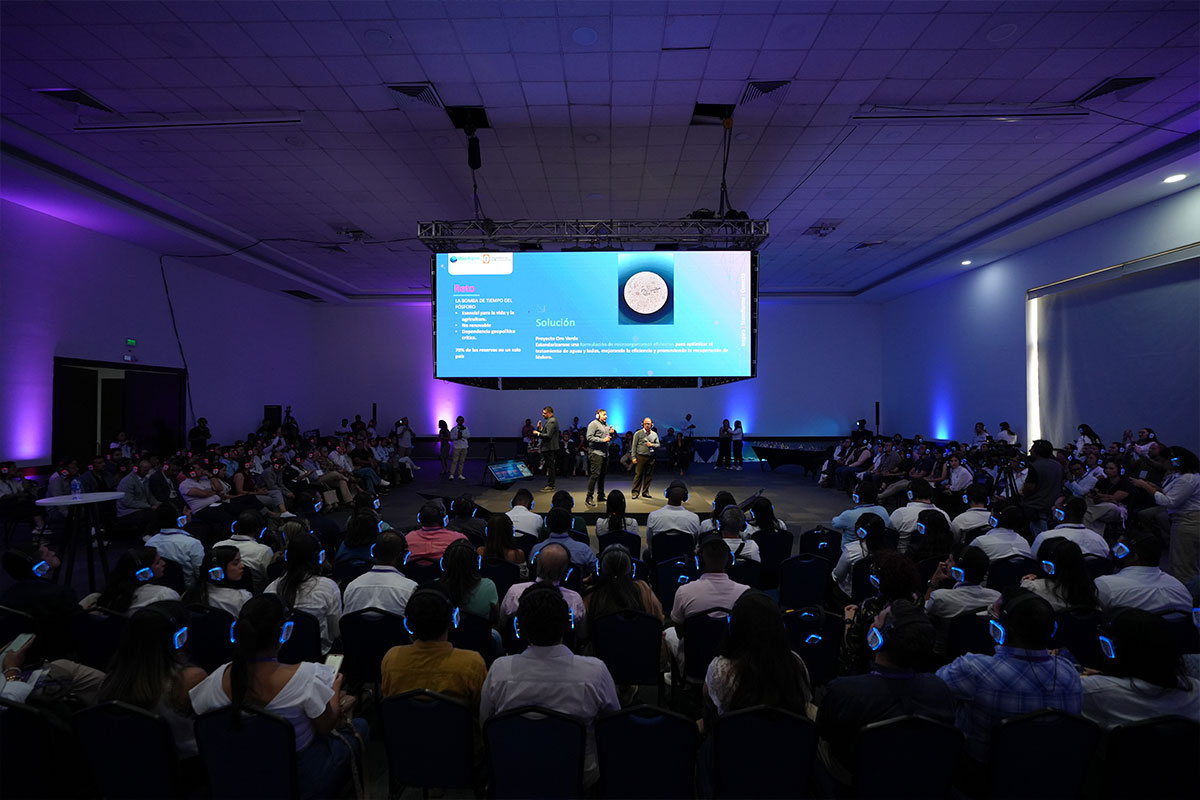
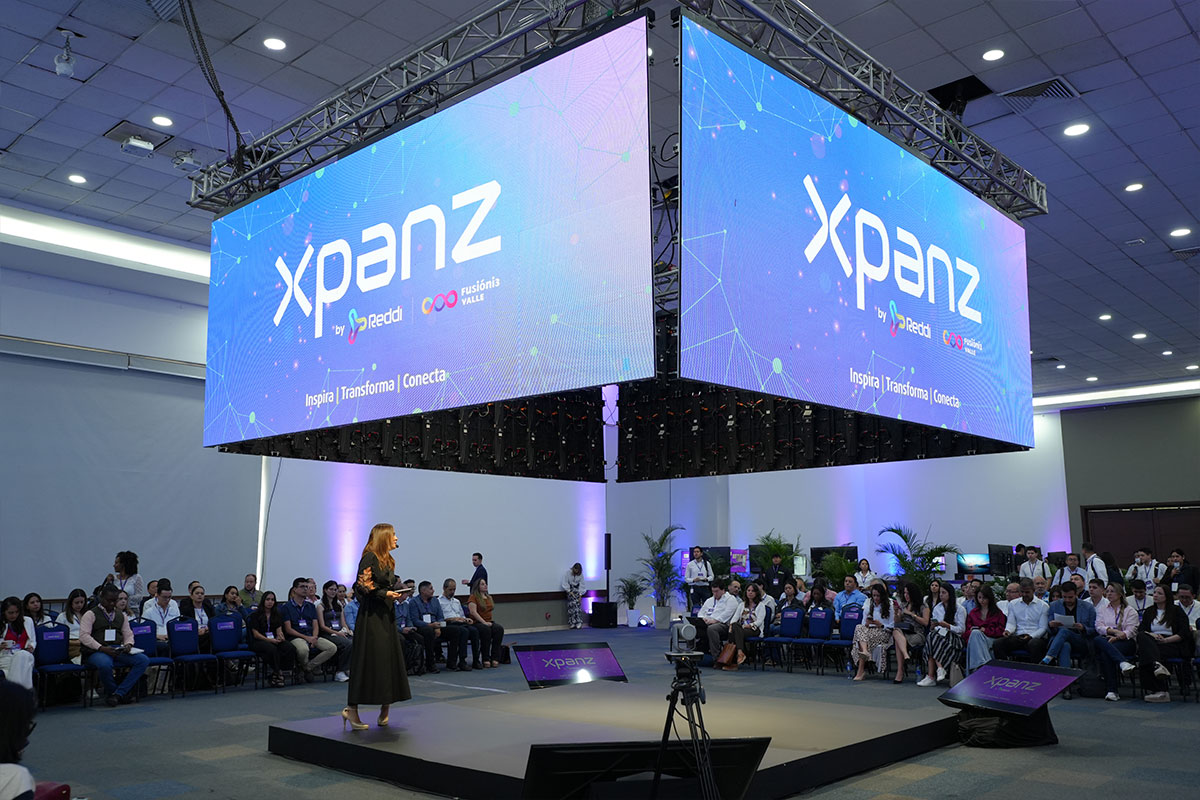
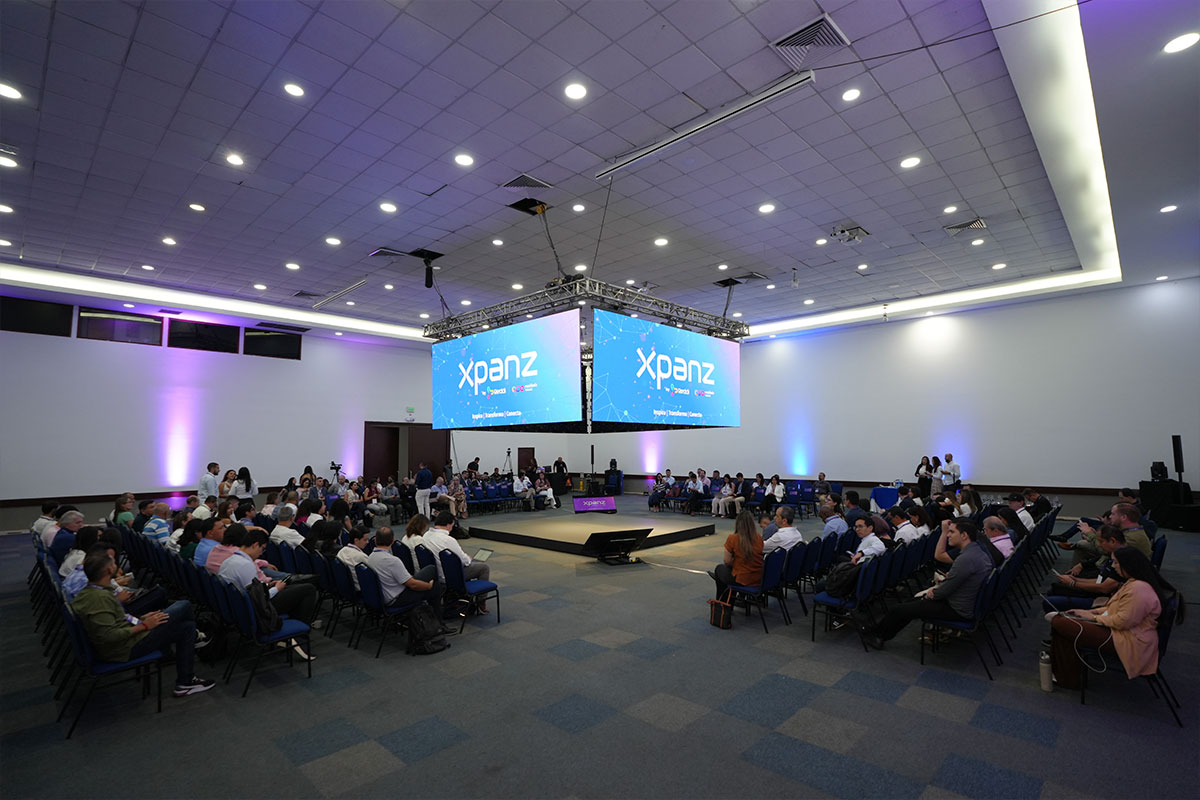
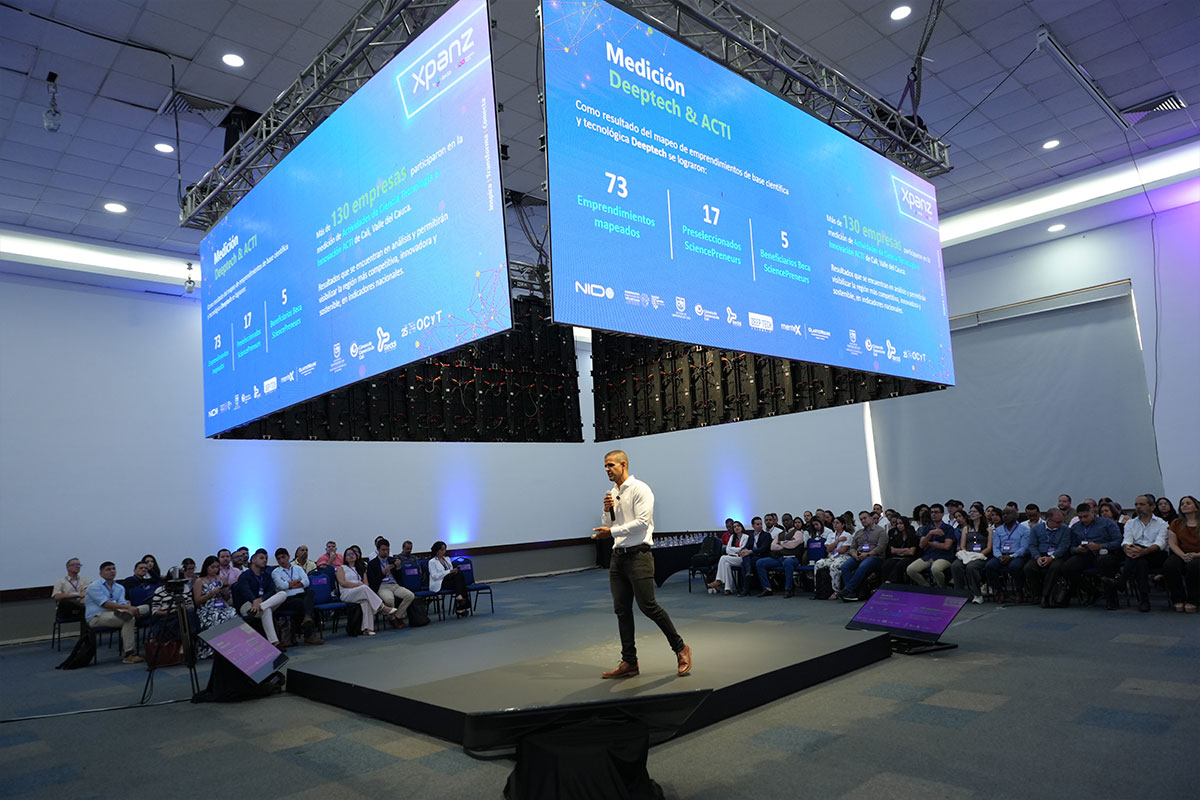
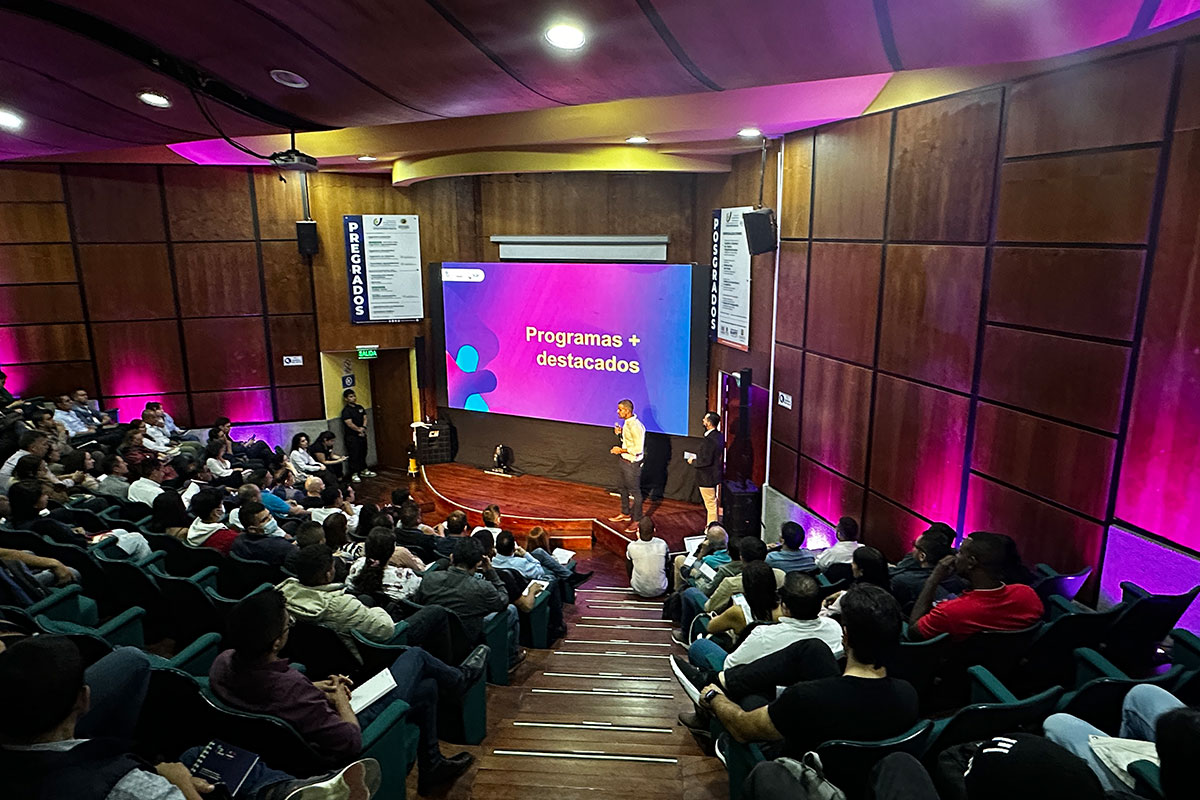
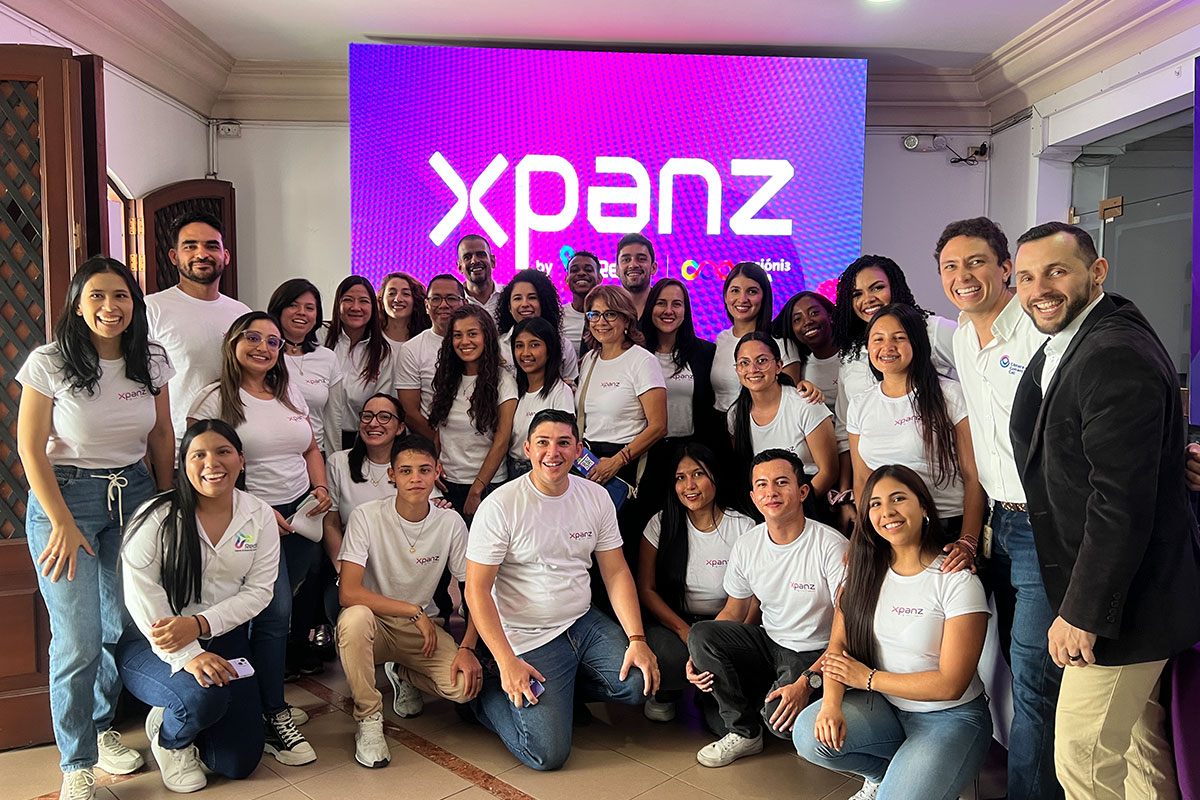
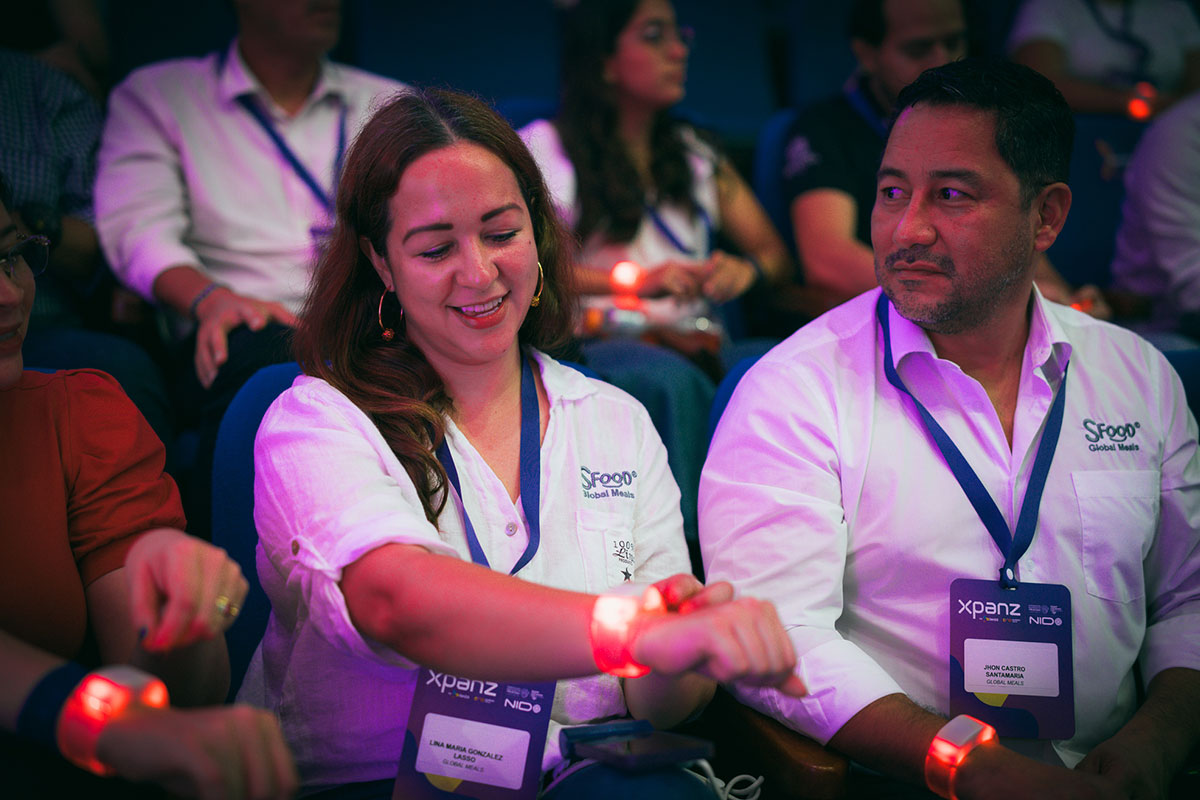
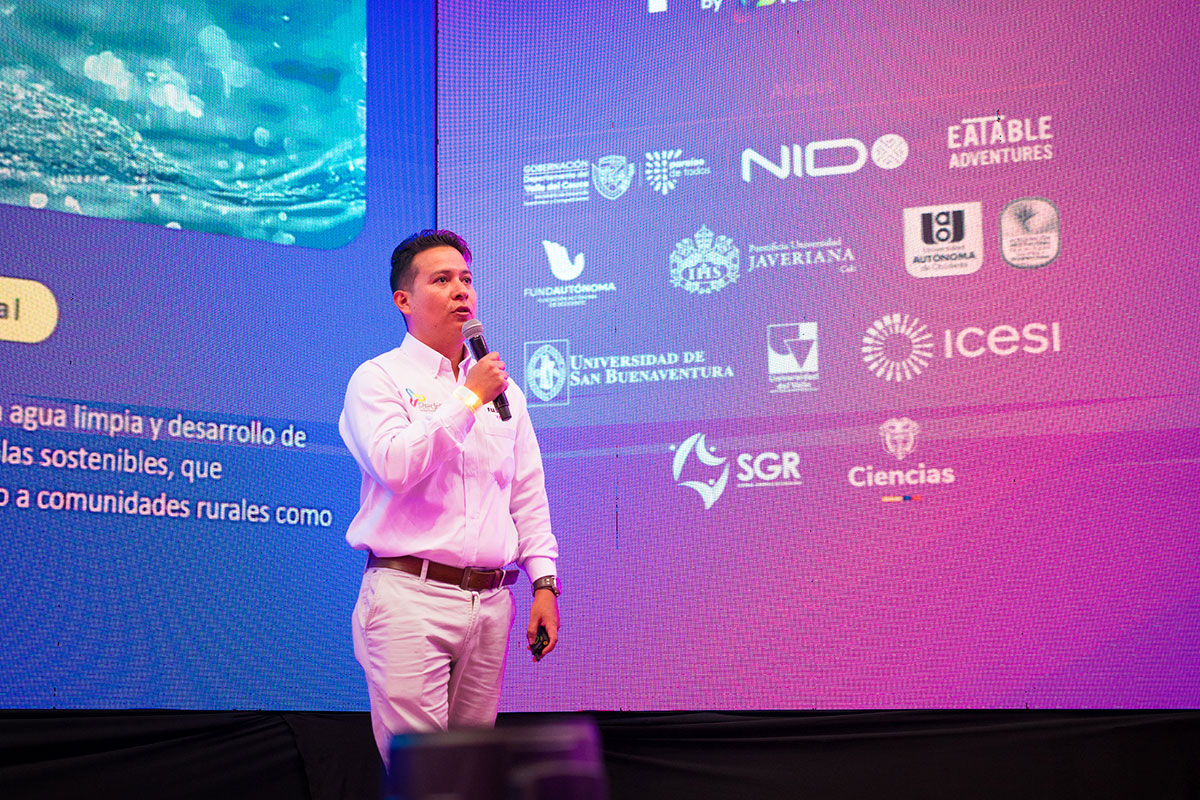
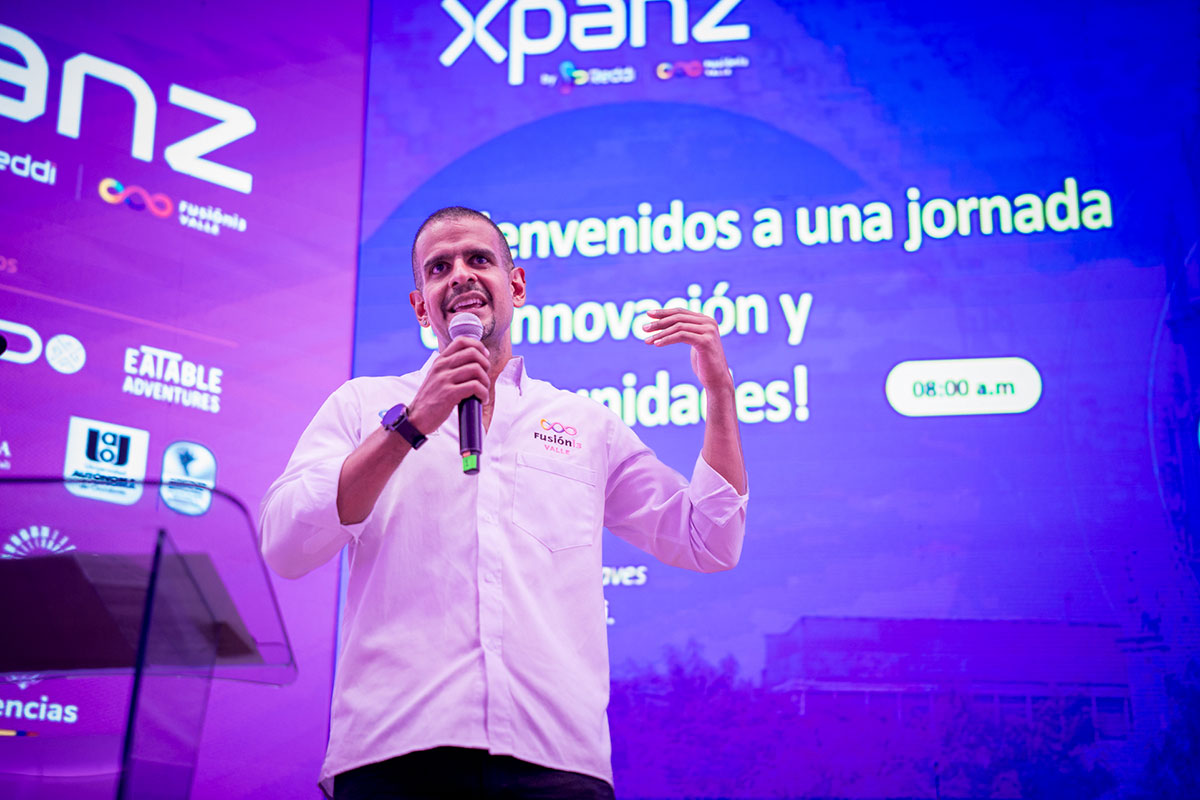
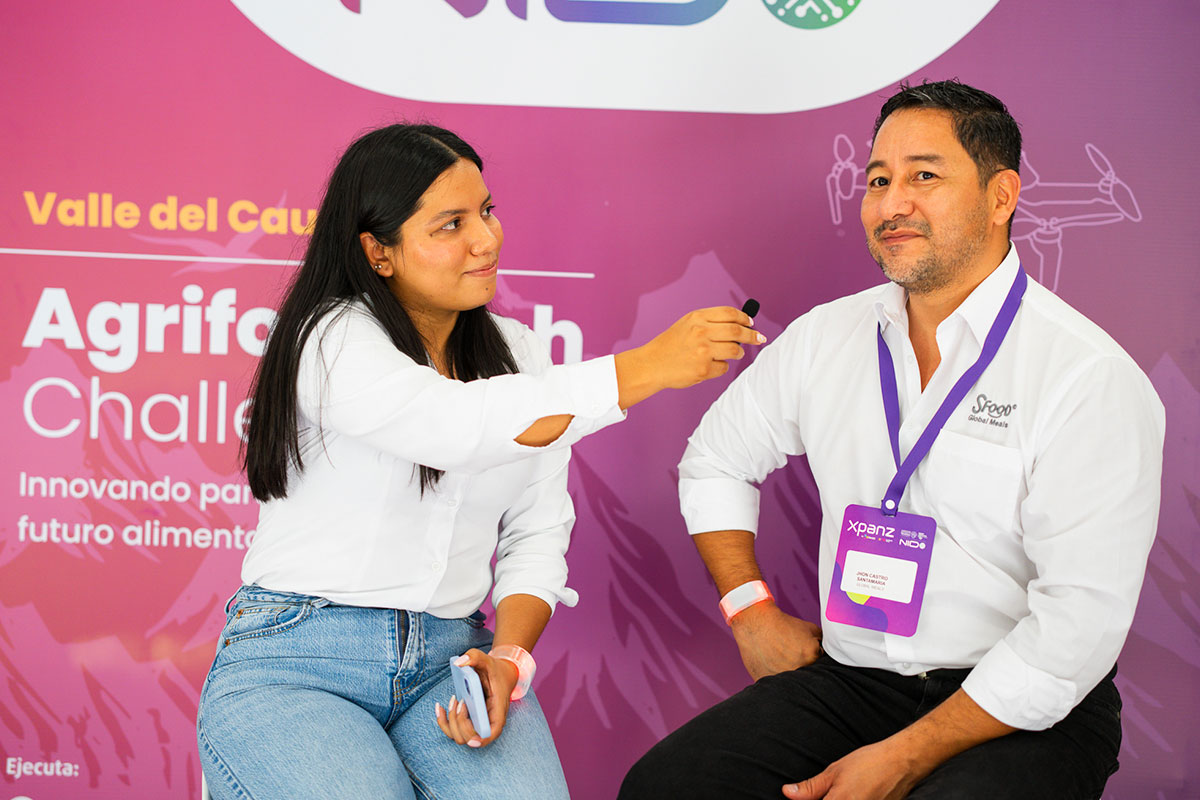
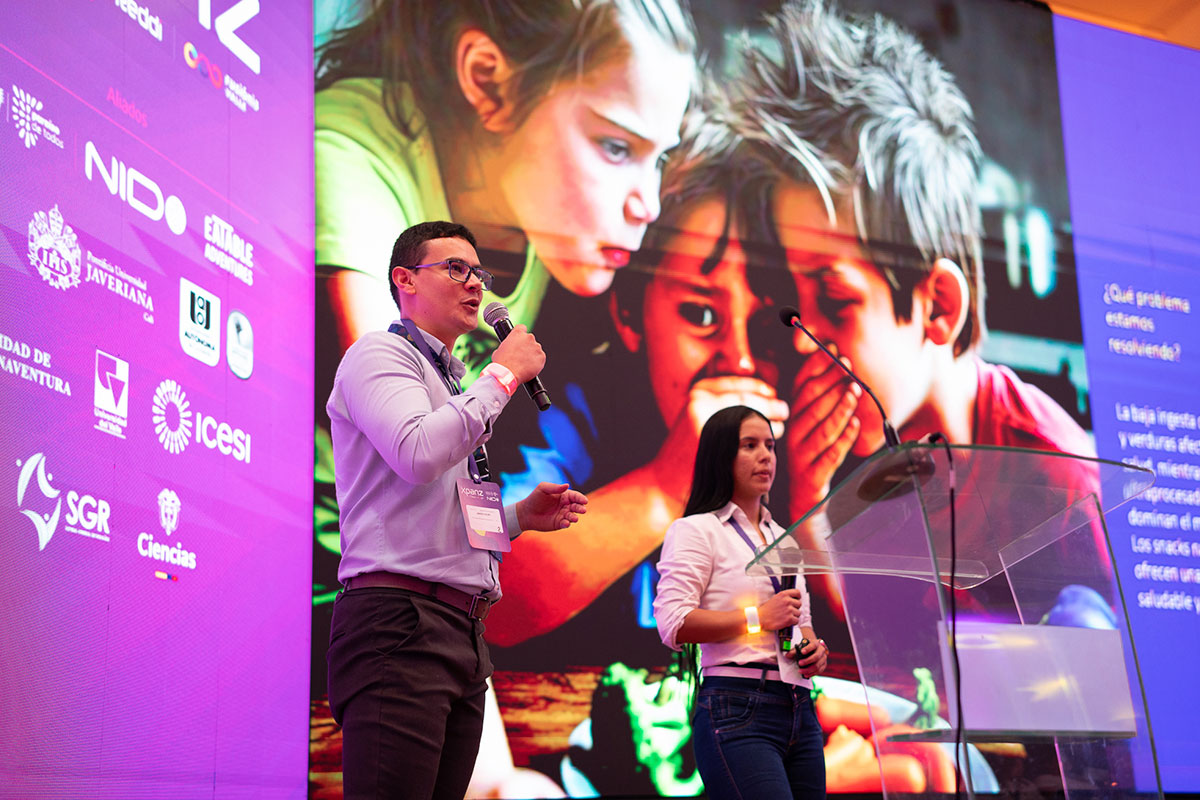
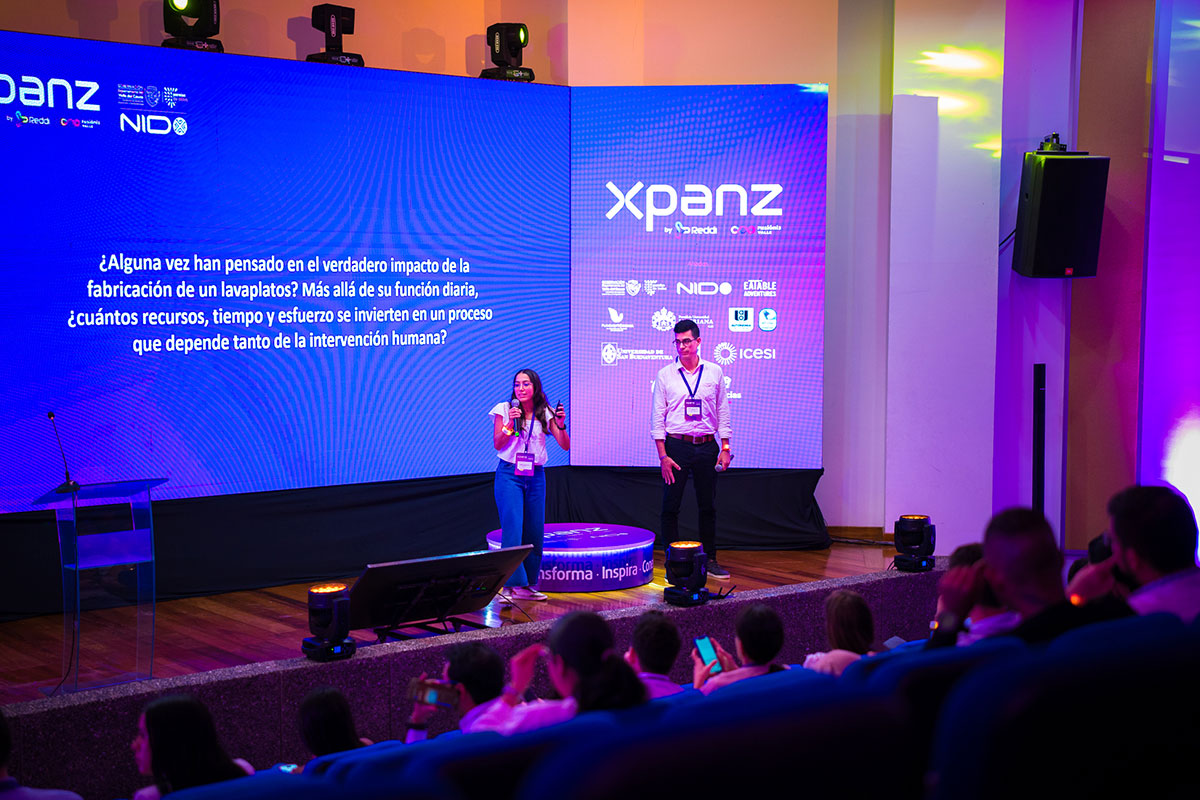
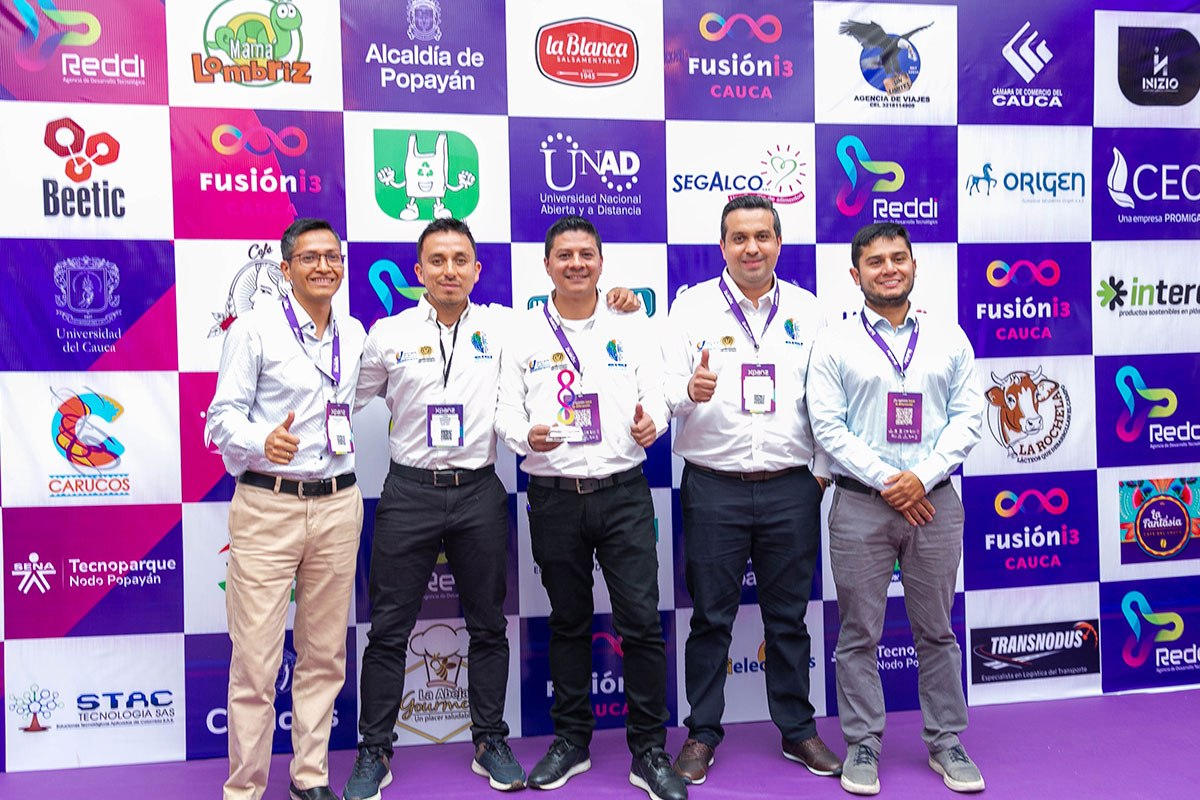
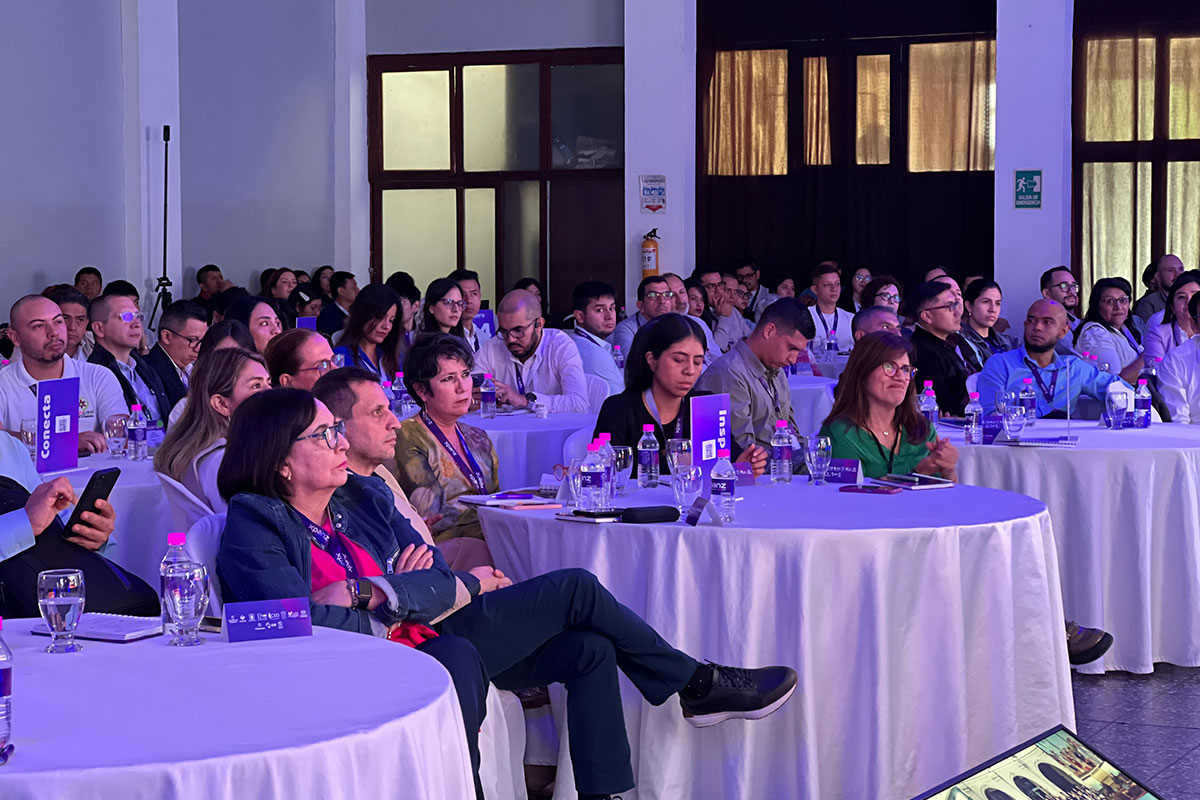
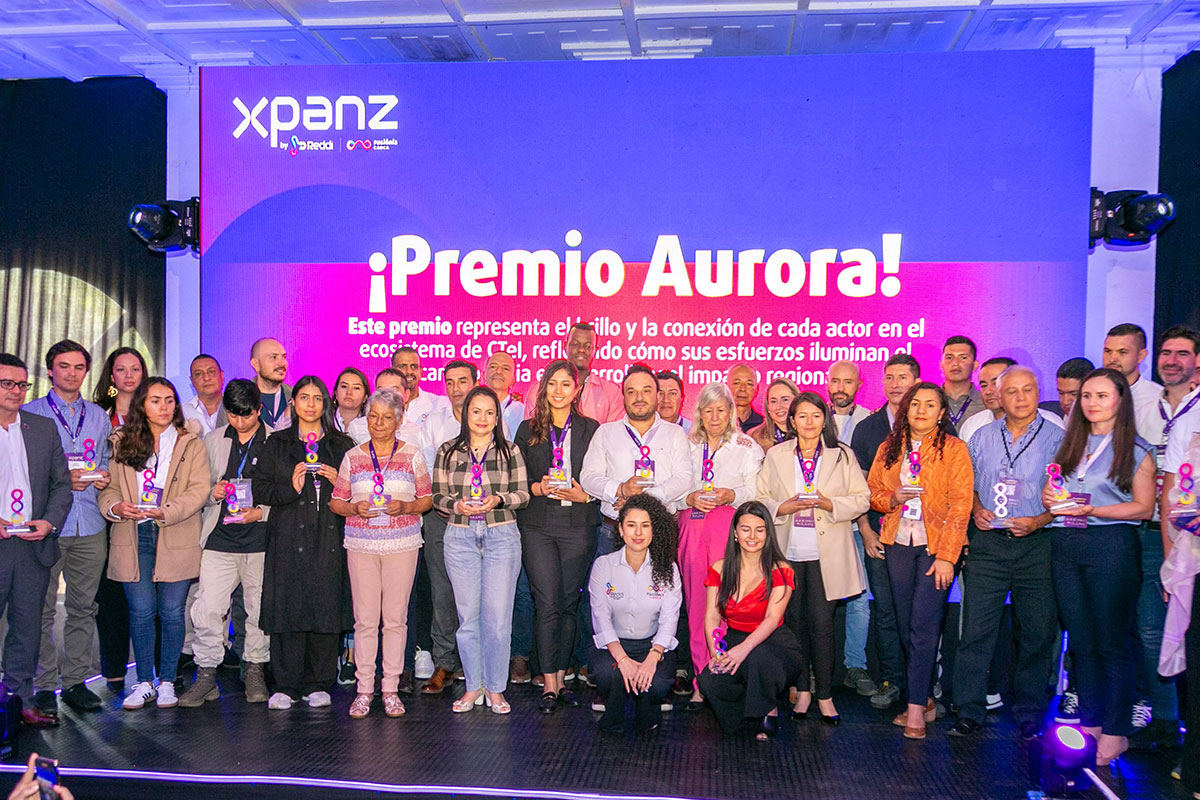
El evento contó con la participación de más de 101 asistentes en la Universidad Javeriana Cali.
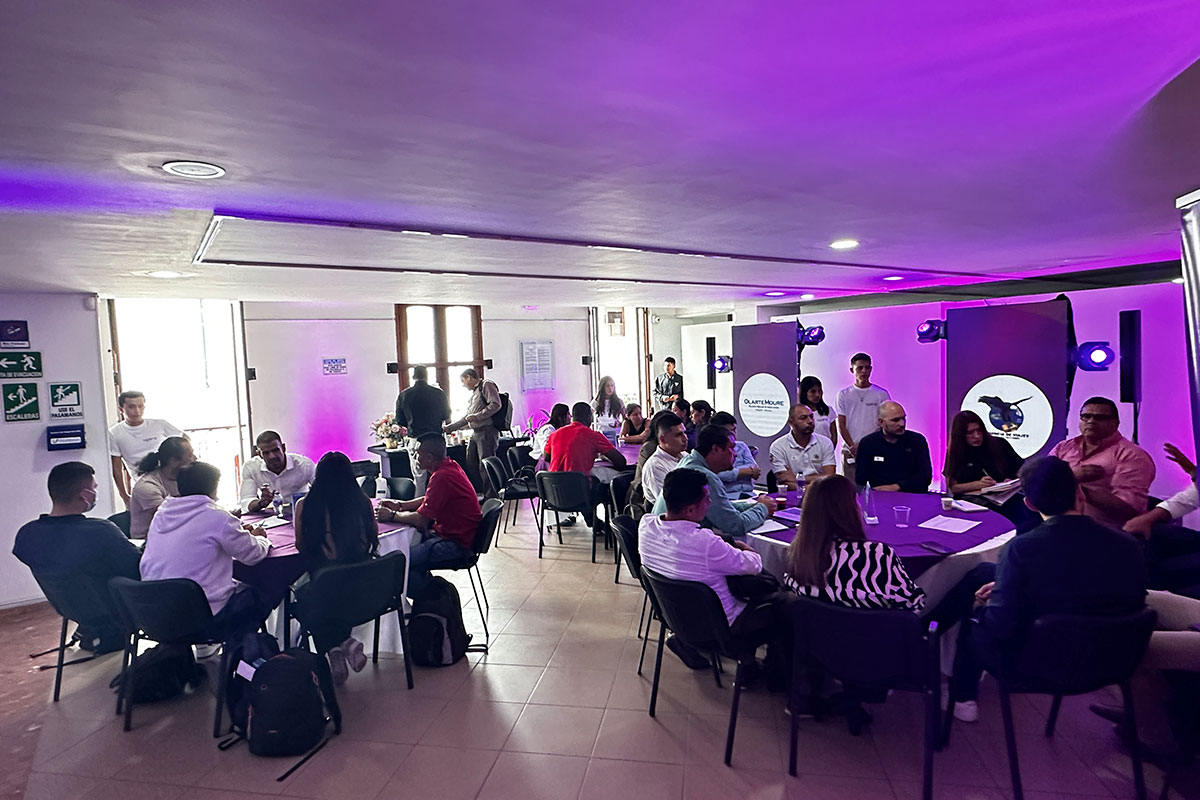
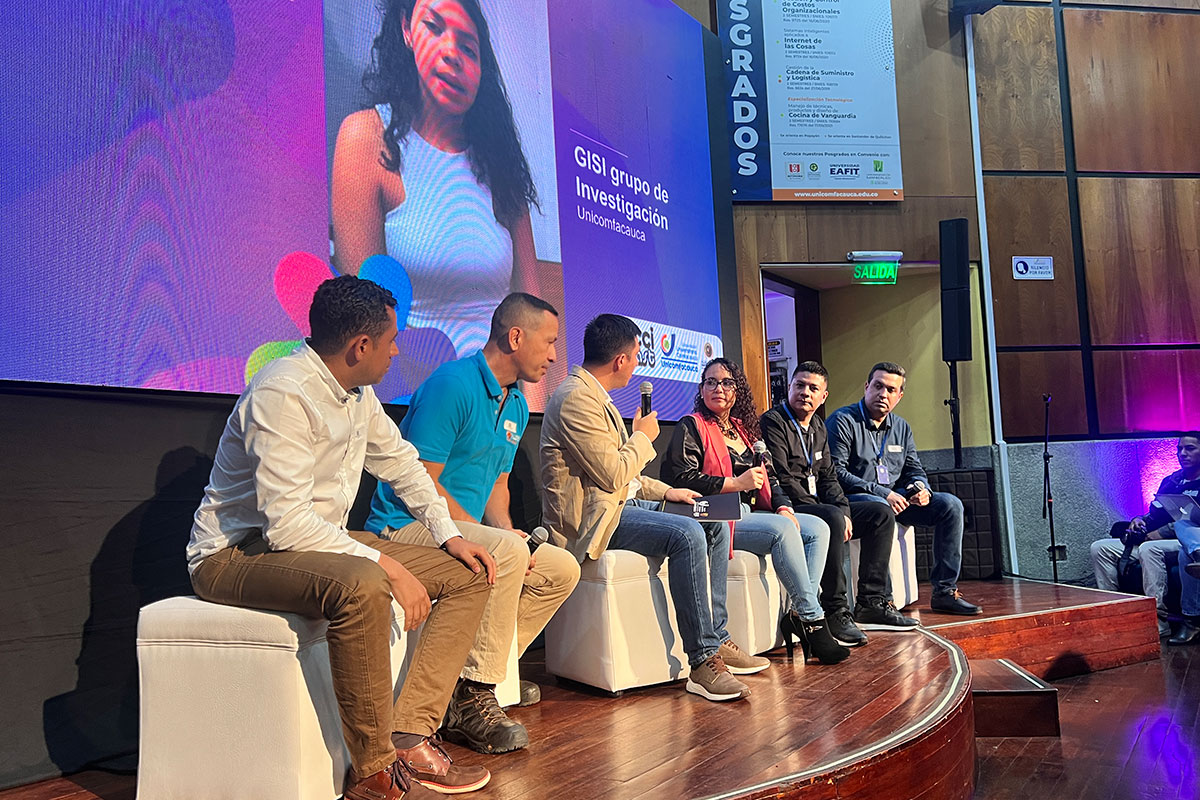
Fue el primer acercamiento entre IES aliadas y MiPyMEs beneficiarias.
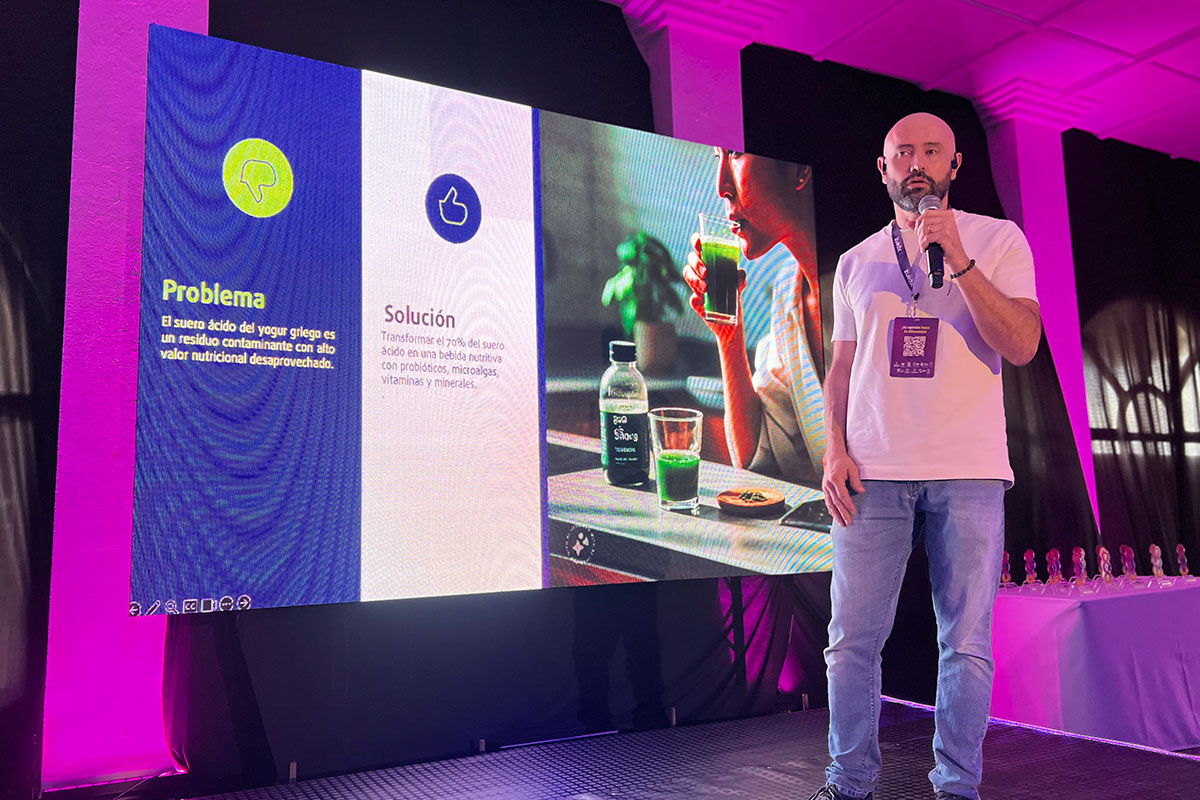
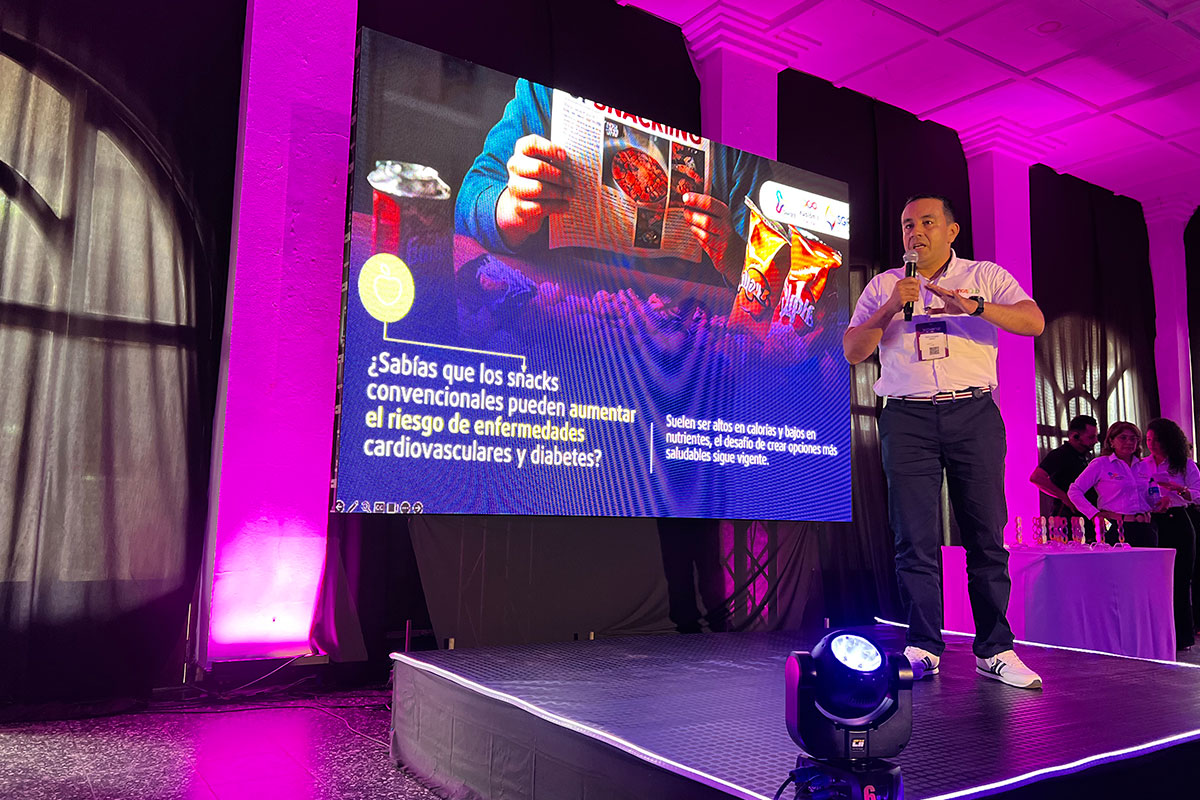
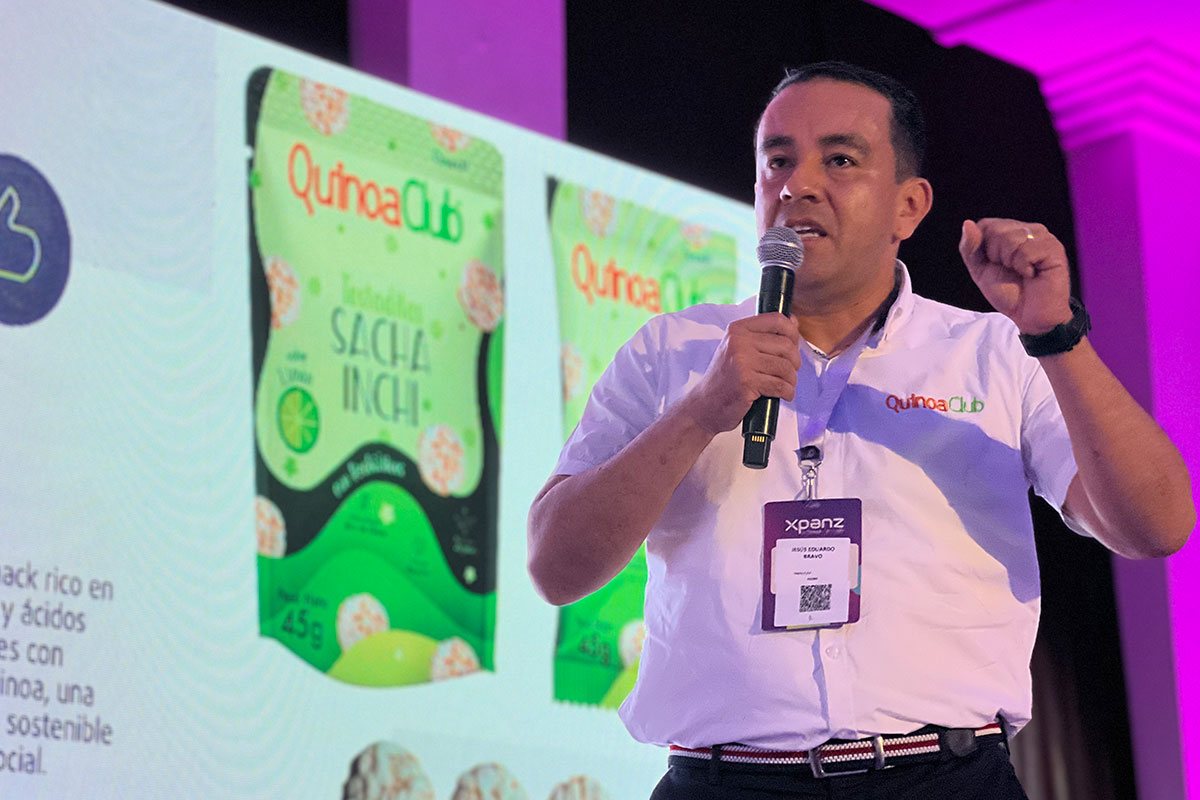
17 de estas MiPyMEs presentaron su Pitch, 11 tecnologías de las IES aliadas fueron presentadas en el Experience Day, las cuales tuvieron 28 validaciones pre-comerciales.
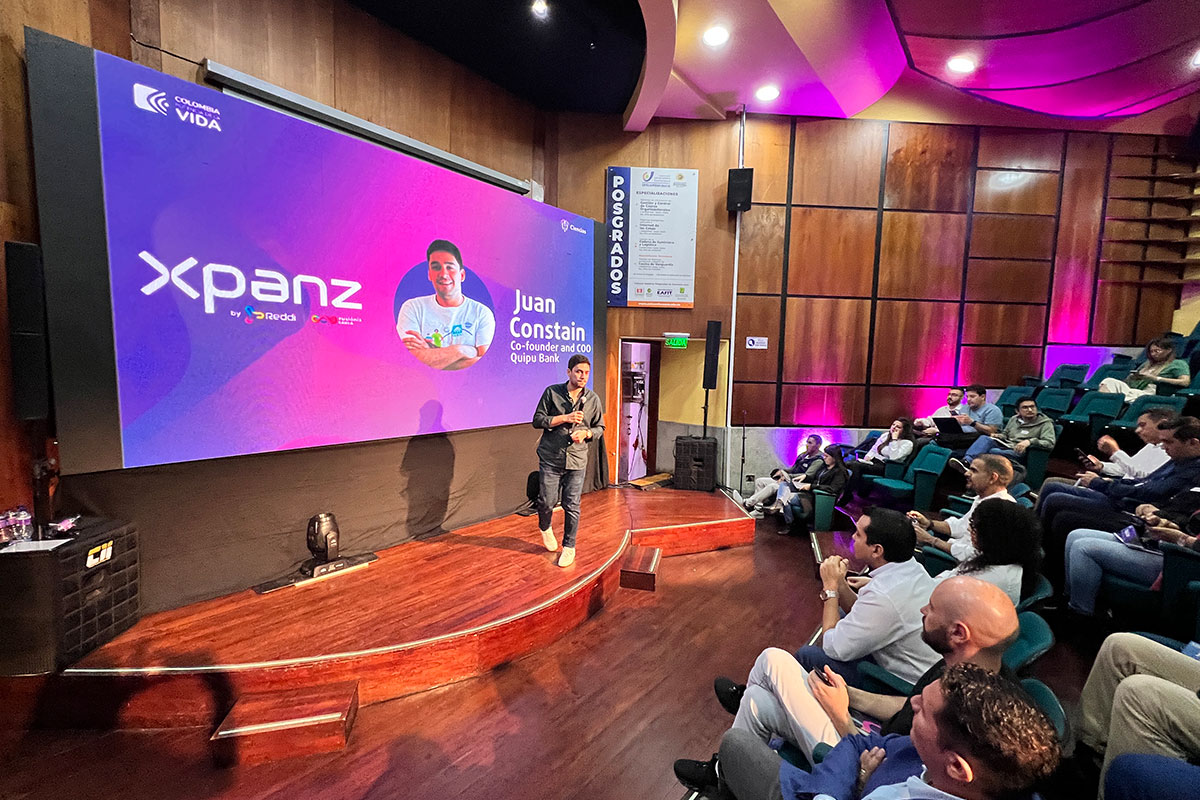
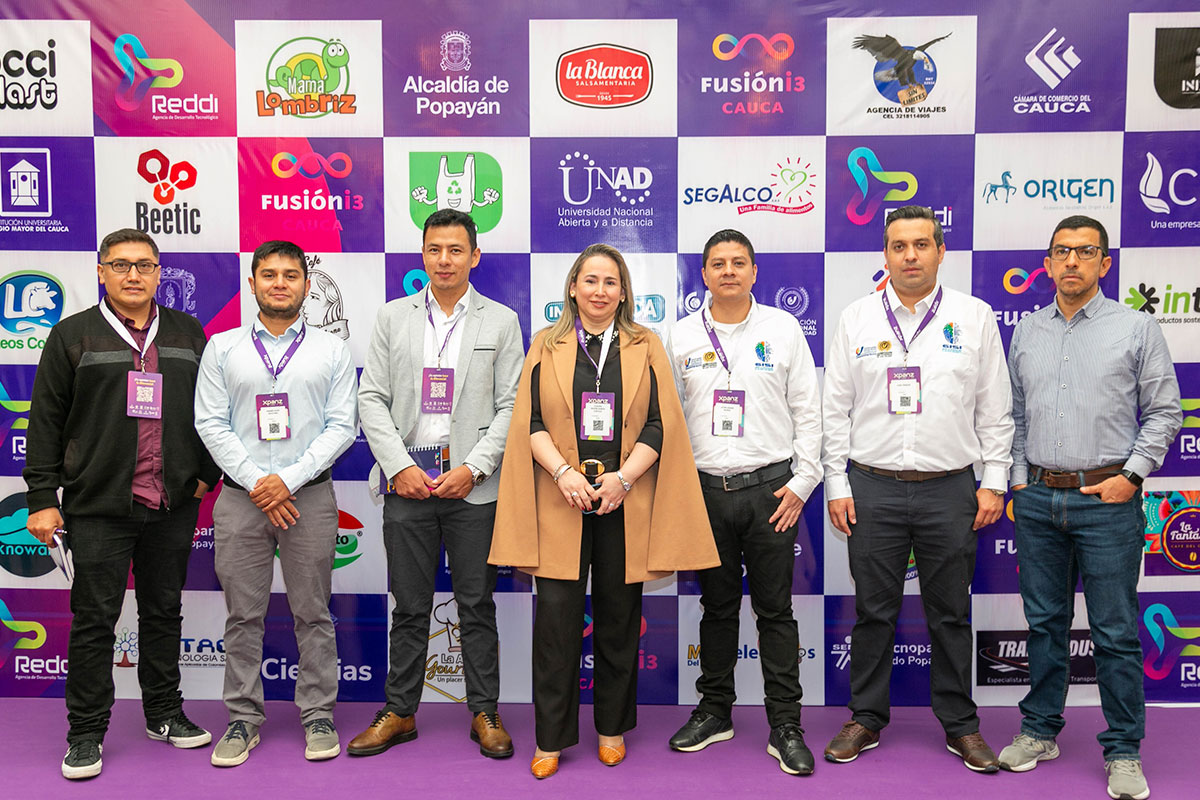
Xpanz en Cauca 2024
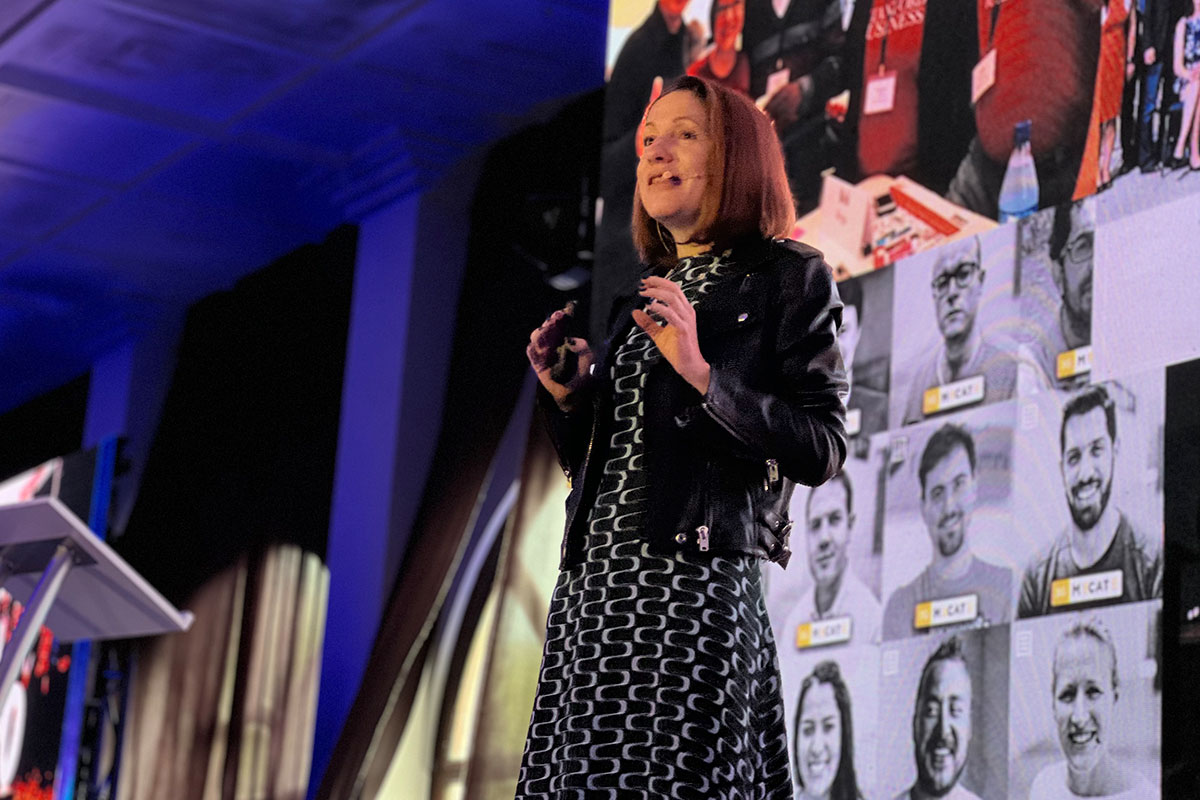
Conferencista principal
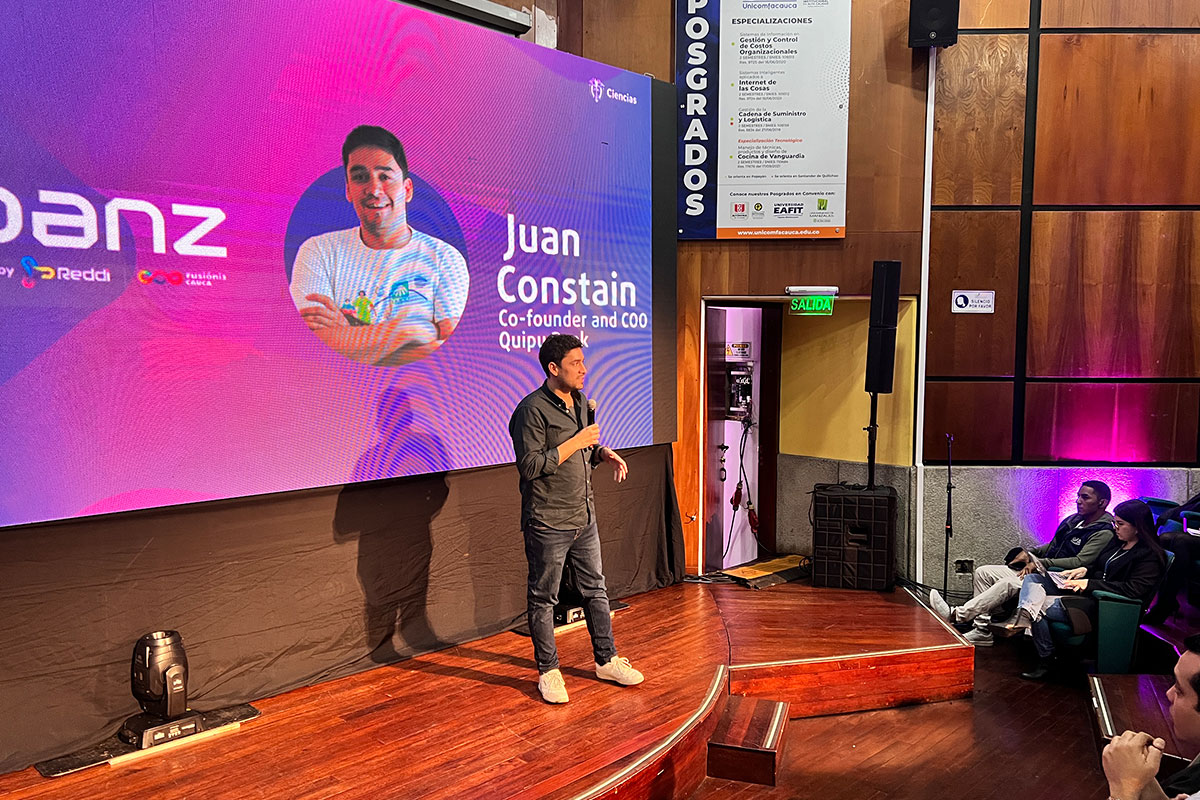
Juan Cristóbal Constain
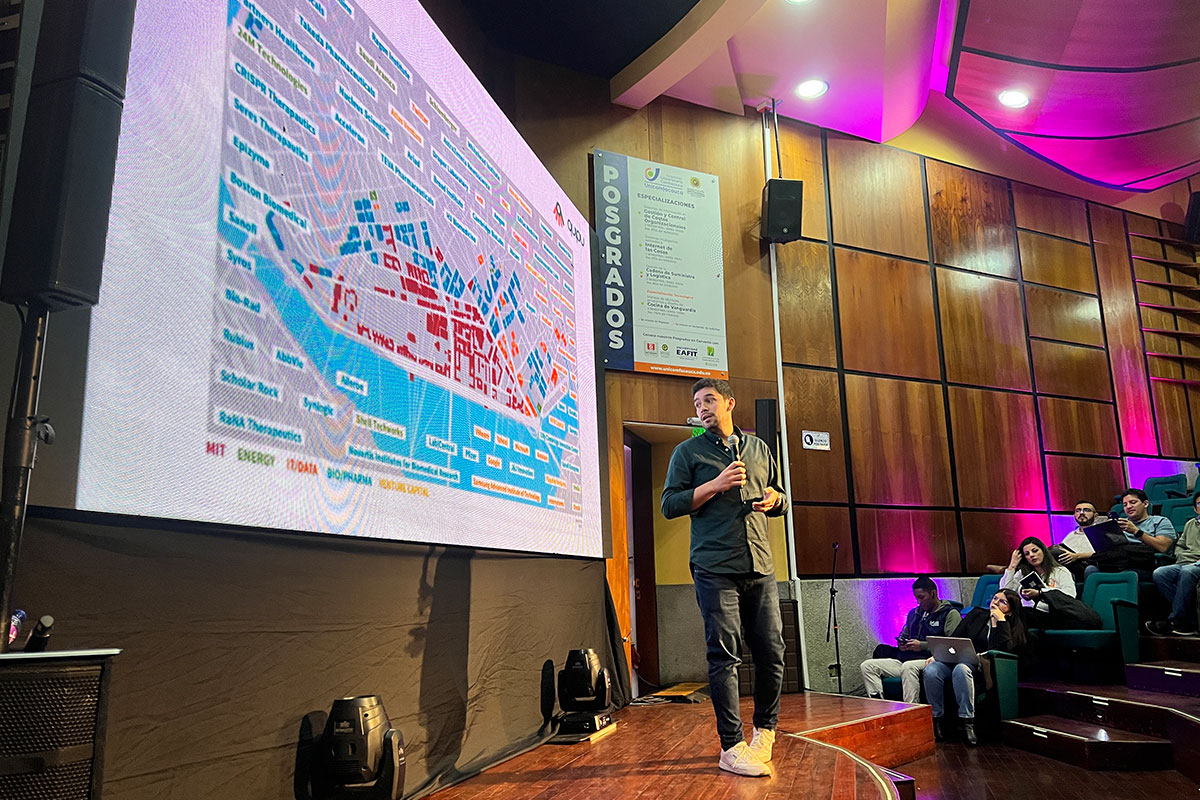
Conferencia: El camino de Quipu: de proyecto de investigación en MIT a fintech de inclusión financiera.
Cofundador y COO de Quipu Bank
Profesional en Gestión y Desarrollo Urbanos de la Universidad del Rosario, especialista en Derecho Urbano, y cuenta con una maestría en Planificación Urbana con énfasis en desarrollo económico del MIT. Como cofundador y COO de Quipu, una fintech de rápido crecimiento en Colombia, fue reconocido como Fellow del programa The Global Good Fund en 2023. Quipu ha recibido importantes reconocimientos de entidades como el Banco Mundial, Google, MIT, Forbes y Fast Company, consolidándose como un referente en inclusión financiera e innovación empresarial.
Xpanz en Valle 2024
Conferencista principal
Agustín Londoño
Director comercial de NotCo Colombia
Responsable de establecer la estrategia de negocio de NotCo en Colombia, en los frentes de Food Service, Retail. Administrador de negocios y especialista en mercadeo, con más de 25 años de experiencia liderando áreas de innovación en la industria de consumo masivo en Latinoamérica.
Xpanz en Cauca 2025
Conferencista principal
Claudia Aparicio
Conferencia: Efectos positivos de red.
CEO de Mentex y experta en innovación, reconocida entre los Top 100 gerentes de Colombia. Descubre cómo maximizar los efectos positivos de red y el impacto de la Alianza DeepTech en el fortalecimiento y escalamiento de startups en la región.
We use cookies to ensure that we give you the best experience on our website. If you continue to use this site we will assume that you are happy with it.