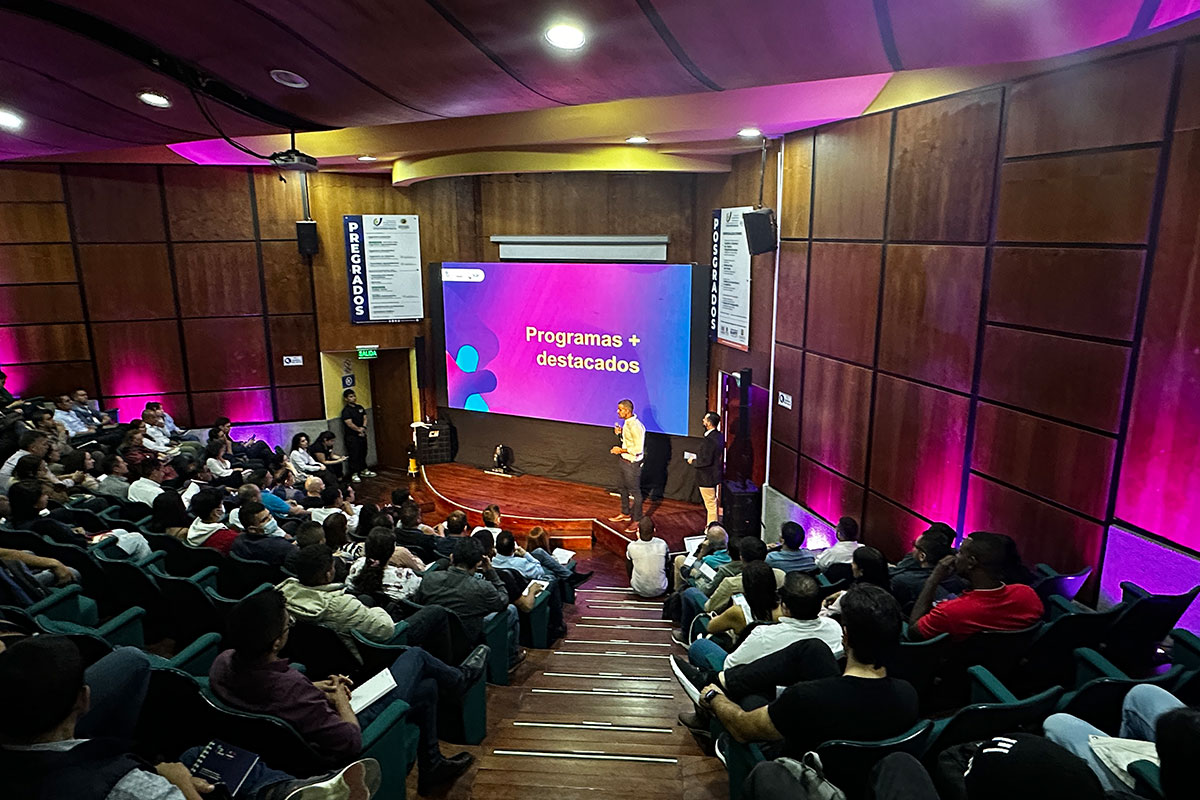
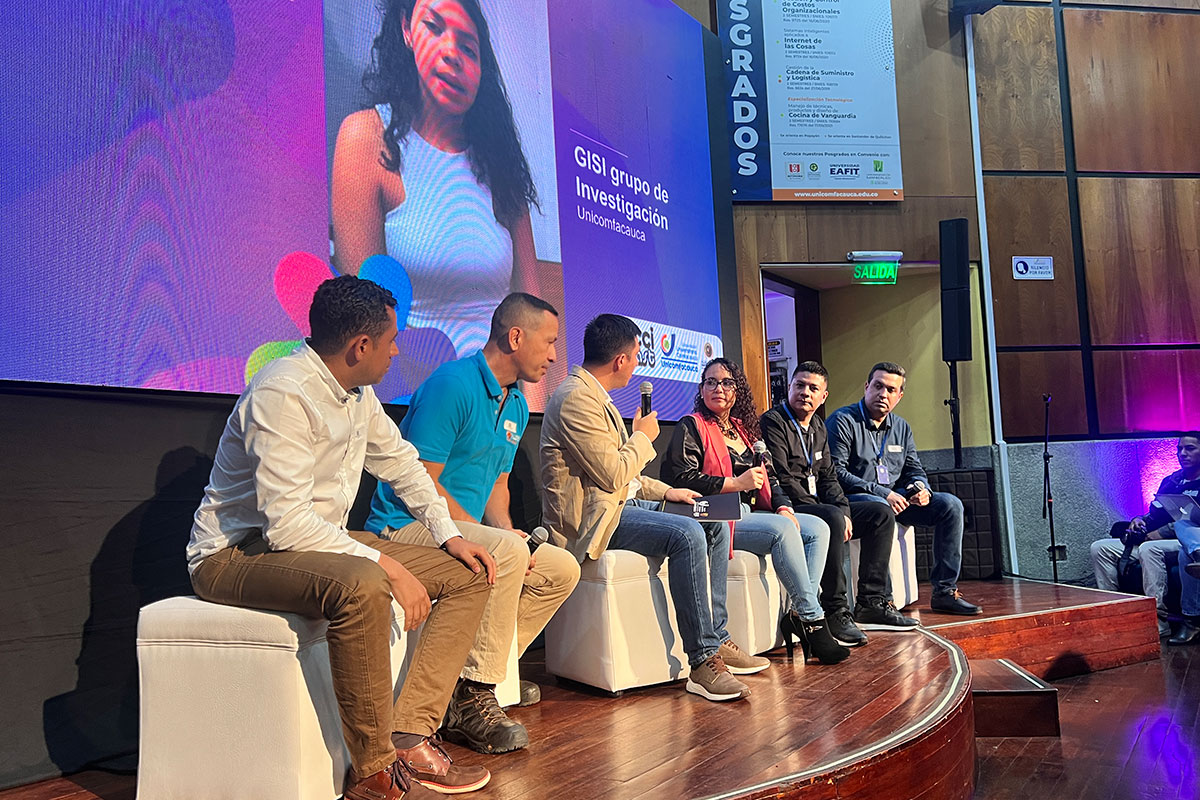
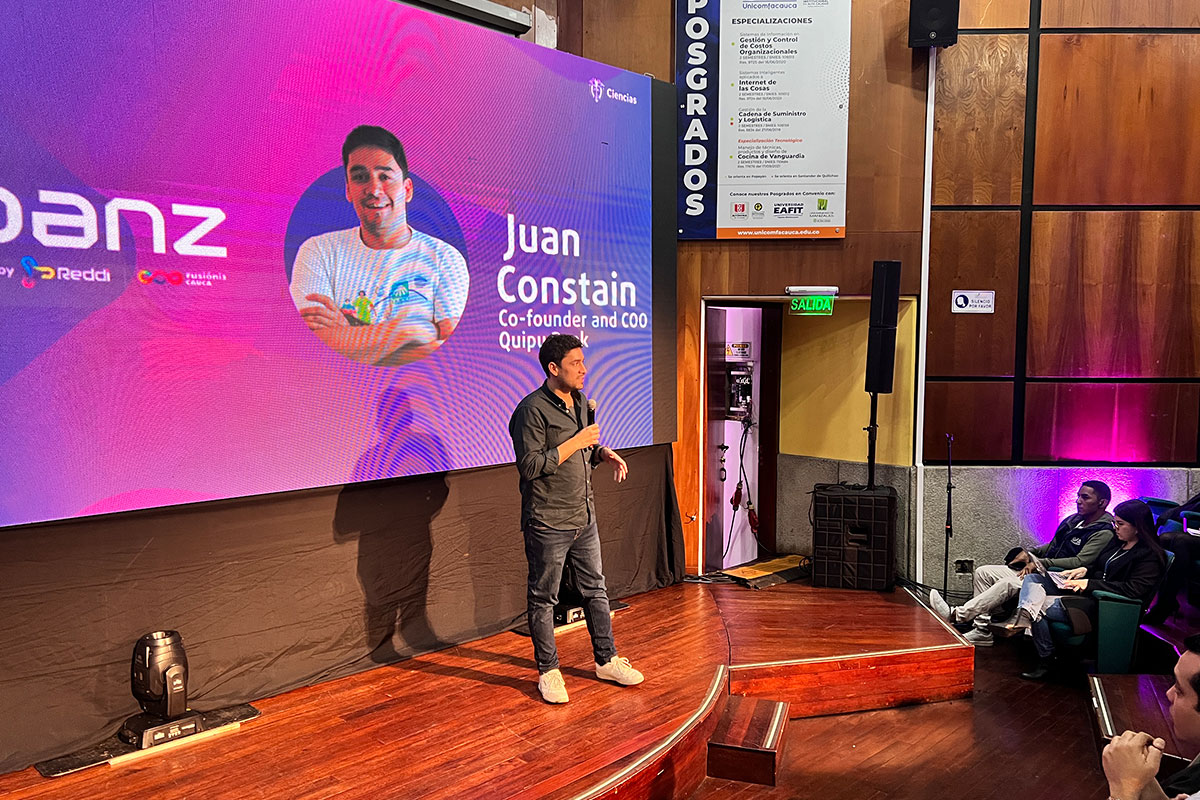
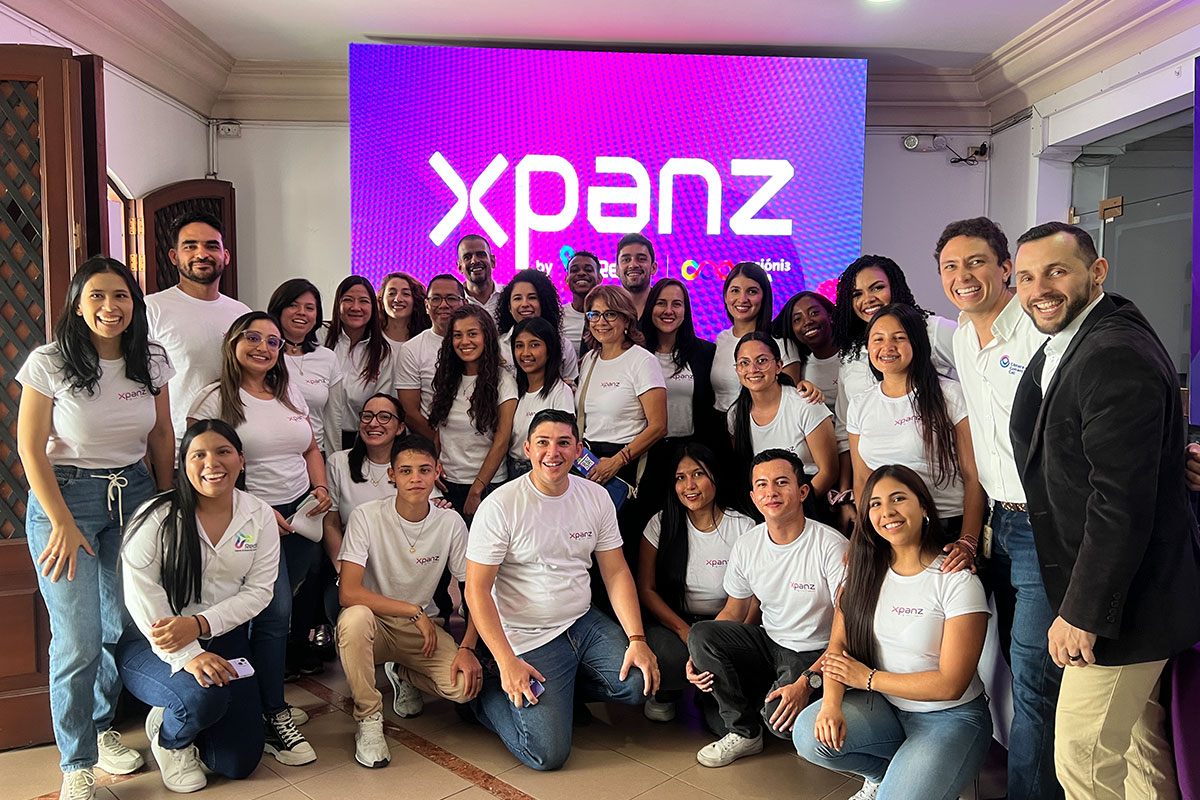
In Colombia, micro, small, and medium-sized enterprises (MSMEs) represent the heart of the business sector. Their capacity to generate employment, boost local economies, and adapt to new challenges makes them fundamental players in regional development. However, many of these businesses face significant challenges when seeking to innovate: limited access to technology, a lack of specialized resources, and barriers to connecting with knowledge ecosystems.
Given this scenario, strategic alliances between companies, Higher Education Institutions (HEIs) and knowledge transfer entities are becoming an essential tool to strengthen competitiveness and promote sustainable innovation processes.
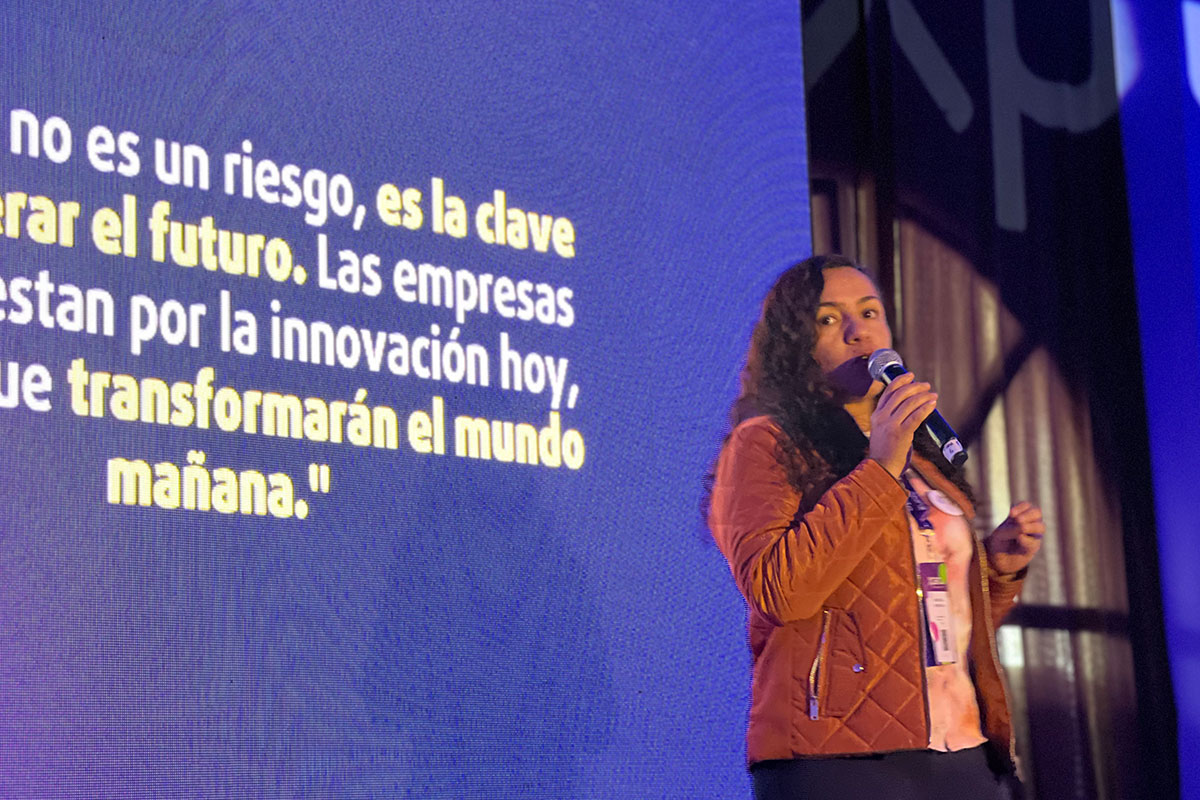
This reflection arises precisely from the scientific article “Strategic Alliances as Drivers of Sustainable Innovation in MSMEs in Cauca, Colombia” , developed by the Reddi Colombia team and published in the academic journal INGE CUC.
Innovating through collaboration
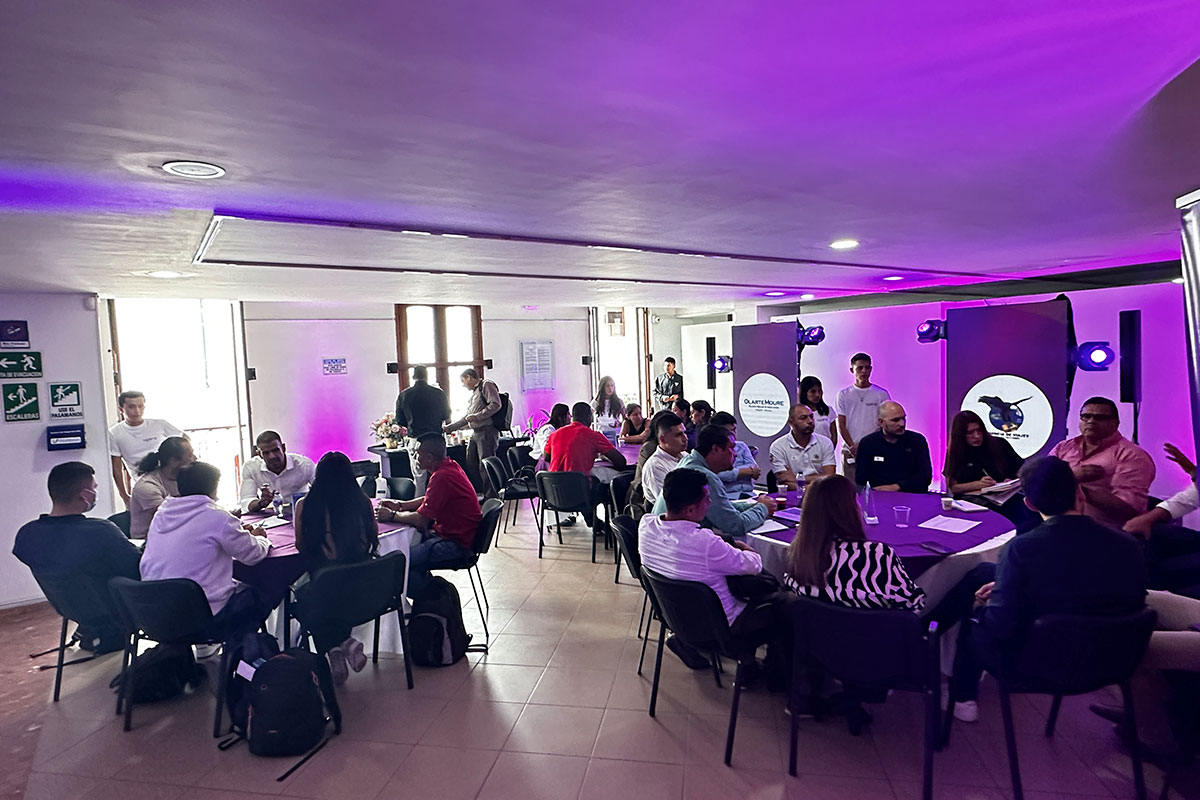
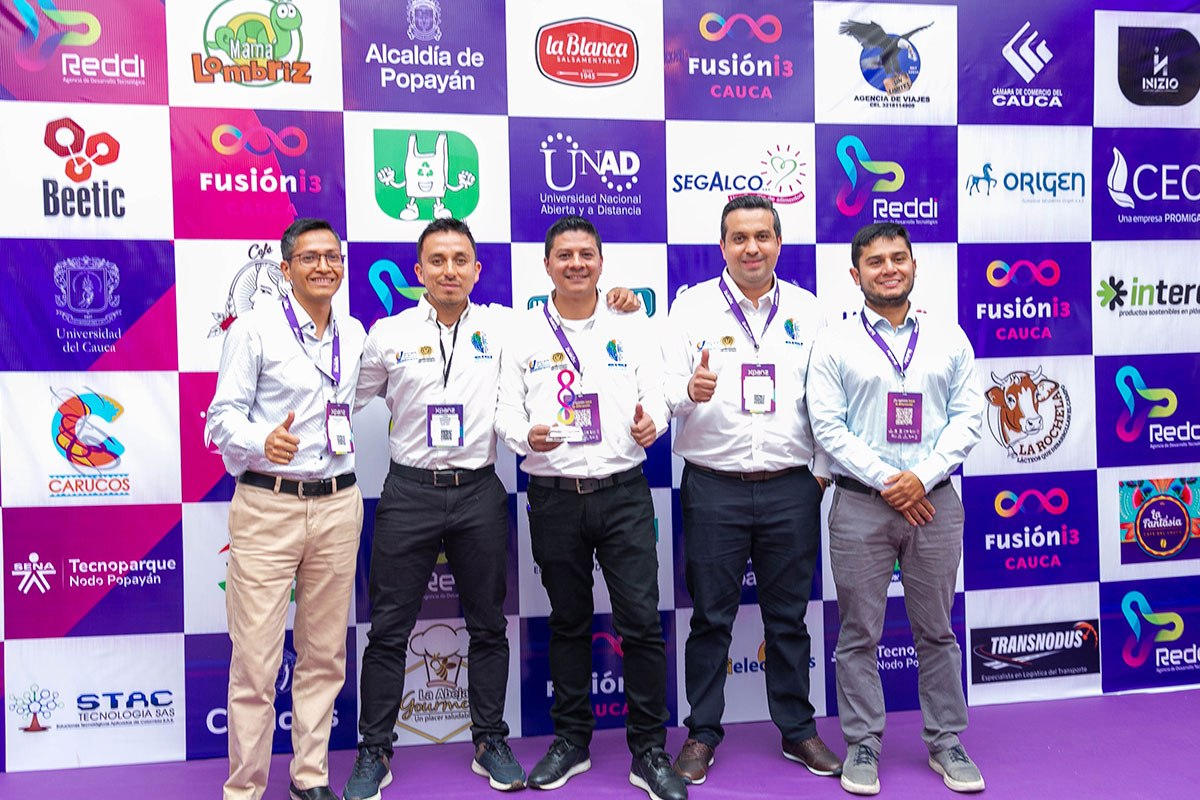
The study, developed within the framework of the Fusióni3 Cauca project, analyzed the innovation needs of 30 MSMEs from sectors such as agro-industry, manufacturing, commerce, tourism, construction and information technologies in the department of Cauca.
One of the main findings was that companies not only require access to new technologies, but also strategic support to strengthen internal capabilities that allow them to sustain innovation over time.
The research identified four fundamental pillars on which SMEs focus their main needs:
- Continuous improvement
- Technology management
- Product development
- Market positioning
These pillars demonstrate that innovation does not depend solely on incorporating technological tools, but on building more adaptive, efficient organizational processes oriented towards continuous learning.
The role of universities and innovation entities
The study also highlights the strategic role played by Higher Education Institutions and development and innovation entities within the regional ecosystem.
Universities contribute research capabilities, technical knowledge, and specialized human talent. Meanwhile, entities like Reddi Colombia facilitate connections, bring together stakeholders, and promote technology transfer processes that connect these capabilities to the business sector.
This relationship allows companies to access:
- Specialized training
- Consulting and technical support
- Applied research
- Product development and validation
- Digital transformation strategies
- Innovation and collaboration networks
Beyond addressing immediate needs, these alliances strengthen the ability of SMEs to adapt to dynamic markets and build sustainable competitive advantages.
Sustainable innovation: beyond technology
One of the most relevant aspects of the article is its approach to sustainable innovation. The concept is not limited to implementing new tools or processes, but incorporates social, economic, and environmental dimensions aligned with the Sustainable Development Goals (SDGs).
This implies promoting an organizational culture capable of:
- Continuous learning
- Adapting to change
- Incorporate sustainable practices
- Generate long-term value
In this sense, the sustainability of innovation depends as much on technology as on the ability of organizations to build collaborative relationships and strengthen their internal capabilities.
An ecosystem that is strengthened by connecting capabilities
The experience of Fusióni3 Cauca demonstrates that when knowledge is connected with the real needs of the territory, concrete opportunities are generated to transform companies and strengthen regional innovation ecosystems.
SMEs need allies that allow them to advance in transformation processes, while universities and innovation entities have the opportunity to bring their capabilities closer to the productive sector in a more strategic and applied way.

Ángela Castro
Jefe de proyectos
At Reddi we believe that innovation happens when capabilities connect and generate real opportunities for collaboration, growth and sustainable development.
Because strengthening innovation in the regions is not just about promoting new technologies: it’s about building networks of trust, knowledge transfer, and collaborative work that allow more companies to innovate, grow, and remain competitive over time.
Authors : Ángela María Castro-Rodríguez, Laura María López-Castrillón, Catalina Rúa-Gómez and Miguel Ángel Piedrahita Triviño