This is exciting news for the research community in Colombia, as the Universidad Autónoma de Occidente and the Universidad del Valle have received an international patent from the United States Patent and Trademark Office (USPTO) for their advancement in regenerative medicine.
The innovative Flexible Tissue Regeneration Implant, which functions as a heart tissue regenerator patch, has been recognized for its potential impact on cardiovascular health as it has the ability to regenerate heart tissue, facilitating the recovery of damaged areas and reducing the risk of chronic heart failure after a heart attack.
Paola Andrea Neuta, a professor at the Faculty of Health at the University of Valle, expressed the significance of this patent in terms of global reach: “Obtaining this patent is of great importance because it opens up the possibility of non-pharmacological treatment for people suffering from morbidities that diminish their quality of life as a consequence of a myocardial infarction. This doesn’t only happen in our country, but it is a global health problem, so for us it is very satisfying to demonstrate that in Colombia high-level research can be done that could solve a global problem.”

The regenerative patch contains a combination of specialized cells that work together to repair heart tissue. These cells are suspended in a gel-like biomaterial, designed to keep them alive while they integrate with the damaged heart tissue and carry out the recovery process.
Álvaro José Rojas, director of the Master’s program in Product Development Engineering at UAO, explains that the patch is composed of a collagen matrix created using 3D printing and is precisely applied to the damaged tissue. This technique allows for customization of the patch, adapting it to the patient’s anatomical characteristics and needs.
The creation of this biodevice was led by a multidisciplinary team of experts, including Álvaro José Rojas Arciniegas from UAO, Paola Andrea Neuta Arciniegas, and José Oscar Gutiérrez Montes from Universidad del Valle. Legal support and collaboration from the Research Results Transfer Office at Universidad del Valle, along with the Vice-Rector’s Office for Research, Innovation, and Entrepreneurship at UAO, were essential to the success of this pioneering project.
The Universidad Autónoma de Occidente (UAO) prioritizes the protection of intellectual property, providing comprehensive support to its professors in patent applications both in Colombia and abroad. Alexander García Dávalos, Director of Innovation Management and Transfer at UAO, emphasizes: “Our Vice-Rectorate for Research, Innovation, and Entrepreneurship supports faculty throughout the entire process. Obtaining this international patent reinforces the leading position of these experts from Cali in the field of regenerative medicine and promises a more hopeful future for those suffering from heart problems.”
Fuente: Universidad Autónoma – Red Universitaria Mutis

Superintendence of Industry and Commerce grants patent for invention for the development of morphological models in minimally invasive surgery.
An interdisciplinary team comprised of Valentina Corchuelo Guzmán, Pedro José Villamizar Beltrán, Marcela Tejada Reyes, and Stephanie Ordoñez Medina has obtained a patent from the Superintendency of Industry and Commerce for an innovative procedure in the field of minimally invasive surgery. This procedure involves creating morphological models with pathological characteristics to improve training in laparoscopic surgery.
The design and manufacture of the anatomical models relied heavily on the integration of two key elements: computer-aided manufacturing and the use of polymers. Computer-aided manufacturing enabled the precise creation of anatomical models with the desired characteristics and pathologies. The appropriate selection of polymers ensured that the models were more realistic in appearance and texture, resulting in high-fidelity anatomical models that significantly contribute to the development of surgeons’ skills during laparoscopic surgery training.

Developing surgical skills in minimally invasive procedures is crucial and requires thorough and progressive training. In this context, the creation of anatomical models that accurately represent anatomical structures and various pathologies plays a fundamental role. These models provide a realistic representation that facilitates the development of surgical techniques closer to reality. As a result, surgeons can improve their skills and abilities, leading to safer procedures on real patients.
The project originated as an educational innovation initiative in health from the Javeriana Cali Simulation Hospital. The interdisciplinary team, leveraging the experience and knowledge of professionals in the fields of health and engineering, worked collaboratively to address technical challenges and ensure that the anatomical models developed met the required standards.
Source: Javeriana University Cali

Ubicu, a medical device supporting respiratory physiotherapy for remote prescription and medical monitoring of the user, obtained a commercial license, being the first technology developed at Javeriana Cali to receive this designation.
The proposed system was developed in collaboration with the University of Valle and uses technology through gamification to encourage physiotherapy on a mobile device, measures inspiratory flow, and allows the physiotherapist to prescribe and receive the results of physiotherapy remotely.
This milestone aims to foster collaboration with the business sector and promote technological development within the academic community. Furthermore, it represents a significant step toward driving innovation to create solutions that improve people’s quality of life.
It is worth noting that commercial licensing is a process by which the university authorizes an external company to use, manufacture, and market an innovation developed by its researchers.
According to Jaime Aguilar, professor and researcher in the Department of Electronics and Computer Science, “this product license is crucial due to the effort and interdisciplinary work involved in its development. We conducted a patent review and found no similar systems that meet the needs of users and healthcare professionals,” he commented.
This process was supported by Melissa Ramírez, tech manager for Ubicu technology, who assisted with the technical and commercial scaling, as well as outlining the licensing roadmap. For her, “the feeling is very rewarding because it’s a long and arduous undertaking where the main objective was always to transform the device from a university research project into something marketable, something that could be included in a company’s portfolio,” she explained.
A key aspect of this initiative is that it allows technology to move from academia to the market, opening new opportunities for collaboration with the business sector and generating revenue that can be reinvested in technological development, thus fostering a virtuous cycle of continuous innovation. Santiago Lozano, manager of Prompack, the company that licensed the technology, explained that “the partnership with Javeriana University in Cali regarding technological development and licensing has been fundamental for us. At PromPack, we understand that we cannot develop an innovative, comprehensive product that can generate value in the market on our own. With the University’s research capabilities, we have been able to develop the necessary prototypes to test and validate their effectiveness and performance, always seeking to generate value for the market or the end user.”
The Innovation and Entrepreneurship Center (CIE), through its Technology Transfer Route, has become a valuable support for the commercial licensing process, helping to promote technology transfer and fostering collaboration with the business sector. These actions have become a key pillar for bringing these types of innovations to market.
For Víctor Rodríguez, Transfer Coordinator at the CIE, “the licensing process represents one of the most outstanding achievements in our Transfer Roadmap. By joining forces, we can leverage the knowledge and resources of both sectors to achieve significant progress and generate a positive impact on society. We hope this initiative inspires the Javeriana community to continue positioning the University as a leader in technological development through innovation.”
Source: Javeriana University Cali
El Centro de Innovación y Emprendimiento, CIE, a través de la Ruta de Transferencia, se ha convertido en un apoyo valioso para el proceso de licenciamiento comercial, pues ayuda a impulsar la transferencia tecnológica y fomenta la colaboración con el sector empresarial. Estas acciones se han convertido en un pilar clave para llevar este tipo de innovaciones al mercado.
Para Víctor Rodríguez, coordinador de Transferencia del CIE, “el proceso de licenciamiento representa uno de los logros más destacados en nuestra Ruta de Transferencia. Al unir fuerzas, se pueden aprovechar los conocimientos y recursos de ambos sectores para lograr avances significativos y generar un impacto positivo en la sociedad. Esperamos que esta iniciativa inspire a la comunidad javeriana a seguir posicionando a la Universidad como un referente en el desarrollo tecnológico a través de la innovación”.
Fuente: Universidad Javeriana Cali
At Reddi, we seek to create a more innovative region, and that is why we partnered with Conexión Israel, an Israeli company with more than ten years of experience generating synergies with Latin America, to create the Israel Technology Mission 2022, a comprehensive immersion experience in the innovation ecosystem in Israel that allowed us to learn firsthand about the best practices and lessons learned from the main private, public and academic entities, as well as generate valuable connections with the Israeli ecosystem, distinguished by its innovation in areas such as high technology, medicine, agriculture, computing, cybersecurity and information.
The mission took place between November 5 and 12, 2022, and included the participation of the companies Red ValleSalud, Clinica Campbell, AgroAtlantida, Agrotechnology, Axon-lotl SAS and representatives from Universidad del Valle, Universidad Icesi and Universidad Ean.

Israel es uno de los países más innovadores del mundo – no en vano es conocido alrededor del mundo como la “Nación Start-Up” y personas de todo el planeta llegan a Israel para conocer el secreto detrás de su éxito en las últimas décadas.
La innovación israelí ha estado cambiando el mundo a través de los años, siendo responsable de algunas de las tecnologías más disruptivas y revolucionarias en áreas como alta tecnología, medicina, agricultura, computación, ciberseguridad e información.
A pesar de ser un país con solo 9 millones de habitantes y 73 años de existencia, el modelo israelí y su ecosistema se han convertido en referencia para el mundo entero.
The trip lasted eight days, from November 5 to 12, 2022, with a packed agenda of business visits, conferences, talks and tours specially designed to make the most of every minute of their stay in Israel.
During the experience we visited leading companies and academic institutions in innovation such as:
Kinneret Innovation Center: Israel’s leading technology center for agriculture, water, and sustainability. KIC fosters the ideal environment for competitive growth and the acceleration of water and agricultural technologies. By bridging the gap between academic, industrial, and agricultural communities, KIC enables startups and key corporate players to develop advanced technological solutions.

Tytocare: A company dedicated to creating medical hardware and software devices for telemedicine applications. Tytocare is a home-based primary care device.
FDA approved, allowing you to have guided medical exams with a healthcare provider.
It features an easy-to-use application and a dashboard that allows the doctor to monitor some variables in real time to provide a live picture and data flow from the patient to the doctor.

The Weizmann Institute of Science is one of the world’s most renowned multidisciplinary research institutions. Recognized for its broad scope of exploration in the basic sciences, the Institute is home to approximately 2,500 scientists, laboratory technicians, and students. Its mission is to express, represent, foster, and promote Israeli innovation, disseminating it both near and far, and through it, to bring about peace, prosperity, and growth.

The Peres Center for Peace and Innovation is an independent non-governmental organization founded in 1996 by Nobel Peace Prize laureate and former President of Israel, Shimon Peres. The Center describes its mission as “building an infrastructure of peace and reconciliation for the peoples of the Middle East, promoting socio-economic development while advancing cooperation and mutual understanding… The programs are designed to empower the populations of this region to actively participate in peacebuilding in order to advance the creation of a real, effective, and lasting peace.”

Biobee: is a unique company that mass-produces beneficial insects and mites, and implements the technology in agricultural crops; these organisms act as natural enemies and function as biological pest controllers in around 32 different countries around the world.

Yissum: It is the technology transfer center of the Hebrew University of Jerusalem, responsible for important technological successes and innovative developments. |

Mobileye: is a company that develops autonomous driving technologies and advanced driver assistance systems that include cameras, computer chips and software.

UNITED HATZALAH
A social innovation enterprise in the public health sector that has expanded globally. It is the largest independent, non-profit, and entirely volunteer-run emergency medical services organization, utilizing cutting-edge technology and a unique model to respond to emergencies nationwide in under 3 minutes.

Essence is a global provider of IoT cybersecurity and connected life solutions for communication, security, and healthcare service providers, serving homes and small and medium-sized businesses.

Essence – Herzliya
Essence is a global provider of IoT cybersecurity and connected life solutions for communication, security, and healthcare service providers, serving homes and small and medium-sized businesses.

Additionally, the delegation that participated in the technology mission was able to access a PRE-TRIP TRAINING consisting of 7 pre-recorded training modules with 19 of the main references of the Israeli ecosystem.
Below, we share some photographs of the visits made and of the delegation participating in the Israel 2022 Technological Mission, and we hope that many more missions like this one will follow worldwide.


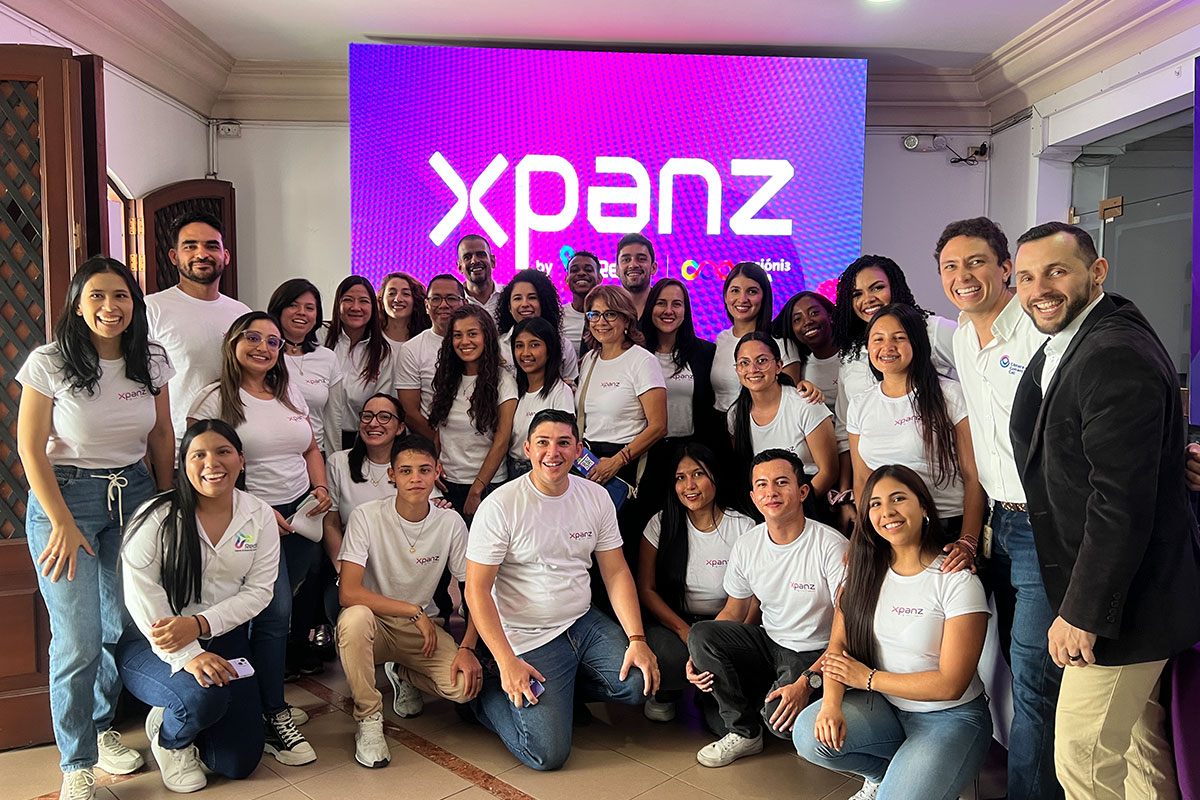
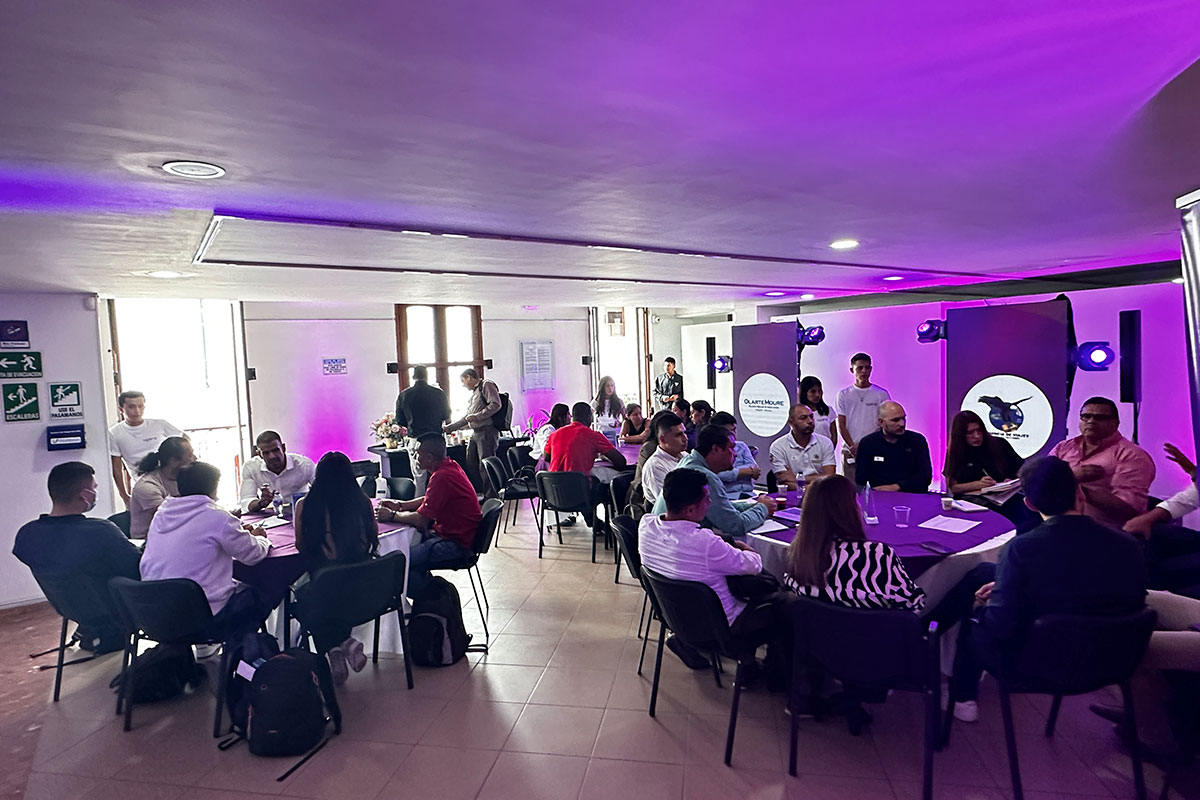
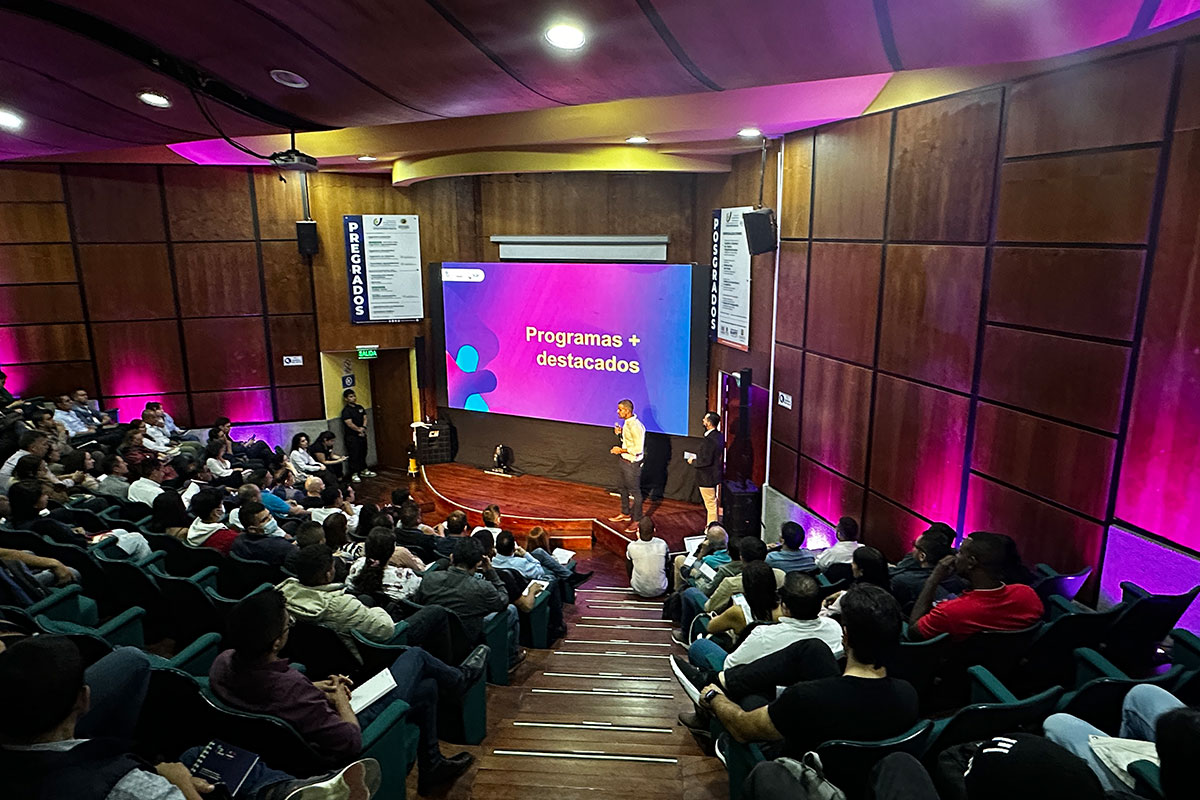
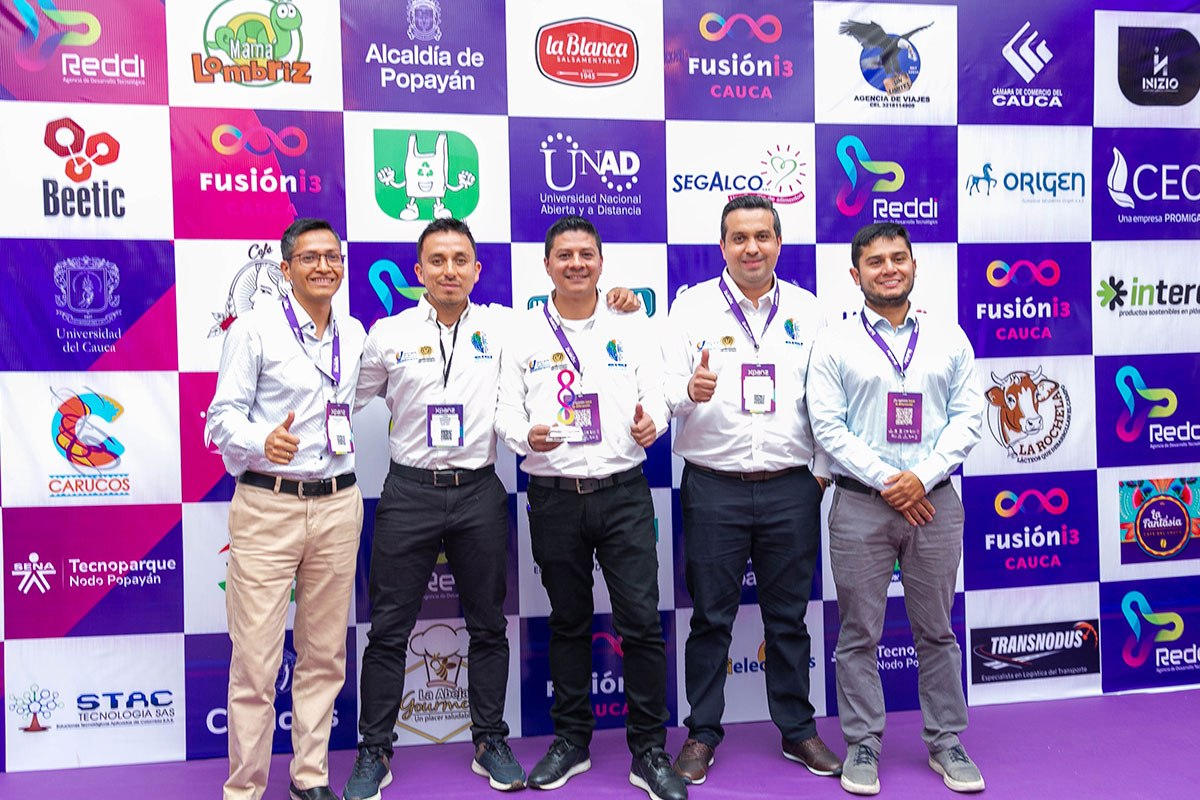
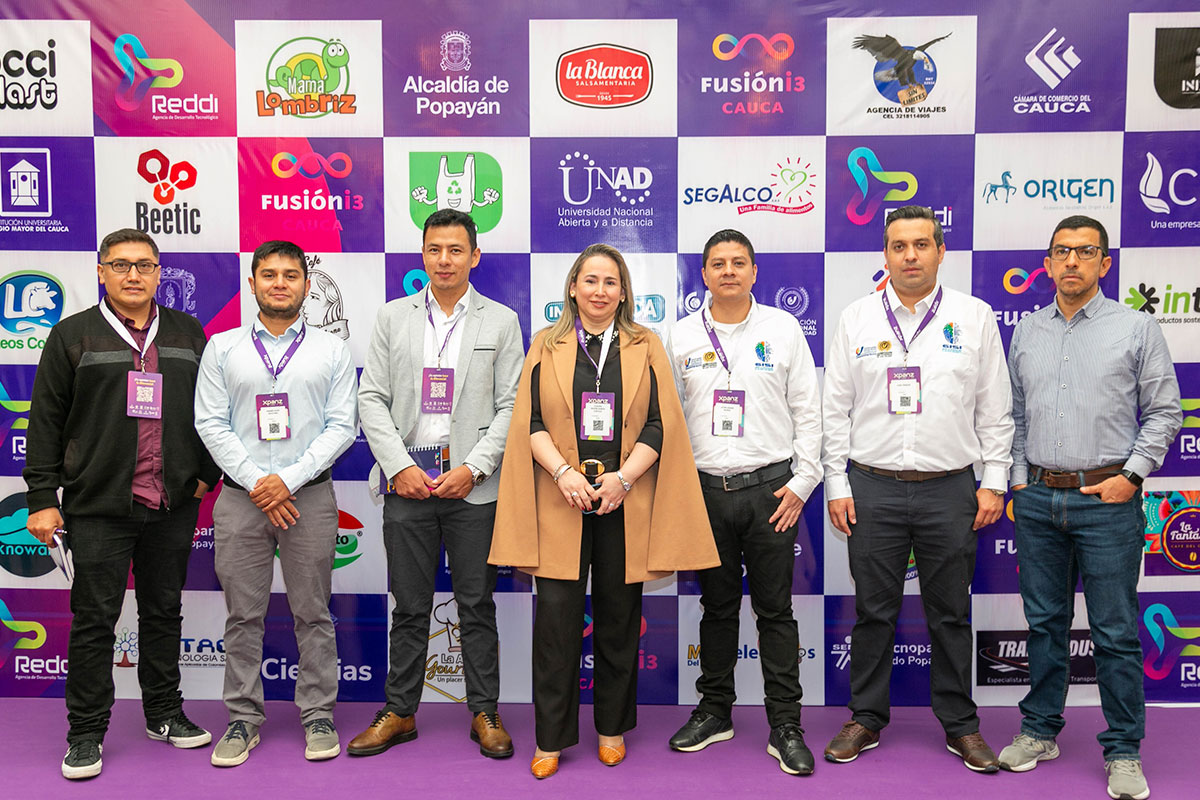
The Fusióni3 Cauca project was successfully presented, which aims to increase innovation levels in MSMEs by leveraging the results of research groups from Higher Education Institutions in the Cauca department, and the call for applications for the project’s beneficiary companies was launched.
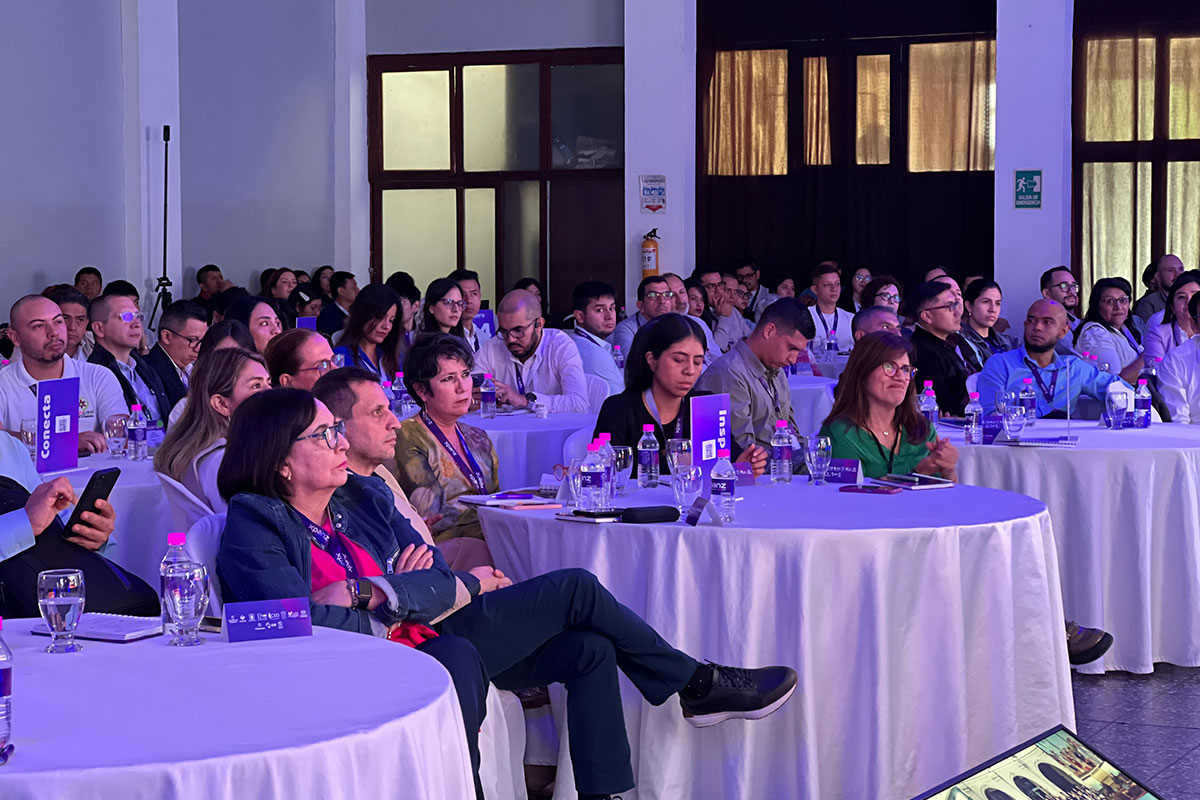
This event took place on the 27th of this month, in the auditorium of the Cauca Chamber of Commerce in the morning and was attended by more than 160 people who were informed about the scope of each of the work fronts: strengthening of the IES – Connection of MSMEs – Research groups and Strengthening of innovation in companies.

Claudia Cepeda Benito, science and technology manager from Minciencias, was present and shared with us the Index indicators, the innovation needs, and the business programs that are being worked on in Cauca.
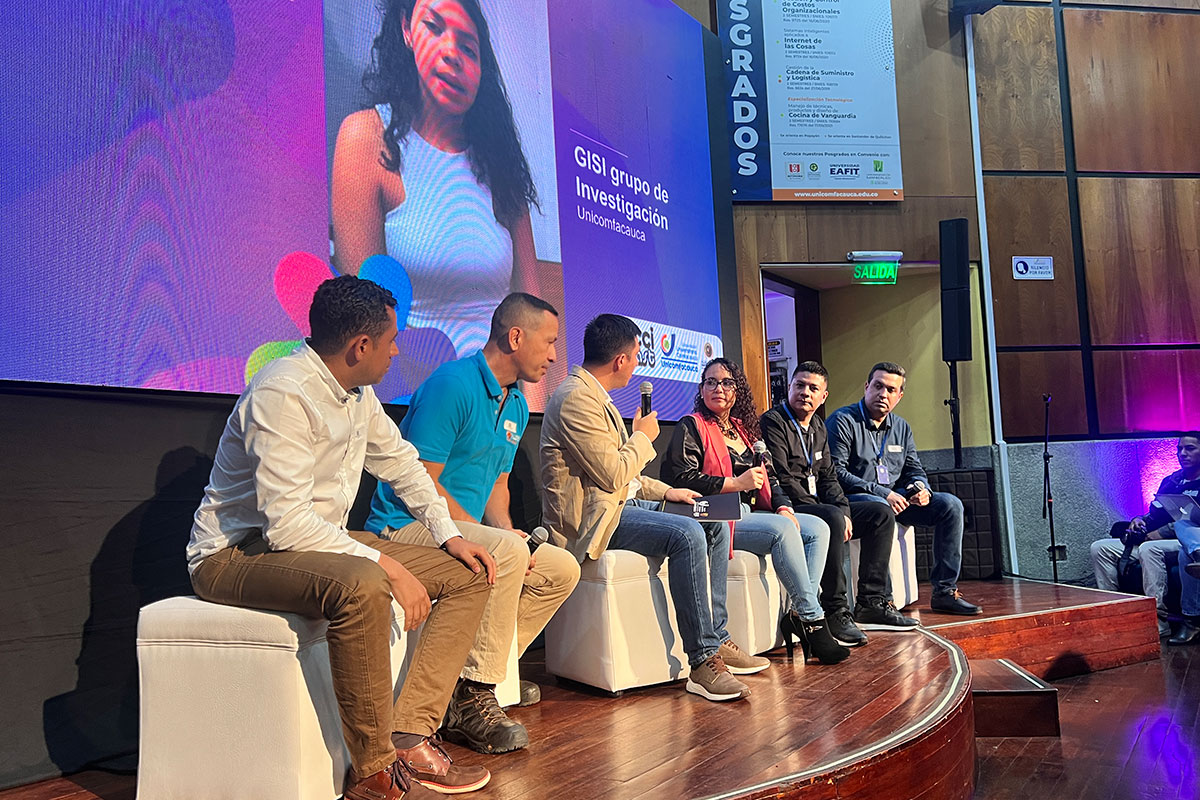
As part of the agenda, the panel discussion “Science and Innovation as an Engine for Rapid and Sustained Growth of SMEs” was held. Participants included Juan Carlos López Castrillón, Mayor of Popayán; Cesar Augusto Becerra Campo, Director of Promotion and Development at the Cauca Chamber of Commerce; Julio Mejía, Director of Science, Technology, and Innovation at Unicomfacauca; Cerbulo Cifuentes, Head of the Vice-Rectorate for Innovation and Entrepreneurship at UNAD; Didier Córdoba, Director of the Center for Innovation and Business Development at Unimayor; Deibar Rene Hurtado, Rector of Unicauca; and Jorge Millán, Director of Innovation at Compañía Energética de Occidente. Each participant was able to interact and make important and valuable contributions to the project’s development and ensure its success.
The call for applications for the 30 beneficiary companies from sectors such as agriculture, agribusiness, construction, commerce, tourism, and ICT was launched in this space, where each of the attending entrepreneurs was able to identify with the project’s objective and understand its terms, conditions, and timeline, which can also be consulted at www.reddicolombia.com/fusioni3
Special thanks are due to the project partners: Universidad del Cauca, Universidad Nacional Abierta y Distancia, Colegio Mayor del Cauca, Corporación Universitaria Comfacauca, Alcaldía de Popayán, Compañía Energética de Occidente and Cámara de Comercio del Cauca for their commitment to promoting the transfer of technology and knowledge with the project and to all attendees.

Every company entering a market faces a competitive and ever-changing environment, forcing it to adapt, be flexible, and even change its processes, products, or services. It seeks to anticipate countless variables that affect the market, constantly evolving and improving its competitive edge to avoid disappearing. This evolution is nothing other than innovation.
As we can see, innovation plays a crucial role in the competitiveness of an economy, where innovative companies are recognized in the market for their ability to grow profitably, sustainably, and generate economic development for society.
But innovation is just the tip of the iceberg. Behind technologies like plasma televisions lies scientific and technical knowledge that enables the creation of these products. At the first stage was science and research, where we generate new knowledge with or without an immediate application. For example, the scientists who began studying plasma weren’t sure what kind of applications it might have. At the second stage, this knowledge is applied to the creation or improvement of services, processes, or products, which is known as technological development. Here, the study of plasma allowed for the development of solutions in different industries—automotive engineering, electronics, medical, and aerospace. Finally, innovation takes these solutions and introduces them to the market. In our example, this results in the development of products we know: plasma televisions, the manufacture of microcircuits through plasma deposition or erosion (multilayer treatments), and plasma-treated fabrics that repel moisture.
In Colombia, universities are strong in research and technological development; nine of the ten institutions that patent the most in the country are universities. In the Pacific region, we have examples across various industries and sectors. Many are likely unaware that the Pontifical Javeriana University in Cali developed a rapid COVID-19 test that is more accurate than traditional tests, or that the Autonomous University of Western Colombia and the University of Cauca each have environmentally friendly solutions to replace plastic. These and other solutions need companies to bring them to market.
Companies, for their part, face challenges that can be addressed through science and technology. This is the case for the companies in the Macrosnacks cluster initiative and the Clinical Excellence initiative of the Cali Chamber of Commerce. The former are seeking solutions to improve the supply of raw materials in the agribusiness sector, while the latter are exploring ways to accelerate the production and pre-validation of medical devices.
With the goal of connecting academic efforts with the needs of the business sector to develop technological solutions that impact the region’s competitiveness and innovation, Reddi Colombia, the Technological Development Agency, was founded in 2017. It is a joint effort of the Cali Chamber of Commerce and the Icesi, Javeriana, Valle, Autónoma, San Buenaventura, and Cauca Universities. If you or your company are interested in learning about the solutions developed by the universities or the challenges faced by companies in our region, visit us at www.reddicolombia.com or write to us at info@reddicolombia.com .

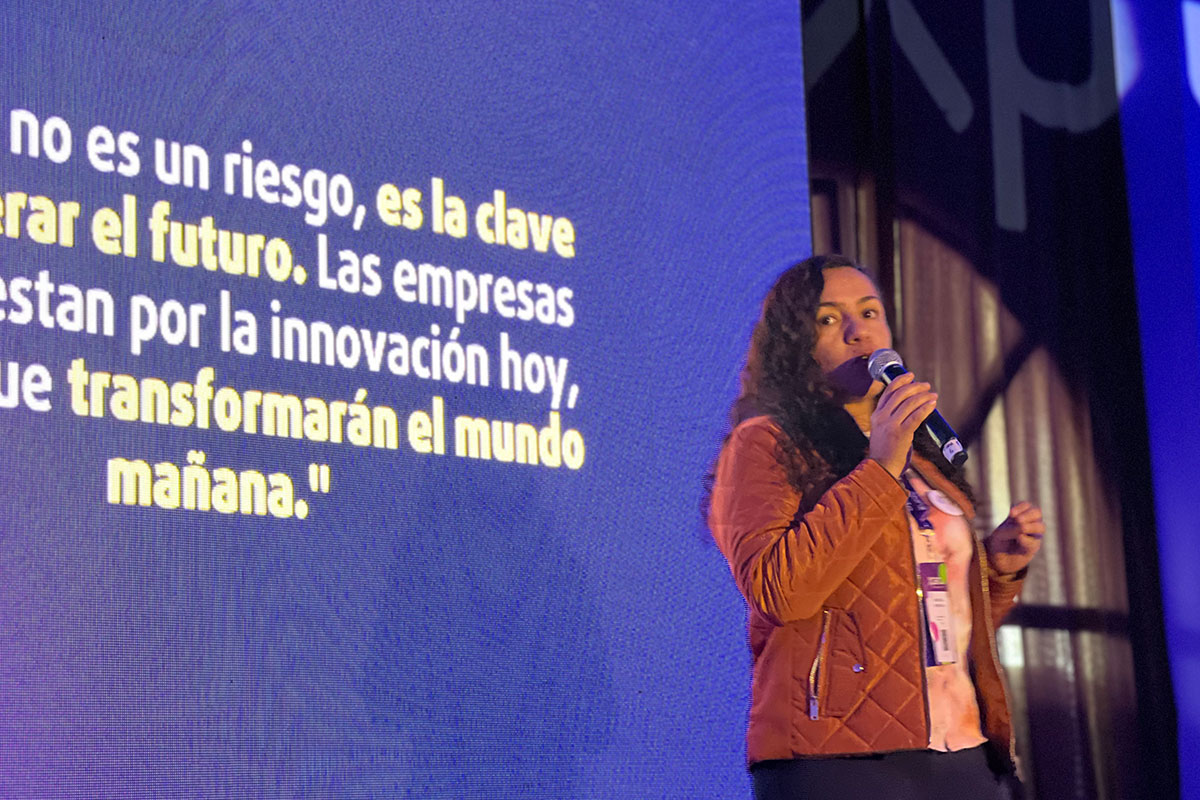
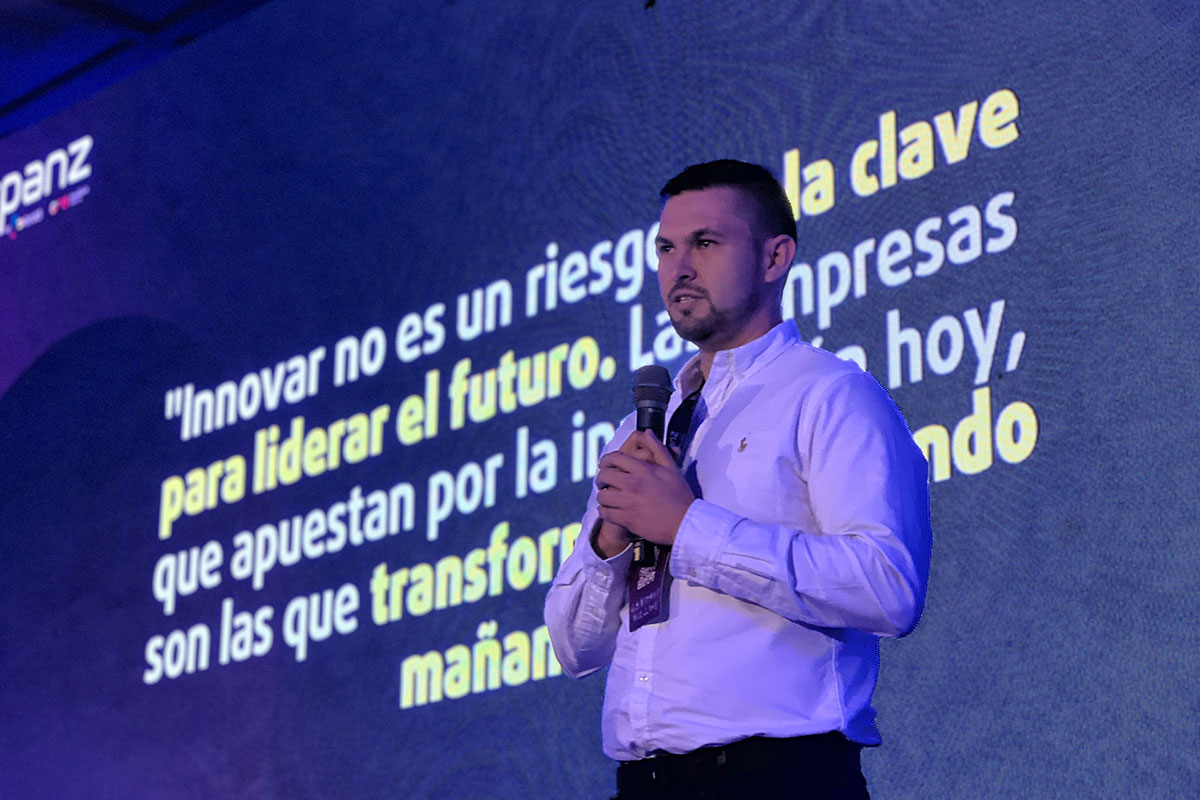
Conferencia “Innovación con impacto empresarial”
Presidente gremial, mentor y emprendedor serial
EdTech HUB LATAM + 90 Edtechs
Asociación de emprendedores +500 marcas de consumo
Ha logrado:
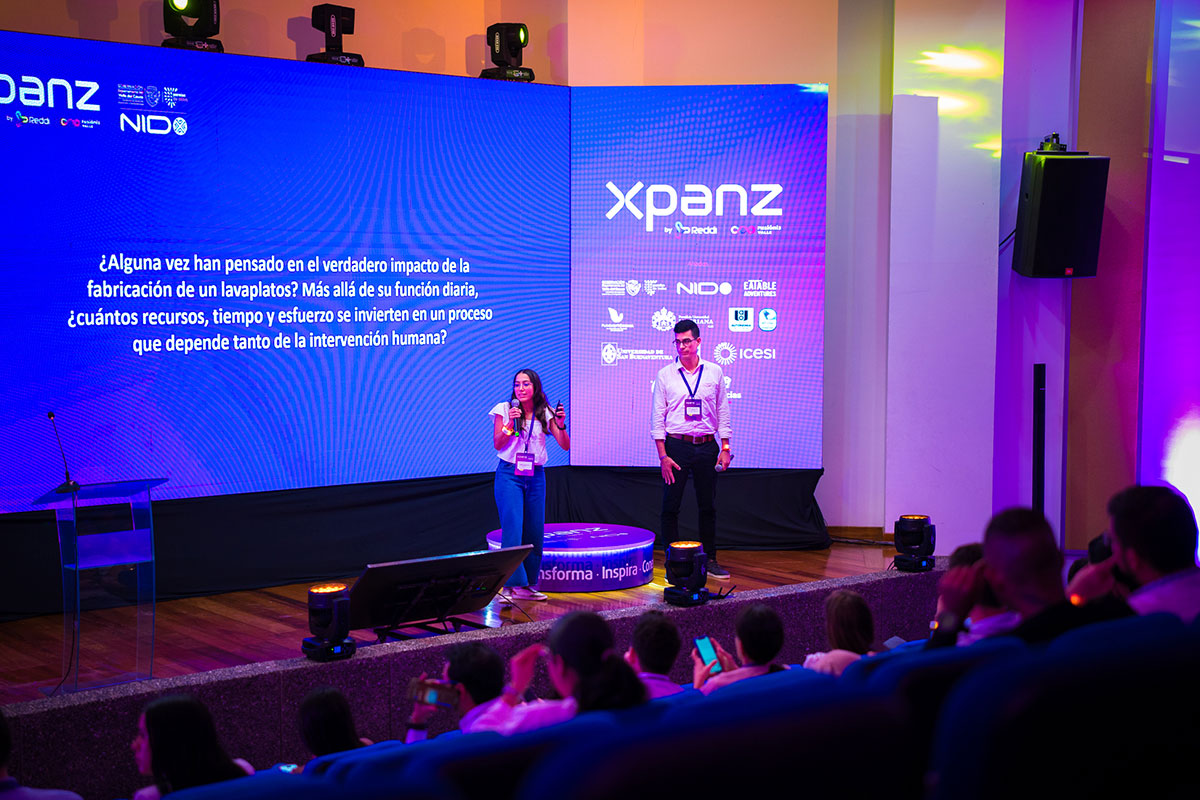
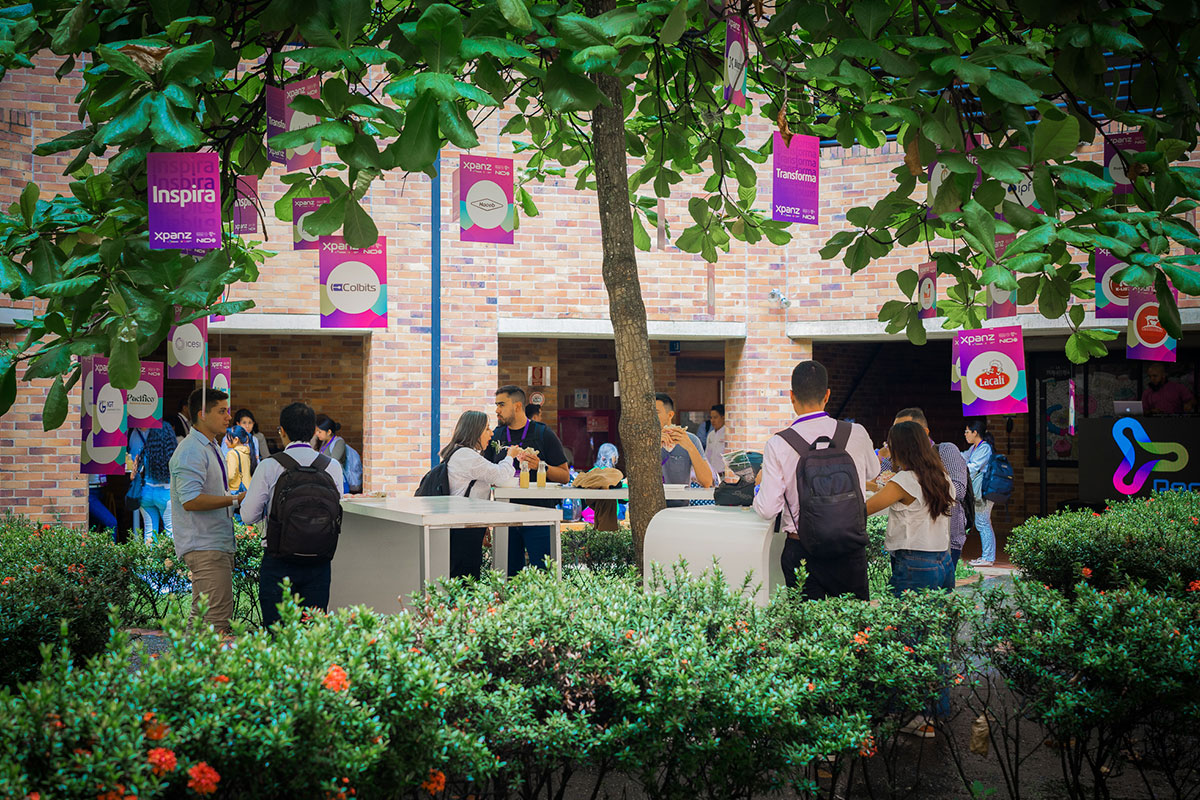
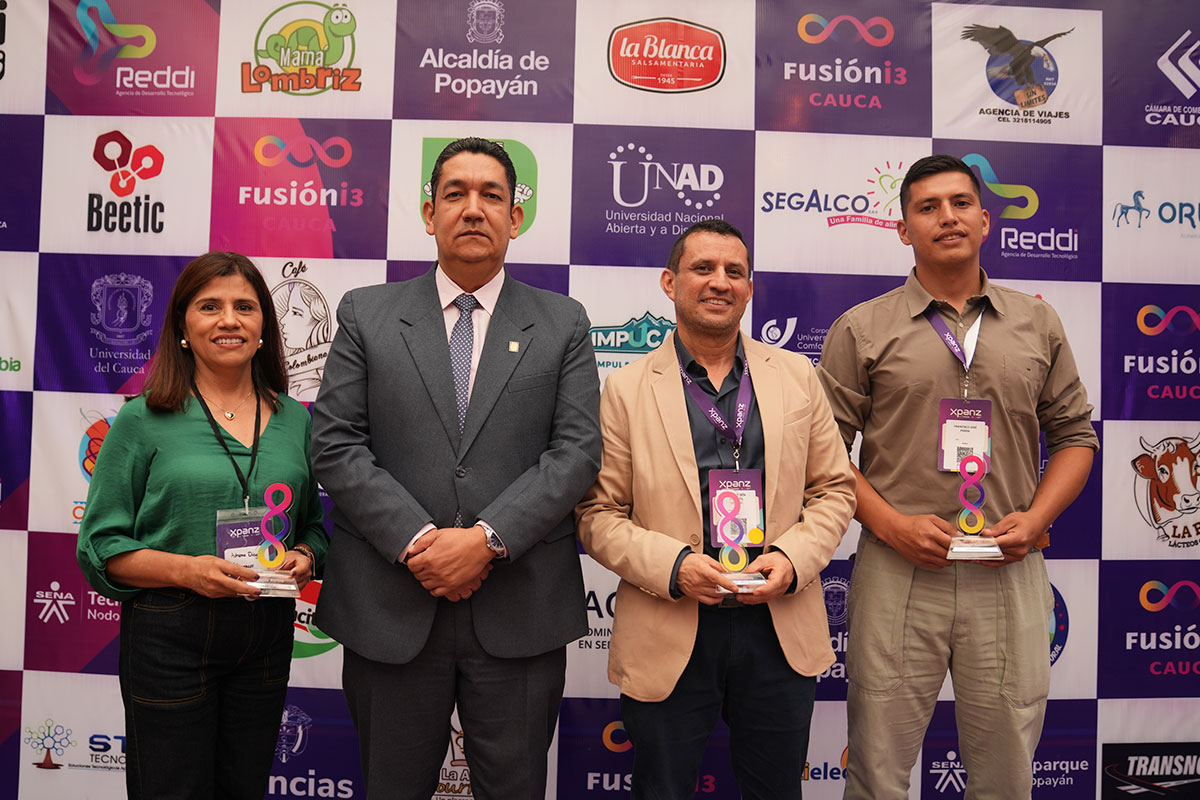
El evento contó con la participación de más de 101 asistentes en la Universidad Javeriana Cali.
Fue el primer acercamiento entre IES aliadas y MiPyMEs beneficiarias.
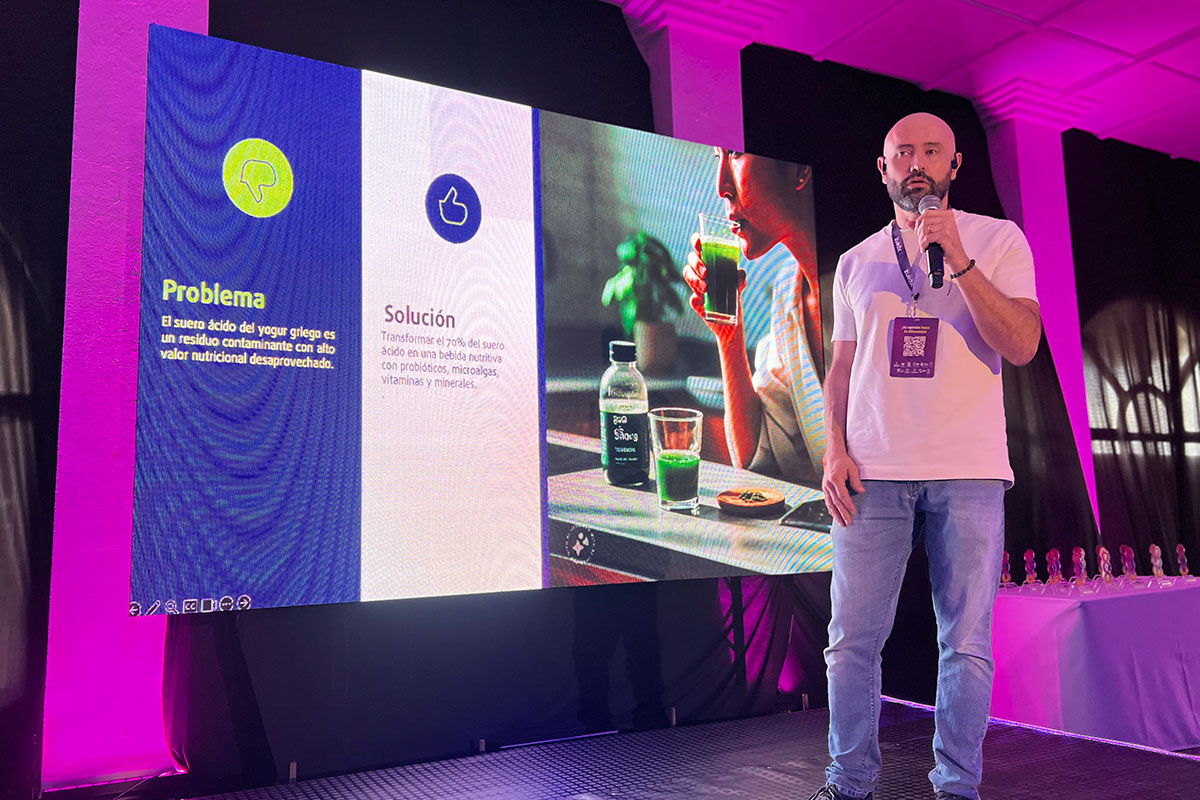
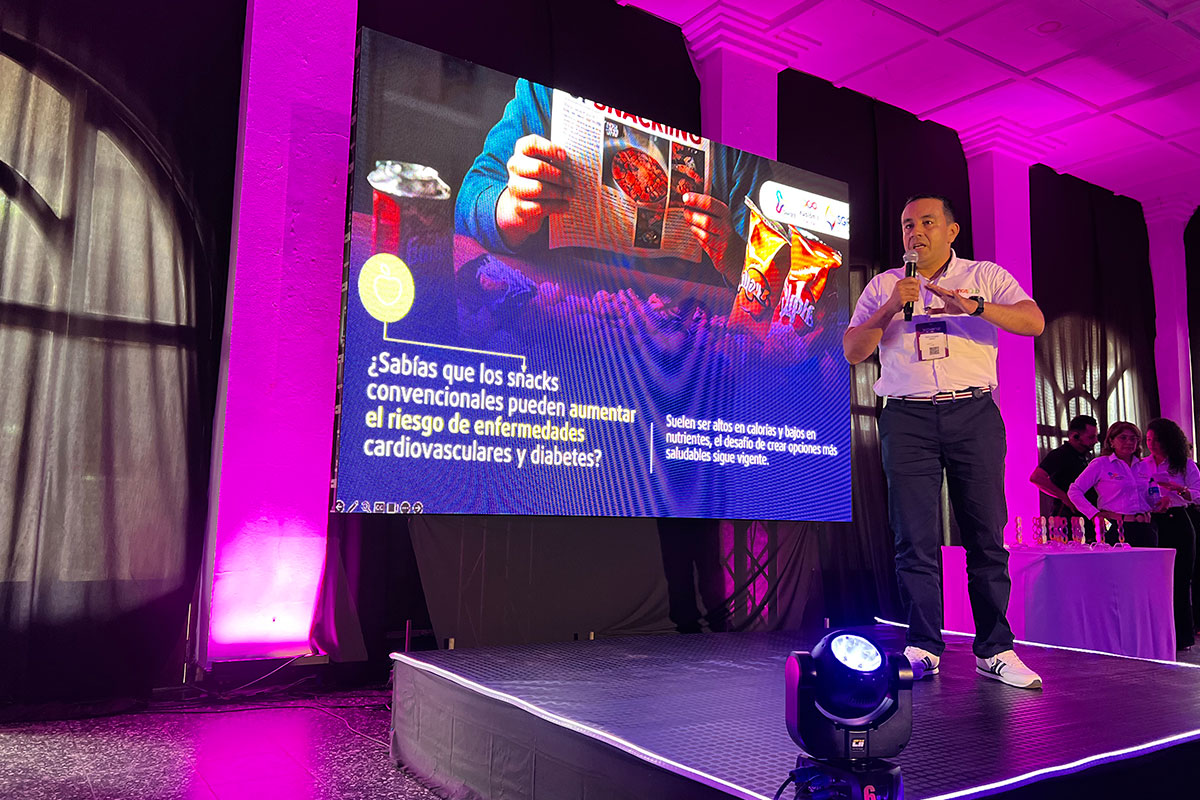
17 de estas MiPyMEs presentaron su Pitch, 11 tecnologías de las IES aliadas fueron presentadas en el Experience Day, las cuales tuvieron 28 validaciones pre-comerciales.
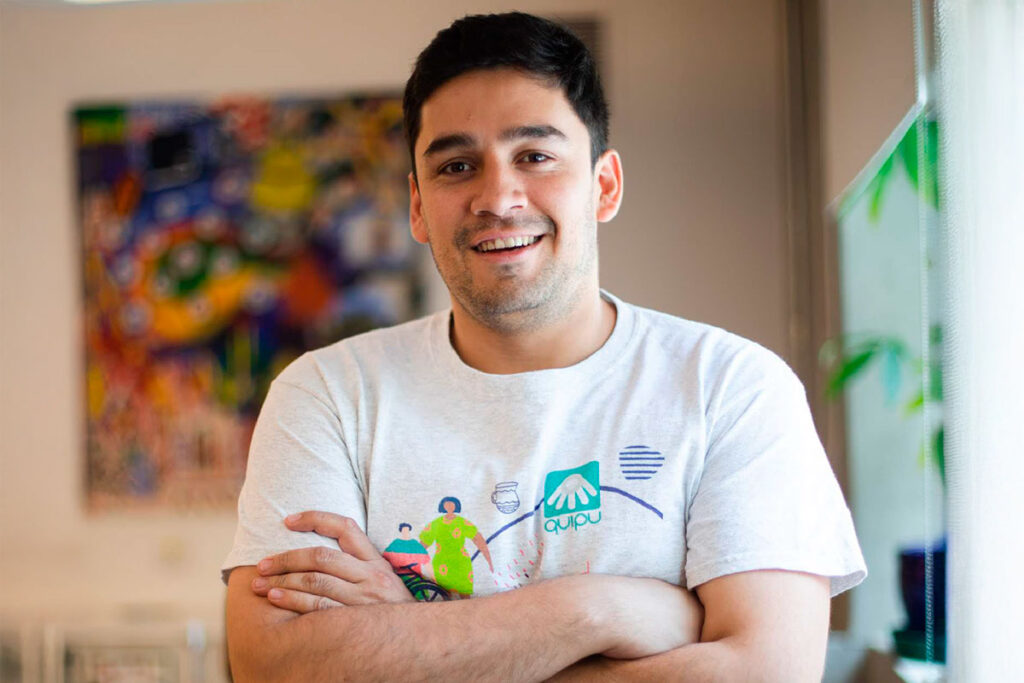
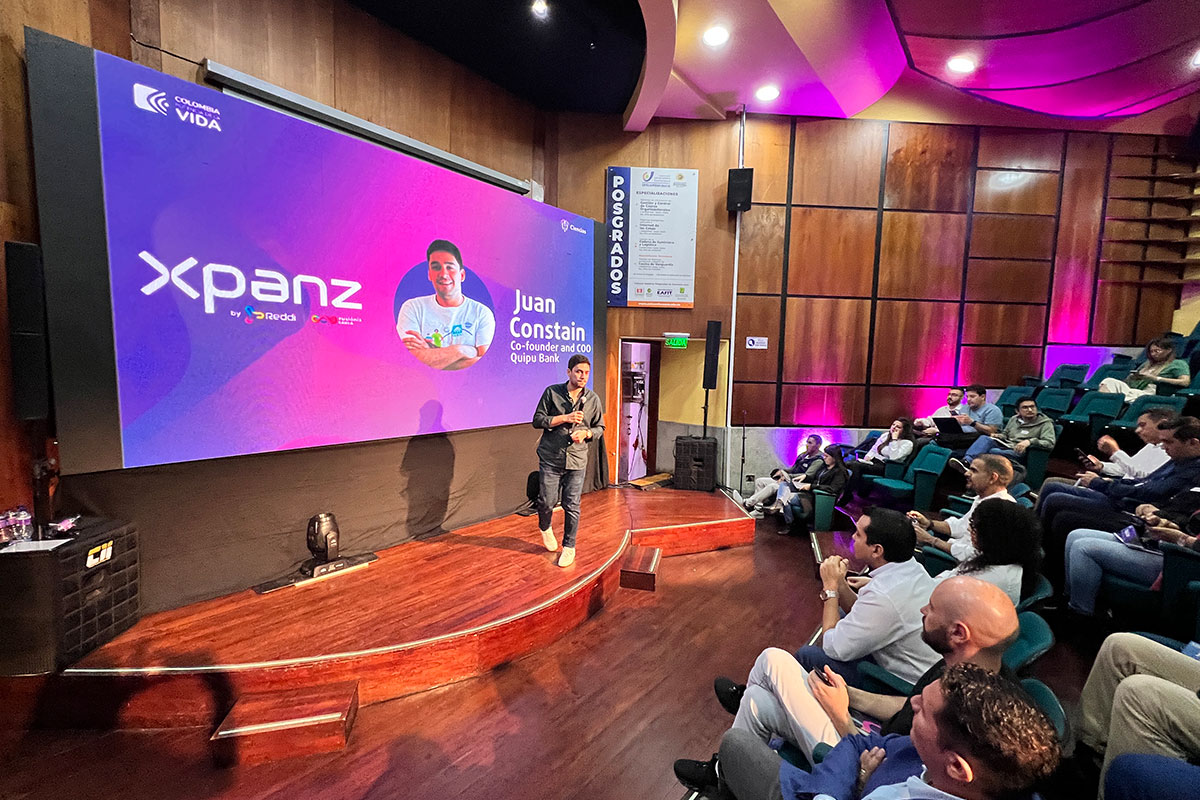
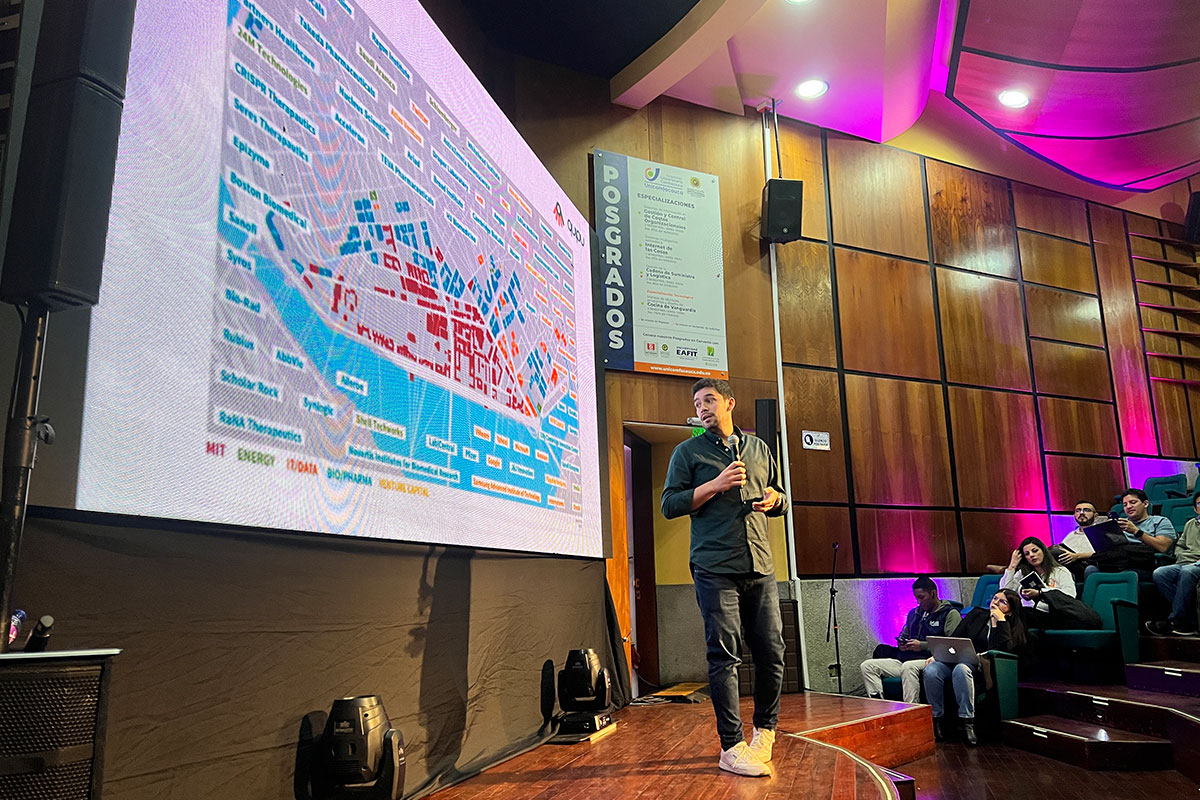
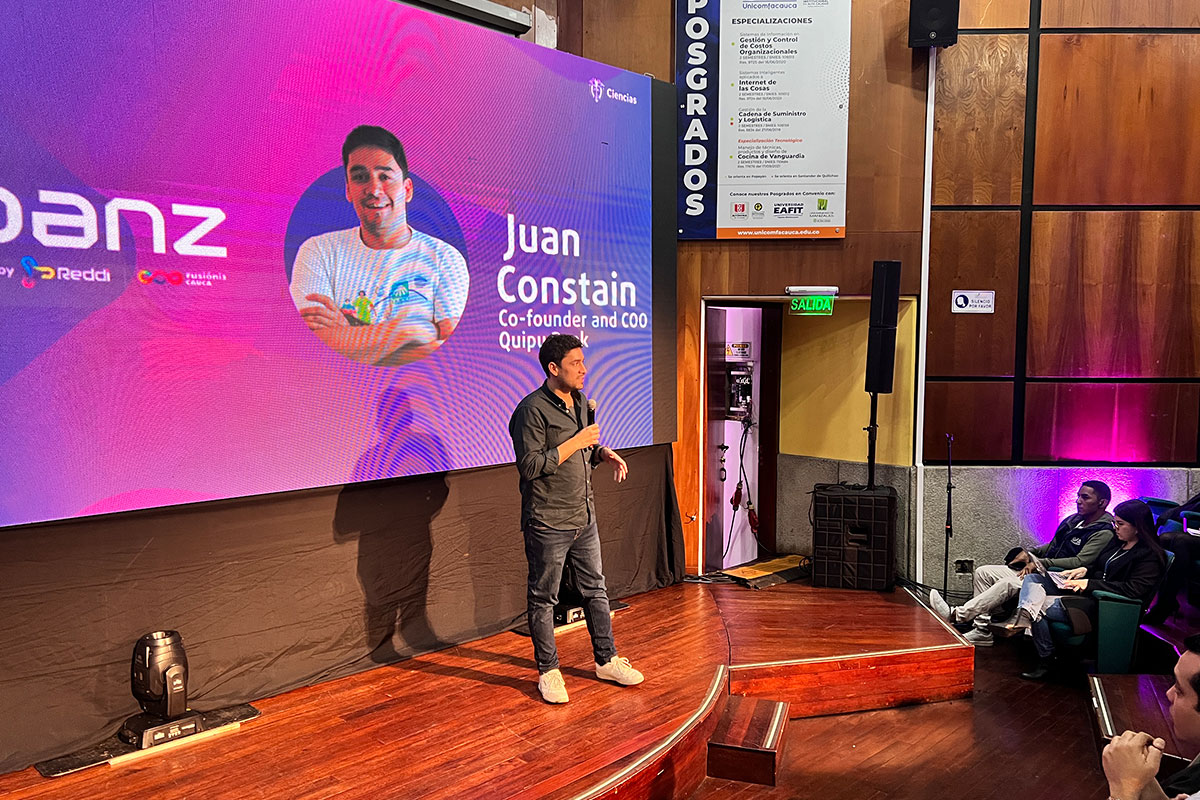
Conferencia: El camino de Quipu: de proyecto de investigación en MIT a fintech de inclusión financiera.
Cofundador y COO de Quipu Bank
Profesional en Gestión y Desarrollo Urbanos de la Universidad del Rosario, especialista en Derecho Urbano, y cuenta con una maestría en Planificación Urbana con énfasis en desarrollo económico del MIT. Como cofundador y COO de Quipu, una fintech de rápido crecimiento en Colombia, fue reconocido como Fellow del programa The Global Good Fund en 2023. Quipu ha recibido importantes reconocimientos de entidades como el Banco Mundial, Google, MIT, Forbes y Fast Company, consolidándose como un referente en inclusión financiera e innovación empresarial.
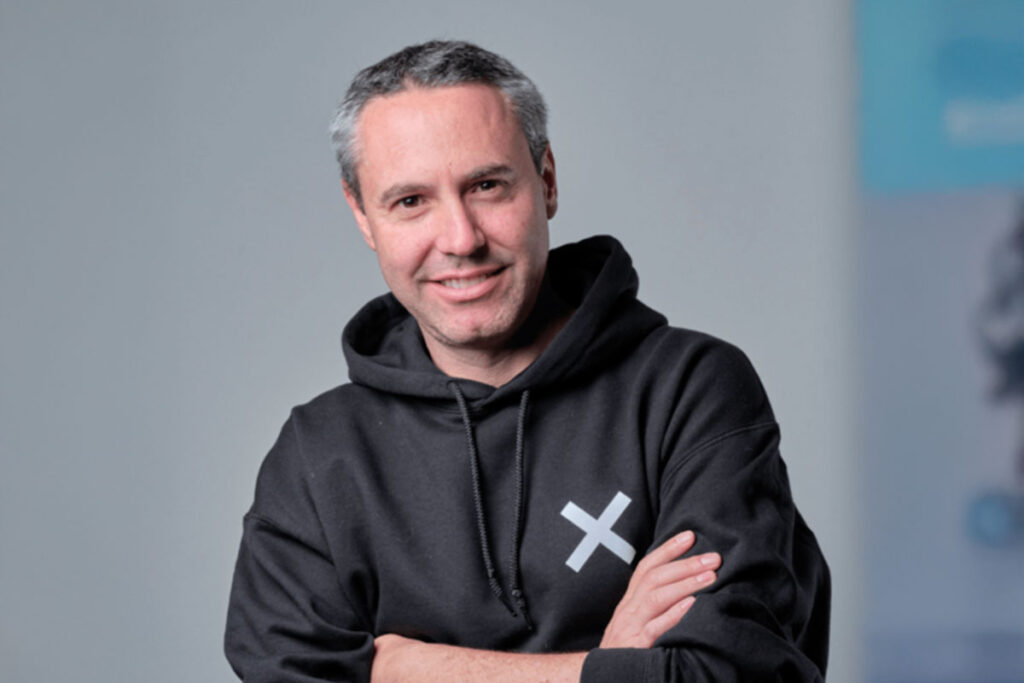
Director comercial de NotCo Colombia
Responsable de establecer la estrategia de negocio de NotCo en Colombia, en los frentes de Food Service, Retail. Administrador de negocios y especialista en mercadeo, con más de 25 años de experiencia liderando áreas de innovación en la industria de consumo masivo en Latinoamérica.

Conferencia: Efectos positivos de red.
CEO de Mentex y experta en innovación, reconocida entre los Top 100 gerentes de Colombia. Descubre cómo maximizar los efectos positivos de red y el impacto de la Alianza DeepTech en el fortalecimiento y escalamiento de startups en la región.