According to a DANE survey, 70.9% of the country’s manufacturing companies do not develop innovation activities, 25.8% develop innovation activities in a broad sense and only 0.2% in a strict sense.
One problem we have identified is that there is a big disconnection between companies and universities, both in their priorities and in the indicators how they are measured in terms of innovation.
Innovative companies cooperate mainly with suppliers (23.4%), customers (17.1%) and consultants (10.8%), but there is a low collaboration with universities (9.8%). It is precisely the universities that concentrate the country’s knowledge and technological development since in 2020, 9 out of 10 of the main patent applicants were universities.
But on the other hand, patents developed and registered in Colombia, mostly by universities, do not coincide with sectors in which we have a competitive advantage, often they cannot be transferred to the market because they do not reach the required level of maturity.
In this order of ideas, the emergence of TTOs, as an actor in many cases external to universities and companies, allows this successful connection between academia and the business sector. But then, what is a TTO and what is its role in this situation?
Research Results Transfer Offices (OTRIs) are public or private organizations, with their own legal status or dependent on another entity, dedicated to promoting the transfer of knowledge and/or technology to productive or social organizations that demand it.
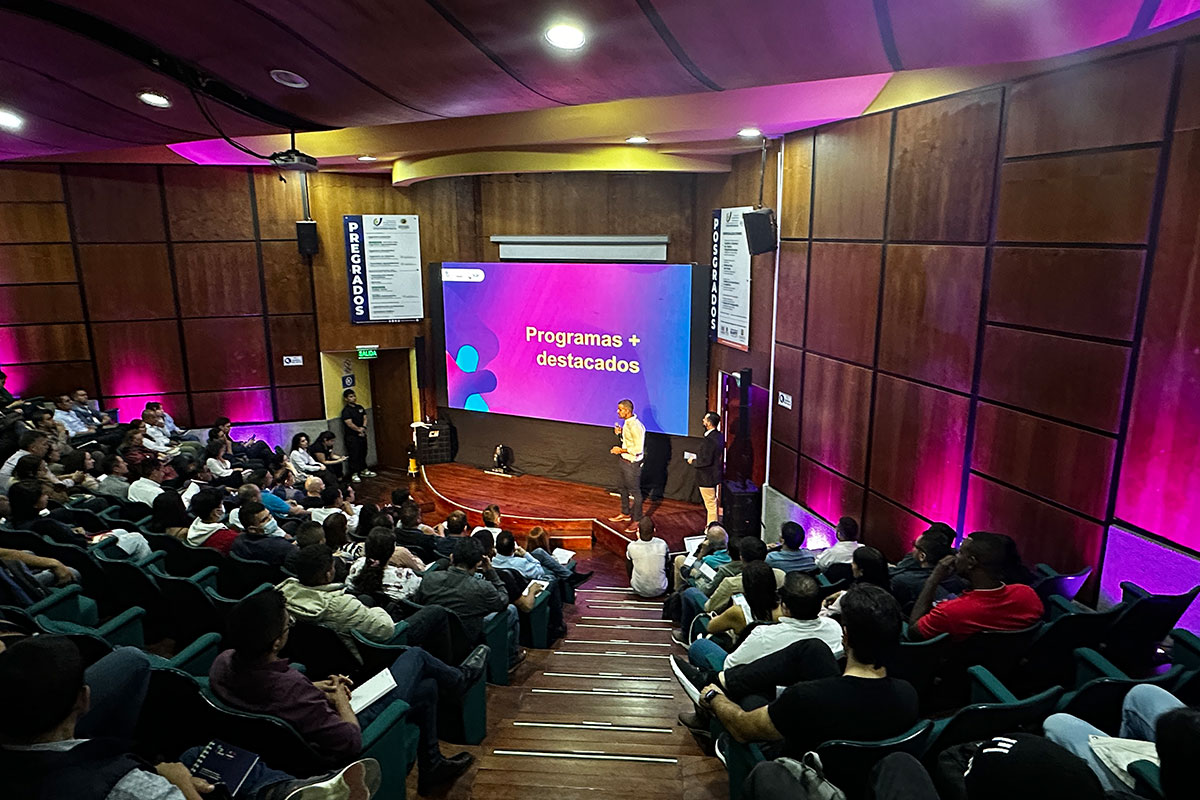
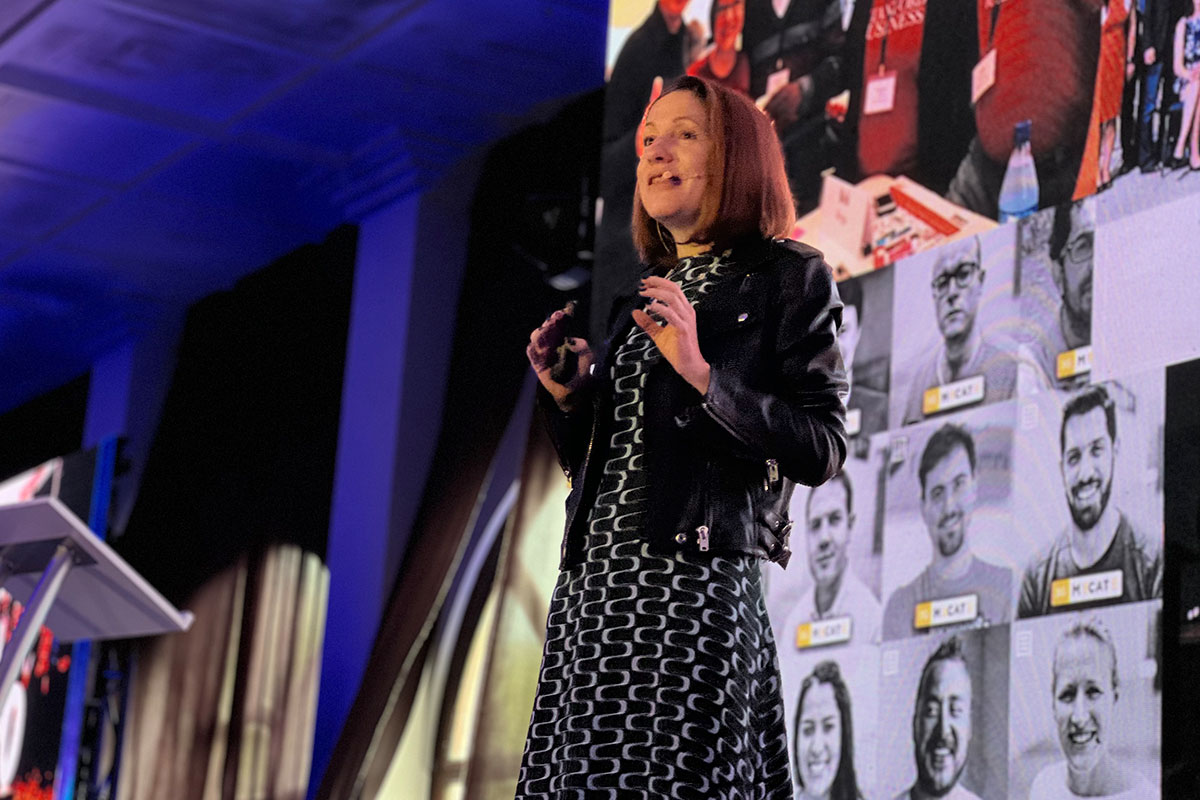
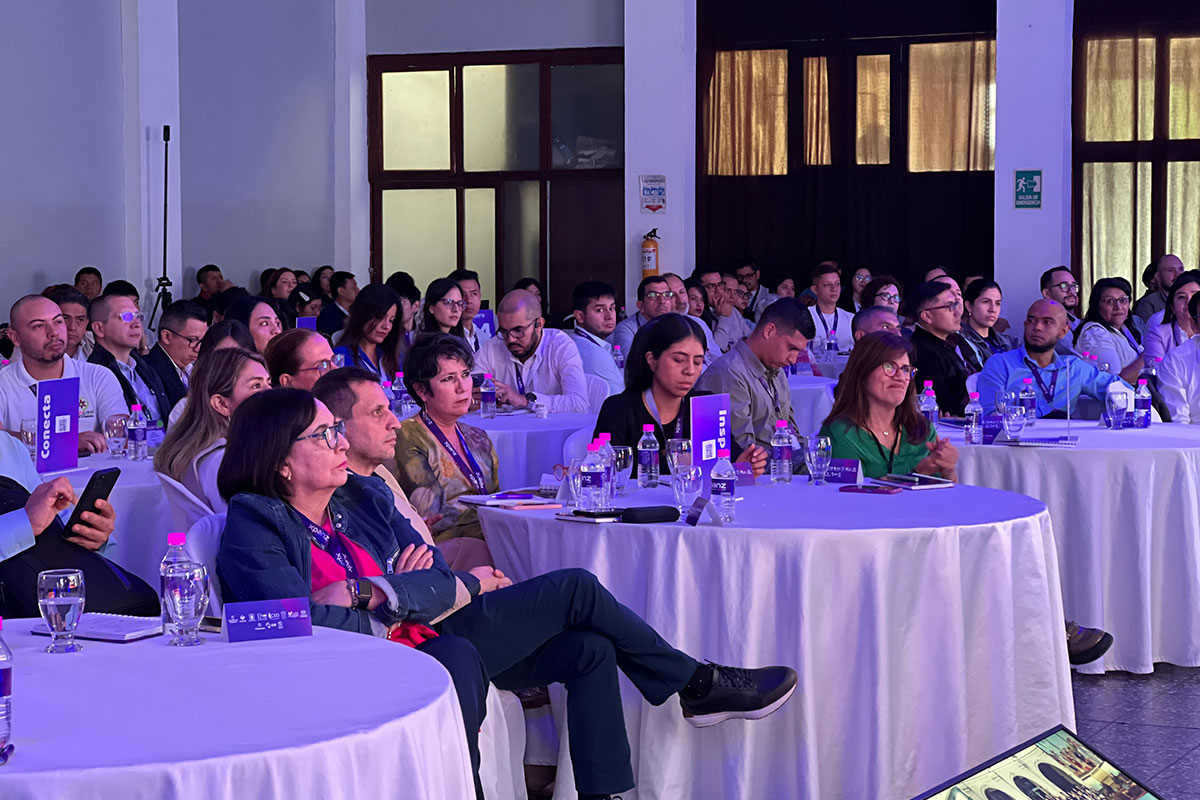
The TTOs are part of the actors recognized by Minciencias in the ecosystem of Science, Technology and Innovation and have a fundamental role in this, for this reason, in the conference given by the commercial head of Reddi at the University of Cauca under hybrid mode, we addressed these issues that raise awareness and give an overview of the impact generated by entities such as Reddi, recognized as TTO, and how we can enhance the results of innovation and development from their work.
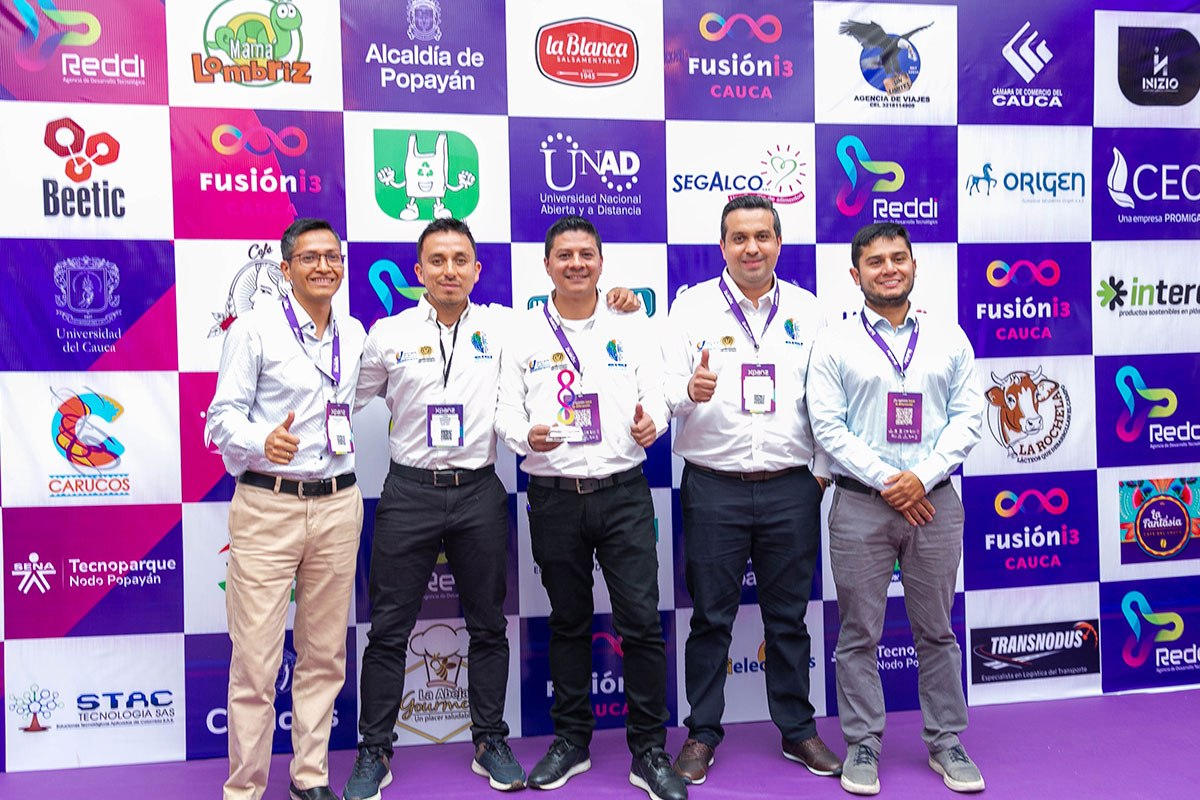
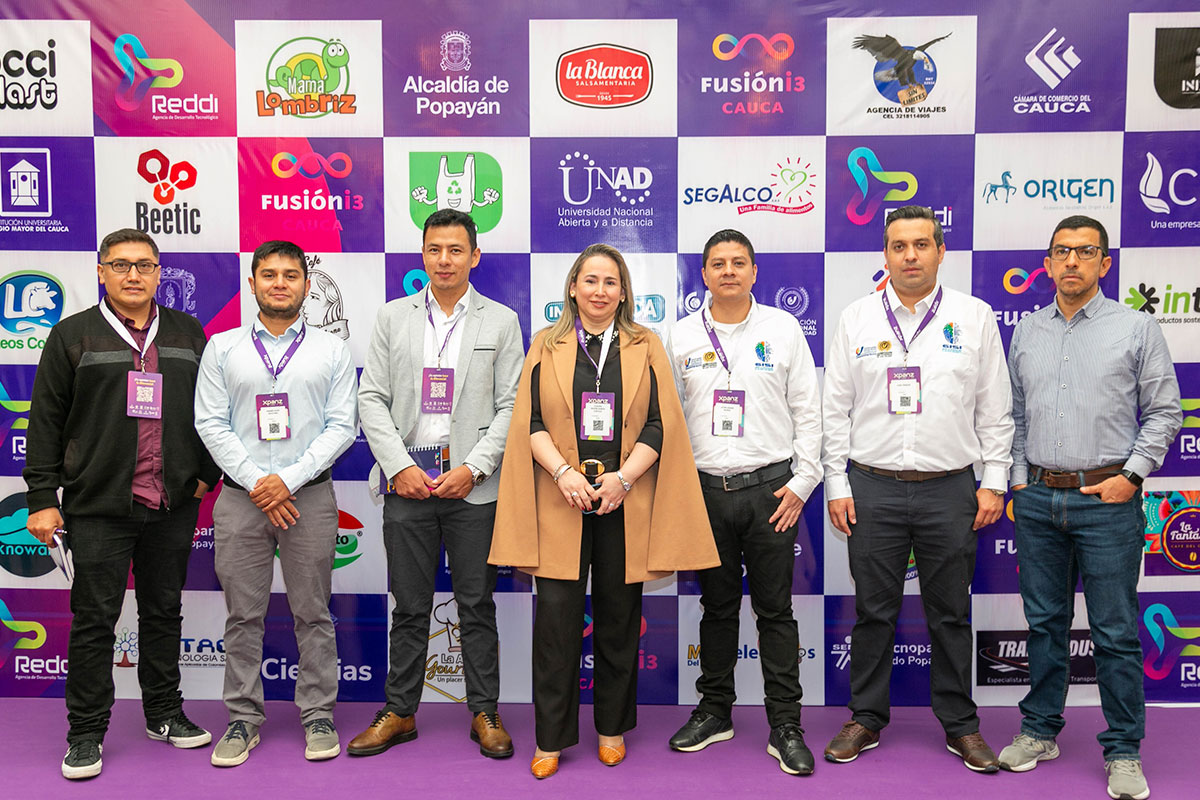
In the first Experience Day Reddi of the year, we created synergy between businesses and inventors to drive innovation in the agro-industry sector. Learn more about what we experienced at the event.
Agroindustry refers to the industry around the transformation of products from agriculture, forestry and fishing. From the definition of agroindustry, it is evident the need for technologies that support the operational function and management of the processes of production, conservation, transformation, use of by-products and commercialization of raw materials of biological origin, with food and non-food applications.
Climate change, overpopulation, low agricultural production in some countries, economic effects on the cost of living and food, among other factors, have a direct impact on agribusiness, which faces new challenges every day. This is where technological innovation becomes vitally important for the technification of agribusiness in order to avoid or prevent the effects caused by the aforementioned factors.
Some of the applications of technology in agribusiness lead to an improvement in the food production process, for example:
Technology paves the way for the adoption of new ways of working, application and development of knowledge, since agribusiness and technology have a necessary and unlimited relationship. This was the theme of our first ‘Experience Day’ of 2022, where we talked about Technologies for Agribusiness.
Victor Adolfo Romero, Mechatronic Engineer from the University Autónoma de Occidente, Master in Electrical Engineering from University of São Paulo and Ph.D. in Robotics from the University of Sydney, opened the event with a lecture entitled “Robotic Systems for Agribusiness”. He currently teaches at the Faculty of Engineering of the University Autónoma de Occidente and is part of the research group in Remote Control and Distributed Control Systems – GITCoD, whose main lines of research are Robotics, perception, artificial intelligence and machine learning.
In this event, held on Thursday, May 12th, 2022, we managed to present different technologies to companies that bet on innovation to achieve the results they want.
Get to know them!
Phenoagro: Phenotyping for crops: Mobile and terrestrial robotics, intelligent agriculture for high yield crops (ÓMICAS Program – Javeriana Cali University)
Phenoagro is a new platform of geo-referenced IOT equipment on the ground and software for cloud integration of tasks associated with the characterization of the state of a cultivar, its phenotypic traits at the atmosphere, soil and plant level, its response to physical or biological stresses, or its general evolution for making decisions on irrigation, nutrition, cutting and harvesting.
Nandi: Real-time livestock tracking software (Nandi LTD – Embassy of Israel)
Technology that generates data on the real behavior of bulls and cows, helps to digitize the cattle data entry process automatically from the conception of the animal until its sale, generates alerts in case of situations that may cause death or disease of cattle, and optimizes the entire herd management.
It combines Israel’s technological potential with the potential of LatAm’s agricultural and livestock market.
Biodegradable bag for seedlings (UNICAUCA):
The biodegradable seedling bag is made from a flexible film obtained from mixtures of cassava starch, plasticizer, polylactic acid (PLA), which incorporate a novel color concentrate or biodegradable masterbatch. Its purpose is to contain the substrate on which seedlings of various crops are planted, generally for a period of 1 to 4 months, until they reach an adequate stage of development prior to transplanting.
Mobile Cooling System (UNIQUINDIO/SJTP3):
The mobile cooling system for milk and other fluids is an equipment that allows rapid cooling of the milk after milking, lowering the temperature from 35 to 4°C. The system is made up of 3 subassemblies:
a conventional 1 HP condensing unit that operates with 110V current, as an expansion system an expansion valve with nozzle is used. the condensing unit is protected by a stainless steel cubic structure, which has wheels for its displacement.
Highly digestible vegetable protein to replace animal protein in rations (UNIVALLE):
This technology is a protein source based on a mixture of biotechnologically processed mycelium and fermented vegetable protein. It is a new category and a new alternative to animal protein. The interesting thing is that this protein source contains all essential amino acids and a high protein digestibility (very similar to animal protein profile). Heura Foods-type vegetable sources of protein (from soy concentrate) are considered incomplete, so we could say that our protein is a better quality and healthier alternative.”
Through solid fermentation (SF) with filamentous fungi, we have been able to elaborate rations with the 21 free amino acids from soybean (Glycine max) as well as fermented flours from sorghum and coffee pulp.
It offers highly digestible protein of vegetable origin as an alternative to the dependence and importation of lower cost animal protein, for local companies: poultry, pig and fish farmers mainly. Pets are also included.
Wireless Ecosystem for the monitoring and control of dissolved oxygen and temperature in fish farming under artificial pond conditions (UNIQUINDIO/SJTP3):
The technology is composed of 3 sections remotely connected through a wireless communications network (Zigbee standard) using a 2.4 GHz radio link where its power consumption is relatively low, increasing the battery life cycle and allowing long distance connections. The functionality of each station involved in the application of the technology is described below:
Sensor station: contains all sensors for reading the most representative physicochemical variables (dissolved oxygen, water temperature, pH, turbidity, air temperature inside the system). Powered by solar panels. In addition, it has a datalogger or information storage system that provides a backup to the information presented to the fish farmer. This section is permanently located in the pond and is kept afloat thanks to a system of floats strategically placed on the structure.
Actuator station: allows the activation and deactivation of the air pumping unit to manipulate the levels of dissolved oxygen in the pond. Recirculation of water from an auxiliary pond to control water temperature and compensate for the variation of dissolved oxygen. This node is powered by solar panels with sufficient power for the energy consumption of the main actuators (compressor, motor pump, etc.).
Base station: it is in charge of collecting the information from the two mentioned stations and presenting them in a user interface. Likewise, this node has the possibility of connecting to a server through an embedded unit with which all the information can be stored in databases and be accessed by the different devices (cell phones, computers, tablets, etc.) handled directly by the fish farmer.
On the other hand, it is important to mention that the technology has a platform developed in Processing (open software), which allows providing information of the ponds and production in real time, to analyze the behavior of the physical-chemical variables against the current environmental conditions through graphs and data tables, as well as to control the levels of dissolved oxygen in the ponds, manually or automatically. The platform also allows the calibration of the dissolved oxygen sensor when it is connected to the system for the first time. The platform also has a data storage system, generating a history of information for tracking and historical monitoring of production.
CFIS Technology, Wastewater Treatment and Recovery, High Purity Green Hydrogen Generation, Low Carbon Footprint (Innovatech Sciences and Engineering SAS):
CFIS technology allows the generation of high purity green hydrogen during the wastewater treatment process. The technology turns the entire wastewater treatment process into an environmentally sustainable circular economy project, the solid waste or primary sludge is converted into organic fertilizers for the agricultural sector, and the secondary sludge into activated carbon for the industry, converting them into additional business units. It also reduces the generation of odors and foams in the wastewater treatment process. The production of hydrogen allows the technology to be implemented for the distributed generation of electric energy in remote areas, as well as its use as a complement to domestic and industrial gas, allowing progress in the processes of decarbonization of the industry, the reduction of CO2 and GHG emissions to the atmosphere, and the recovery of water resources.
Do you know when a heart attack occurs?
This usually happens when a blood clot blocks blood flow to the heart. Without blood, the tissue loses oxygen and dies. This can damage the heart’s pumping power and lead to incurable heart failure. After this failure, the only treatment option for some patients is a heart transplant, but currently the number of organ donors is much lower than the number on the waiting list.
For example, more than 35,000 heart attacks occur each year in Canada, yet only 200 heart transplants are performed. In the United States, approximately 2,000 heart transplants are performed annually, compared to 805,000 heart attacks. In the United Kingdom alone, some 920,000 people suffer from this condition.
Until recently, there was no way to treat a weakened heart, but now scientists have developed a “pumping” patch containing millions of live, pulsating stem cells that could help repair damage caused by a heart attack. The patches work by physically supporting the damaged heart muscle and helping it pump more effectively. They also release chemicals that stimulate heart cells to repair and regenerate.
What are pulsating heart patches?
A heart tissue patch, about the size of a thumb (3 cm x 2 cm), contains up to 50 million human stem cells. It is grown in a laboratory from a sample of the patient’s own cells. It is then sewn onto the patient’s heart to transform it into healthy muscle. One or more patches can be implanted in the heart of someone who has suffered a heart attack to prevent or even reverse damage to the organ.
How do they work?
In the lab, tests show that the patches begin to beat within three days and mimic mature heart tissue after a month. In animals, the patches improved heart function after a heart attack. Most impressively, the heart’s blood vessels were able to grow on the patches. The cells (patches) implanted in the rabbits’ hearts began to regenerate, and the heart pumped more efficiently. The left ventricle of the rabbit hearts, responsible for pumping blood to the body, was rebuilt without forming abnormal heart rhythms in just four weeks.
Scientists at Imperial College London believe it is now safe to test the patches in human clinical trials, given the very satisfactory results from laboratory tests and rabbit trials. They presented their findings at the British Cardiovascular Society (BCS) conference in Manchester, England. They say patient trials will begin within the next two years. Their next step is to determine whether the patches can help patients with heart failure, which is otherwise incurable.
Professor Metin Avkiran, deputy medical director of the British Heart Foundation (BHF), which is funding the research, said: “This is an excellent example of cutting-edge research that can mend broken hearts and transform lives around the world. If clinical trials demonstrate the benefits of these patches in people who have suffered a heart attack, regenerative medicine will take a giant leap forward. Heart failure is a debilitating, life-changing condition with no cure, making everyday tasks incredibly difficult. If we could patch the heart and help it heal, we could transform the outlook for these people.”
If all goes well and the patches pass human trials, scientists anticipate that hospitals will have a stockpile of prefabricated patches compatible with all patients, so that someone suffering a heart attack can have one implanted quickly. Their goal is to make this vision a reality.
In the words of Dr. Richard Jabbour, from the BHF Centre for Regenerative Medicine in London: “
One day we hope to be able to add cardiac patches to the treatments that doctors can routinely offer to people who have suffered a heart attack. We could prescribe one of these patches alongside heart failure medications, which could be taken off the shelf and implanted directly in a person.”
Sources:
For more information visit:
https://lnkd.in/gsAhachS
https://lnkd.in/g6WD7b-M
https://lnkd.in/gM_EfEs4


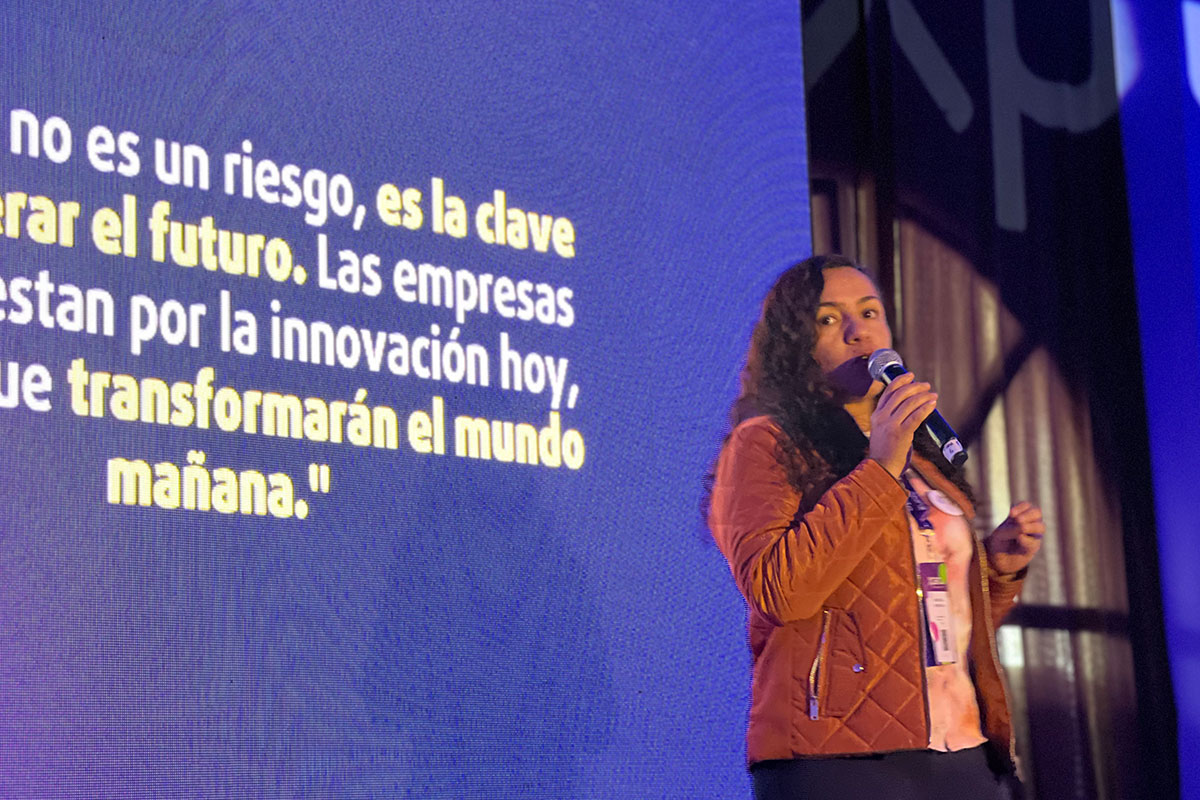
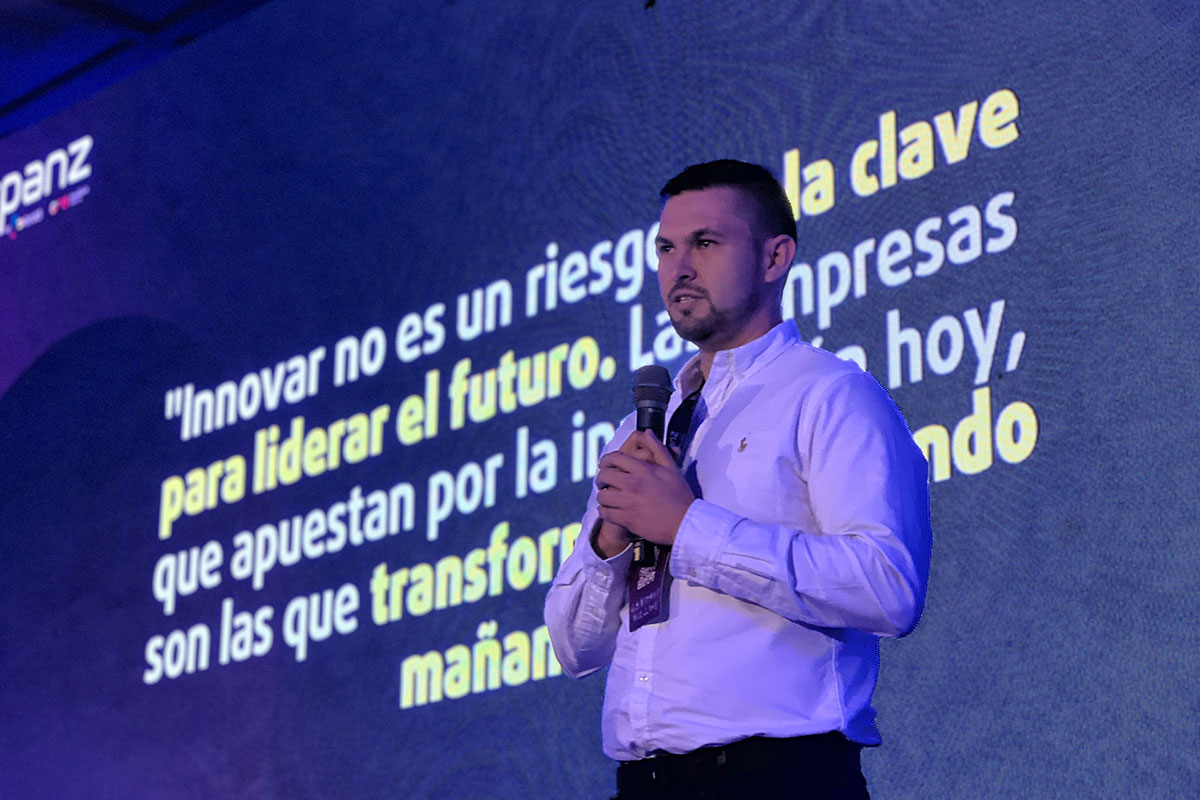
Conferencia “Innovación con impacto empresarial”
Presidente gremial, mentor y emprendedor serial
EdTech HUB LATAM + 90 Edtechs
Asociación de emprendedores +500 marcas de consumo
Ha logrado:
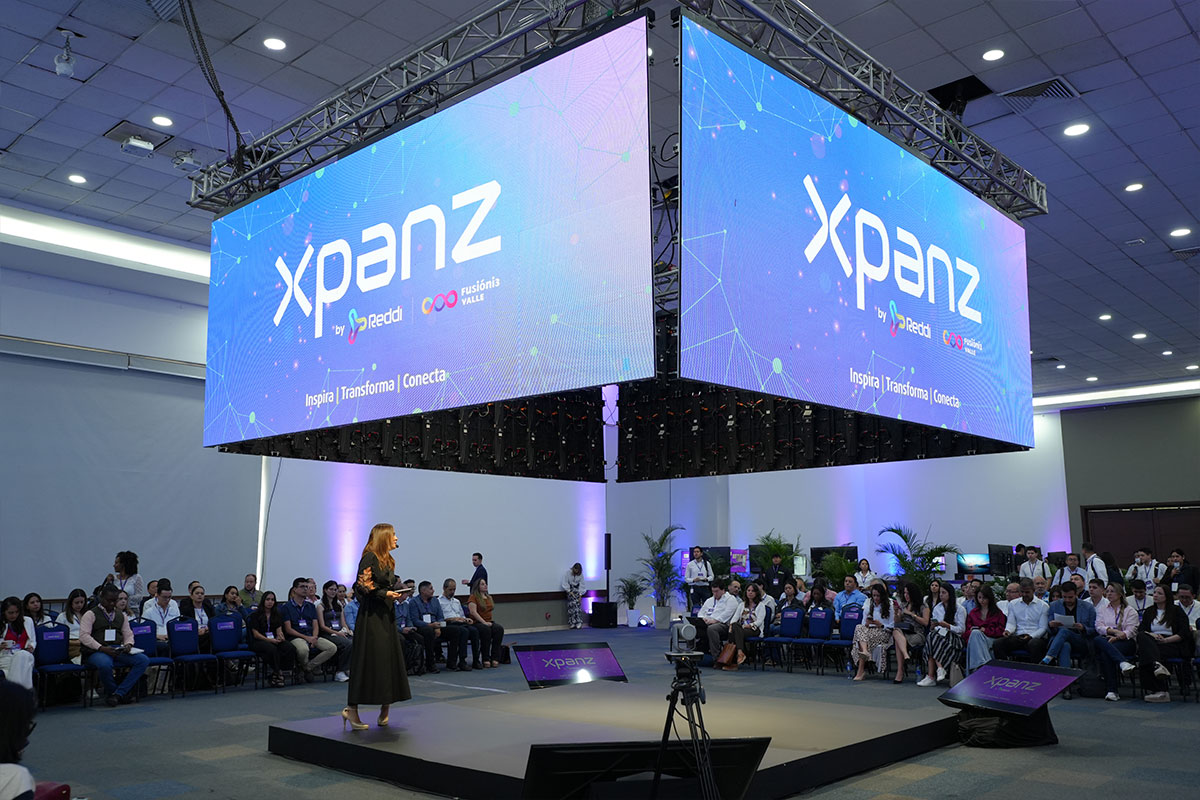
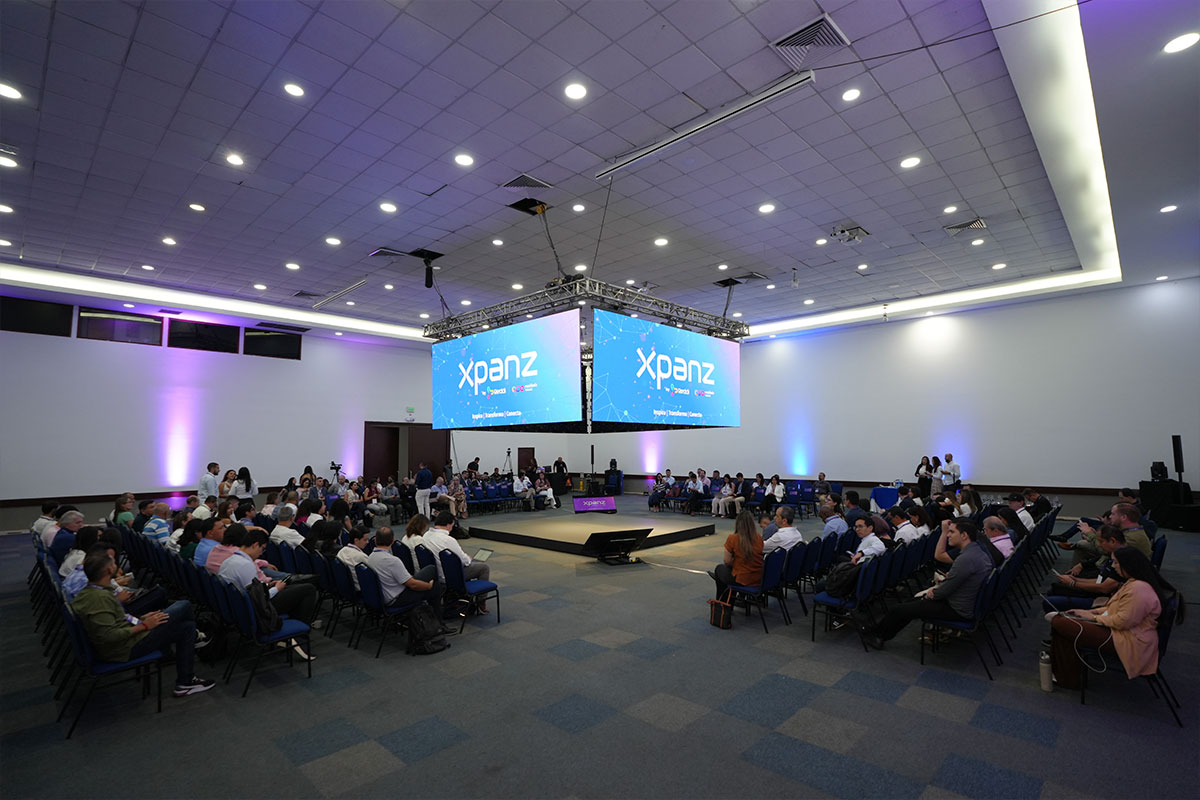
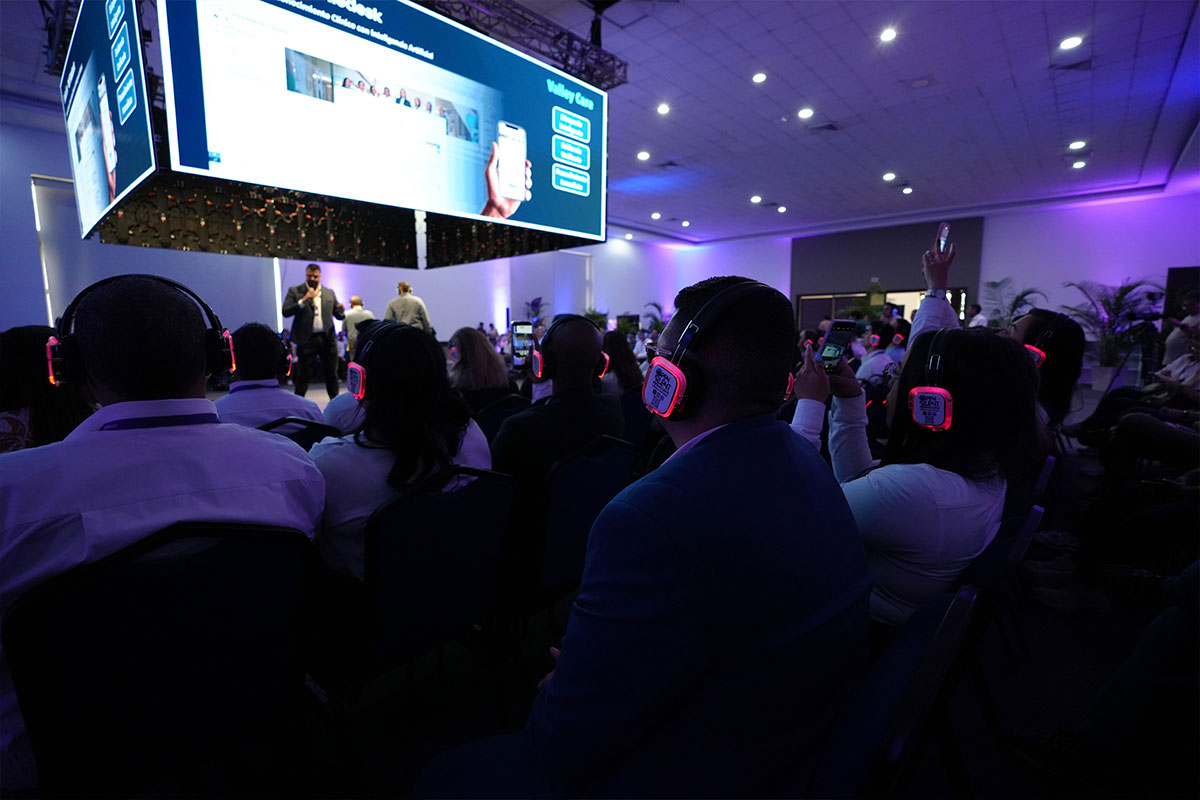
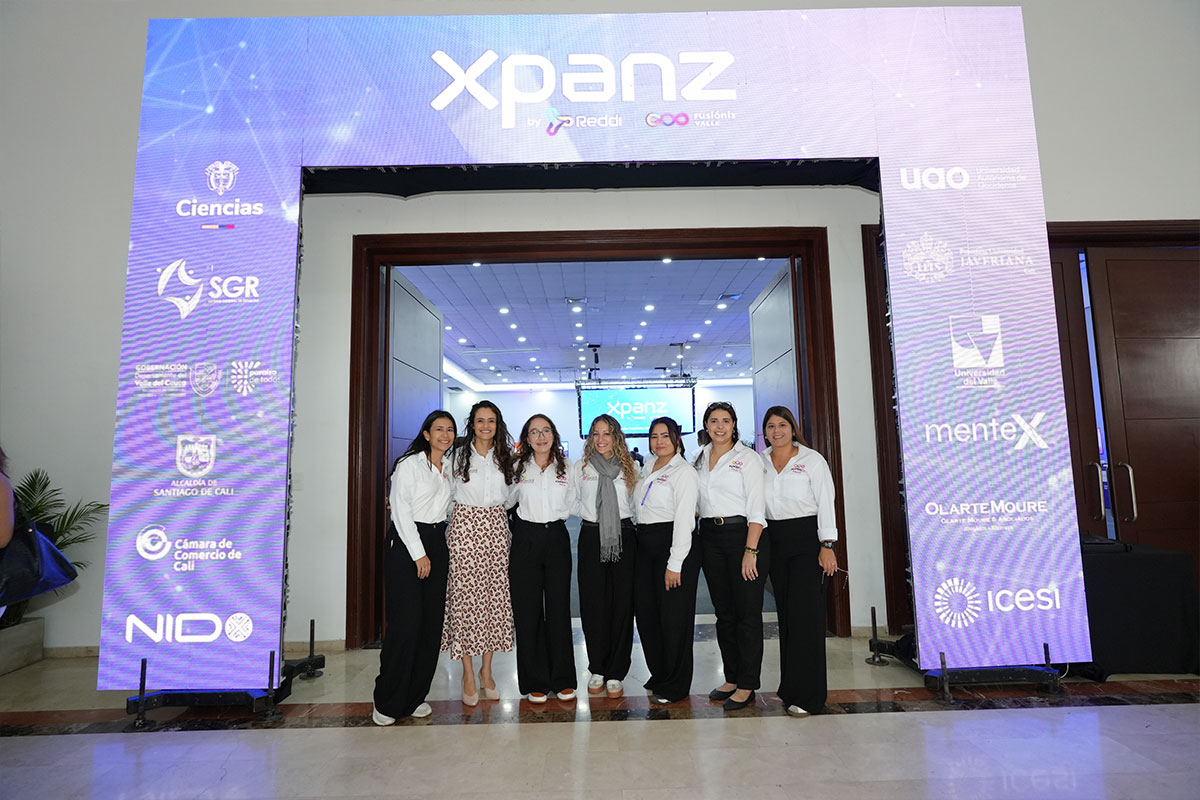
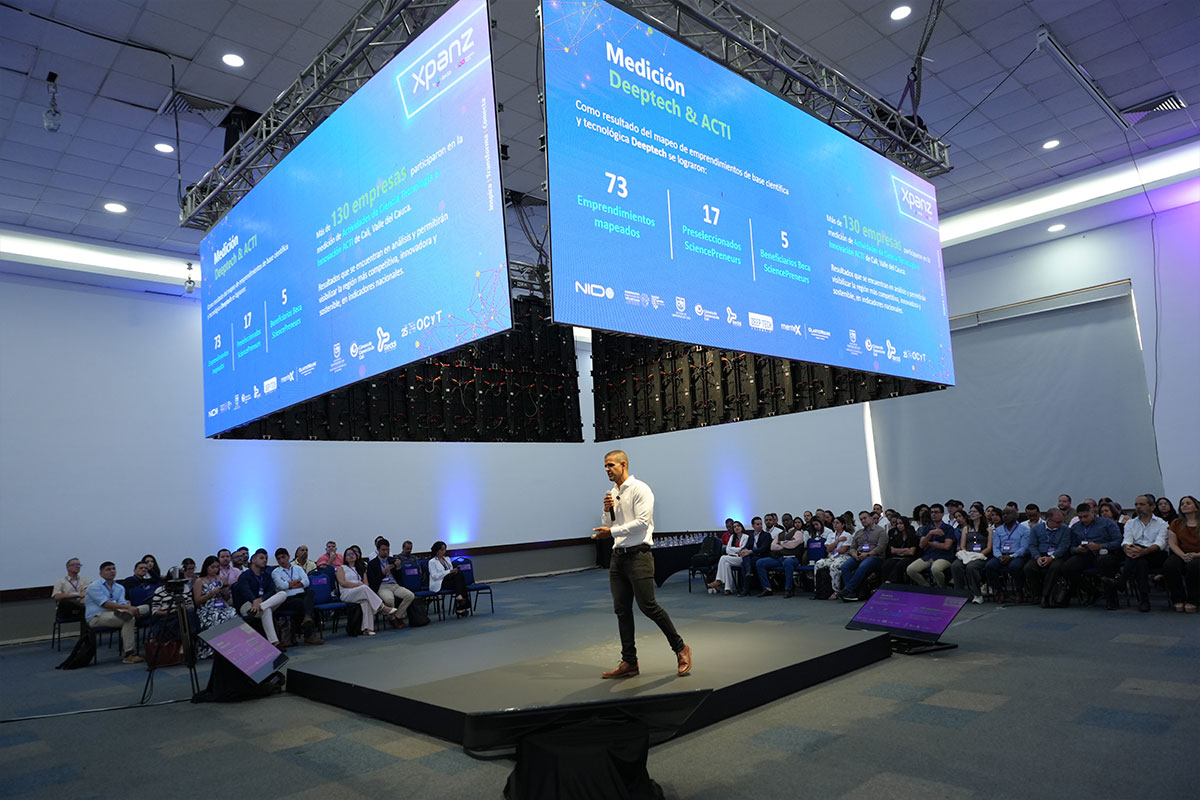
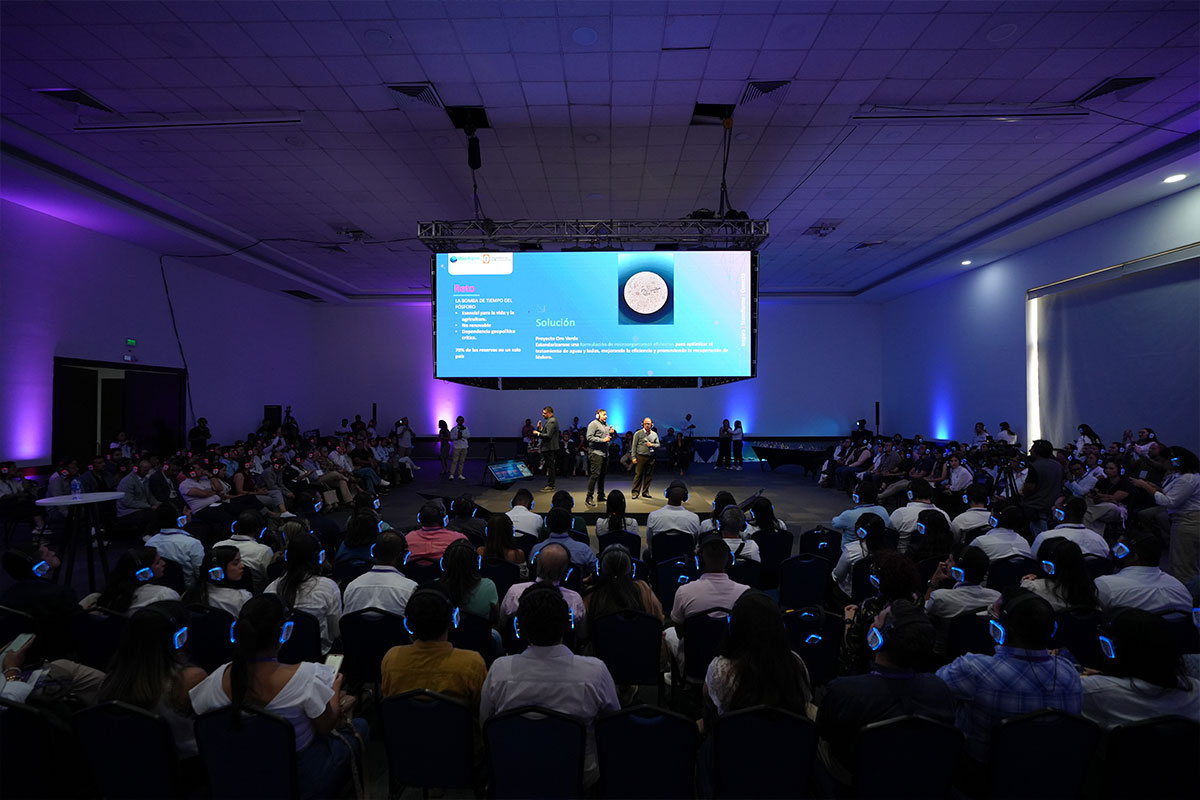
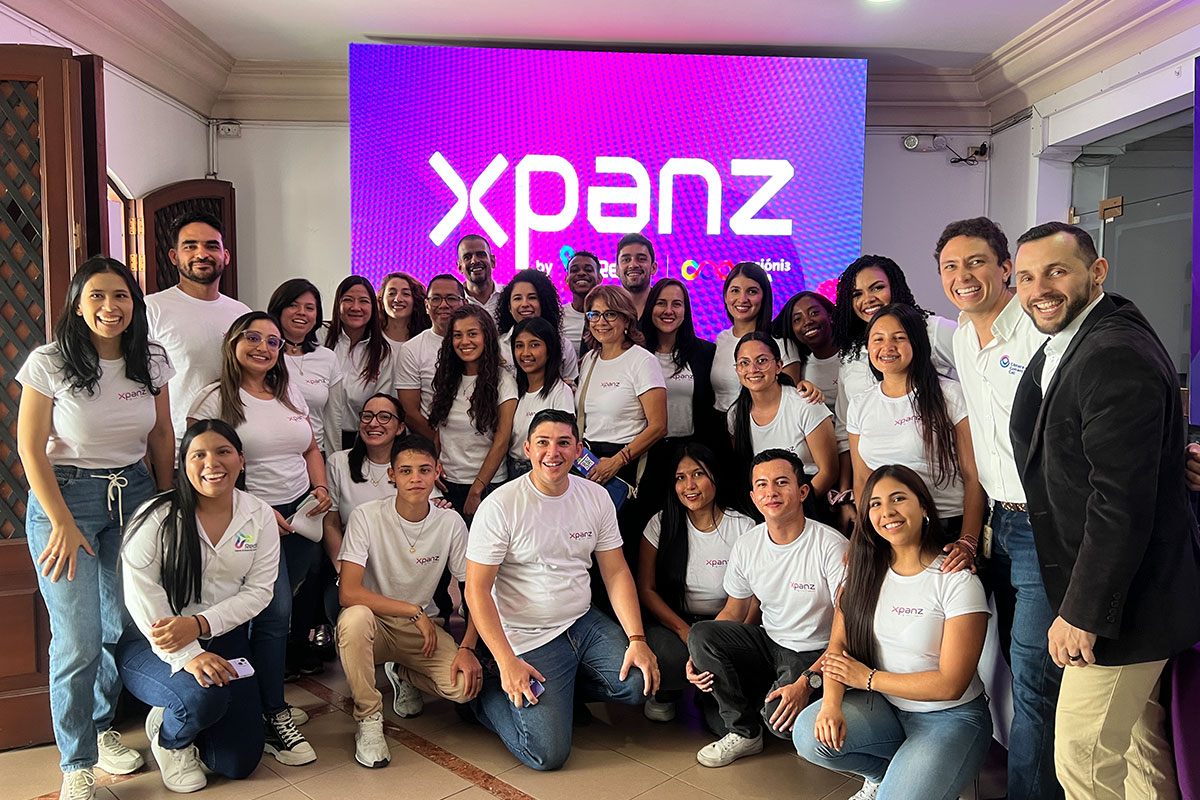
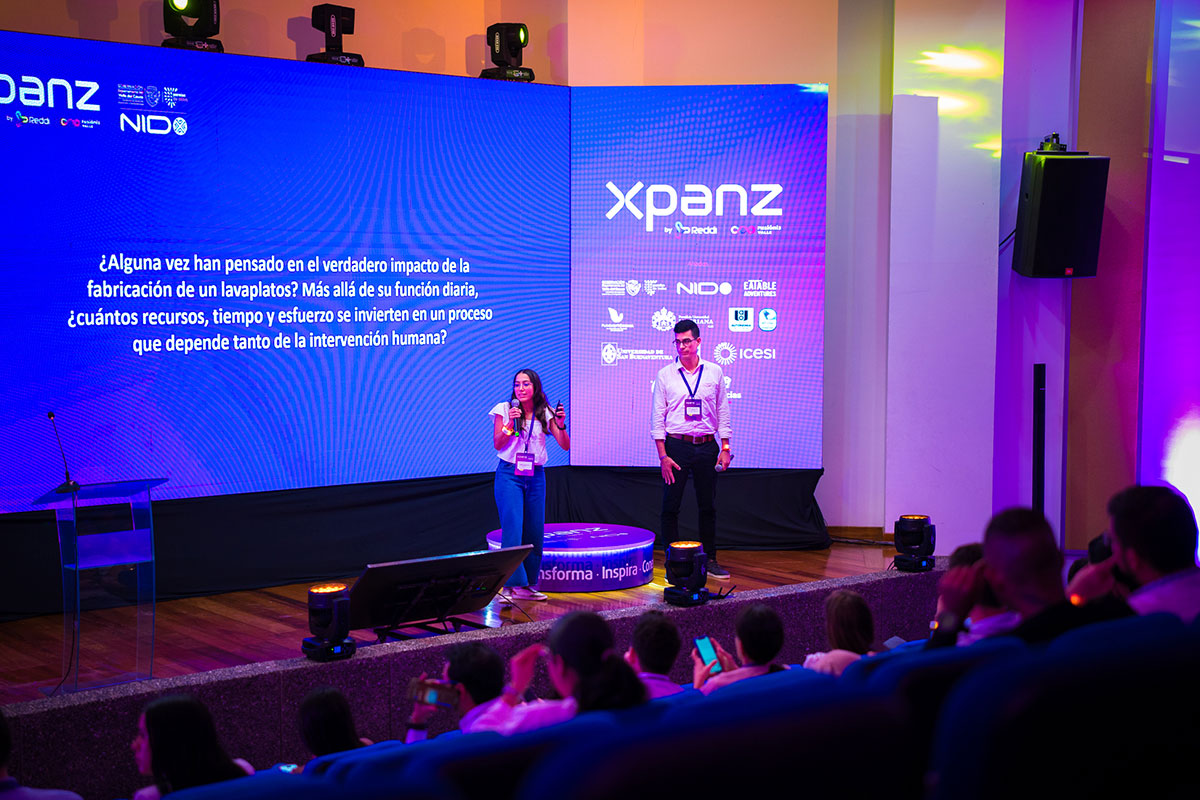
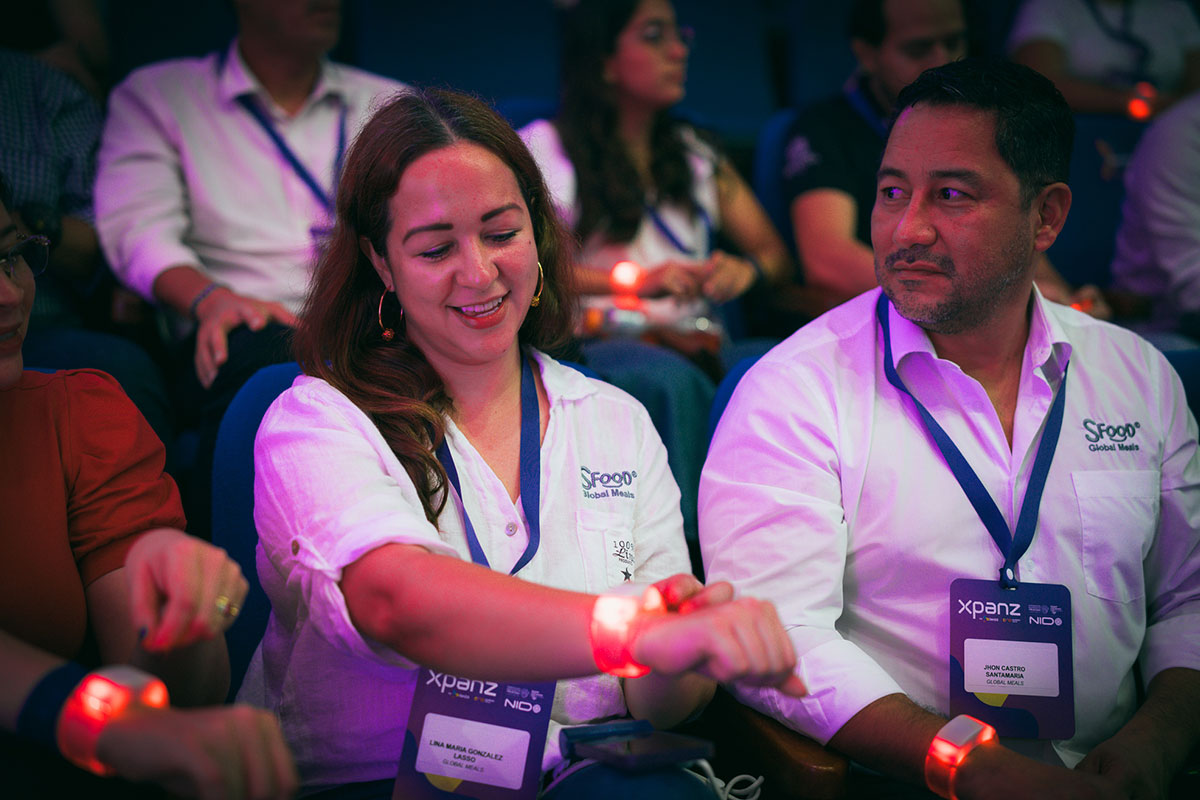
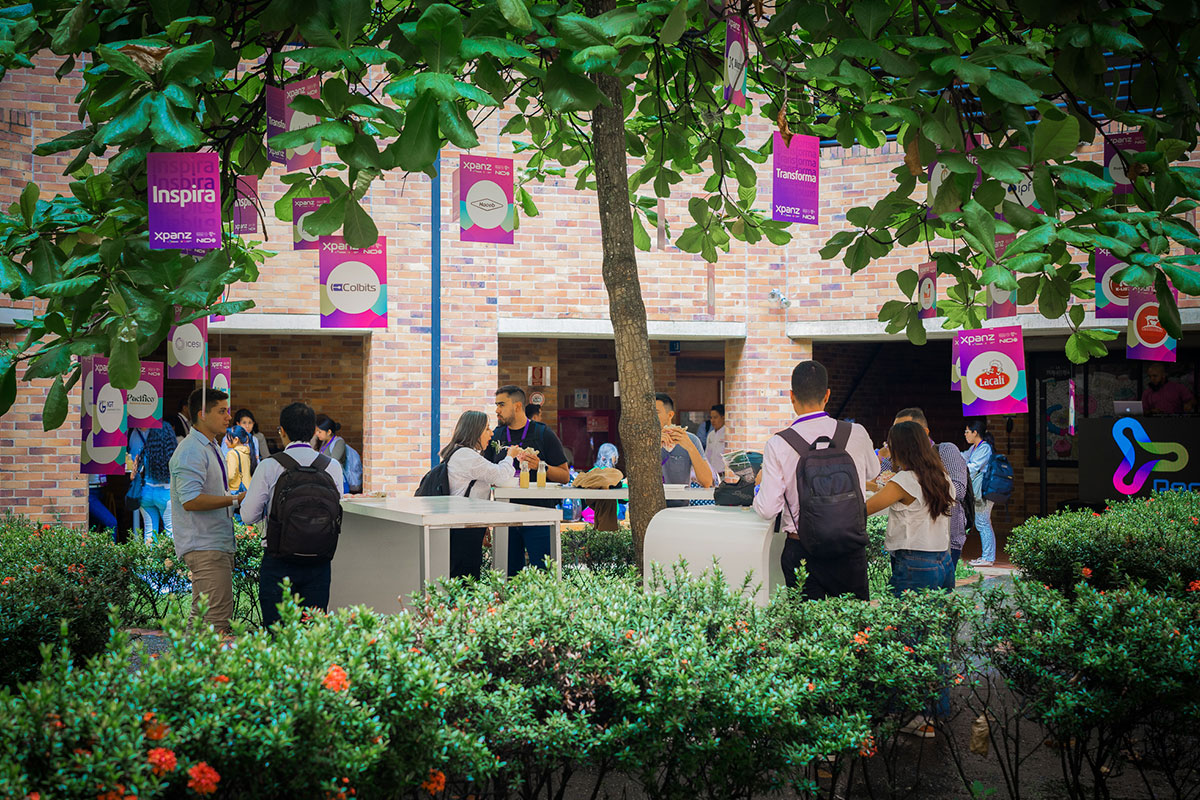
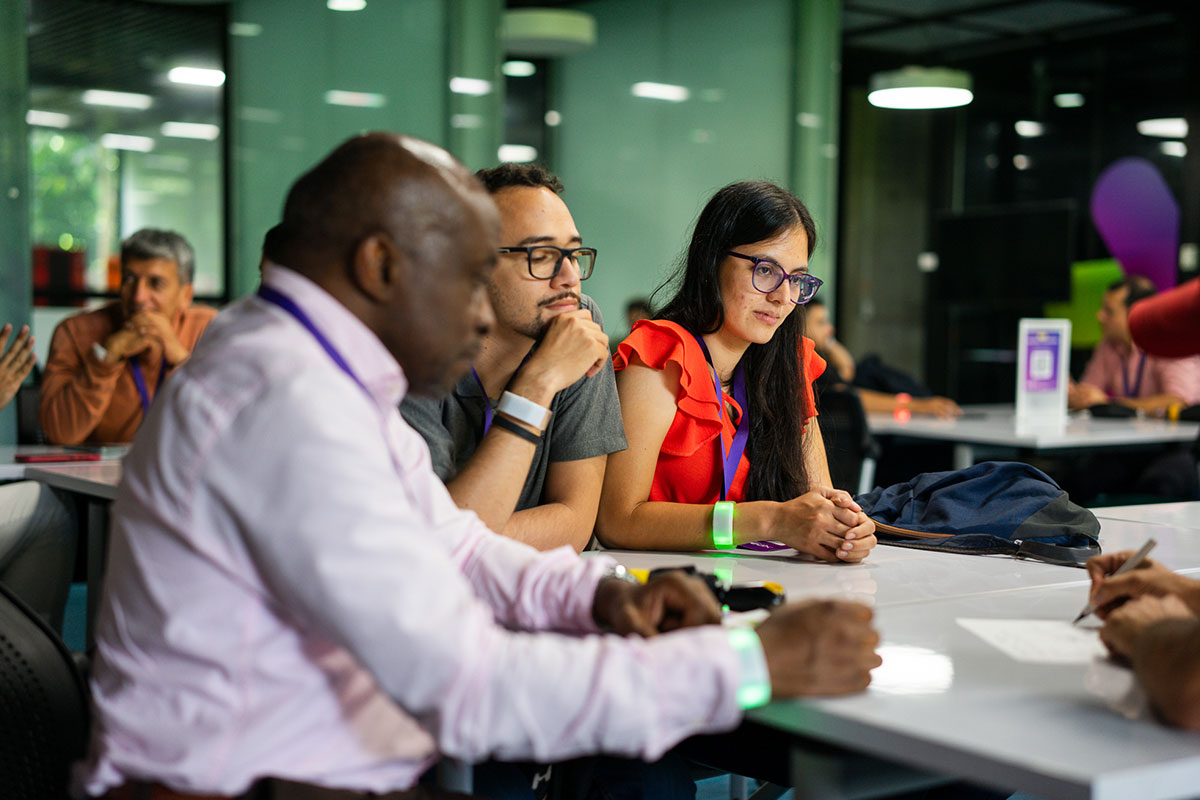
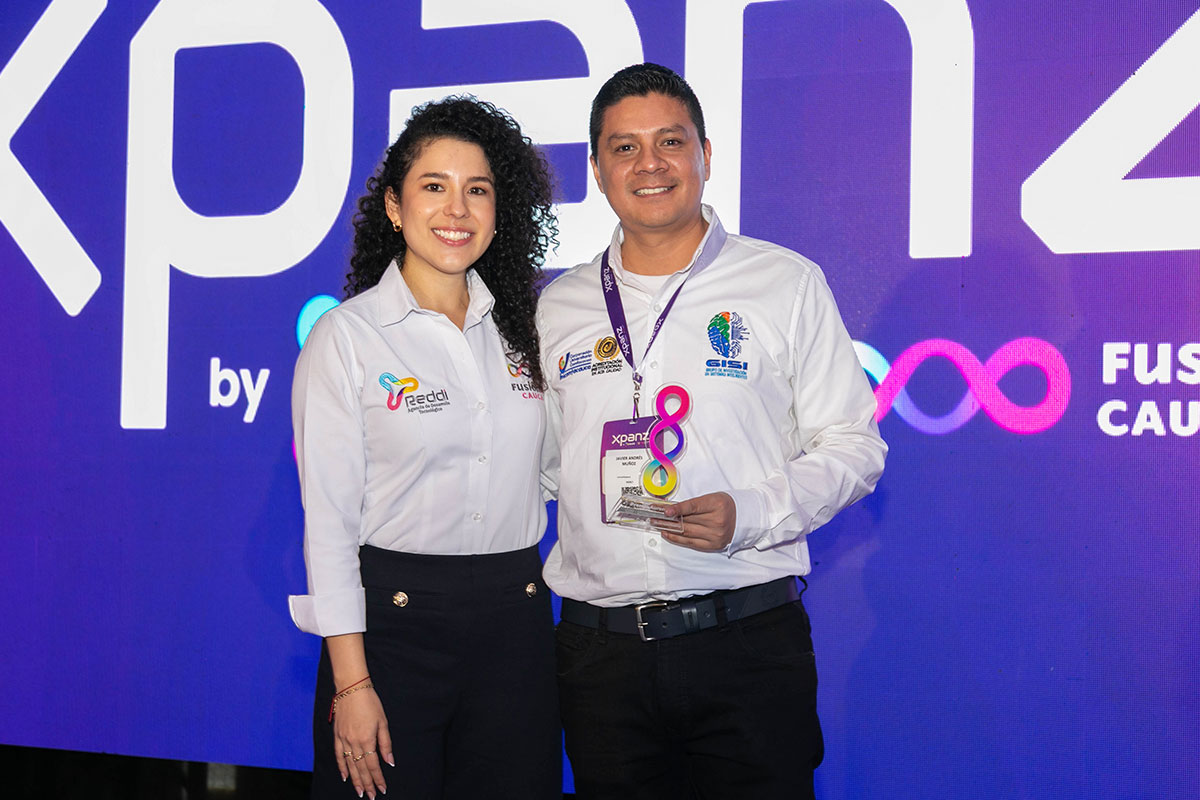
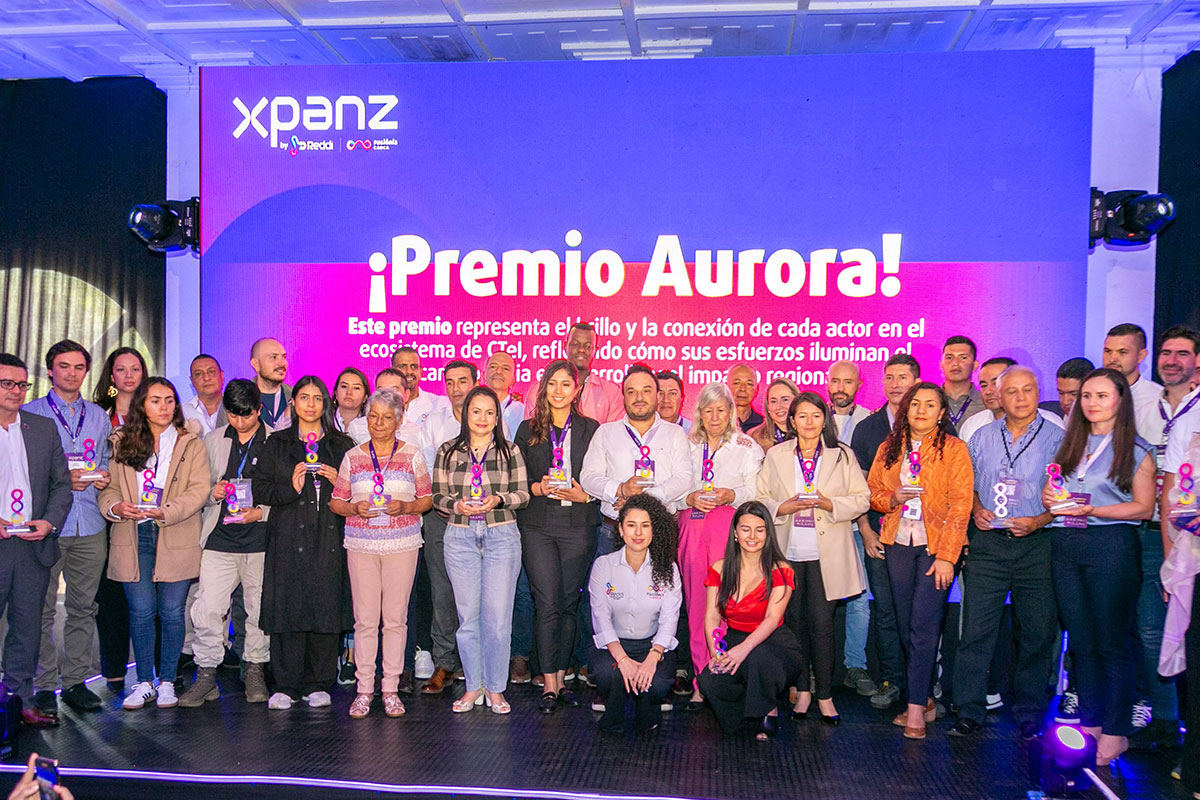
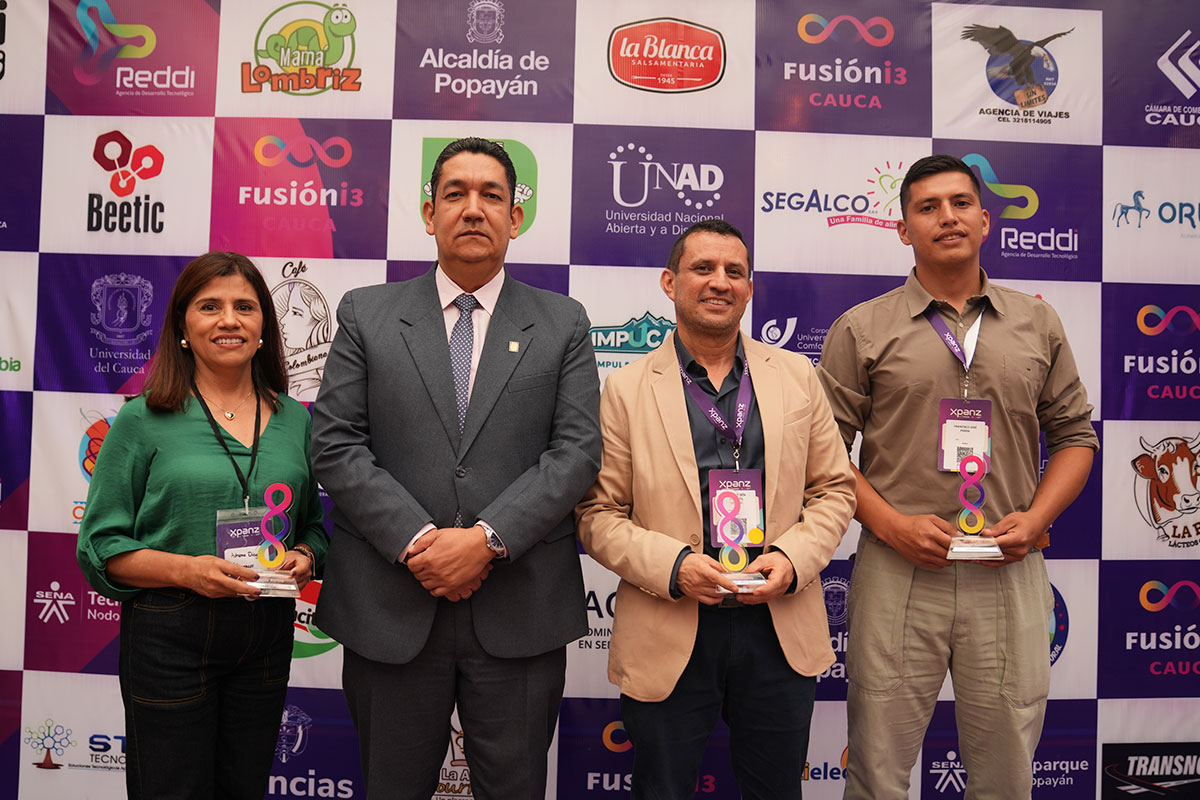
El evento contó con la participación de más de 101 asistentes en la Universidad Javeriana Cali.
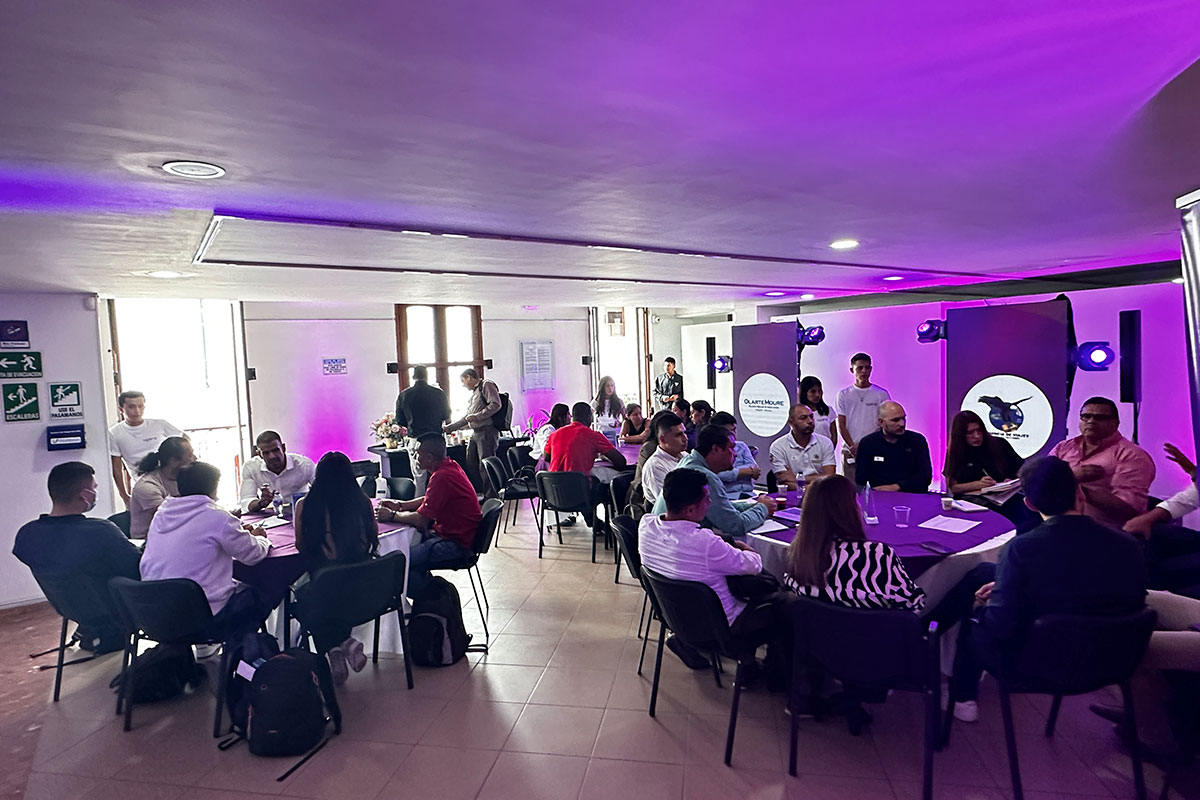
Fue el primer acercamiento entre IES aliadas y MiPyMEs beneficiarias.
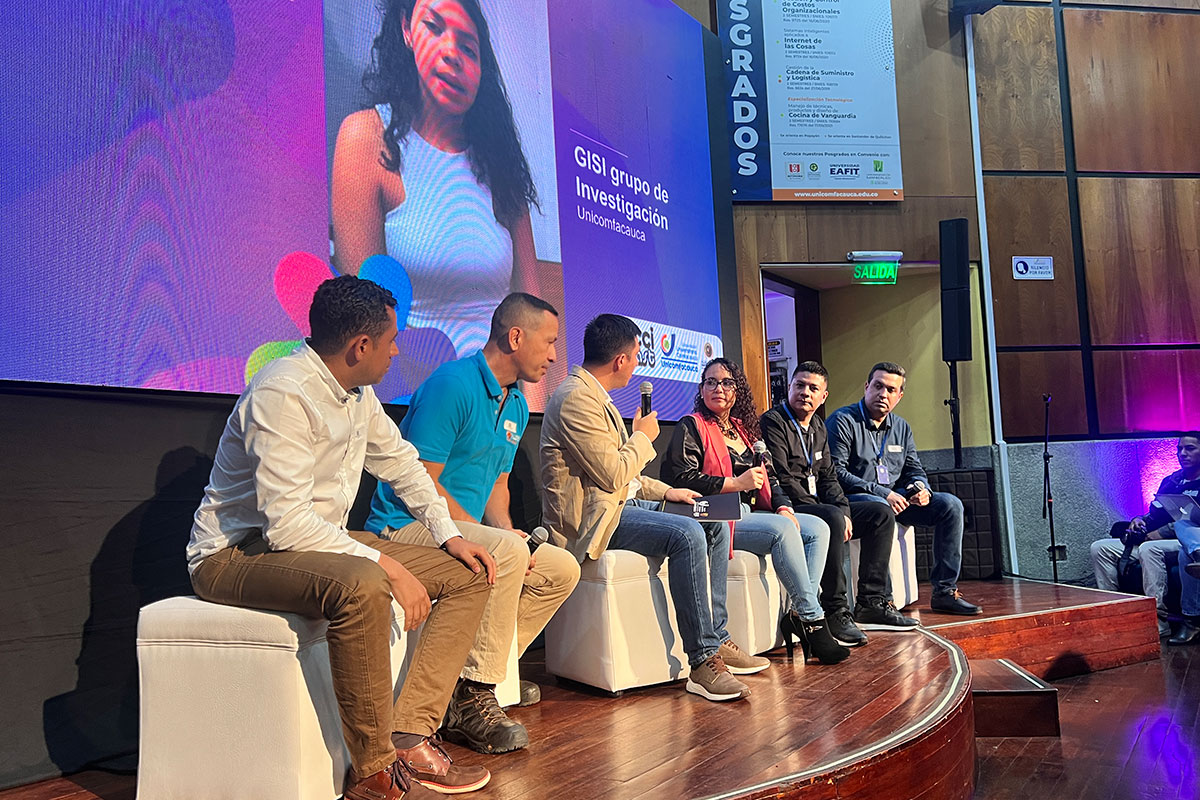
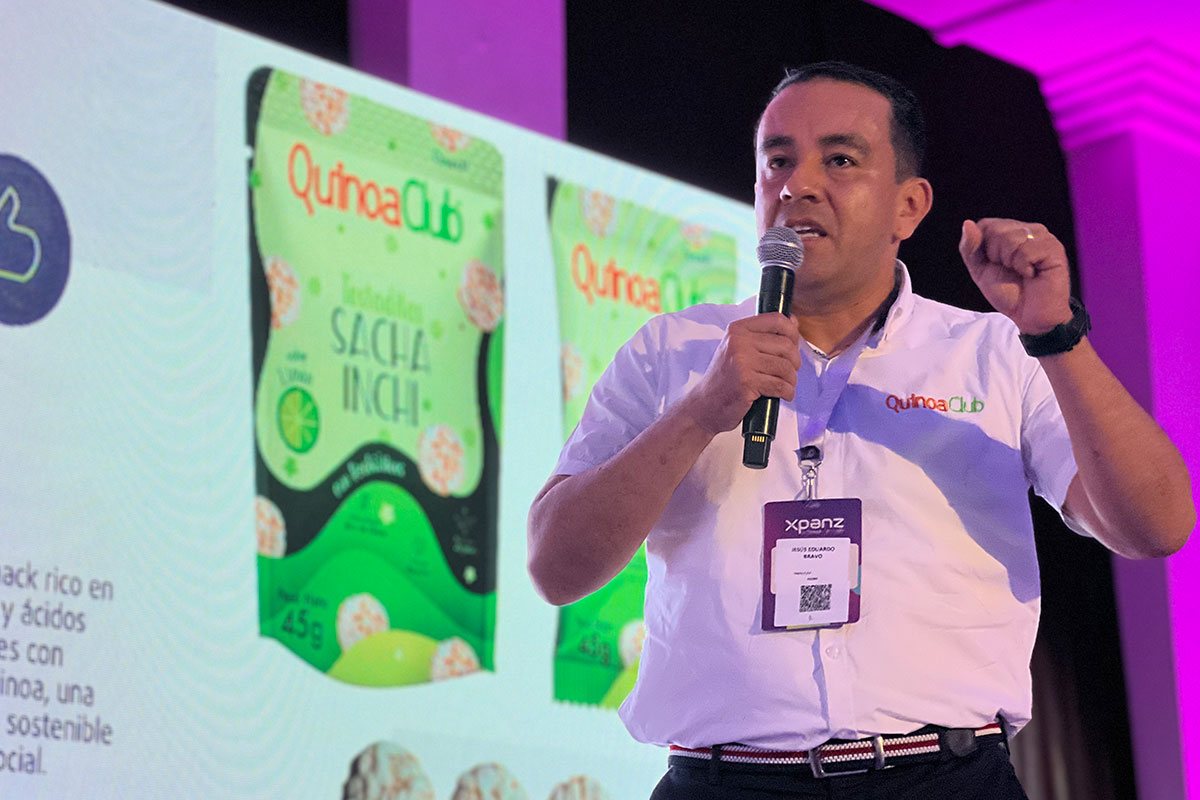
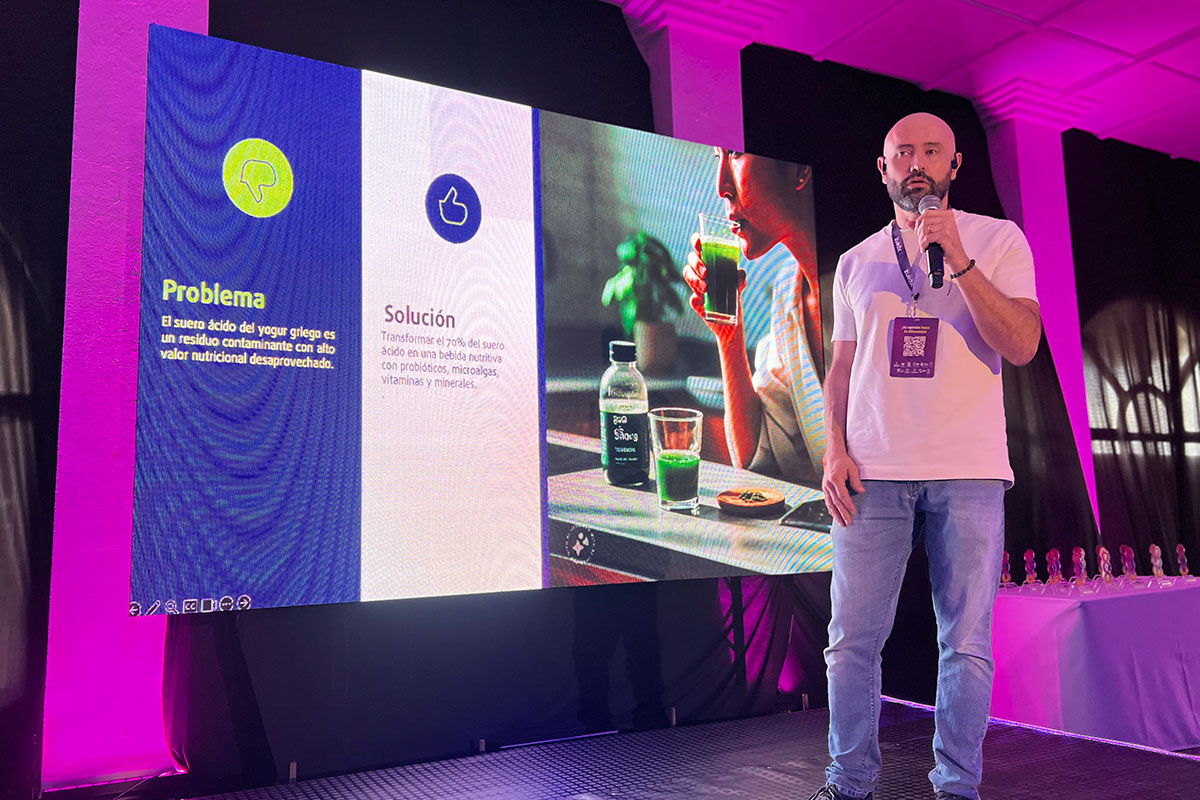
17 de estas MiPyMEs presentaron su Pitch, 11 tecnologías de las IES aliadas fueron presentadas en el Experience Day, las cuales tuvieron 28 validaciones pre-comerciales.
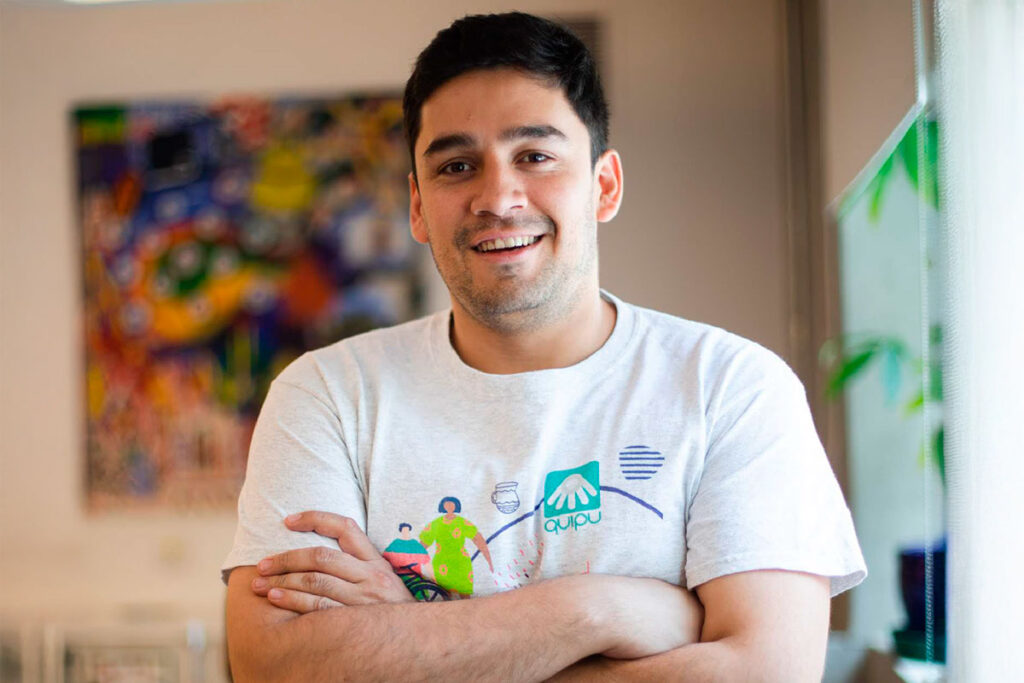
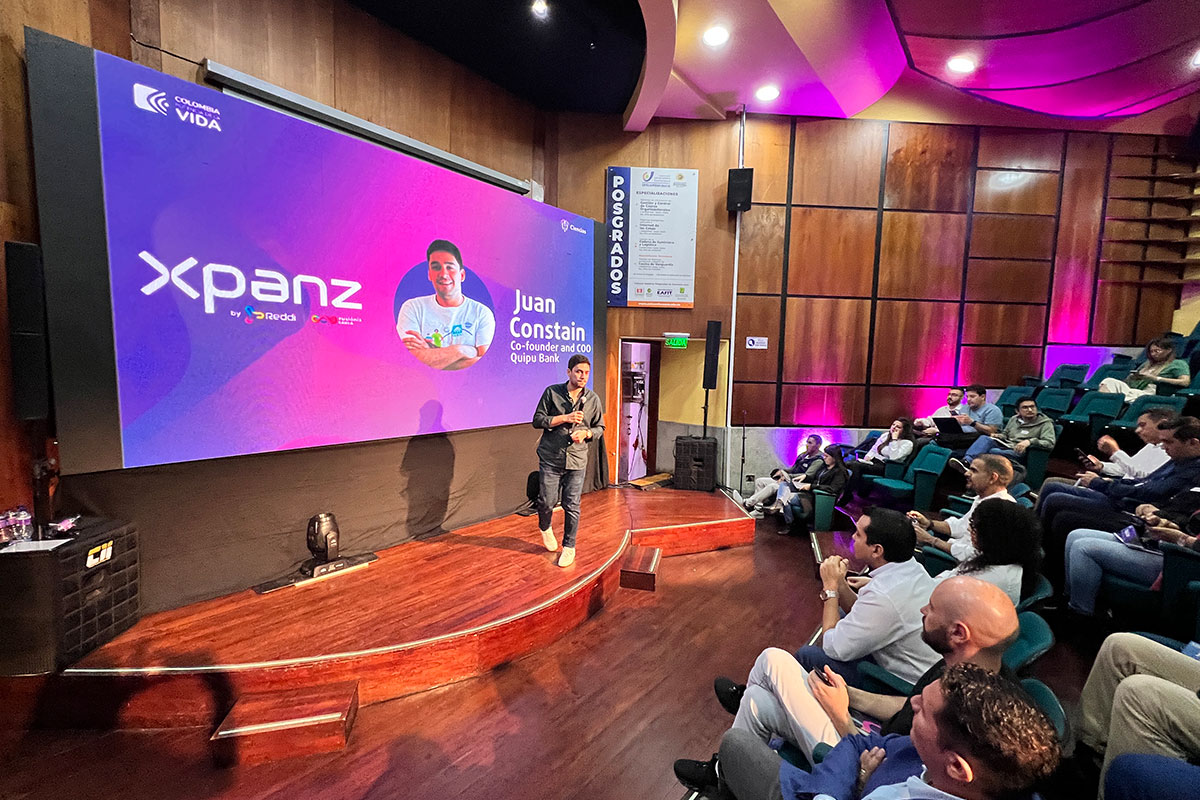
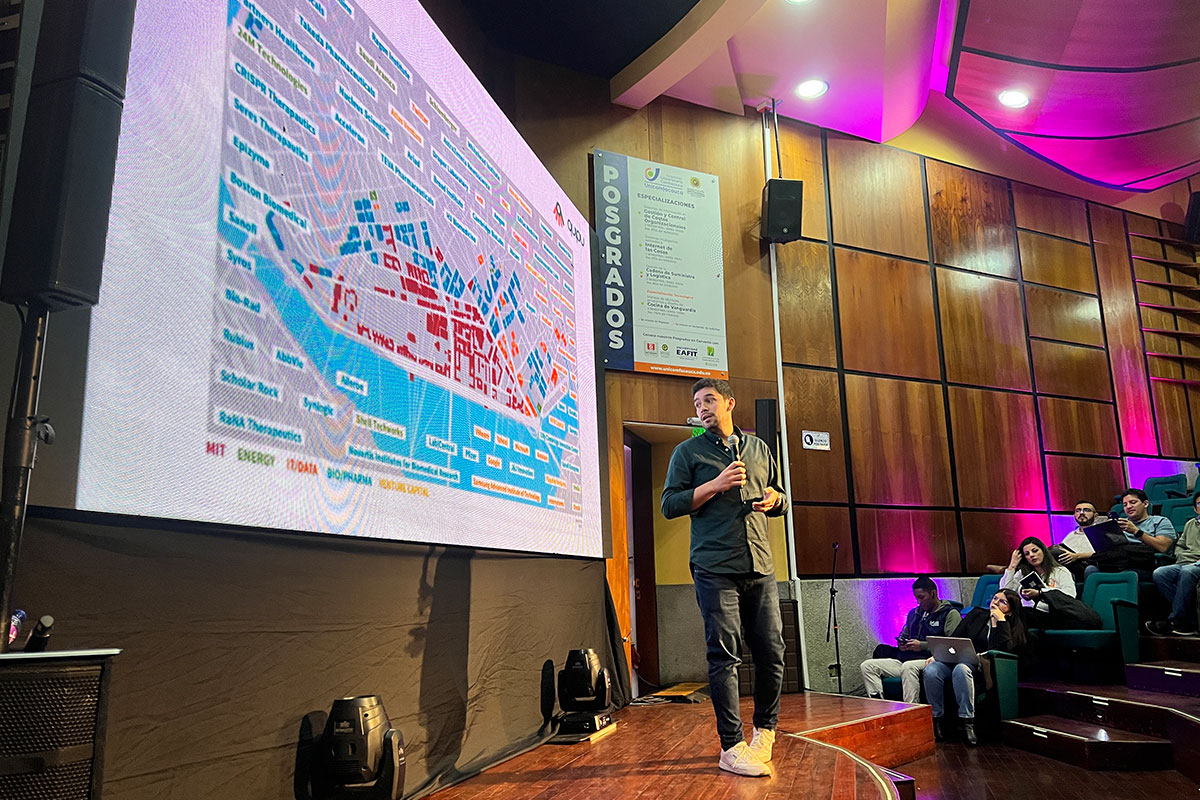
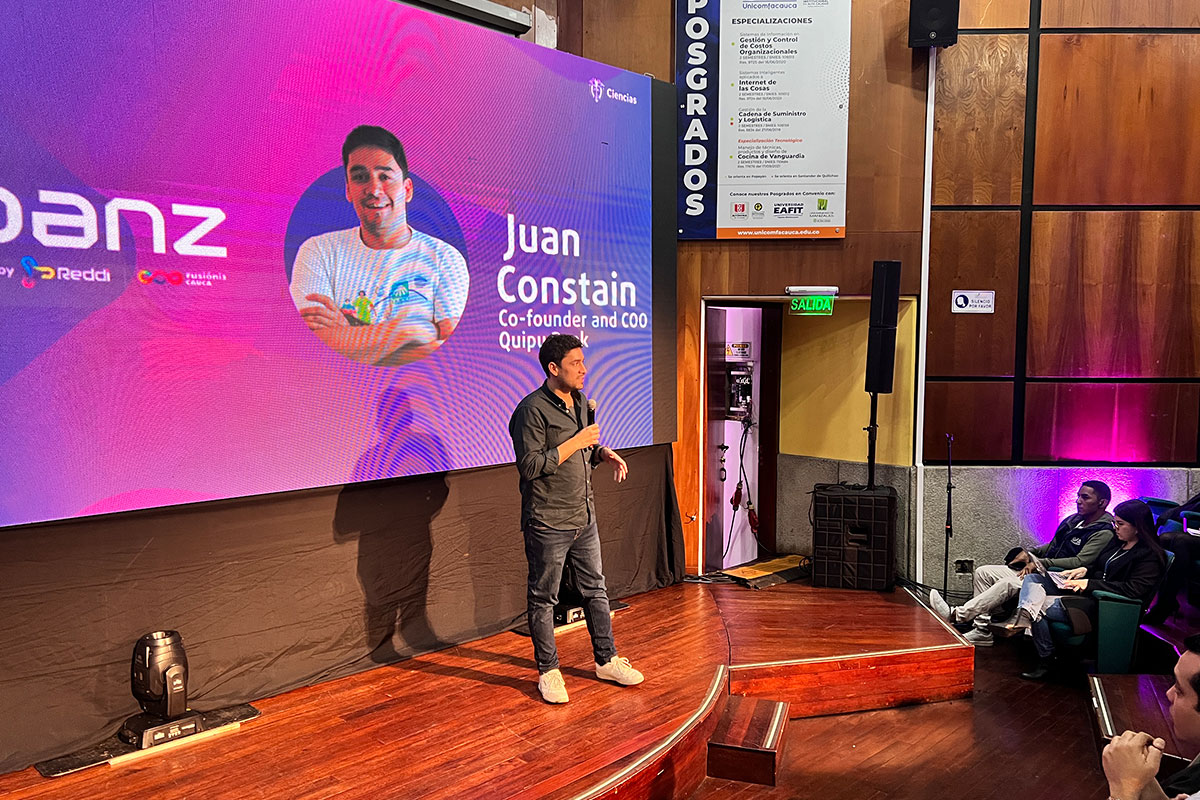
Conferencia: El camino de Quipu: de proyecto de investigación en MIT a fintech de inclusión financiera.
Cofundador y COO de Quipu Bank
Profesional en Gestión y Desarrollo Urbanos de la Universidad del Rosario, especialista en Derecho Urbano, y cuenta con una maestría en Planificación Urbana con énfasis en desarrollo económico del MIT. Como cofundador y COO de Quipu, una fintech de rápido crecimiento en Colombia, fue reconocido como Fellow del programa The Global Good Fund en 2023. Quipu ha recibido importantes reconocimientos de entidades como el Banco Mundial, Google, MIT, Forbes y Fast Company, consolidándose como un referente en inclusión financiera e innovación empresarial.
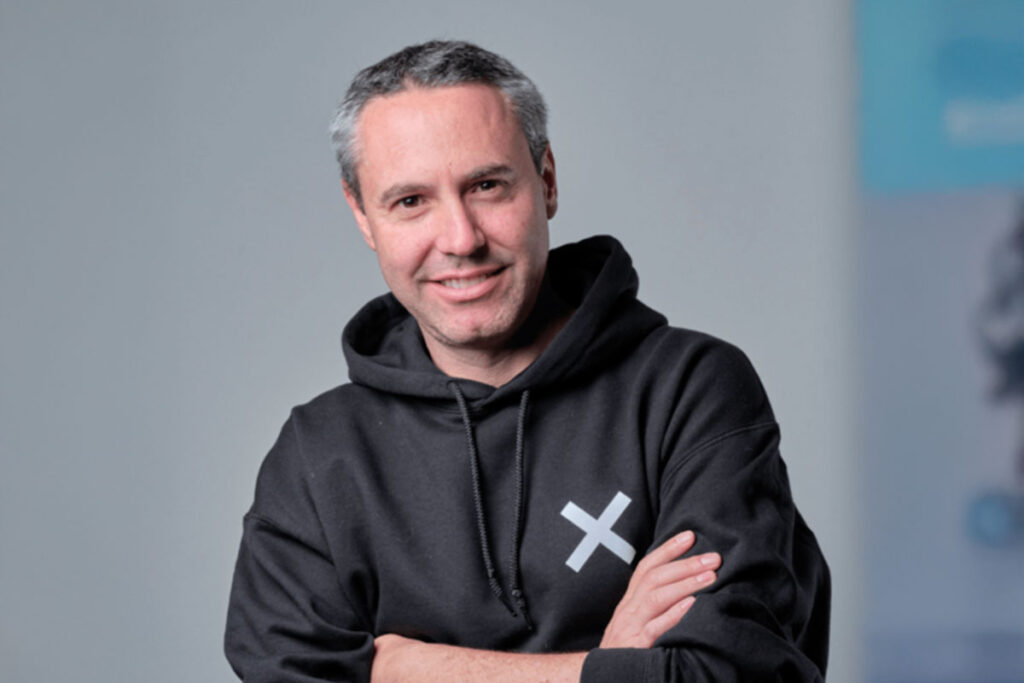
Director comercial de NotCo Colombia
Responsable de establecer la estrategia de negocio de NotCo en Colombia, en los frentes de Food Service, Retail. Administrador de negocios y especialista en mercadeo, con más de 25 años de experiencia liderando áreas de innovación en la industria de consumo masivo en Latinoamérica.

Conferencia: Efectos positivos de red.
CEO de Mentex y experta en innovación, reconocida entre los Top 100 gerentes de Colombia. Descubre cómo maximizar los efectos positivos de red y el impacto de la Alianza DeepTech en el fortalecimiento y escalamiento de startups en la región.