When we started the Fusióni3 project, I thought the main challenge would be technical. Articulating the innovation needs of fifty companies with the capabilities of nine universities sounded complex, but manageable. After all, both worlds need each other. What could go wrong?
Three years later, I understood that the challenge was never technical. It was political, human, about timing, language, and, above all, expectations that were never going to align perfectly. Because we weren’t working with two actors, we were working with three. And each one operated under logics that, more than just different, were sometimes directly incompatible.

The universities brought something invaluable: knowledge. In many cases, research groups helped companies understand that the problem they thought they had wasn’t the real one. This support elevated the level of the discussion and allowed for more informed decisions. That’s something rarely achieved without academic backing.
But that same knowledge came with a structural difficulty. Having the capacity to solve a challenge—the people, the laboratories, the infrastructure—doesn’t mean having a service ready to offer to the market. When a company expressed interest, the valuation of the work was usually a sum of costs: salaries, use of space, equipment, student interns. The result was a technically justifiable budget, but one that the market wasn’t willing to pay. And that’s where the friction began.
The companies, for their part, contributed dynamism, enthusiasm, and a practical perspective that kept us grounded in reality. Their focus on the customer and the product helped us avoid getting lost in abstract concepts. This exchange is one of the greatest benefits of collaboration between universities and businesses: combining scientific rigor with business acumen.
But that same dynamism came with anxiety. At first, three years seemed like an eternity to develop a technological solution. Over time, reality revealed a different side: many were operating with such tight schedules that they struggled to complete tasks, maintain the project’s pace, or coordinate meetings with researchers. And when conversations arose about intellectual property or licensing—common topics in the academic world—the language became unfamiliar, and the discomfort slowed everything down.
The government, in this case the Ministry of Science which oversaw the project, had people with solid technical knowledge who helped anticipate risks and protect us from scrutiny by regulatory bodies. That role is valuable and necessary.
But that same care resulted in a flood of information requests. Much time was spent drafting responses that seemed straight out of a manual, uploading files to platforms designed in another era, and fulfilling requirements that, while important, consumed a disproportionate amount of energy. And because the supervisory body was managing many projects simultaneously, response times tended to be longer, gradually impacting the teams’ workflows.
None of these three were wrong. But they weren’t automatically compatible either.
The most difficult thing to manage was the timing. Universities work in research cycles measured in years. Companies operate in quarters, with constant pressure for immediate results. Government functions in political periods and budget cycles that have their own logic. Synchronizing all of that is nearly impossible.
I learned that I couldn’t force artificial synchronizations. I couldn’t make research move faster without compromising rigor. I couldn’t make companies wait indefinitely without losing interest. I couldn’t make the government ignore its oversight and accountability obligations.
What it could do was design agreements that acknowledged those differences. Partial deliveries that would give the company something tangible while the research progressed. Intermediate indicators that would give the government visibility without demanding premature final results. Flexibility in deadlines that would give universities reasonable space without becoming indefinite.

But even those agreements were fragile. Because when a business owner cancels a meeting for the fourth time because “the week got complicated,” the researcher starts to feel their work isn’t valued. And when a researcher asks for “a couple more months” to validate results, the business owner begins to doubt that this is going anywhere. And when the supervisor requests an additional report to clarify a point that was already explained, everyone feels they’re working for compliance, not impact.
There are things that don’t appear in reports but that determine the outcome of a project. A researcher might refuse to collaborate with a company not because the technology doesn’t work, but because that collaboration compromises their academic autonomy or delays a publication they need for their career. An entrepreneur might withdraw not because the solution is bad, but because the process is so slow that they’ve already missed the market opportunity. A public official might block a contract modification not because it’s unfeasible, but because it complicates their relationship with the oversight department.
I learned to read those unwritten codes. To understand that prestige matters as much as resources in the academic world. That reputational risk can outweigh financial risk for a company. That political visibility can define the continuity of a program more than its technical impact.
Understanding that allowed me to anticipate resistance that wasn’t obvious. And it also forced me to accept something uncomfortable: sometimes a project isn’t viable not because it’s technically flawed, but because the goals of the three worlds are too divergent.

Leading these kinds of projects makes you suspect to all three groups. Researchers may see you as too commercial. Businesspeople as too academic. The government as someone who doesn’t understand oversight responsibilities or is too focused on the technical aspects.
That suspicion is inevitable. Because you don’t belong completely to either side. And that’s unsettling. But it’s also what allows you to mediate, because you’re not exclusively loyal to any one logic.
I learned to tolerate that discomfort. Not to try to convince anyone that I belonged to their world. Instead, I learned to demonstrate that I understood all three of them well enough to help them collaborate without betraying each other. What I could do was design agreements that acknowledged those differences. Partial deliveries that gave the company something tangible while the research progressed. Intermediate indicators that gave the government visibility without demanding premature final results. Flexibility in deadlines that gave universities reasonable space without becoming indefinite.
And I learned something even more important: my job wasn’t to make these worlds think alike. It was to create spaces where they could collaborate without compromising their defining characteristics. Where researchers could defend their rigor. Where entrepreneurs could manage their risk. Where governments could fulfill their mandates. But even these agreements were fragile. Because when an entrepreneur cancels a meeting for the fourth time because “the week got complicated,” the researcher begins to feel their work isn’t valued. And when a researcher asks for “a couple more months” to validate results, the entrepreneur starts to doubt whether this is going anywhere. And when a supervisor requests an additional report to clarify a point already explained, everyone feels they’re working for compliance, not impact.
The most important conversations weren’t those that sought consensus. They were those that sought mutual understanding. That the researcher understood that the entrepreneur wasn’t being anxious, but rather managing commercial viability. That the entrepreneur understood that the researcher wasn’t being a perfectionist, but rather defending scientific validity. That the government understood that innovation timelines don’t align with administrative cycles.
When that understanding existed, agreements could be drawn up. When it didn’t, there was only frustration.
The I3 merger yielded concrete results: products and services that are now on the market or on their way. But the most profound lessons aren’t found in the metrics. They lie in the difficult conversations we had. In the tensions we learned to make visible and manageable. In the companies that understood that research takes time. In the researchers who learned to translate their knowledge into commercial value propositions. In the officials who streamlined processes whenever possible.
Working at that intersection is exhausting. Because you’re always translating, mediating, explaining, managing expectations. There’s never a simple solution because the systems are inherently complex. And sometimes you have to pause and remind the team of something essential: most of our time, focus, and creativity should be on the client and the real impact of the project, not on pleasing the supervisor.
But it’s also where the most interesting things happen. Where science finds real-world application. Where companies access knowledge they couldn’t generate on their own. Where government can catalyze innovation that benefits more people.
When those connections work, when you see a researcher, an entrepreneur, and an official building something together that none of them could achieve alone, you know that the invisible work of articulation was worth it.
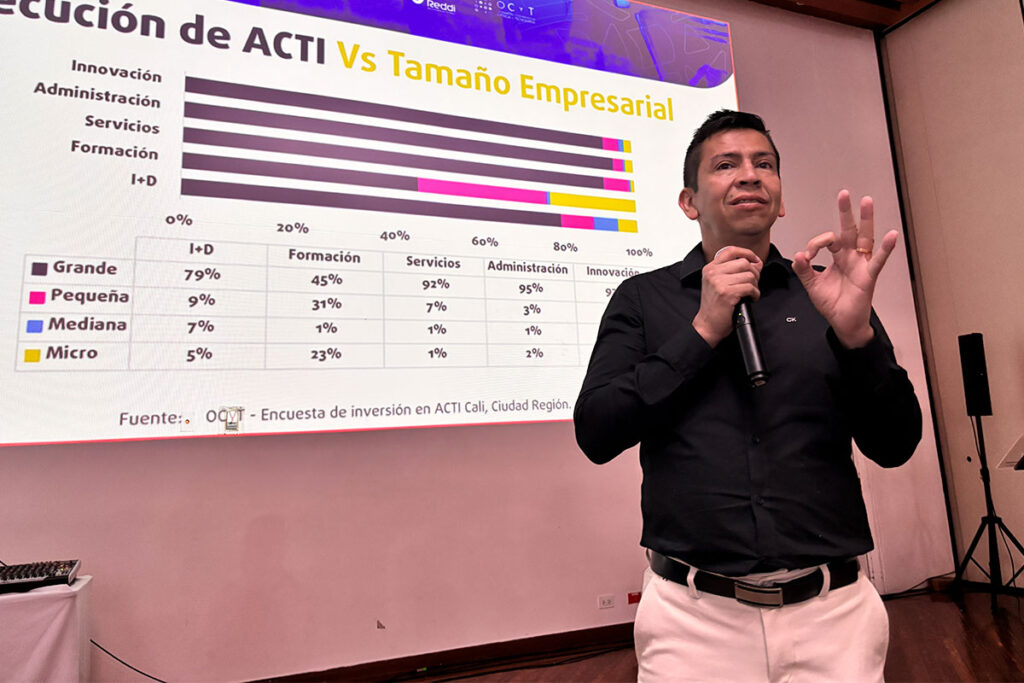
Este miércoles 3 de diciembre se llevó a cabo la Socialización de Resultados de la Medición ACTI 2024, un espacio convocado por la Alcaldía de Santiago de Cali, la Cámara de Comercio de Cali y Reddi Colombia, con el apoyo del Observatorio Colombiano de Ciencia y Tecnología – OCyT.
Un encuentro que reunió a empresas, academia e instituciones para conocer los avances, retos y oportunidades del ecosistema de Ciencia, Tecnología e Innovación de Cali, Ciudad Región.
For her part, Alejandra Ibarra, Head of Customer Knowledge at the Cali Chamber of Commerce, shared a key message about the relevance of the exercise:
“We deeply value the commitment of the participating companies. These results allow us to better understand the evolution of the business landscape and the opportunities to strengthen competitiveness.”
These voices were joined by Mónica Dueñas Gómez, Director of the Fusióni3 Valle Reddi Colombia Project, emphasizing the role of measurement as a tool to energize the ecosystem:
“This measurement is a fundamental input. The data shows us real capabilities and opportunities for connection between companies, institutions, and academia. Understanding them allows us to strengthen initiatives and forge alliances that accelerate innovation in the city-region.”
Por su parte, la Jefe de Conocimiento del Cliente, Alejandra Ibarra de la Cámara de Comercio de Cali compartió un mensaje clave sobre la relevancia del ejercicio:
“Valoramos profundamente el compromiso de las empresas que participaron. Estos resultados nos permiten comprender mejor la evolución del tejido empresarial y las oportunidades para fortalecer la competitividad.”
A estas voces se sumó Mónica Dueñas Gómez, Directora del Proyecto Fusióni3 Valle Reddi Colombia, enfatizando el rol de la medición como herramienta para dinamizar el ecosistema:
“Esta medición es un insumo fundamental. Los datos nos muestran capacidades reales y oportunidades de conexión entre empresas, instituciones y academia. Conocerlos nos permite potenciar iniciativas y tejer alianzas que aceleran la innovación en la ciudad-región.”
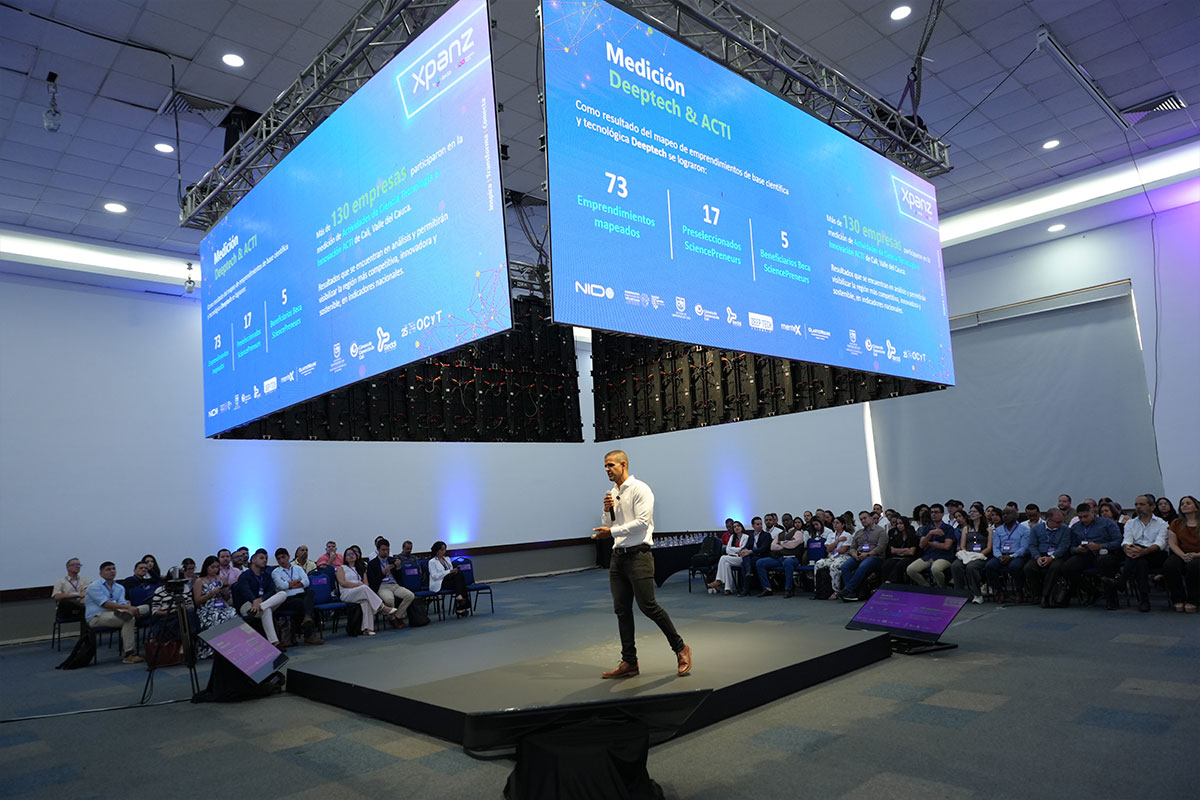
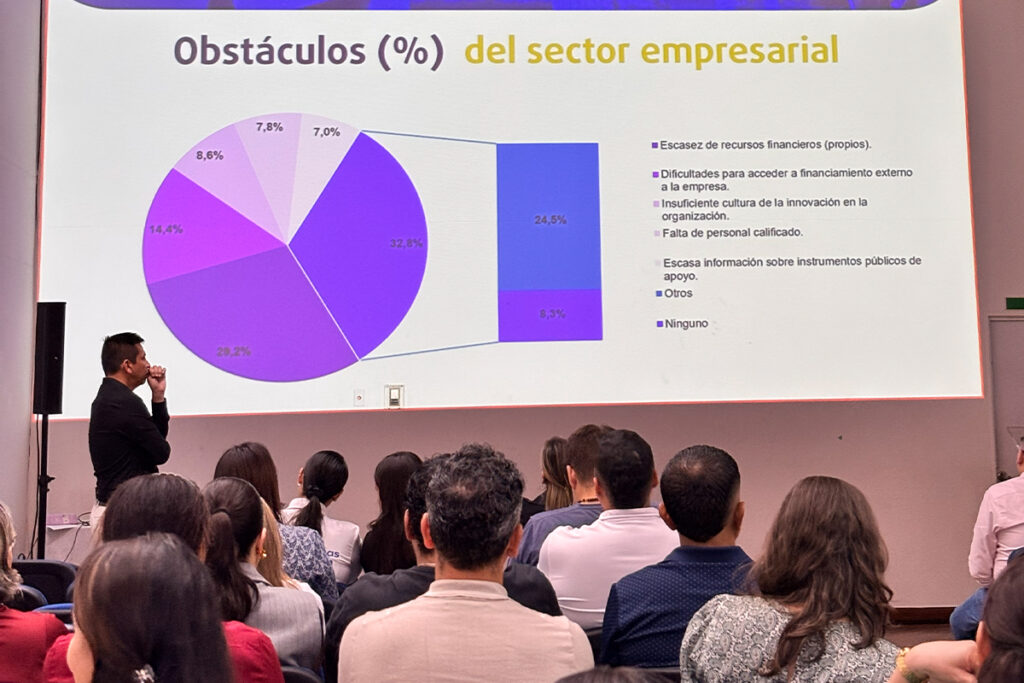
Efrén Romero, executive director of OCyT, and Zully Niño, leader of the statistical operation carried out, presented the key findings built from the participation of more than 140 companies of various sizes and sectors in the city.
The main results were:
These findings reaffirm a reality: innovation is the engine that drives new opportunities, competitiveness and business sophistication in the region.
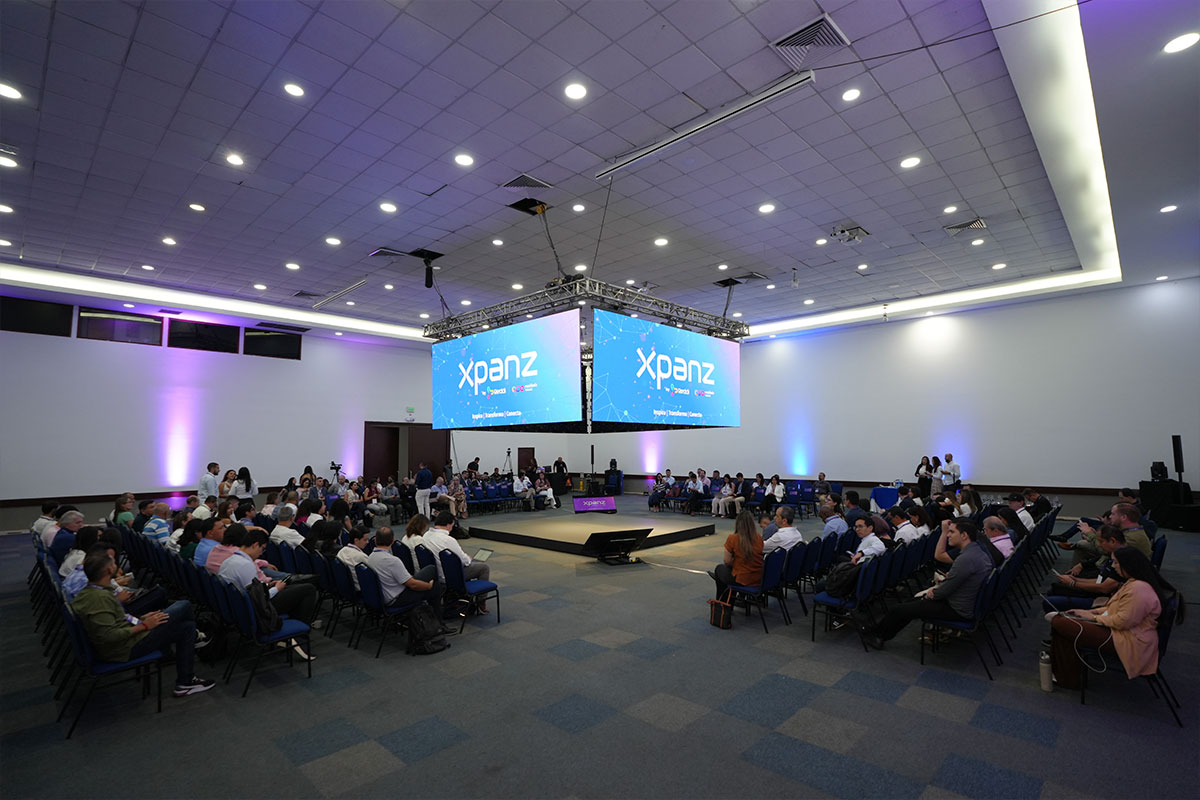
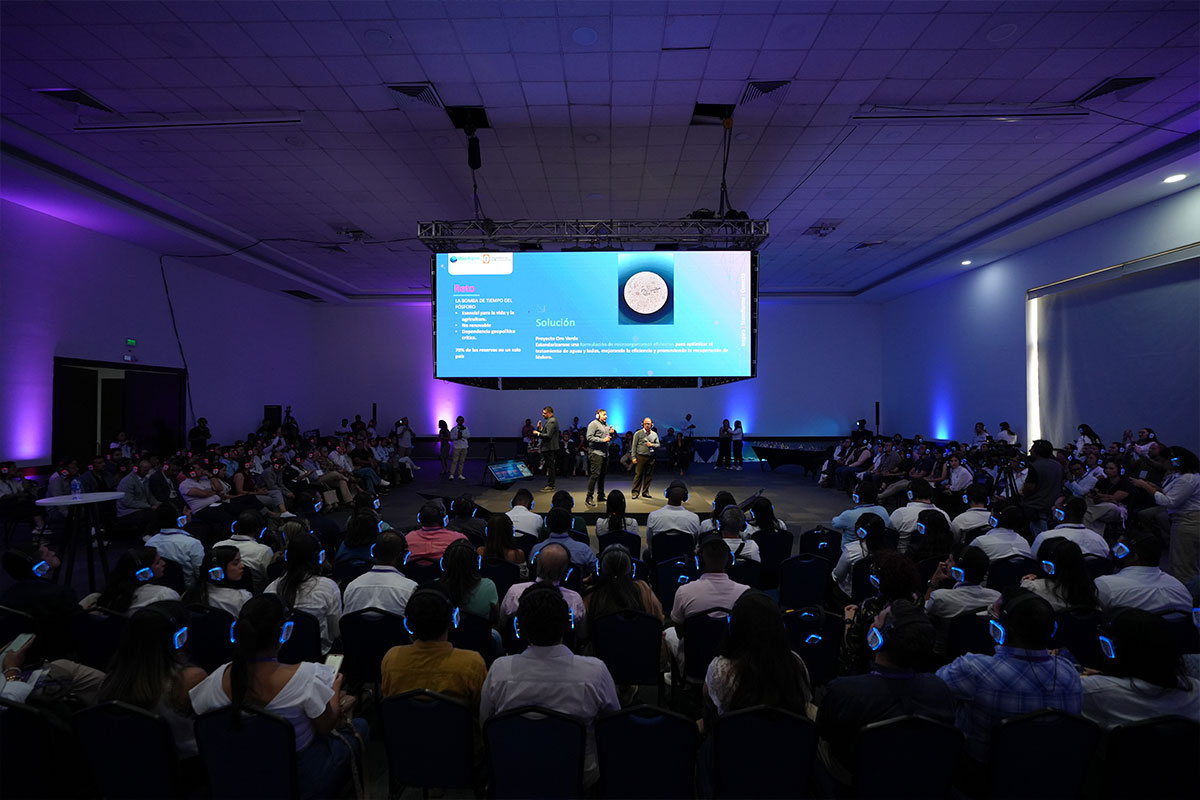
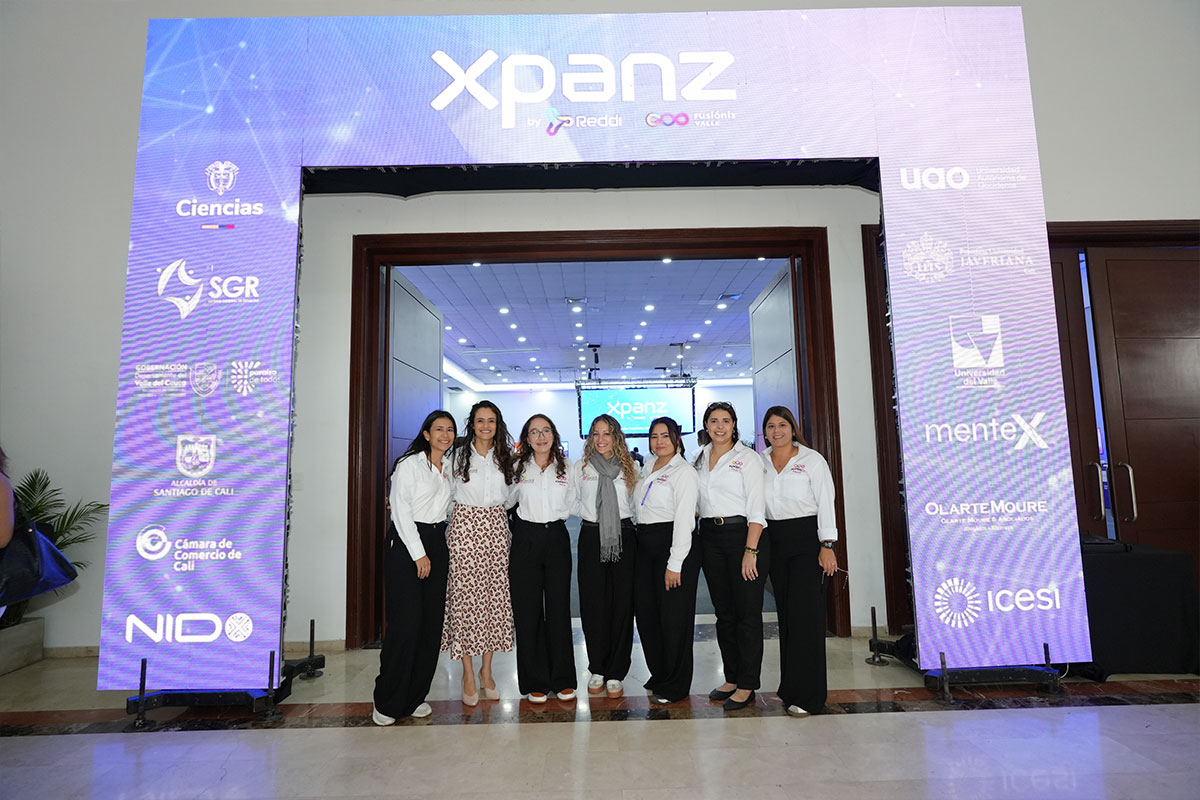
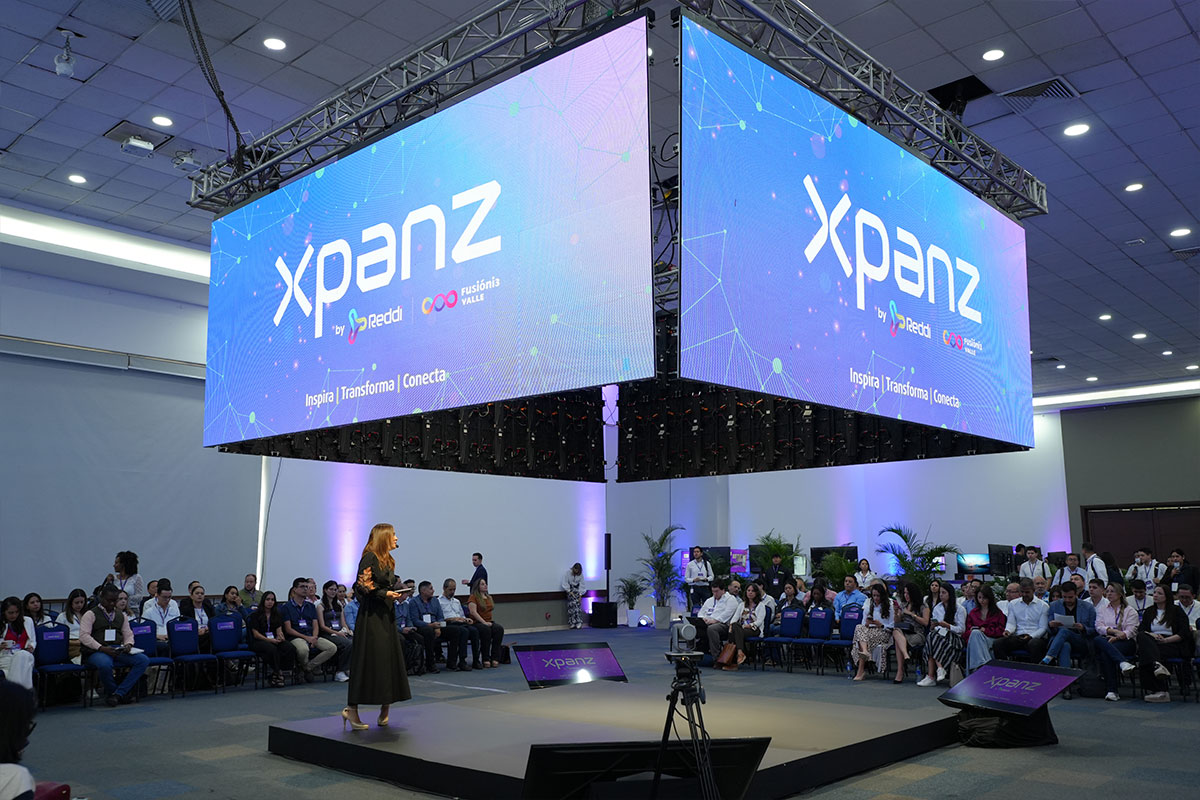
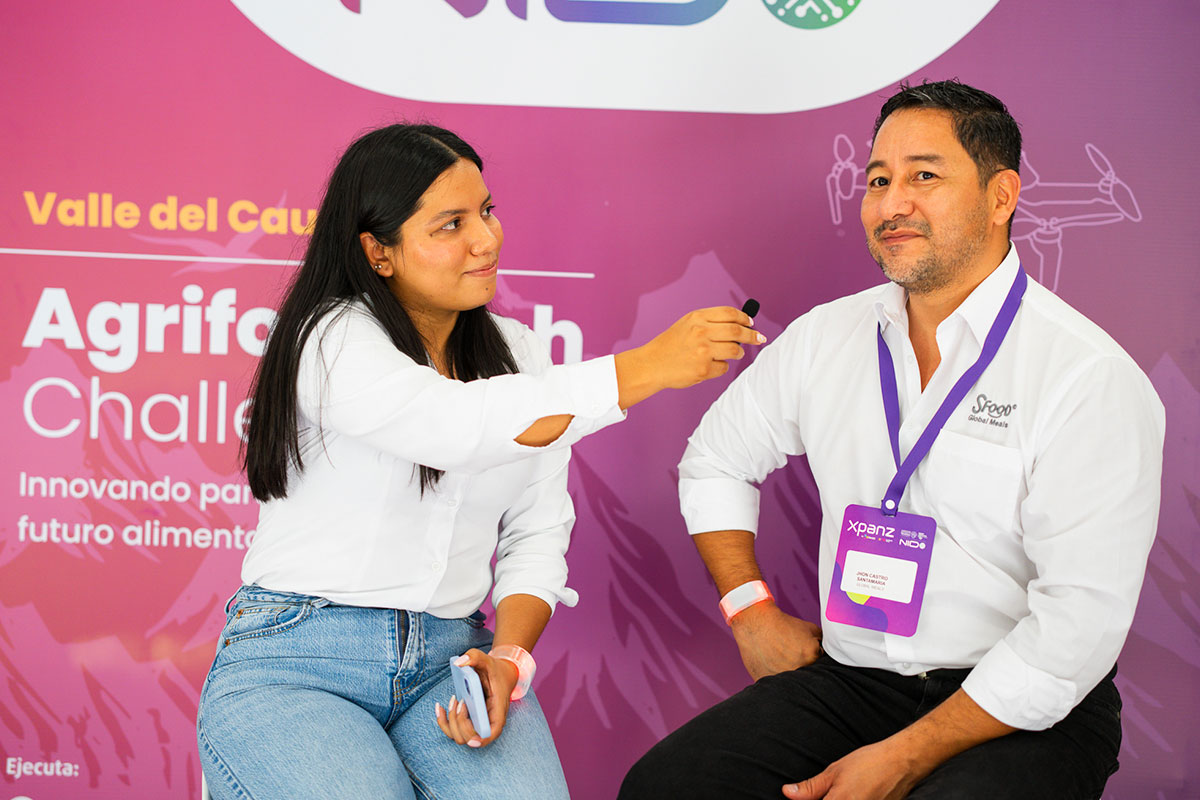
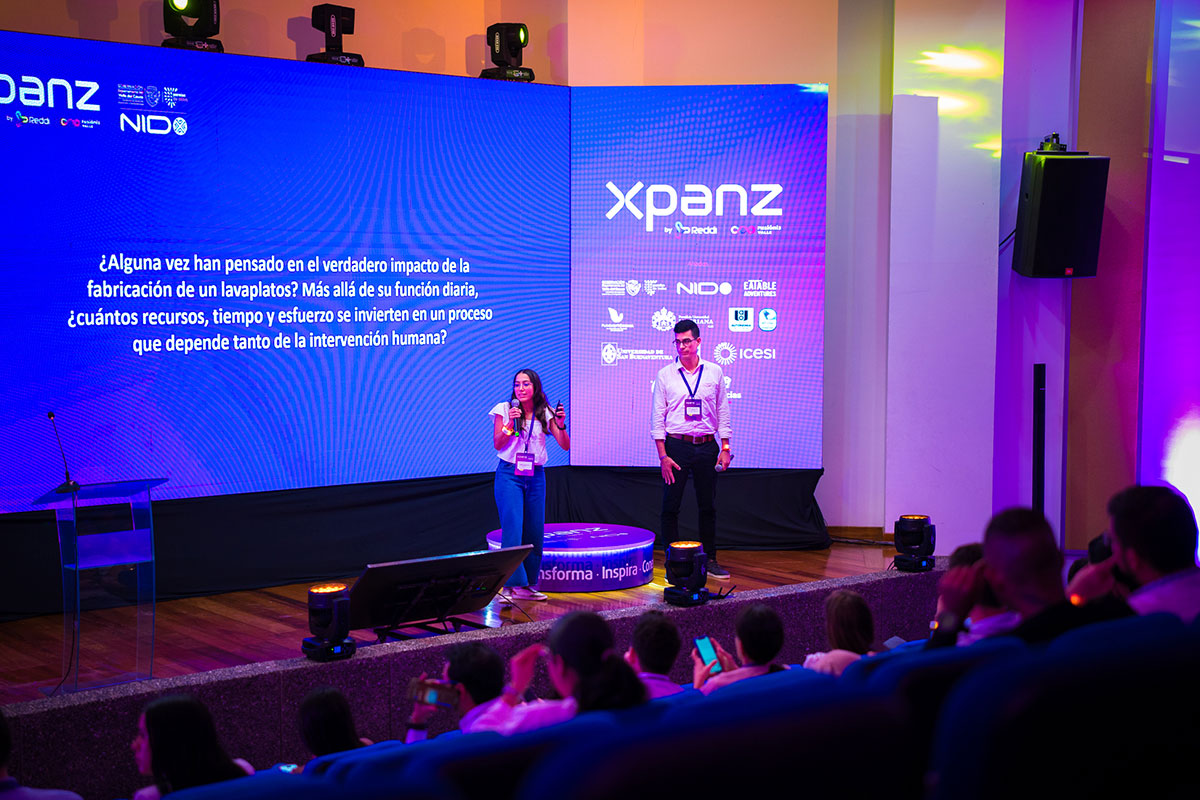
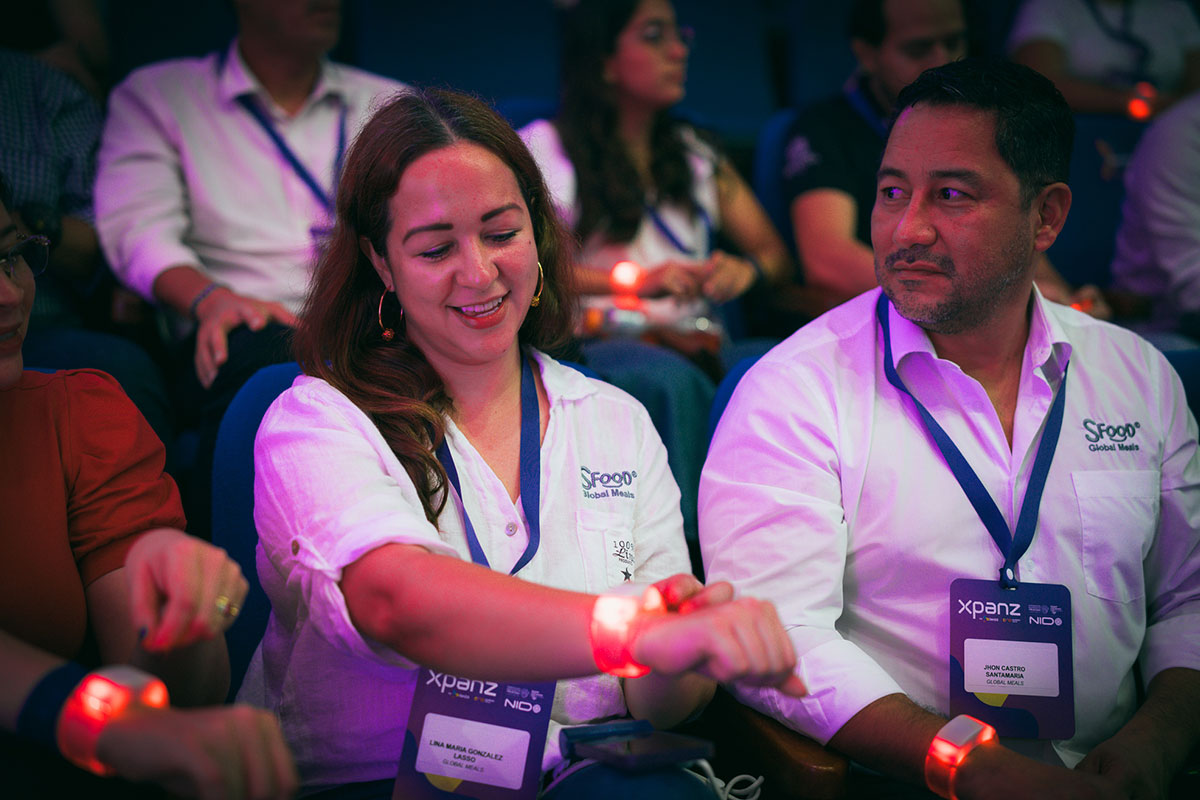
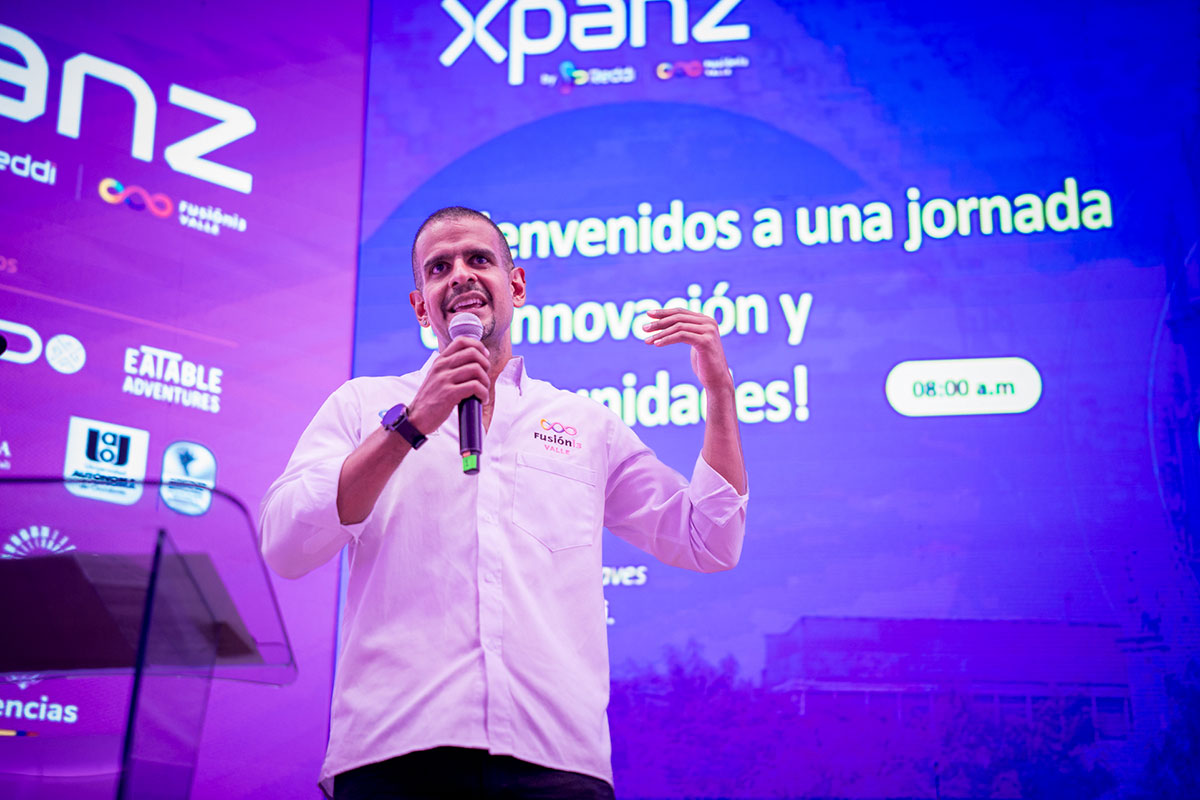
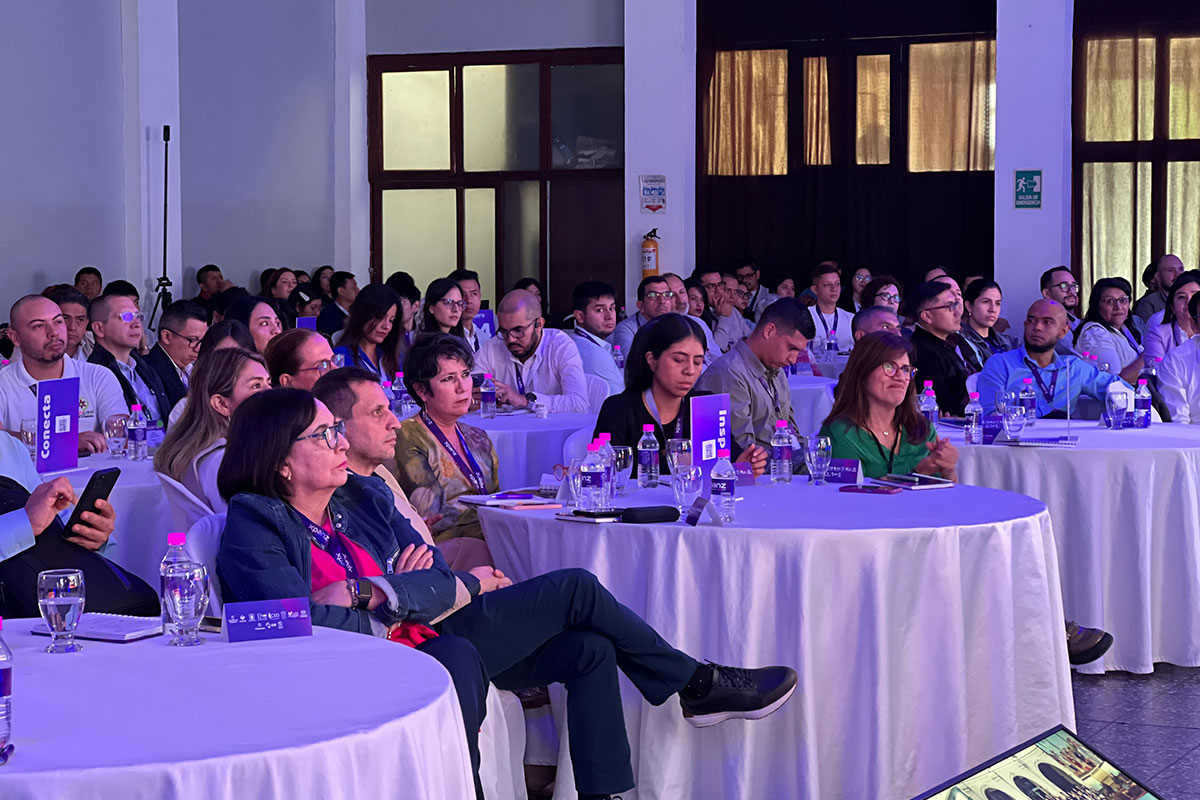
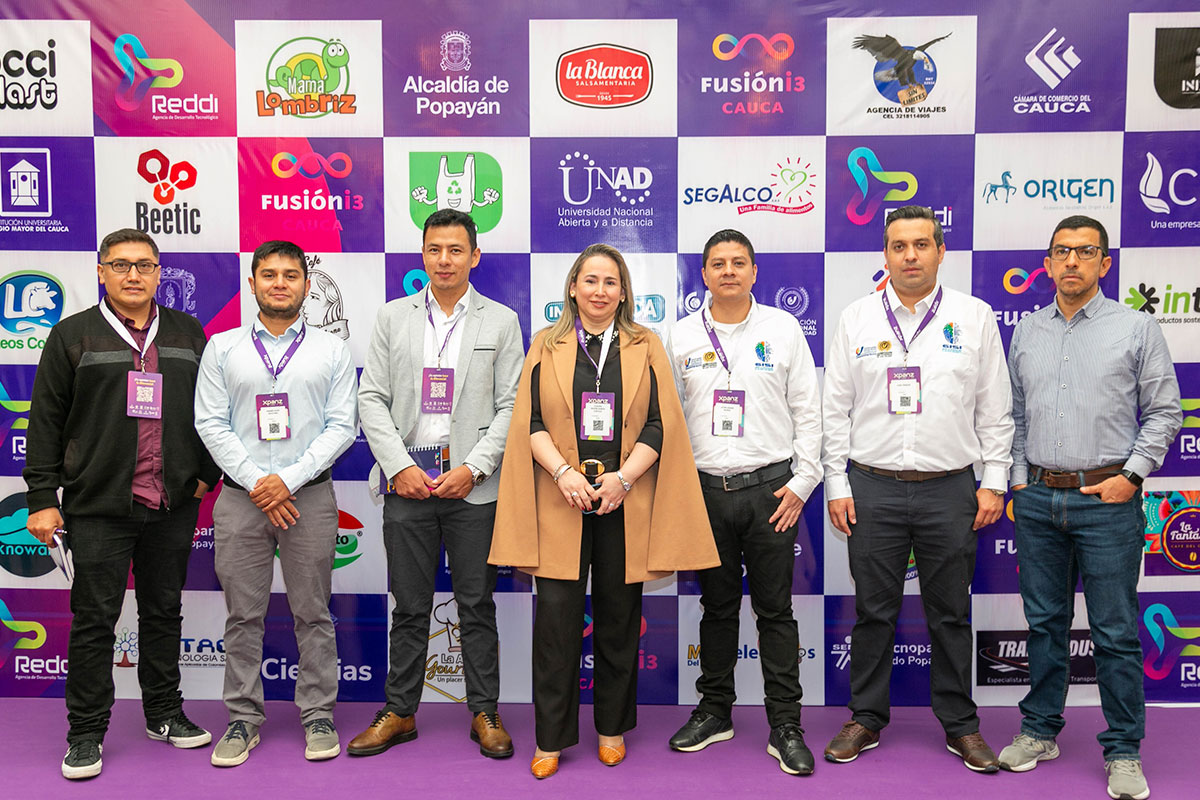
Xpanz by 2025 took place on November 21st in the Ritz Ballroom of the Dann Carlton Hotel in Cali, with 220 participants including business leaders, university representatives, researchers, entrepreneurs, and other stakeholders in the science, technology, and innovation ecosystem. The event was structured around three main segments designed to inspire, transform, and connect.
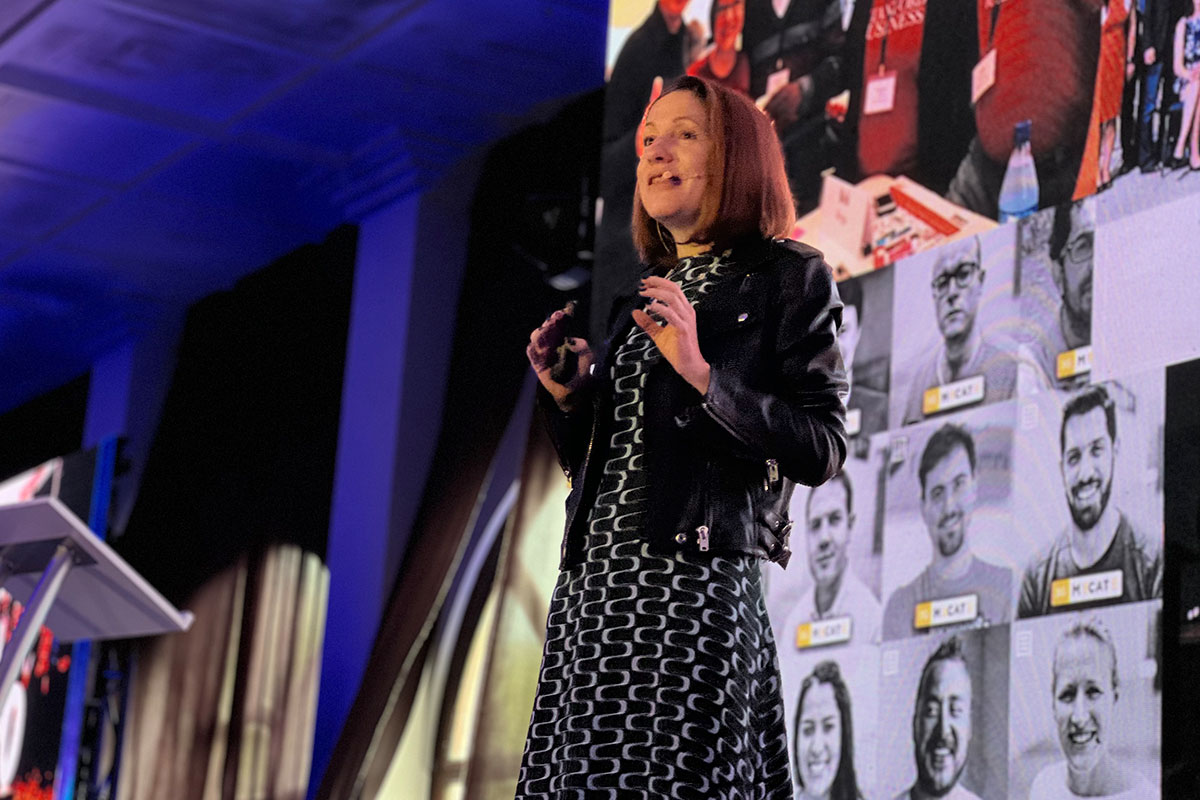
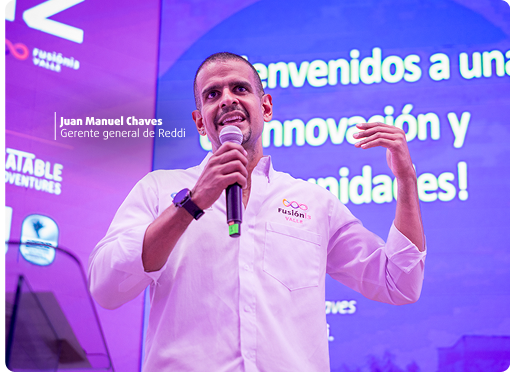
The day began with a welcome session and Networking Express, where leading regional entities that make up NIDO, such as the Valle del Cauca Governor’s Office, the Cali Mayor’s Office, and the Cali Chamber of Commerce, showcased their ability to collaborate to drive innovation and bring to fruition initiatives like the deeptech mapping project, ACTI, Valley Care, and the Agrifoodtech Challenge, demonstrating how Reddi transforms ideas into new businesses. This initial session concluded with a presentation of Reddi-led projects by Juan Manuel Chaves , Reddi’s General Manager, before moving on to the keynote address, “The Future of Innovation – Connections that Transform,” presented by Reddi Colombia, and the sharing of progress on the Mangle Agenda.
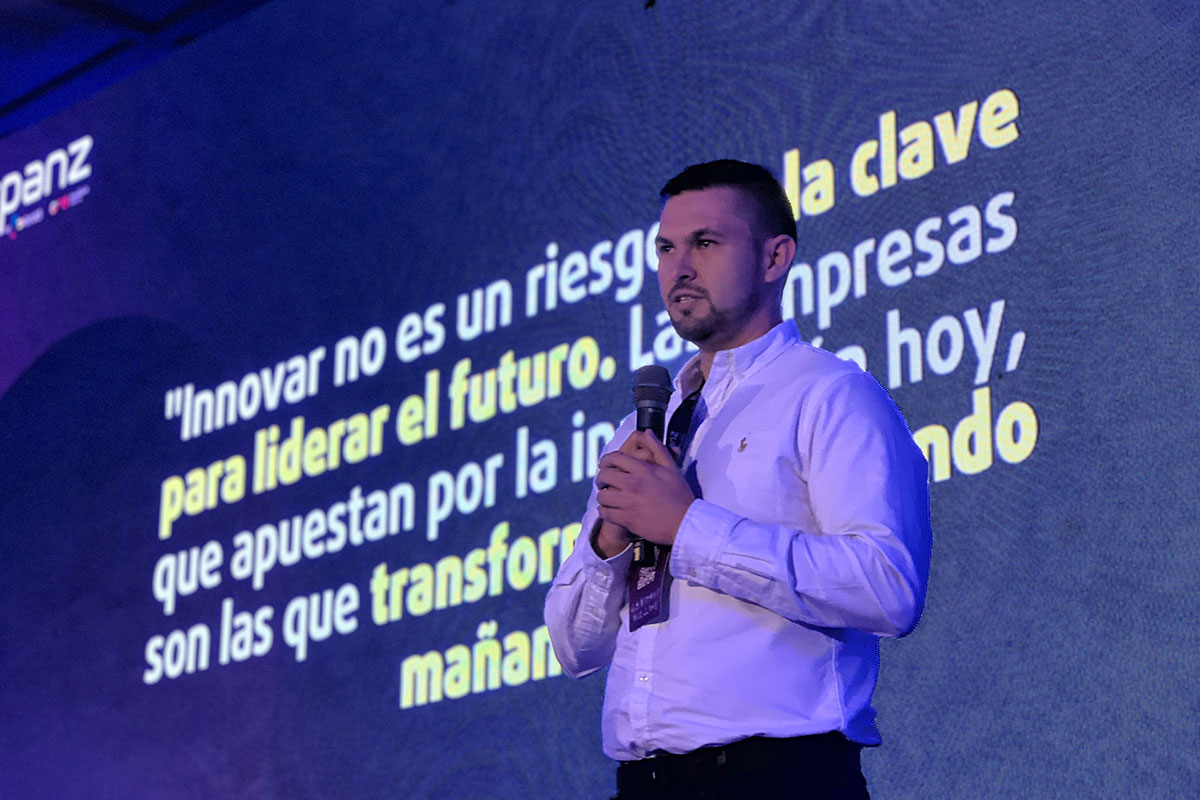
For her part, the project director, Mónica Dueñas Fusióni3 Valle , presented the results and key figures, highlighting the impact generated in the university-business articulation in Valle del Cauca, and the maturation of technological solutions.
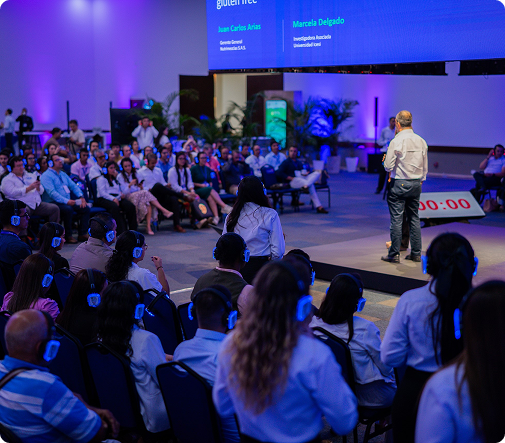
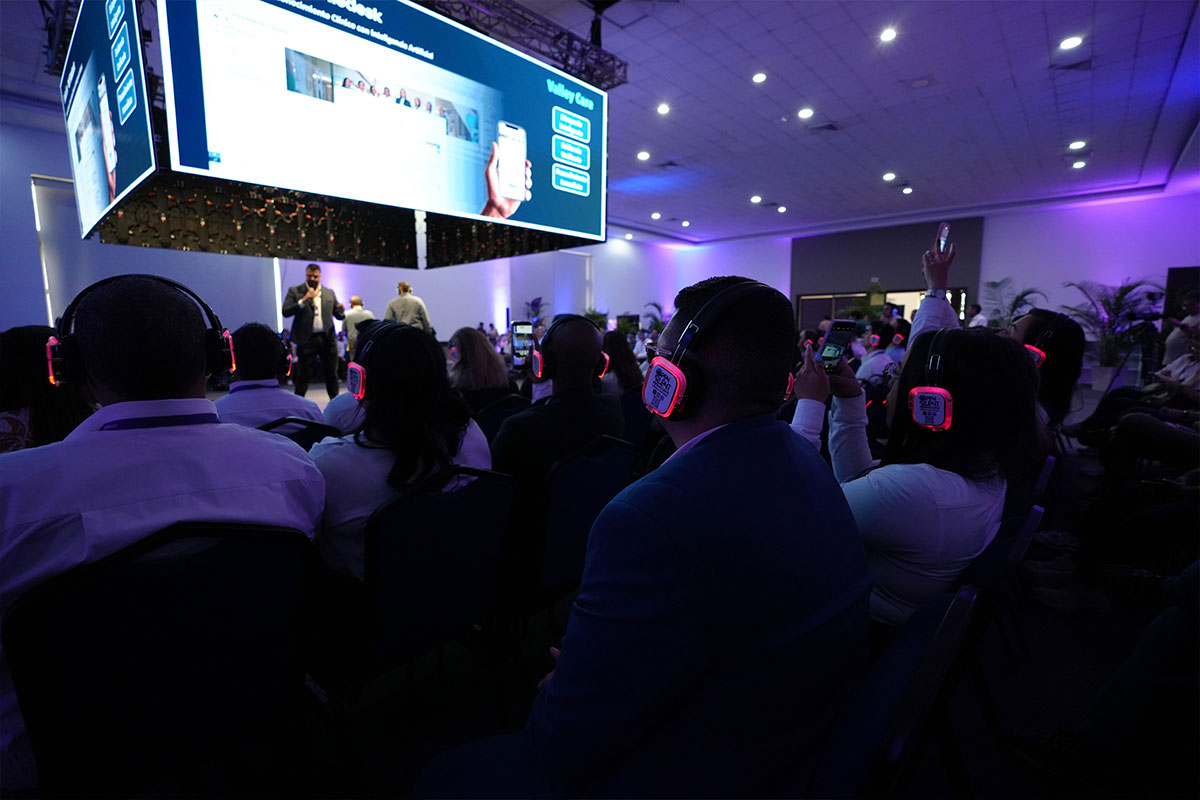
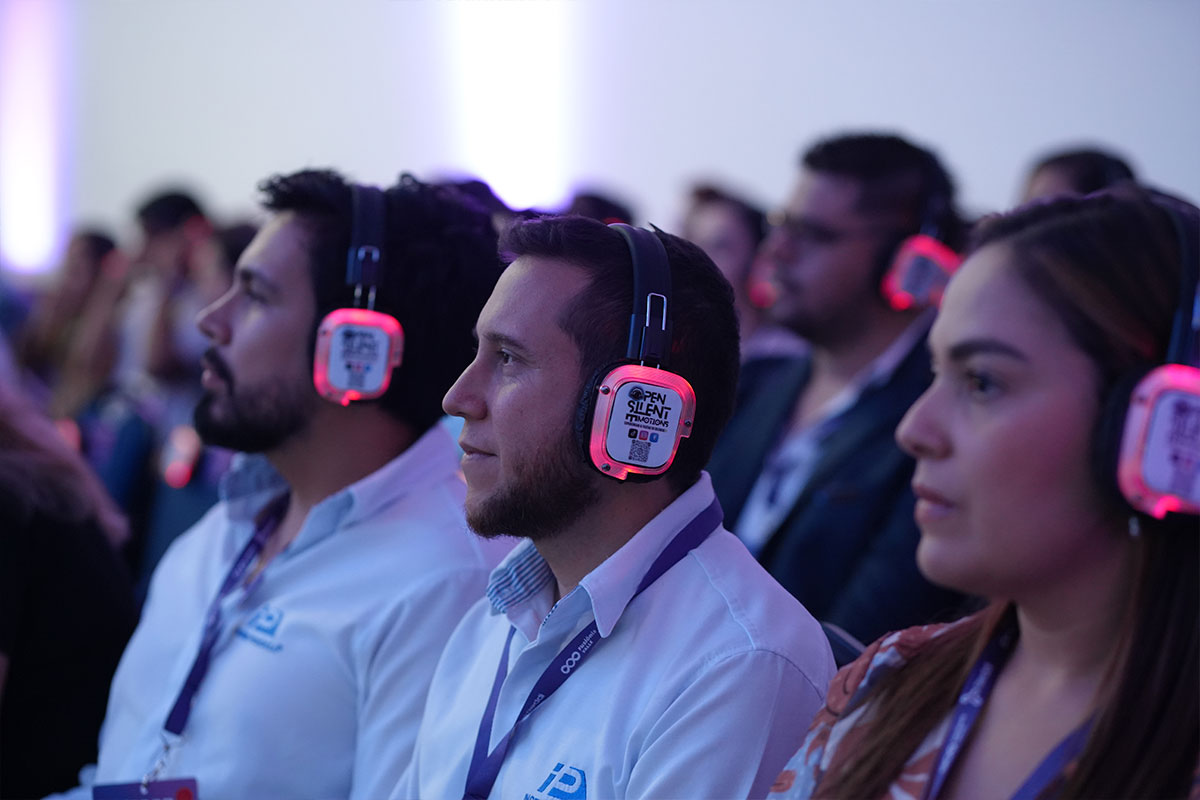
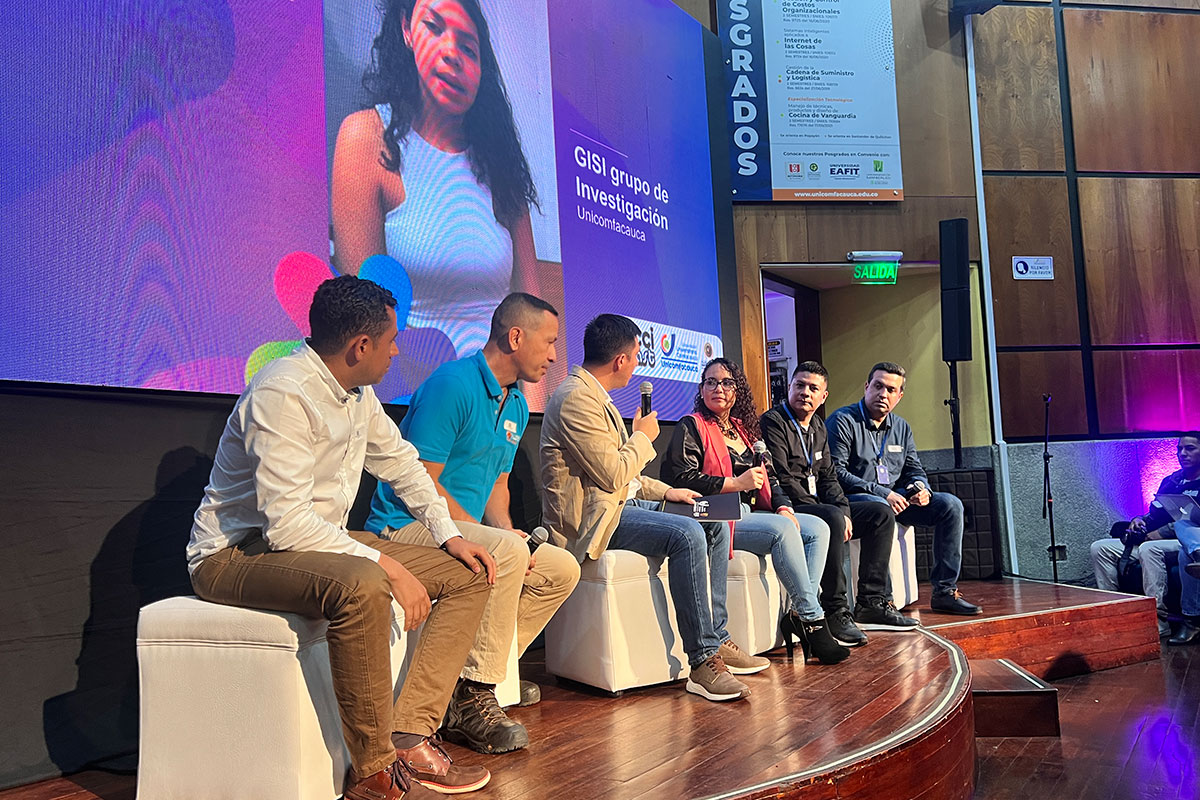
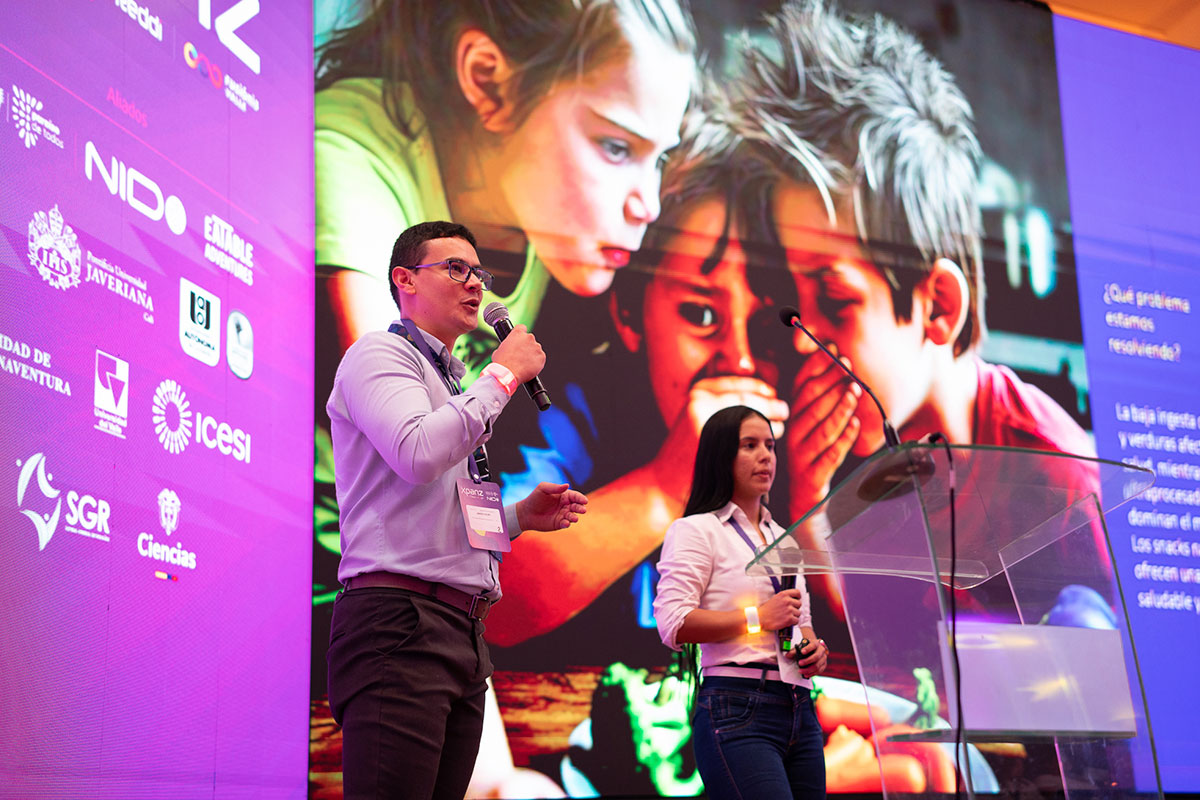
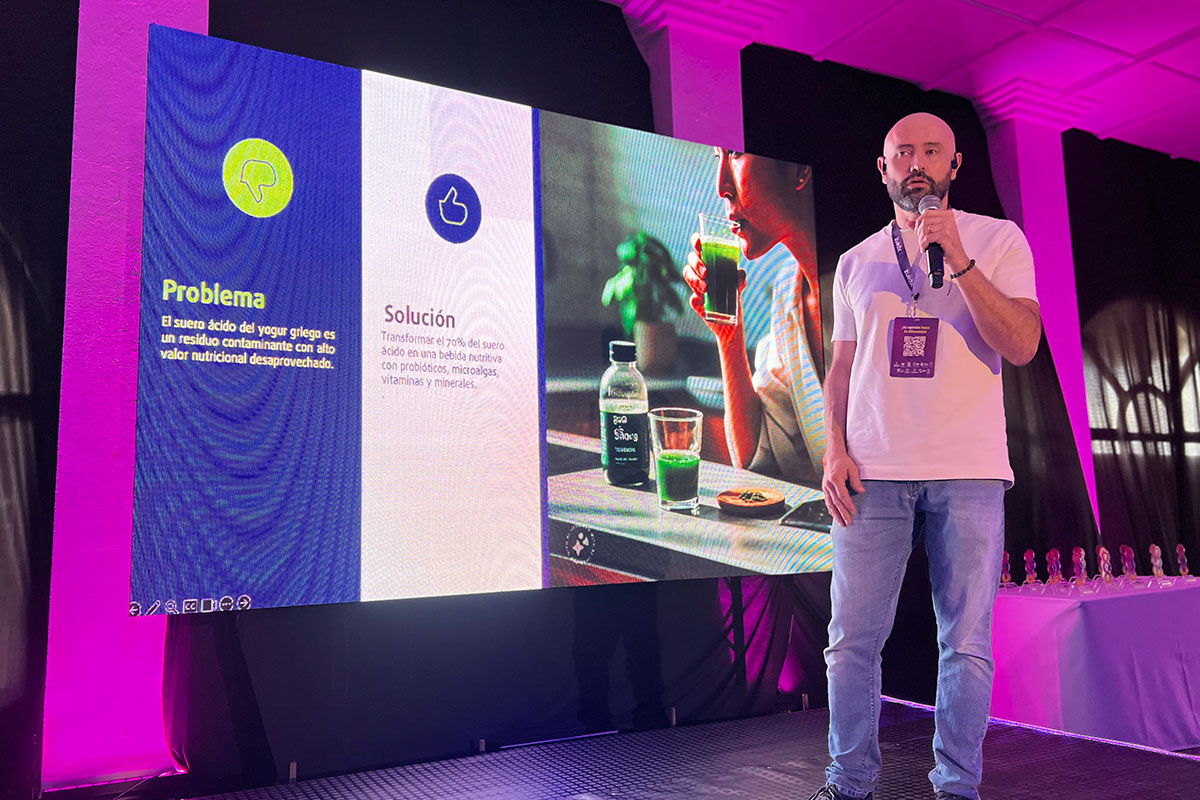
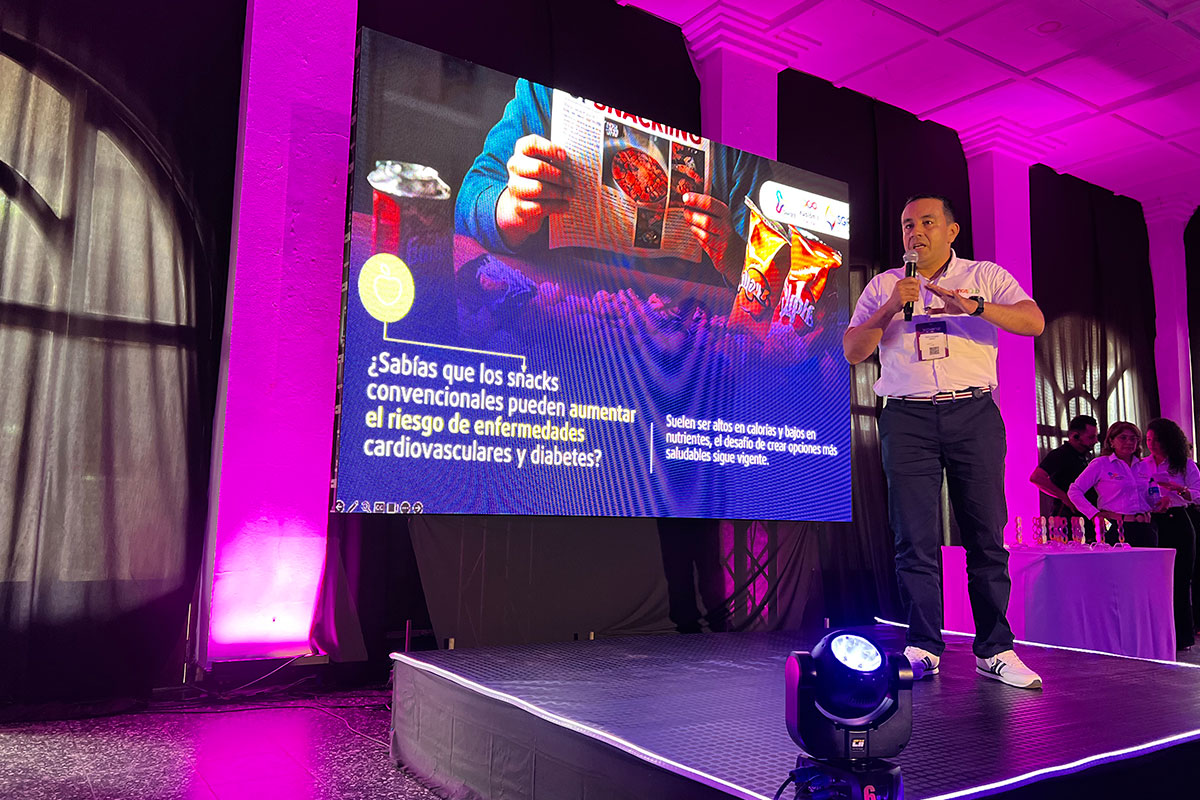
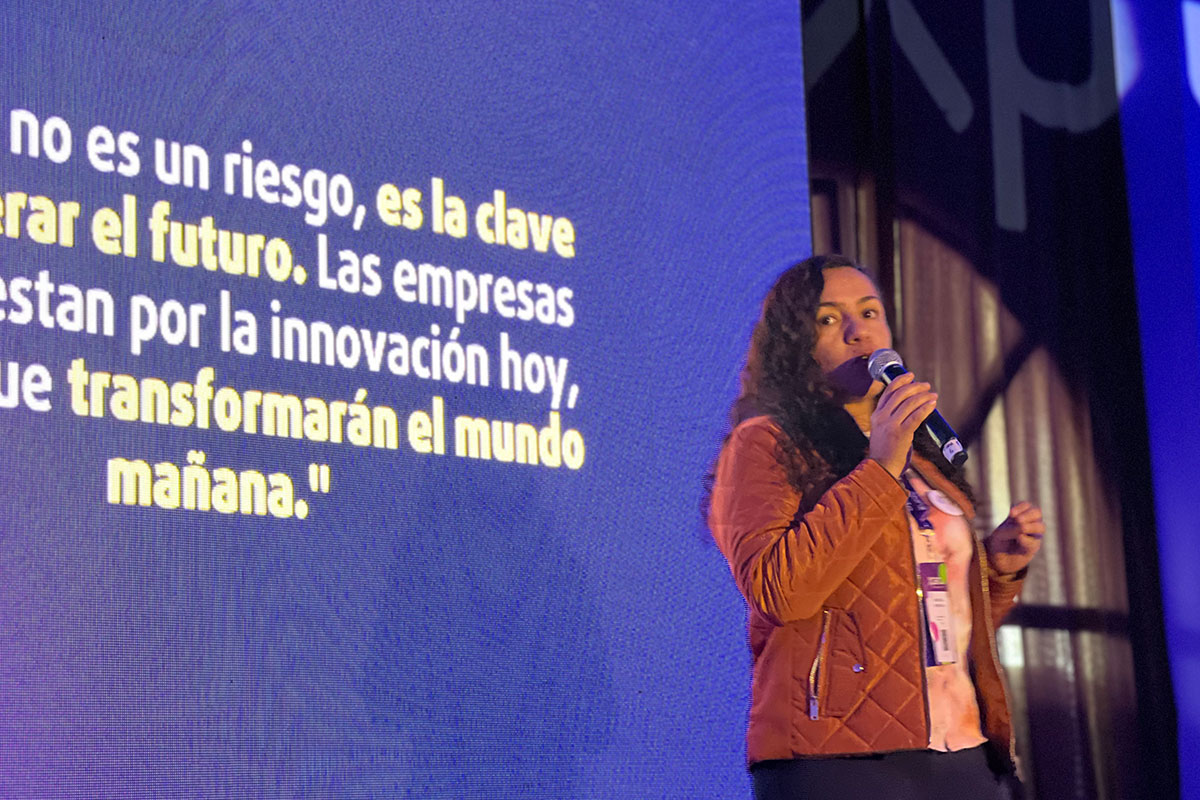
In the simultaneous presentations phase, made possible by the “Silent Room” technology, 20 pitches were executed in parallel, connecting the audience with the experiences of their presenters, thanks to this innovative conference methodology.
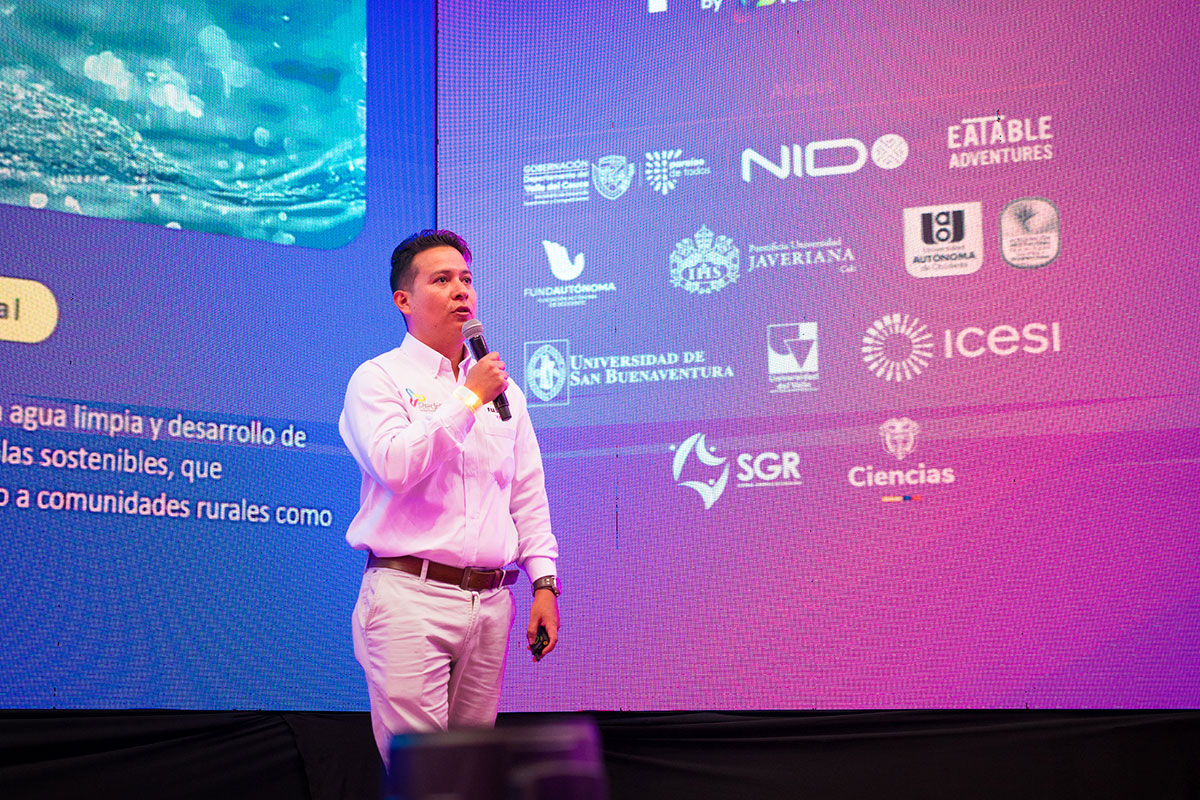
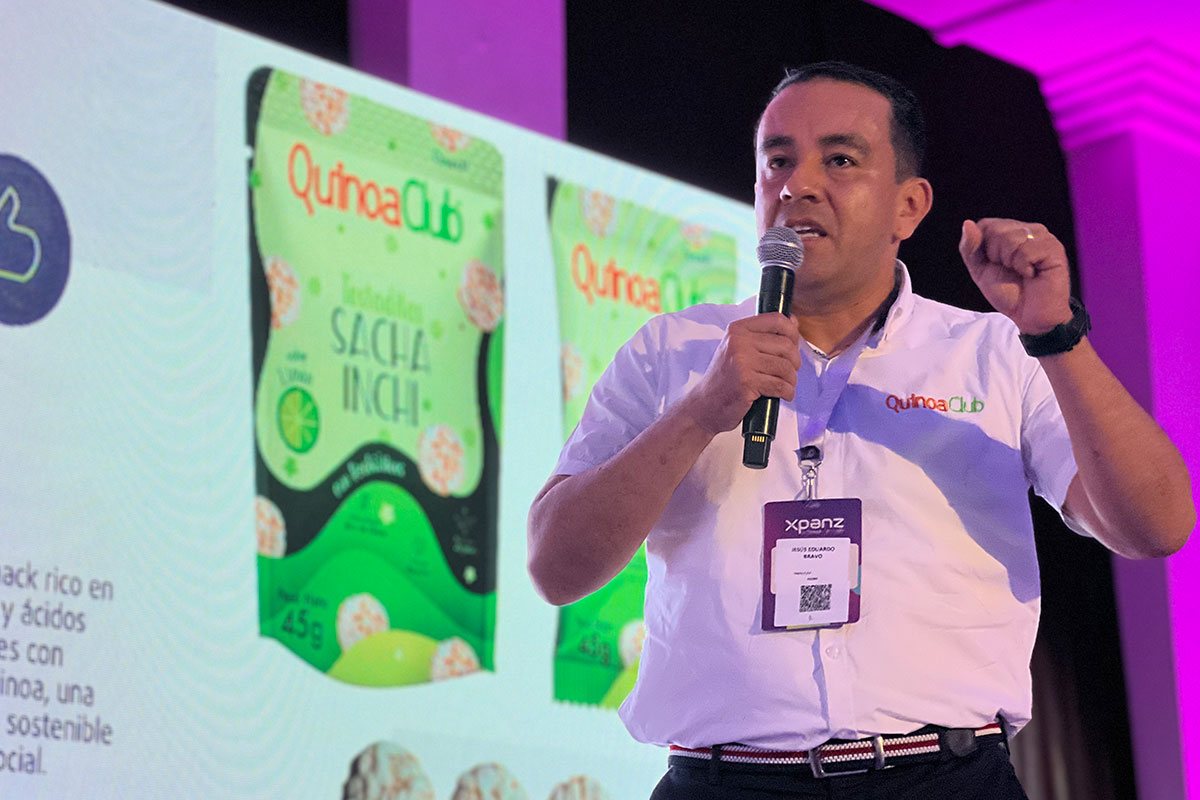
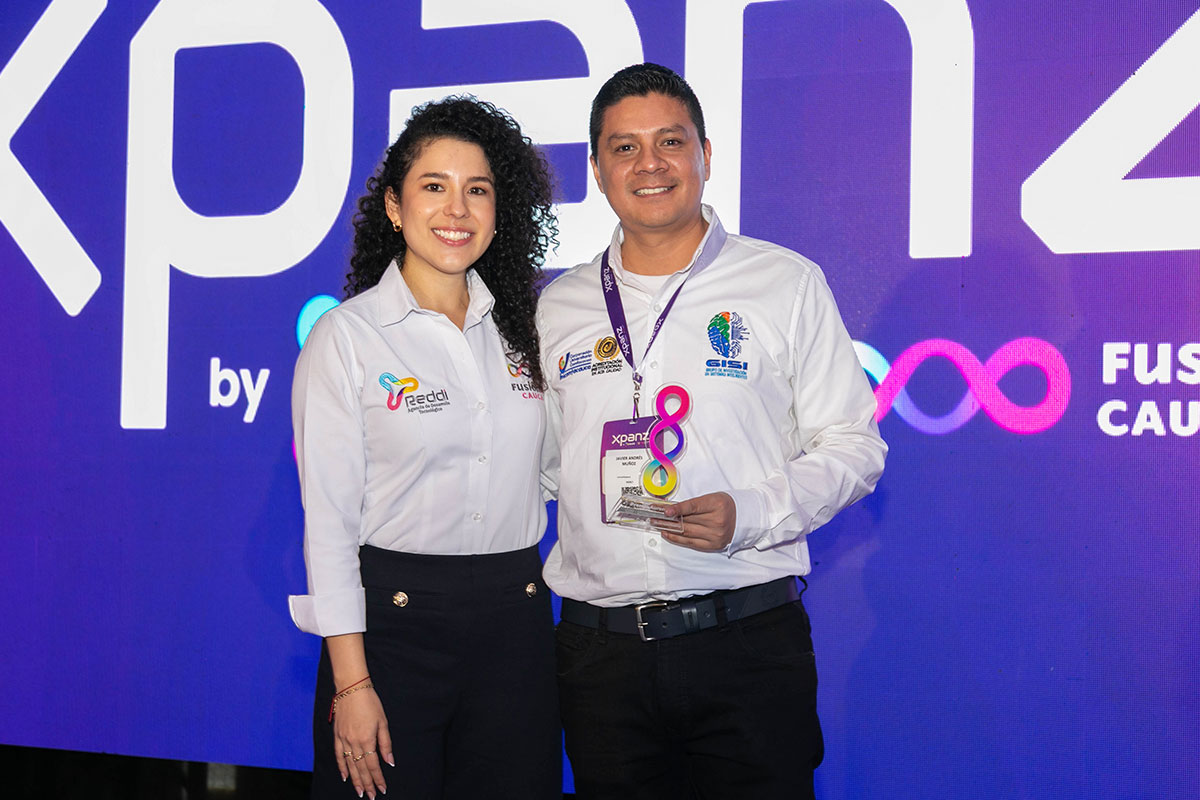
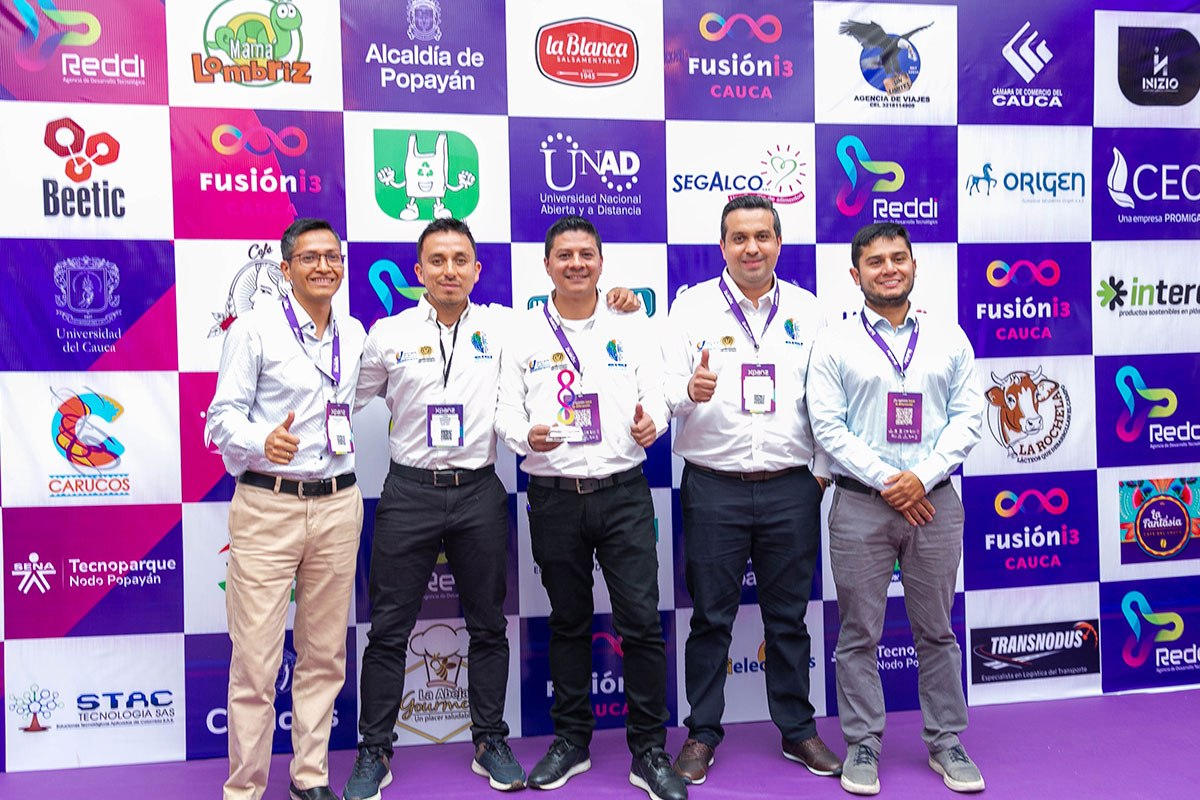
In the “Alliances that innovate” space, the 10 university-business alliances of Fusióni3 Valle presented the results obtained during the execution of their projects, showing concrete achievements, development of new products, processes and innovation capabilities.
Both colleagues and other attendees recognized their collaborative work achievements, the agile and engaging way in which they presented their projects, and their remarkable evolution throughout the project. An example of how innovation is strengthened.
“ Ten alliances that worked with universities managed to generate technological developments that will impact the ecosystem,” pointed out Víctor Rodríguez, Transfer Coordinator of the Javeriano Innovation Center.
Simultaneously, at the Demo Day Valley Care event, eight pitches from the open innovation initiative were presented, targeting the healthcare sector. These pitches focused on solutions addressing the four challenges proposed by the partner organizations: Fundación Valle del Lili, DIME Neurocardiovascular Clinic, Cali Ophthalmology Clinic, and Clínica Imbanaco. Also at this event, the two alliances receiving funding from the Agrifoodtech Challenge’s Maturation Fund shared their progress in joint corporate startup planning, initiatives that help to energize the ecosystem.
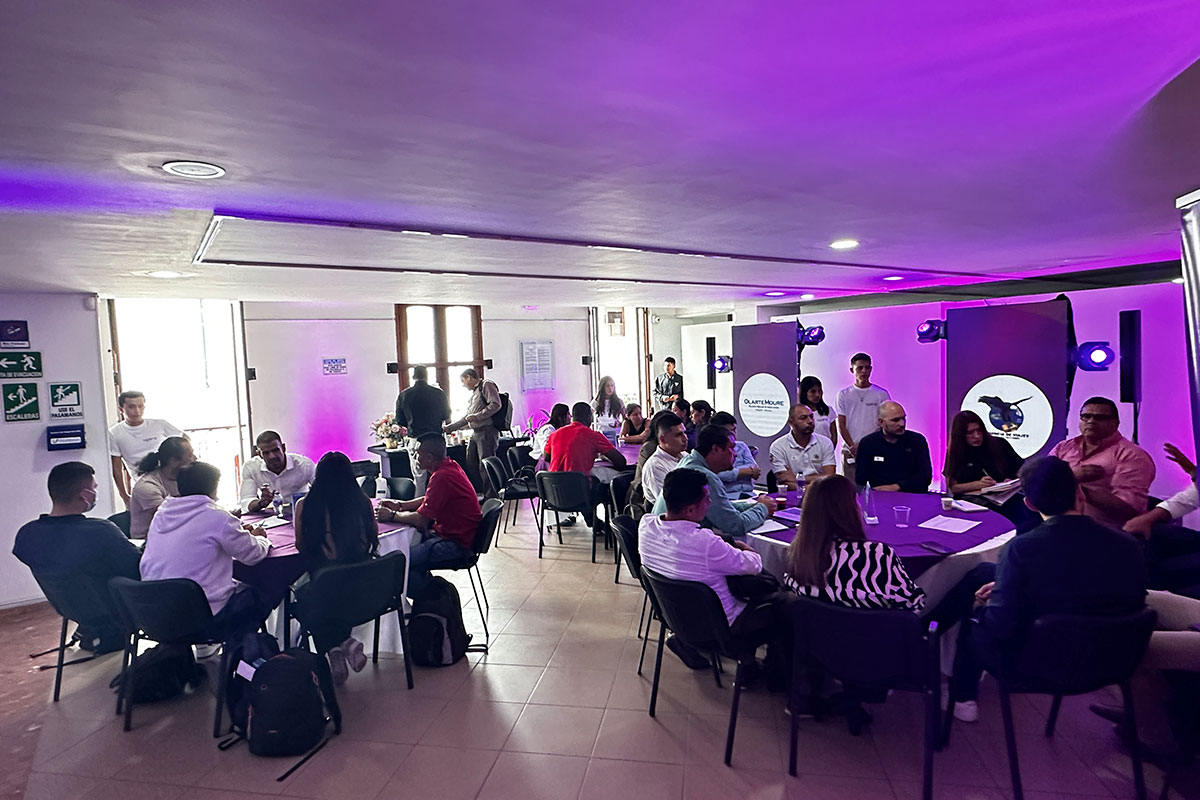
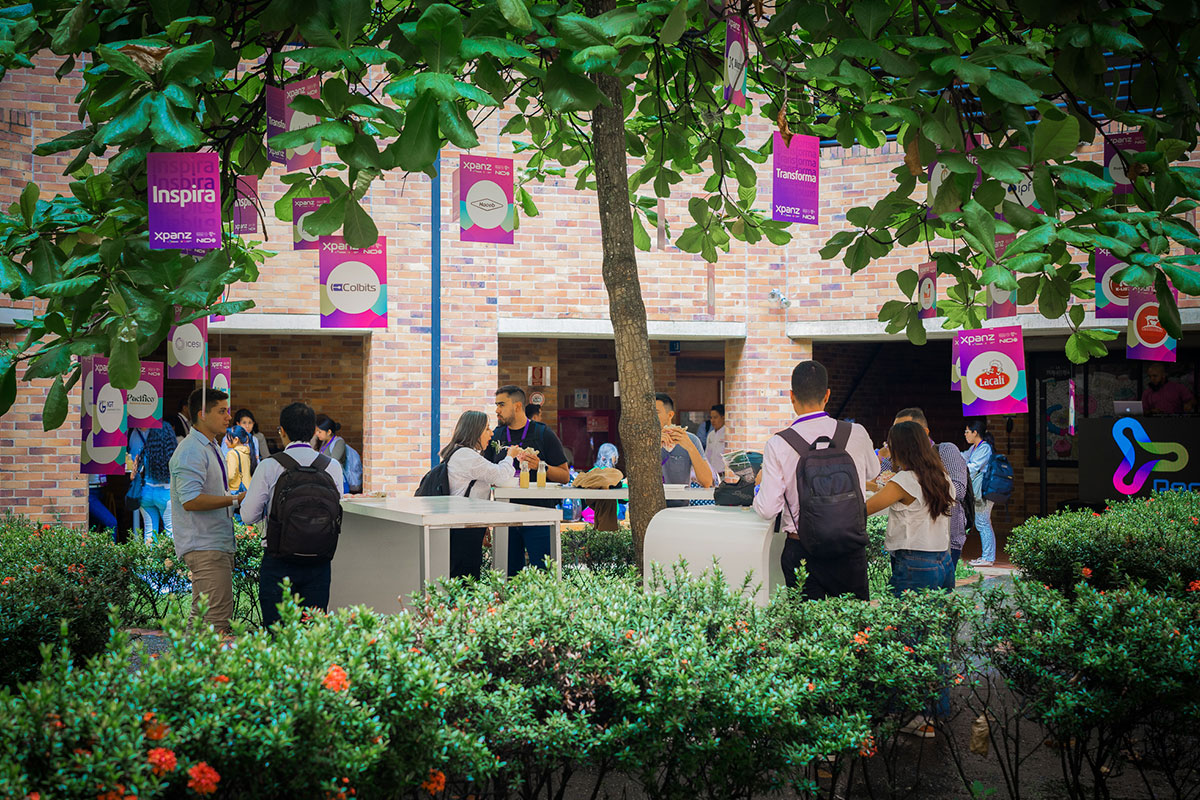
In the third part of the event, focused on connection, the Experience Day was held, an interactive space with 15 stands where attendees learned about the technologies up close, generated strategic conversations and gave feedback on the projects.
This event concluded with a toast and a final networking session led by Mangle.
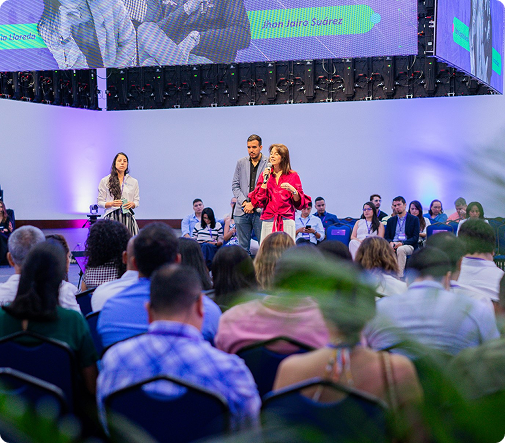
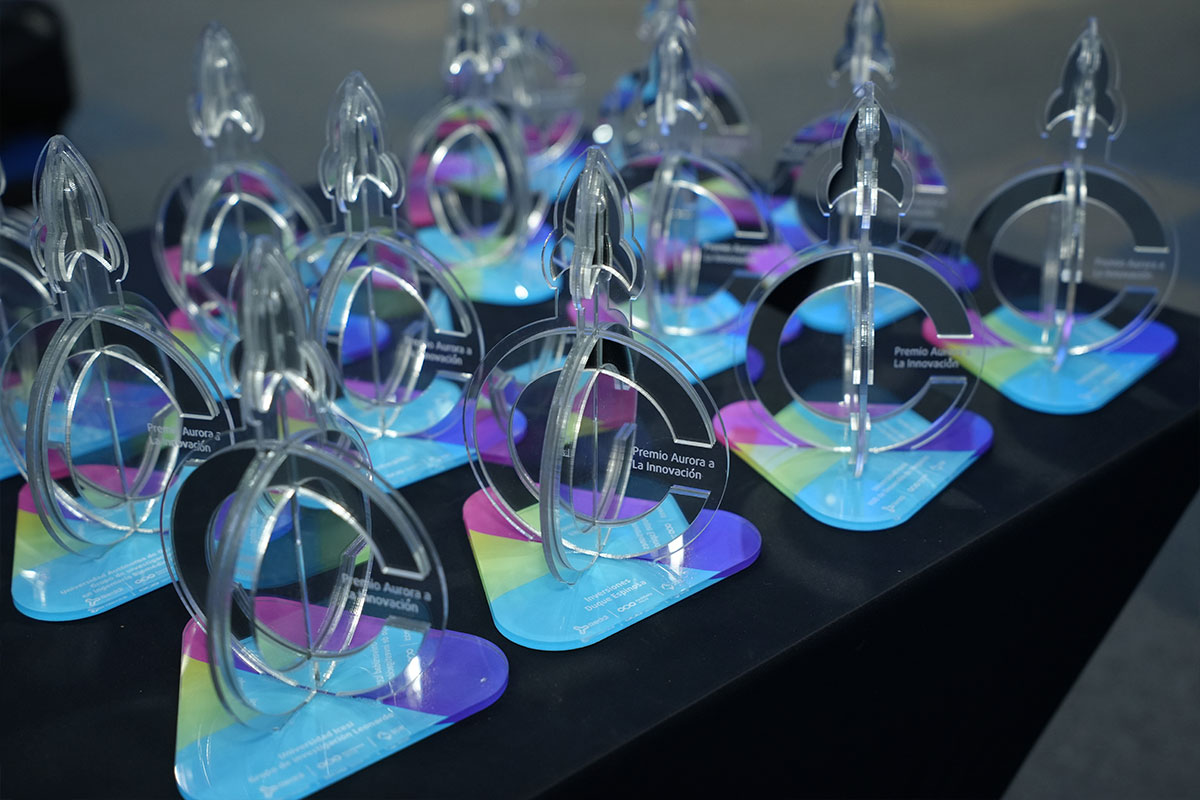
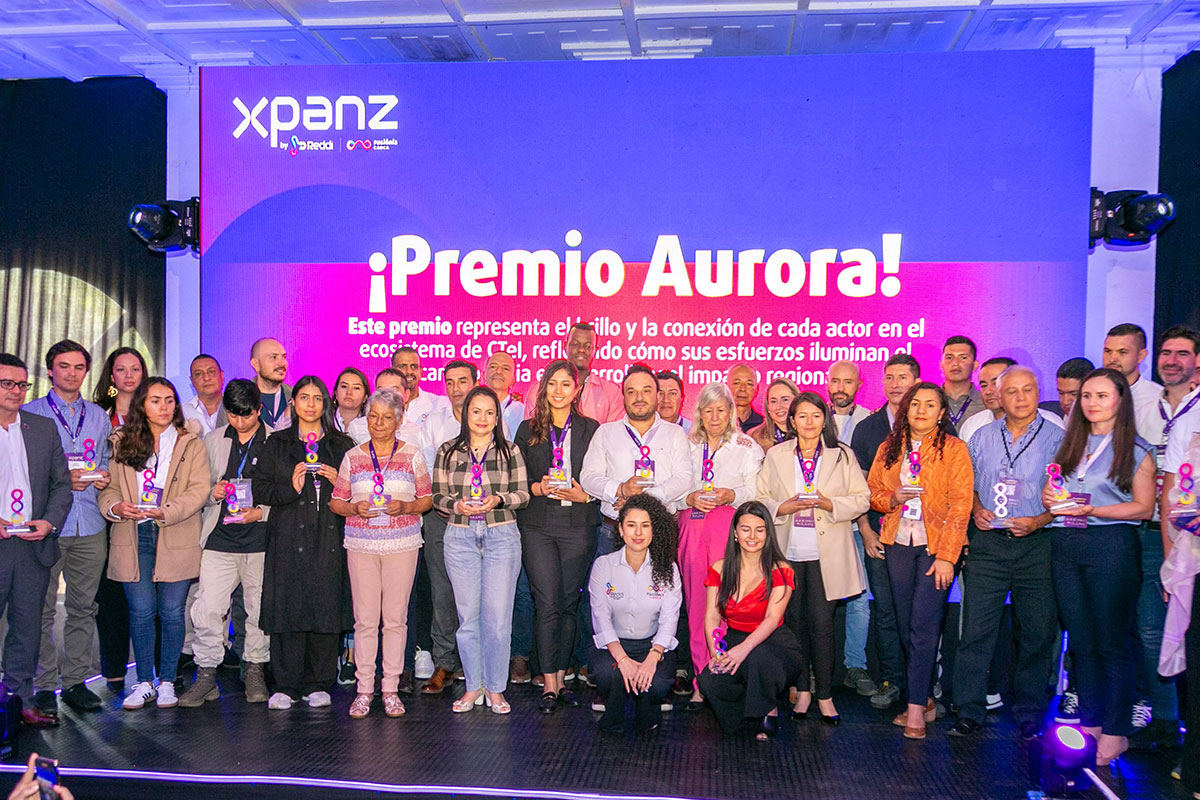
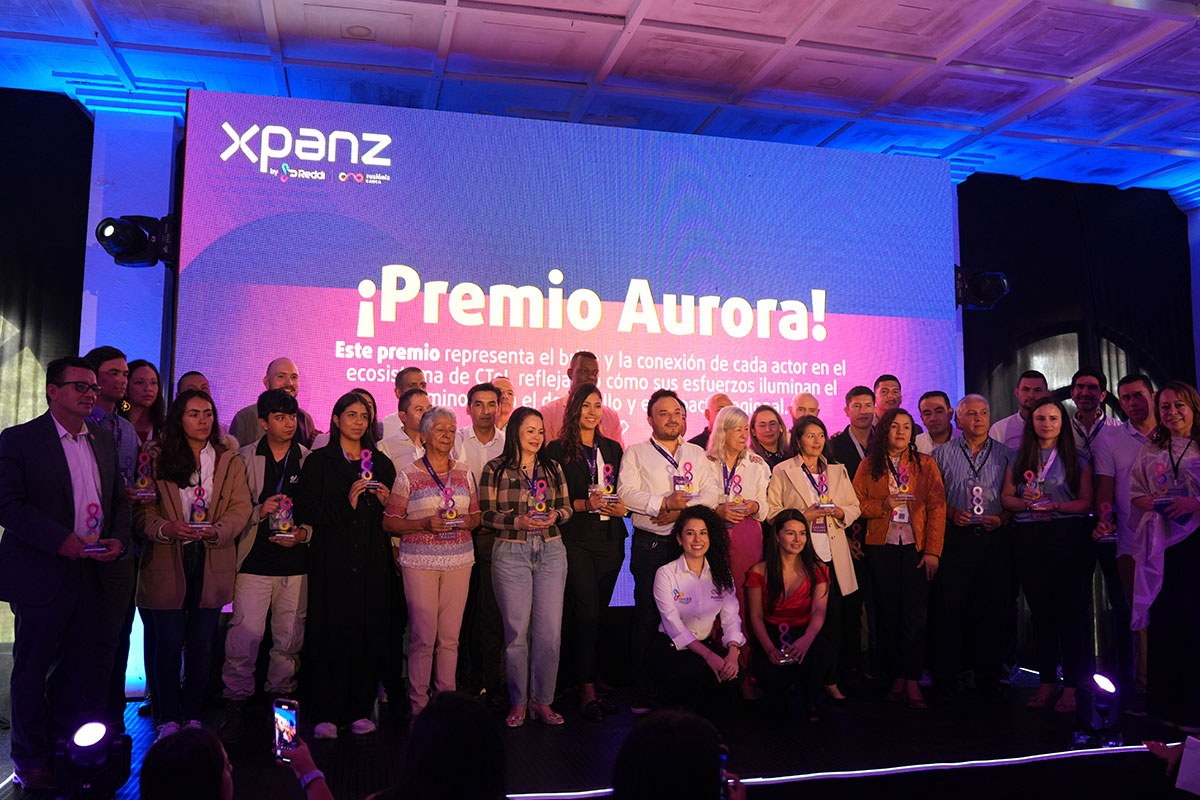
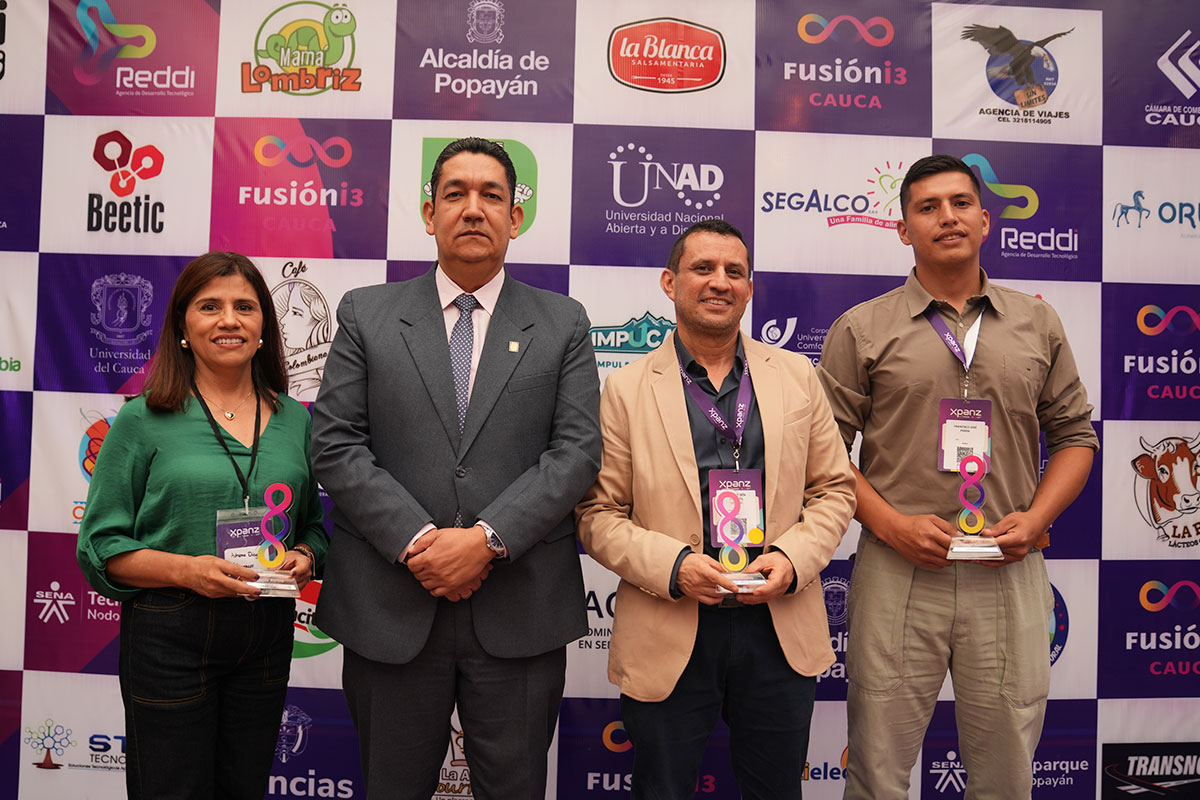
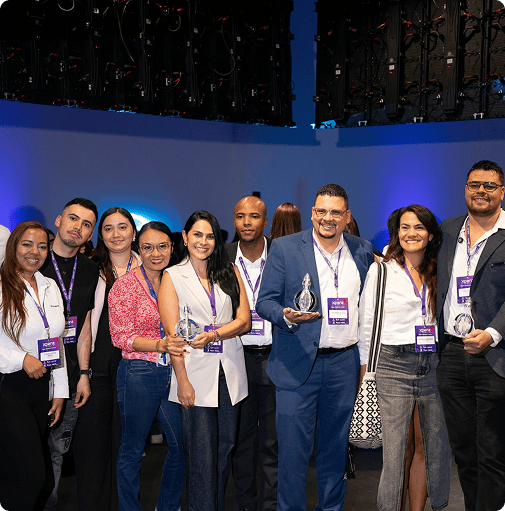
During the event, the Aurora Innovation Awards were presented. Recognition was given to the 10 alliances benefiting from Fusióni3 Valle and all their participating companies, the 4 winners of Demo Day Valley Care, and the 2 outstanding alliances of the Agrifoodtech Challenge. Additionally, 10 companies with outstanding results were recognized among the more than 140 organizations that completed the Science, Technology, and Innovation Activities (ACTI) assessment.

Finally, Xpanz 2025 was the setting for the official launch of the Impact Waves Colombia program, a strategic alliance between Reddi and Wayra Corporate Venture of Telefónica Movistar, with the participation of 20 corporations interested in promoting open innovation pilots and new opportunities for technological scaling.
Reddi Colombia has established itself as a strategic platform to transform knowledge generated in universities and startups into solutions that boost business competitiveness and sustainable development in the Pacific region.
From his role as a facilitator between researchers and entrepreneurs, it became clear how the connection flowed between those institutions that sought to develop projects to solve global problems such as climate change, loss of biodiversity, food insecurity, among others; that is, points of connection that further strengthened this collaborative work.
Under his leadership, Juan Manuel Chaves, an economist with a background in finance and innovation management, has strengthened Reddi’s role as a facilitator connecting researchers, entrepreneurs, and businesses. This work has enabled the emergence of projects aimed at addressing global challenges such as climate change, biodiversity loss, and food security.

“More and more universities and companies understand that social and environmental challenges not only demand solutions, but also open up opportunities to create value and compete globally. Integrating technical, scientific, and business knowledge has become key. At Reddi, we promote programs that make this connection possible and transform collaboration into strategic and sustainable alliances.”
With this purpose in mind , Xpanz by Reddi was created , a space designed to inspire, connect, and transform. Its fifth edition will take place on November 21st at the Hotel Dann Carlton in Cali, solidifying its position as the leading platform for showcasing the results of projects developed collaboratively by industry and academia.
For Juan Manuel, this version stands out for presenting consolidated alliances in strategic sectors such as agribusiness, food, health and energy, where Valle del Cauca has demonstrated a clear competitive advantage .
“As a region, we have tangible results that demonstrate our leadership in the bioeconomy. Xpanz is that opportunity to see it to believe it : a stage where universities and companies shine with success stories that inspire and show how collaboration becomes an engine of transformation for the entire ecosystem,” he explained.
More than an event, Xpanz is a meeting point designed to generate conversation and facilitate real connections between the actors in the science, technology and innovation ecosystem.
“It’s time for conversations to evolve and transform into alliances that change realities. Trust isn’t decreed: it’s built with results, and that’s precisely what we’ll demonstrate this year.”
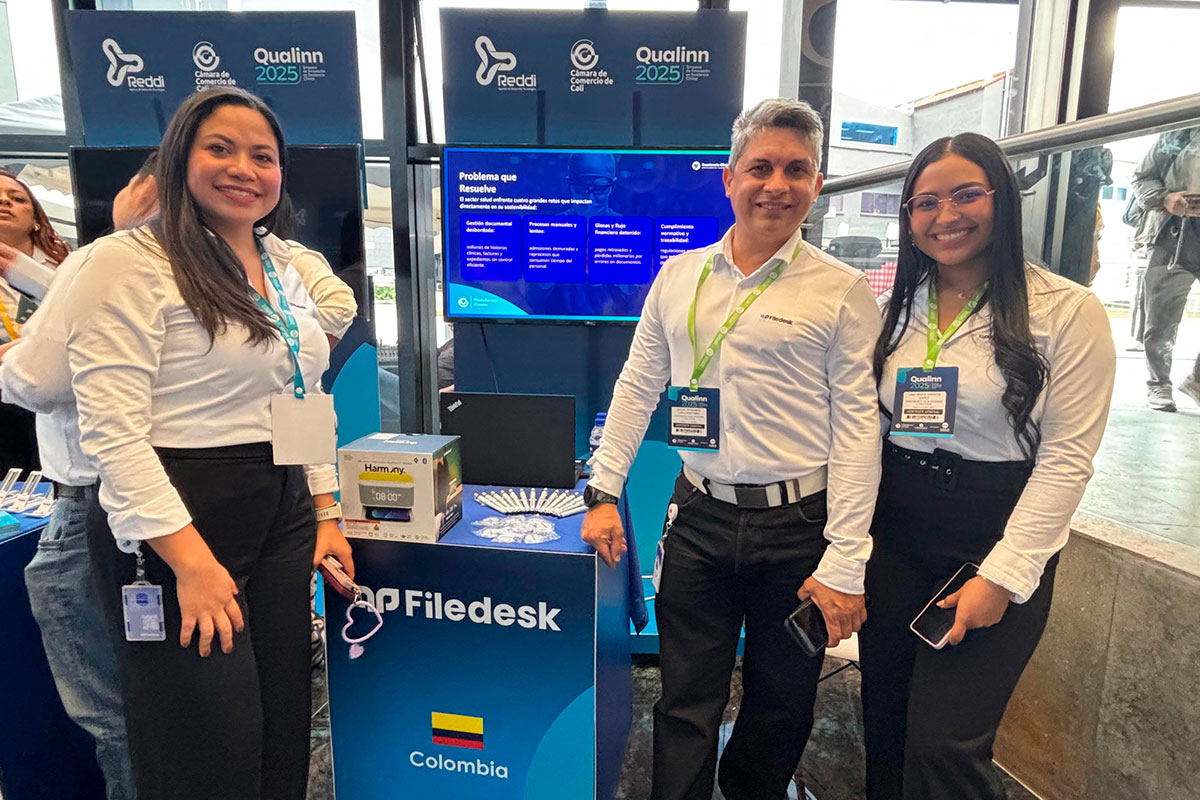
Reddi was present at #Qualinn2025 leading the Experience Day , a space designed to connect innovation, technology and talent in the health sector.
This leadership meant taking on the search and call for innovations in health at the national and international level, with the purpose of bringing together in one place the leading figures who are transforming the sector through science, technology and creativity.
Thanks to this process, we were able to bring together exhibitors from Chile, Peru, Mexico, Spain and Argentina , along with prominent representatives from Colombia, who shared technological solutions applied to health from different perspectives:
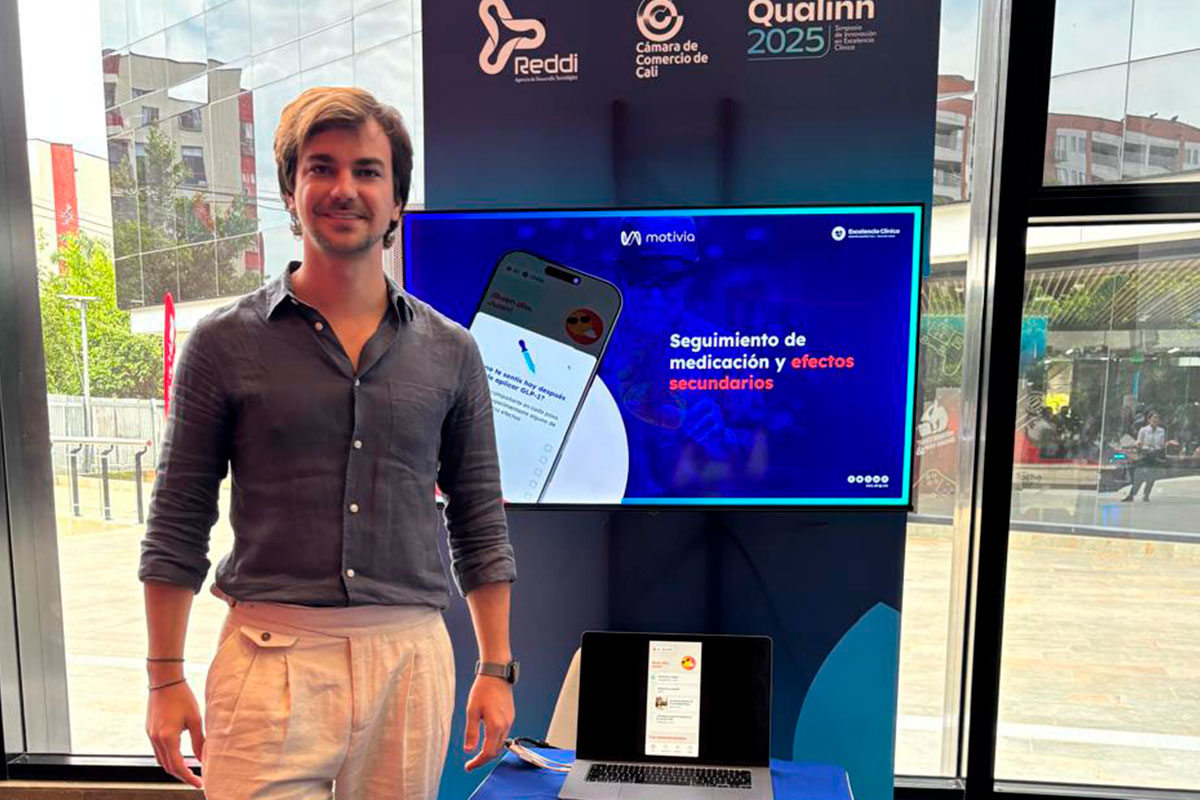
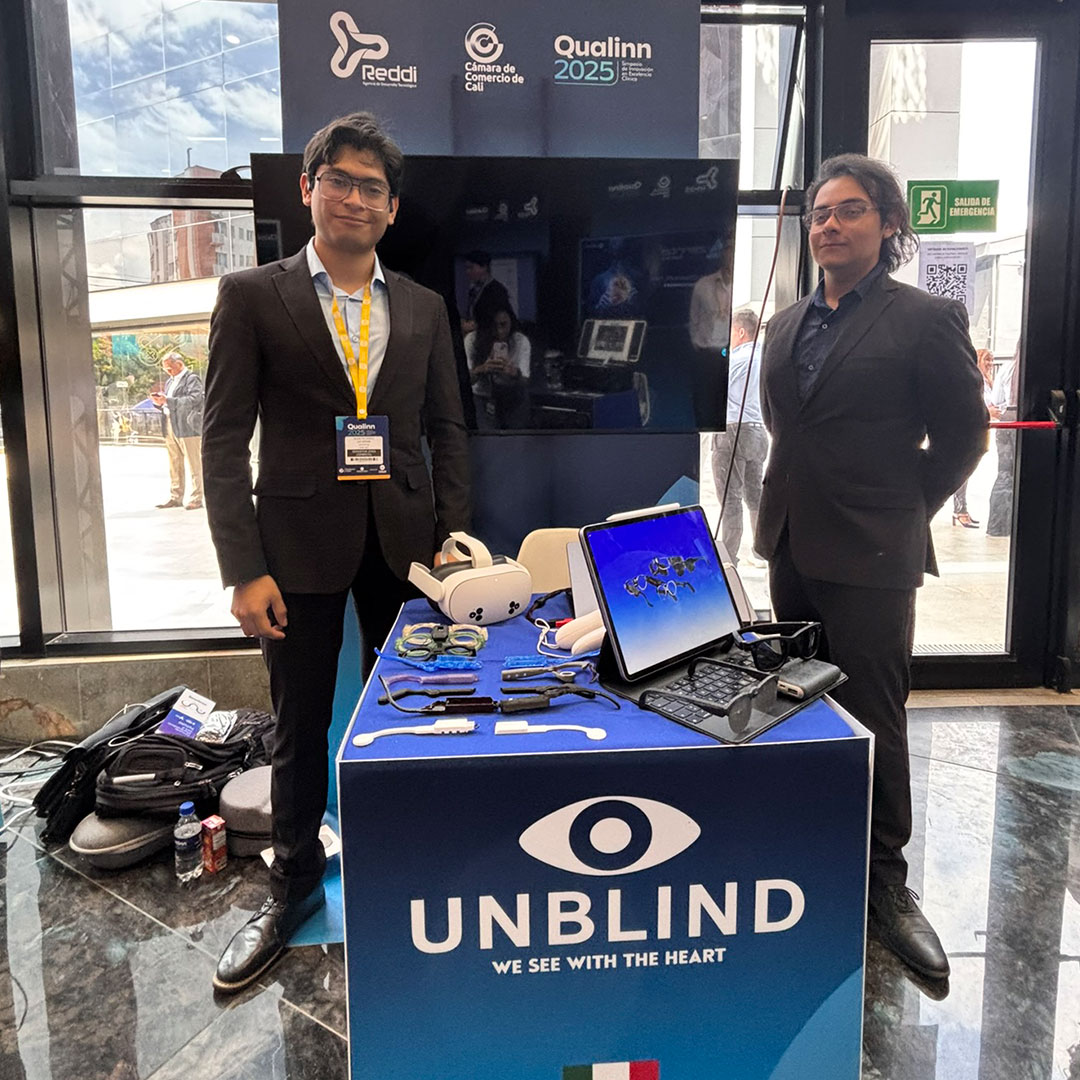
Each exhibitor had a stand in the experience zone , where attendees could interact directly with the technologies, and also presented their pitch on a stage open to the public , showing how their solutions contribute to the future of health.
In this space, technology came to life with demonstrations of medical simulators, artificial intelligence, digital tools and more , allowing visitors to experience firsthand how innovation is transforming healthcare and training.
At Reddi, we continue to promote the connection between knowledge, innovation and action , facilitating experiences where collaboration and technology become real impact.
Do you want to bring an Experience Day to your event and enhance the interaction between knowledge and action in any sector?
Leave your details here:
Xpanz by Reddi returns this year with a new edition where the bioeconomy will take center stage. Experiences of collaboration between universities, businesses, and startups in health, food, and the environment will showcase the progress in collaboration and the strengthening of innovation in the Valle del Cauca region.
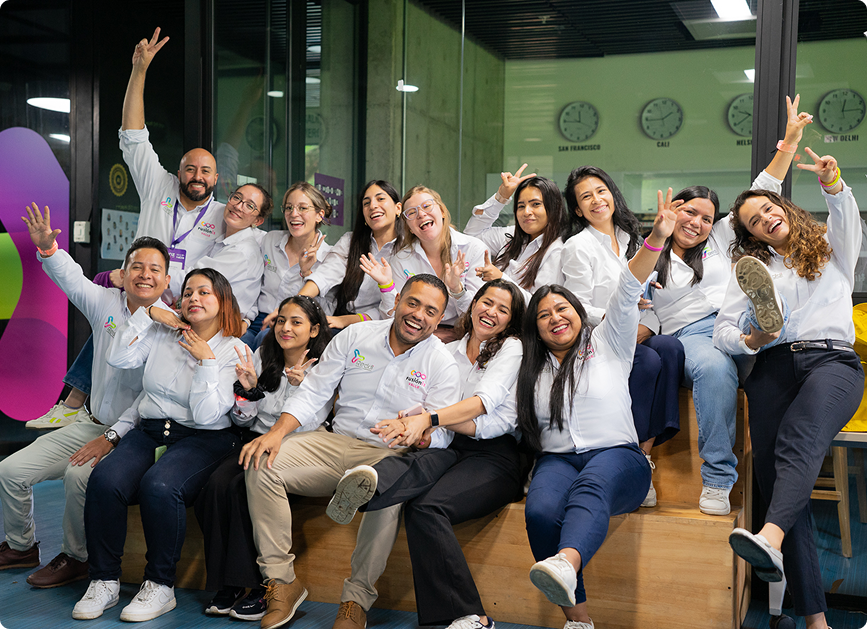
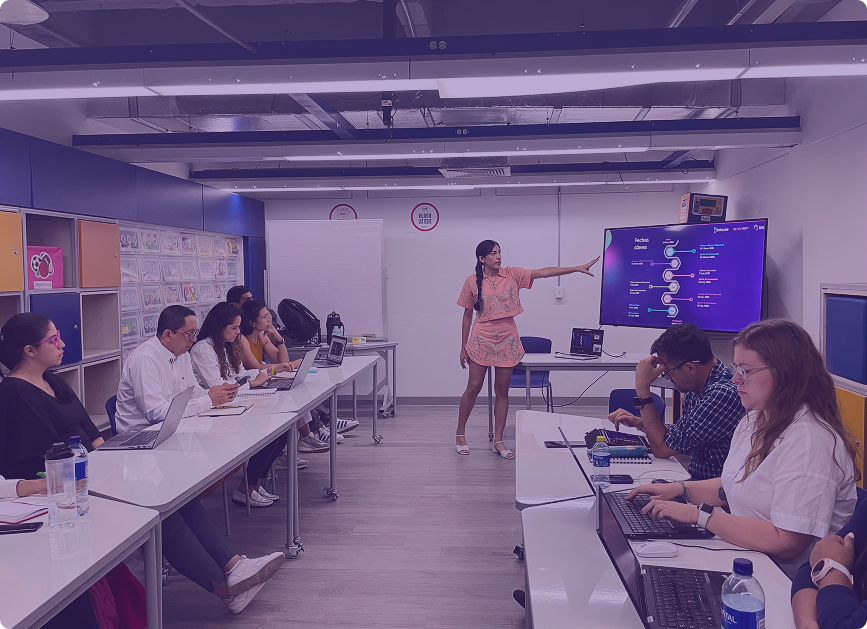
The ten collaborative university-business alliances benefiting from the Fusióni3 Valle Maturation Fund will present their experiences and solutions, which include digital tools to improve healthcare and the training of health professionals, innovative and sustainable foods, and new technologies for measuring and using energy efficiently.

The winners of the first edition of the Agrifoodtech Challenge will share the progress of their initiatives in the face of challenges such as reducing food waste, promoting regenerative agriculture and developing smart foods for well-being.

The eight finalist proposals from Valley Care will present their pitches to a jury that will select the four winners. These will advance to the Maturation Fund in 2026, reaffirming the value of open innovation in building a more accessible, efficient, and humane healthcare system.

Conferencia “Innovación con impacto empresarial”
Presidente gremial, mentor y emprendedor serial
EdTech HUB LATAM + 90 Edtechs
Asociación de emprendedores +500 marcas de consumo
Ha logrado:
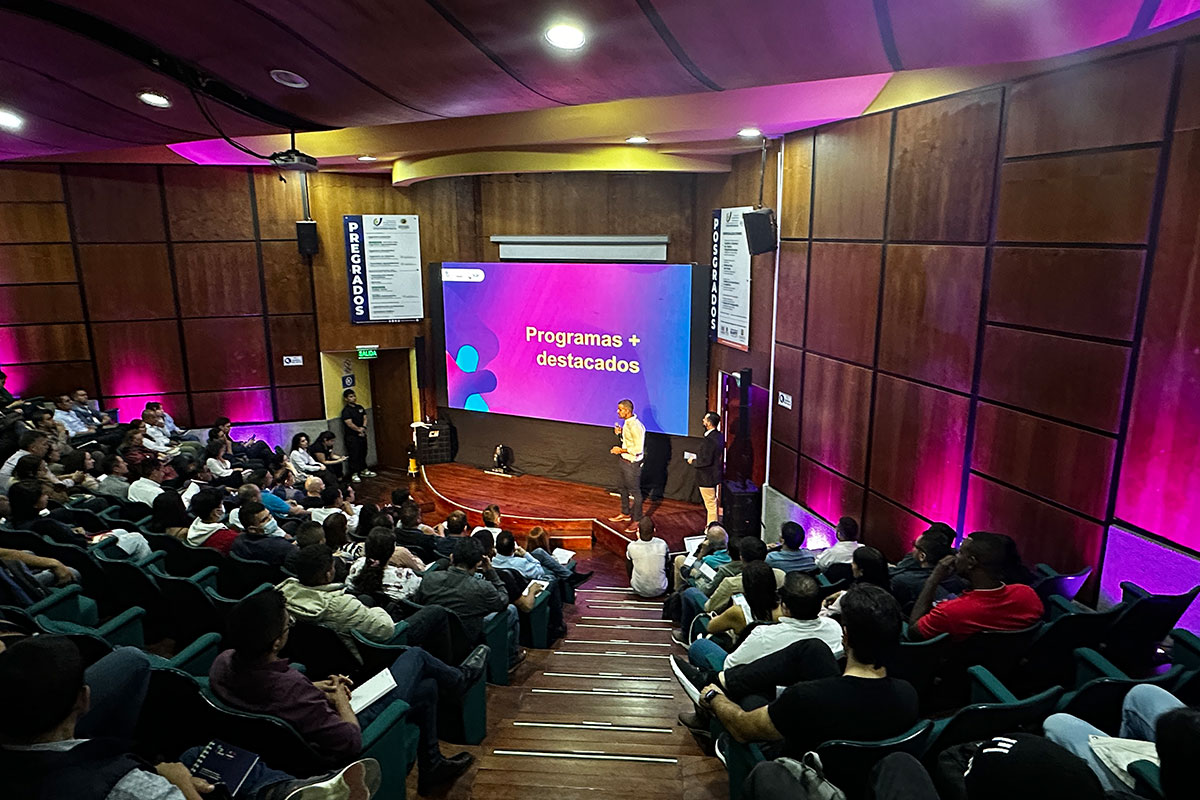
El evento contó con la participación de más de 101 asistentes en la Universidad Javeriana Cali.
Fue el primer acercamiento entre IES aliadas y MiPyMEs beneficiarias.
17 de estas MiPyMEs presentaron su Pitch, 11 tecnologías de las IES aliadas fueron presentadas en el Experience Day, las cuales tuvieron 28 validaciones pre-comerciales.
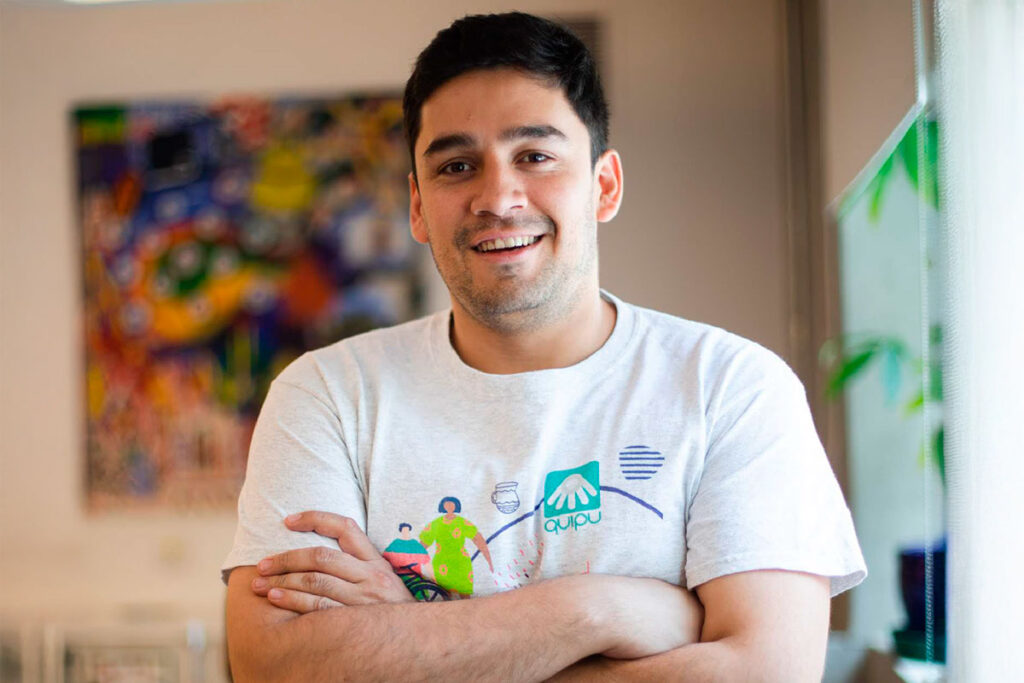
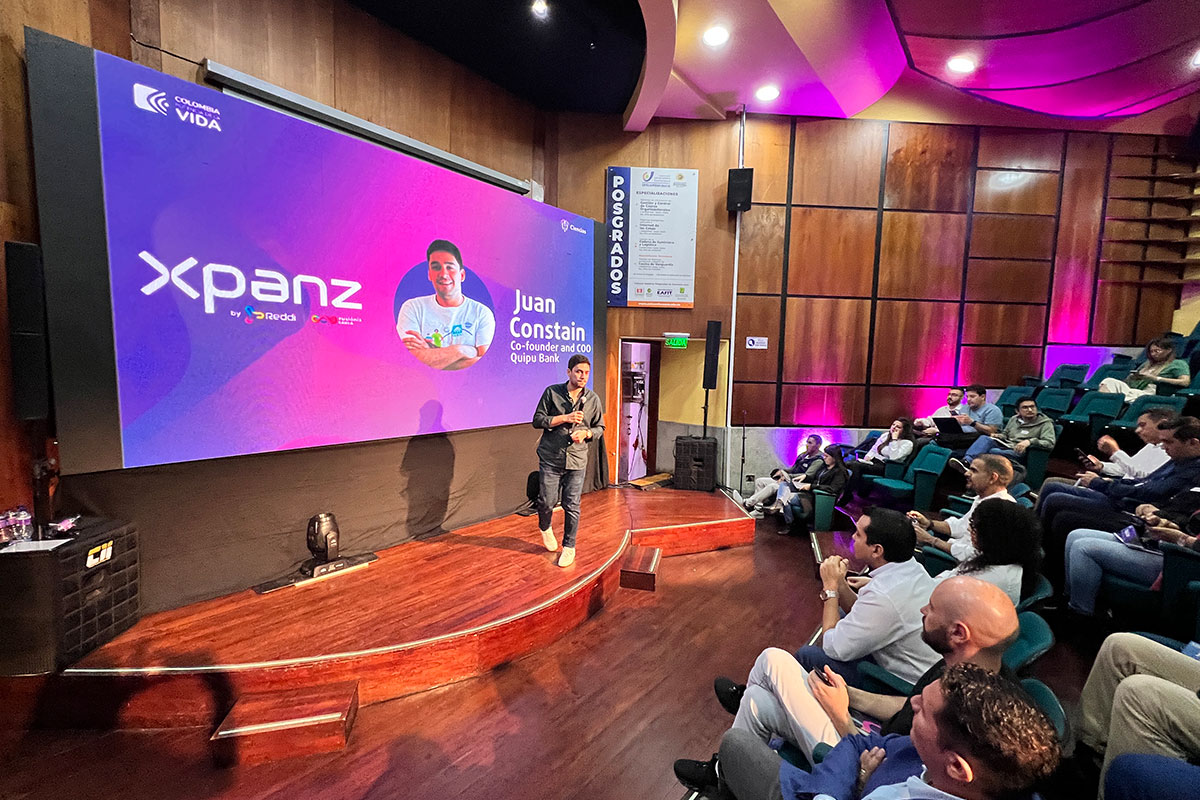
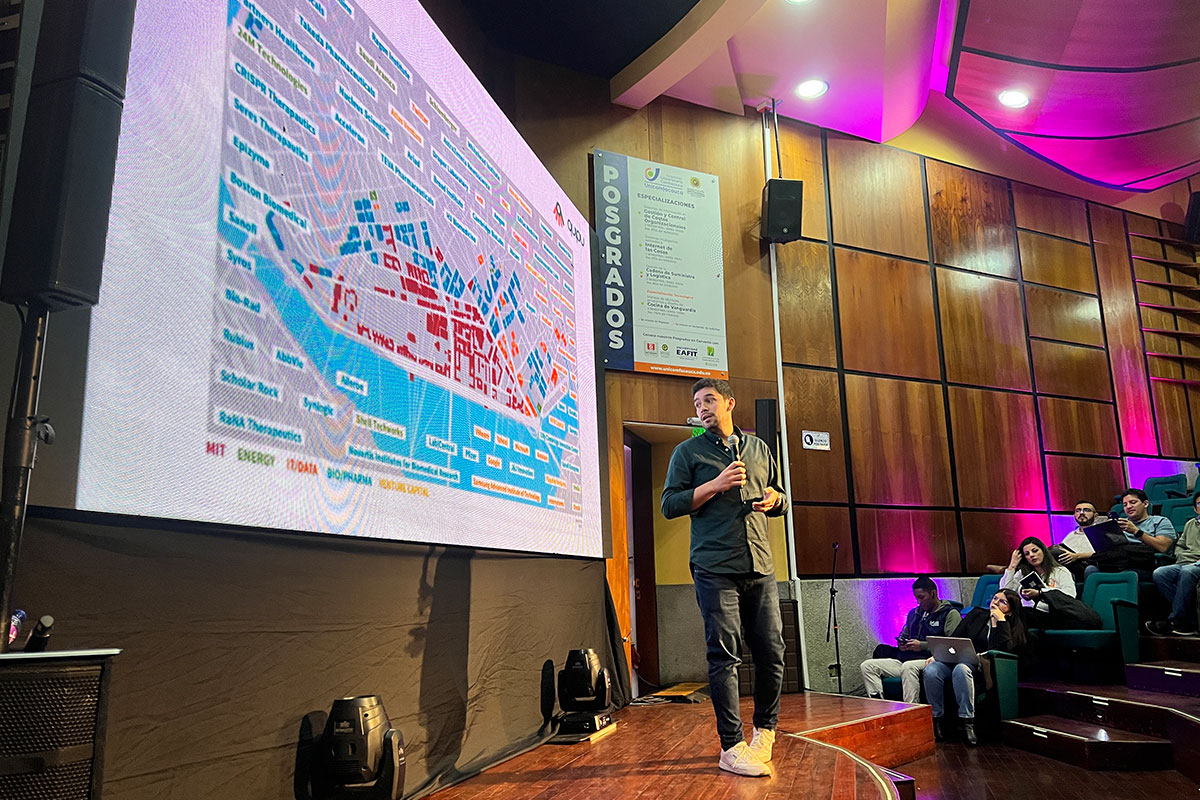
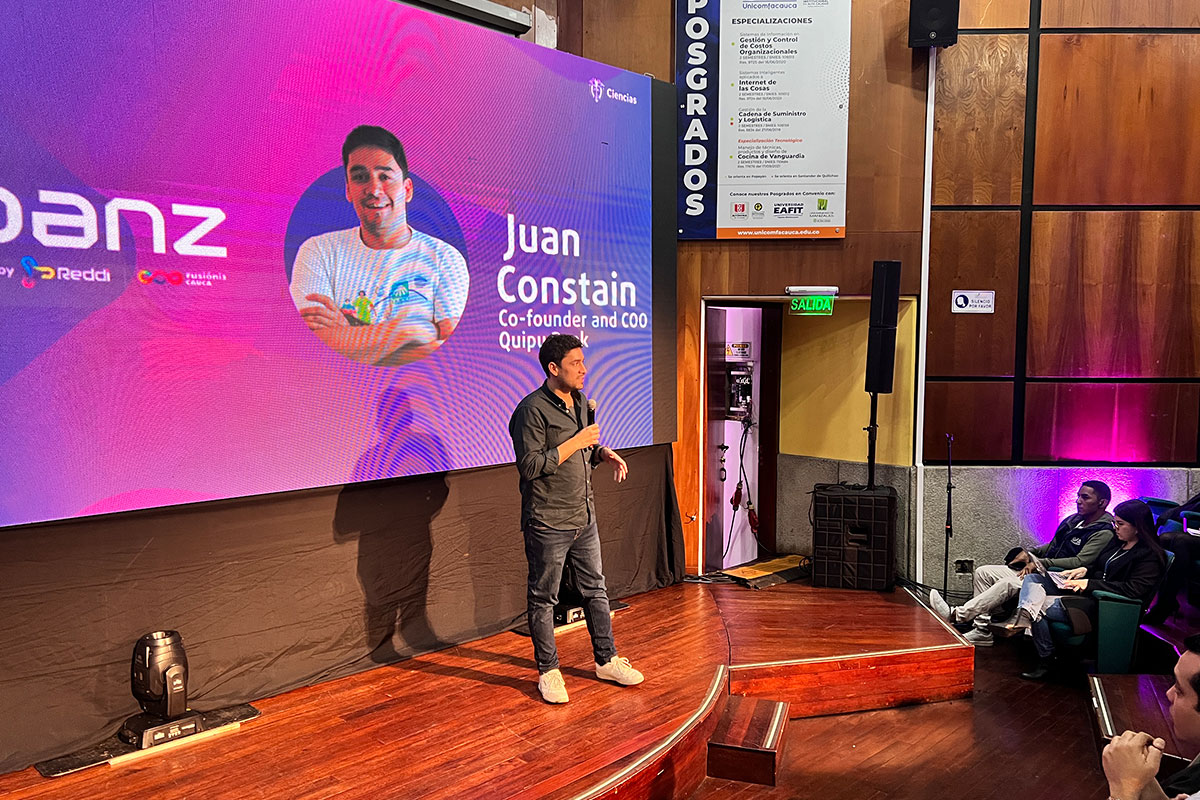
Conferencia: El camino de Quipu: de proyecto de investigación en MIT a fintech de inclusión financiera.
Cofundador y COO de Quipu Bank
Profesional en Gestión y Desarrollo Urbanos de la Universidad del Rosario, especialista en Derecho Urbano, y cuenta con una maestría en Planificación Urbana con énfasis en desarrollo económico del MIT. Como cofundador y COO de Quipu, una fintech de rápido crecimiento en Colombia, fue reconocido como Fellow del programa The Global Good Fund en 2023. Quipu ha recibido importantes reconocimientos de entidades como el Banco Mundial, Google, MIT, Forbes y Fast Company, consolidándose como un referente en inclusión financiera e innovación empresarial.
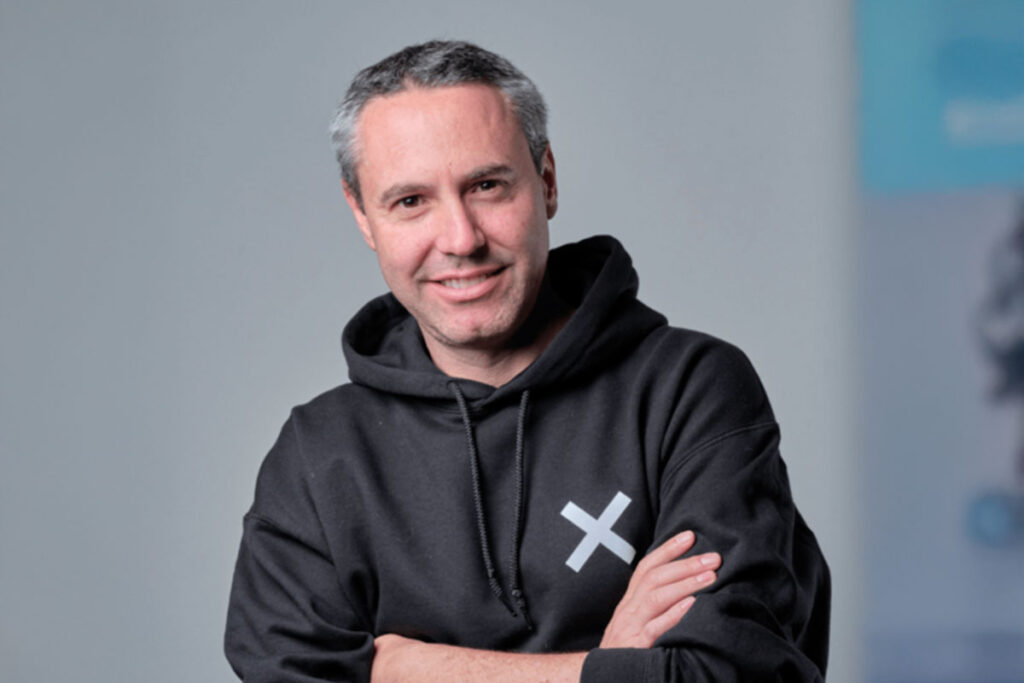
Director comercial de NotCo Colombia
Responsable de establecer la estrategia de negocio de NotCo en Colombia, en los frentes de Food Service, Retail. Administrador de negocios y especialista en mercadeo, con más de 25 años de experiencia liderando áreas de innovación en la industria de consumo masivo en Latinoamérica.

Conferencia: Efectos positivos de red.
CEO de Mentex y experta en innovación, reconocida entre los Top 100 gerentes de Colombia. Descubre cómo maximizar los efectos positivos de red y el impacto de la Alianza DeepTech en el fortalecimiento y escalamiento de startups en la región.