Green biotechnology drives cleaner, more efficient, and more resilient agriculture. At Fusióni360, we connect companies, universities, and startups in Cauca to solve challenges in the agro-environmental sector through open innovation and transfer-ready technologies.
Technology organizations are leading the way toward a more innovative and competitive future in Colombia. With Fusióni360, connect with strategic partners, find innovative solutions, and take your organization to the next level. Innovation has never been easier!
Fusioni360 facilitates connections between companies, universities, research groups, and other key stakeholders, enabling them to collaboratively find innovative solutions to market challenges. Its focus on open innovation promotes the building of strategic alliances and fosters the development of high-impact projects.
In this episode, we explore how science, technology, and collaboration are transforming Cauca. Universities, SMEs, and other ecosystem players are connecting through Fusióni360 , a digital platform that fosters open innovation .
Discover what it means to innovate openly: combining ideas, sharing knowledge, and co-creating real solutions to today’s challenges.
If you are part of a micro, small, or medium-sized enterprise (MSME) or a higher education institution in the department of Cauca, this is your moment to connect, innovate and transform your environment.
Many solutions for Colombia already exist… but they remain hidden. In this episode, we’ll tell you how to bring knowledge closer to the people, apply it to the local level, and connect real solutions.
Learn how the Fusióni360 platform drives open innovation.

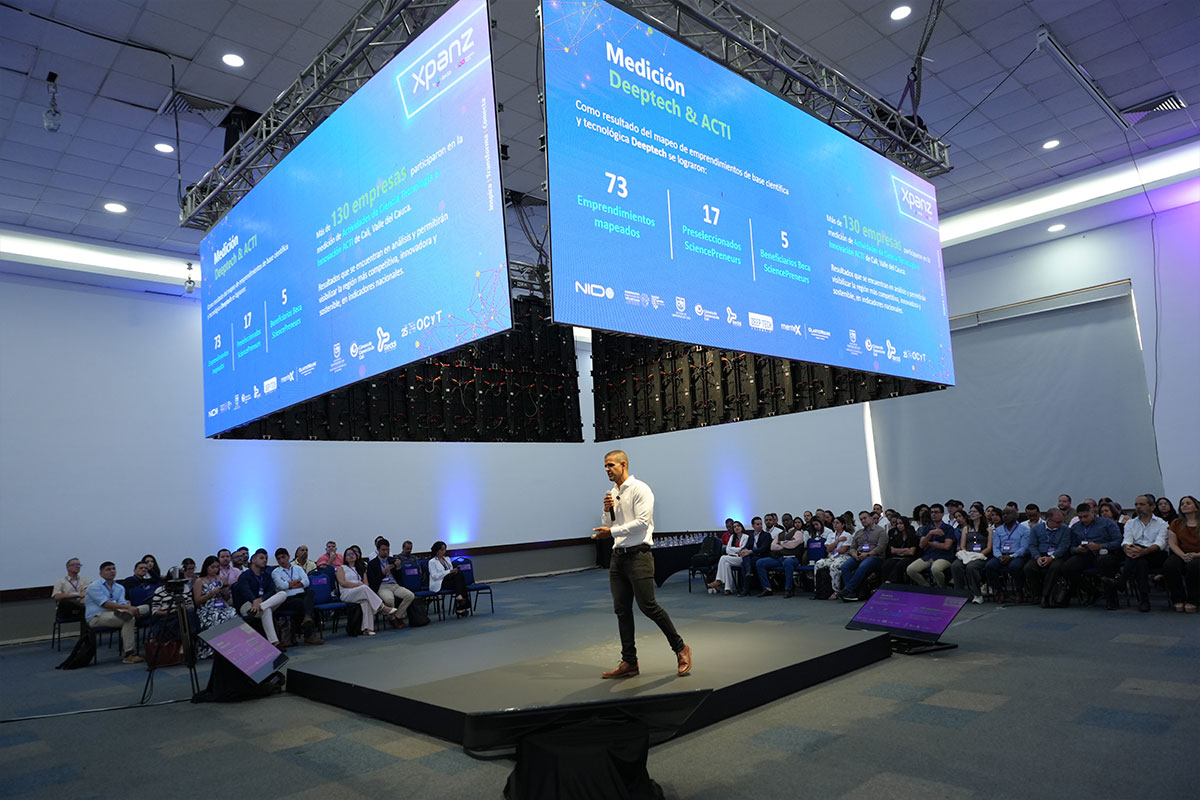
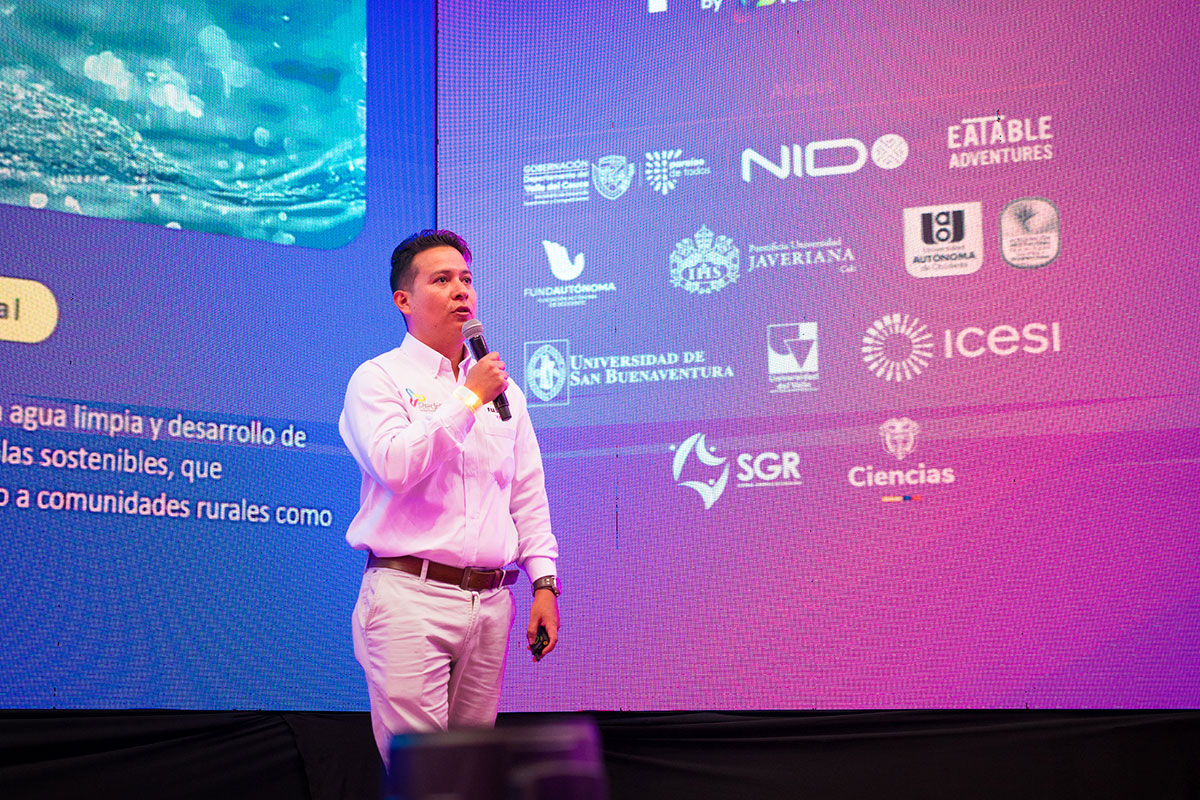
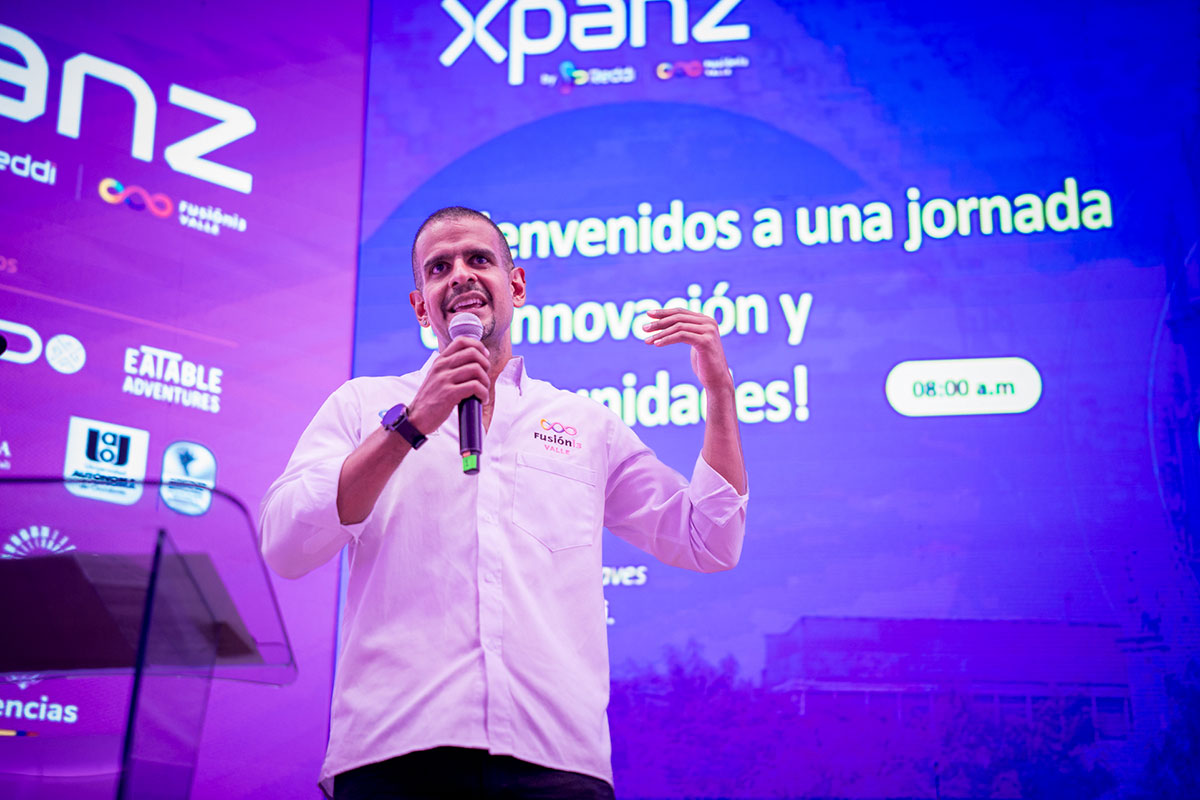
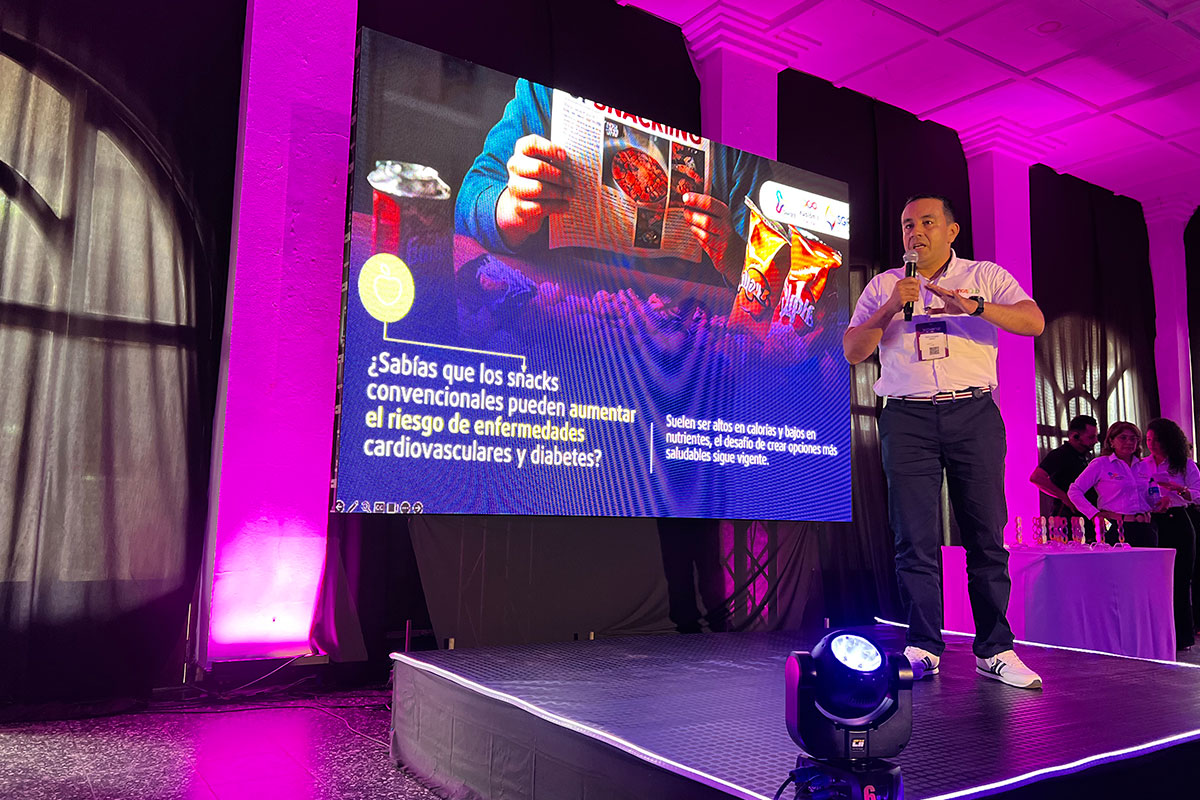
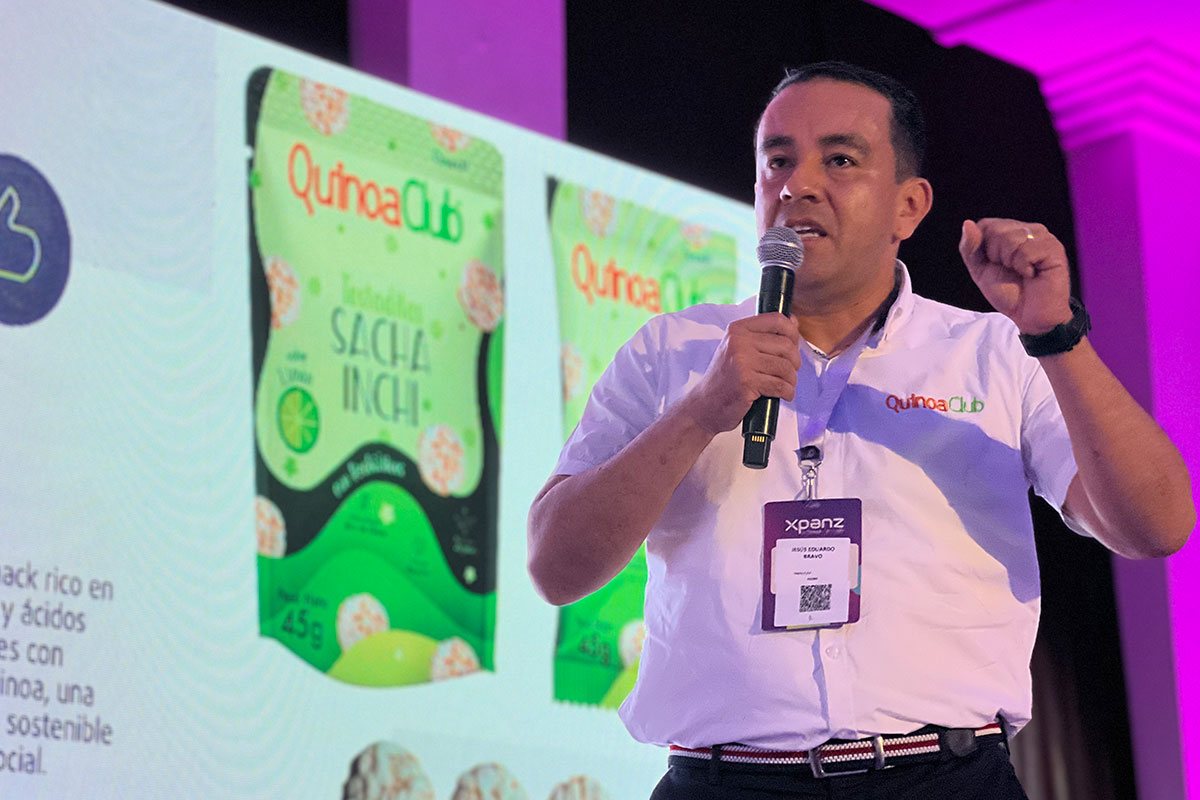
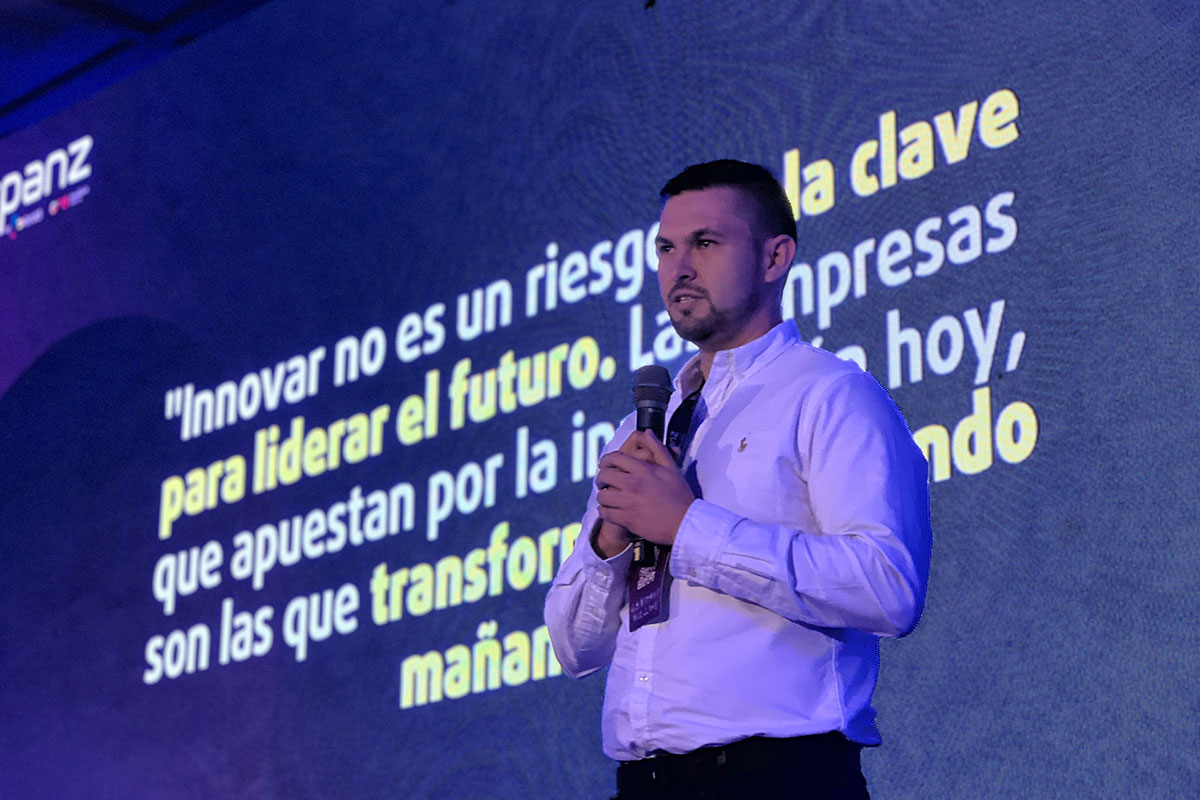
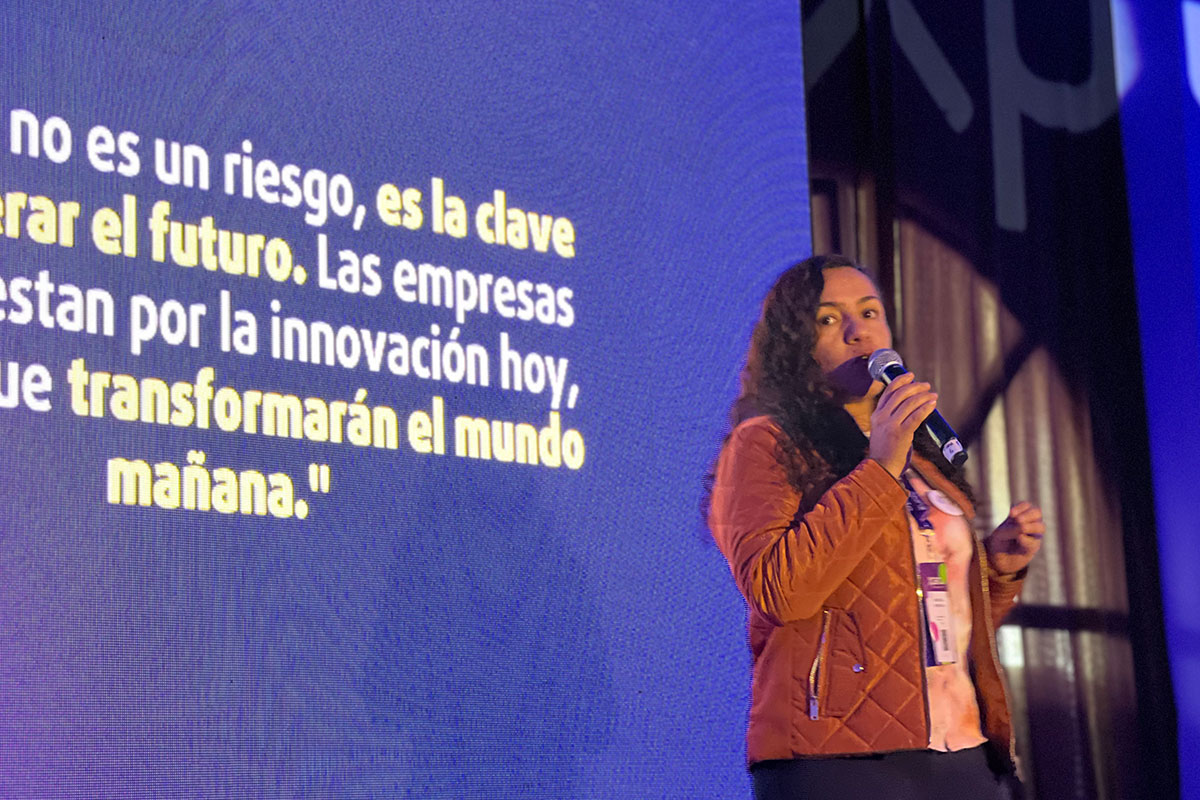
Conferencia “Innovación con impacto empresarial”
Presidente gremial, mentor y emprendedor serial
EdTech HUB LATAM + 90 Edtechs
Asociación de emprendedores +500 marcas de consumo
Ha logrado:
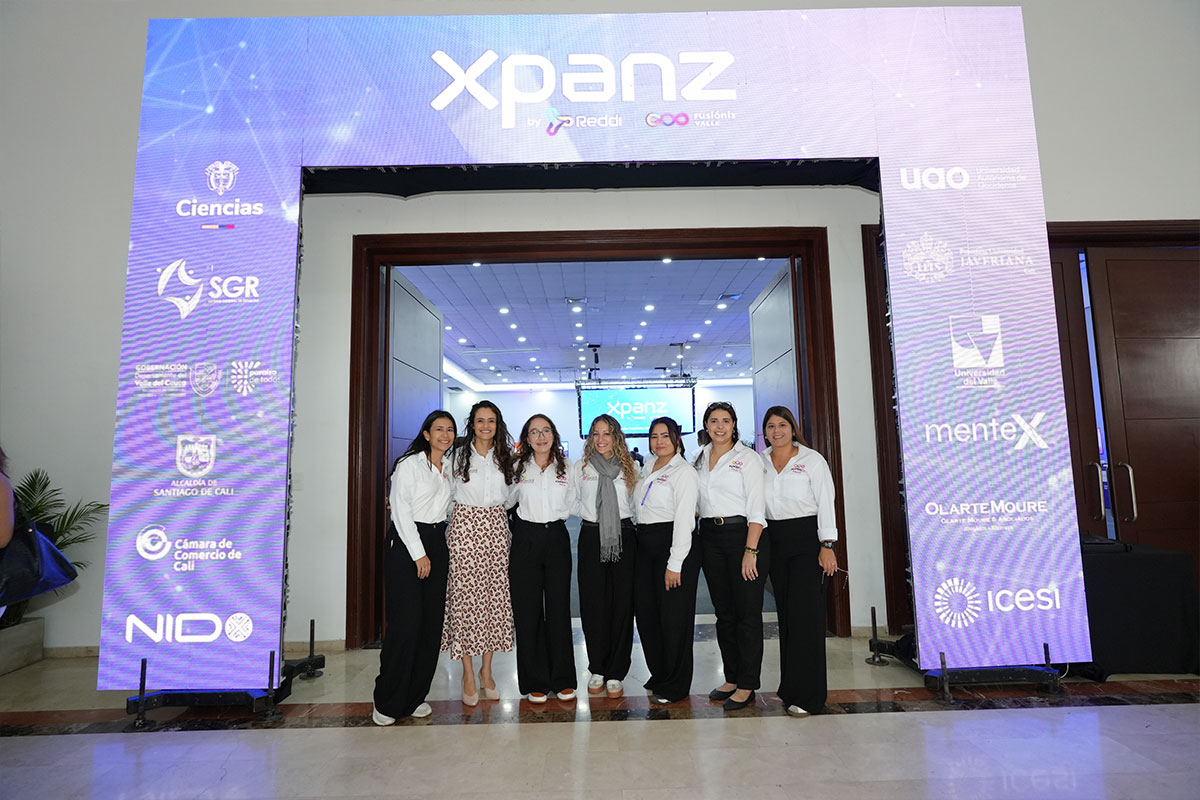
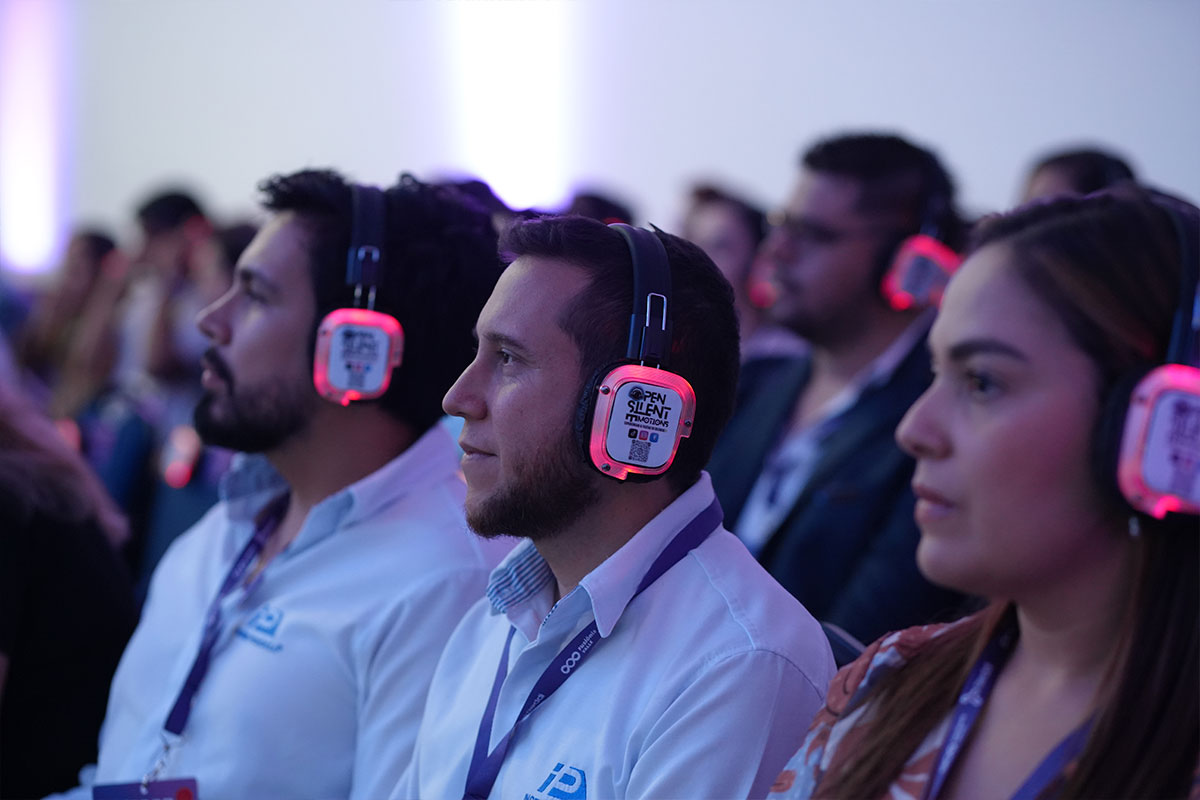
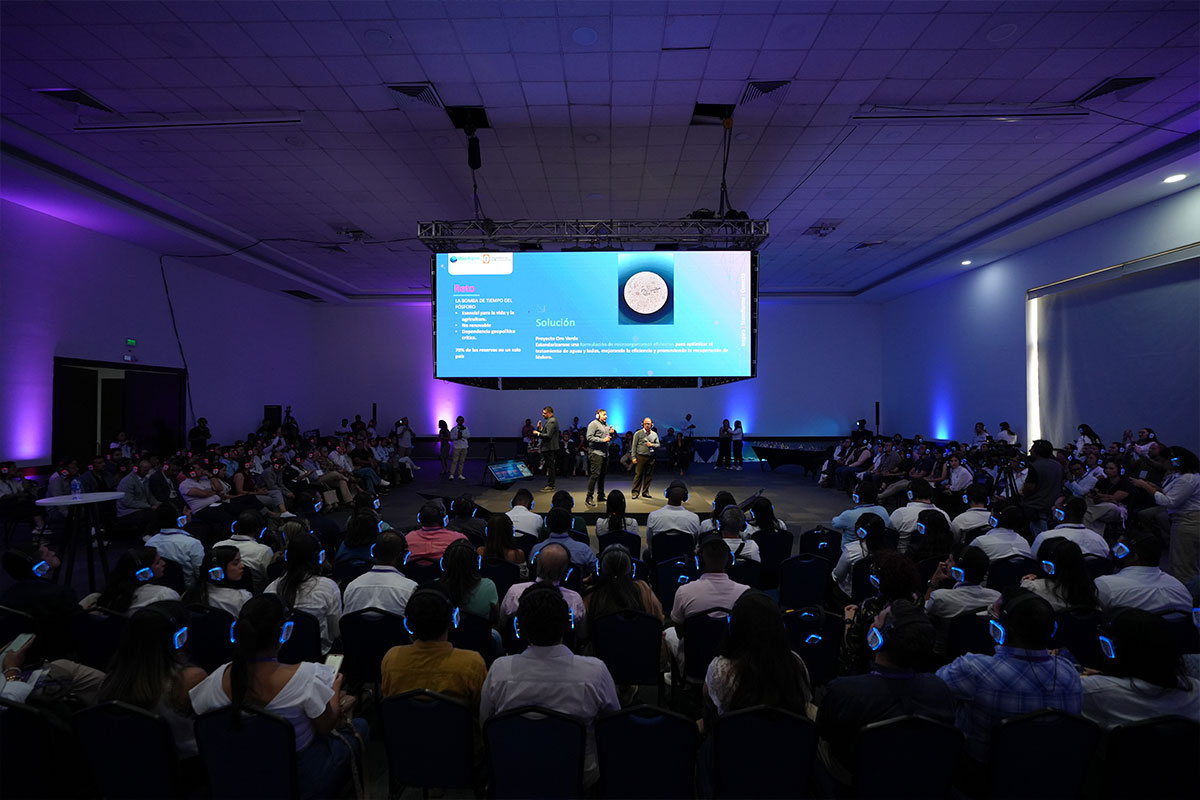
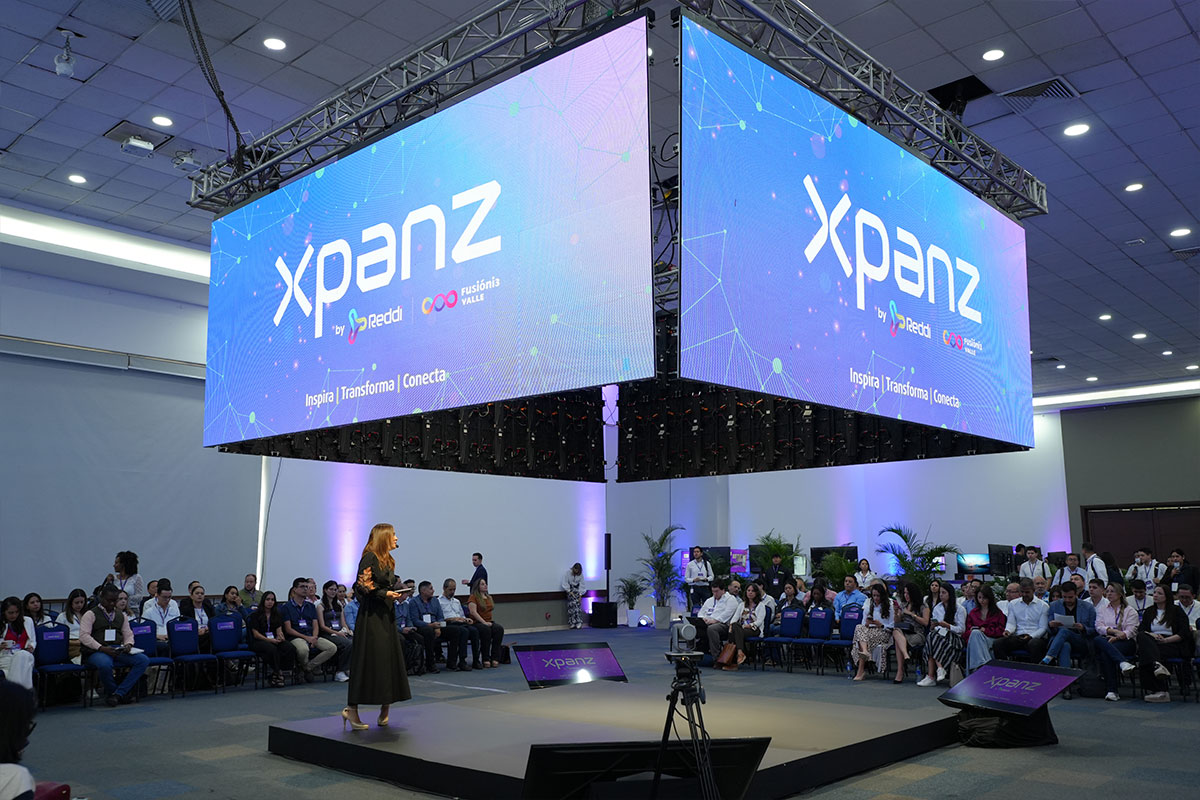
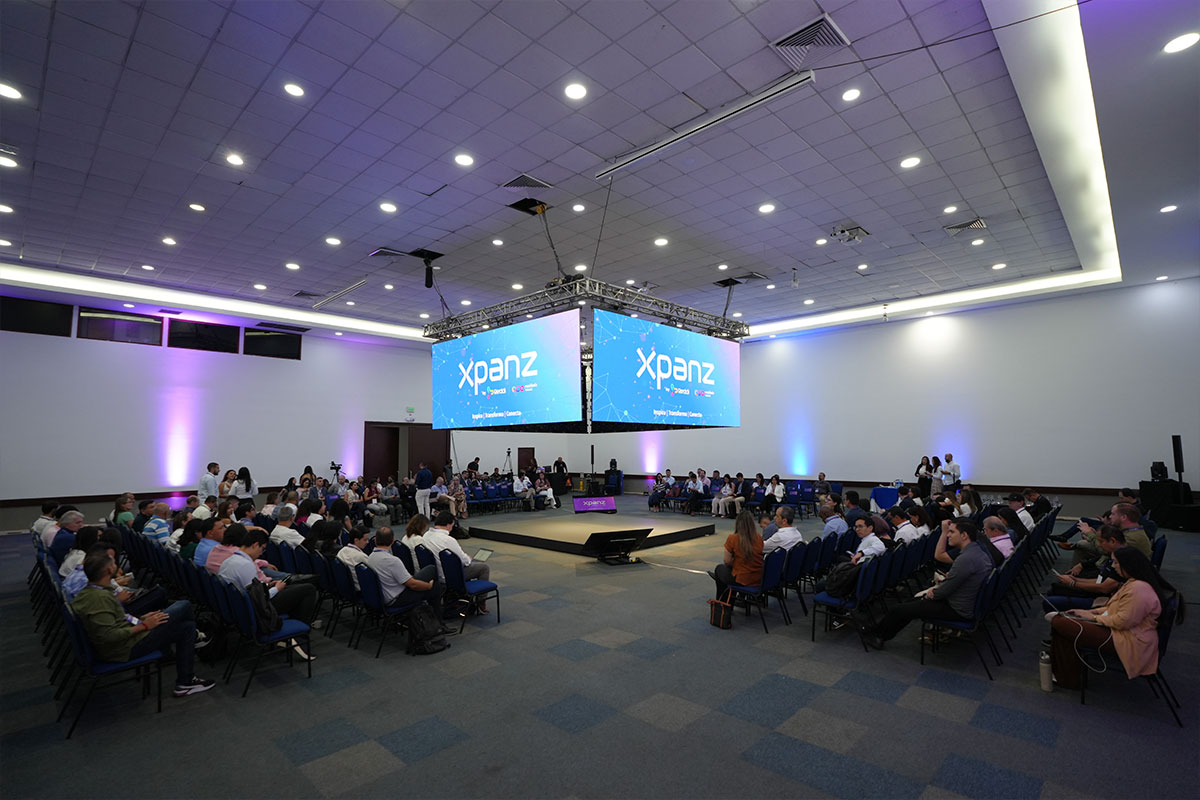
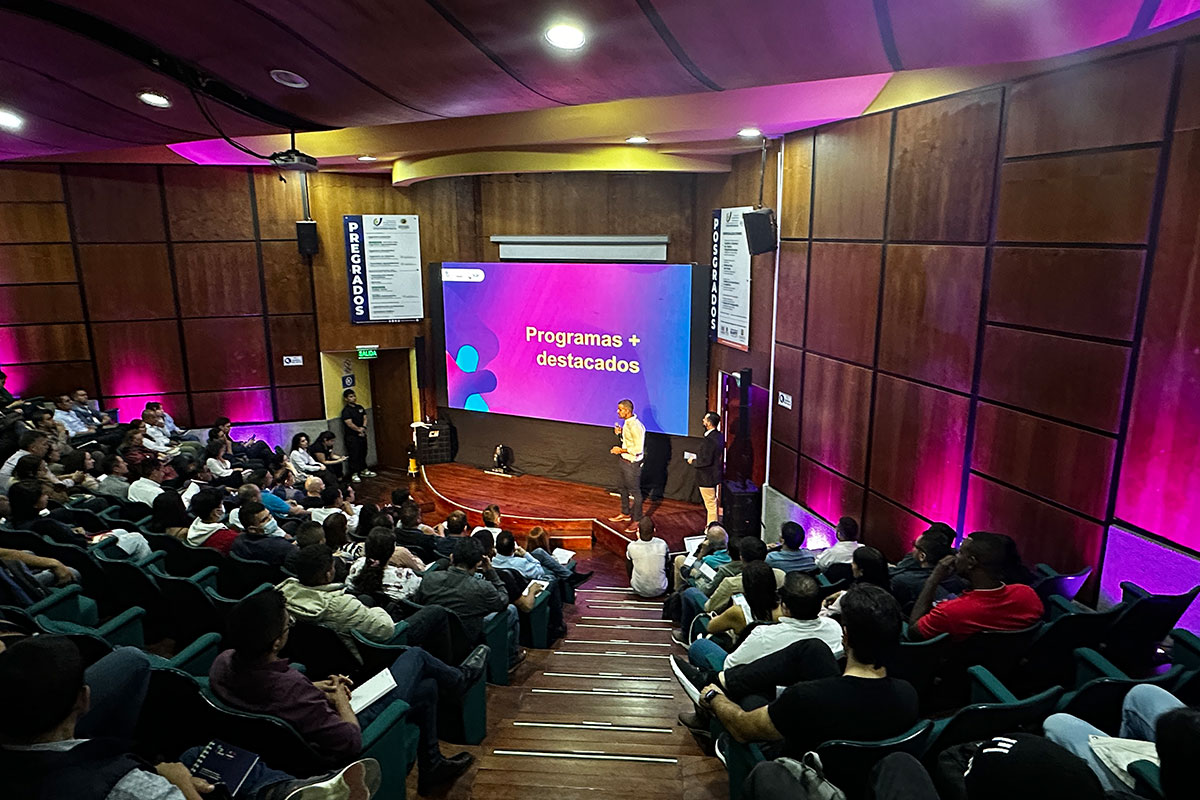
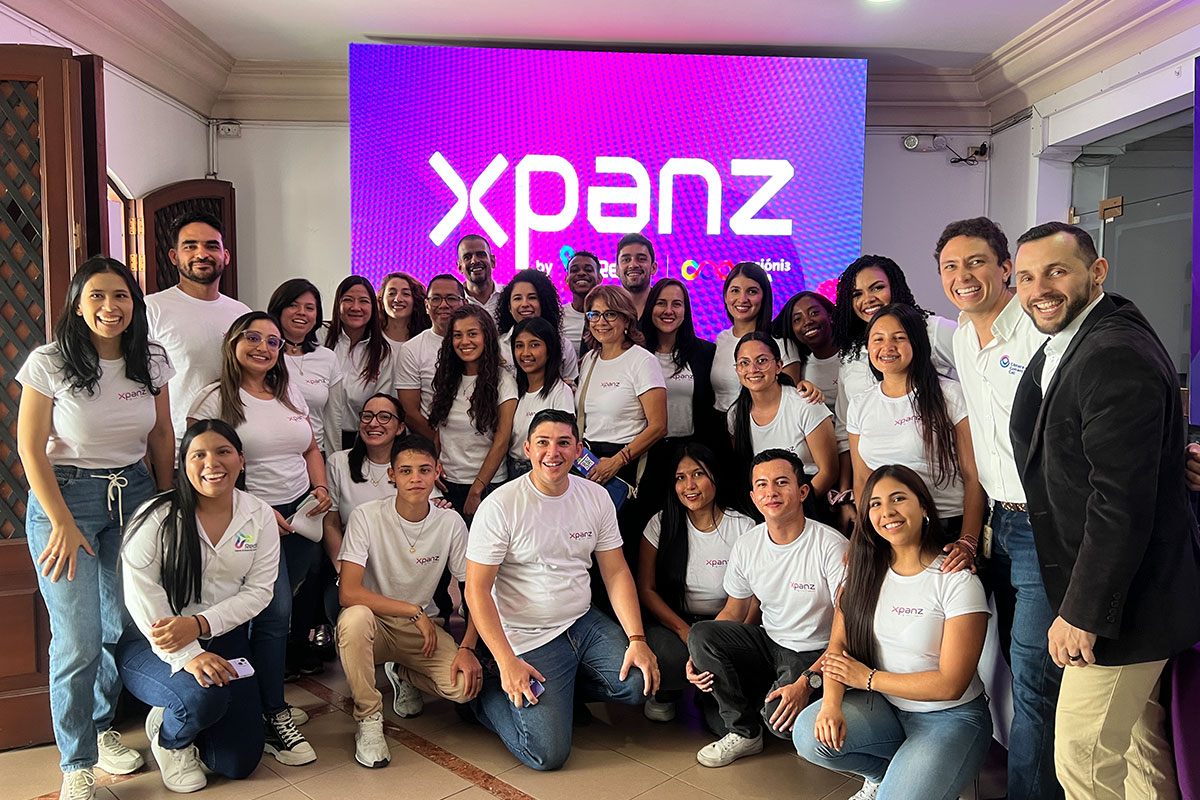
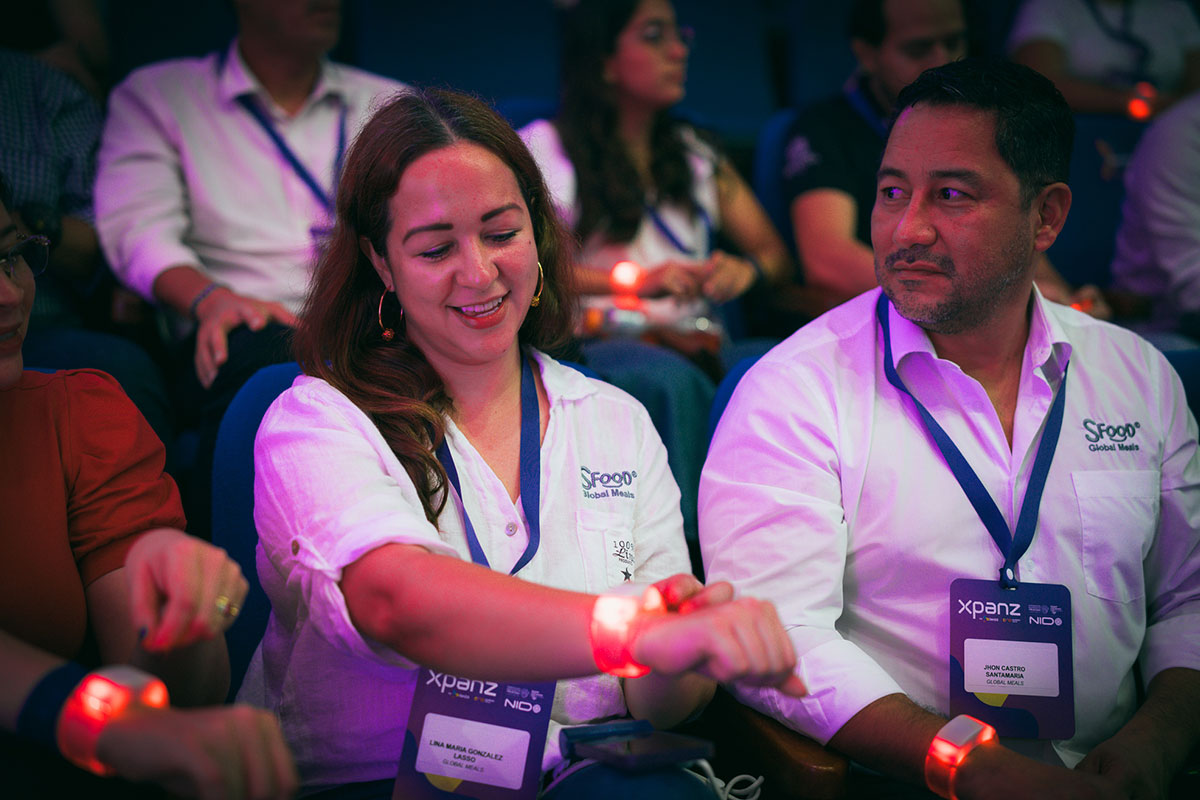
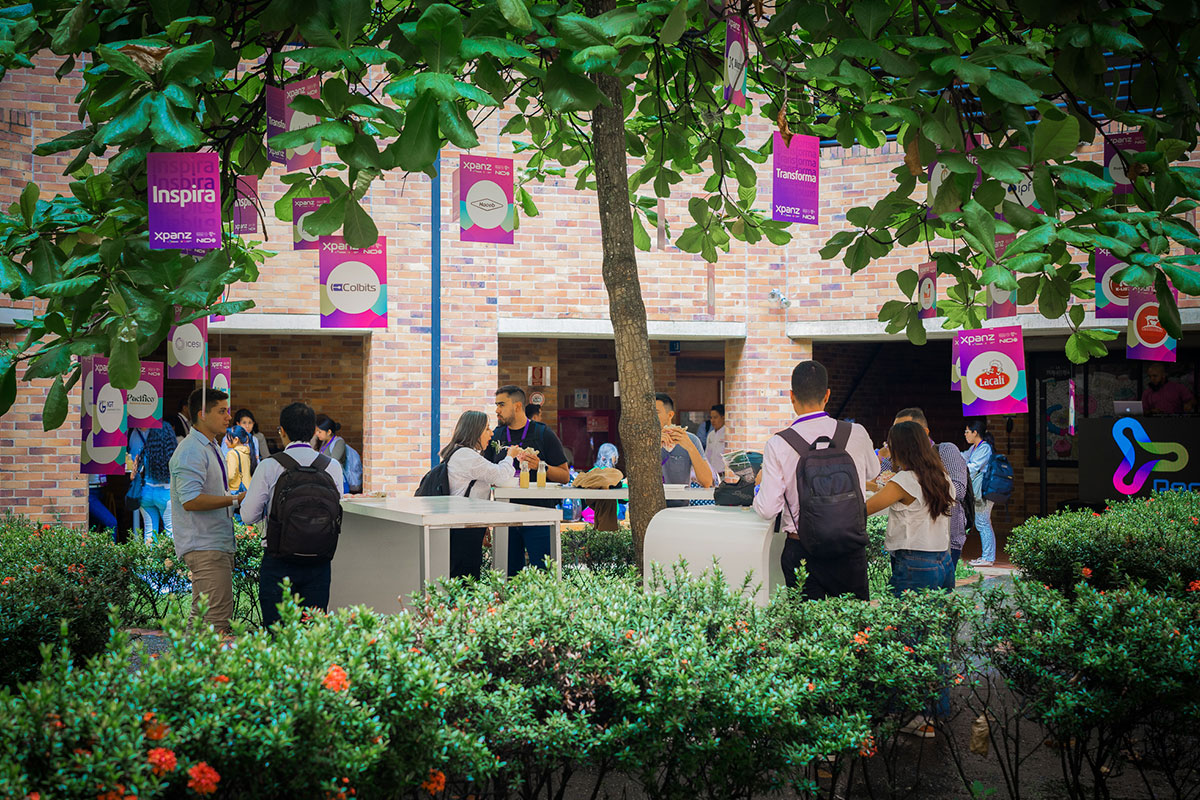
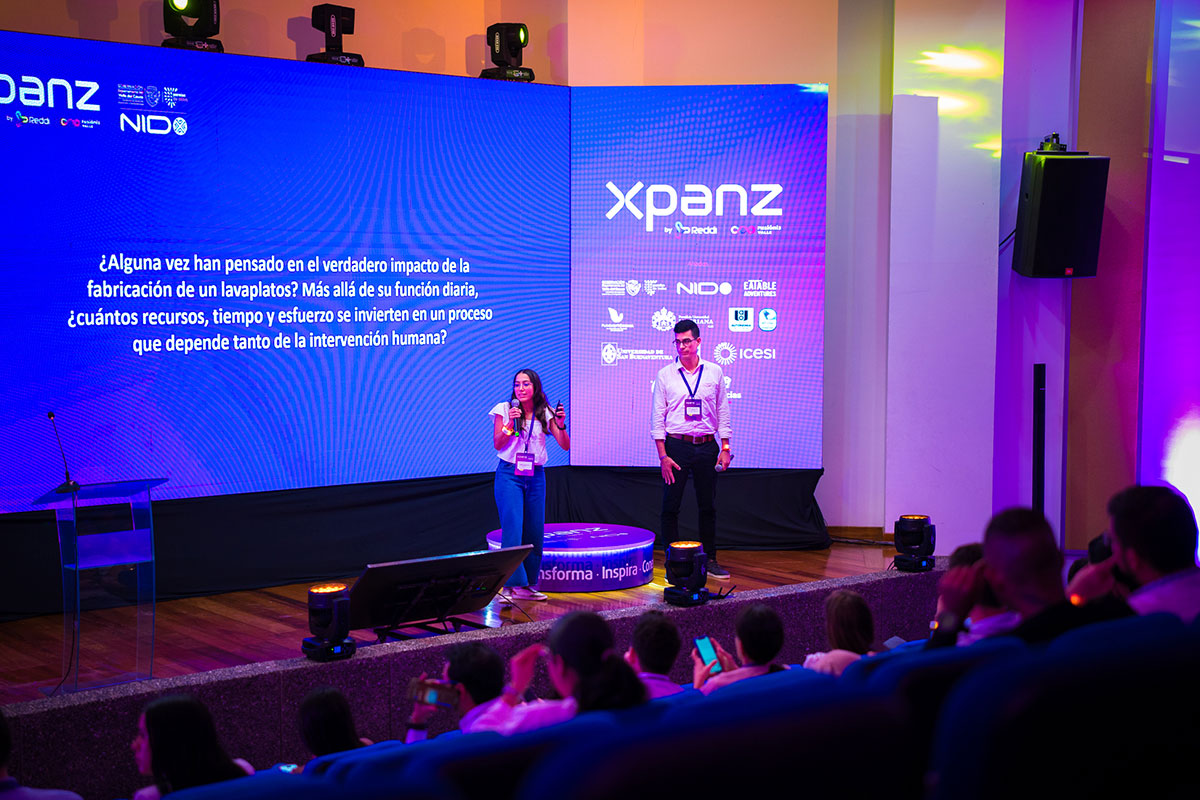
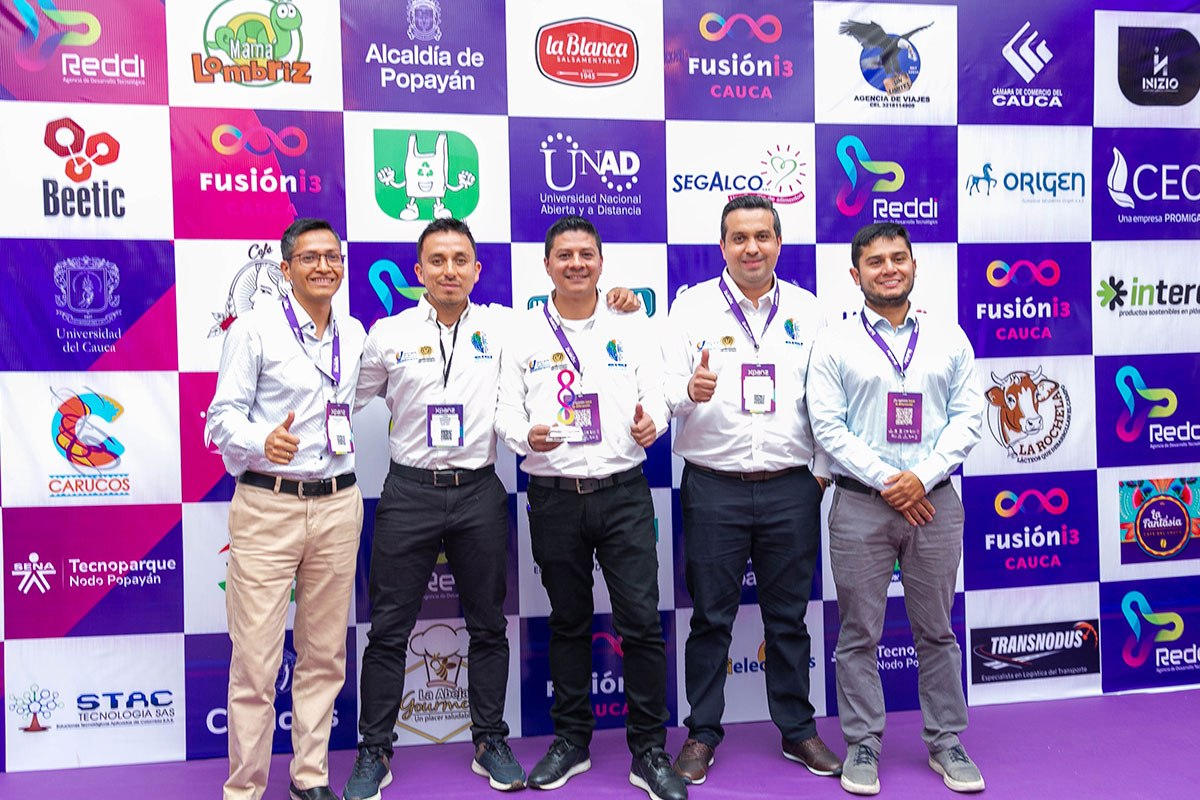
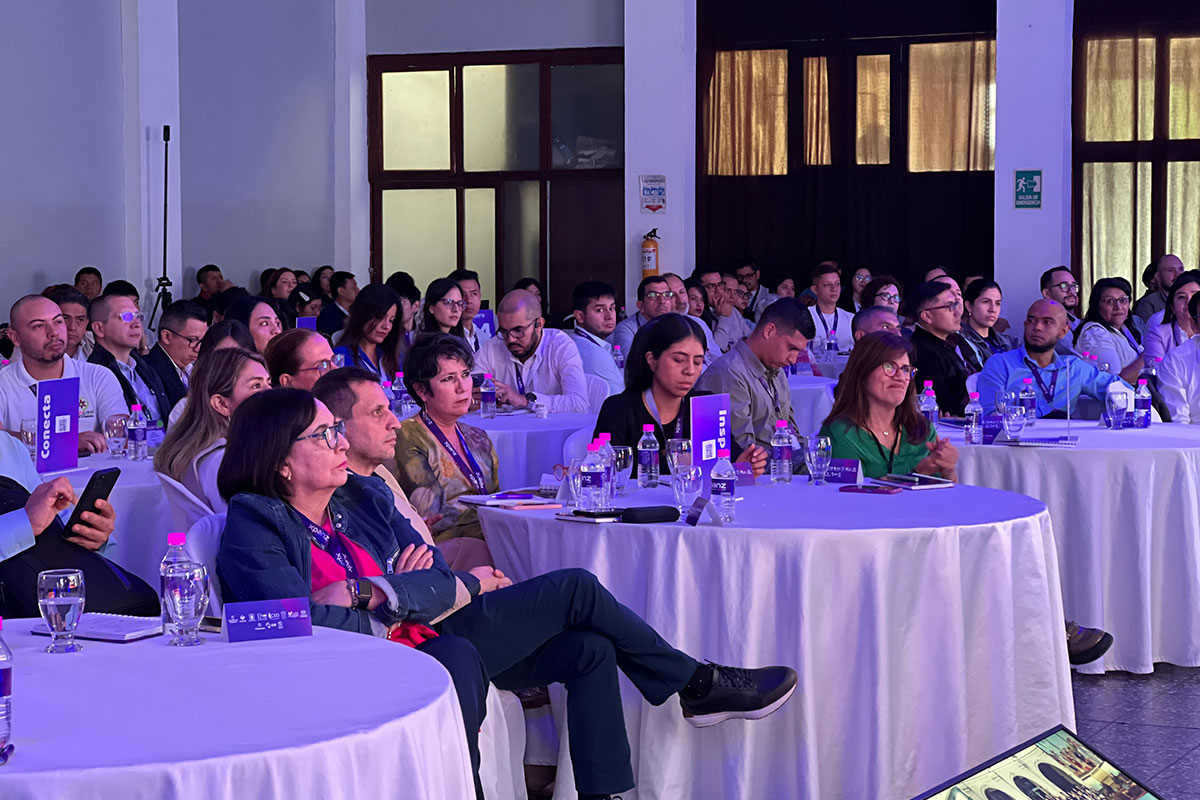
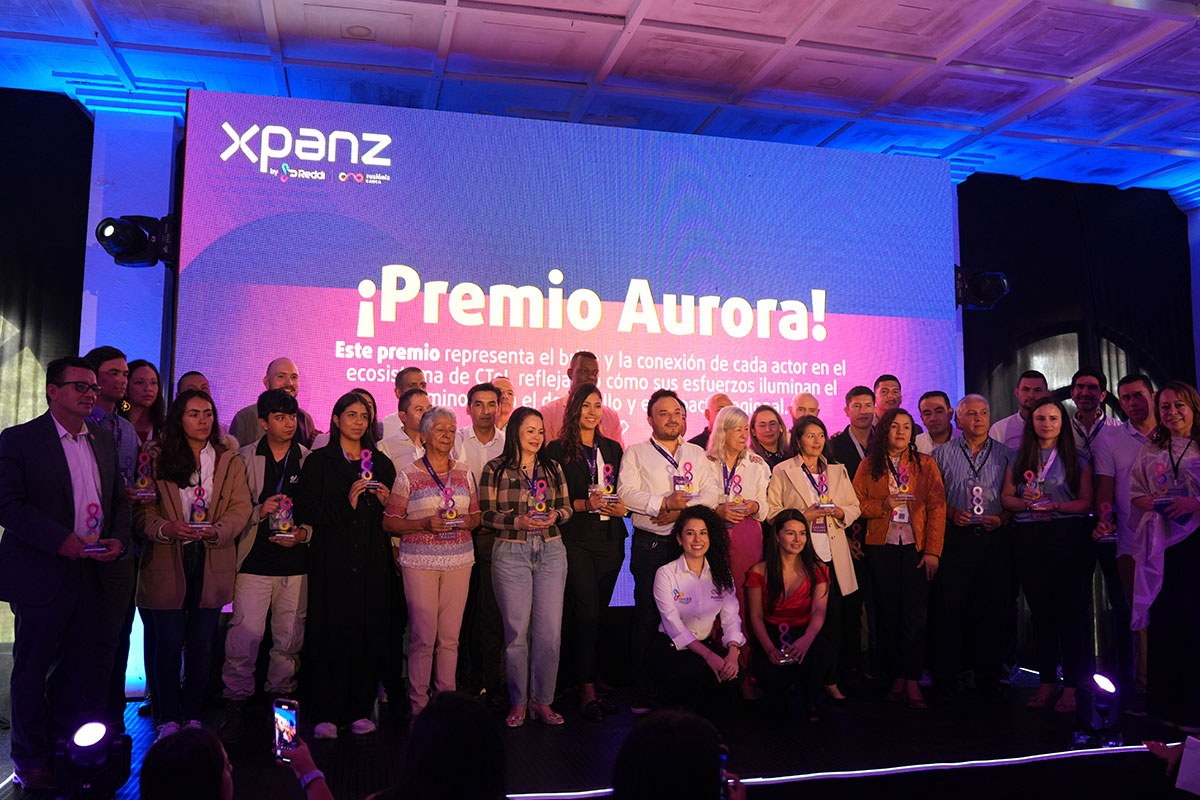
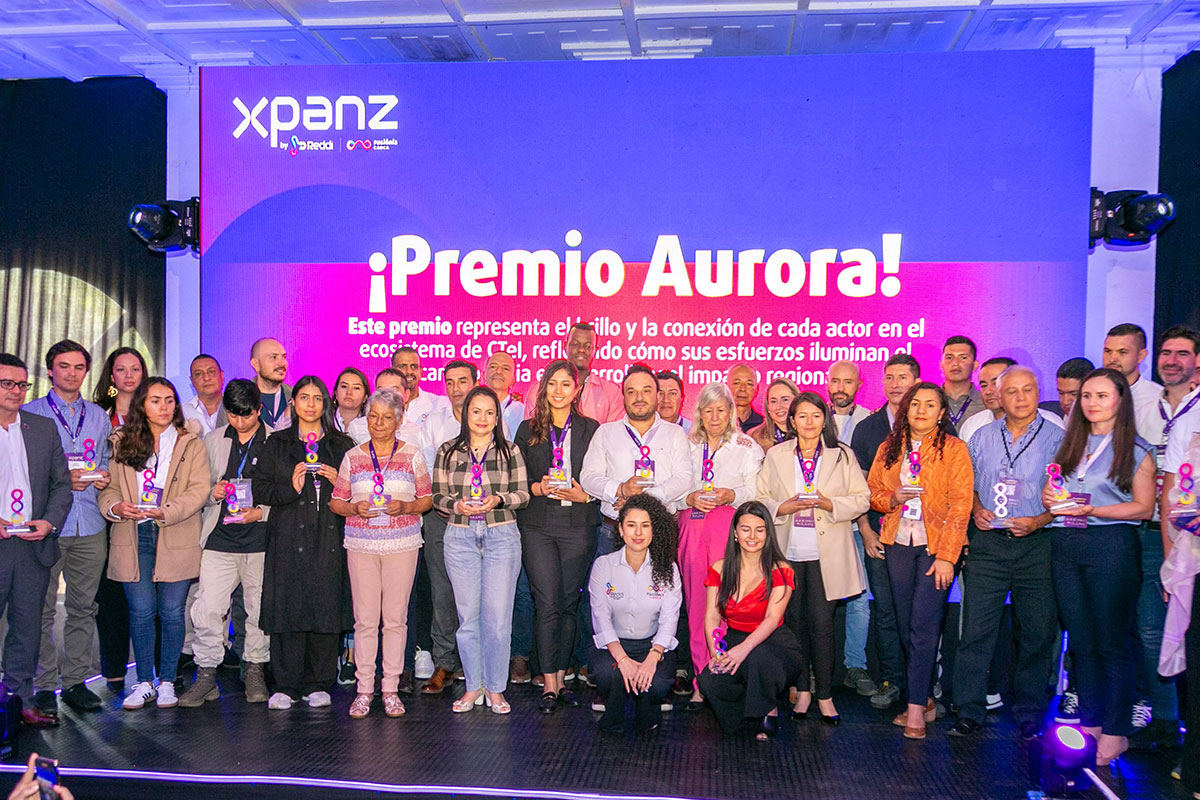
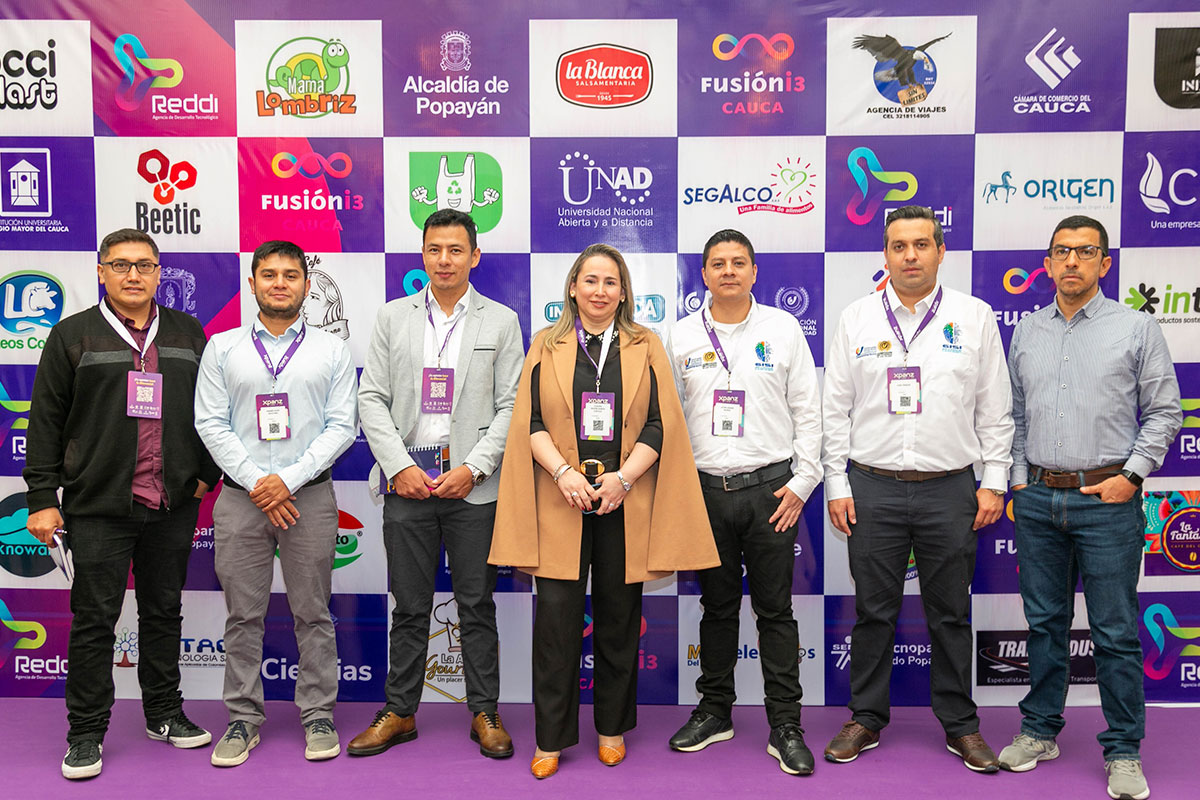
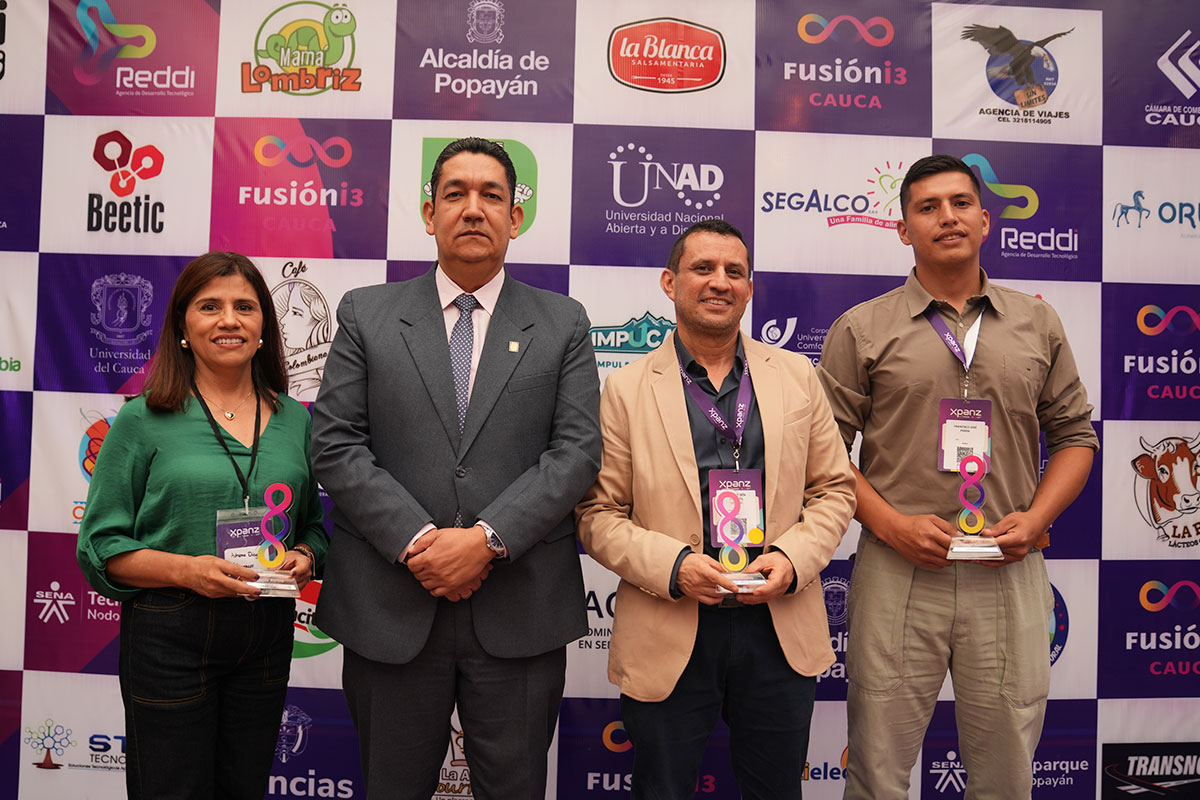
El evento contó con la participación de más de 101 asistentes en la Universidad Javeriana Cali.
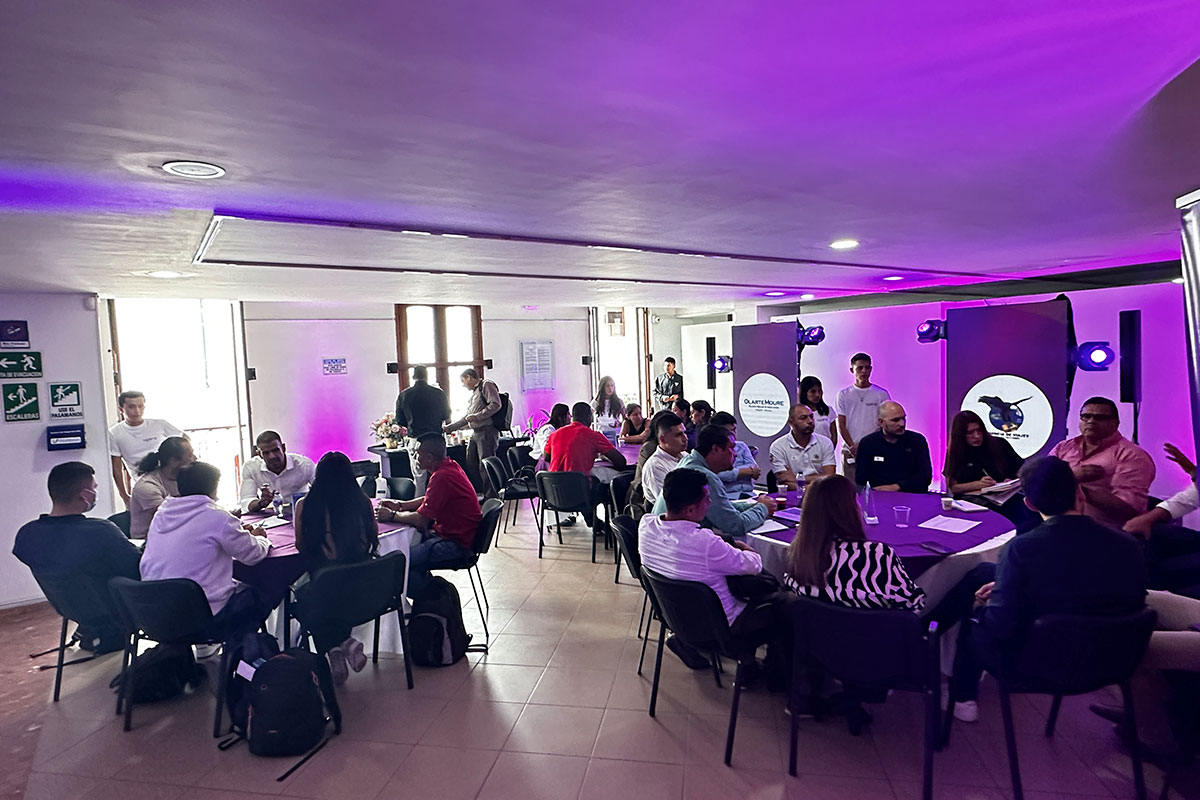
Fue el primer acercamiento entre IES aliadas y MiPyMEs beneficiarias.
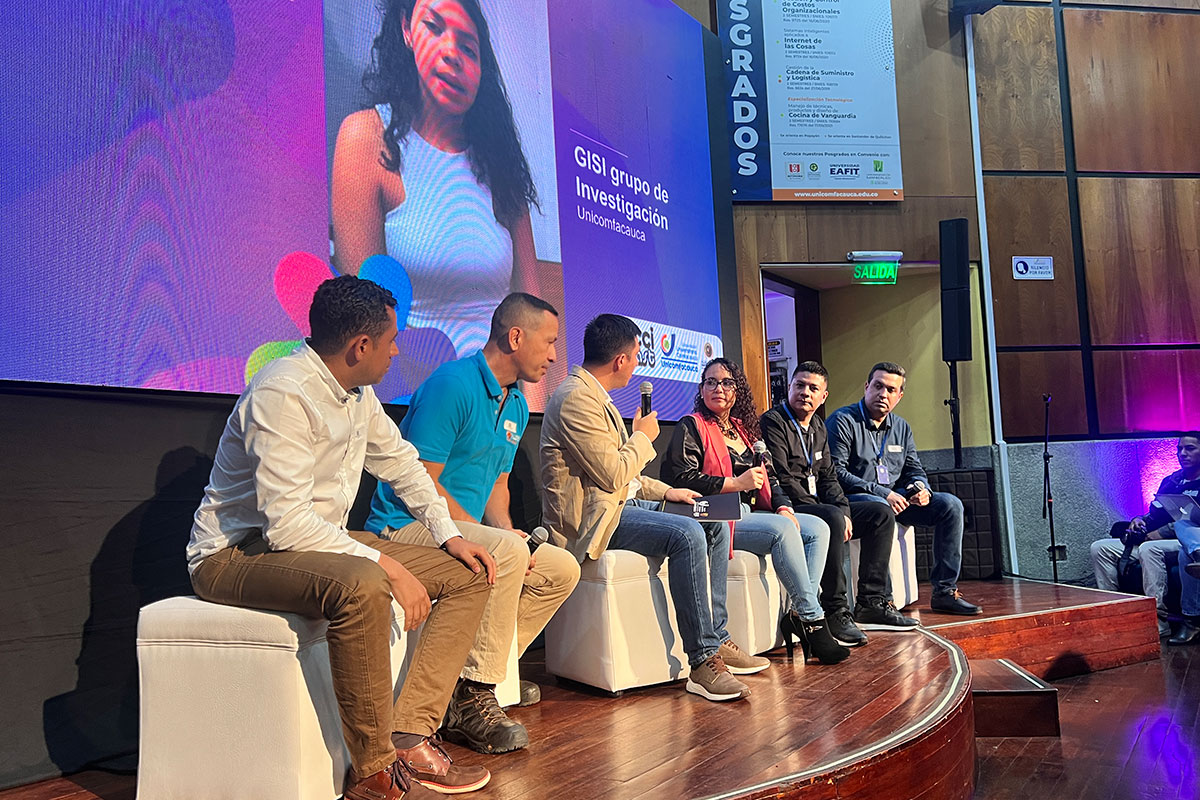
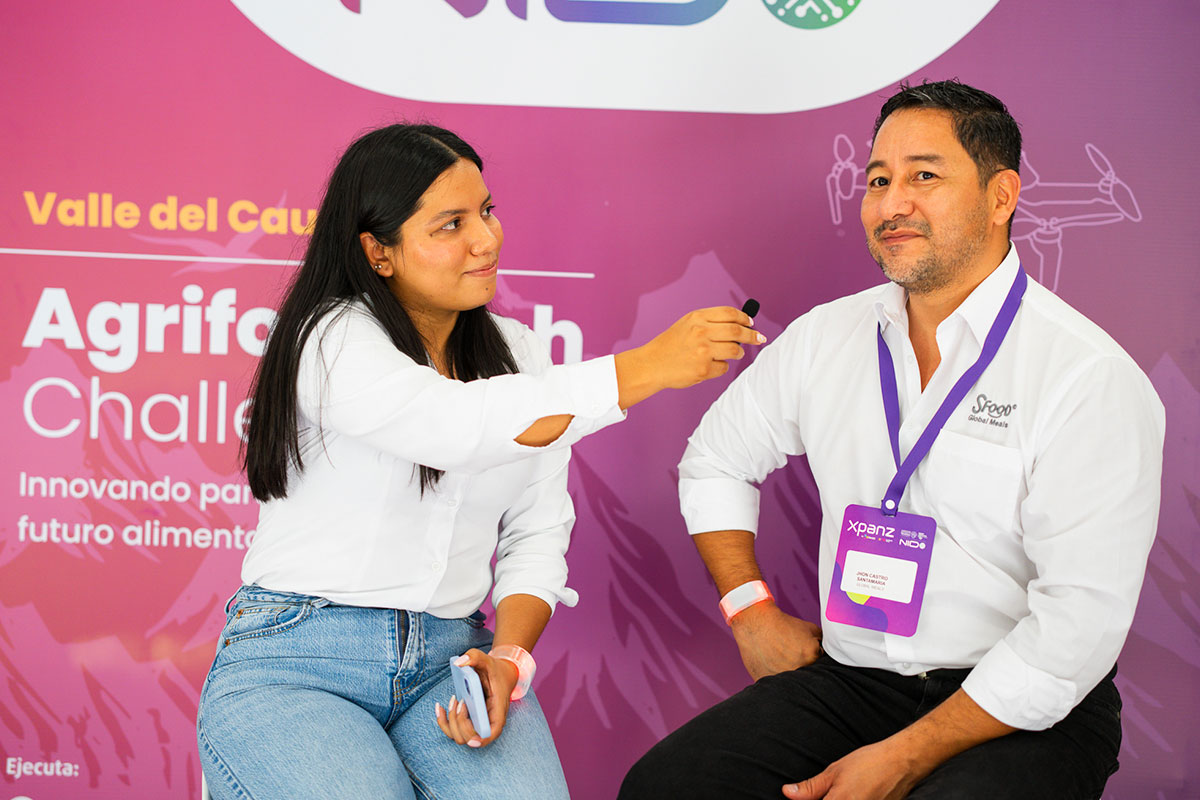
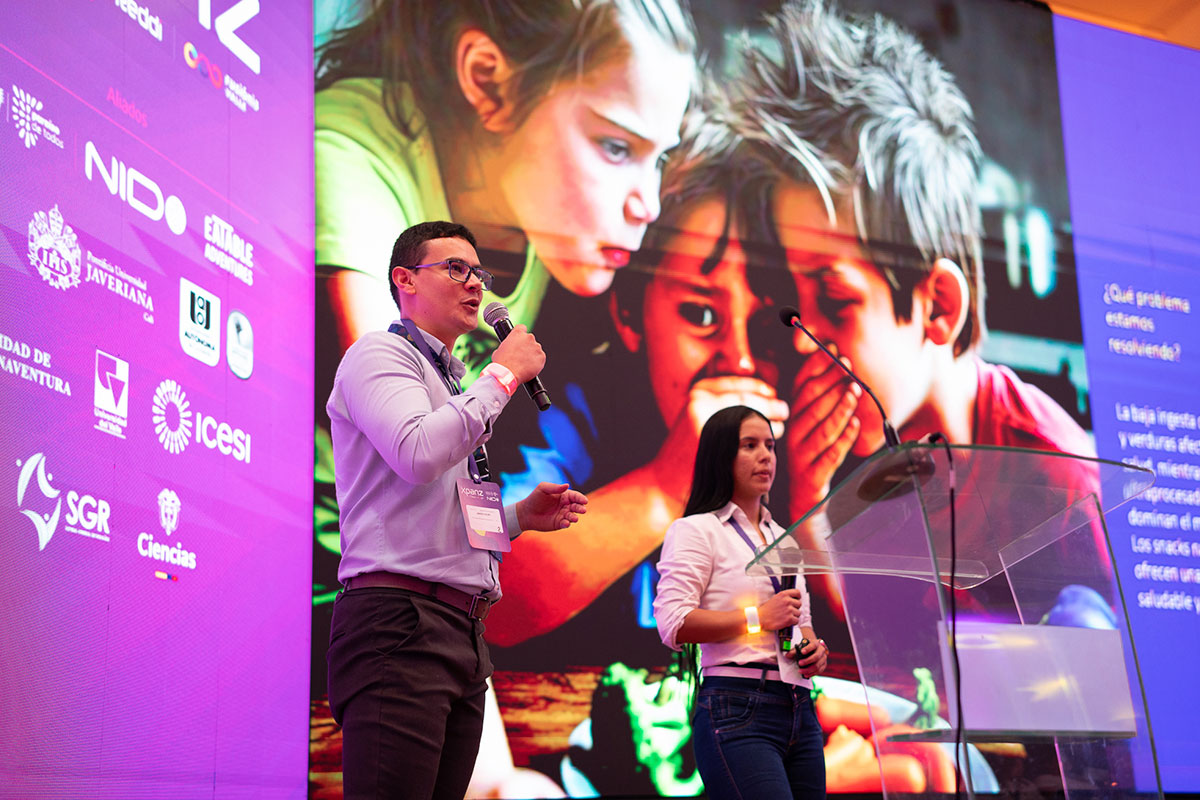
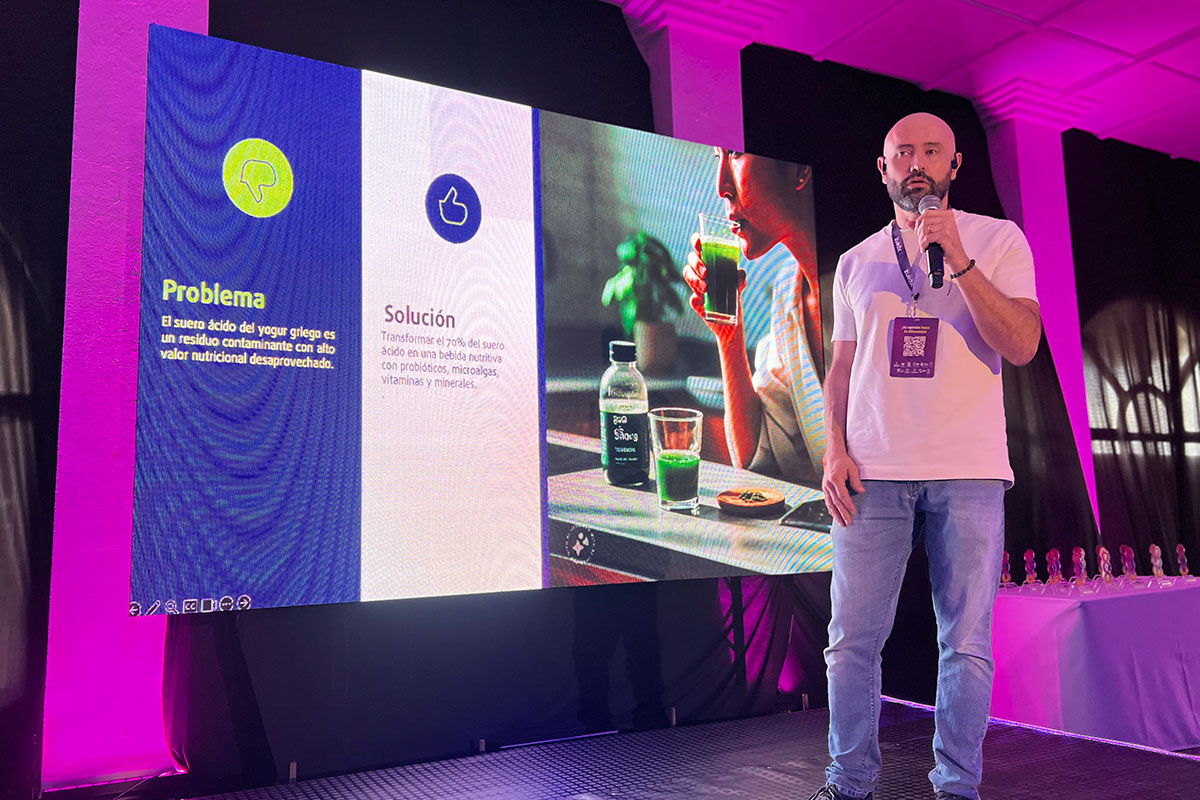
17 de estas MiPyMEs presentaron su Pitch, 11 tecnologías de las IES aliadas fueron presentadas en el Experience Day, las cuales tuvieron 28 validaciones pre-comerciales.
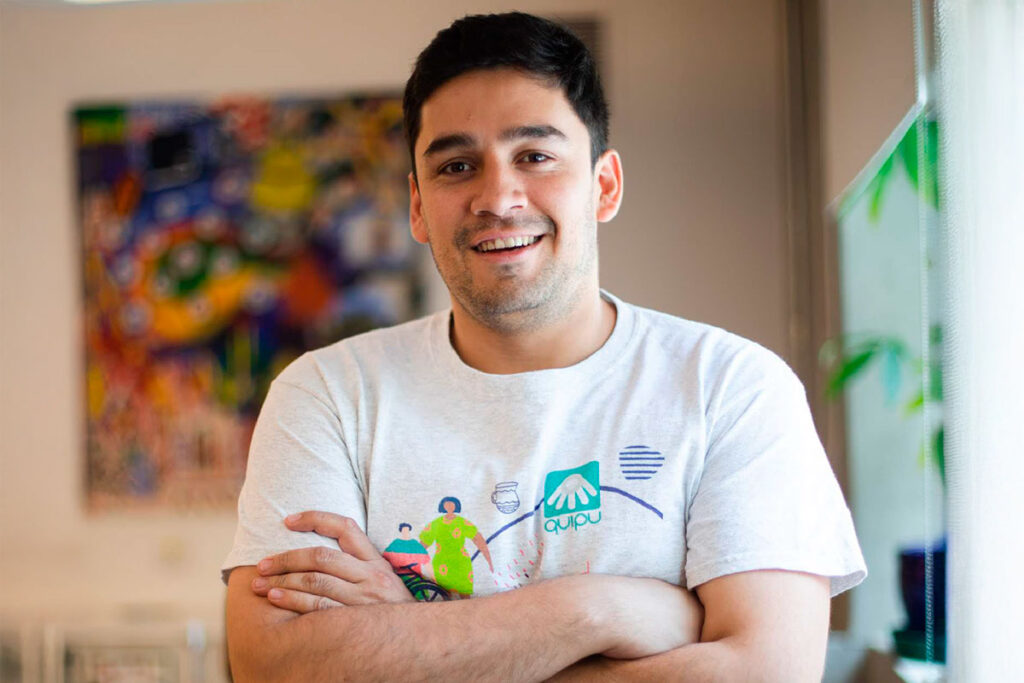
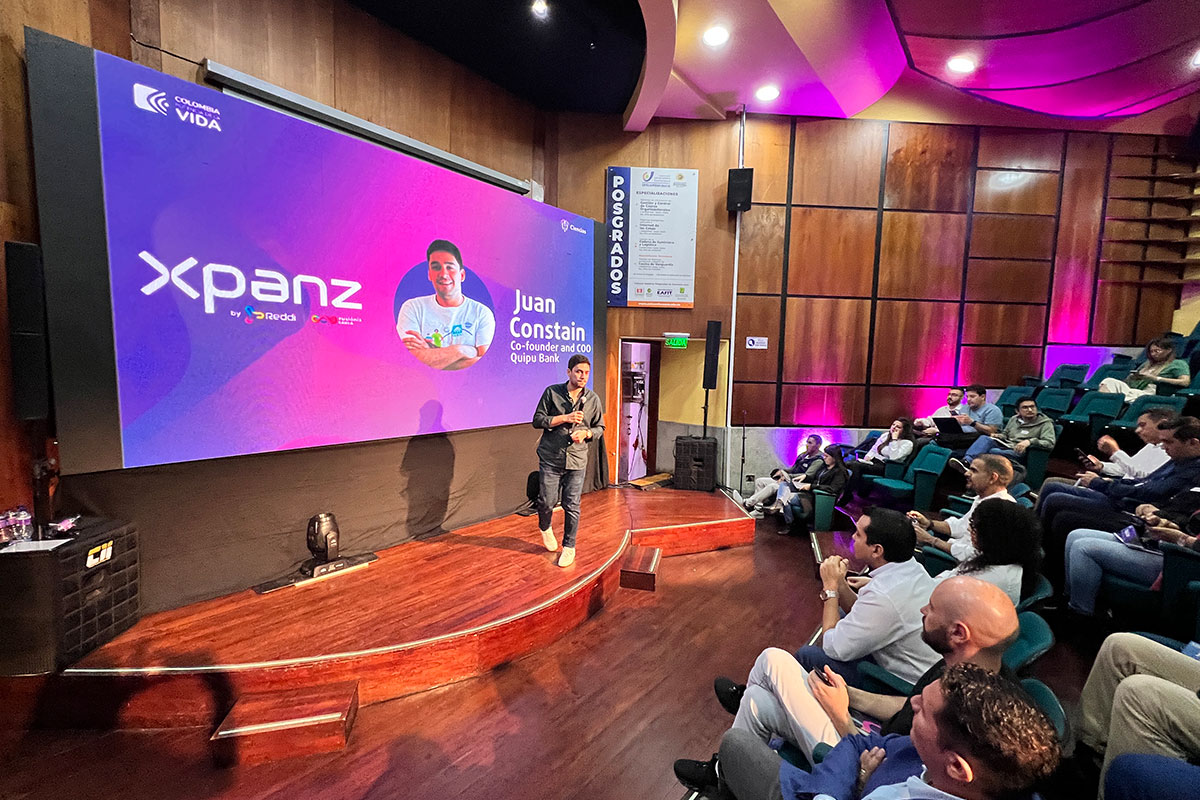
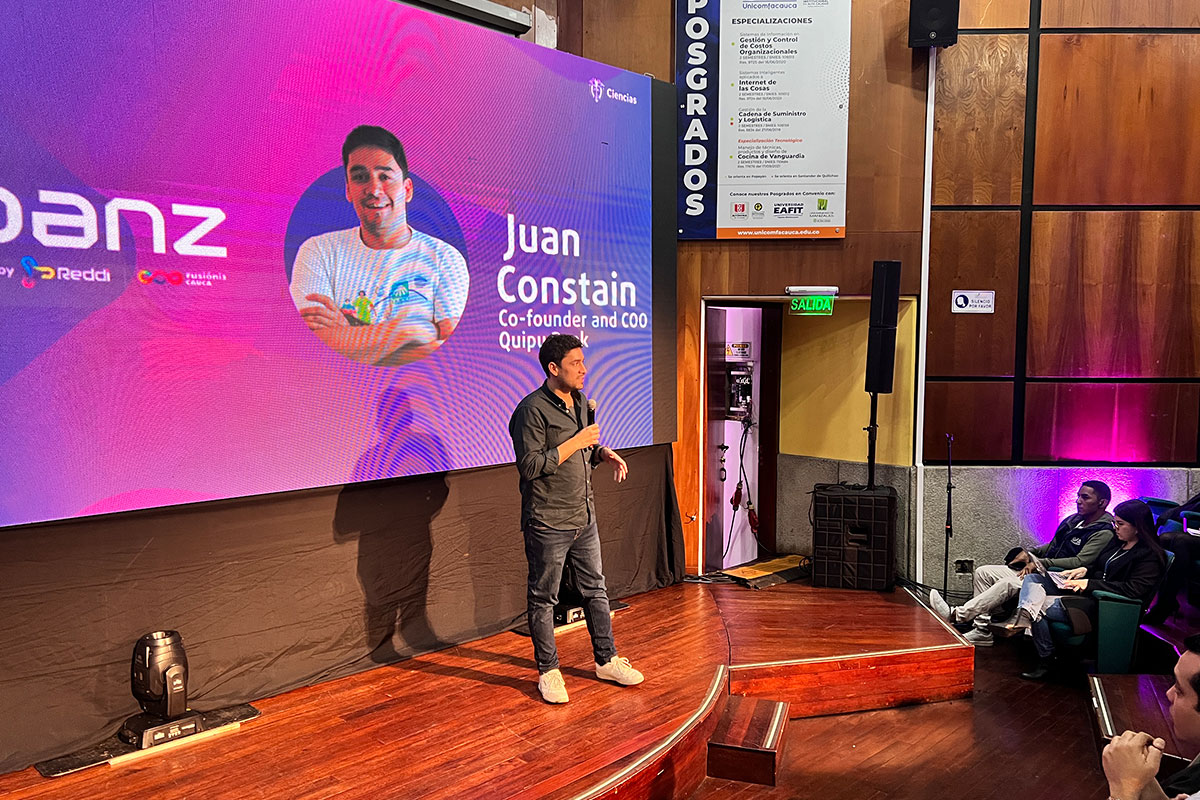
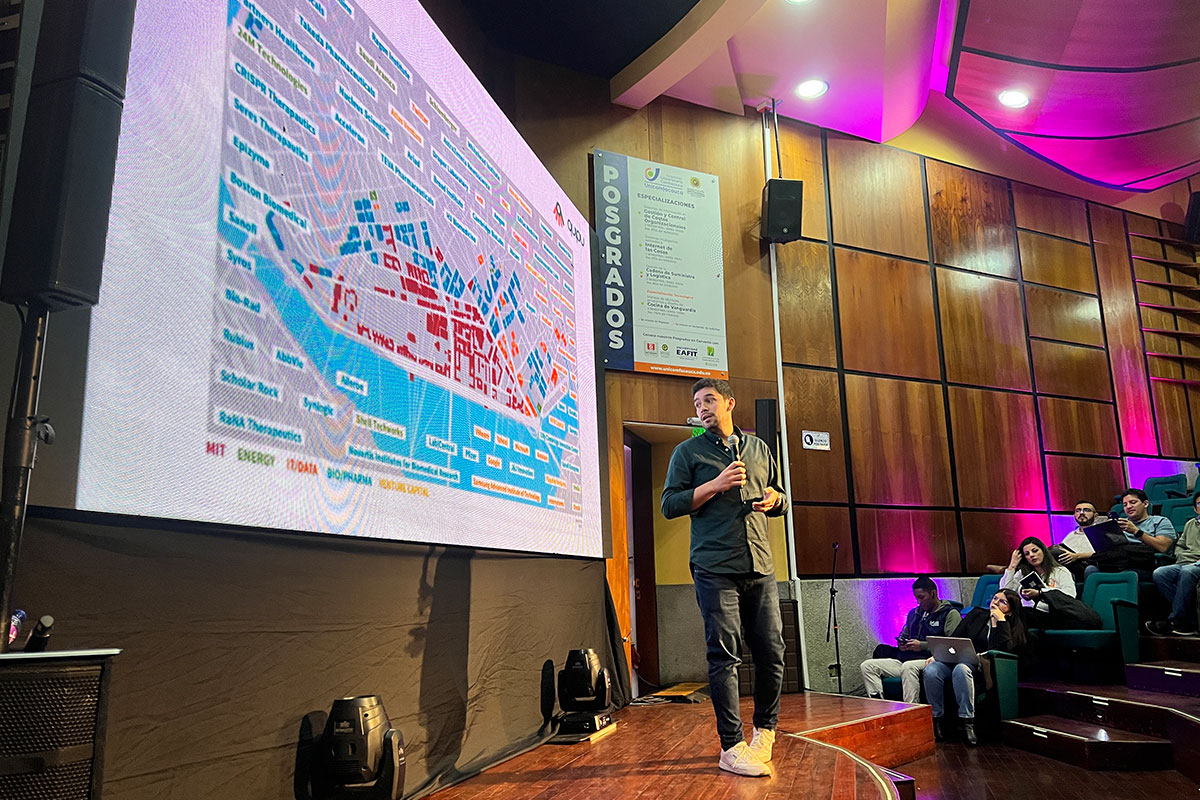
Conferencia: El camino de Quipu: de proyecto de investigación en MIT a fintech de inclusión financiera.
Cofundador y COO de Quipu Bank
Profesional en Gestión y Desarrollo Urbanos de la Universidad del Rosario, especialista en Derecho Urbano, y cuenta con una maestría en Planificación Urbana con énfasis en desarrollo económico del MIT. Como cofundador y COO de Quipu, una fintech de rápido crecimiento en Colombia, fue reconocido como Fellow del programa The Global Good Fund en 2023. Quipu ha recibido importantes reconocimientos de entidades como el Banco Mundial, Google, MIT, Forbes y Fast Company, consolidándose como un referente en inclusión financiera e innovación empresarial.
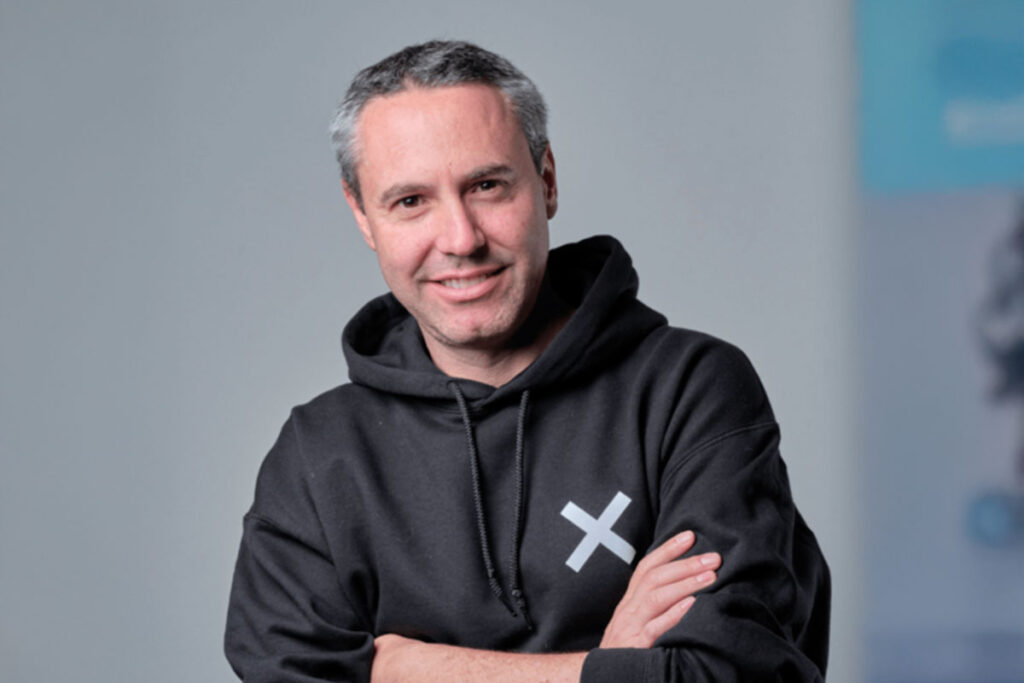
Director comercial de NotCo Colombia
Responsable de establecer la estrategia de negocio de NotCo en Colombia, en los frentes de Food Service, Retail. Administrador de negocios y especialista en mercadeo, con más de 25 años de experiencia liderando áreas de innovación en la industria de consumo masivo en Latinoamérica.

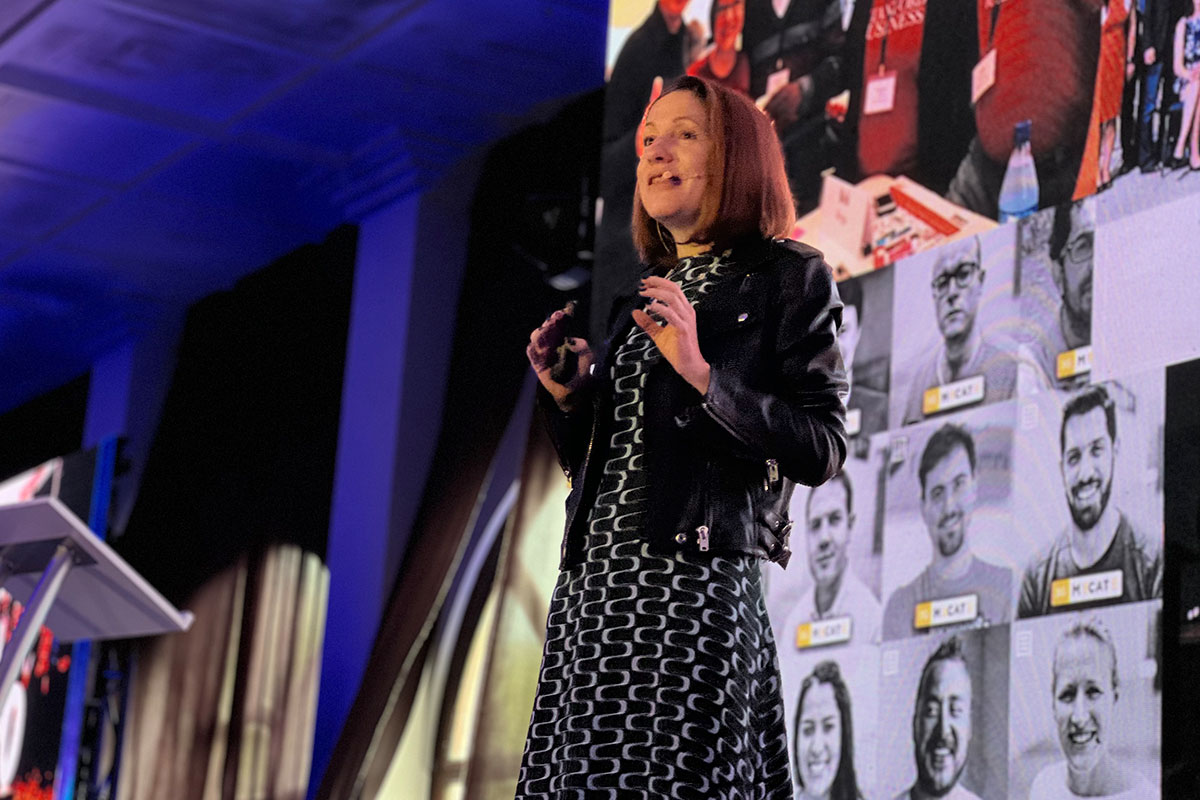
Conferencia: Efectos positivos de red.
CEO de Mentex y experta en innovación, reconocida entre los Top 100 gerentes de Colombia. Descubre cómo maximizar los efectos positivos de red y el impacto de la Alianza DeepTech en el fortalecimiento y escalamiento de startups en la región.