Types of Innovation in the Bioeconomy: Empowering the Future Through Digital Collaboration
Article
Share on:
Reddi promotes innovation in the bioeconomy as an engine for sustainable development, fostering solutions in sectors such as biotechnology, renewable energy, and the circular economy. To maximize its impact, it is key to understand the different types of innovation and how collaboration facilitates their implementation.
In this article we explore these approaches and the role of Fusióni360 as a platform that connects key players to enhance solutions.
The bioeconomy is a key driver of sustainable development, where innovation plays a fundamental role in transforming strategic sectors such as agriculture, biotechnology, renewable energy, and the circular economy. To accelerate this progress, it is essential to understand the types of innovation that can be applied and how digital collaboration facilitates their implementation.
Types of Innovation in the Bioeconomy
1. Technological innovation
Development of new technologies or improvement of existing processes in biotechnology, bioenergy, and biomaterials. Example: production of bioplastics from agro-industrial waste.
2. Process Innovation
Optimization of production methodologies, such as the use of more efficient and sustainable bioprocesses.
3. Innovation in
business models
Creation of innovative strategies based on the circular bioeconomy, integrating sustainability and profitability
4. Open Innovation
Collaboration between companies, universities and research centers for the joint development of bioeconomic solutions.
5. Social Innovation
Implementation of projects that generate a positive impact on communities through the sustainable use of natural resources.
Fusióni360: Driving Open Innovation in the Bioeconomy
The co-creation of innovative bioeconomic solutions.
Technology transfer between companies and universities.
Access to innovation challenges where the bioeconomy plays a leading role.
If you are part of the bioeconomy ecosystem and are looking to innovate through collaboration, Fusióni360 is your bridge to the future.
Help us rate this content to give you the best experience.
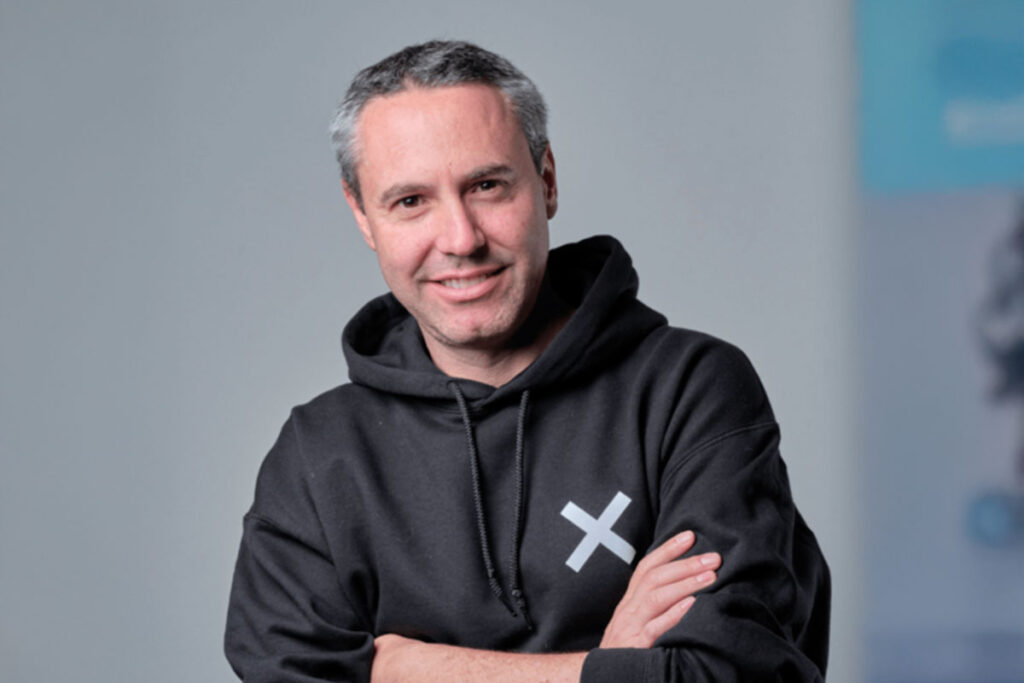
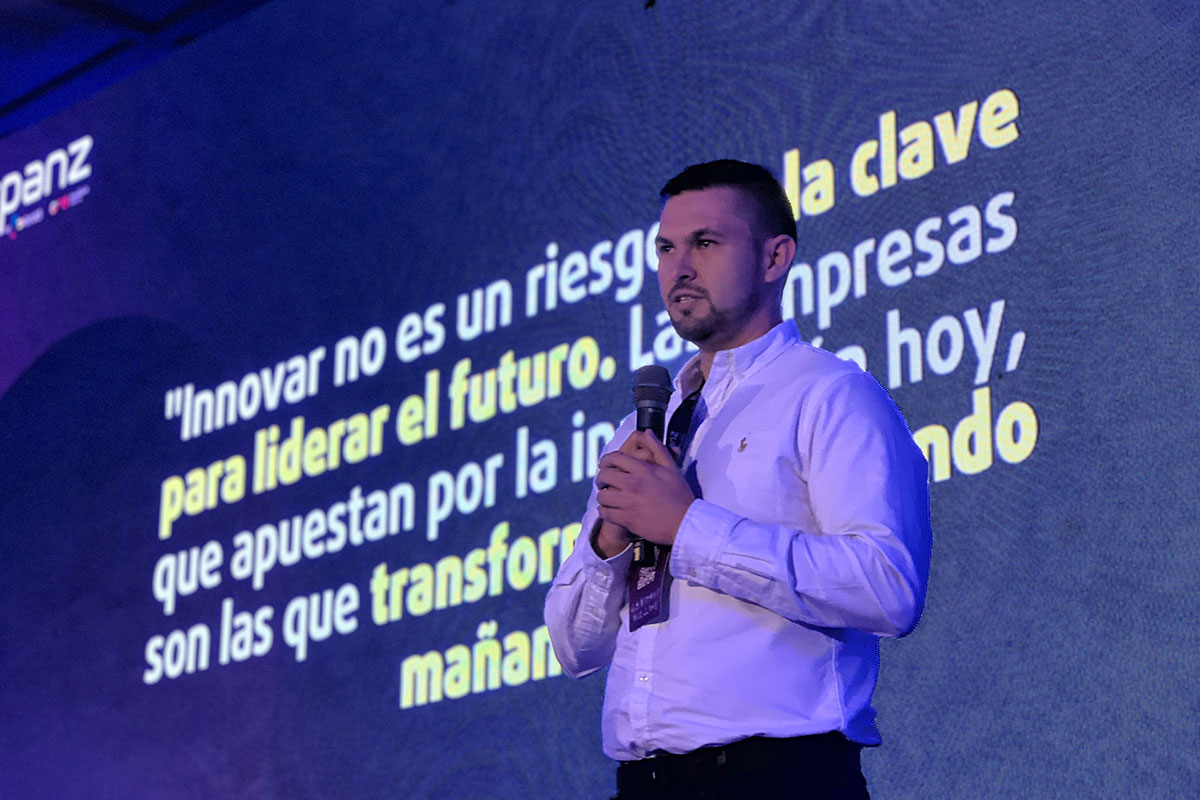
Andrés Méndez
Speaker principal
Conferencia “Innovación con impacto empresarial”
Presidente gremial, mentor y emprendedor serial
EdTech HUB LATAM + 90 Edtechs
Asociación de emprendedores +500 marcas de consumo
Ha logrado:
Diseñar estrategias de GTM en 14 países para diferentes proyectos.
Crear, comprar y vender empresas. (Incluyendo grandes y dolorosos fracasos).
Ayudar en proyectos con múltiples corporaciones (Gobiernos, Scale ups, Startups, ONGs).
Aprender de los mejores referentes; YCombinator, SOSV, Fuel de Mckinsey, entre otros.
Ser mentoreado por banqueros, ejecutivos, y emprendedores seriales.
Participar en el fondeo de Startups +$5M USD.
Actualmente se dedica a re-pensar, conectar y transformar industrias con problemas sistémicos en Colombia (Consumo) y Latino América (Educación con tecnología).
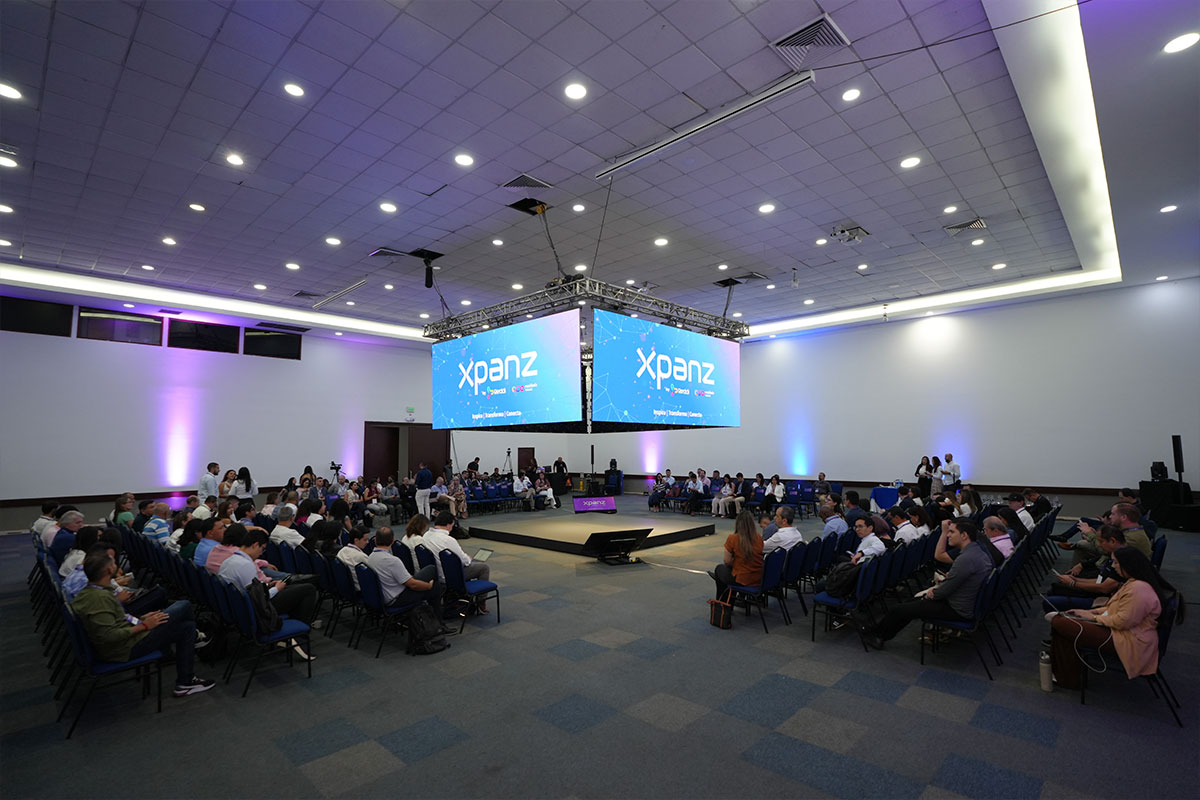
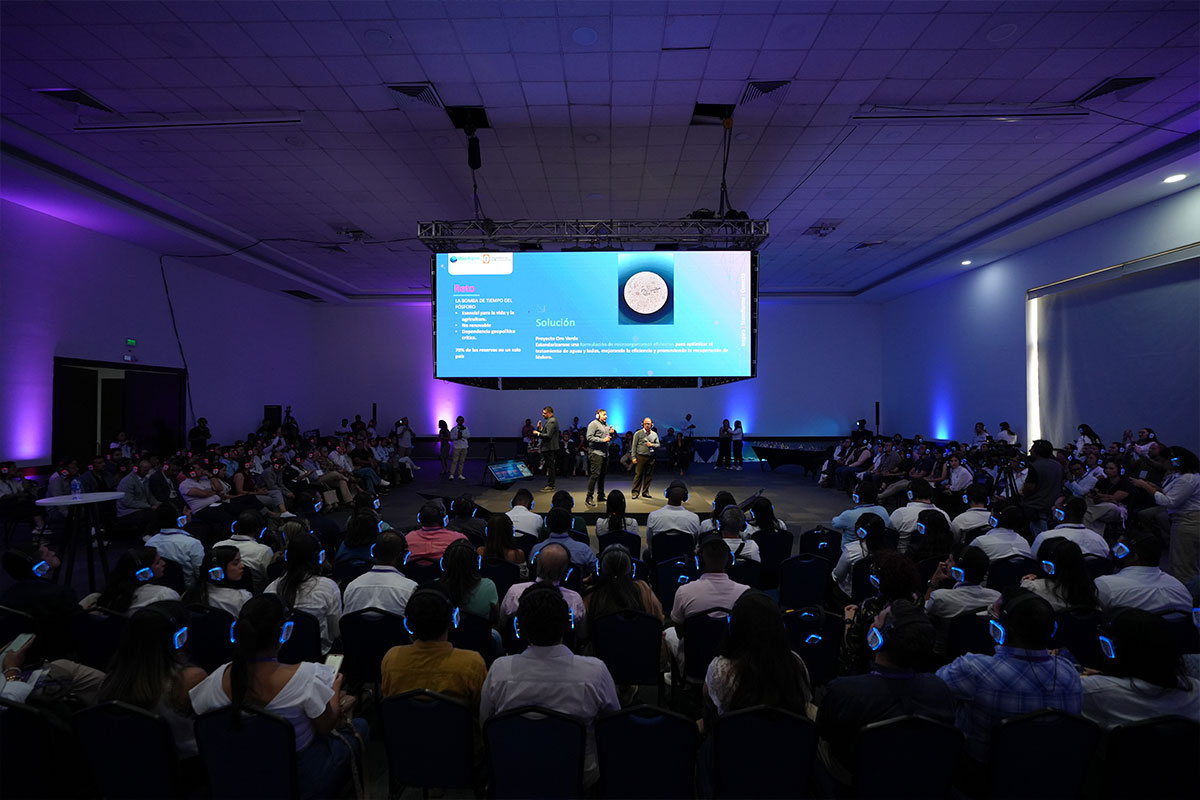
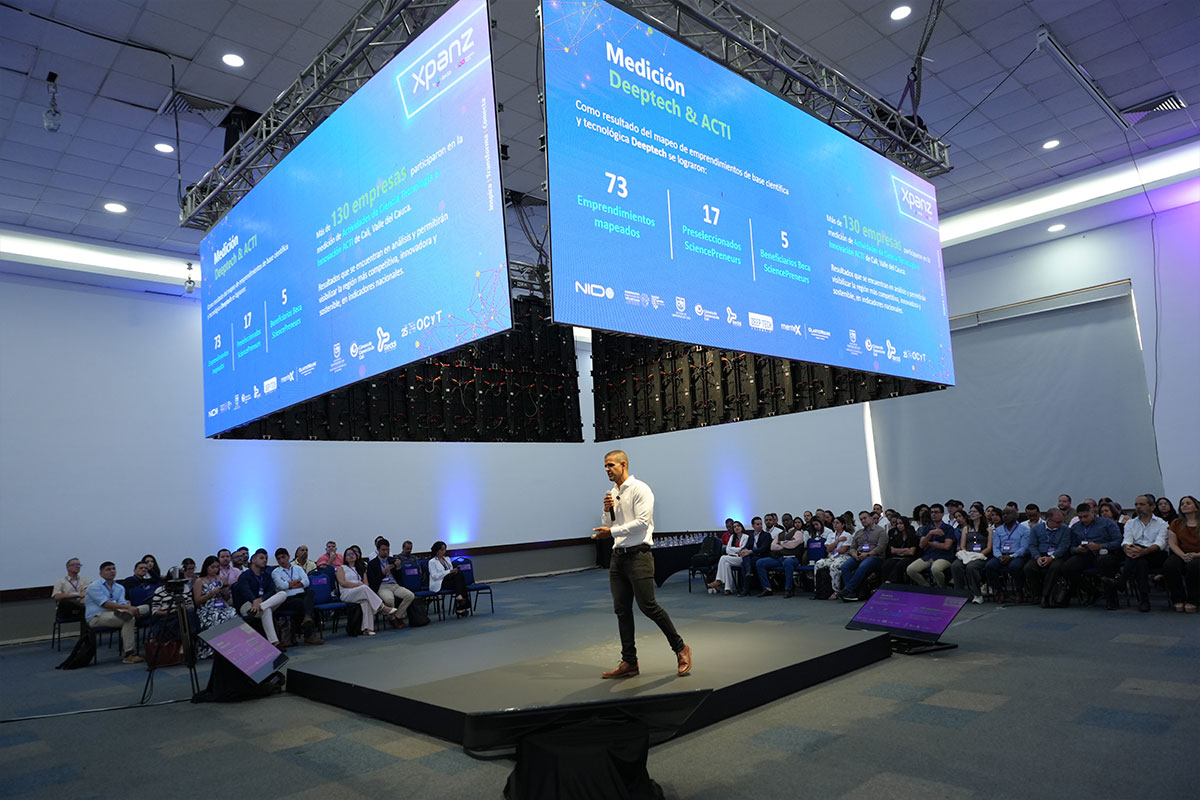
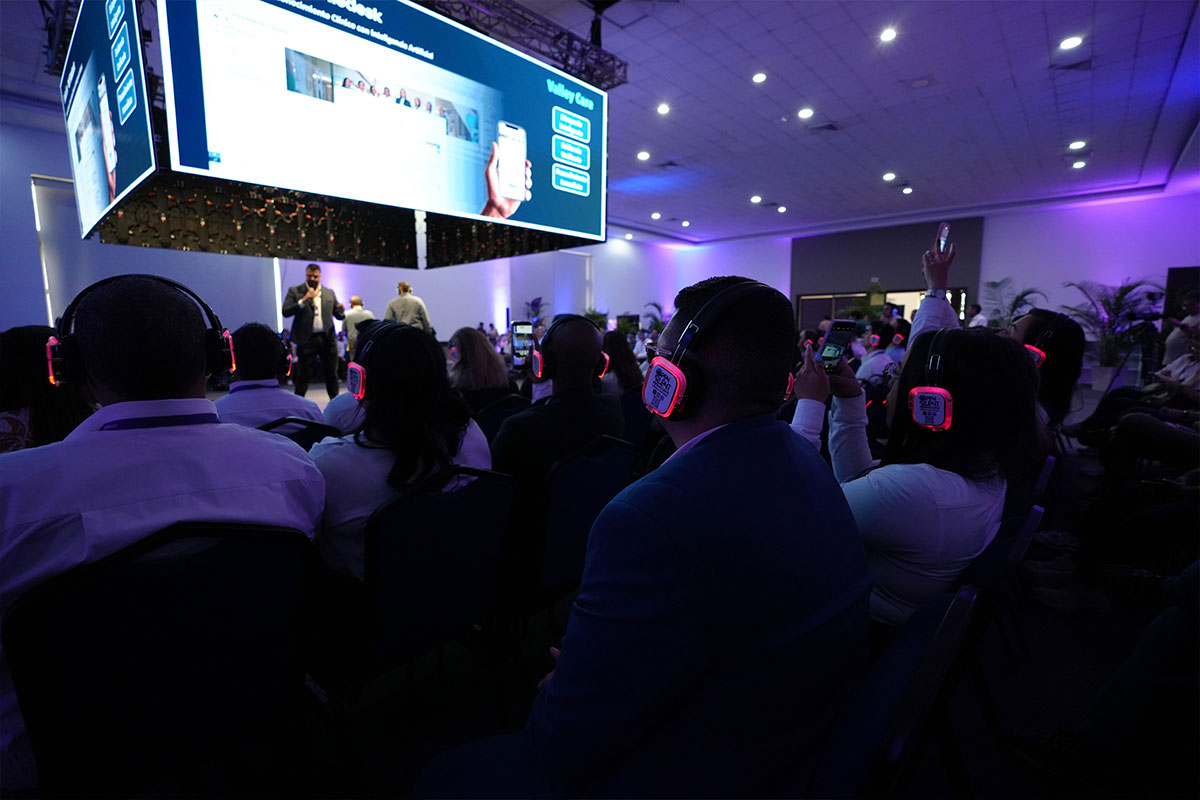
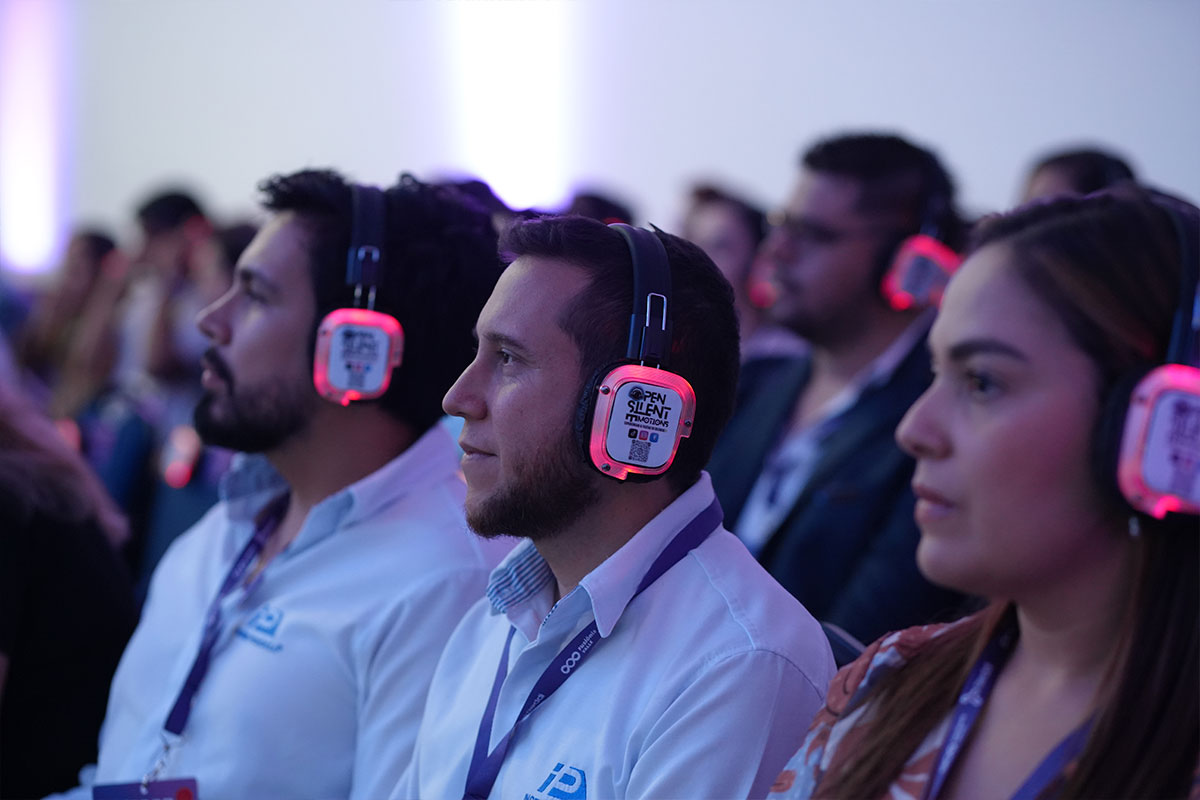
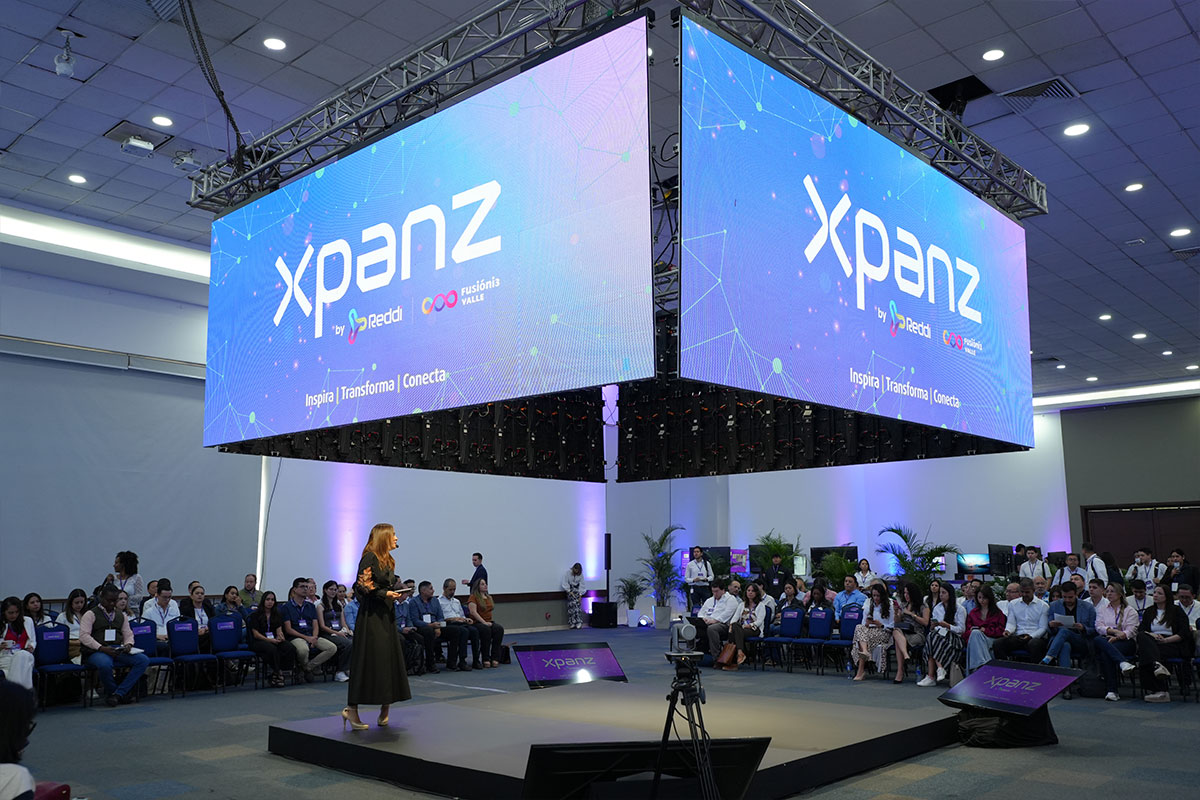
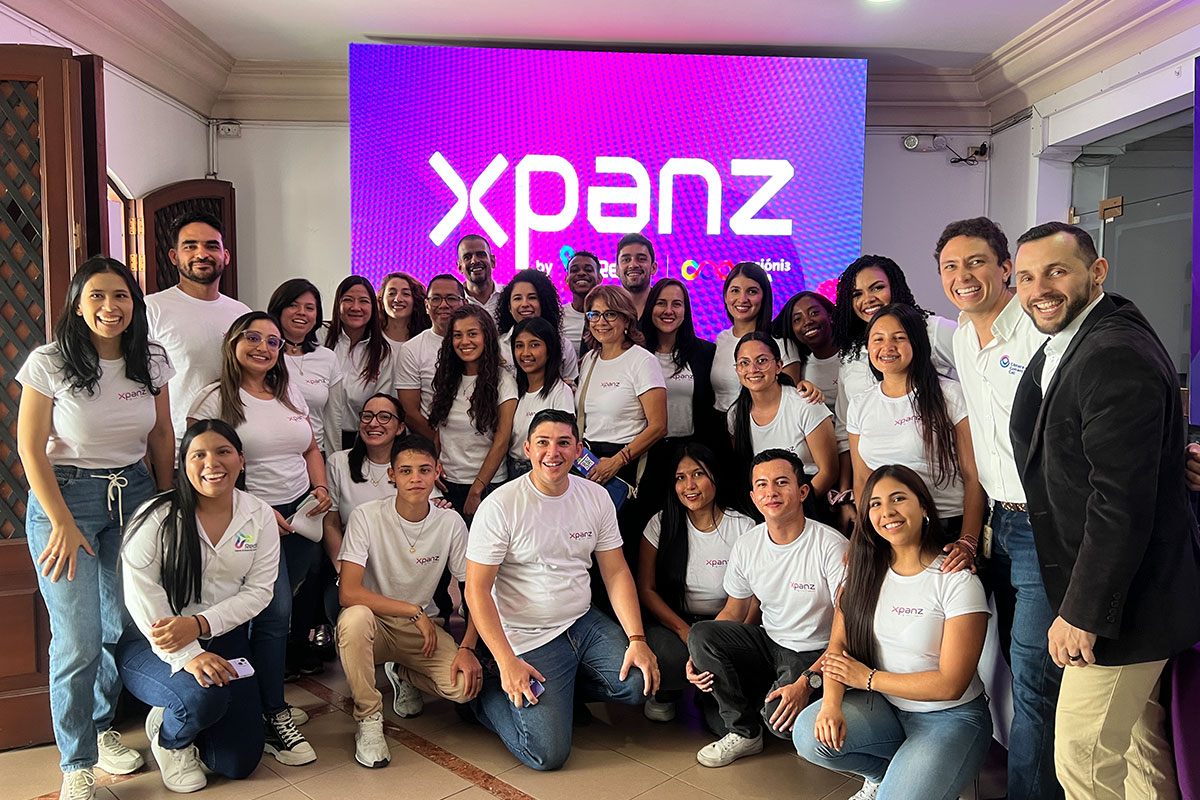
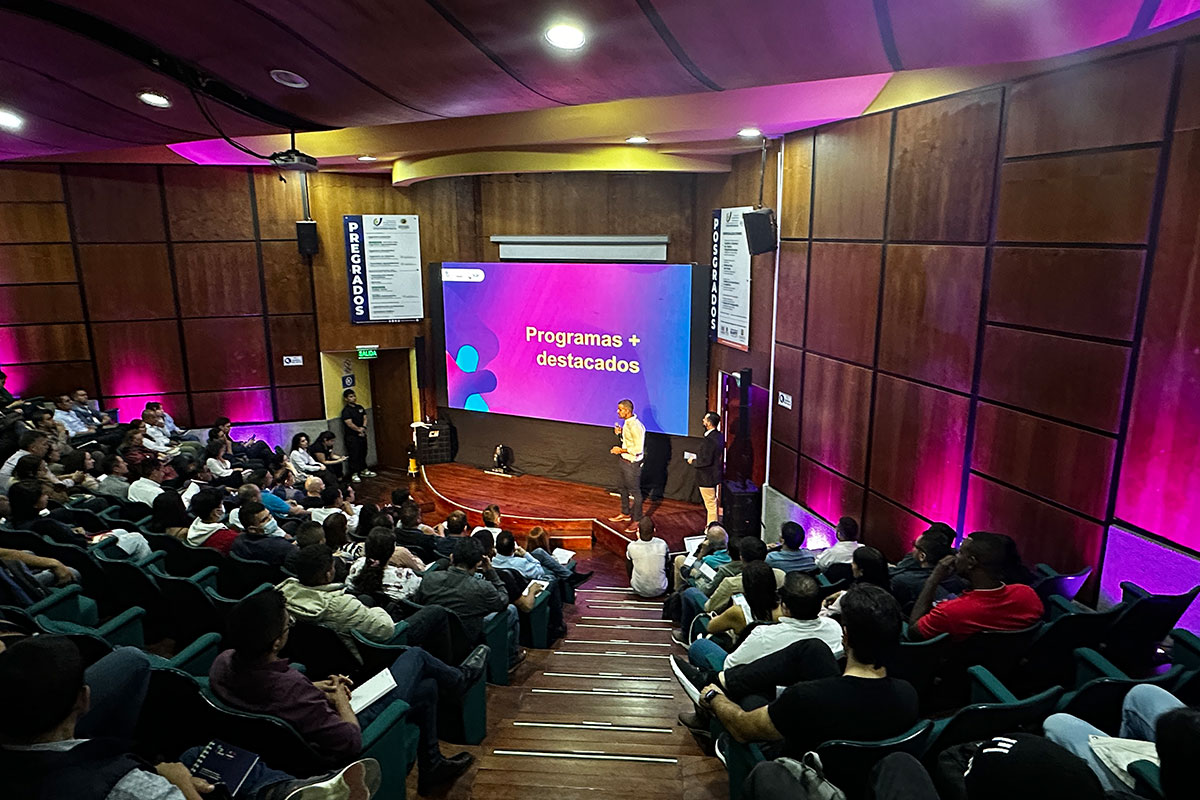
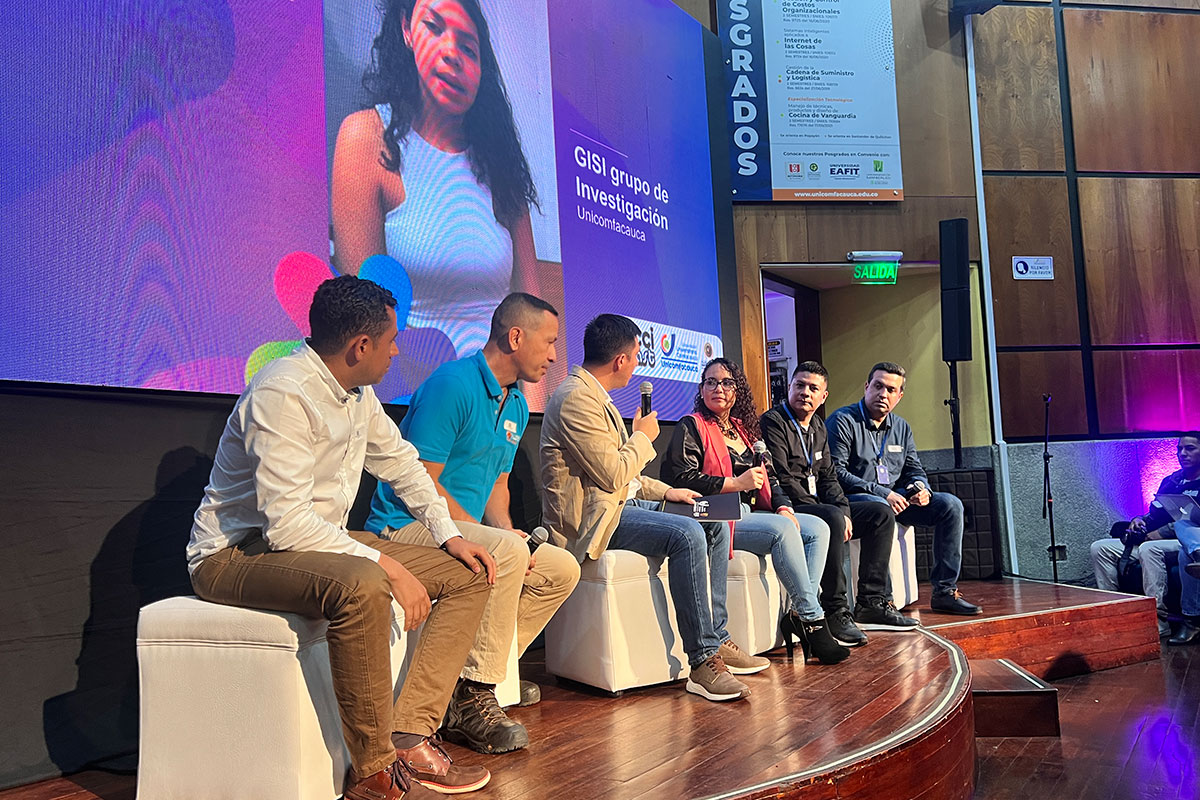
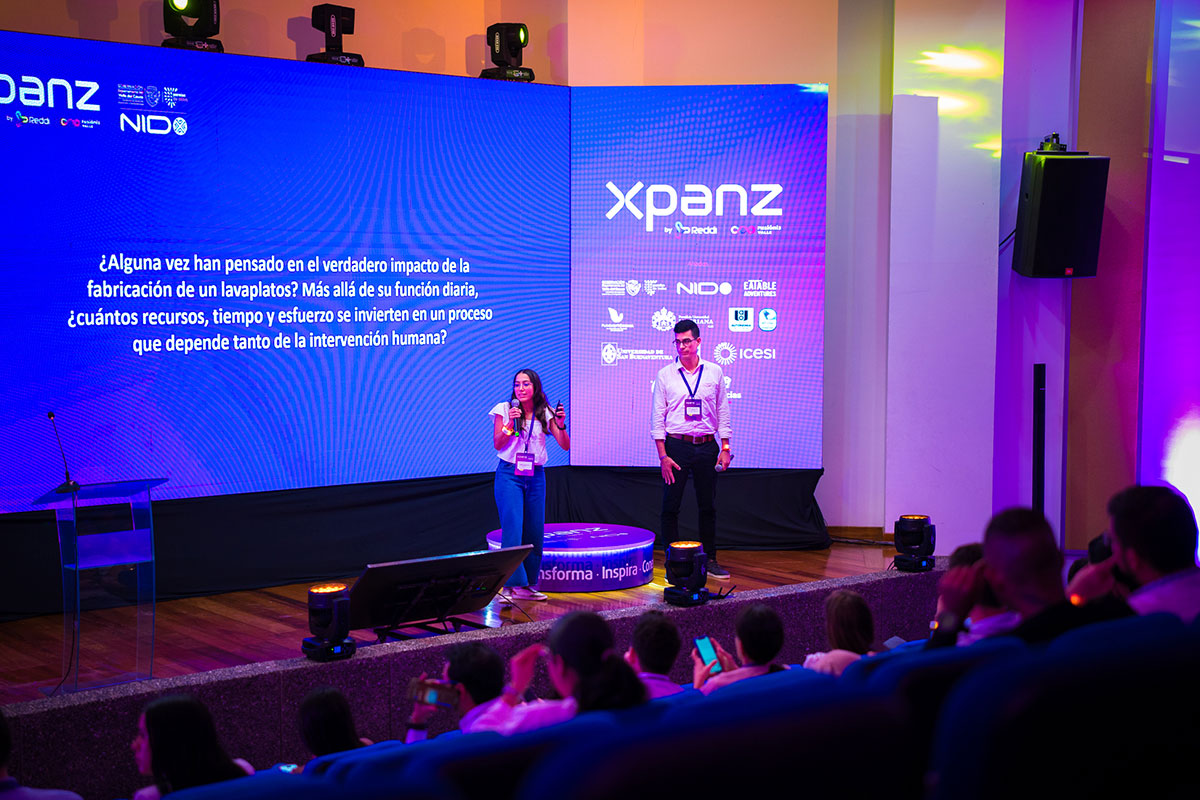
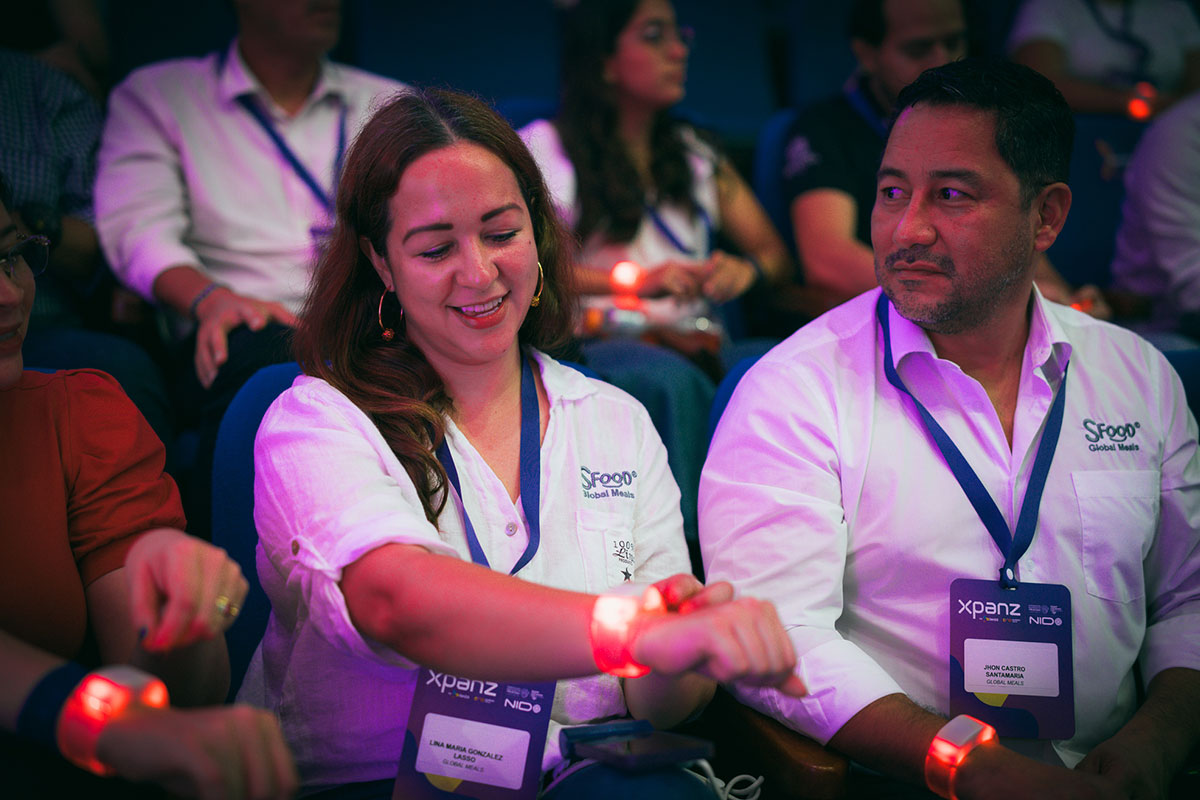
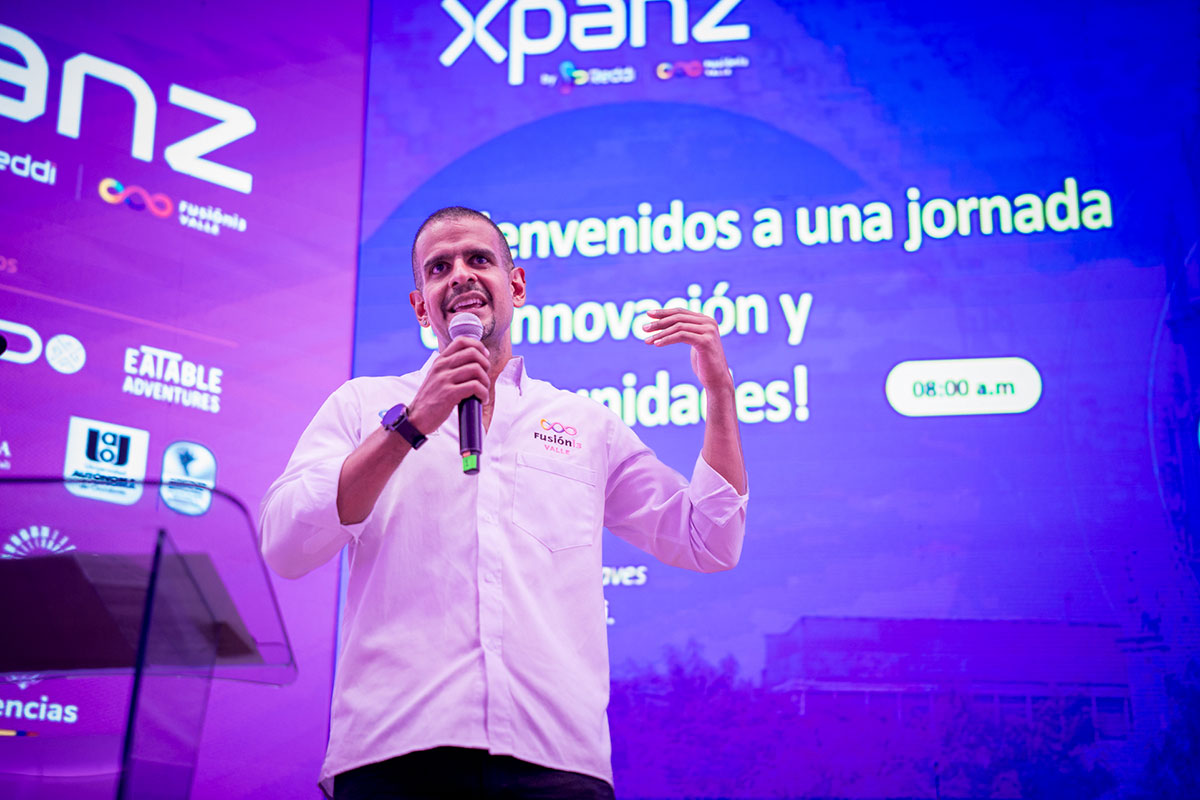
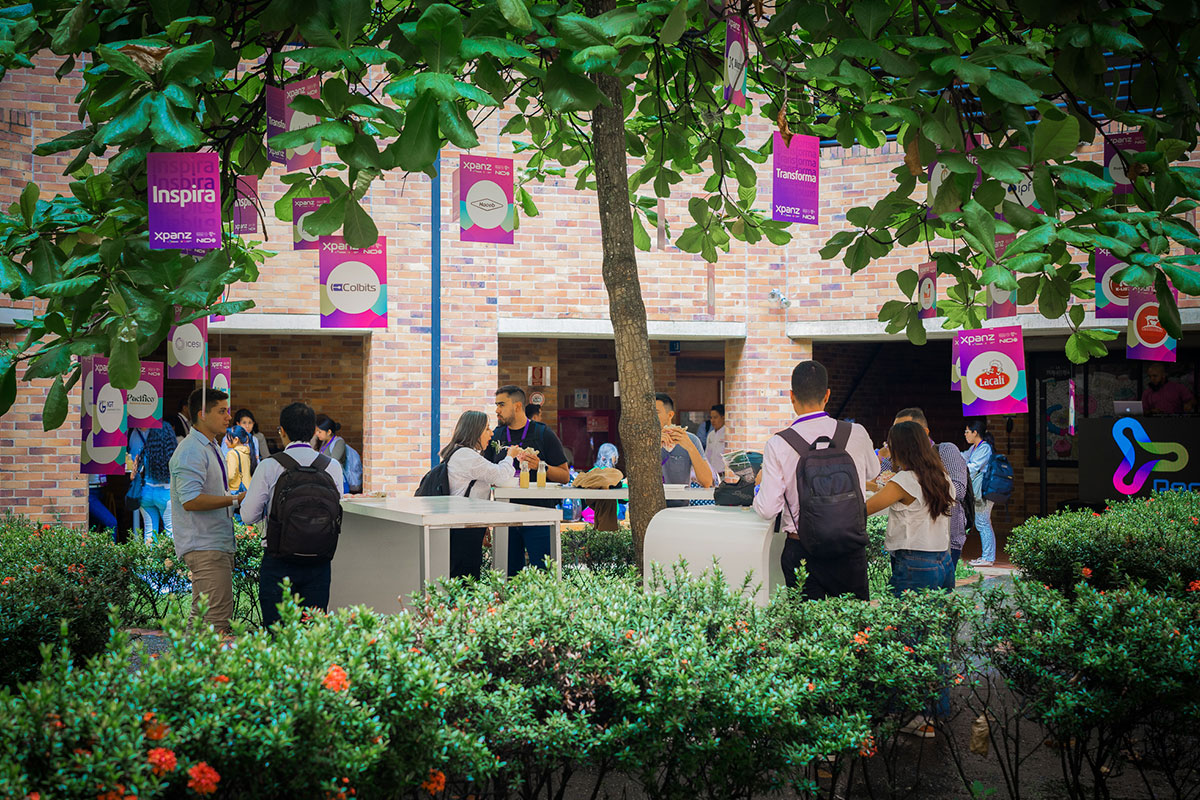
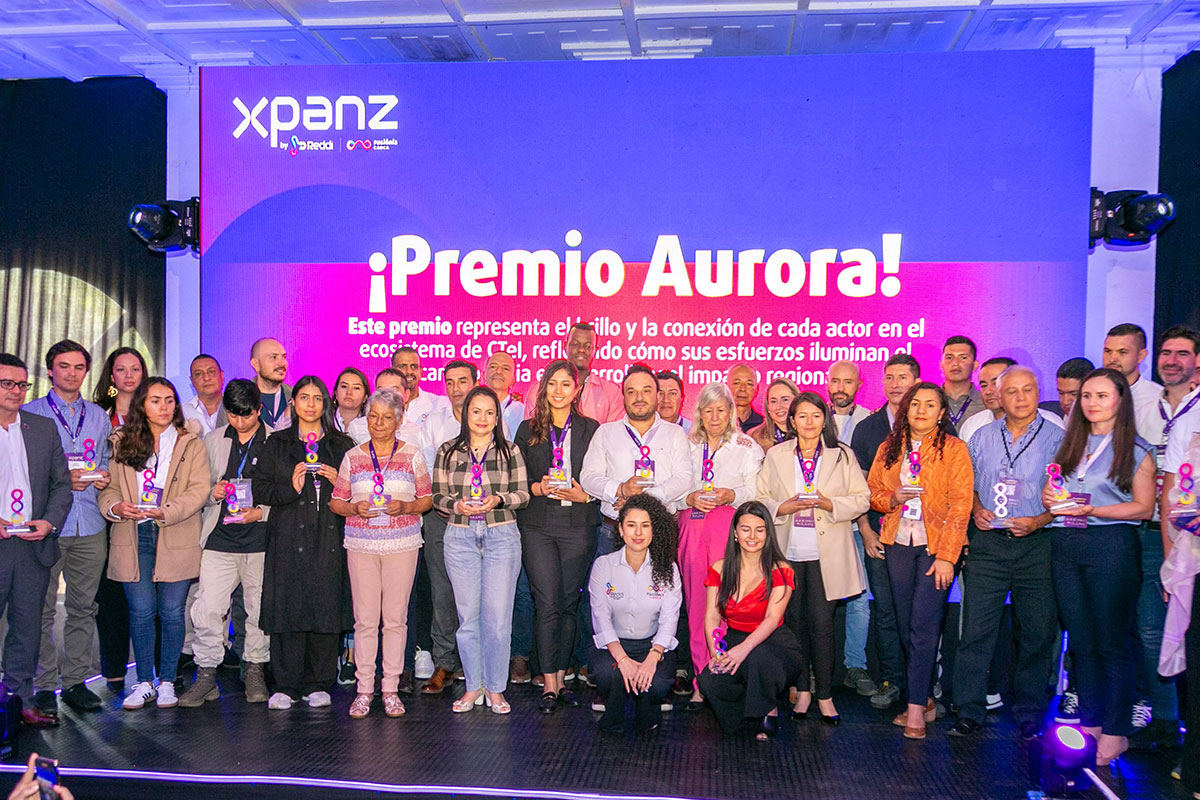
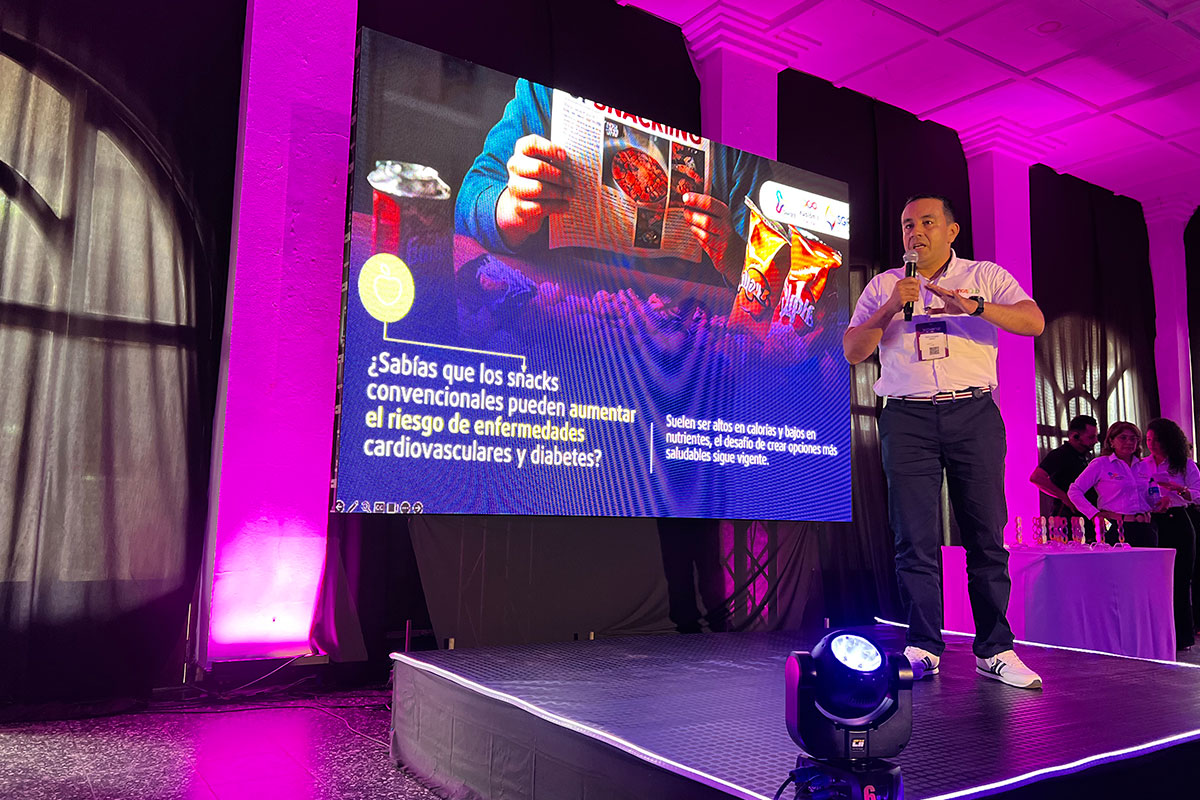
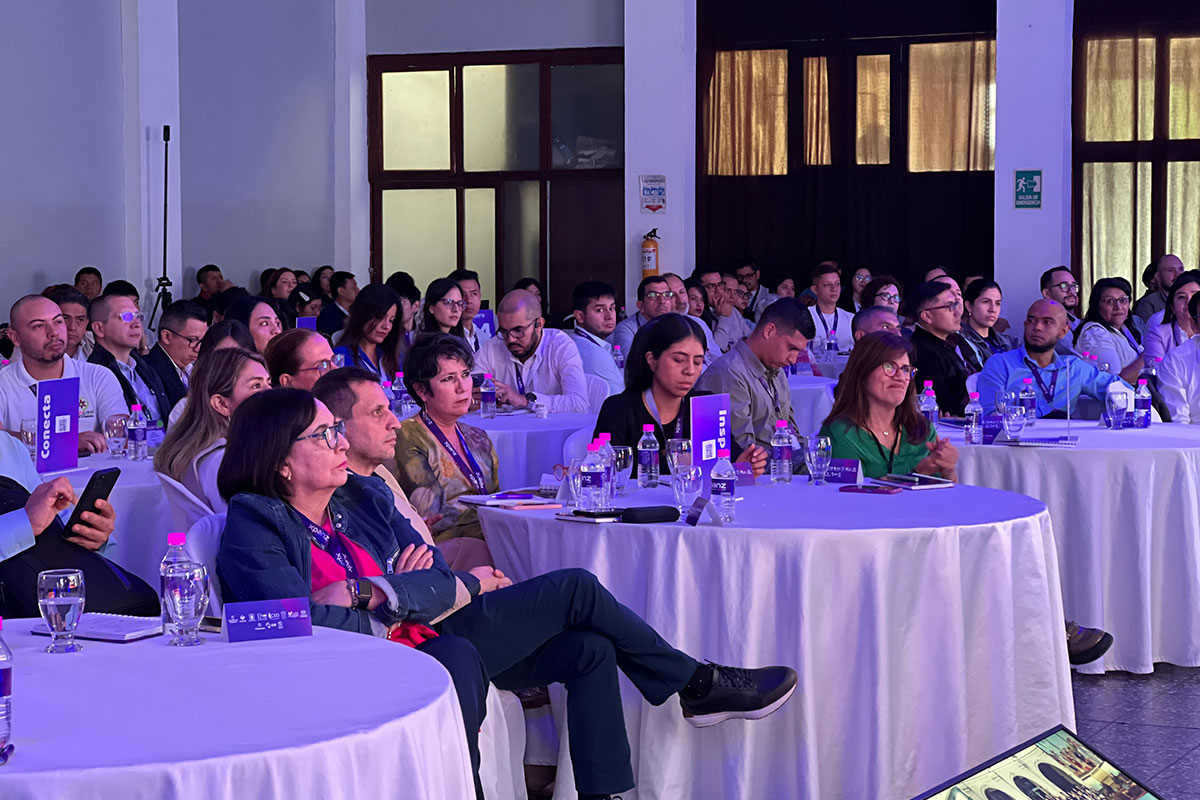
El evento contó con la participación de más de 101 asistentes en la Universidad Javeriana Cali.
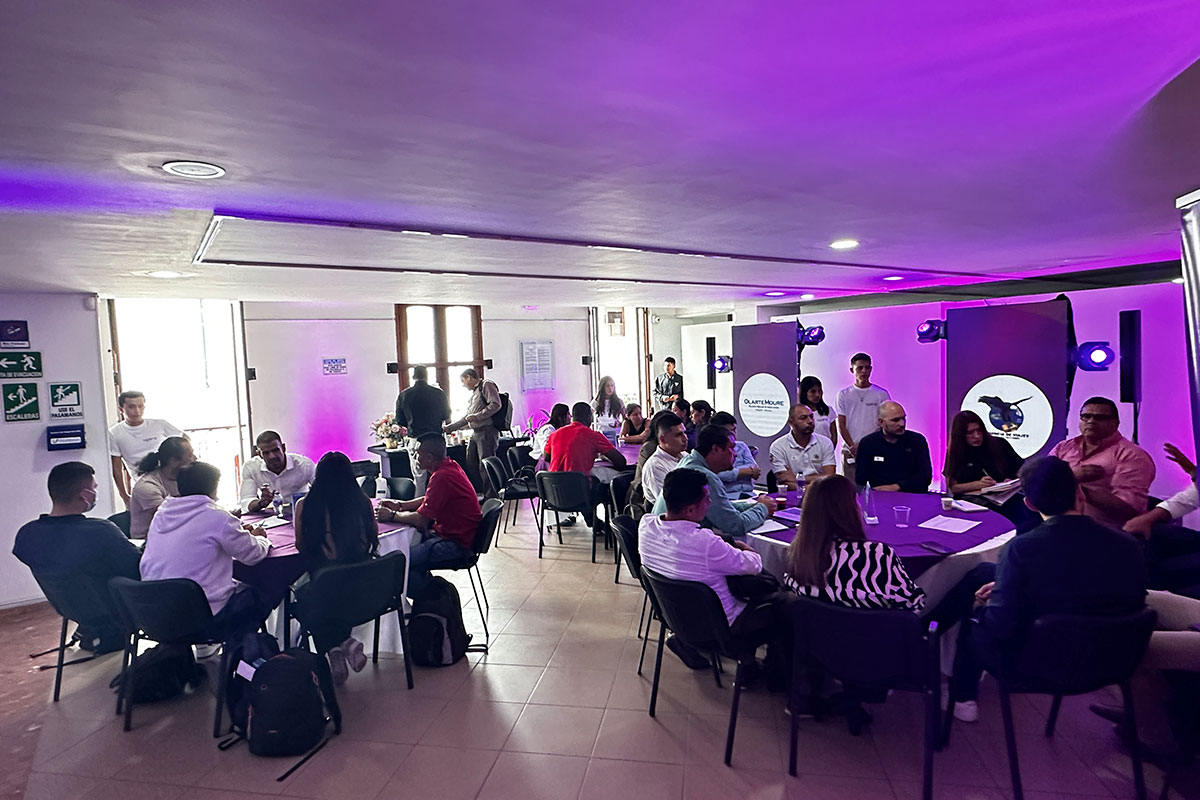
Fue el primer acercamiento entre IES aliadas y MiPyMEs beneficiarias.
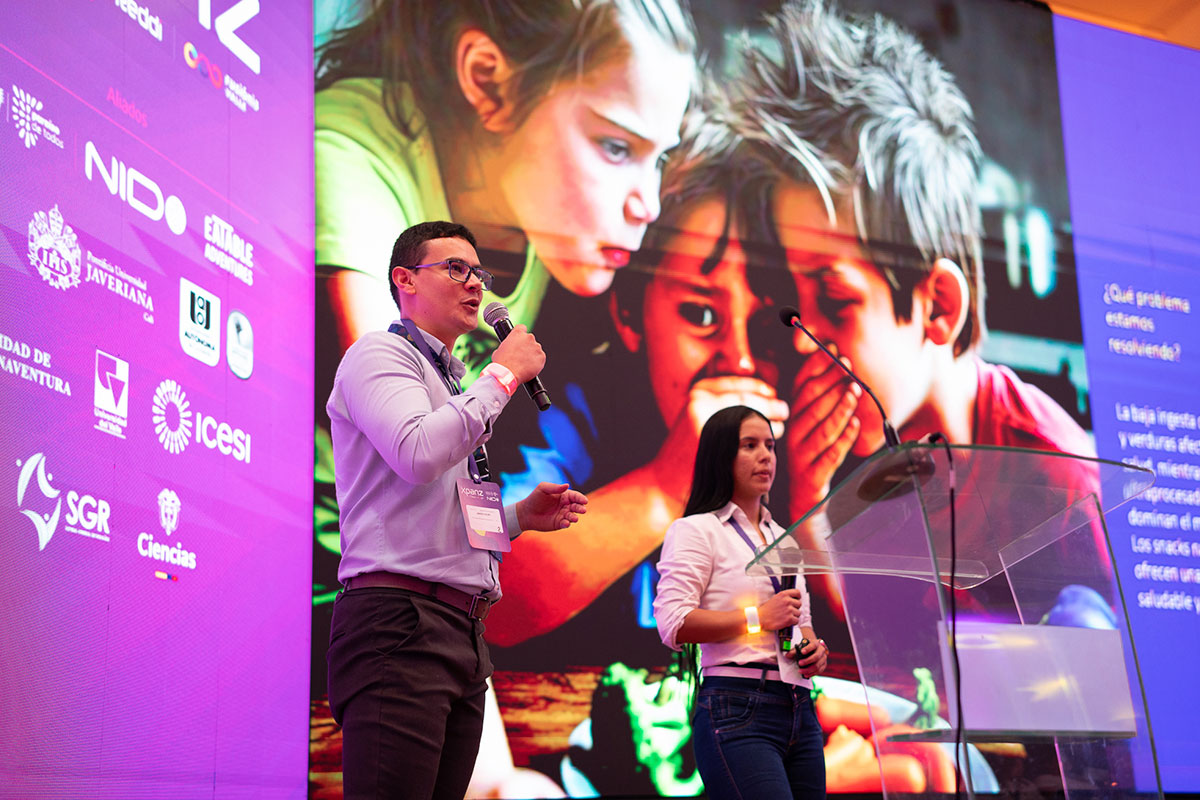
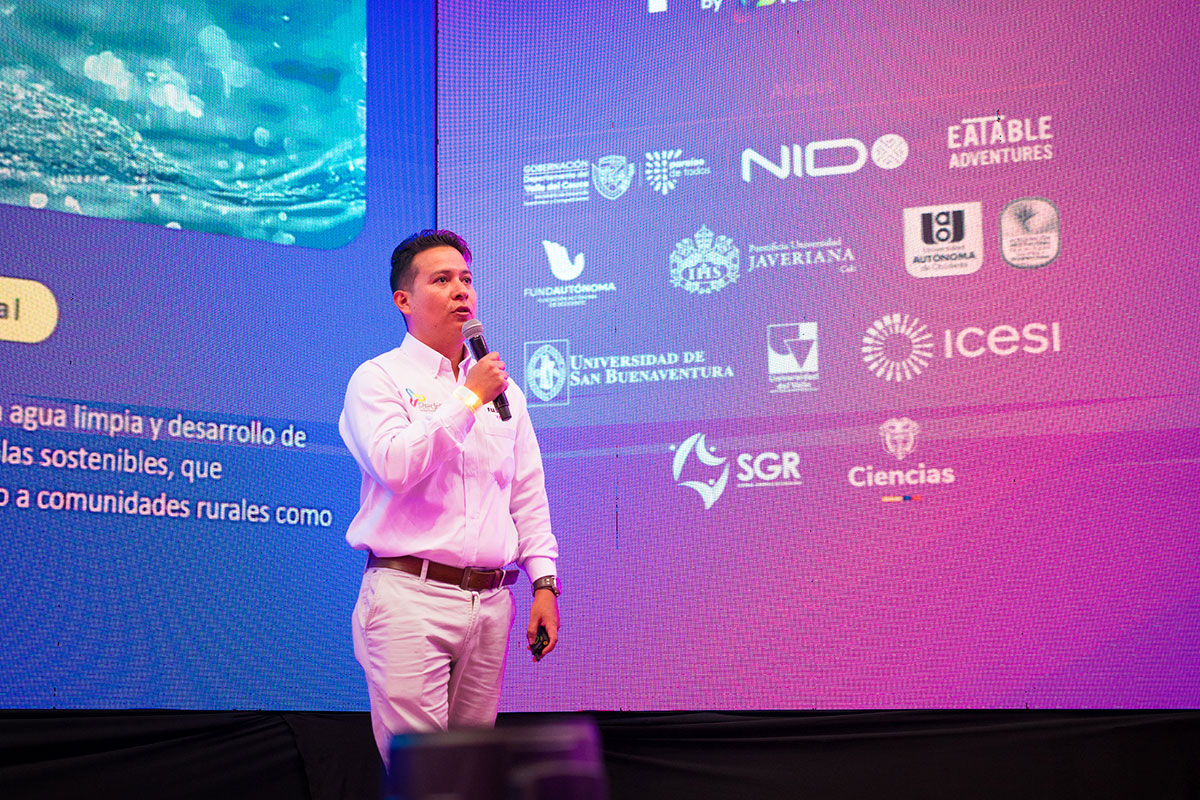
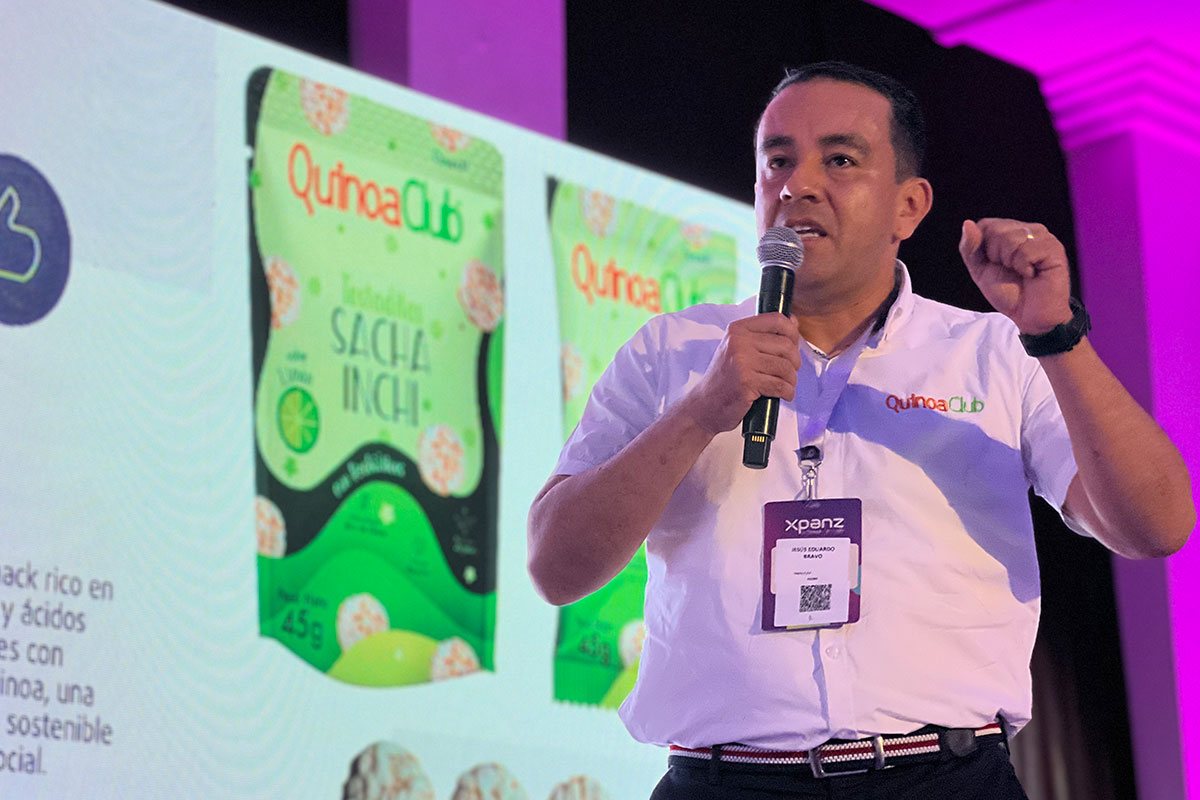
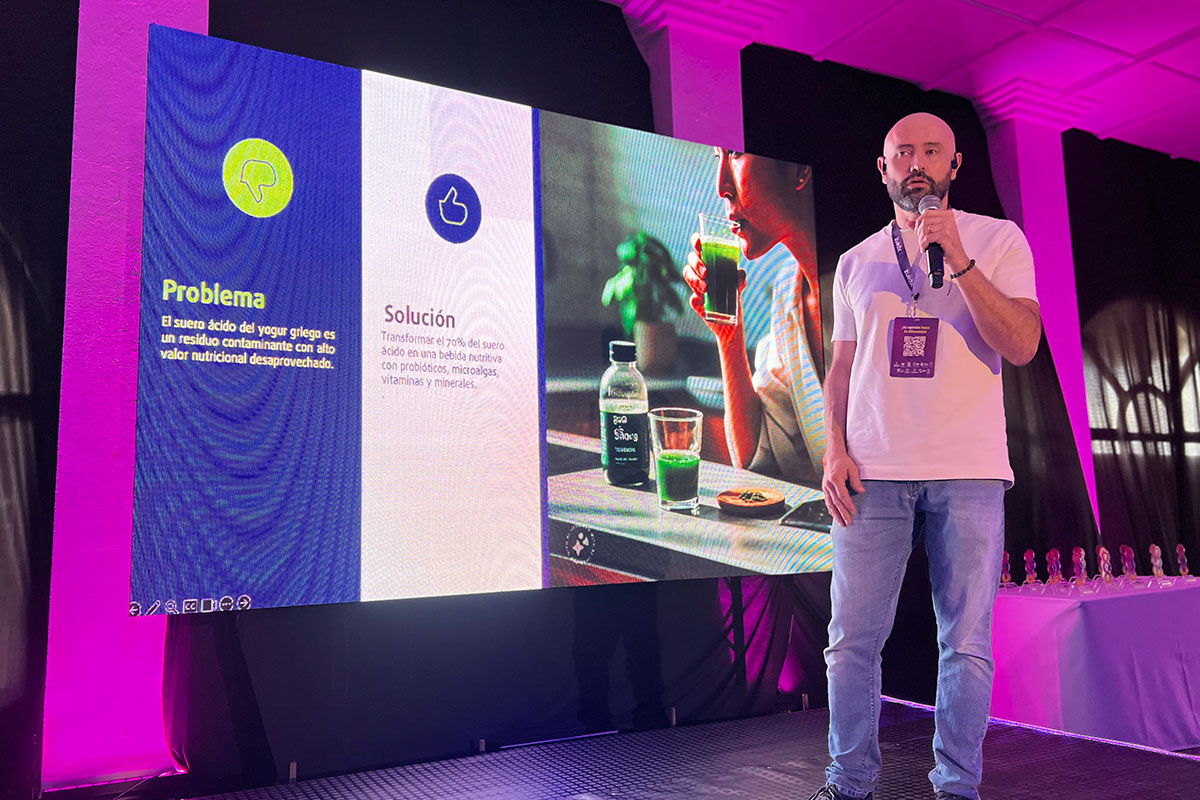
17 de estas MiPyMEs presentaron su Pitch, 11 tecnologías de las IES aliadas fueron presentadas en el Experience Day, las cuales tuvieron 28 validaciones pre-comerciales.
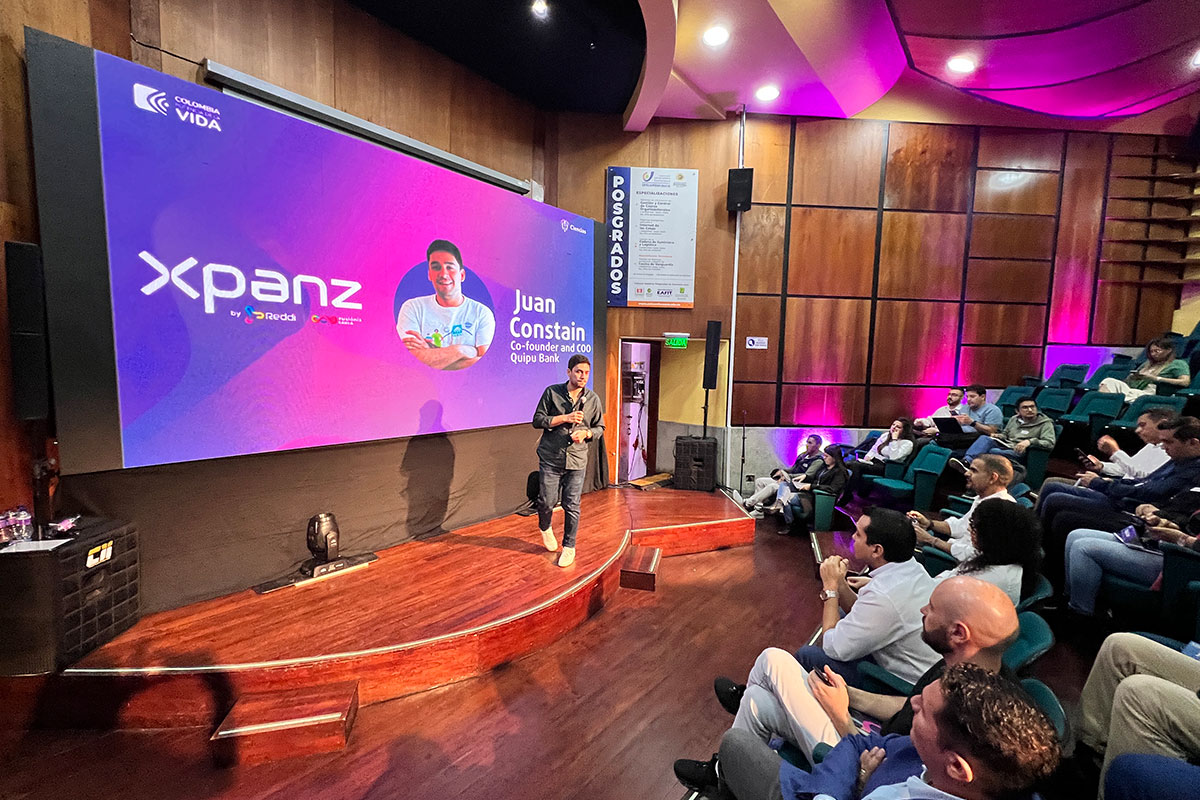
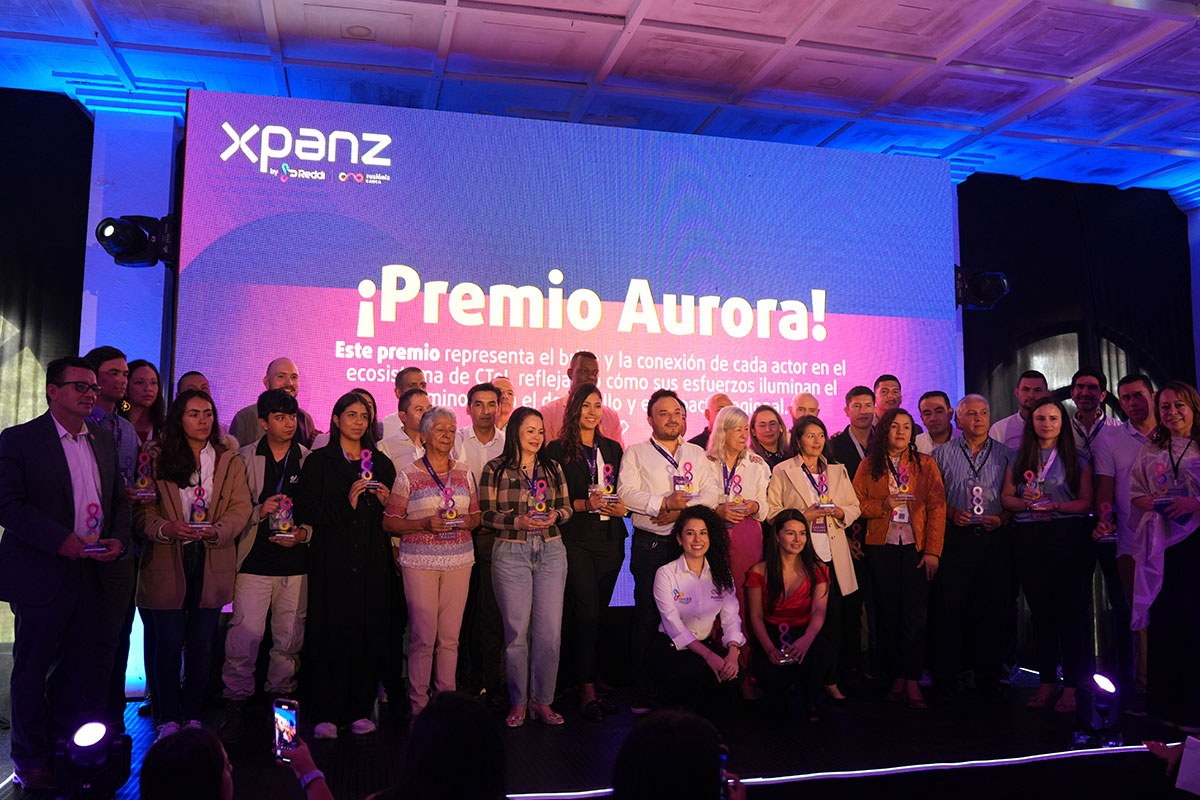
Xpanz en Cauca 2024
Conferencista principal
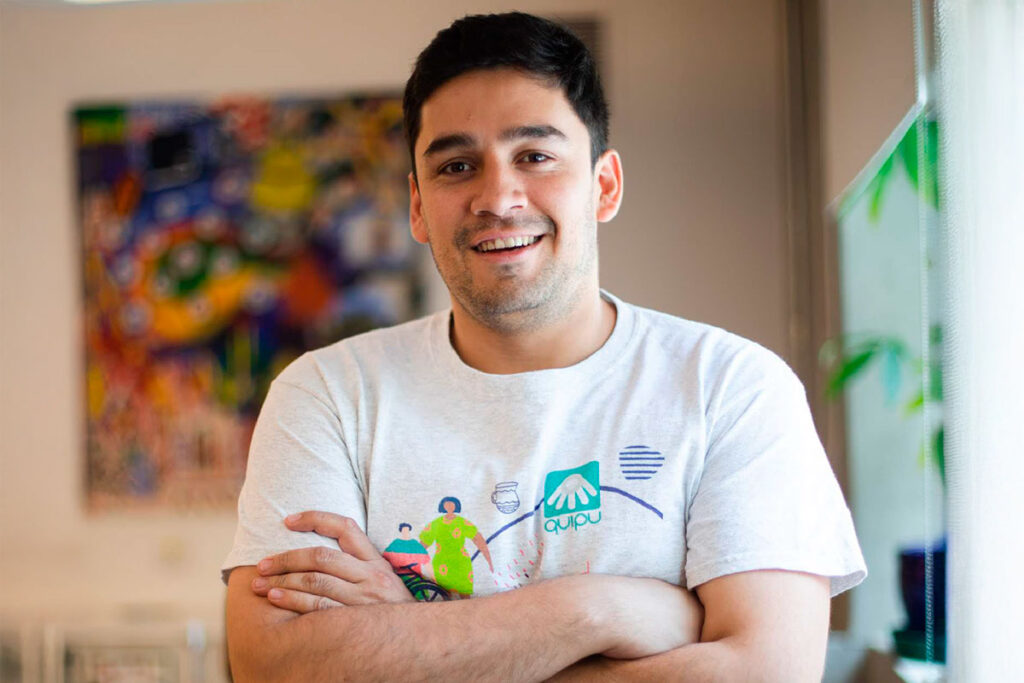
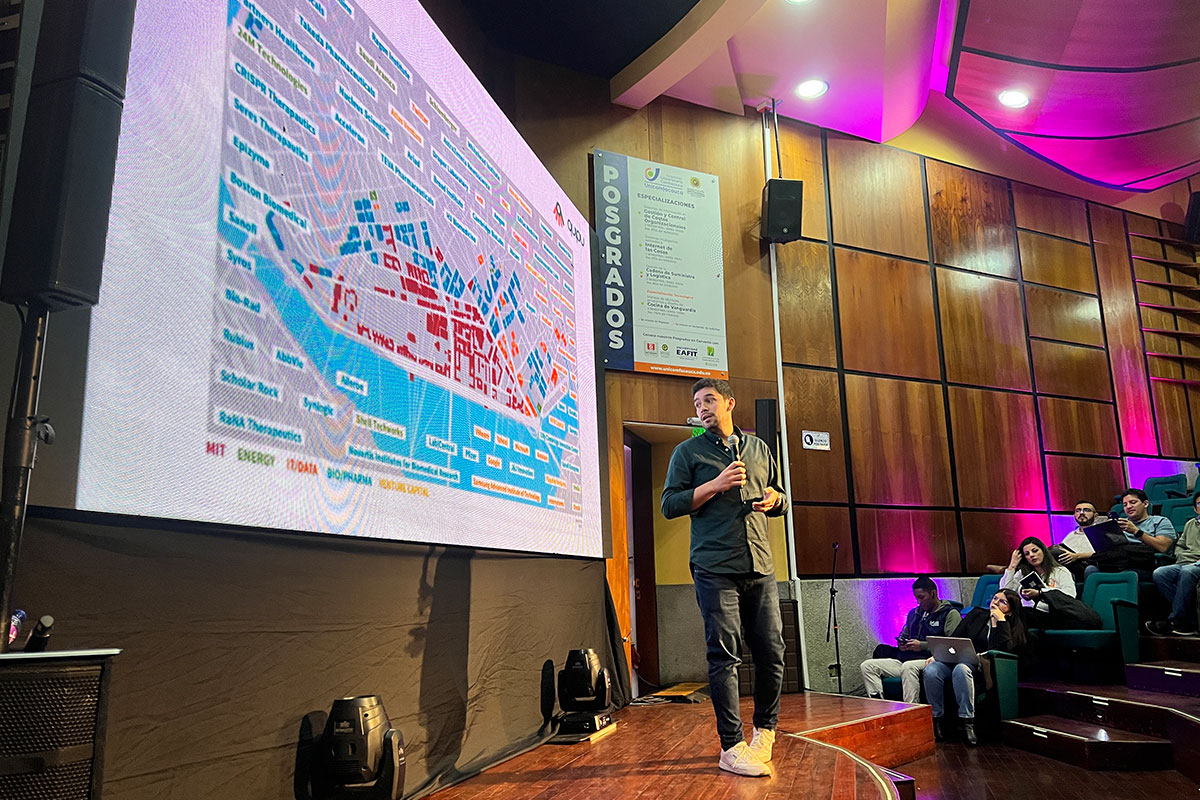
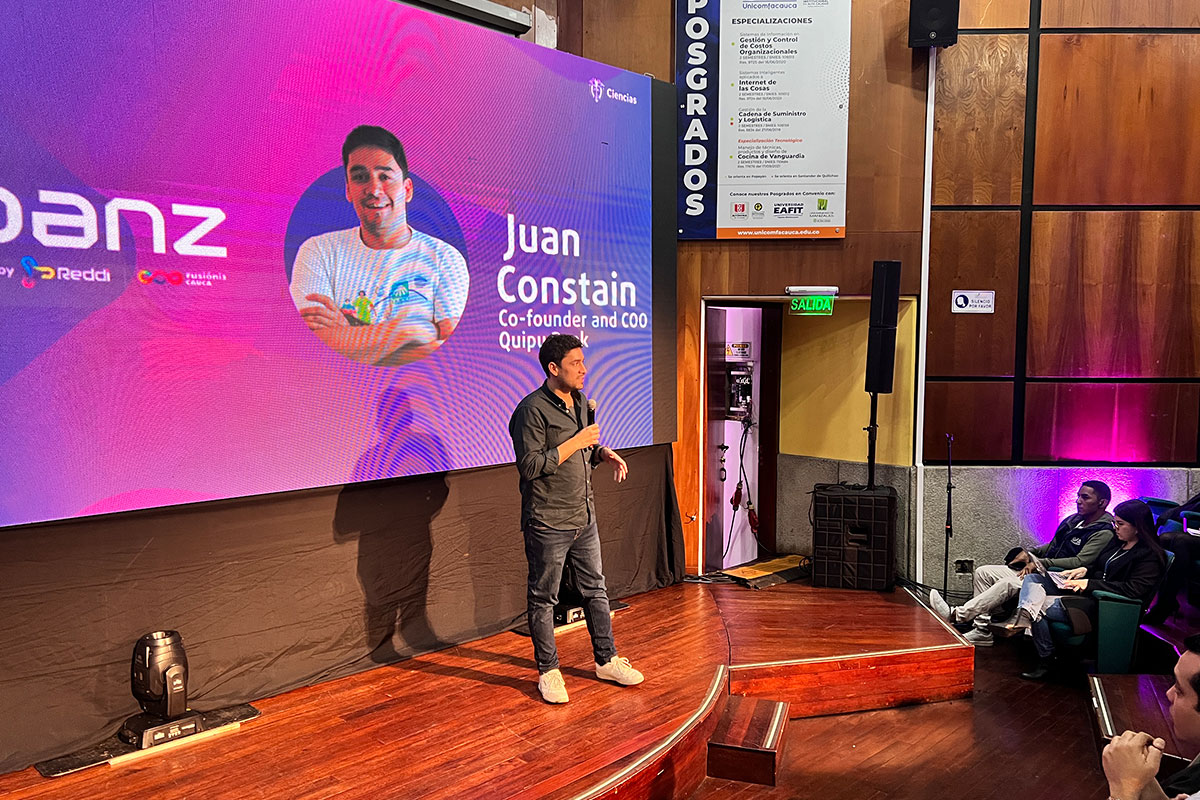
Juan Cristóbal Constain
Conferencia: El camino de Quipu: de proyecto de investigación en MIT a fintech de inclusión financiera.
Cofundador y COO de Quipu Bank
Profesional en Gestión y Desarrollo Urbanos de la Universidad del Rosario, especialista en Derecho Urbano, y cuenta con una maestría en Planificación Urbana con énfasis en desarrollo económico del MIT. Como cofundador y COO de Quipu, una fintech de rápido crecimiento en Colombia, fue reconocido como Fellow del programa The Global Good Fund en 2023. Quipu ha recibido importantes reconocimientos de entidades como el Banco Mundial, Google, MIT, Forbes y Fast Company, consolidándose como un referente en inclusión financiera e innovación empresarial.
Xpanz en Valle 2024
Conferencista principal
Agustín Londoño
Director comercial de NotCo Colombia
Responsable de establecer la estrategia de negocio de NotCo en Colombia, en los frentes de Food Service, Retail. Administrador de negocios y especialista en mercadeo, con más de 25 años de experiencia liderando áreas de innovación en la industria de consumo masivo en Latinoamérica.
Xpanz en Cauca 2025
Conferencista principal
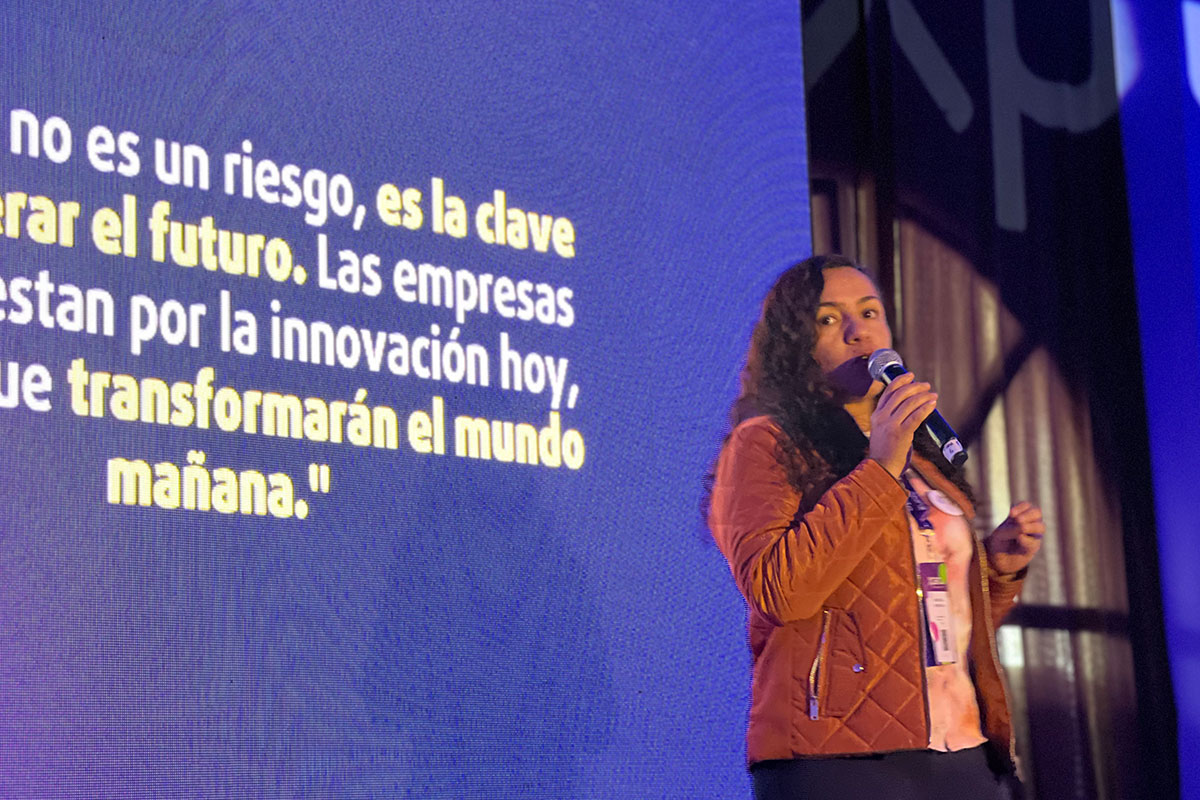
Claudia Aparicio
Conferencia: Efectos positivos de red.
CEO de Mentex y experta en innovación, reconocida entre los Top 100 gerentes de Colombia. Descubre cómo maximizar los efectos positivos de red y el impacto de la Alianza DeepTech en el fortalecimiento y escalamiento de startups en la región.
We use cookies to ensure that we give you the best experience on our website. If you continue to use this site we will assume that you are happy with it.