

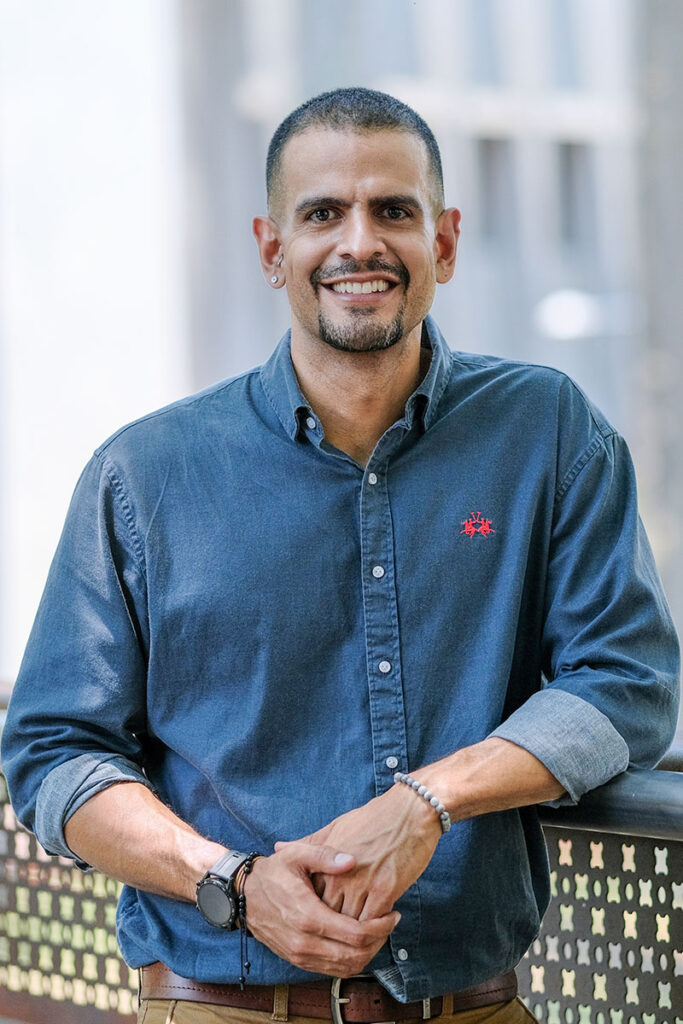
Juan Manuel Chaves
Manager of Reddi Colombia
There is a common belief that bringing researchers and business leaders together in the same room is the starting point for innovation. However, I discovered that having the right talent and willingness did not guarantee that projects would actually materialize. Conversations often lost momentum almost as soon as they began. The problem was not a lack of interest, but the absence of an invisible yet essential ingredient: trust.
That gap is bridged by recognizing that academia and the business world—while sharing an interest in solving complex challenges—operate according to different logics. While businesses prioritize viability, time-to-market, and implementation, researchers focus on rigor, evidence, and scientific validity. Far from being an obstacle, this difference is the engine of innovation: when aligned, the depth of academic knowledge is enriched by the business sector’s pragmatic approach, allowing ideas to transform into high-impact solutions.
The best collaborations I have witnessed do not begin with the intention of solving everything at once. They start with an honest conversation, a well-defined challenge, and an initial opportunity to work together. Testing a solution, validating a hypothesis, or developing a pilot project allows the parties to get to know one another through action. It is in this process that agreements are forged, expectations are clarified, and—above all—results are generated that build the confidence needed to move forward.
That is why open innovation goes far beyond simply connecting people or issuing a call for proposals. It is about creating the conditions for knowledge to meet relevant problems and for organizations to access capabilities they would not possess on their own. It means opening up a space where companies, startups, universities, and research centers can pool their expertise and turn it into real-world impact.
This is the vision behind BioenergyTech. It is an initiative led by Econova—the Ecopetrol Group’s innovation network—operated by the Cali Chamber of Commerce, and executed by Reddi Colombia. The program seeks to connect technological capabilities with real-world challenges in the agro-industrial sector. The call for proposals opens up opportunities to develop solutions focused on energy recovery from swine waste, sugarcane by-products (vinasse and filter cake), and rice husks.
BioenergyTech aims to take these solutions into real-world settings. Selected organizations will be able to move toward validating their technologies in the Valle del Cauca region, benefiting from specialized guidance and resources allocated for the development of three pilot projects. It is an opportunity to demonstrate capabilities, strengthen partnerships, and contribute to an energy transition that makes better use of the resources available in our region.}
We believe that Colombia possesses the solutions, talent, and knowledge to transform agro-industrial waste into new opportunities for sustainability, competitiveness, and development. What we need is to continue creating spaces where we can come together to test, learn, and scale up—collaboratively.
If your company, startup, university, research group, or technology center has a solution that can address these challenges, we invite you to learn more about the call for proposals and submit your application by August 31, 2026.
Discover the challenges and participate at www.reddicolombia.com/bioenergytech/
